
Affiliate disclosure: As an Amazon Associate I earn from qualifying purchases. Learn more
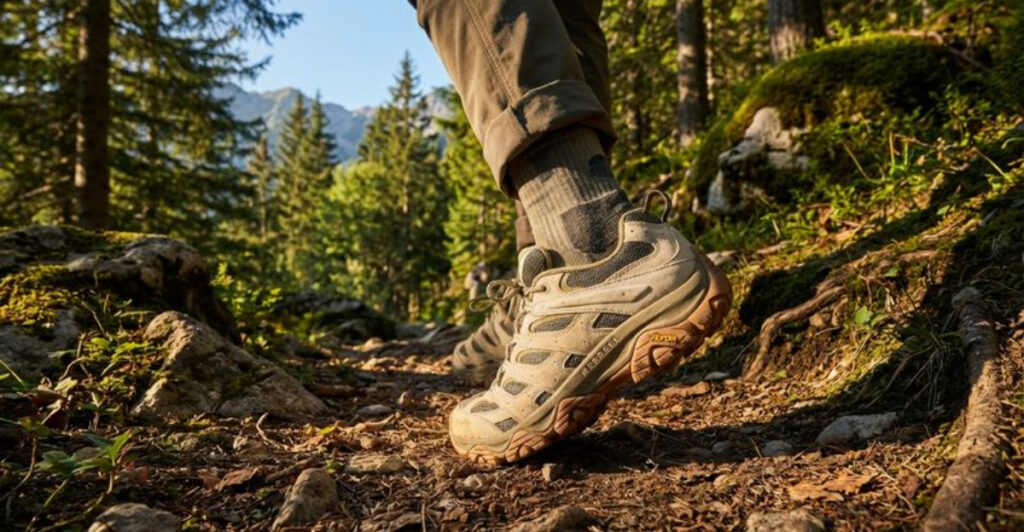
If you have been hunting for one hiking shoe that just works, the Merrell Moab 3 keeps popping up for a reason. We tested the latest All-Terrain model through 2026 trail conditions to see if the legend still earns its spot.
From dusty switchbacks to slick creek crossings, it promises comfort and grip without fuss. Here is what stood out and whether it deserves a spot on your feet next weekend.
Design and Materials – Classic Trail DNA with Modern Updates
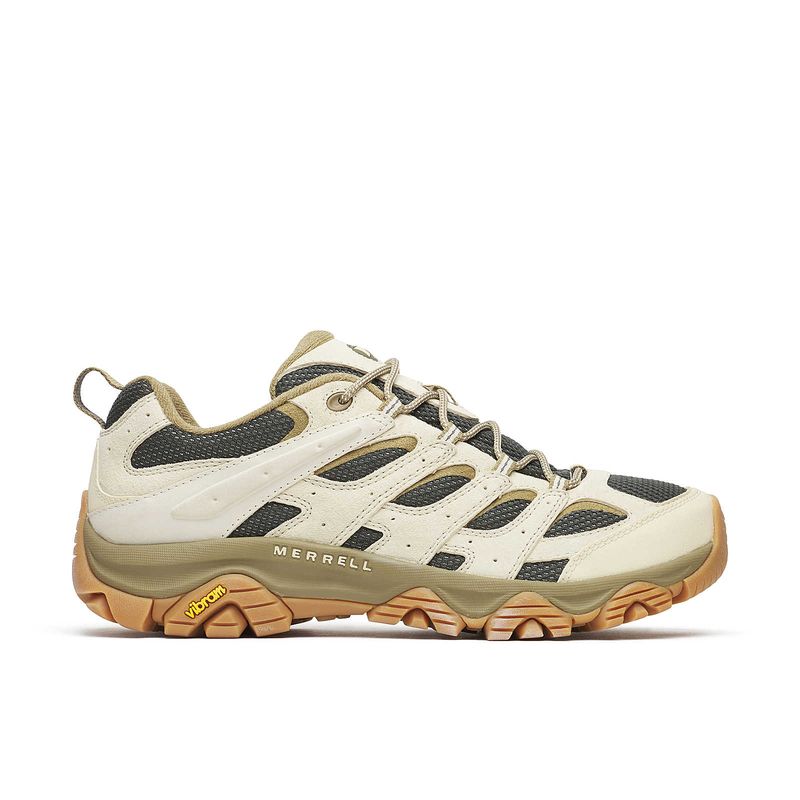
The Merrell Men’s Moab 3 sticks to proven trail DNA while sneaking in smart upgrades. A durable leather and mesh upper balances longevity with airflow, so feet stay protected without feeling swampy.
You get a rubber toe cap and sturdy heel guard that shrug off roots and rock nicks, keeping the shoe looking cleaner after hard miles.
Underfoot, the updated Vibram TC5+ outsole bites into dirt, gravel, and loose overburden with deep multi directional lugs. The pattern sheds mud quickly, so traction remains consistent when trails turn sticky.
Compared with older Moab versions, cushioning feels more refined and the platform slightly more supportive, which helps when stepping off camber or side hilling.
Fit tweaks broaden the sweet spot for different foot shapes, making this version easier to dial in out of the box. Stitching and overlays appear more deliberate, reducing hot spots while reinforcing high wear zones.
The result is a shoe that can grind through daily dog walks, forest loops, and rugged weekend hikes without demanding coddling. If you want familiar comfort with trail ready protection, this modernized classic feels right at home.
Comfort and Fit – Cushioned All Day Wear
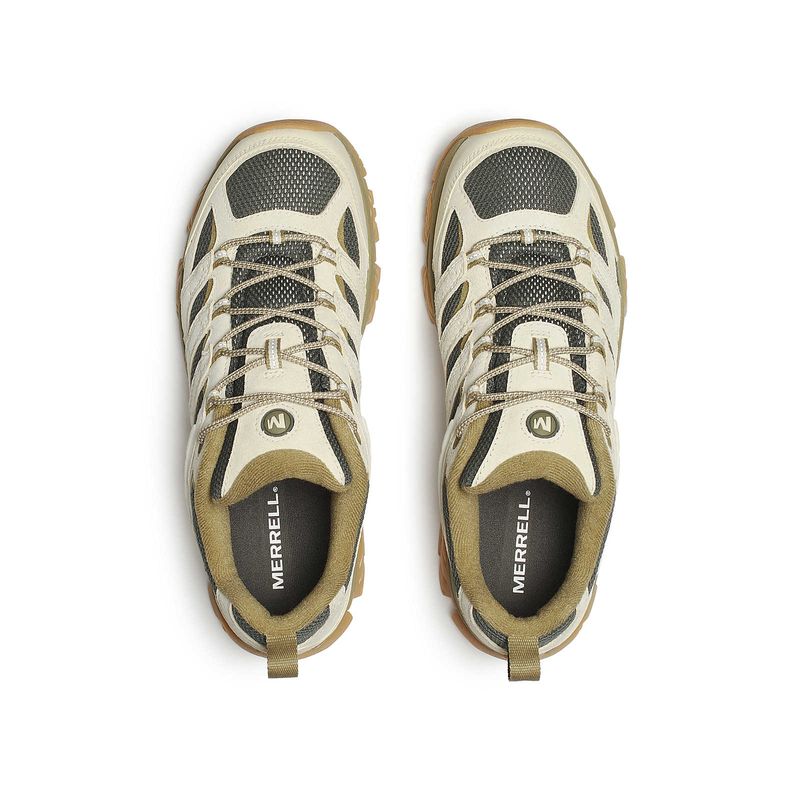
Comfort is the Moab 3’s calling card, and it shows the moment you lace up. The heel Air Cushion softens landings and reduces torque, which helps legs feel fresher after long climbs and descents.
A padded tongue and collar cradle the ankle, while the secure lacing locks the heel so there’s less slippage on uneven ground.
Break in time is minimal for most feet, a huge perk if you want to hit the trail right away. The midsole walks the line between plush and supportive, preventing that mushy feel that makes feet work harder.
Underfoot shape feels neutral, accommodating a range of insoles or aftermarket orthotics without creating pressure ridges.
Yes, it carries a touch more weight than ultralight trail runners, but the balance of cushioning and structure pays off over mixed terrain. Toe box volume is moderate, giving toes room to splay without feeling sloppy on off camber steps.
If your priority is painless miles and predictable support from trailhead to parking lot, this shoe delivers comfort that lasts all day.
Traction and Trail Performance – Confidence on Variable Terrain
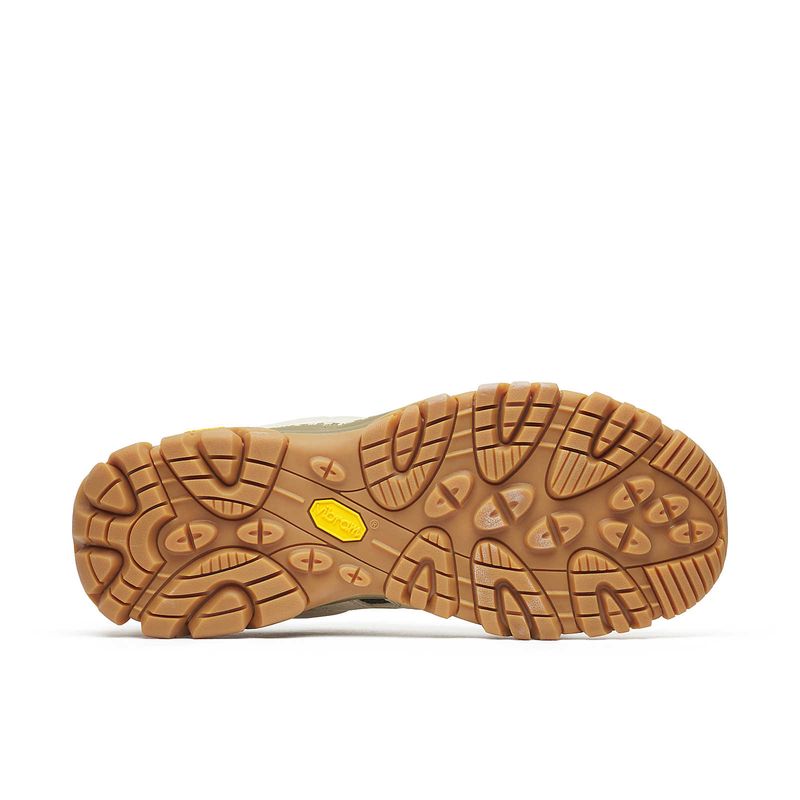
The Vibram TC5+ outsole is the star when the trail throws surprises. Multi directional lugs dig into loose gravel, bite wet roots, and hold on crusty hardpack without feeling skittish.
Mud sheds faster than expected, so you spend more time hiking and less time scraping gunk from the sole.
Stability feels balanced, with enough platform width to calm wobbly ankles on rutted sections. The protective upper and heel counter add confidence while scrambling, keeping feet planted when edging around rocks.
It is not as nimble as a featherweight runner, but the controlled ride helps maintain momentum over broken steps and embedded stones.
On mixed weather days, the tread keeps you upright through damp leaves and shallow crossings. Braking traction stands out on descents, letting you modulate speed without sliding.
If your routes jump from forest duff to slabby granite in a single hike, this shoe’s dependable grip and steady manners make technical terrain feel less intimidating.
Best Use Cases – Versatile Hiking and Outdoor Comfort
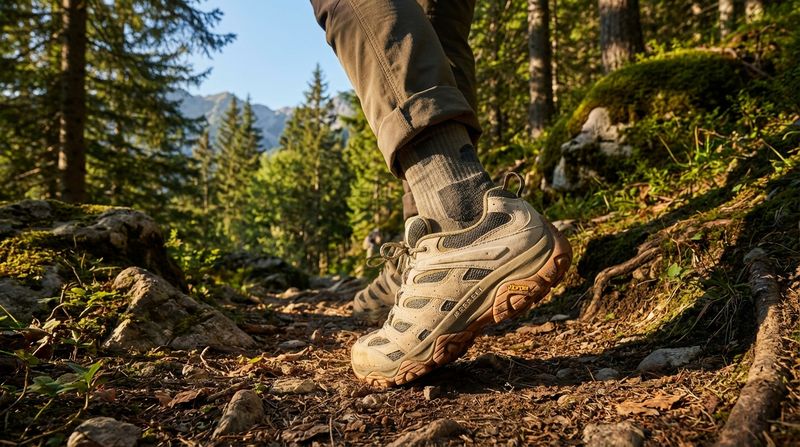
Think of the Moab 3 as your dependable do it all trail partner. Day hikes, forest loops, and rolling mountain paths are its happy place, especially when comfort is as important as speed.
Warm weather ventilation shines in the non waterproof model, while the waterproof variant earns extra points in shoulder season slop.
For new hikers, the forgiving fit and minimal break in reduce risk and fuss. For seasoned trekkers, the durable build and traction make it an easy reach for mixed terrain or travel.
It is not built for racing or technical mountaineering, but it thrives in the big middle where most of us hike.
Compared with minimalist runners, you get more protection, longer lifespan, and fewer sore spots after rocky miles. The shoe’s consistent ride and reliable outsole mean fewer gear second guesses when the forecast wobbles.
If you want one shoe to cover most trails with comfort and confidence, the Moab 3 remains a top shelf pick.