

Affiliate disclosure: As an Amazon Associate I earn from qualifying purchases. Learn more
Choosing the right jacket for your travels can make or break your trip, especially when the weather turns nasty. We spent weeks testing both down and synthetic insulated jackets in freezing temperatures, rain, sleet, and everything in between to find out which performs best. The results might surprise you – each type has clear strengths and weaknesses depending on where you’re headed. Here’s what we learned from real-world testing to help you pack smarter.
1. Warmth-to-weight: down still wins (in the dry)
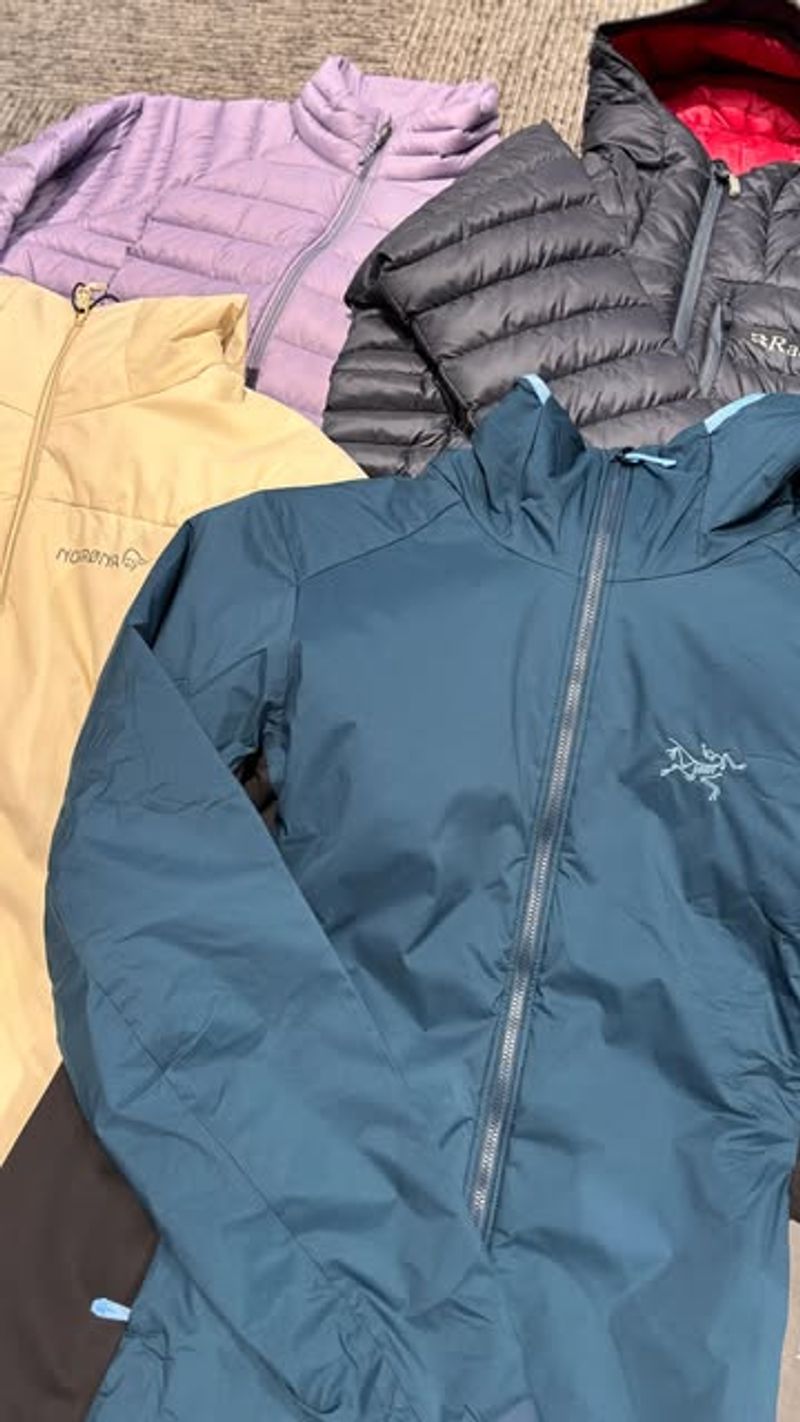
Ounce for ounce, natural down delivers more warmth and compresses smaller than synthetic fills—handy when you’re stuffing a jacket into a carry-on. High-quality down clusters trap more air in less space, creating superior insulation without bulk.
When your bag is already crammed with clothes and gear, that space-saving advantage becomes invaluable. Down’s ability to spring back to full loft after compression means you can pack it tight without sacrificing performance.
Just remember this advantage only holds up in dry conditions—moisture changes everything.
2. When it’s wet, synthetics keep working
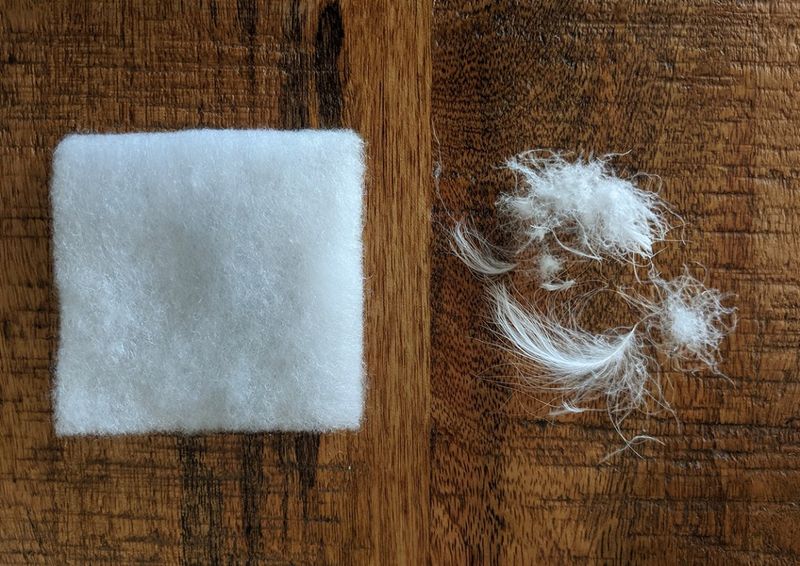
Synthetic insulation like PrimaLoft and Coreloft continues to insulate when damp and dries faster than down. Untreated down loses loft and warmth if it gets soaked, leaving you cold and miserable.
If your itinerary is rainy, misty, sleety, or sweaty, lean synthetic. During our testing in Pacific Northwest drizzle, synthetic jackets maintained warmth even after hours of dampness. Down jackets, meanwhile, clumped and lost their insulating power.
For unpredictable weather or humid climates, synthetics offer reliable performance regardless of moisture.
3. Hydrophobic down-proofing helps – but isn’t magic
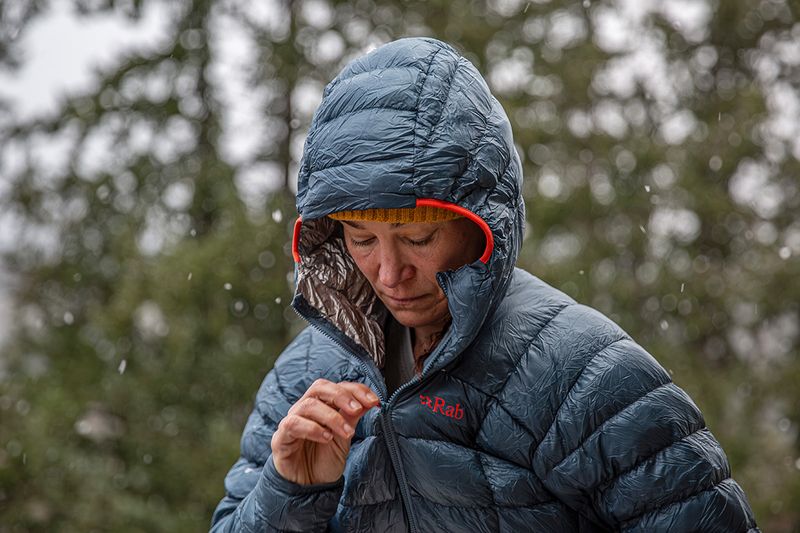
Some down pieces use water-resistant shells or treated down to resist moisture better. They’re an improvement over untreated down, but they’re still not as reliable as synthetics in prolonged wet conditions.
During our tests, hydrophobic down jackets handled light rain and snow reasonably well for short periods. However, after extended exposure or heavy precipitation, they eventually started absorbing water. If wet is the forecast, plan on a shell or go synthetic.
Think of treated down as a compromise, not a complete solution.
4. Packability: down crushes and rebounds

Down compresses to a grapefruit; synthetics pack to a cantaloupe. If you live out of a forty-liter backpack, that volume difference matters significantly.
We managed to squeeze down jackets into tiny pockets of our travel packs, freeing up space for extra layers or souvenirs. Synthetic jackets took up noticeably more room, sometimes forcing tough packing decisions. Just don’t store down long-term compressed—it needs to breathe between trips.
For minimalist travelers counting every cubic inch, down wins hands-down.
5. Breathability and active use: synthetics are easier to regulate

During hikes between train stations or airport sprints, synthetic mid-layers dump heat and moisture better, reducing clammy overheating compared with tightly baffled down. We noticed this advantage immediately during our testing.
Rushing through busy terminals with a down jacket left us sweaty and uncomfortable within minutes. Synthetic jackets breathed better, keeping us comfortable during stop-and-go travel days. The difference becomes even more pronounced during extended physical activity.
Active travelers who frequently switch between moving and resting will appreciate synthetic’s temperature regulation.
6. Sticker price: synthetics are usually cheaper
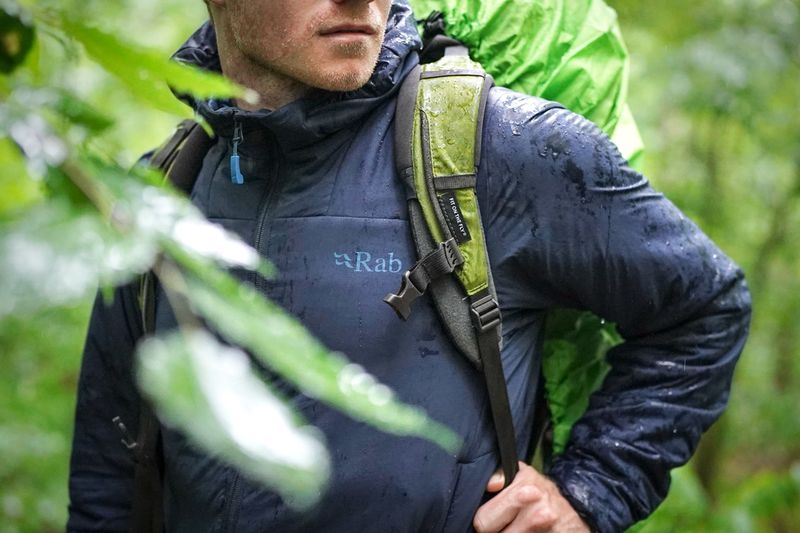
Comparable warmth typically costs less with synthetic fill than with high-fill-power down – useful if you’re buying a beater travel puffy. Budget-conscious travelers can find excellent synthetic options without breaking the bank.
Premium down jackets with eight-hundred-fill-power or higher often command premium prices, sometimes double what you’d pay for a similar synthetic piece. For occasional travelers or those who tend to be rough on gear, the lower investment in synthetics makes sense.
You can save money upfront and still stay warm.
7. Care and cleaning: down needs more TLC
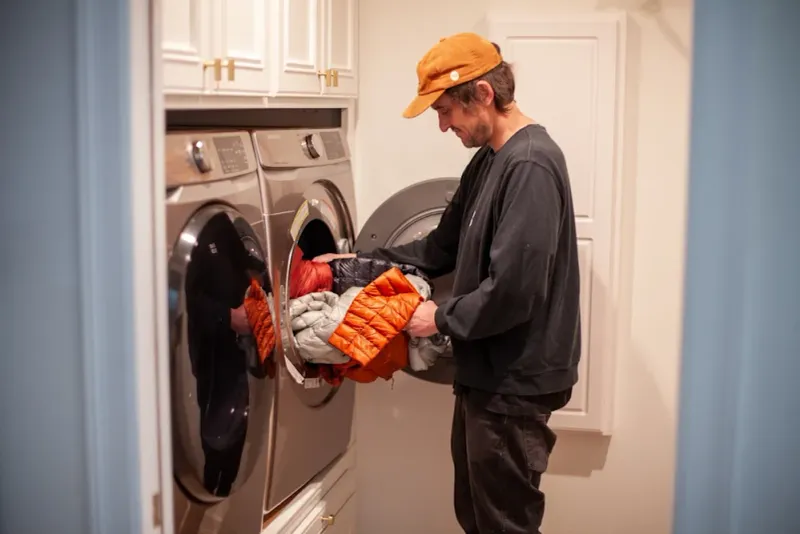
Down prefers special detergent, careful machine cycles, and thorough low-heat drying, often with dryer balls, to restore loft. Synthetics are more forgiving and quicker to dry after washing.
After spilling coffee on both jacket types during testing, cleaning became a revealing comparison. The synthetic jacket went through a normal wash cycle and dried overnight. The down jacket required specialty soap, gentle cycles, and hours of tumble-drying with tennis balls.
If you want low-maintenance gear, synthetic simplifies your life considerably.
8. Shell and DWR matters for both
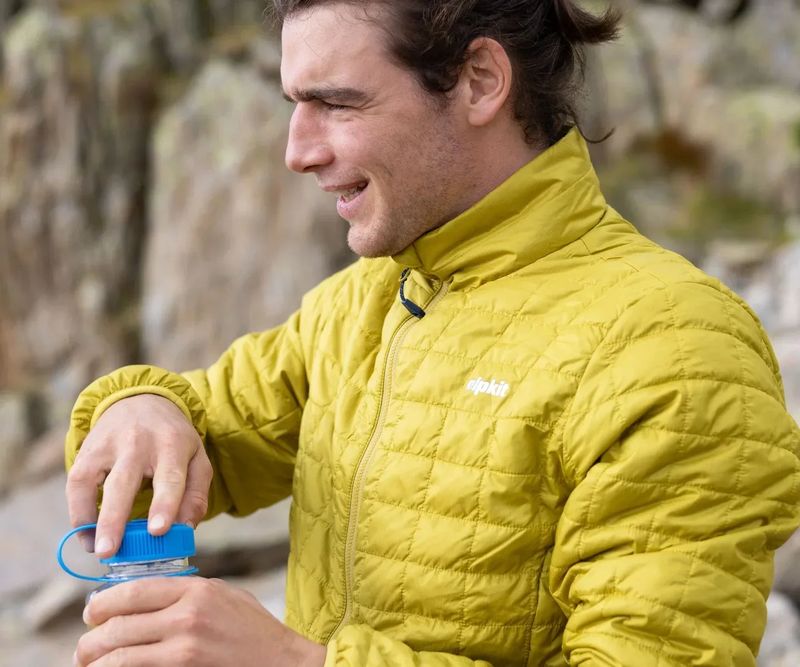
Whichever insulation you choose, a decent water-repellent shell and periodic DWR reactivation in the dryer dramatically improves foul-weather performance. Both down and synthetic jackets benefit from quality outer fabrics.
During our testing, jackets with worn-out DWR coatings absorbed water immediately, regardless of their insulation type. Refreshing the water-repellent treatment made a noticeable difference in how long jackets stayed dry. A quick tumble in the dryer can reactivate DWR between trips.
Don’t overlook the shell—it’s your first line of defense.
9. Ethics and sourcing: look for certified down
If you choose down, prioritize standards like the Responsible Down Standard or Global Traceable Down to avoid live-plucking and force-feeding. Ethical sourcing matters to many conscious travelers.
These certifications ensure the down comes from birds treated humanely as part of the food supply chain. Many reputable outdoor brands now offer RDS-certified options at comparable prices. Checking for certification takes seconds and supports better animal welfare practices.
Your purchasing choices can encourage the entire industry toward more ethical standards.
10. Eco angle: synthetics are improving
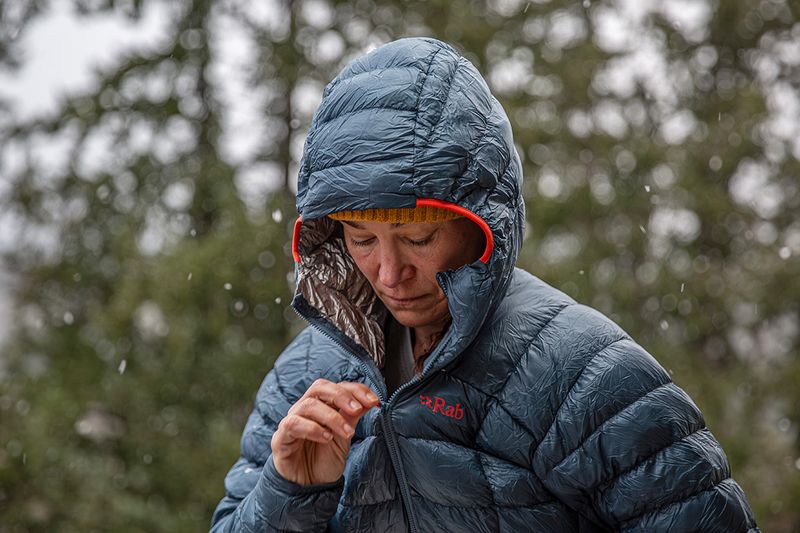
Traditional polyester insulations shed microfibers and persist for ages, but newer options like PrimaLoft Bio are engineered to biodegrade more quickly under specific conditions—progress, though shells and fabrics also matter.
Environmental concerns around synthetic materials are valid, but innovation continues. These newer fills break down in landfills and marine environments faster than conventional synthetics. However, they still require proper disposal conditions to biodegrade effectively.
The sustainability picture remains complex for both insulation types.
11. Hybrid mapped jackets can be ideal for travel

Some pieces put down at the core for maximum warmth and packability, then use synthetic in high-sweat or wet-prone zones like the hood and shoulders. This balances both worlds for mixed itineraries.
We tested several hybrid designs and found them remarkably versatile across changing conditions. The strategic placement of each insulation type addresses specific weaknesses—down where you need warmth-to-weight, synthetic where moisture becomes an issue.
For travelers facing varied climates, hybrids offer an intelligent compromise worth considering.
12. Temperature spread: down shines in very cold, dry places
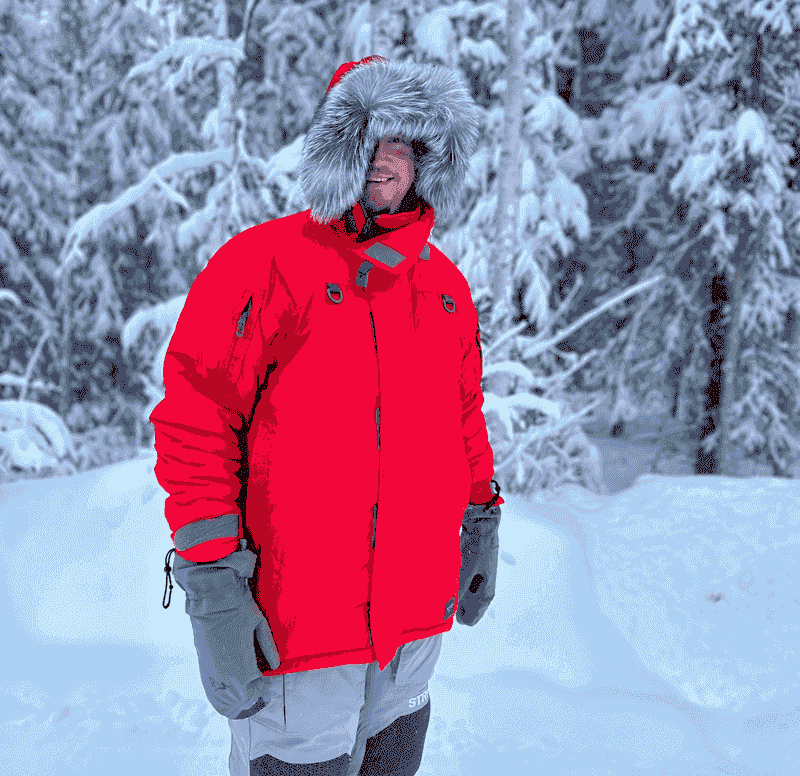
For winter city breaks with crisp, dry cold like continental climates, down’s efficiency is hard to beat—just pair it with a wind or waterproof shell. Our coldest testing days confirmed down’s superiority in these conditions.
In sub-zero temperatures across Scandinavian cities, down jackets provided exceptional warmth without bulk. The dry air meant moisture wasn’t a concern, letting down’s insulating properties shine. Synthetic jackets required more layers to achieve similar warmth levels.
Cold and dry weather is where down truly excels.
13. Durability and bounce-back: advantage down (if cared for)

Down loft can re-fluff for years with proper washing and storage, outlasting many synthetic alternatives. Synthetics slowly lose loft from repeated stuffing and wear, though they tolerate rough treatment and frequent washing better.
Our oldest test jacket was a seven-year-old down piece that still performed like new after careful maintenance. Synthetic jackets of similar age showed noticeable compression and reduced warmth. However, synthetics bounced back better from neglect and harsh treatment.
Longevity depends heavily on how you treat your gear.
14. Decision cheat-sheet: wet and variable conditions
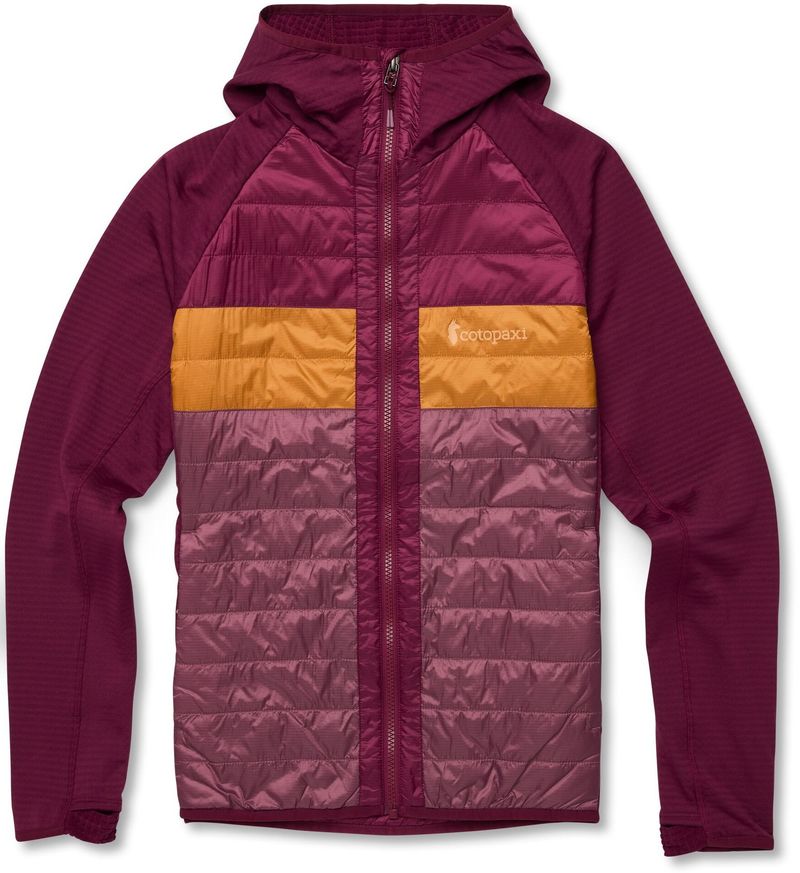
Mostly wet, variable, or high-output days? Synthetic or a hybrid jacket makes the most sense for your trip.
If your destination forecast shows frequent precipitation, humidity, or you’ll be active throughout the day, synthetic insulation removes the worry about moisture compromising your warmth. Coastal regions, tropical highlands, and spring-shoulder seasons typically favor synthetic. You’ll stay comfortable regardless of changing conditions.
This choice prioritizes reliability over maximum packability, which matters more when conditions turn unpredictable.
15. Decision cheat-sheet: cold, dry, and space-limited

Mostly cold or dry weather with space and weight limitations? Down is your answer for efficient travel packing.
Continental winter destinations, high-altitude regions with low humidity, and minimalist travelers benefit most from down’s superior warmth-to-weight ratio. If you’re carrying everything in a small backpack or need to maximize luggage space, down compresses better and insulates more efficiently. Just keep a waterproof shell handy for unexpected precipitation.
This choice maximizes performance while minimizing packed volume.