Affiliate disclosure: As an Amazon Associate I earn from qualifying purchases. Learn more
Somewhere in Pasadena, a single shopping trip can start with one spool of thread and end with a cart full of wool yarn, vintage fabric, party supplies, and a tube of gouache nobody planned to buy. That is the risk at a nonprofit shop built entirely on donated craft materials.
The shelves change constantly, so the item spotted on Sunday may be gone by Wednesday. Prices are low enough that teachers, beginner sewers, costume makers, and serious fiber artists all show up hunting.
There are bins to sort through, classes upstairs, and a rewards program that makes coming back feel sensible. Anyone who has ever paid full retail for a tiny amount of craft supplies will want to hear about this place.
The sections ahead cover what fills the bins, how the pricing works, who teaches, and where to park.
A Crafty Address on East Washington
Every good treasure hunt needs a map, and this one starts at Remainders Creative Reuse, 787 E Washington Blvd Ste 101, Pasadena, CA 91104, in the United States.
The shop is a craft store with a twist. Everything on its shelves arrived as a donation, and it is sold again at thrift prices to people who will put it to work.
Think of it as a secondhand store built only for makers. Instead of racks of random household goods, the space is packed with fabric, yarn, sewing supplies, art materials, and classroom goods.
The concept has clearly struck a chord in the area. The shop holds a 4.8-star average across more than 200 opinions on Google, a number that most stores would happily frame and hang by the register.
Pasadena locals treat it as a regular stop, but it also pulls crafters from farther afield. Some make a 45-minute drive and call it worth every mile.
East Washington Boulevard is not the flashiest corridor in town, which suits the place just fine. The real show happens inside, in the bins.
The Nonprofit Heart Behind the Bins
Low prices usually come with a catch, but here the catch is generosity. Remainders operates as a nonprofit charity, and the whole model depends on people handing over supplies they no longer need.
The staff puts it plainly: the prices are great thanks to generous donors of materials. That spare yarn in a closet or that half-used sketchbook could end up in someone else’s next project.
Donations come up constantly when people talk about this shop. Shoppers often clean out their own stash, drop it off, and then leave with something new, which keeps the cycle spinning.
That circular setup appeals to people who care about sustainability. Buying secondhand craft supplies keeps usable materials out of the trash and gives them a second life in a quilt, a classroom, or a costume.
The shop has also stepped up in hard moments. At one point it sold handmade bags to raise support for people affected by fires in the region.
It helps to keep the nonprofit angle in mind before heading over. Stock depends on what the community gives, so nothing is guaranteed, and that uncertainty is exactly what makes each trip a gamble worth taking.
Mountains of Fabric, Priced by the Yard
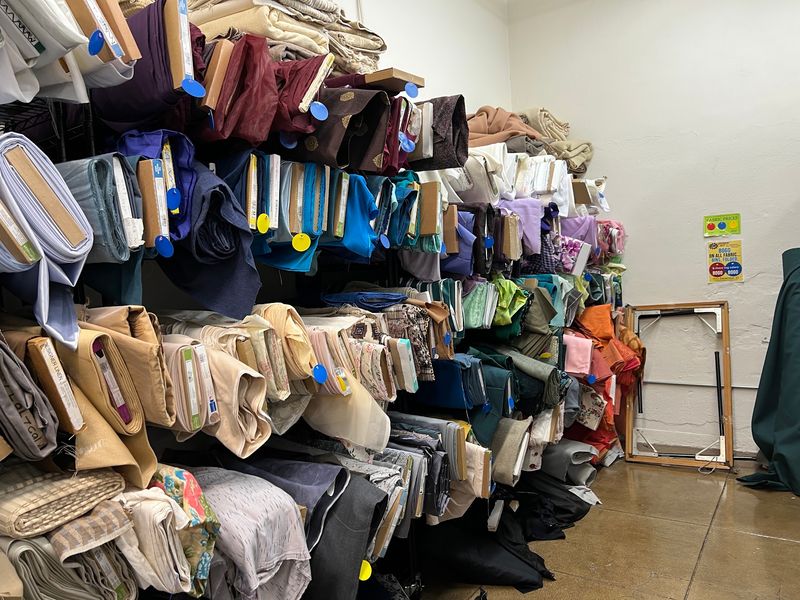
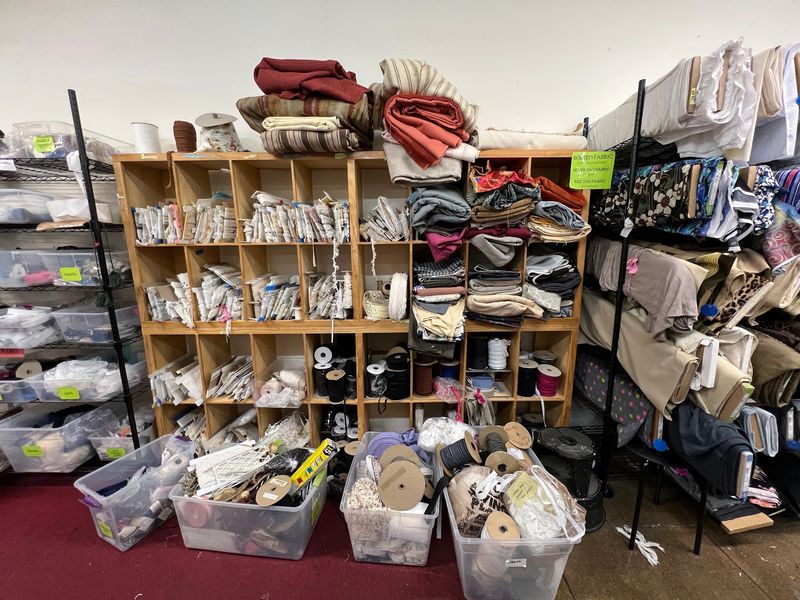
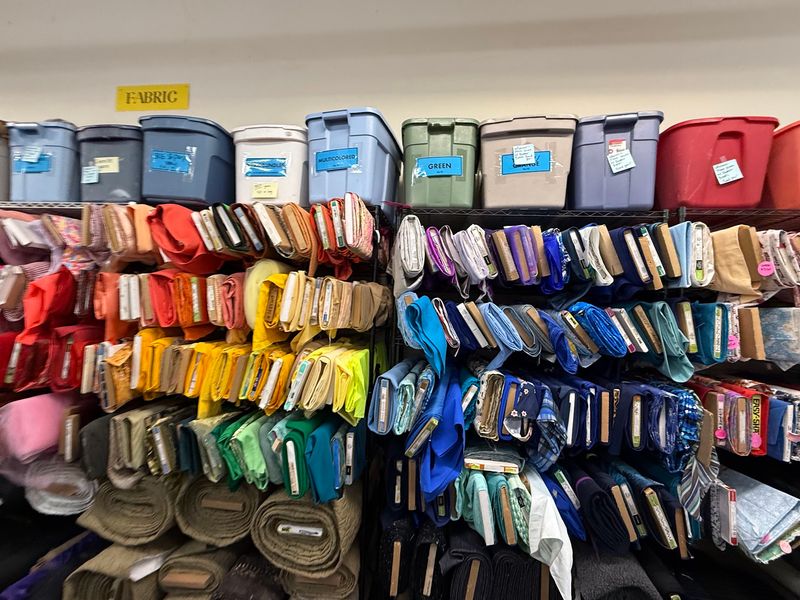
Fabric is the undisputed headliner. It gets mentioned more than anything else in the shop, and the selection is often called enormous.
A lot of the fabric sells for about $4 a yard. Some items are priced by weight and others by yardage, and everything is clearly marked so there is no guessing at checkout.
The range goes well beyond basic cottons. Large upholstery remnants turn up in good numbers, which is a lucky break for anyone recovering a chair or making cushions.
Vintage fabrics appear too, adding a bit of history to the mix. Quilters and costume makers can find prints that no chain store carries anymore.
Sales sweeten the deal from time to time. The shop has run buy-one-get-one promotions on fabric, turning an already cheap haul into something closer to a steal.
Cleanliness matters with secondhand textiles, and the bins earn credit here. The fabric is described as clean, with no debris or pests turning up during a deep dig.
The assortment changes constantly. A bolt that seems perfect should probably go in the basket right away, since fabric here has a habit of finding new owners fast.
Yarn Sorted Like a Rainbow
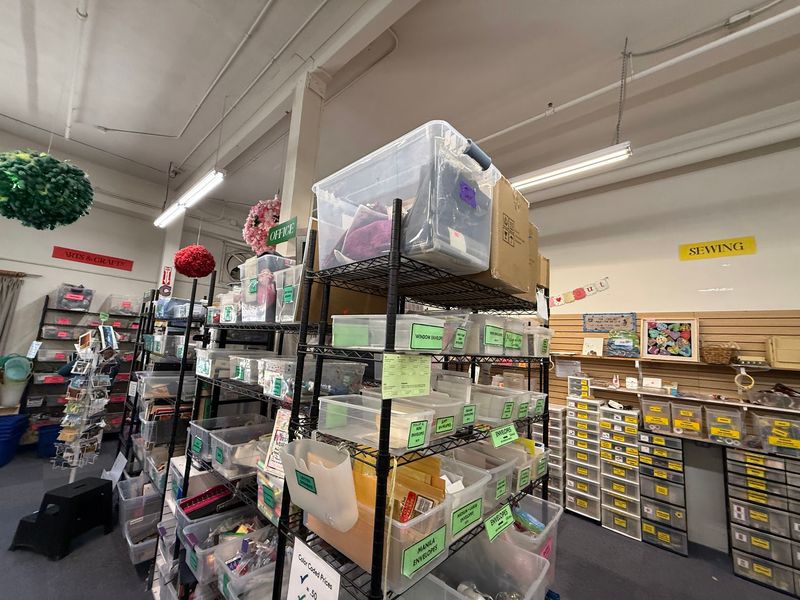
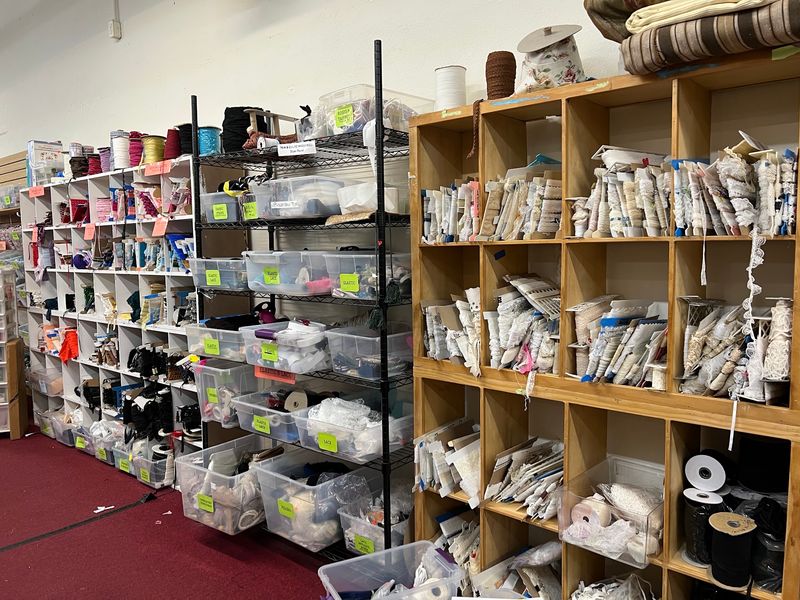
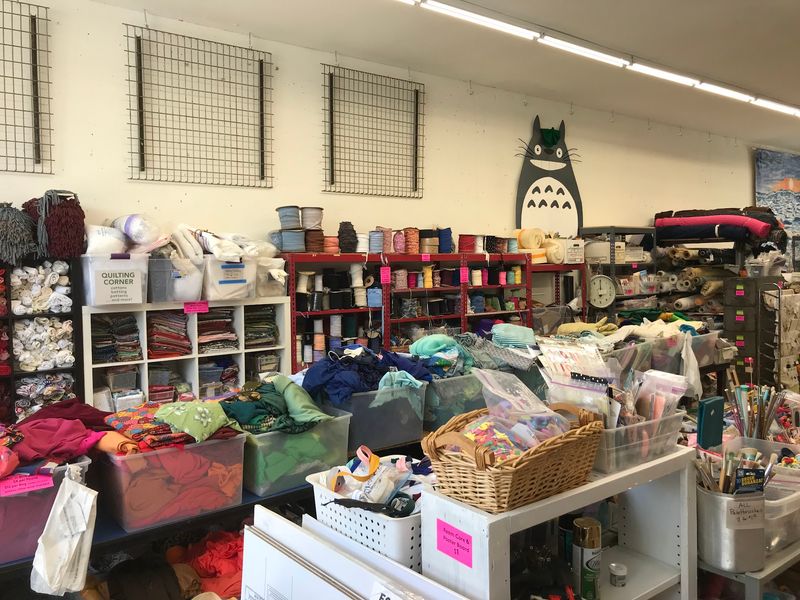
Knitters, take note. The yarn section is organized by color and by material, which makes finding a match far less of a scavenger job.
The deals can be startling. Skeins of 100 percent wool have turned up at under $5 each, a price that would raise eyebrows at any retail yarn shop.
Some yarn has also been sold by weight, at around $5 a pound. That setup favors anyone planning a blanket or a big batch of amigurumi.
Tools sit nearby as well. Knitting needles and crochet hooks show up in the mix, so a beginner could plausibly leave with a full starter kit.
The mix-and-match nature of the stock suits flexible makers best. Someone who needs twelve identical skeins from the same dye lot may leave empty-handed, while a scrappy project lover will feel right at home.
Fiber arts fans often combine a yarn run with a fabric browse. The two sections together make the shop feel tailor-made for anyone who works with thread in any form.
Stock rotates, so the color wall shifts from week to week, and that is half the fun of looping back.
Buttons, Beads, and Tiny Odds and Ends
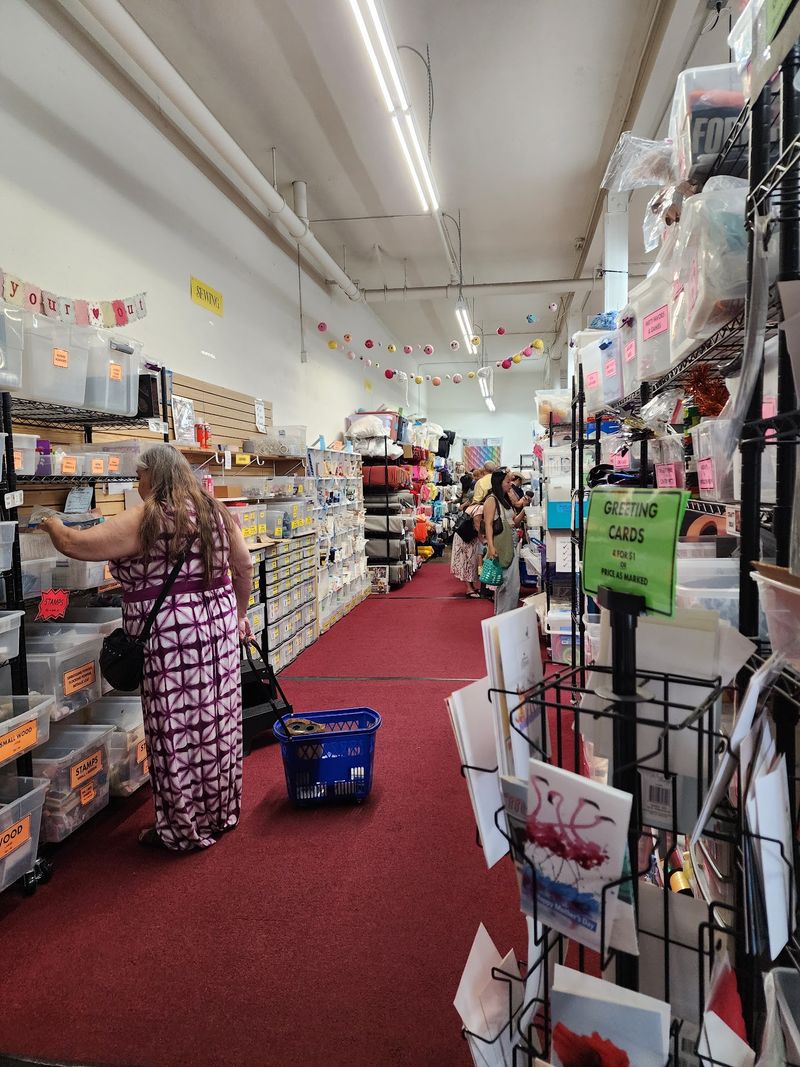
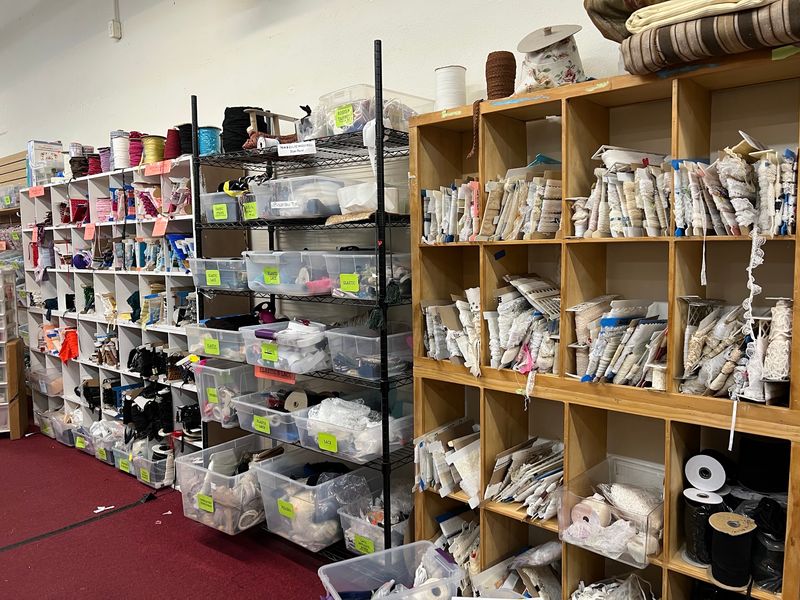
Small things can steal the whole trip. Buttons, thread, beads, and jewelry making supplies fill plenty of containers around the store.
One of the smartest perks is quantity. Supplies are often sold in just the amount a project needs, so nobody has to buy a giant pack when three buttons will do.
That approach saves money and clutter at home. It also suits crafters who like to experiment without committing to a full bag of anything.
Jewelry turns up too, both finished pieces and parts for making new ones. Cute finds in this corner are a regular part of the shop’s appeal.
Thread appears alongside the buttons, which makes it easy to finish a mending job in one stop. Sewing patterns can also surface for those planning something bigger.
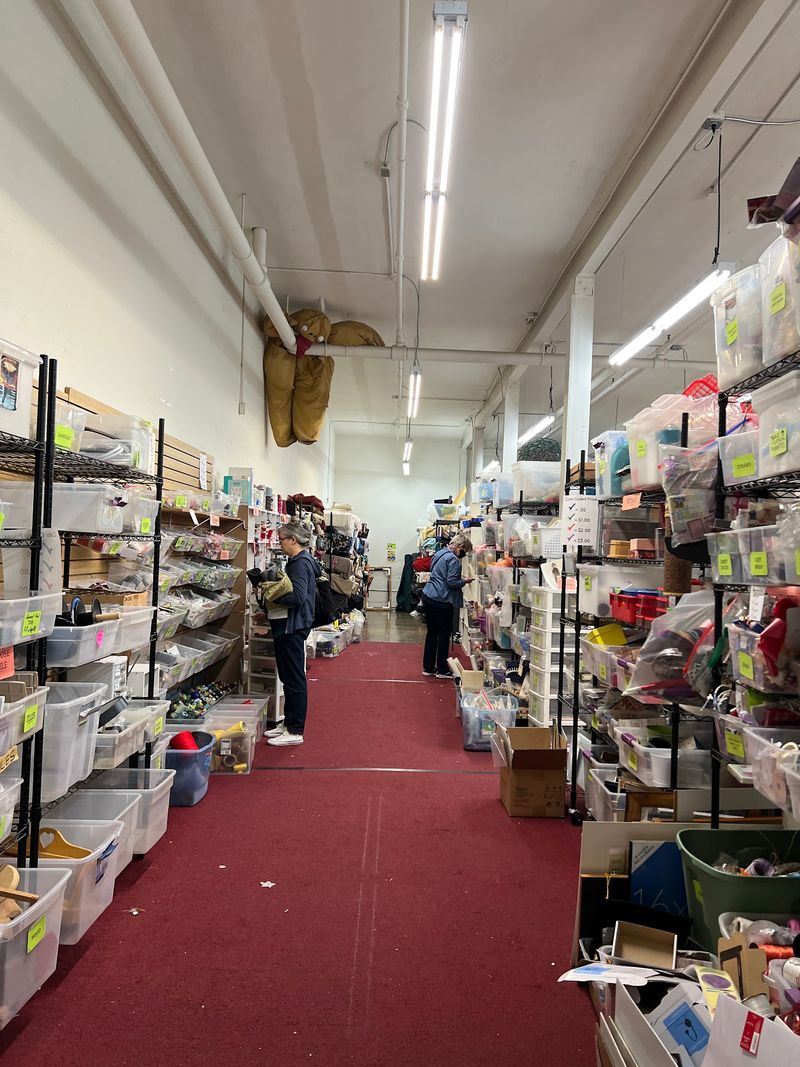
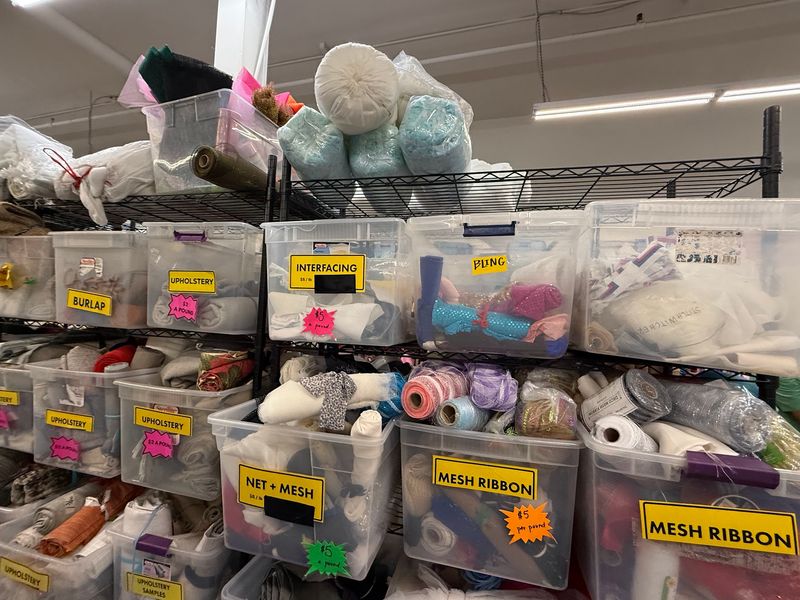
The shopping style here rewards patience. Poking through hundreds of bins is part of the ritual, and most of them are clearly labeled, which keeps the search from turning into chaos.
Anyone who enjoys tidying a button jar will probably lose track of time here, so a loose schedule helps.
The Sewing Machine Lottery
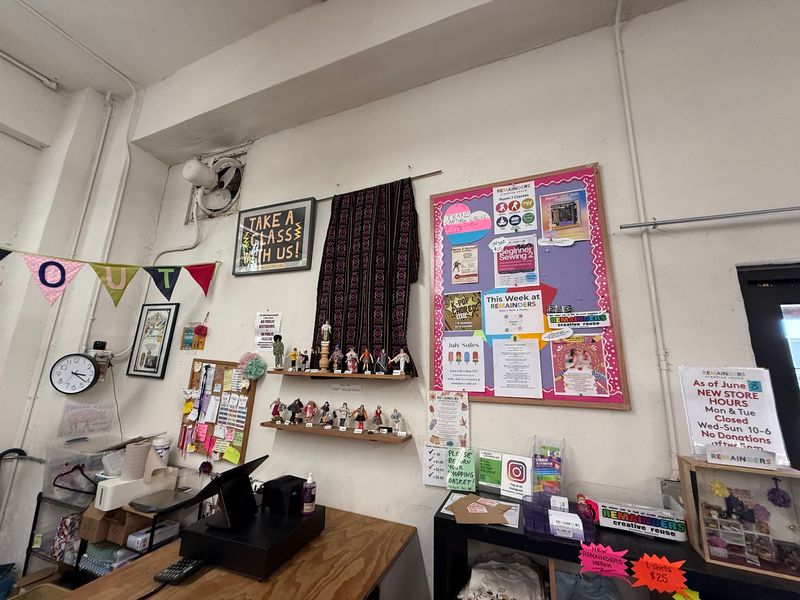
Luck plays a role in this corner of the store. Sewing machines come up often, but they are not always in stock.
When one does appear, it tends to be a highlight for beginner sewers. Pairing a secondhand machine with discounted fabric and patterns can make starting the hobby far less expensive.
The shop is regularly recommended to newcomers for exactly that reason. Fabric, patterns, and occasional machines under one roof make a practical launch pad.
There is another route for anyone without a machine at home. The upstairs studio offers open hours where people can use the space and the machines, which the next sections cover in more detail.
Checking back regularly is the best strategy. Since inventory depends on donations, a machine could land on the shelf any day and leave just as quickly.
Sewing supplies as a whole run deep here, from notions to trims. Even without a machine in the cart, a sewer can usually find something useful.
Think of each visit as a raffle ticket, one where the consolation prize is still a bag of cheap fabric.
A Quiet Win for Teachers
Teachers who buy their own classroom supplies have found an ally in Pasadena. Office and classroom materials are a steady part of the inventory.
The appeal is simple. Items are cheap, sustainable, and suited to many types of projects, which stretches a tight classroom budget further.
Paper goods, art supplies, and assorted materials can fuel months of lessons. Kits for different crafts also appear, handy for group activities.
Painting supplies show up as well, and sometimes in surprising forms. Gouache has turned up on the shelves, catching even seasoned shoppers off guard.
Clay crafting materials, scrapbooking supplies, and greeting cards round things out. The cards are even separated by occasion, which helps when a classroom birthday sneaks up.
Educators are not the only ones who benefit from this section. Parents planning school projects or homeschool families can stock up without a painful receipt.
A fair warning applies to everyone, though. Inspiration strikes easily here, and a quick run for glue sticks can end with a bag of extras that were never on the list.
Party Supplies and Surprise Detours
Not every find is strictly for crafting. Wrapping paper, party supplies, and greeting cards sit among the fabric and yarn.
Some shoppers make a habit of stopping in before a party. The mix of random items sparks ideas for decorations and favors that feel more personal than a store-bought set.
Home decorations, some clothing, and jewelry also appear. That variety is part of why the place is called a creative-minded thrift store rather than just a craft shop.
Costume makers get plenty of material to work with in this blend. Fabric, trims, and odd accessories can combine into something truly original.
The shop has even carried masks for about 50 cents each at one point. Little bargains like that pop up in unexpected corners.
These side sections make the store fun for people who do not think of themselves as crafters. A gift wrap run can easily become an afternoon of browsing.
The best advice is to arrive with a loose idea and leave room for surprises, because the detours are often where the best finds hide.
Classes in the Upstairs Studio
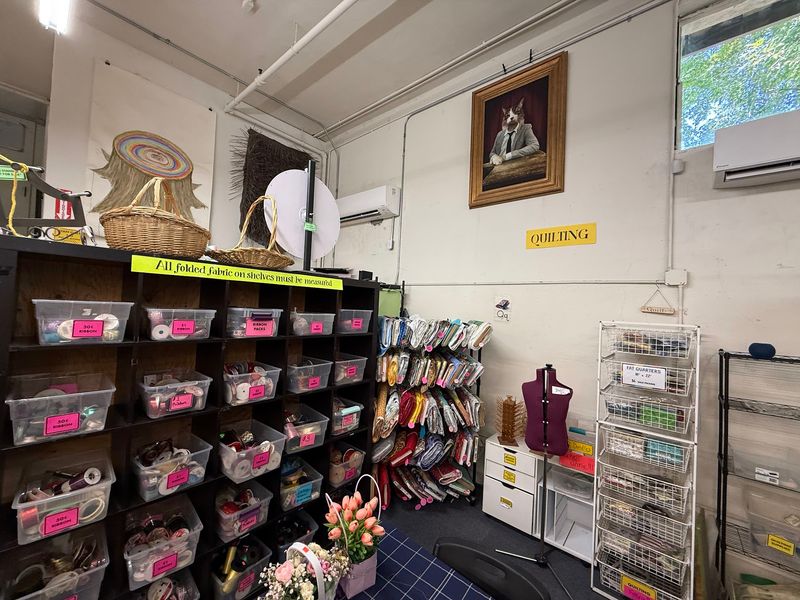
Shopping is only half the story. An upstairs studio hosts classes led by volunteers, turning the store into a learning space.
Offerings change every month, but sewing classes are always on the schedule. Beginners have left feeling they learned a lot, and many sign up for another round.
Since teachers are volunteers, the style of each class varies with the instructor. That keeps things fresh, though it also means each session has its own flavor.
Open studio hours add another option. People can use the space and the machines for their own projects, which helps anyone without room or gear at home.
Getting there involves a long staircase. It is unclear whether an elevator is available, so anyone with mobility concerns should check ahead.
Events and activities are said to change weekly as well. That rhythm gives regulars a reason to keep an eye on the schedule.
A class here pairs neatly with a shopping trip, since the materials downstairs are just a flight of stairs away.
Organized Chaos With a Friendly Crew
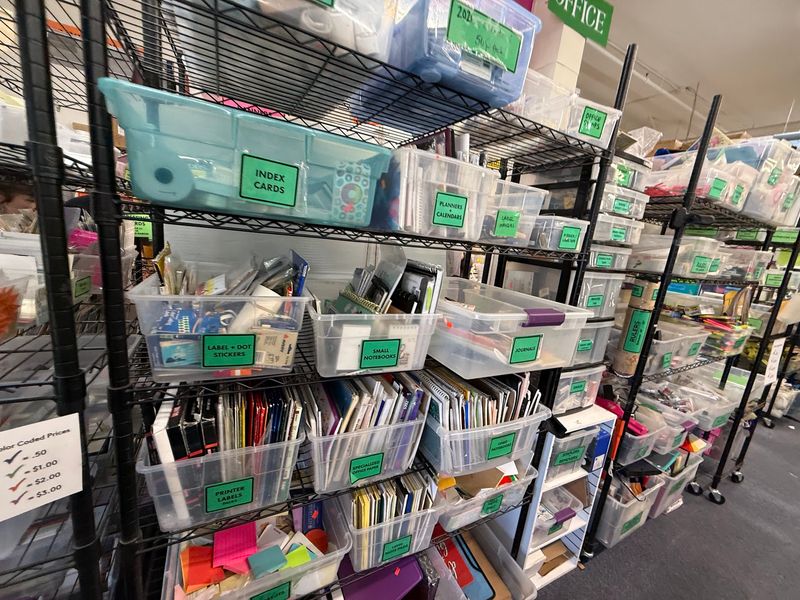
A store full of donations could easily become a jumble. This one manages to stay surprisingly orderly.
Materials are arranged by category, and most bins carry clear labels. Given how random the inventory can be, the level of organization stands out.
The staff earns steady praise too. Team members are known as friendly and helpful, ready to answer questions about pricing or where to find something.
Volunteers play a big part in keeping things running. Their effort helps the shop serve the community and keep its doors open.
The general mood is upbeat and crafty. People describe an energy of excitement, the kind that comes from strangers comparing finds across the bins.
One older note mentioned some dust inside, so shoppers with allergies may want to bring a mask. More recent observations describe the bins as clean.
Time is the one resource worth budgeting. Browsing properly takes a while, but good organization keeps the hunt enjoyable rather than frustrating.
Who Will Love It Most
The short answer is anyone who makes things. The longer answer includes a few groups who seem especially happy here.
Beginner crafters benefit because they can try a hobby without spending a fortune. Seasoned makers enjoy the variety and the chance to mix materials in unexpected ways.
Costumers and quilters rank high on the list thanks to the fabric. Knitters and crocheters get a strong yarn selection, while teachers find cheap classroom goods.
Thrifters who have never picked up a needle can still have a blast. Prices are often compared favorably with Goodwill, and random treasures lurk everywhere.
The place also works as a social hub. It is described as a sustainable crafting third space, somewhere to meet locals and join activities.
People who need exact matches or specific items on a deadline might want a backup plan. Stock is never guaranteed, and what is here today may vanish tomorrow.
For flexible, curious shoppers, though, that unpredictability is the main attraction, not a drawback.
Hours, Rewards, and the Parking Puzzle
Timing a trip is easy once the schedule clicks. The shop opens Wednesday through Sunday from 10 AM to 6 PM and stays closed on Mondays and Tuesdays.
A rewards program is available for frequent shoppers. Given how often people return, signing up seems like a smart move.
Parking takes a bit of strategy. A lot sits behind the building, but it sometimes fills up, pushing drivers onto the street.
One tip from regulars involves a spot near some shipping containers that is easy to overlook. It can save a few laps around the block.
Budget-wise, bringing a small amount of cash can go far. One shopper walked out with a stack of goods for about $13, which shows how the math works here.
That said, many admit they spend more than planned, simply because there is so much to find. Setting a limit before heading in is a wise defense.
More details, including class schedules and donation guidelines, are posted on the official website at remainders.org.
Why the Hunt Keeps Calling Crafters Back
Few stores manage to be a bargain bin, a classroom, and a community hub all at once. Remainders pulls it off with donated materials and a lot of volunteer heart.
The appeal comes down to a mix of value and surprise. Fabric at a few dollars a yard, wool yarn under $5, and supplies sold in just the right amounts keep budgets happy.
The unknown factor keeps people coming back. Inventory changes constantly, so each visit offers a fresh set of possibilities.
Many leave with more than supplies. New ideas, a finished class project, or a chat with a fellow maker often come along for the ride.
There is also the satisfaction of helping the cycle continue. Donating unused supplies and buying secondhand keeps good materials in circulation.
Plenty of shoppers wish there were more places like it. Until that happens, this Pasadena shop remains a standout stop for makers across the region.
Bring patience, a tote bag, and a flexible plan, and the treasure hunt will likely end with a haul worth bragging about.