
Affiliate disclosure: As an Amazon Associate I earn from qualifying purchases. Learn more
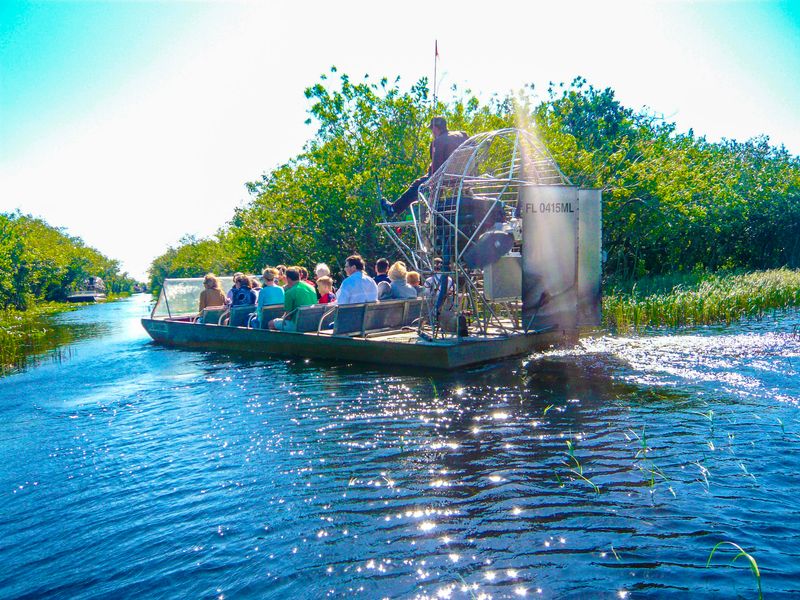
An airboat ride through the Everglades is one of those Florida experiences that sounds expensive but doesn’t have to break the bank. Two operators along Tamiami Trail, Gator Park and Coopertown, advertise shared rides at prices well below what many visitors expect to pay.
Knowing how to compare fares, fees, and what each ticket actually includes can save you real money and prevent surprises at the gate.
Start with the advertised shared-ride fares
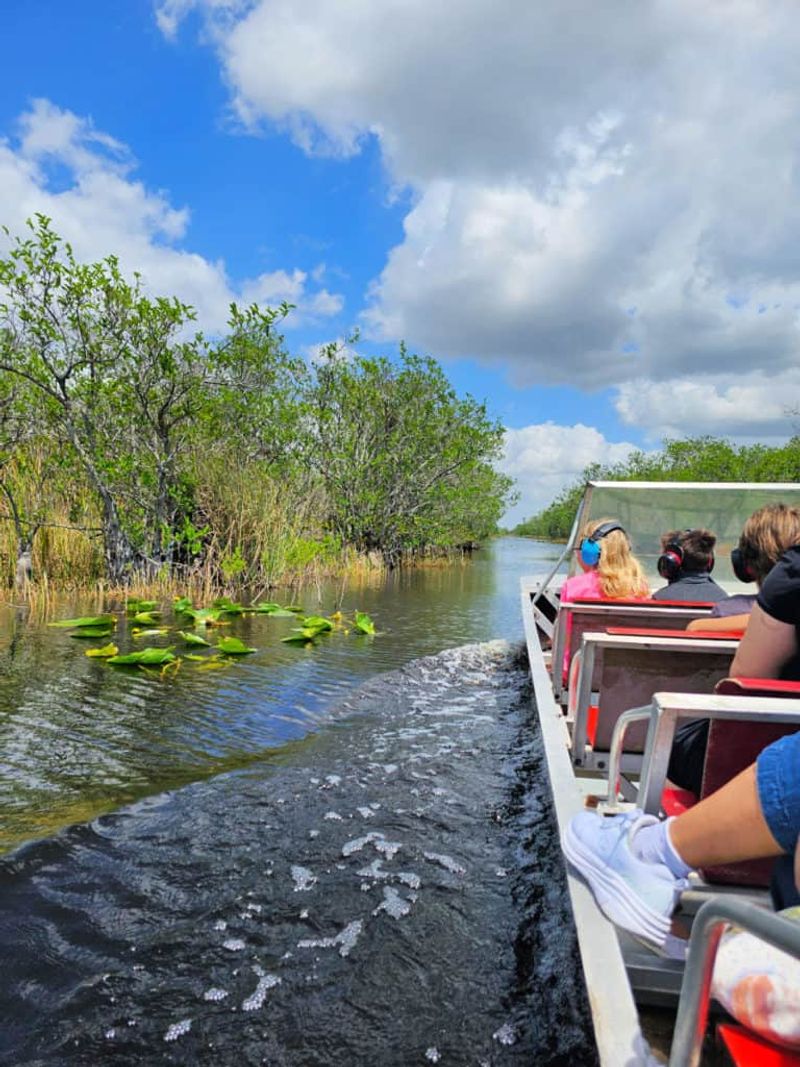
Gator Park and Coopertown both sit along Tamiami Trail, the main east-west highway connecting Miami to Naples through the heart of the Everglades. As of research conducted on September 24, 2026, Gator Park’s park information page lists a shared adult airboat ride at $35 when booked online, with a higher gate price of $38.57 for walk-up visitors.
Coopertown, a few miles west, advertises its regular shared adult ride at $39.
These are operator-advertised prices, not a ranked comparison of every airboat tour in the Miami area. Other operators exist, and fares can change without notice.
Treat these figures as a useful starting point for comparison, not a guarantee of the lowest price you’ll find on the day you visit.
One practical difference worth noting upfront: Gator Park’s online fare is lower than its gate price, so booking ahead directly through the operator’s website could save a few dollars per adult ticket. Coopertown’s page, by contrast, says no reservation is required for its regular shared ride.
Before committing to either, pull up each operator’s current booking page and compare the fares side by side so you’re working from live numbers rather than research snapshots.
Calculate the full cost before booking

The headline fare is only part of what you’ll pay. Before finalizing any booking, add up every charge that applies to your group, including taxes, operator-added fees, age-based pricing, and any park-related costs.
A small difference in base fares can flip once you account for all the extras.
Coopertown’s reservation page lists an additional $8 charge labeled a “National Park Fee,” which it says applies to visitors age 16 and older and can be waived with an NPS pass. That $8 is an operator-listed charge, not the standard Everglades National Park entrance fee.
NPS publishes its own fee schedule, which currently lists standard park entry at $35 per private vehicle or $20 per pedestrian or cyclist, with separate fees for concessioner-operated tours and rentals. The NPS fee page also lists an additional $100 fee for non-U.S. residents age 16 and older.
Whether that fee applies to your specific tour and visit depends on the details of your booking, so confirm directly with the operator and check the NPS fee page before you go.
Do not assume every listed charge automatically stacks, or that every fee is automatically waived. Ask the operator which fees apply to your group, whether your NPS pass covers any of them, and what the final checkout total looks like before you enter payment information.
Gator Park distinguishes its online fare from its gate price, so the booking channel itself affects your total. Coopertown’s ticketing page states that its tickets are nonrefundable, which is a meaningful term if your travel plans are uncertain.
Factor cancellation policy into your cost calculation alongside the base fare and any applicable fees.
Compare what each ticket includes

Fare comparisons only tell part of the story. What each ticket actually covers can shift the value calculation significantly, especially for families or groups with mixed interests.
According to Gator Park’s information page, its ticket includes park admission, the airboat ride, and a wildlife show. Children ages 1 through 4 ride free, and a child ticket is listed at $25.
The wildlife show is a separate, structured attraction that happens at the park, distinct from whatever you may or may not observe on the water during the ride itself. Seeing a wildlife show featuring alligators does not mean you’ll encounter wild alligators during the airboat portion of your visit.
Coopertown lists its regular shared ride as approximately 40 minutes and includes a 20-minute educational presentation. Coopertown’s reservation page lists its child ticket at $21.40 for ages 7 through 11.
Age rules and pricing tiers differ between the two operators, so run the numbers for your specific group rather than comparing only the adult fare.
For families, Gator Park’s free admission for children under 5 and its bundled wildlife show may add up to stronger overall value, depending on group size. For visitors who want a longer ride with an educational component and no need to reserve in advance, Coopertown’s format may be a better fit.
Neither operator’s ticket structure is objectively superior; the right choice depends on what your group actually wants from the experience.
Confirm the schedule, operator, and booking terms

Advertised hours and prices are a starting point, not a guarantee. Schedules shift with seasons, staffing, and weather, so confirming details directly with the operator before you drive out is a basic step that prevents wasted trips.
Gator Park’s page lists operating hours of 9 a.m. to 5 p.m. daily, with the last airboat departure at 5 p.m. Treat those as details to reconfirm closer to your visit, not as locked-in facts.
The Gator Park information page is the right place to check for current hours and any schedule updates.
Coopertown says its regular shared ride requires no reservation, which makes it a flexible option for visitors who prefer to show up without a fixed plan. However, Coopertown’s ticketing page states clearly that tickets are nonrefundable.
If your schedule is unpredictable, that’s a meaningful term to understand before you pay.
One point that catches some visitors off guard: not every tour marketed as an “Everglades” experience operates inside Everglades National Park. NPS lists three authorized airboat operators in the park, and both Gator Park and Coopertown are among them, but the broader Miami-area market includes tours that operate in different areas of South Florida.
If being inside the national park matters to you, confirm the operator’s location and authorization before booking.
A short pre-trip checklist covers the essentials: verify live hours, ask about departure frequency, understand the cancellation and refund policy, and confirm your final price including all applicable fees. Five minutes of verification can prevent a long drive for a closed gate.
Treat seasonal patterns as context, not a sighting forecast

Plenty of travel advice about the Everglades promises that visiting at the right time of year guarantees a spectacular alligator encounter. The reality is more nuanced, and understanding why helps set honest expectations before you book.
The Everglades has two distinct seasons. NPS describes the dry season as roughly December through mid-May and the wet season as mid-May through November.
As water levels drop during the dry season, wildlife in some park locations gets concentrated into deeper channels and alligator holes, which can make animals easier to spot in those areas. That ecological pattern applies to specific locations within the park, not to every airboat route or every operator’s stretch of water.
Alligator behavior also shifts during the warmer months. UF/IFAS Extension notes that alligator movement increases from March through June as animals seek mates, with courtship often beginning in March or April and mating occurring in May and June.
More movement can mean more visible animals, but it doesn’t translate into a reliable sighting prediction for any particular ride.
Neither the dry-season concentration effect nor the spring mating surge establishes one universally best time to visit every airboat operator. NPS’s explanation of where gators gather is tied to specific park locations and conditions, not to a general rule about Miami-area airboat tours.
Go in expecting a scenic ride through a remarkable ecosystem, and treat any alligator sightings as a welcome bonus rather than a scheduled event.
Give wildlife space and plan for a loud ride
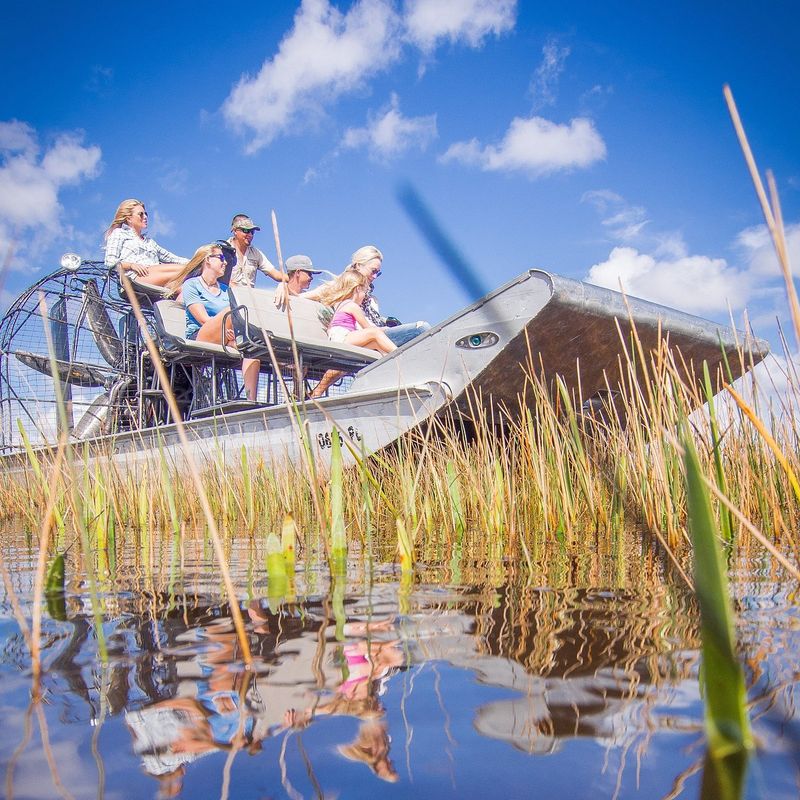
Airboats are propelled by large aircraft-style fans mounted at the rear, which means the ride is genuinely loud. That’s not a complaint from squeamish tourists; it’s a straightforward fact about how the vessels work.
Asking the operator before you arrive whether hearing protection is provided, and for what age groups, is a practical step, particularly if you’re bringing children or anyone sensitive to noise.
One airboat operator outside the Miami area explicitly states that it supplies protective headphones, but that detail applies to that specific company. Wild Florida’s FAQ is a useful reference for what such policies can look like, but it does not tell you what Gator Park or Coopertown provide.
Contact either operator directly to confirm their hearing-protection policy before assuming anything.
On the water, follow your captain’s directions without exception. Alligators in the wild are not props or attractions to approach for a better photo.
FWC advises keeping a safe distance from alligators at all times and states that feeding them is both illegal and dangerous. Never offer food, make sudden movements toward an animal, or encourage anyone in your group to get closer for a photograph.
FWC also notes that alligators are most active between dusk and dawn. That’s a useful fact about animal behavior, but it doesn’t mean booking a dusk tour will produce more sightings than a midday ride.
Tour availability, safety conditions, and operator hours all factor into departure times, and none of the researched operators advertise evening departures based on the sources reviewed.
Choose based on the current total and what matters to you
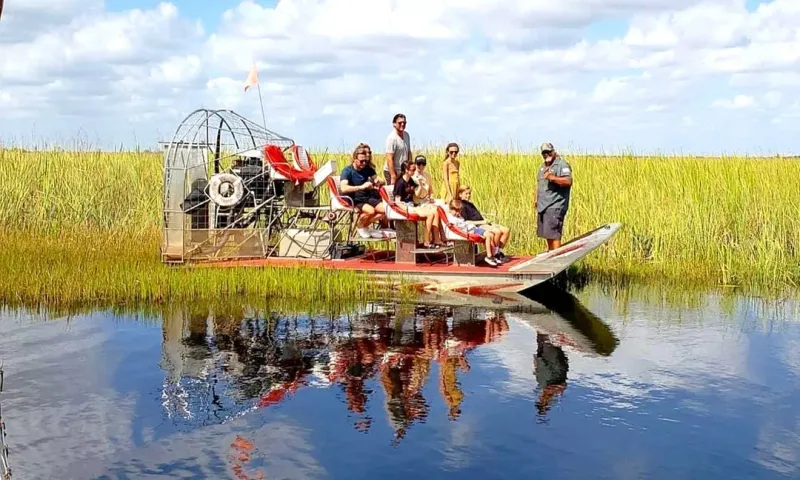
Pull up both operators’ current booking pages, add up every fee that applies to your group, and compare the real checkout totals rather than the headline fares. Gator Park’s information page and Coopertown’s reservation page are the right places to find live pricing, age rules, inclusions, and cancellation terms.
If a bundled wildlife show matters to your group, Gator Park’s ticket structure may offer more for the price. If a longer ride with no reservation required suits your travel style better, Coopertown’s format is worth a closer look.
Neither a lower advertised fare nor a visit during alligator mating season guarantees a wild-alligator sighting on the water. The Everglades is worth the trip on its own terms, and an honest comparison of what you’re actually paying for is the best tool you have before you go.