
Affiliate disclosure: As an Amazon Associate I earn from qualifying purchases. Learn more
Arizona has some of the darkest night skies in the country, and many of the best viewing spots are just a road trip away from home. Flagstaff became the world’s first International Dark Sky City in 2001, and the rest of the state has plenty of places that keep the stars bright and the lights low.
This list covers eight spots, from historic observatories with giant telescopes to remote desert parks and canyon overlooks where the Milky Way stretches overhead. Pack a jacket, check the moon phase, and see how many of these you already know.
1. Lowell Observatory, Flagstaff, AZ
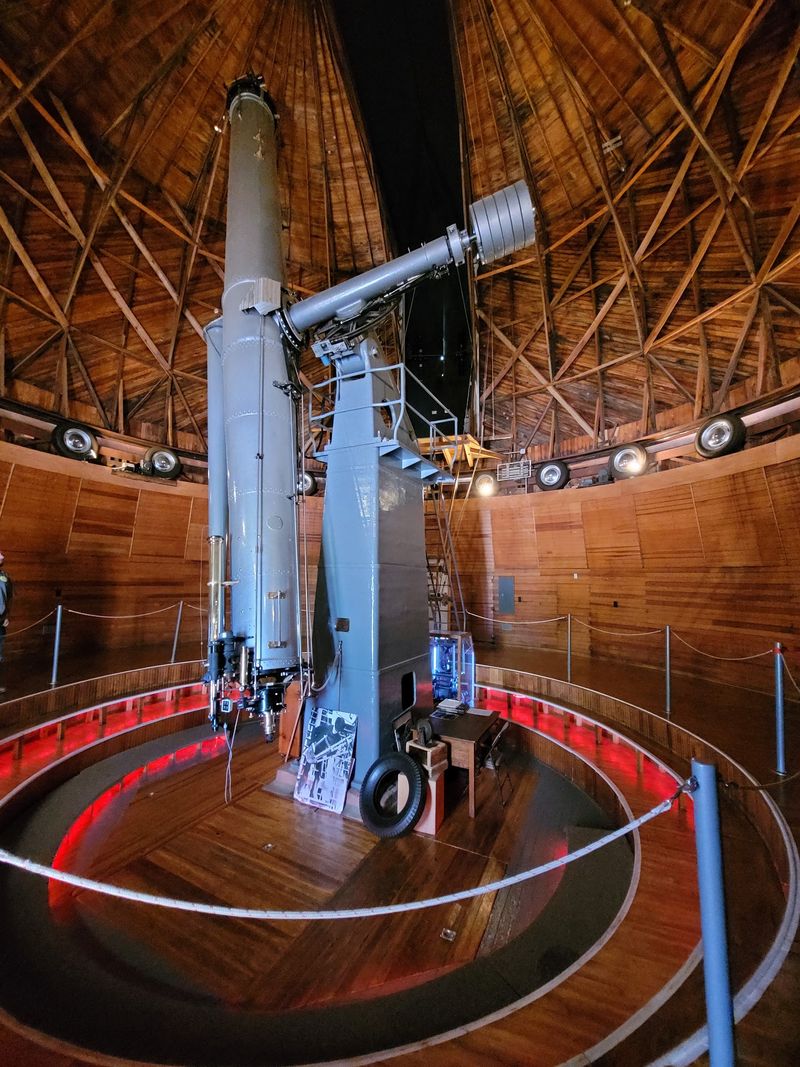
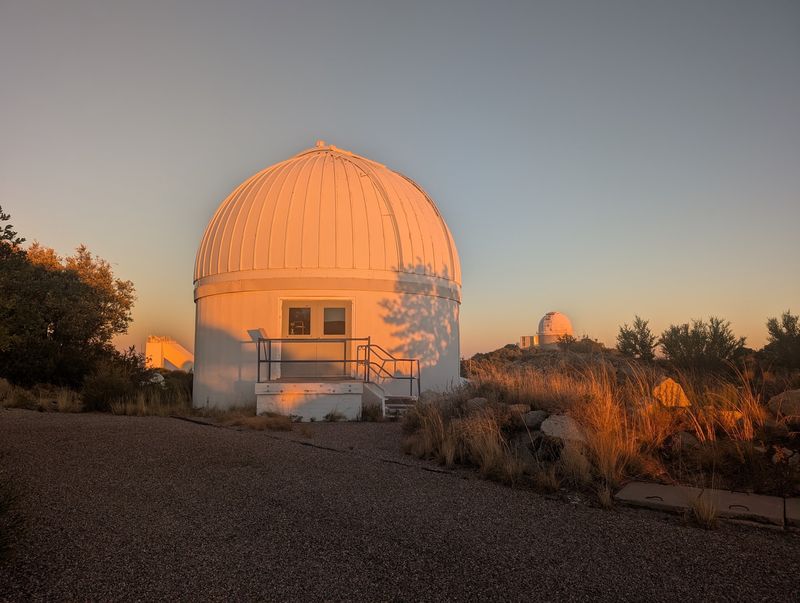
Founded in 1894, this hilltop observatory on Mars Hill has been pointing telescopes at the sky for more than a century. It sits in Flagstaff, a city that takes its dark skies seriously.
The historic Clark Telescope is the star of the show, and on clear nights guests can look through it at planets like Saturn and its moons. Guided constellation tours point out what is overhead, and daytime solar viewing gives early arrivals something to see before sunset.
Hours run from noon to 10 PM every day except Tuesday, when the campus is closed. Saturday evenings are the busiest, so buying tickets in advance is a smart move.
Kids get discounted admission, which makes this an easy family outing. Parking is available on site at 1400 W Mars Hill Rd.
2. Kitt Peak National Observatory Visitor Center, Tucson, AZ
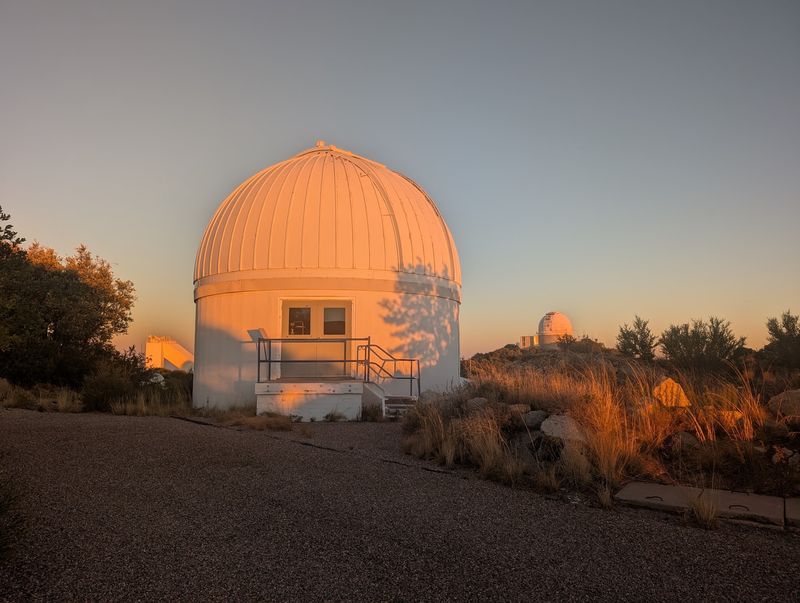
Few places in America pack as many research telescopes onto one mountaintop. Kitt Peak, southwest of Tucson, hosts a cluster of white domes that astronomers have relied on for decades.
The visitor center opens daily from 9 AM to 4 PM and offers guided astronomy tours during the day. When the sun goes down, nighttime stargazing programs take over, giving the public a look through serious equipment under truly dark skies.
The staff are knowledgeable and clearly passionate about the sky, which makes questions welcome. Night programs fill up, so reserve tickets ahead of time.
I would save this one for a clear, moonless evening. Parking is in a paid lot, and restrooms are available at the center.
3. Grand Canyon National Park
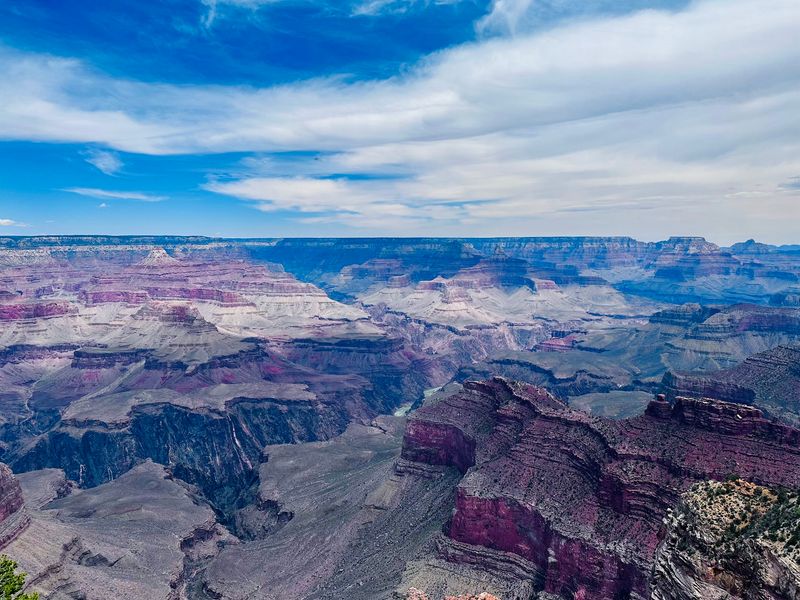
Most people know the canyon for its daytime views, but the show does not stop at sunset. The park has some of the darkest skies in the Southwest, and on a clear night with no moon, the Milky Way spreads right across the canyon.
The park is open 24 hours, so night owls can stay out after the crowds head to dinner. Sunrise watchers get a bonus, since the canyon colors shift as the light comes up.
Picnic tables, public restrooms, and kid-friendly hikes make it simple to plan a full day ending under the stars. Dogs are allowed in parts of the park, and both free and paid parking are available.
Bring layers. Nights on the rim can turn chilly even in summer.
4. Chiricahua National Monument, Willcox, AZ
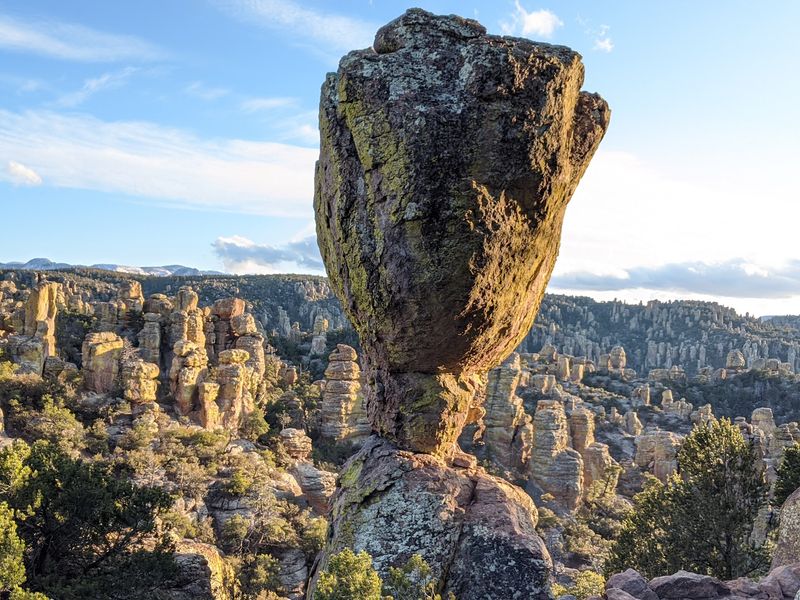
They call it the Wonderland of Rocks, and the nickname fits. Thousands of rock spires and balanced pinnacles cover this nearly 12,000-acre monument in rural southeastern Arizona.
The remote setting near Willcox keeps city glow far away. That makes midnight stargazing here a real treat, especially with those odd rock shapes outlined against the stars.
Daytime visitors get well-marked trails, including easy routes for kids, plus a visitor center, picnic spots with grills, and historic buildings. Camping is available for anyone who wants to stay until the sky goes fully dark.
Weekend afternoons draw the most people. Weeknights tend to be much quieter.
5. Oracle State Park, Oracle, AZ
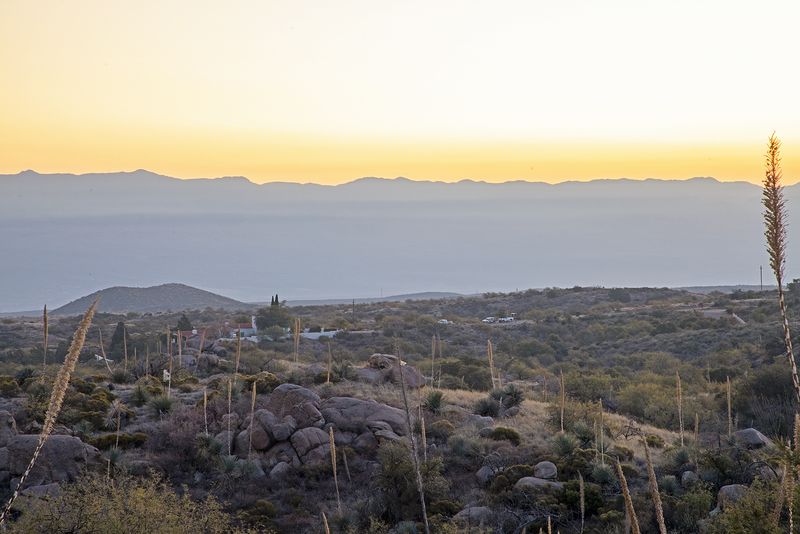
Star parties and scorpion hunts are not on the usual state park calendar, but Oracle State Park hosts both. The park is known for night programs that let visitors explore the desert after dark.
Set in the foothills north of Tucson, the park mixes desert and forest terrain with miles of trails and easy hikes. A historic house adds some history to the scenery.
Regular gate hours are 8 AM to 4 PM, so the night events are the way to see the sky here. Check the park schedule before heading out.
Picnic sites, grills, and restrooms make daytime visits simple. Dogs are welcome, and parking is in a paid lot.
6. Alamo Lake State Park, Wenden, AZ
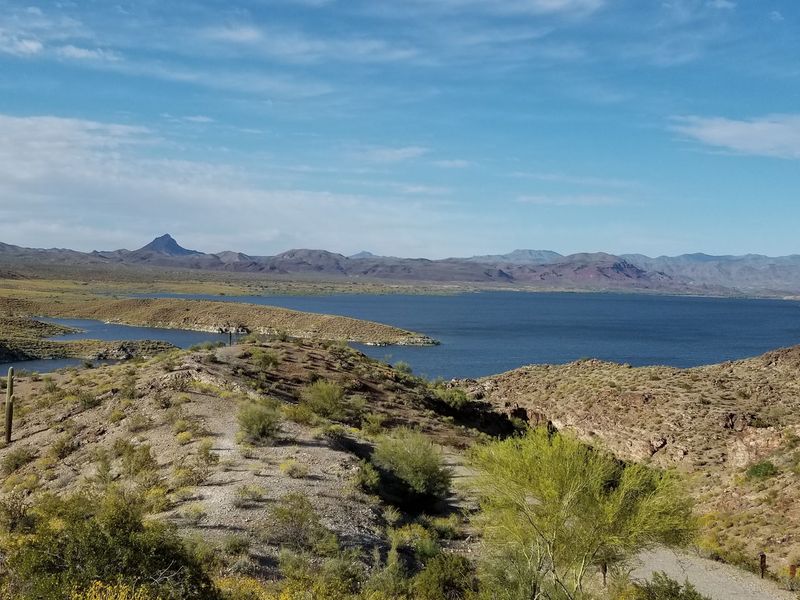
Western Arizona does not get much more remote than this. Alamo Lake sits in an isolated desert basin near Wenden, far from big city lights.
The park is open 24 hours, and campers get front-row seats to a starry sky over the water. Clean campsites and restrooms with hot showers make an overnight stay comfortable.
Daytime brings fishing, hiking, and off-road trails. The lake is often calm in the morning, which suits early anglers.
Friday nights are the busiest. A midweek trip usually means more elbow room and quieter skies.
Families will find a playground, picnic tables, and grills. Dogs are allowed too.
7. Organ Pipe Cactus National Monument, Ajo, AZ
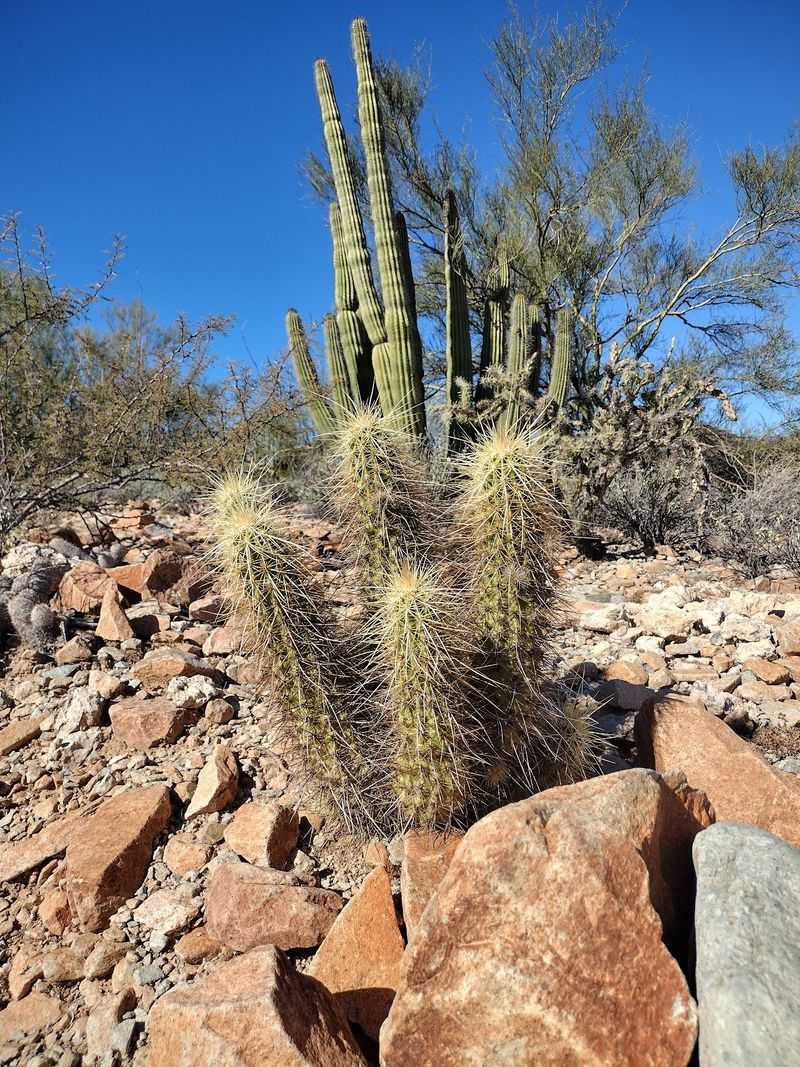
Organ pipe cacti grow wild in only a small corner of the United States, and this monument protects them. The tall, multi-armed cactus fills the landscape alongside saguaro and ocotillo.
Its location in the Sonoran Desert near Ajo puts it deep in dark sky country. Very little artificial light reaches this area.
Two scenic desert drives, including one toward the Ajo Mountains, show off the scenery by day. Ranger programs held in the amphitheater add context about the desert and its plants and animals.
The visitor center is open 8 AM to 4 PM and is a good first stop for maps and tips. Picnic tables, grills, and restrooms are on site.
8. Yavapai Point
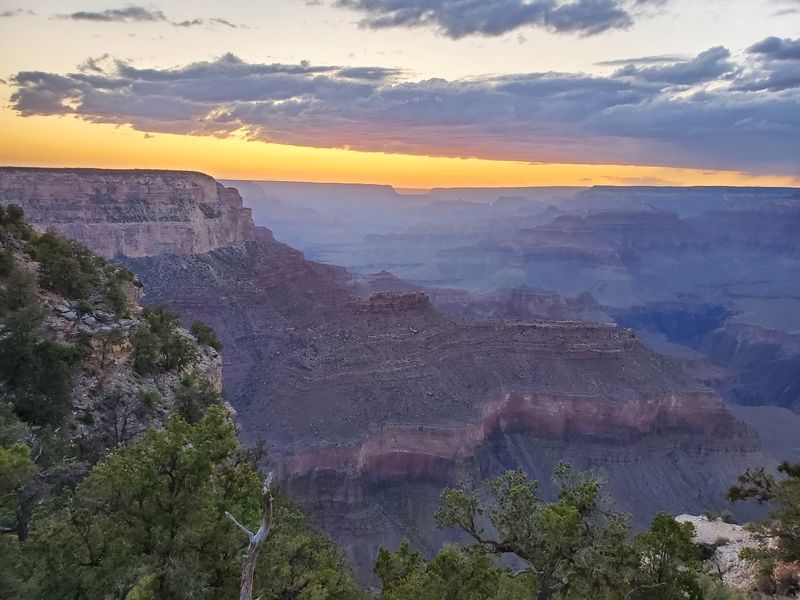
Sunset crowds pack this South Rim overlook every evening, then drift away as the sky darkens. That is exactly when stargazers should stay put.
Yavapai Point in Grand Canyon Village offers one of the widest panoramic views along the rim. Canyon ridges and even glimpses of the Colorado River spread out below.
The overlook is open 24 hours, and late night and early morning are the quietest times. Sunrise here is another strong reason to set an alarm.
Restrooms and parking are nearby. I like this stop for anyone who wants a big canyon view and a big sky without a long hike.


