
Affiliate disclosure: As an Amazon Associate I earn from qualifying purchases. Learn more
Some San Francisco families have booked the same dinner for decades, and the newest generation is still trying to get a seat. One restaurant on a busy city avenue has served prime rib since the 1940s, and it still rolls the meat to each table on a silver cart.
Reservations can be booked out for months, and people line up before the doors open just for a chance at a bar stool. The menu barely changes, the room feels like another era, and nobody seems to mind.
Keep reading to learn where this classic sits, how the tableside ritual works, what the cuts and sides look like, and the smart tricks for landing a table.
An Old Landmark on Van Ness Avenue
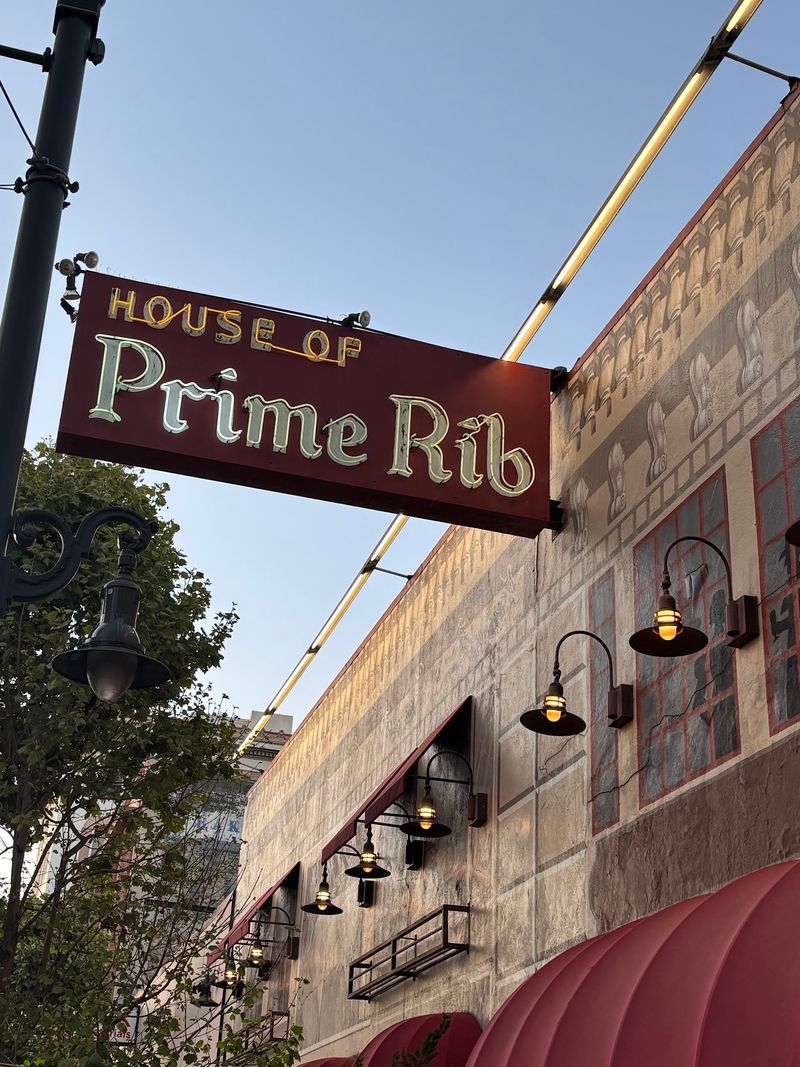
A single restaurant name tells the whole story here. House of Prime Rib sits at 1906 Van Ness Ave, San Francisco, CA 94109, in the United States, on one of the city’s major north-south streets.
It is a steak house, but a very focused one. Prime rib is the only main course built around beef, and the kitchen has stuck with that plan for generations.
The restaurant is described as an old-school, English-style landmark known for prime rib since the 1940s. Some regulars believe it has been around since 1949, and the building has been well cared for over the years.
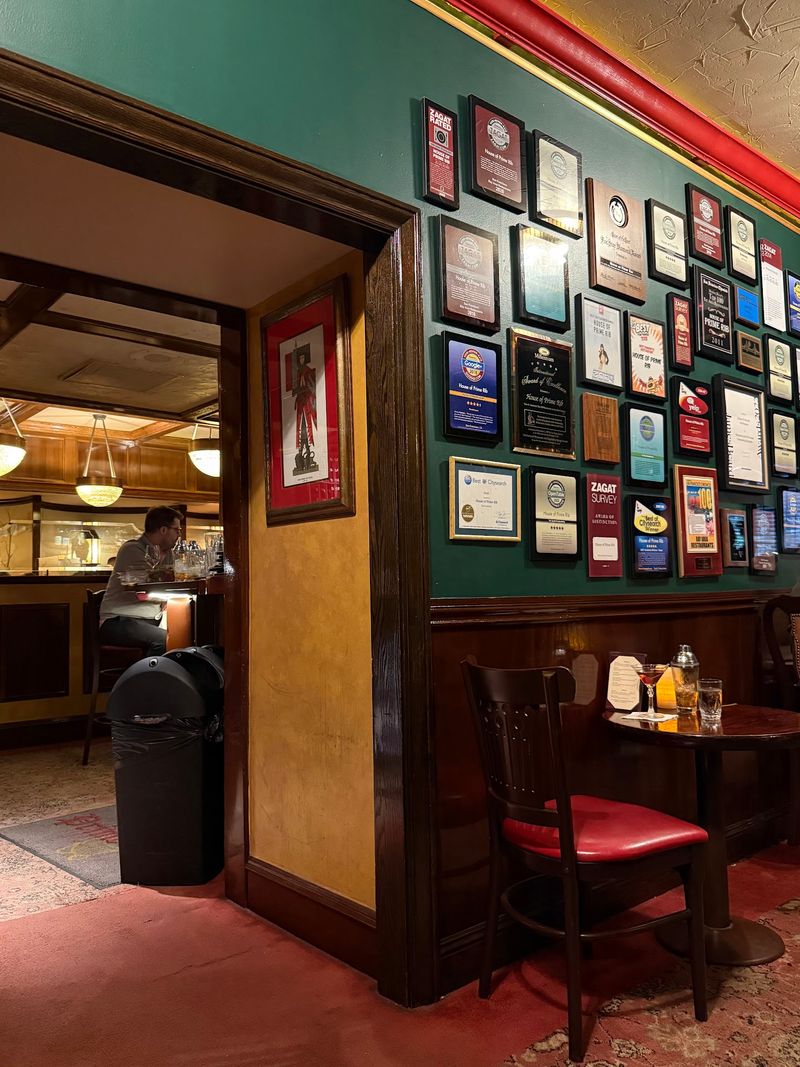
Popularity is not a small detail. The spot holds a 4.6-star average from more than 7,500 Google ratings, which is a huge number for a single dining room.
Locals treat it as a true San Francisco classic. Many families describe coming here for decades, and younger diners now fill the same booths their parents once did.
For Californians who miss the old places that stayed the same, this one still feels like a promise kept, and the story only gets better once the cart starts rolling.
A Room That Never Left Another Decade
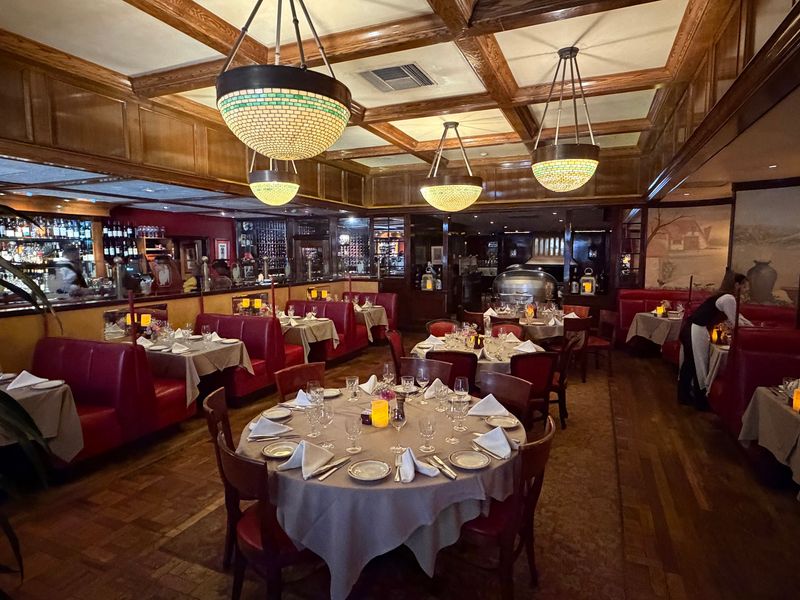
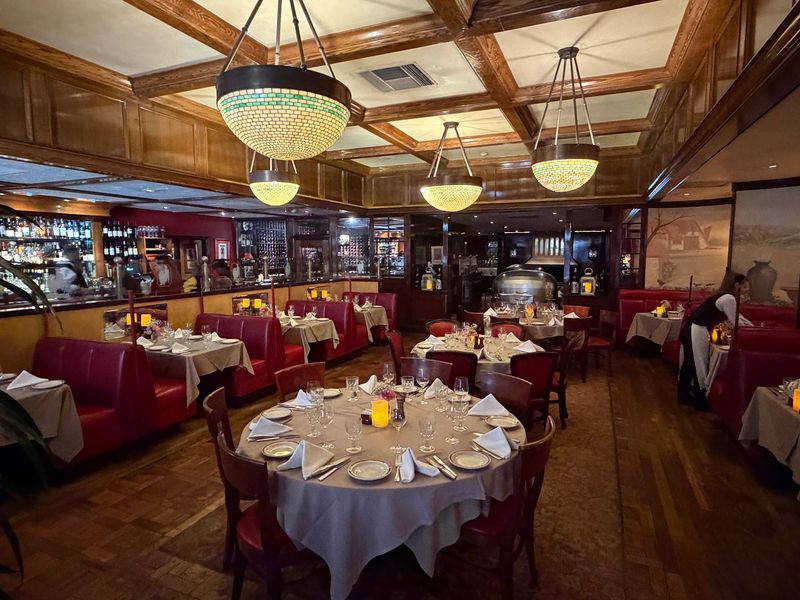
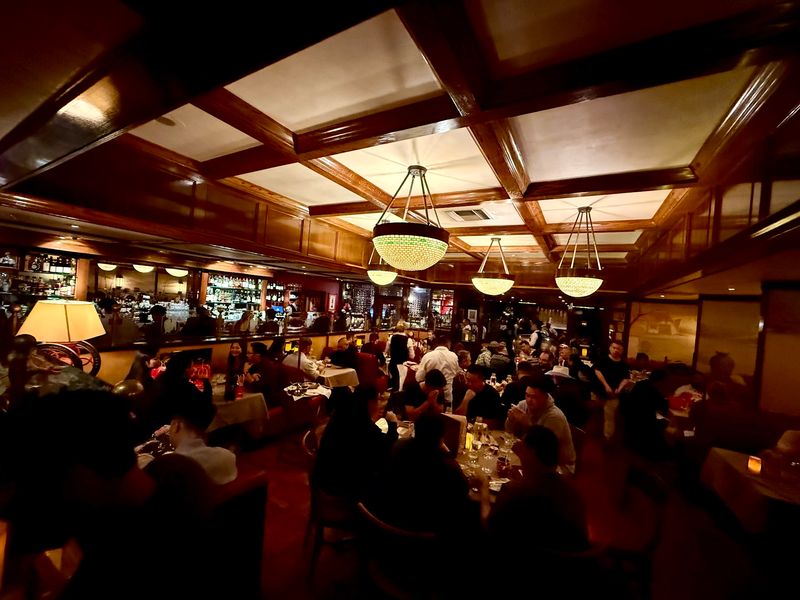
Nobody comes here for trendy design. The dining room is classic and traditional, and many diners say it feels like a trip back to an earlier San Francisco.
The English-style decor fits the menu. Booths, a lounge area, and a busy bar give the place an old club look without any fuss or pretension.
Low ceilings are part of the charm, and they also play a role in the noise. When the room fills up, conversations get loud, so a whisper-quiet date night is not really the goal.
Some semicircular booths can feel snug for a group of four. Tables also fill fast with plates, sides, and bread, so space can feel tight at busy moments.
Still, the energy is what many people love. Young couples and older regulars share the room, and the bustle of carving carts moving between tables keeps everything lively.
Think of it as a dinner with a soundtrack of happy chatter, and plan your table talk accordingly.
The Silver Cart Ritual
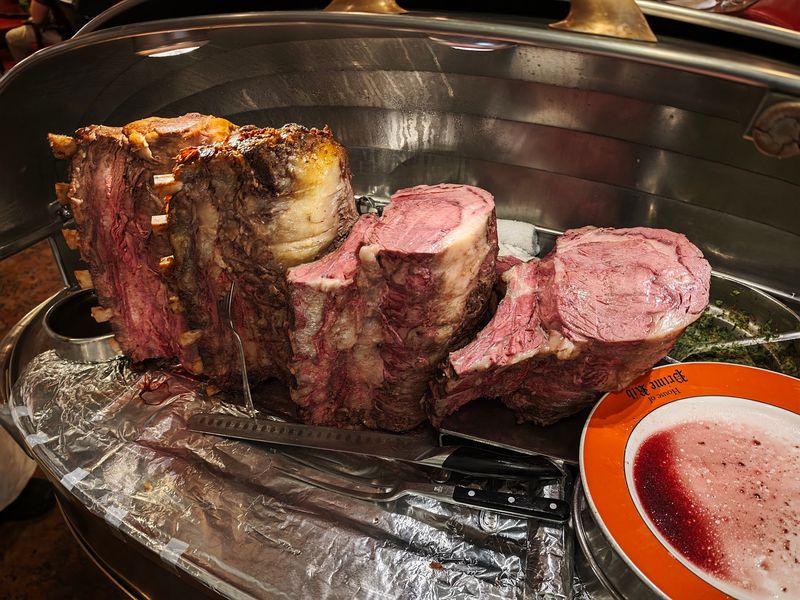
Here is the moment everyone waits for. The prime rib arrives on a gleaming silver cart and gets carved right at your table.
A chef often greets the table personally before slicing. That small touch turns a regular dinner order into a little ceremony.
The carts move through the room all night long. Diners watch other tables get served, which builds the excitement for their own turn.
Each slice is plated with jus spooned over the meat. Yorkshire pudding lands alongside, ready to soak up whatever is left on the plate.
Bar seating is a fine backup, but there is a catch. Guests at the bar can miss part of the show, since the cart service shines brightest in the main dining room.
For many first-timers, this cart is the reason they booked months ahead. For longtime regulars, it is the part that proves nothing important has changed, and that may be the best cut of all.
Cuts With Royal Names
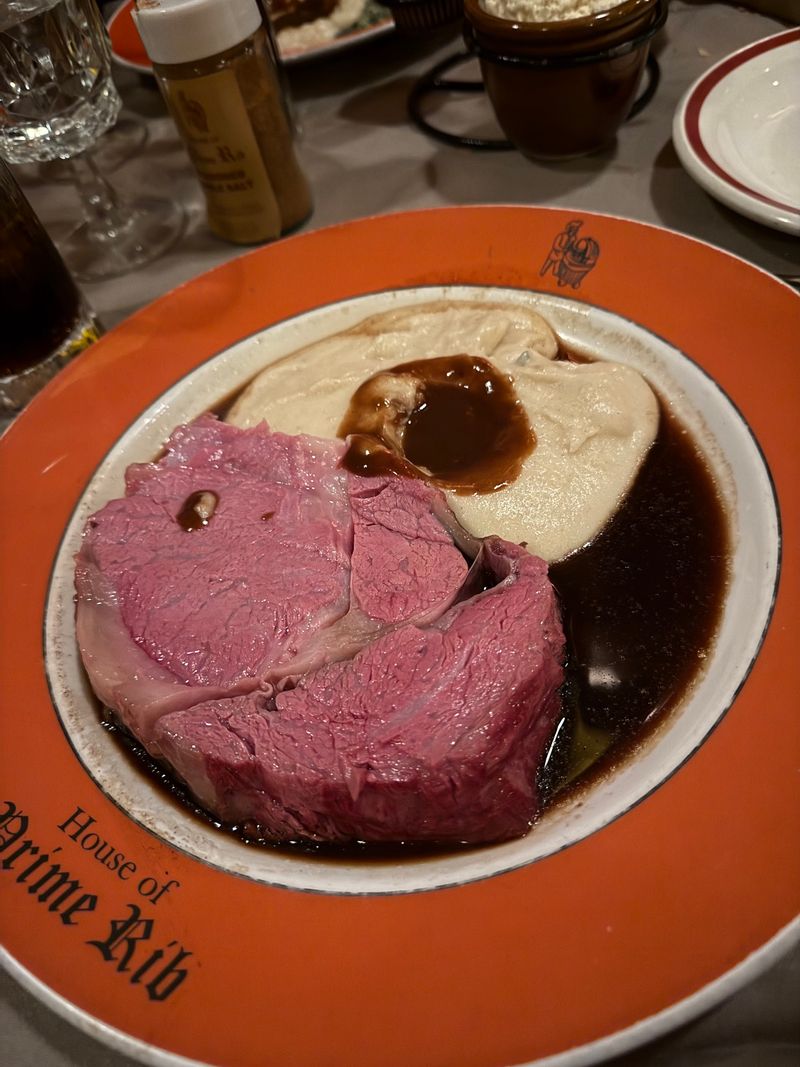
Ordering is simple, but the names are fun. The menu offers several cuts of prime rib, each with its own size and personality.
The English Cut is the smaller option, and many diners find it more than enough. Some say it is the best way to go for full flavor without overdoing it.
The City Cut and the House of Prime Rib Cut sit in the middle. The house cut is a favorite for people who want a classic portion.
Then comes the King Henry VIII Cut, the thickest and largest choice. Big eaters love it, and it often comes with the option of a second serving if you still have room.
Seconds are a real thing here. Servers may offer another slice, and plenty of people happily say yes.
Some longtime fans feel the cuts are thinner than they were years ago. Portions still tend to send people home with leftovers, so a doggy bag is never a bad plan.
A Salad That Spins at the Table
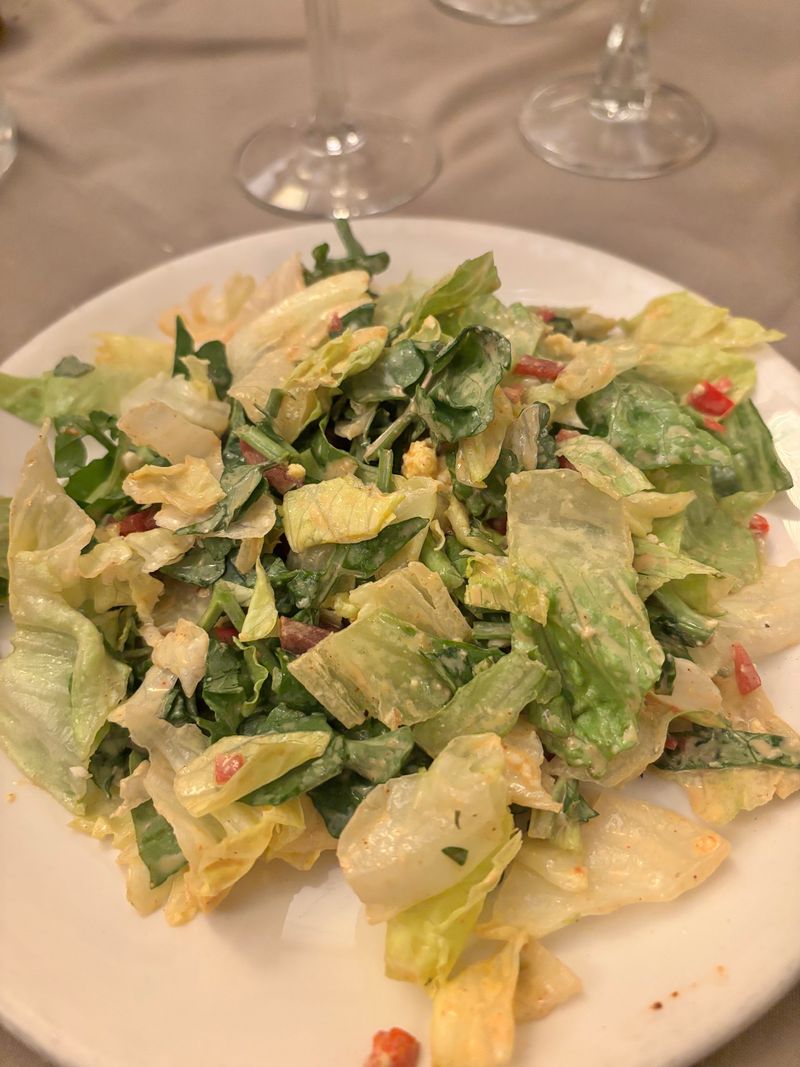
Before the beef ever shows up, there is a performance. The salad gets spun in a bowl right at your table.
Servers use chilled forks and pour the house dressing from above while the bowl turns. It is part salad, part stage act, and kids especially enjoy watching.
The dressing is a house recipe, and some describe it as made with an apple cider vinaigrette style. Beets also appear in the mix, giving the starter a classic touch.
Warm personal-size sourdough loaves arrive with butter early in the meal. A knife stuck into the loaf adds a whimsical look that many people notice right away.
Not everyone falls for the bread, but almost everyone talks about the salad show. It sets the tone for a dinner built on tradition.
By the time the bowl stops spinning, the room is already buzzing, and the main act is just a few minutes away.
Sides That Come Built In
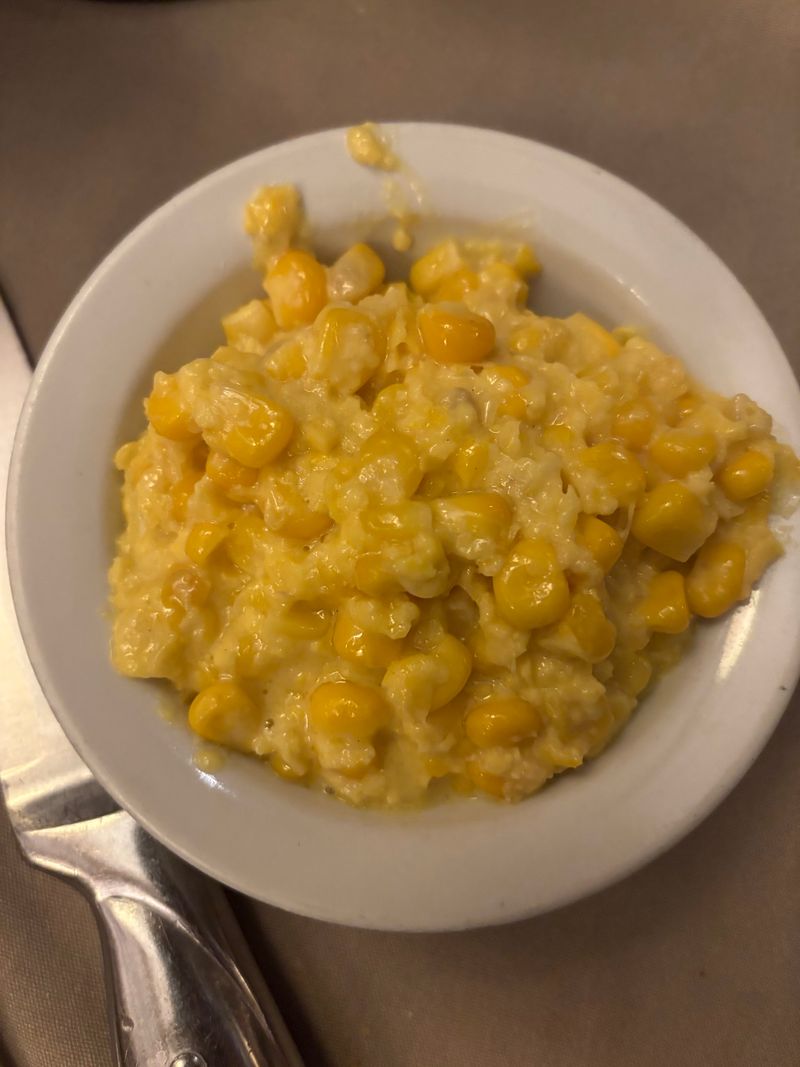
Good news for anyone tired of paying extra for every side dish. The prime rib dinner comes with a full set of classic English-style sides.
Every plate includes Yorkshire pudding. Guests then pick between a baked potato or mashed potatoes with gravy.
Creamed spinach is the standard green side. Creamed corn is also available, and some diners have swapped it in even when it is not obvious on the menu.
The baked potato comes loaded with butter, sour cream, bacon bits, and chives. Some diners prefer the mashed potatoes and gravy, since the baked version can run a little dry.
Horseradish is served three ways, from mild to regular to an extra kick. That lets each person adjust the heat bite by bite.
With all that included, many guests say the portions feel fair for the price. You walk in hungry and leave carrying a little foil package.
Servers Who Remember the Little Things
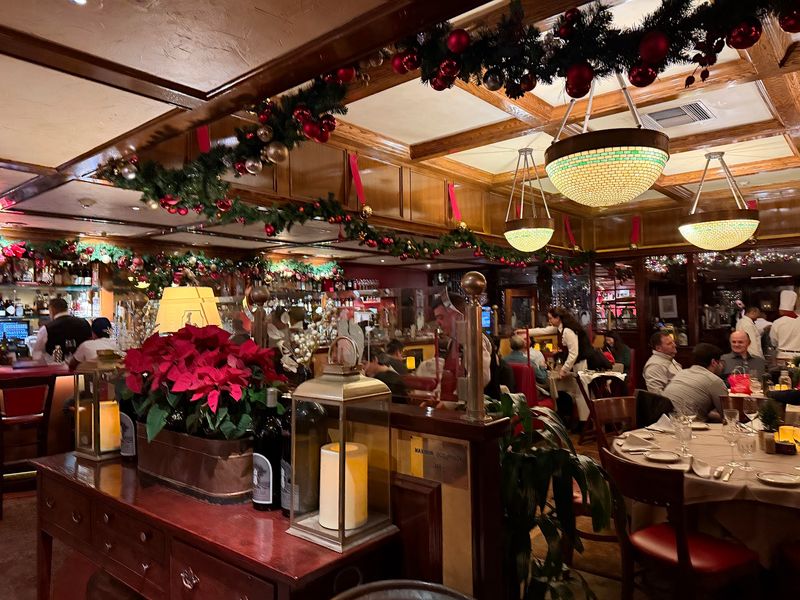
Old-school dining depends on people, not gadgets. Staff here earn steady praise for being friendly, quick, and attentive.
Many servers seem a step ahead, bringing what a table needs before anyone asks. Some regulars even return for the same server again and again.
One longtime diner once asked for a rib bone to take home for two senior dogs, and the server found a way to make it happen. Small favors like that help explain the loyalty.
Nobody rushes you out the door. Dinner can easily last well over an hour, and guests say they are allowed to take their time.
The front door can be another story on packed nights. Hosts sometimes send arriving guests to the bar to wait, which can feel confusing even with a reservation.
On very busy evenings, you may need to flag someone down. Once the meal begins, though, the dining room team usually keeps things moving smoothly.
The Months-Long Reservation Chase
Getting a table is half the adventure. Reservations are famously hard to land, and wait lists can stretch for months.
Prime dinner times go first. Some groups grab a 10 pm slot simply because it was the only opening for four.
Checking often can pay off. Last-minute openings sometimes appear online, even just a day ahead.
Walk-ins have a tougher road. Some diners line up around 3:30 pm or arrive before opening, hoping for bar seats or a quick table.
Arriving right at opening can work for a couple. Others have waited about an hour on the list, then another half hour at the bar.
Large parties without a booking face the hardest odds. Plan early, stay flexible on time, and treat any open slot like a winning ticket.
A Table for Every Generation
Grandparents, couples, and toddlers all show up here. The crowd mixes young and old, and families often mark birthdays and big moments at these tables.
Kids are welcome, and there is an all-inclusive children’s option. It comes with the full meal, plus milk and ice cream for dessert.
An early slot, such as 5:30 pm, tends to work best with little ones. The meal can run long, so timing makes a difference.
Solo diners fit in too. Some book a late reservation, relax in the lounge, and enjoy the people-watching.
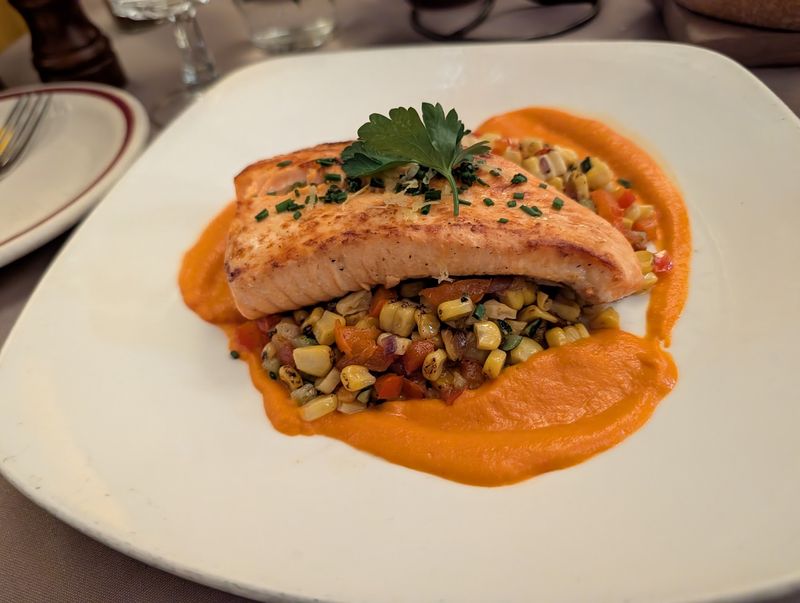
Guests who skip beef are not left out. A fish option is available, though prime rib clearly rules the menu.
Desserts like crème brûlée and tiramisu round out the evening for those with room. Opinions on sweets vary more than opinions on the beef, which may tell you where the spotlight belongs.
Hours, Costs, and Parking Smarts
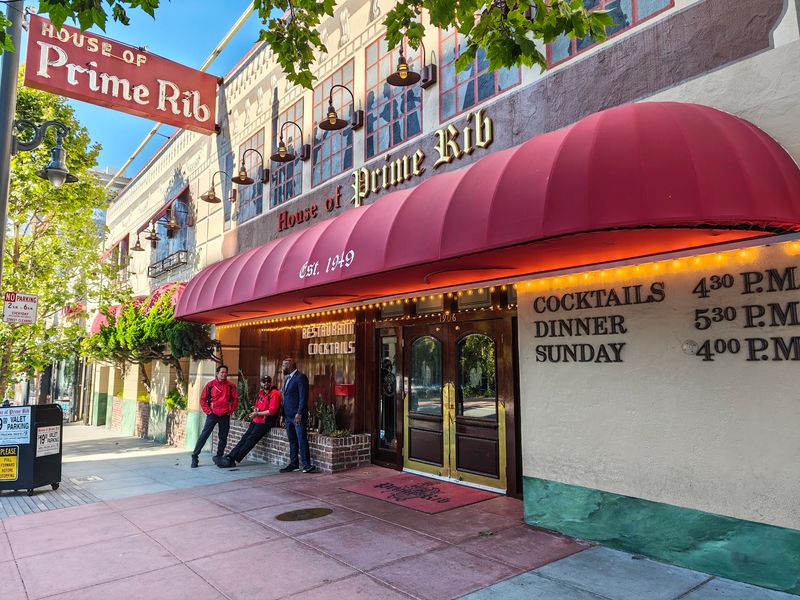
Planning ahead matters at a place this busy. Dinner runs from 5 to 10 pm Monday through Friday, and from 4 to 10 pm on Saturday and Sunday.
Hours can change, so it helps to check the official website before heading out. The restaurant serves dinner only.
Prices land on the higher side for a night out. Many guests still call it good value, since the salad, bread, potato, Yorkshire pudding, and creamed side come included.
Compared with steakhouses that charge for every extra, this setup can feel generous. Exact menu prices may shift, so expect some change from year to year.
Valet parking has run around $19 to $21, though that may have changed. Street parking is another option if you can find a spot.
Give yourself plenty of time once you sit down. A full dinner here is closer to an evening than a quick meal.
Why the Wait Still Feels Worth It
Plenty of restaurants chase new trends every year. This one keeps doing the same thing, and people keep lining up for it.
The appeal is a full ritual. Sourdough, a spinning salad, a silver cart, and a plate of prime rib with classic sides make the evening feel complete.
It is not perfect for everyone. The room is loud, tables can be tight, and getting a reservation takes real patience.
Some longtime fans also notice smaller cuts than in years past. Even so, most guests leave full, happy, and planning their next visit.
For many Californians, a dinner here protects a memory. It is the kind of place parents bring their kids, and those kids later bring their own.
Book early, stay flexible, and come hungry. A tradition from the 1940s is still carving away on Van Ness, one slice at a time.


