
Affiliate disclosure: As an Amazon Associate I earn from qualifying purchases. Learn more
Some bookstores take ten minutes to browse. This one in Berkeley, California, asks for your entire afternoon and usually gets it.
Four floors of shelves climb above a busy street near the university, packed with used titles, rare finds, academic texts, and enough fiction to fill a small town library. People walk in planning to grab one paperback and walk out hours later with a stack, a poster, and no idea where the time went.
The checkout line can stretch, parking can take a while, and the history floor alone can eat up a morning. So here is the plan.
Keep reading to learn what sits on each level, how the trade counter works, when the doors open, and why this shop has stayed a local favorite for so long. Pack a granola bar, too.
A Telegraph Avenue Landmark
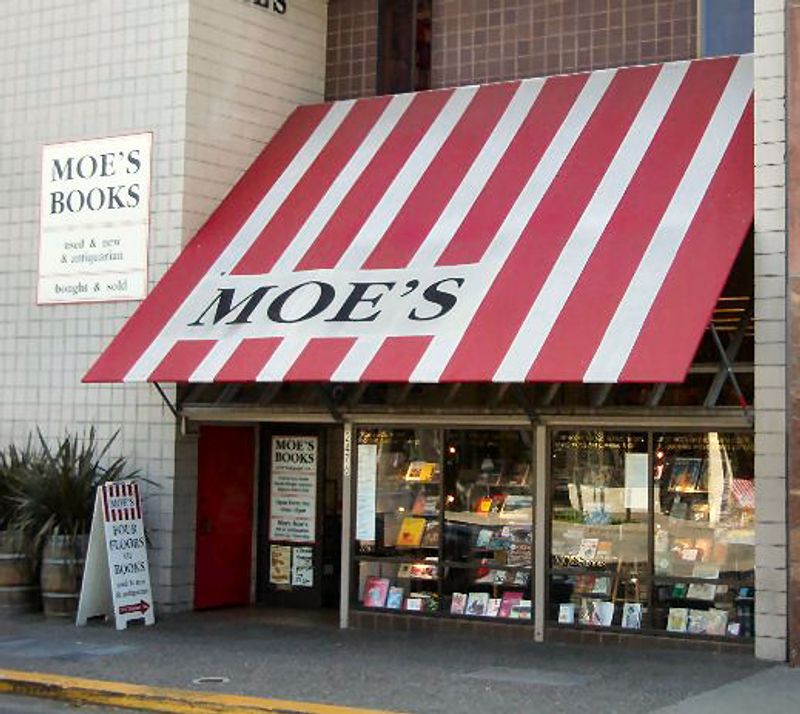
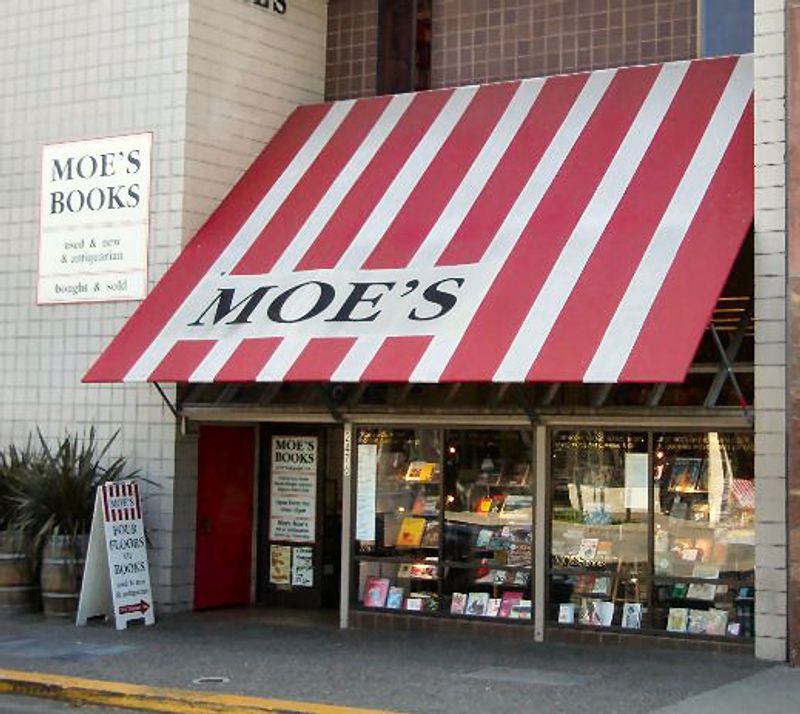
Meet Moe’s Books, the independent shop that sits at 2476 Telegraph Ave, Berkeley, CA 94704, in the United States. It is a bookstore that buys, sells, and trades new and used books, and it also hosts regular readings and talks.
The address matters more than you might think. The store sits in the center of Berkeley, just steps from the university campus, instead of hiding on some cheap side street.
That location shapes everything inside. Students, professors, and lifelong readers all pass through the doors, and the shelves reflect that crowd.
Many people call the shop a Berkeley institution, and the label fits. It has the kind of reputation that travels far beyond the East Bay.
Yet there is nothing flashy about it. The store is not stylized or brand-driven, and it does not try to be a lifestyle boutique with a few books on the side.
Instead, it focuses on one simple job. It offers a large, varied collection of useful books at fair prices, in a spot full of people likely to read them.
With a 4.7-star standing from more than a thousand opinions online, the formula clearly works. Now for the fun part, which is figuring out how four floors get filled.
Legacy on Every Shelf
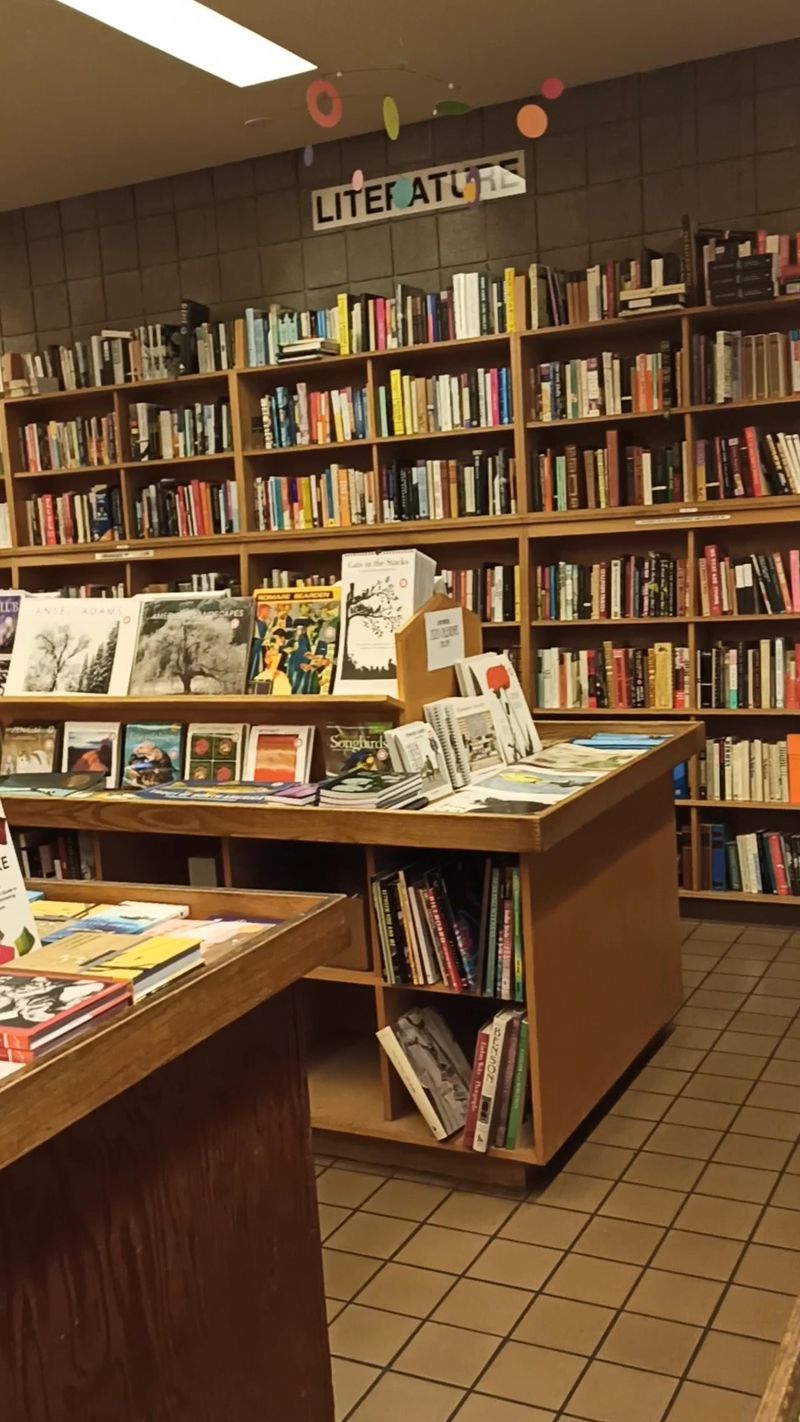
Bookstores come and go, but this one has stuck around. It is often described as an enduring indie shop and a legacy bookstore, the sort of place locals mention when out-of-town friends ask what to see.
People like to say nobody visits bookstores anymore. Here, the aisles can still fill up, and there is sometimes a line at the register.
Part of the staying power comes from a lived-in feel that big chain stores rarely manage. The shelves look used in the best way, by readers who actually browse them.
Another part comes from the store’s habit of being practical. It is functional, extensive, and well stocked, which sounds simple until you try to find that combination elsewhere.
Shoppers who have spent time in college towns across the country often struggle to name a true rival. Some specialty shops in big cities offer rare books, but few mix size, open access, and range of subjects quite like this.
The result is a store that feels less like a retail chain and more like a public resource. It belongs to the neighborhood as much as the neighborhood belongs to it.
History, in other words, is part of the inventory. And speaking of history, there is a whole floor of it waiting upstairs.
Fiction Fills the Ground Floors
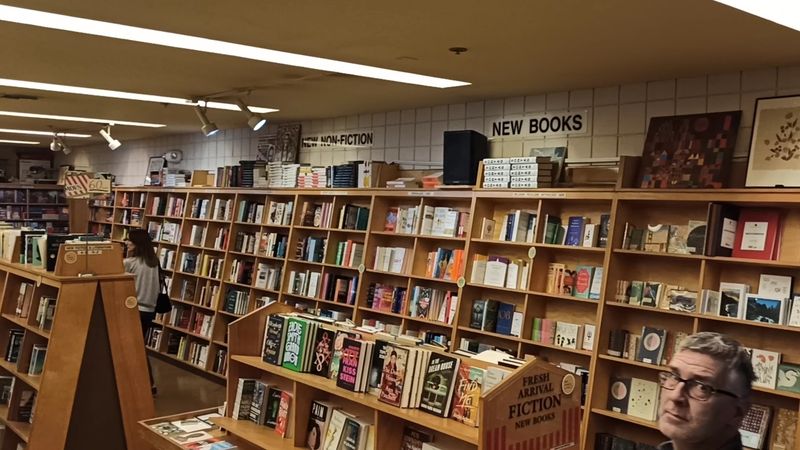
Start low and work your way up. The first and second floors hold a huge selection of fiction, mixing standard paperbacks with harder-to-find titles tucked between them.
Genre fans are well covered too. The fiction and genre fiction sections stay well stocked, so there is a good chance your favorite author has a whole row.
American and British literature show up in serious depth. You will often find several editions of the same classic, from older printings to newer reissues.
New books sit alongside the used ones. That means you can grab a fresh release and a secondhand bargain in the same trip.
Plenty of shoppers describe the hunt as a treasure search. Every corner seems to hold something unexpected, from quirky novels to vintage finds.
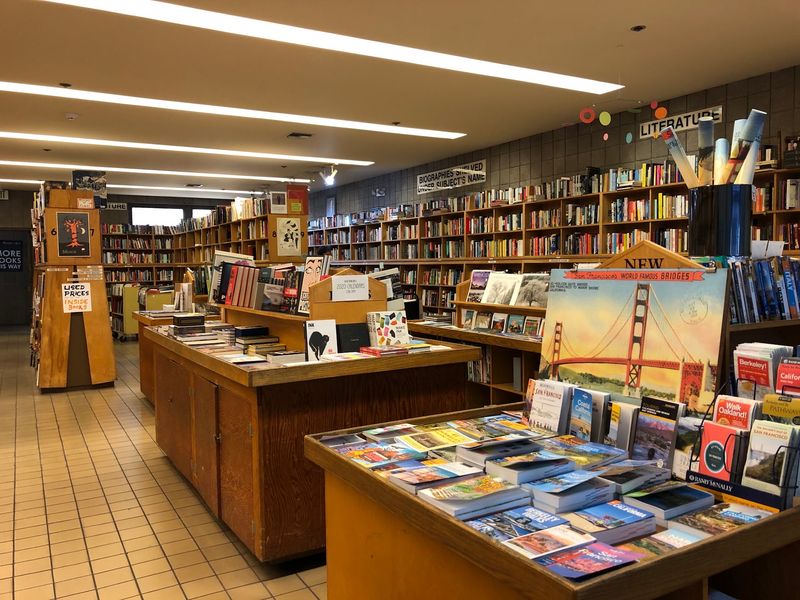
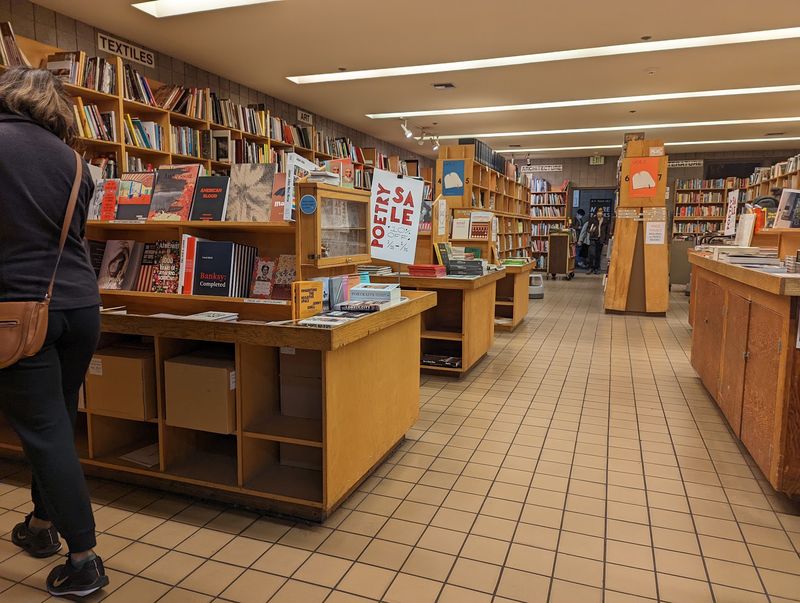
The shelves are neatly organized and clearly labeled, which keeps the browsing from turning into a maze. You can wander with purpose or wander with none at all.
Budget at least an hour just for these two levels. Many people do, and then realize there are still two more floors overhead.
Philosophy, Buddhism, and Occult Curiosities
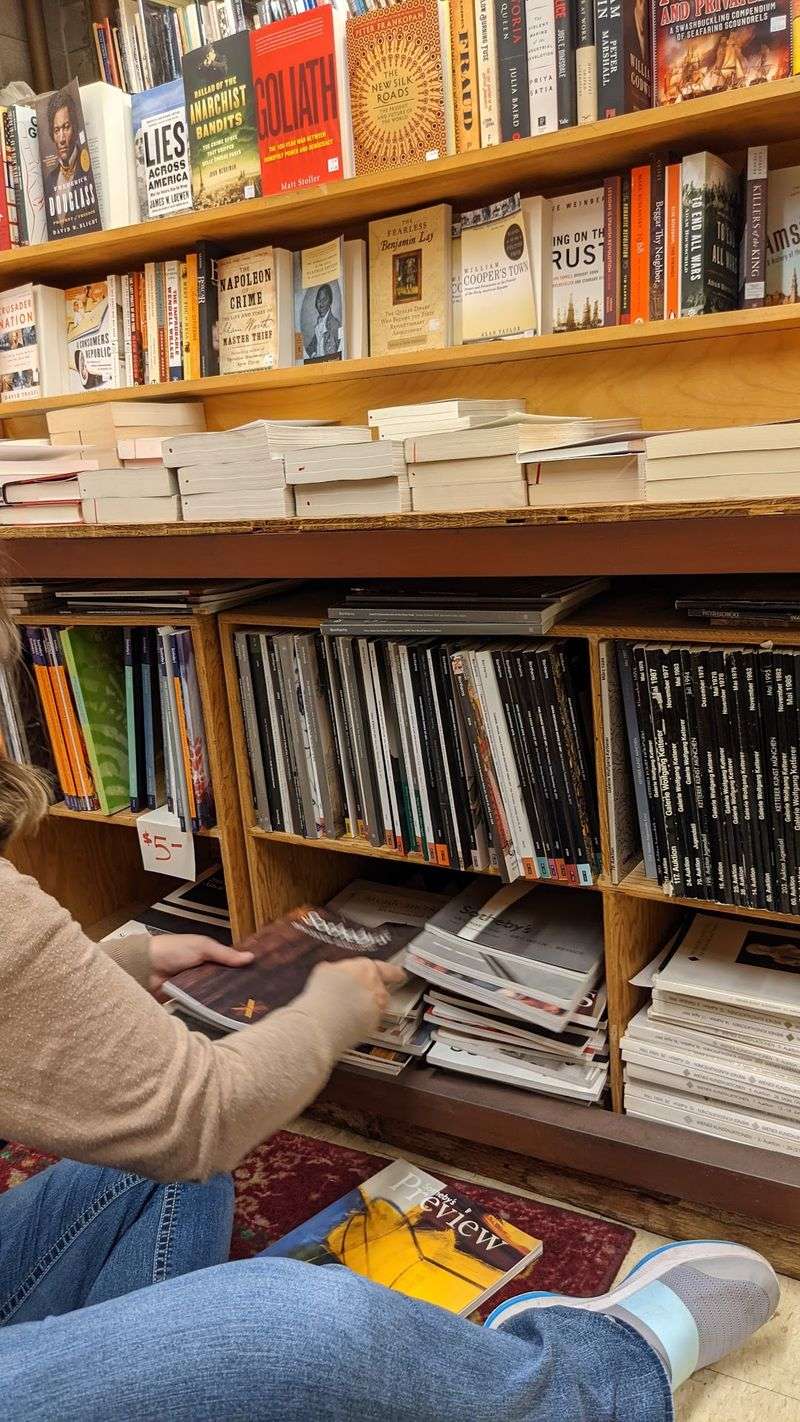
Deep thinkers, head for the third floor. That is where the store’s specialized sections start to feel truly enormous.
The philosophy section runs along massive wall-to-wall shelving. It covers both Eastern and Western thought, so Plato and Zen texts can share the same afternoon.
Buddhism alone takes up four full bookshelves. It manages that without spilling into other spiritual topics, which tells you how much material there is.
Look a little closer and you may spot rare, out-of-print occult texts. Collectors and curious readers alike treat this corner as a quiet bonus round.
Philosophy gets steady praise from shoppers, and it is easy to see why. Few general bookstores give the subject this much space.
Students working through a reading list often find multiple translations here. Comparing editions side by side is far easier than hunting them down one by one online.
Bring a notebook, or at least a patient friend. Big questions take time, and this floor offers a lot of answers to sort through.
The History Floor That Feels Like a Library
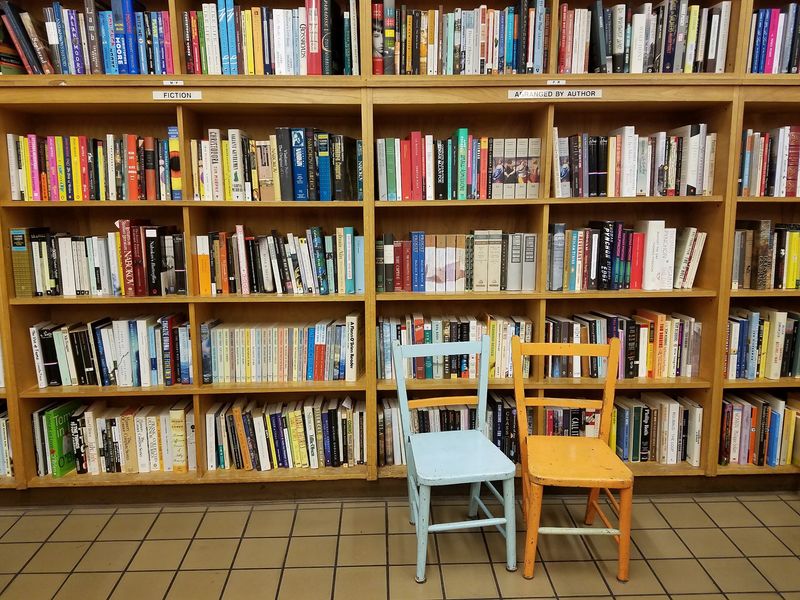
Climb to the fourth floor and the store changes gears. A sprawling history department opens up, and it looks more like a university library than a shop.
Europe gets serious attention, with sections on the medieval era, the Renaissance, and the Enlightenment. U.S. history and Latin American history each hold their own ground.
Chinese and Japanese history and art also have dedicated space. So do architecture, dance, sociology, economics, and political science.
Each area is large enough for real research browsing. You can follow a topic across several shelves instead of settling for one lonely book.
Older university press printings and out-of-print translations turn up often. For scholars comparing editions, that is a big deal.
The layout stays clear and logical even at this scale. Signs and sensible shelving keep the floor from feeling overwhelming.
History buffs should plan for this level to eat a full chunk of the day. Consider it the part of the trip where snacks become a genuinely smart idea.
Rare Books Without the Velvet Rope
Plenty of rare book rooms require an appointment and a nervous whisper. Not here.
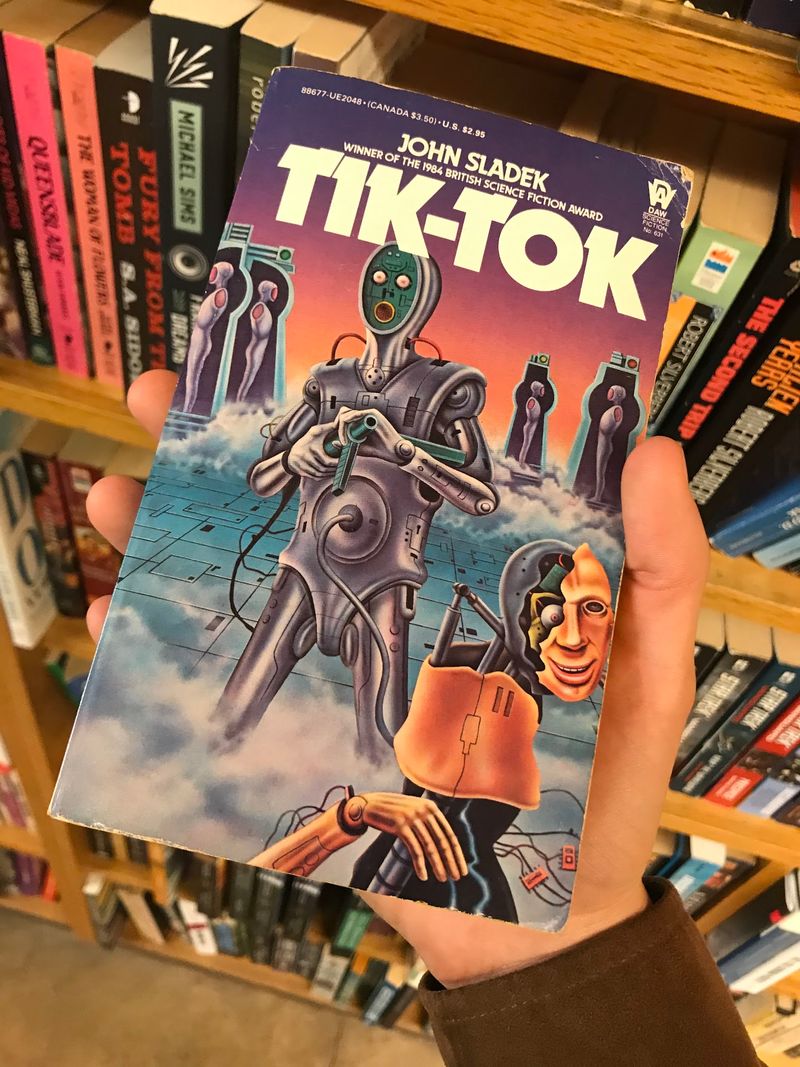
The store has a dedicated rare books area with first editions and collectible volumes. It is open to browse without special arrangements.
The antique book section is a favorite stop for many shoppers. Well-kept older volumes sit on the shelves with covers and art that tell their own stories.
Every book carries its price written in pencil inside the front cover. It is an old-school system, and it keeps things simple.
Prices on rare and high-quality academic titles are often below market value. That makes this floor a smart stop for collectors watching their budget.
Even casual readers find it worth a look. Holding a decades-old edition is a different experience from scrolling a screen.
No velvet rope, no secret password, just shelves and time. Proof that treasure hunting does not need a map.
Textbooks for the STEM Crowd
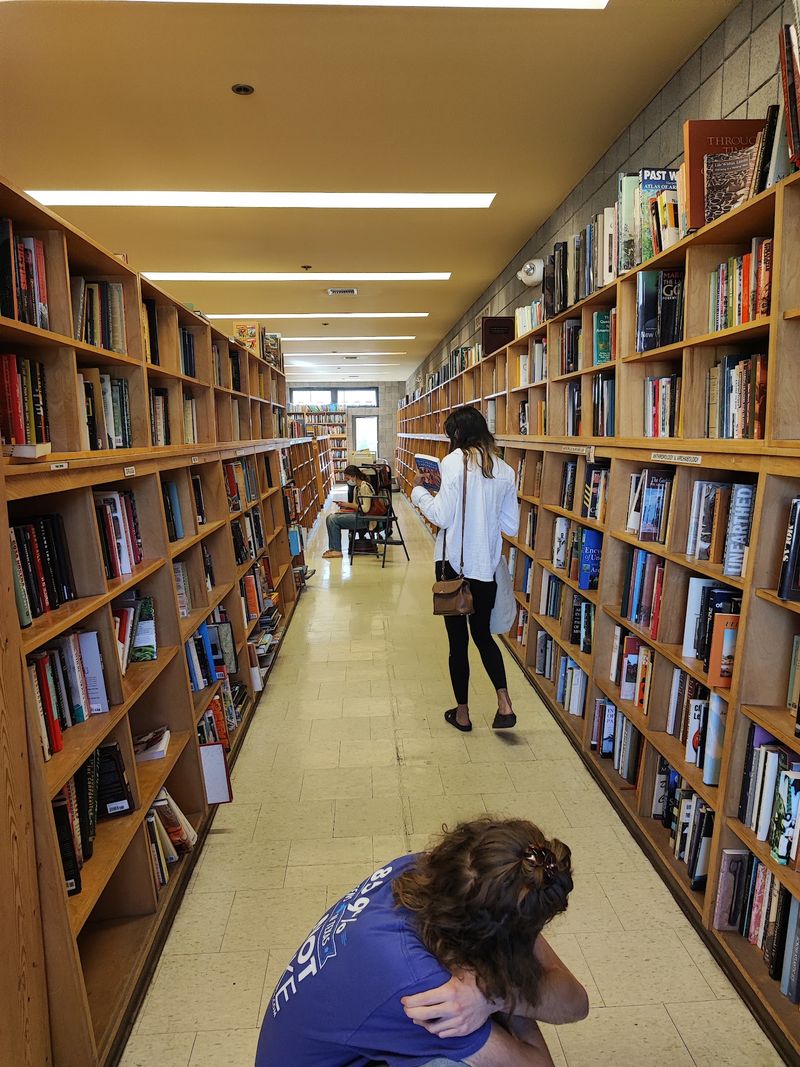
Most bookstores treat science like a single shelf of popular titles. This shop goes much further.
The math and physics section holds real textbooks across a wide range of subjects. Graduates years out of school say they still have not found anything comparable elsewhere.
Academic books in general are a strength. Being steps from campus means the buyers know exactly what serious students need.
Used textbooks can cost a lot less than new ones. Even when used prices are not the cheapest around, they beat paying full price.
The range spans more than math and physics. Economics, political science, and other academic disciplines are stocked with care.
Multiple editions help too. Students can often match the version a professor assigns, or grab an older one for extra reference.
Engineers, coders, and lifelong learners all have a home here. Call it the floor where homework turns into a hobby.
Posters, Maps, and the Basement Bonus
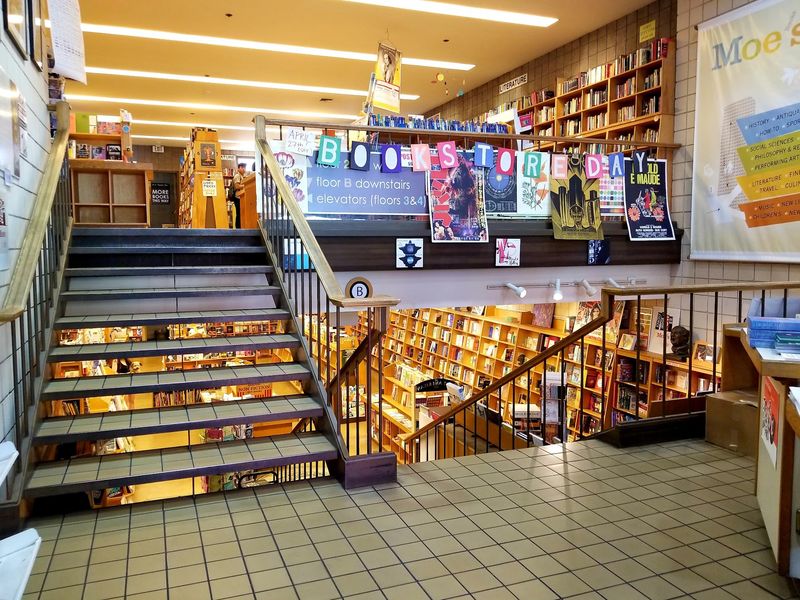
Not everything worth taking home has a spine. The shop also stocks posters, a selling point that comes up again and again.
Head down to the basement for art books, postcards, and a small mix of games and other media. It is easy to miss if you only climb up.
A section of maps waits for travelers and armchair explorers. Shoppers are often surprised to find it at all.
Cute gifts round out the selection. Calendars and posters make easy presents for friends who already own too many books.
Children’s books deserve a mention as well. Families find titles for babies, kids, and grown children in a single visit.
Books in several languages also appear on the shelves. Comics sit not far from classic literature, so the mood stays playful.
The takeaway is simple. Leave space in your tote bag for something flat and rolled up.
Selling and Trading Your Own Books
Got boxes of old books at home? The store buys, sells, and trades, so you can bring some along.
Set expectations first. The buyers are very selective and usually take only part of what people bring in.
They focus on quality, which explains why the shelves look so good. Most stock is in like-new or very good condition.
Trade credit is generally considered fair, and good books are valued appropriately. Cash offers are a different story for some sellers, who wish the numbers ran a little higher.
A smart move is to choose store credit if you plan to shop anyway. That way your old books turn straight into new ones.
Donations are also accepted. Books that do not make the cut can still find another home.
Bring your best titles and keep the rest for another day. The buyers will appreciate the curated stack.
Calm Aisles and Helpful Booksellers
Good stores have good people behind them. Friendly staff earn more praise than almost anything besides the book selection.
Booksellers often greet shoppers on arrival. They are known for being knowledgeable and quick to help find hard-to-locate titles.
They also tend to stay out of the way when you just want to browse. Helpful without hovering is a tricky balance, and they mostly manage it.
The overall atmosphere is calm. The building feels spacious rather than cramped, even with books in every direction.
Not every encounter is perfect. A few shoppers have described staff as short with them, so patience on both sides helps.
The store also hosts regular readings and talks. Those events bring authors and thinkers into the space.
For many, the quiet itself is the draw. Few places let you lose hours this peacefully.
Hours, Parking, and Smart Timing
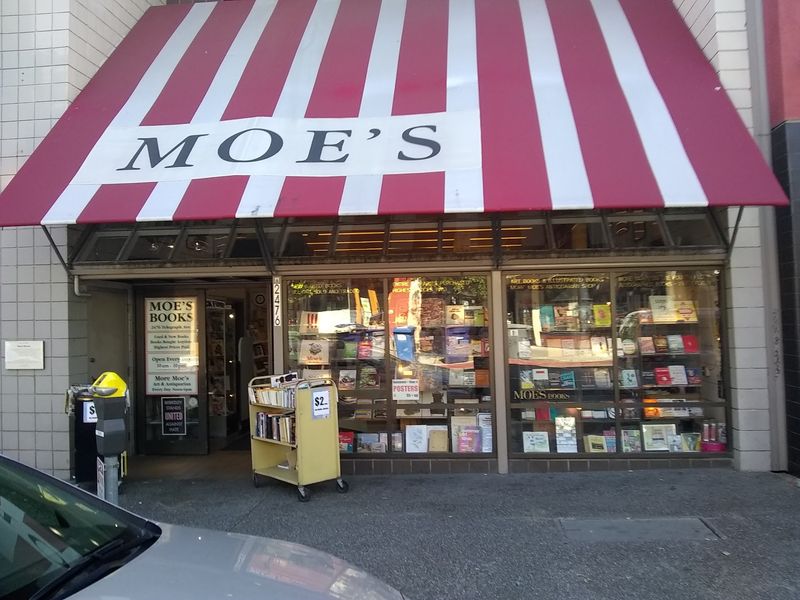
Planning ahead pays off. The store opens at 11 a.m. and closes at 7 p.m. every day of the week, weekends included.
That gives you eight hours to explore. Some people use nearly all of them.
Parking can be a challenge in this busy part of town. Plan for about 15 to 20 minutes to find a spot.
Arriving near opening time can help, both for parking and for quieter aisles. Busy stretches can bring a line at the register.
Prices on used books are generally reasonable. They are not always the lowest anywhere, but they come in well below new copies.
Many shelves also hold sale books on every floor. Keep an eye out for those markdowns as you climb.
Check the website before you go for event listings. Then pack water, a snack, and comfortable shoes for all those stairs.
Worth Every Hour Upstairs
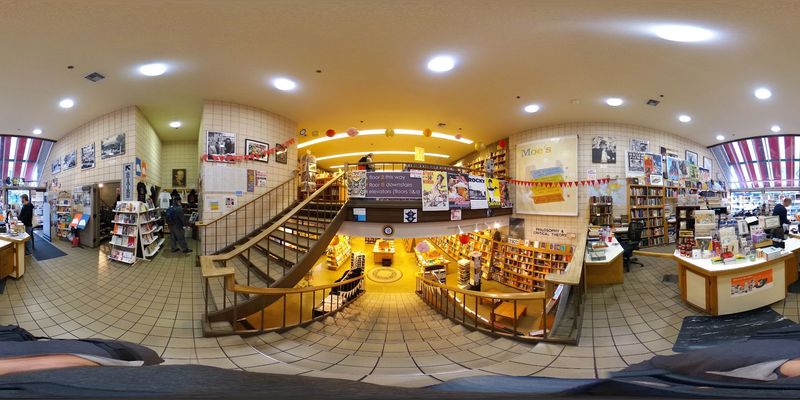
So, is it worth giving up an entire day? For anyone who loves books, the answer is pretty clear.
Four floors deliver fiction, philosophy, history, science, rare editions, and a basement full of extras. Few stores anywhere combine that depth with such easy access.
Fair prices and careful buying keep the quality high. Well-organized shelves keep the size manageable.
The store is not perfect, and that is fine. Cash trade offers can feel low, parking takes effort, and staff moods vary like anywhere else.
Still, the big picture stays strong. This is a working bookstore built for readers rather than for show.
Families, students, collectors, and casual browsers all leave with something. Many leave with more than they planned.
Go early, bring snacks, and let the shelves set the pace. The day will disappear, and your reading list will grow by a mile.


