Affiliate disclosure: As an Amazon Associate I earn from qualifying purchases. Learn more
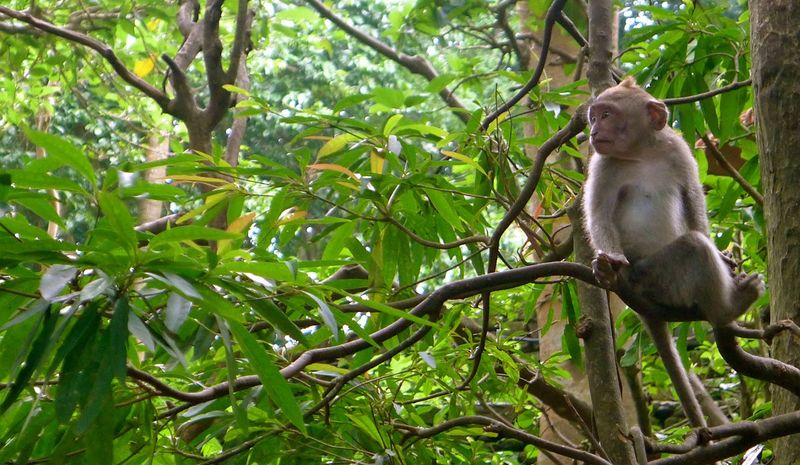
Somewhere in South Miami, the usual roles flip in a way most people never expect. The monkeys get seven acres of open-air rainforest to swing, splash, and chase each other, while the humans stroll along netted walkways that keep everyone comfortable and safe.
It has been running since 1932, long before Florida became a theme-park capital, and it still charges the kind of admission that fits a modest day-trip budget. Chains, little food bowls, swimming pools, and a 10,000-year-old fossil display all wait beyond the front gate.
This is a look at how the place works, what you can do there, what it costs, and why families keep coming back generation after generation. Read on before you plan your visit.
A Rainforest Hideaway in South Miami
Tucked away at 14805 SW 216th St in Miami, Florida, this zoological park has quietly held its ground while the city grew up around it. The setting leans into a rainforest feel, with overgrown greenery and shaded paths rather than polished pavement.
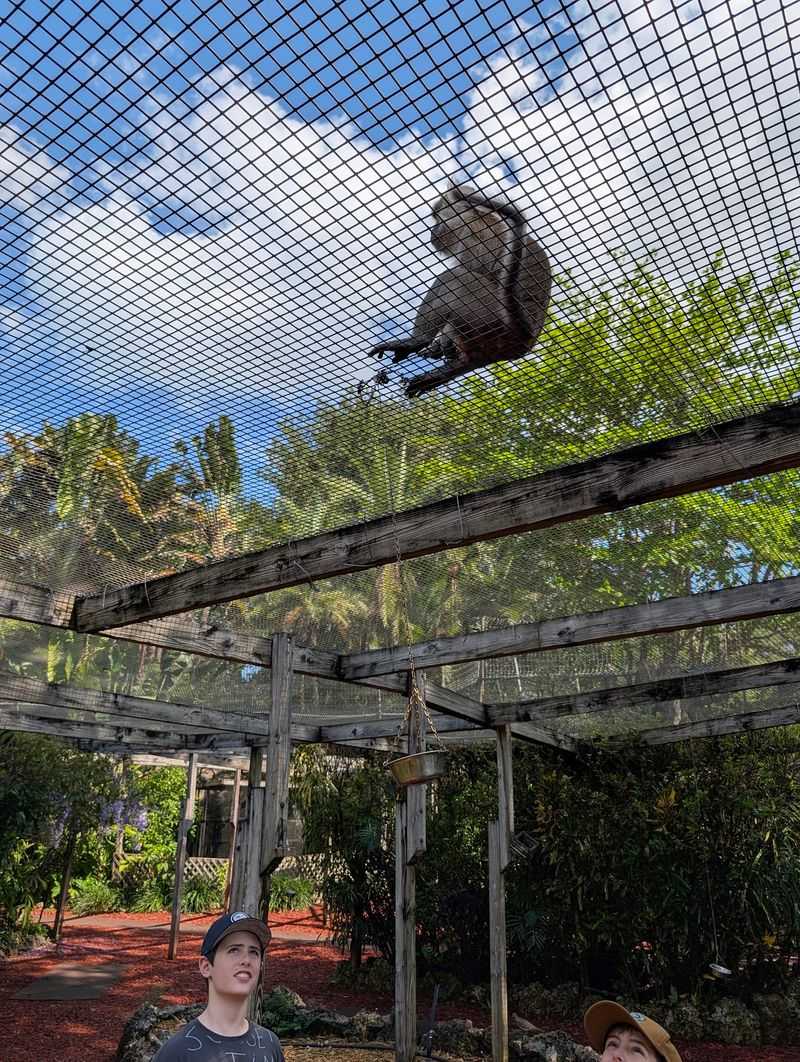
The whole idea is unusual and simple at the same time. Monkeys live across a large open-air habitat, and guests move through enclosed, netted walkways below and around them.
Regulars often describe it as more of a natural habitat than a traditional zoo, so expectations matter here. The landscaping is left looking wild on purpose, which is part of the charm and part of the mission.
Beyond the monkeys, there are parrots, reptiles, tortoises, and a fossil display that dates back thousands of years. Free parking sits right on site, which keeps the outing easy on the wallet before you even walk in.
Nearly a Century of Wild History
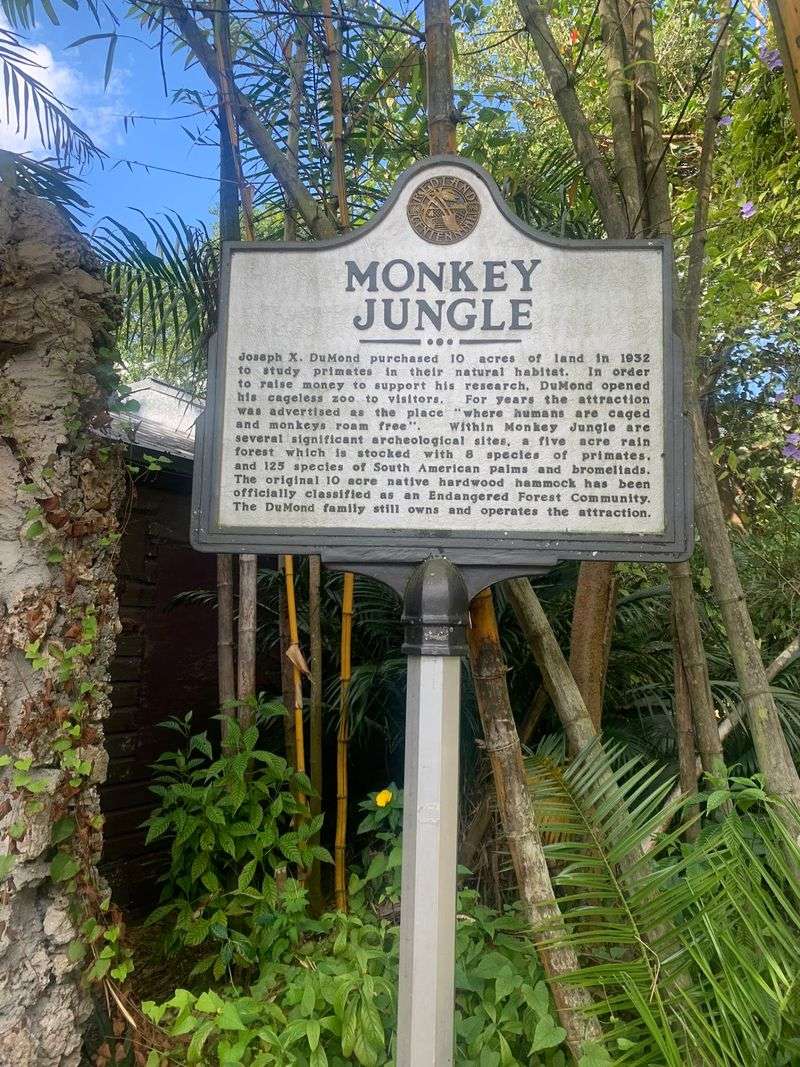
Roots here run deep, stretching all the way back to 1932. Families who visited as kids now bring their own children, and some return decades later to find the place still standing.
That long timeline shows in the grounds. The park has an old-Florida feel, and while it clearly could use a few updates in spots, it stays clean and well managed.
There is a neat piece of local lore attached to it, too. When a nearby parrot attraction closed years ago, this park took in those birds, which is why parrots share the property alongside the monkeys.
Longevity like this is rare for a roadside-style attraction. Surviving nearly a century says something about how much people care about the animals and the experience.
Humans in the Cage, Monkeys in the Wild
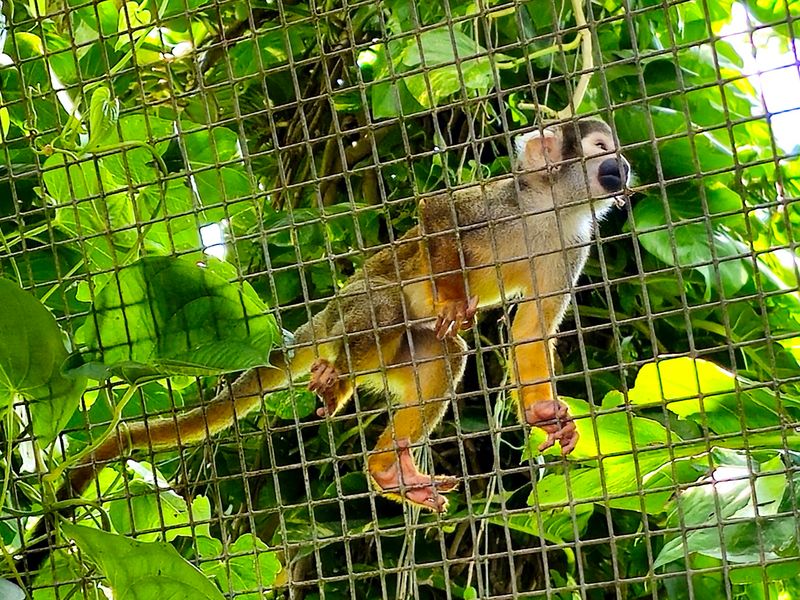
Here is the twist that gives the whole place its name. Instead of the animals being locked up, the people walk through protected, netted paths while the monkeys roam freely overhead.
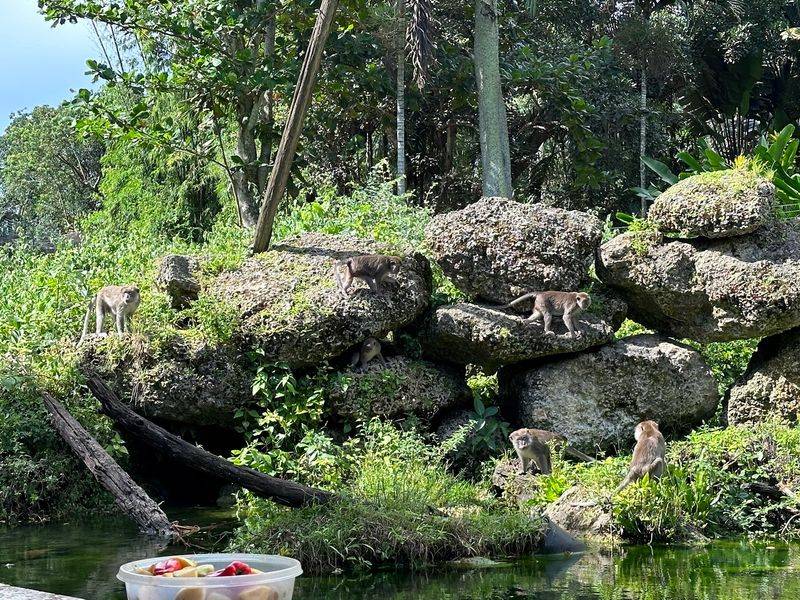
Macaque monkeys have around seven acres of open-air space to call home. The cages you notice in photos exist to keep the animals separated from guests, not the other way around.
Watching them climb, jump, and travel above your head feels genuinely different from a standard exhibit. They move on their own terms, and you simply happen to be passing through their territory.
It changes how you think about a zoo visit. The animals set the pace, and the netting fades into the background once the show starts happening above you.
The Famous Chain-and-Bowl Feeding Trick
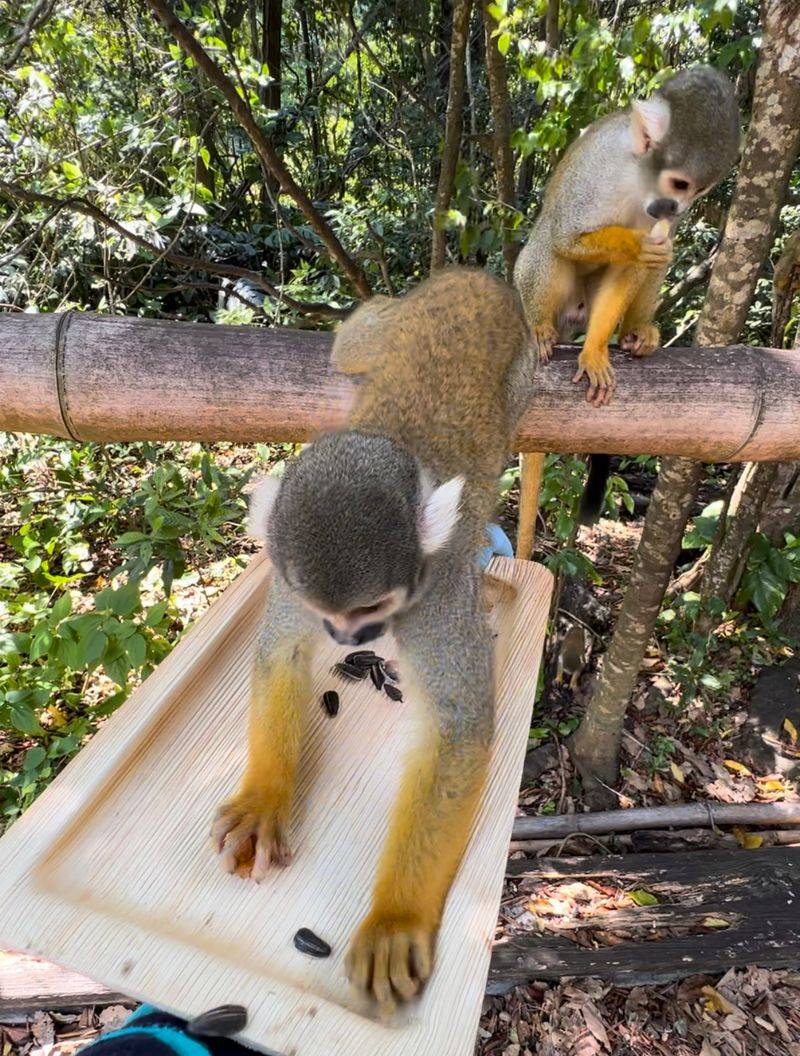
Nothing gets people laughing faster than the feeding setup. For about a dollar a pack, you grab raisins and sunflower seeds at check-in, then drop them into little bowls attached to chains.
The monkeys have this down to an art. They yank the chains, hoist the bowls up above your head, and help themselves to the snacks you loaded.
One guest set the raisins in the hanging bowl and watched a monkey grab the chain and pull it up so quickly that the whole group burst out laughing. That kind of moment is exactly what keeps this the highlight for so many.
Staff recommend grabbing a couple of food packs per person so you do not run out too fast. It is a tiny cost for a big payoff, and it works for kids and adults alike.
Scheduled Shows That Do the Planning for You
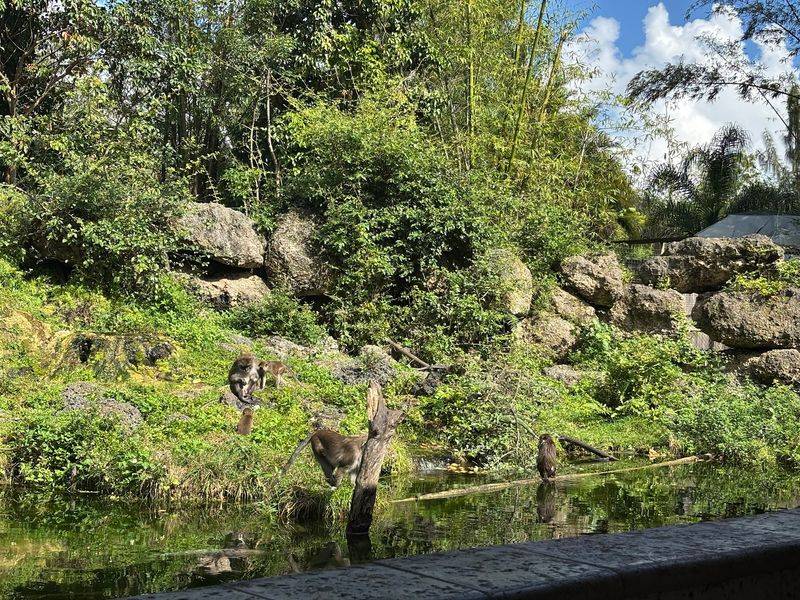
Timing your visit gets easy thanks to a lineup of shows running throughout the day. There are presentations at the monkey, reptile, and bird sections, so you can map out your walk around them.
The show by the monkey swimming pool tends to win people over first. Guides share details about the monkeys and their behaviors in a way that is both fun and genuinely educational.
A 10 a.m. show comes up often as a favorite, and arriving early helps you catch it before the day fills up. The scheduled format means you rarely wander around wondering what to do next.
Between demos, you can explore exhibits at your own speed. The structure gives the visit a nice rhythm without feeling rushed.
The Guides Who Steal the Spotlight
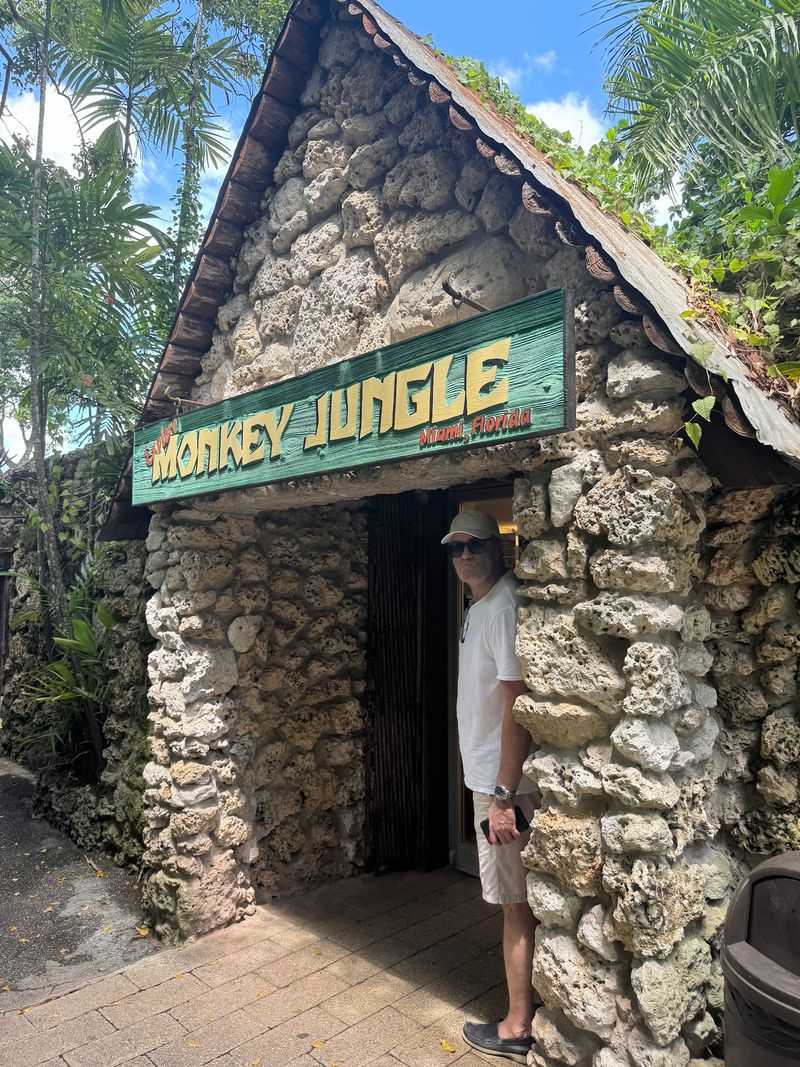
Ask around about what makes this place tick, and the conversation lands on the staff fast. The guides are knowledgeable, friendly, and clearly love what they do.
One guide named Will comes up again and again as a standout storyteller. People describe leaving his demos having learned a lot, laughed plenty, and stayed completely engaged the whole time.
That mix of education and entertainment is not easy to pull off. The presenters answer questions patiently and seem happy to chat, even with big groups.
Great guides can turn a simple animal walk into the best part of a day out. Here, the people running the shows are a big reason folks want to come back.
More Than Monkeys Roaming the Grounds
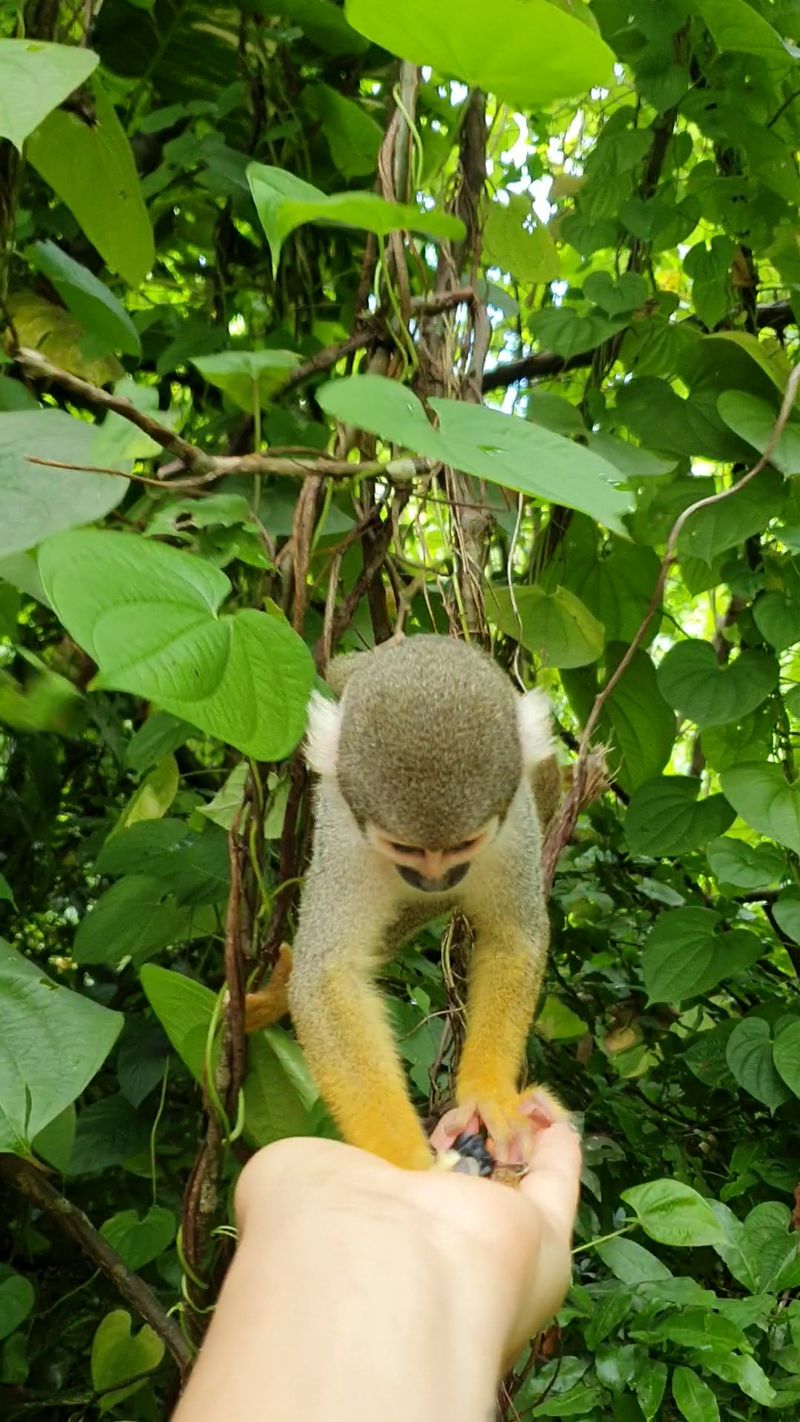
Monkeys may headline the marquee, but they share the property with a full cast of characters. Parrots, iguanas, and tortoises all show up as you make your way through the grounds.
Kids especially light up at the mandrills, whose colorful faces remind many of Rafiki from a certain famous lion movie. There are spider monkeys, squirrel monkeys, capuchins, and even an orangutan on the grounds.
You can feed the fish and the tortoises too, not just the monkeys. That variety stretches the visit and gives you more than one type of animal to interact with.
For a place people call small, there is a surprising amount to see. Every corner seems to hold another creature worth stopping for.
A Fossil Older Than Almost Anything Nearby
Not everything here swings from a rope. Tucked among the animal exhibits sits a fossil display that reaches back roughly 10,000 years.
It adds a layer of natural history you might not expect from a monkey park. The exhibit gives the grounds a sense of depth beyond the live animals.
Stopping by the display makes for a nice change of pace between shows. It reminds you that this land holds stories far older than the park itself.
Little surprises like this are what make wandering the paths worthwhile. You come for the monkeys and end up learning something about the distant past.
The Up-Close Encounter That Costs Extra
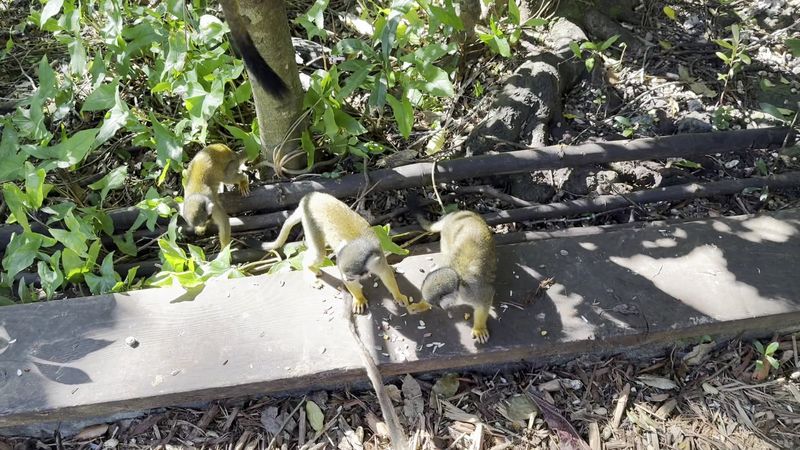
For guests craving hands-on time, there is a guided encounter that lets you step into the open monkey area. The squirrel monkeys come right up, climb on you, and let you feed them.
Access runs about $150 per person, and one couple paid $321 for two on a private spider-monkey encounter. Sessions can last around 45 minutes with the spider monkeys, though some interactions are shorter.
Fair warning on the fine print. You wear a mask and gloves inside, and the monkeys fill up fast, so it helps to feed and film quickly, then take your photos after.
Plenty of guests skip it and still have a blast with general admission. Others call it well worth the splurge, especially true animal lovers looking for a personal moment with the troop.
Budget-Friendly Admission Without the Frills
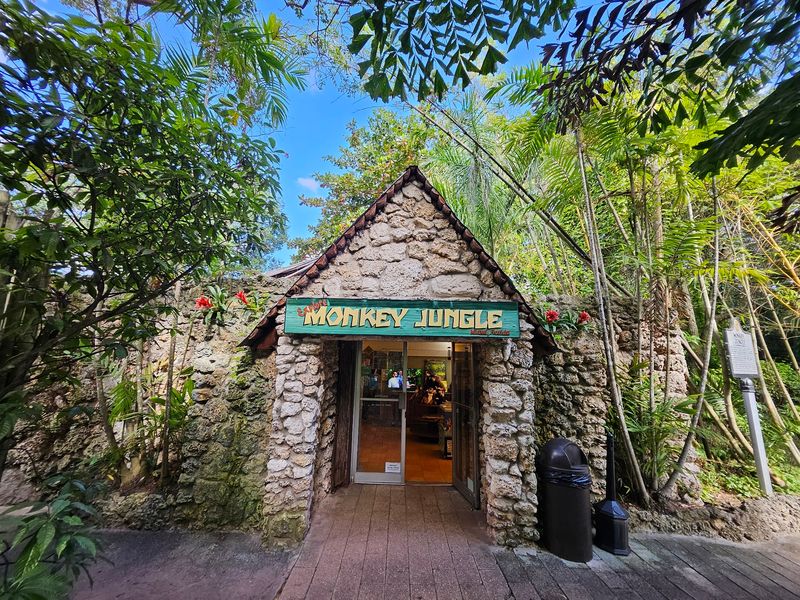
Cost is where this attraction really wins over day-trippers. General admission runs $20 for adults and $10 for children ages 3 to 9, which most people consider a fair deal.
Food to feed the monkeys is sold at check-in for around $1 to $2 a pack. Parking is free, so there are no sneaky add-ons before you even reach the gate.
The pricier piece is the interactive encounter at about $150 per person. Some point out that similar experiences in the Orlando area run closer to $80 or $90, so the up-close option is a splurge here.
Still, a solid visit does not require the expensive tour. Twenty dollars, a couple of food packs, and free parking add up to an easy outing.
Hours, Timing, and the Ticket Cutoff to Know
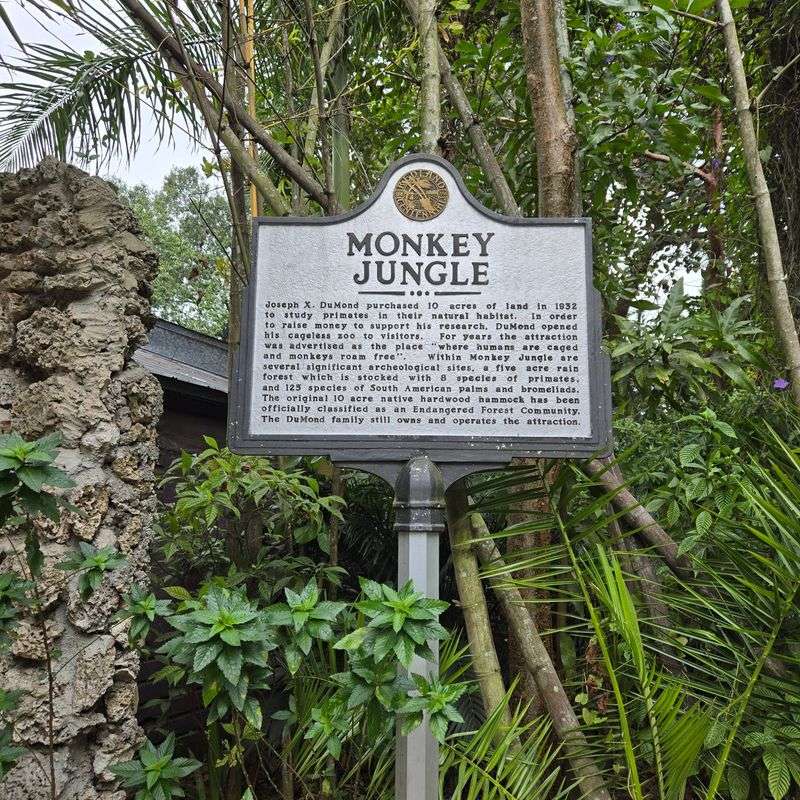
Planning around the clock matters more than usual at this park. It opens at 9:45 a.m. and closes at 4 p.m. every day of the week.
Here is the catch that trips people up. Ticket sales stop at 3 p.m., so showing up much after that leaves you locked out for the day.
Arriving right at opening is the move most guests recommend. One couple who came just before opening had the place nearly to themselves for a stretch, which made the whole visit feel more personal.
Most people spend about one to two hours here. Getting there early lets you catch the morning shows and beat any crowds that build later.
A Few Honest Things to Expect
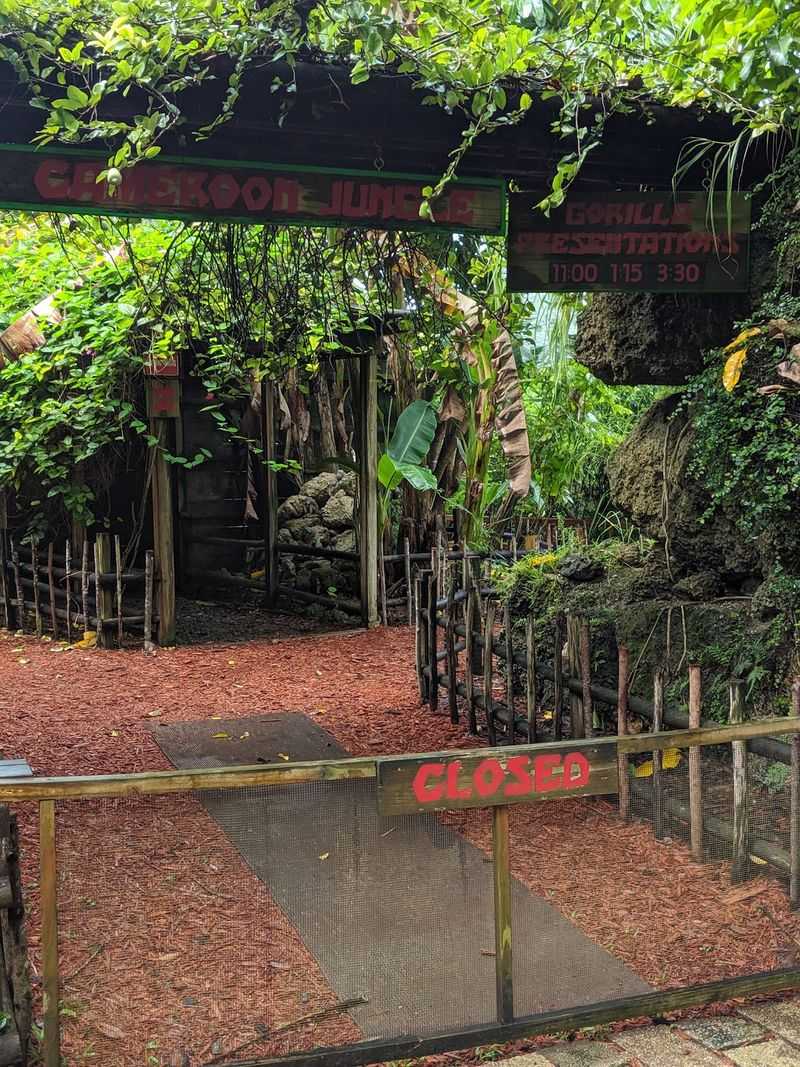
Setting expectations keeps the day smooth. This is a habitat more than a modern zoo, and the grounds are kept looking natural on purpose rather than tidy and manicured.
Signs can be tricky to read where brush has grown over them, and the park shows its age in places. Portions have sometimes been closed for repairs or construction, which has affected access to certain animals like the gorilla.
When areas are shut, the park has offered discounted admission to make up for it. Calling ahead is a smart idea if you want to confirm the whole park is open before you drive out.
Amenities are basic, too. There have been times with vending machines but no water fountains or food on site, so packing a bottle helps.
Why Families Keep Coming Back
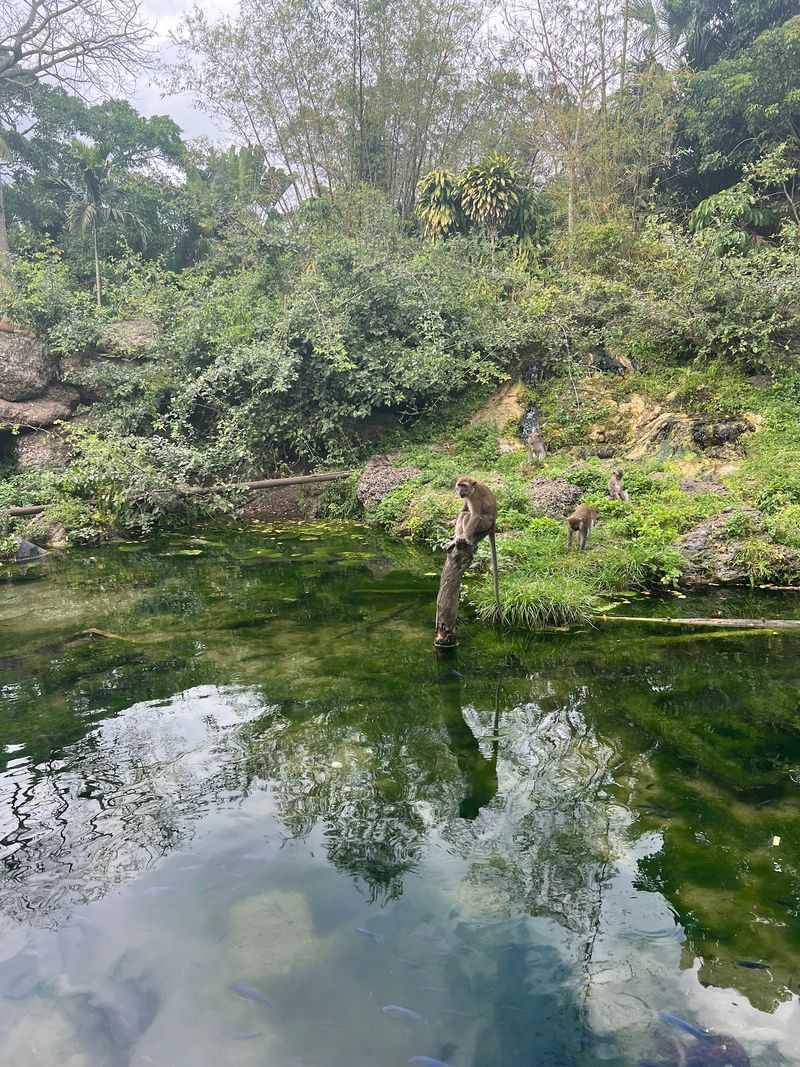
At the end of the walk, what lingers is how much fun this place packs into a short, affordable visit. Kids treat feeding the monkeys as the highlight, and adults with no children in tow have just as much of a blast.
The animals appear healthy and well cared for, with clean living areas across the big open space. That kind of care shows up in how content the monkeys and the orangutan seem.
It carries a hidden-gem reputation for good reason. A near-century of history, a genuinely unusual concept, and gentle pricing make it a rare find in the Miami area.
Whether you go all in on the up-close tour or stick with the $20 general admission, the flipped setup delivers something memorable. Come early, grab a few food packs, and let the monkeys run the show.