Affiliate disclosure: As an Amazon Associate I earn from qualifying purchases. Learn more
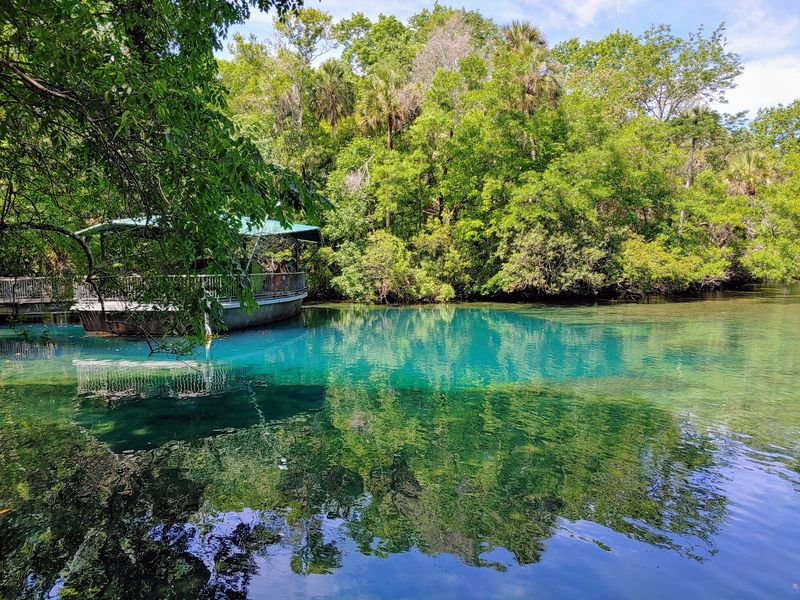
Somewhere along a busy highway on Florida’s Nature Coast, a Florida panther might be gazing at you through glass while a manatee floats in a spring just a short stroll away. That pairing is real, and it plays out daily in the small town of Homosassa.
The park behind it cares for injured and rescued native animals, and it asks only a small entrance fee in return. Keep reading to find out how to catch the manatees at feeding time, meet the rescued wildlife along a shaded trail, and plan an easy, affordable day trip that feels like a local secret.
An Unusual Exit on the Nature Coast
Plenty of Florida road trips blur together, but one stop on the Nature Coast leads somewhere truly different.
Ellie Schiller Homosassa Springs Wildlife State Park sits at 4150 S Suncoast Blvd, Homosassa, FL 34446, on Florida’s Gulf side of the state.
It is a state park built around one clear idea. The goal is to showcase native Florida wildlife in a setting that puts learning and conservation first.
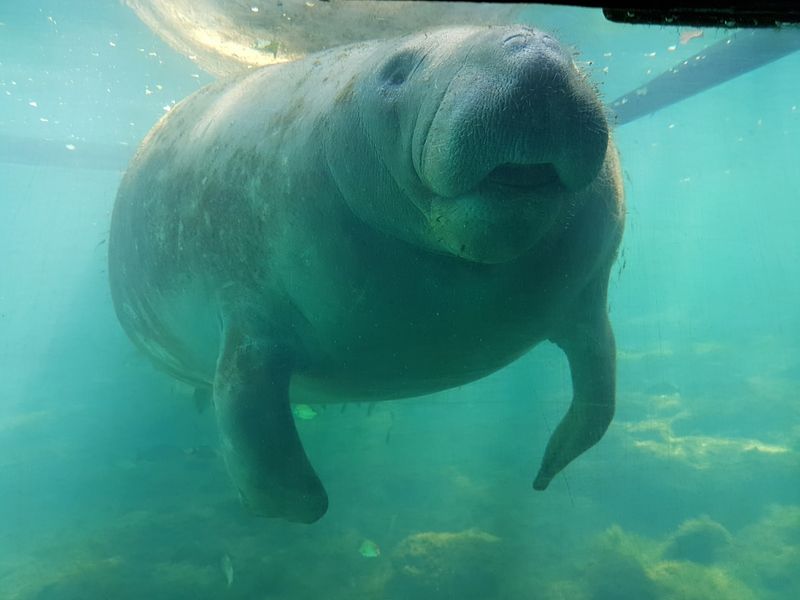
The headline act is the manatee. An underwater observatory lets people watch these round, slow-moving marine mammals from below the surface, and manatees come up in conversation about this park more than anything else.
The supporting cast is bigger than most expect. Florida panthers, black bears, wolves, alligators, whooping cranes, bald eagles, owls, pelicans and flamingos all have homes along the trail.
That lineup explains the headline. A panther habitat and a manatee spring share the same easy walk, so a morning can swing from a big cat to a sea cow without a single car ride in between.
For a Florida day-tripper hunting for affordable adventures close to home, this park checks a surprising number of boxes. The next stop on this tour explains why it feels nothing like a typical zoo.
A Sanctuary That Refuses to Be a Zoo
Here is the first thing to know. The animals at this park are not trained performers, and the place is a wildlife preserve rather than a zoo.
Many residents arrived after being hurt, often by cars. Others were born in captivity and could not survive on their own.
Rehabilitation sits at the core of the mission. Staff and volunteers coordinate with local veterinarians to treat injured wild animals, and those that heal and are certified healthy go back to the wild.
Manatees play a starring role in that work. The park helps rehabilitate female manatees and also shelters manatees during storms.
Animals that cannot return to the wild find a long-term home here. Habitats are arranged so people can see them clearly, yet the animals keep their natural habits, which means a sleepy bear gets to stay sleepy.
Signs along the path explain why each species matters in Florida. They also share the personal story of the animal living in each enclosure, turning a casual stroll into a small lesson in conservation.
The care is obvious. Animals appear well looked after, and the people working the trail tend to be friendly and eager to answer questions.
Donation boxes are placed around the grounds, so a little cash goes a long way here. Those extra dollars support animal care at a park devoted entirely to native wildlife.
The Trolley Ride and the Shaded Loop
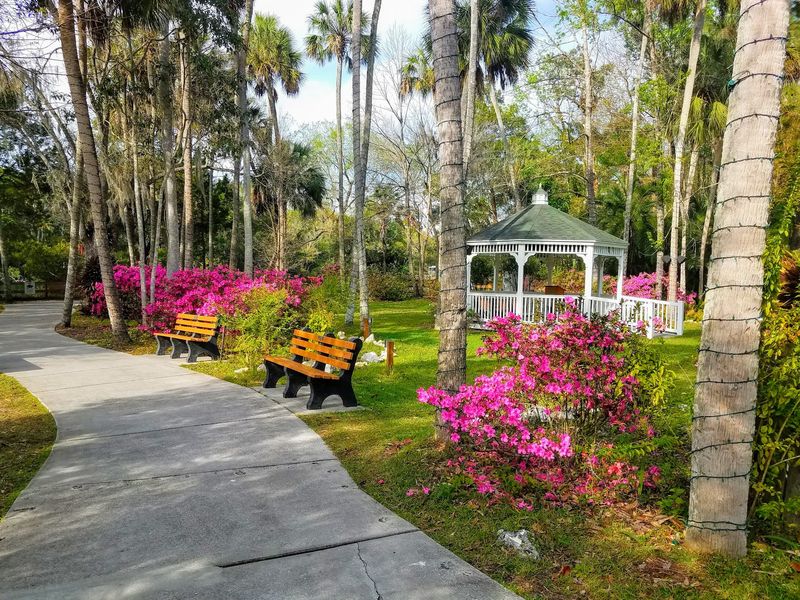
The adventure begins before a single animal appears. A tram, often called the trolley, carries people from the main parking area and gift shop into the park, and plenty of kids treat the ride as an attraction of its own.
Timing matters more than most expect. The shuttle runs only at certain times, so an early arrival helps, especially for anyone hoping to catch a manatee feeding.
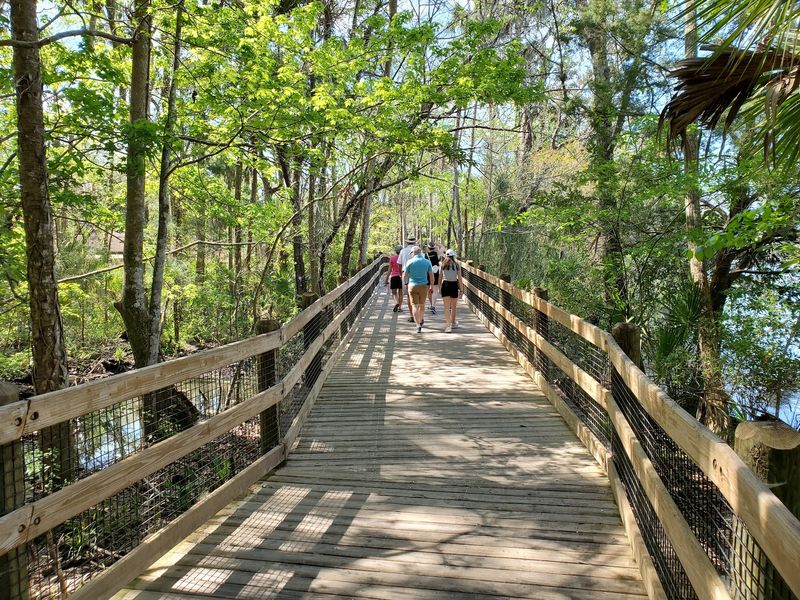
Inside, a paved loop trail links the habitats together. Tree cover keeps much of the walkway shaded, which is a big deal on a Florida afternoon.
The distance stays manageable. Young children and older family members can handle the walk, and benches along the route offer plenty of spots to rest.
Wheelchair users can reach most areas on the paved path. Strollers roll along without trouble too.
Nobody needs to rush. People move at their own pace and plan the day around scheduled programs held at different times.
Bug spray earns a spot in the day bag, since this is a natural spring setting surrounded by greenery. A snack truck and restrooms cover the basics, though some of the facilities are portable units.
Once the loop reaches the spring, the true headliner waits just below the waterline.
Eye to Eye in the Fishbowl
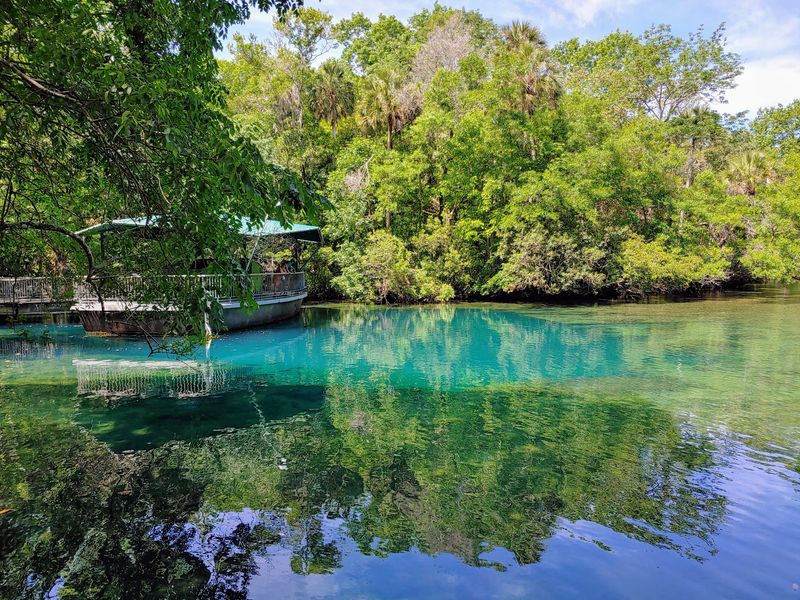
Locals have a nickname for the underwater observatory. They call it the fishbowl, and many people rank it as the single best part of the day.
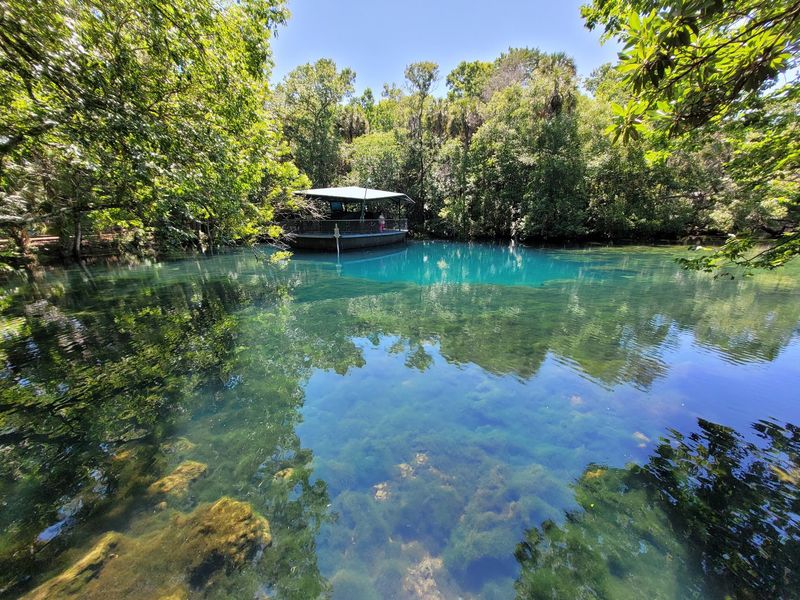
The structure sits right in the spring and lets people look out from below the surface. Manatees drift past the windows alongside a wide variety of fish.
Seeing a manatee from this angle changes how people think about them. For such large, round animals, they move with surprising grace.
Feeding time is the moment to target. Groups have watched three manatees get fed while a guide explains manatee biology and chats with the crowd.
Those talks feel interactive rather than scripted. Guides take questions, and both kids and adults leave with a clearer idea of why these marine mammals need protection.
Missing the feeding is the most common regret. Late arrivals sometimes spot only a couple of manatees, so a quick look at the program schedule on the park website before the trip pays off.
Plan to linger here. The fishbowl rewards patience, and a few extra minutes often bring another manatee into view.
From the spring, it is only a short walk to one of Florida’s rarest and most famous residents.
Big Cats, Black Bears and a Few Wolves
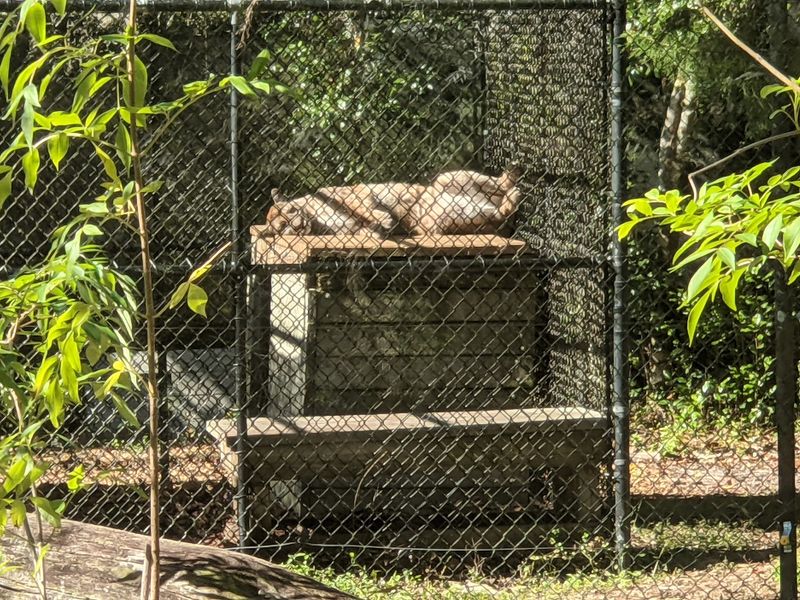
Florida’s state animal rarely makes public appearances in the wild. That rarity is exactly what makes the panther habitat here so special.
The park is home to two Florida panthers. At times, one of them strolls right up to the glass, giving big cat fans a close look they talk about long after the trip.
Signs beside the enclosure explain why the species matters and share the backstory of the individual cats. It works as a quick crash course in one of the state’s most important conservation stories.
Black bears live along the trail as well. So do a few wolves, which tend to surprise people expecting only subtropical species.
Many of these mammals are rescue animals that could not make it on their own. The habitats allow good viewing, and the animals look so healthy that their rough starts are hard to guess.
Wildlife here runs on its own clock. Earlier in the day, more animals tend to be up and moving around.
Patience is part of the fun. A bear snoozing in the shade might be up and wandering ten minutes later, so a second lap of the loop is never wasted time.
Panthers and bears grab plenty of attention, yet the feathered crowd just ahead might steal the whole show.
Rescued Wings and Cold-Blooded Neighbors
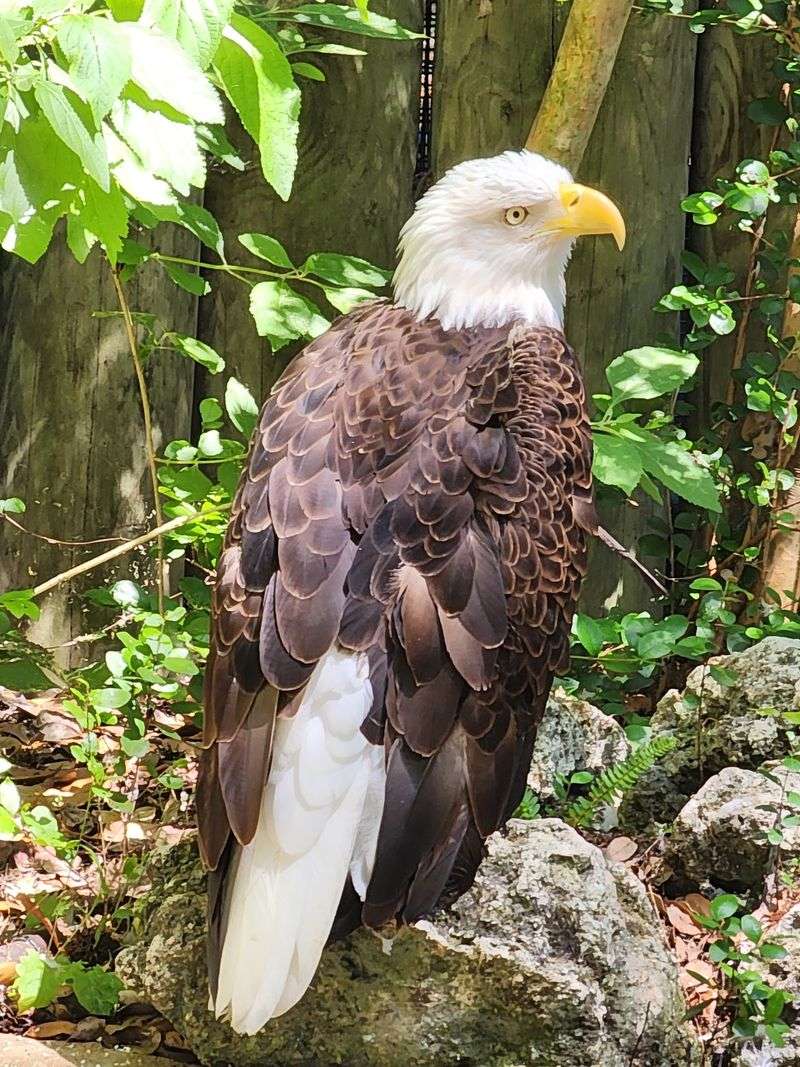
Bird lovers, charge that camera battery. The park holds a long list of rescued birds, and they rank among its biggest scene stealers.
Bald eagles and owls are part of the lineup. Whooping cranes, among the rarest birds in North America, have a home here as well.
Pelicans draw a loyal fan club, and some have even been spotted nesting. Flamingos add a dash of tropical flair to the mix.
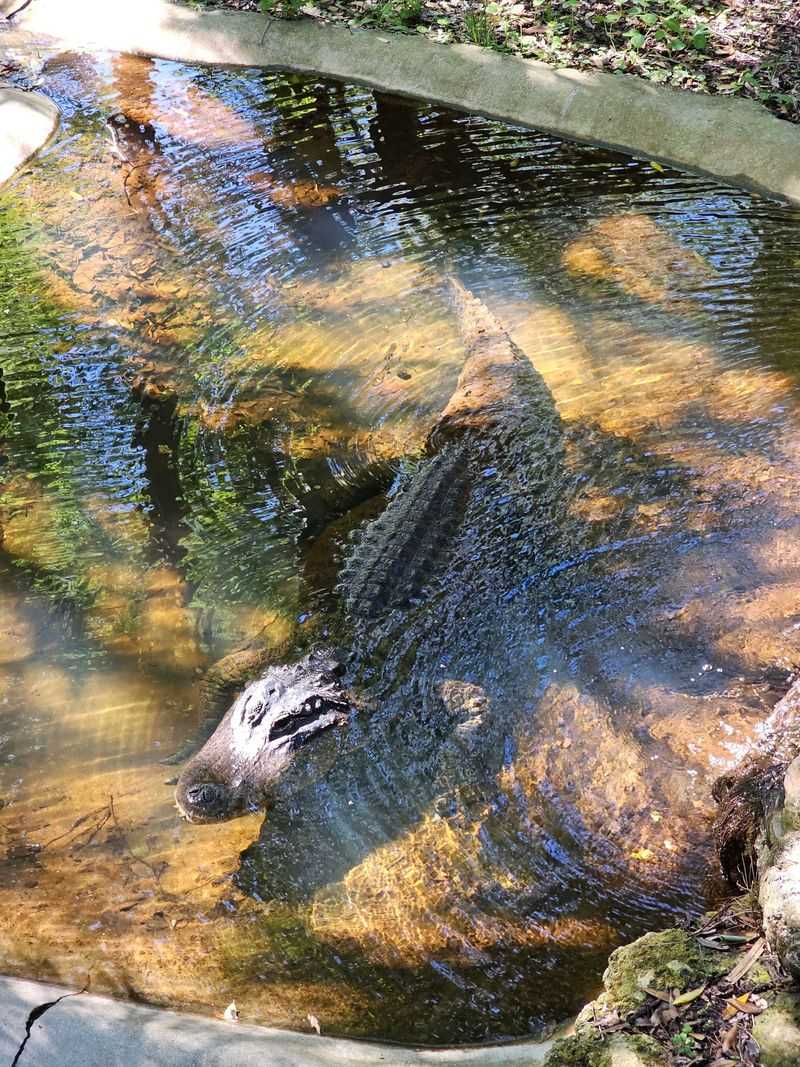
Reptiles hold their own corner of the spotlight. Alligators swim in their habitat, while snakes and turtles round out the cold-blooded crew.
The turtles have been known to deliver an unplanned biology lesson. A few parents have found themselves scrambling for the right words when curious kids start asking questions.
Nature clearly does not follow a script, and that is part of the charm. No two trips around the loop look exactly the same.
Each habitat includes signage explaining the species and its role in Florida ecosystems. Those short reads make even a quick stop feel worthwhile.
With birds, reptiles and mammals packed into one easy loop, the next question practically asks itself: who gets the most out of a day here?
Built for Families, Friendly to Solo Explorers
Some parks cater to families, while others suit quiet wanderers. This one manages both without breaking a sweat.
Kids get lots of room to run around, and the short loop keeps little legs from giving out. Grown-ups often admit they had just as much fun as the children.
Loyalty here stretches across generations. People who first came at age four now bring their own sons, and grandparents who once brought grandsons still return years later.
Solo travelers fit right in too. The self-paced trail and detailed signs make it easy to spend an afternoon alone, learning about Florida wildlife.
Junior ranger events add another layer for young explorers. Children who finish the activities earn goodies and pick up knowledge about other Florida state parks along the way.
Accessibility is a strong point. Most areas are wheelchair friendly, and the shaded, paved walkway works well for older family members.
Pet owners should know that kennels exist on site. Whether a reservation is needed is unclear, so checking with the park ahead of time is a smart move.
The gift shop makes a popular final stop, stocked with souvenirs for young wildlife fans. With the crowd sorted out, the last piece of the puzzle is planning the day itself.
Hours, Timing and the Case for Going
Good news for early risers: the park opens at 9 a.m. every day of the week and closes at 5:30 p.m.
Admission comes with a small entrance fee that people consistently call reasonable and well worth it. Frequent state park fans may want to look into a Florida state park pass.
Set aside a few hours. Some groups finish the loop in about two and a half hours without the shows, while others stay from mid-morning into the early afternoon and still want another lap.
Arrive early to line up with the tram schedule and a manatee feeding. The official Florida State Parks website lists programs and current details.
Expect a little work in progress. Past hurricane damage and flooding have kept a couple of larger buildings closed, and the boat ride is not running for now.
Construction has not blocked the main event. The trail, the habitats and the fishbowl remain the heart of the experience.
Pack cash for donation boxes, plus bug spray and comfortable shoes.
For a low-cost Florida day trip with real conservation value, this spring-side sanctuary is hard to top. Panthers on one path, manatees in the spring, and more than enough reasons to plan a return trip.