
Affiliate disclosure: As an Amazon Associate I earn from qualifying purchases. Learn more
Most parks post signs telling you not to touch anything. Down in Homestead, one park quietly flips that rule on its head and lets you eat what falls from the trees.
For about the price of a fast food lunch, you get access to acres of tropical trees from around the world, plus a sample of fresh fruit before you even start walking. Some fruits here have names most people have never heard, and staff will happily tell you what you just picked up.
The grounds hold hundreds of varieties of fruit, spices, and herbs, along with guided tours, a tram ride, and a few resident iguanas. Keep reading to learn how the fallen fruit rule works, which tours are worth your time, when to visit, and a few smart tips that can make a $15 day trip feel like a bargain.
A Tropical Garden Hiding in South Miami-Dade
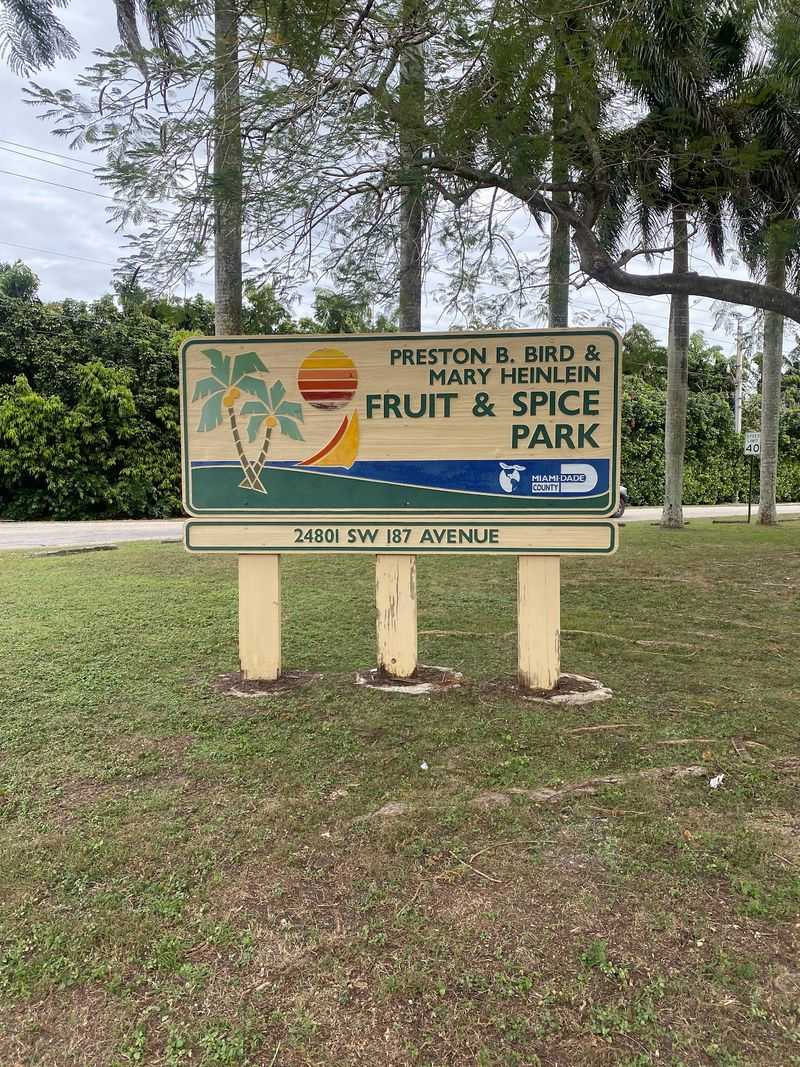
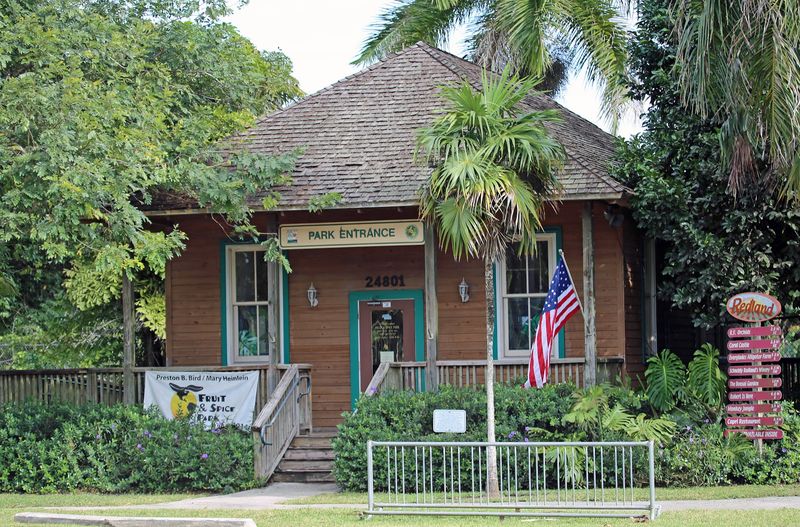
Few public parks in Florida come with a snack policy as generous as this one. Fruit & Spice Park sits at 24801 SW 187th Ave, Homestead, FL 33031, in the farm country at the southern edge of Miami-Dade County.
The park is a 37-acre botanical garden and public park. It holds more than 500 varieties of fruit, vegetables, spices, and herbs, which makes it one of the more unusual stops in South Florida.
Homestead is a natural pit stop for anyone heading toward Key West. Plenty of people pull off the highway here just to stretch their legs and end up staying for hours.
Others make it the whole point of the trip. Folks have driven down from Cocoa Beach and from north of Tampa just to see the trees and try the fruit.
The setting matters too. Homestead sits in a warm growing region, which helps explain why so many tropical plants can thrive in one place.
Miami-Dade County runs the park, so it feels more like a community resource than a flashy theme attraction. That public park identity keeps the entry price modest and the vibe relaxed.
So the first surprise is not just that this garden exists. It is that so few people outside the area seem to know about it.
The Fallen Fruit Rule
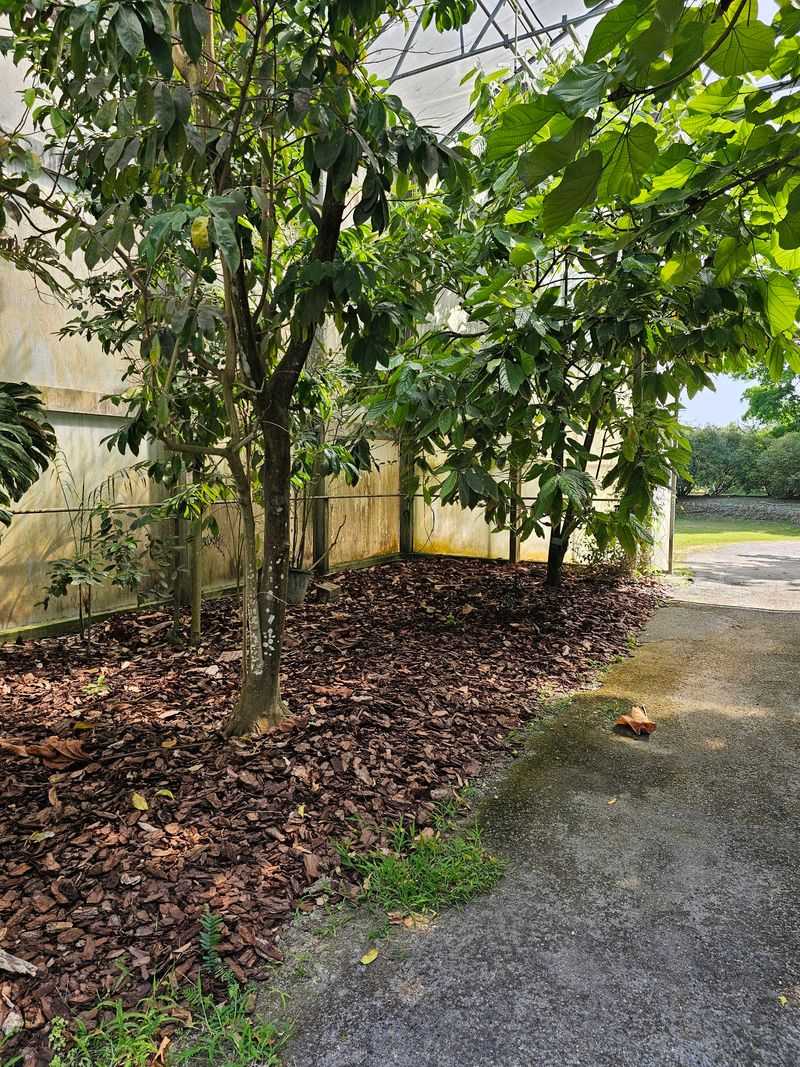
Here is the rule that makes this park famous: if fruit has dropped to the ground, you are allowed to eat it. Picking from the trees is a different story, so the ground is your grocery aisle.
There is one sensible catch. You should only eat what you can identify, since some tropical fruits are unfamiliar to most people.
Not sure what you found? Bring it back to the entrance and staff will tell you about it, and they may even prep it for you.
That small service turns a walk into a treasure hunt. Kids and grownups alike tend to scan the ground under every tree like they are hunting for loose change.
Another rule is worth knowing before you arrive. The fruit is for eating on site, so you cannot carry any of it home.
Timing changes everything. A summer visit in August can mean fruit dropping all over the grounds, while other months may offer slimmer pickings.
Expectations matter here as well. Some groups arrive expecting a buffet and leave disappointed when the season is quiet, so checking what is ripe before you go makes a big difference.
Think of it as a fair deal between you and the trees. They do the dropping, and you do the tasting.
Mangoes by the Hundreds
Over 240 varieties of mango grow in this park. That number tends to stop people in their tracks, since most grocery stores carry only a few.
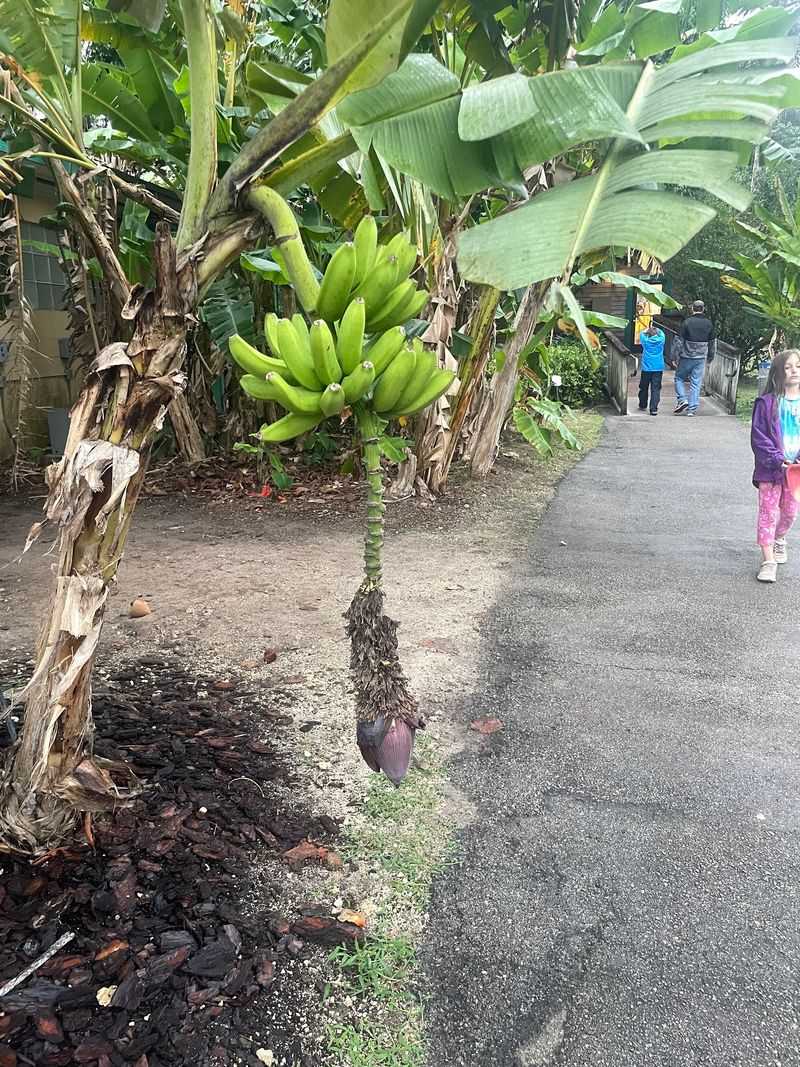
Bananas get serious attention as well, with more than 70 varieties on the grounds. Avocados also show up in a surprising range of types.
Mango lovers often call this their favorite part of the visit. Tree-ripened mangoes are a different experience from the ones shipped to supermarkets, and many people leave convinced of it.
The variety also has a teaching side. Seeing so many kinds of one fruit side by side shows how much diversity exists within a single crop.
Home gardeners in South Florida find this especially useful. The collection can help guide what might grow well in a local backyard.
Mango season peaks in the warmer months, so a summer trip gives you the best shot at finding them underfoot. A winter visit will still show off the trees, just with fewer treats on the ground.
Either way, the sheer count is a fun fact to bring home. Few people can say they walked past more than 240 mango varieties in one afternoon.
World Regions Without a Passport
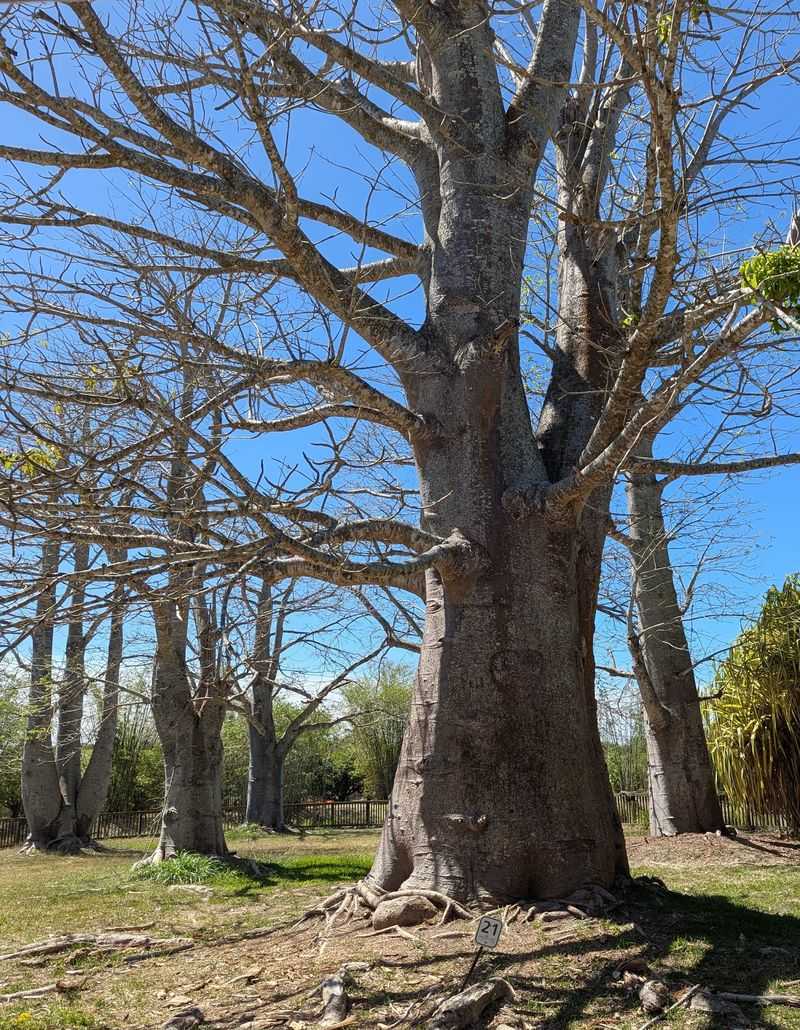
Geography class never had this much fruit in it. The park is organized into regions such as Africa, Australia, Asia, and the Mediterranean.
That layout lets you wander from one part of the world to another in just a few minutes. Each area groups plants by where they come from.
One standout is the baobab tree, a favorite for many guests. Its unusual shape makes it a popular photo stop.
Jackfruit trees draw plenty of attention too. Their large fruit hangs right from the trunk, which surprises first-time guests.
Beyond the fruit trees, you will find many spice trees and a greenhouse on the property. The greenhouse adds another layer for plant fans who want to see more delicate species.
Most plants carry labels, which helps a lot during a self-guided walk. Some guests do wish the signs were a little clearer in spots.
Pick up a map at the front desk before heading out. It makes the regions much easier to follow and helps you avoid doubling back.
By the time you circle back, you will have covered several continents. Not bad for an afternoon in Homestead.
Guided Tasting Tours Worth Joining
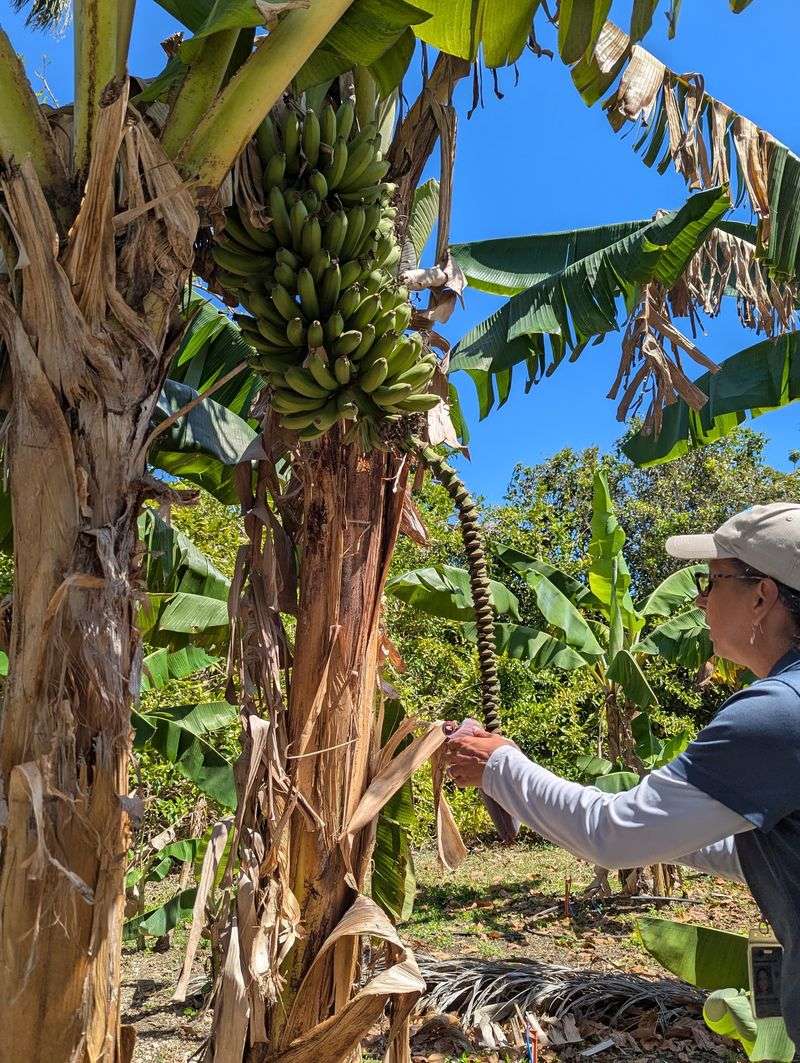
Exploring alone is fine, but the guided tasting tour is where the park really shines. Guides stop at different trees, share where each fruit comes from, and hand out samples to try.
Many of these fruits are rare outside the tropics. Plenty of guests taste something for the first time on these tours.
The guides earn a lot of praise. They come across as knowledgeable, friendly, and genuinely excited about fruits, spices, culture, and history.
Some guides even bring mosquito spray along, which is a thoughtful touch in a humid garden. On a slow day, your group might get the tour nearly to itself.
The tour also covers spices, not just fruit. That mix makes the experience feel well rounded.
Season shapes the menu. A guide can only share what is ripe at the time, so the lineup changes throughout the year.
Guides may even point you toward a local fruit stand for items out of season in the park. That kind of tip is a nice bonus.
Call ahead to confirm tour times. Schedules can shift with events and weather.
Riding the Tram Through the Trees
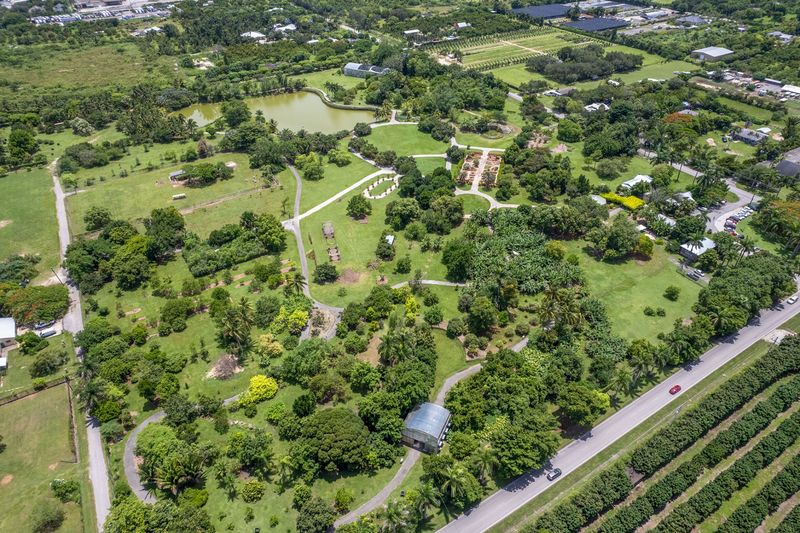
Thirty-seven acres is a lot of ground to cover on foot, especially in South Florida heat. The tram tour offers an easier way to see the highlights.
The ride runs about 30 to 40 minutes. Admission of $15 has included this trolley tour, which many people consider a strong value.
A guide narrates along the way, pointing out trees and sharing facts about the plants. It is a good option for families with younger kids or anyone who prefers to sit.
The tram also works as a preview. Ride first, then go back on foot to spend more time in the spots that caught your interest.
Keep expectations realistic, though. The tram is a tour, not a fruit buffet, so tasting depends on what is in season.
Pairing the tram ride with a tasting tour gives the most complete picture. One covers ground, while the other brings the flavors into the story.
Either way, a seat on the trolley is an easy way to rest your feet and still learn something.
Iguanas, Lizards, and Butterflies
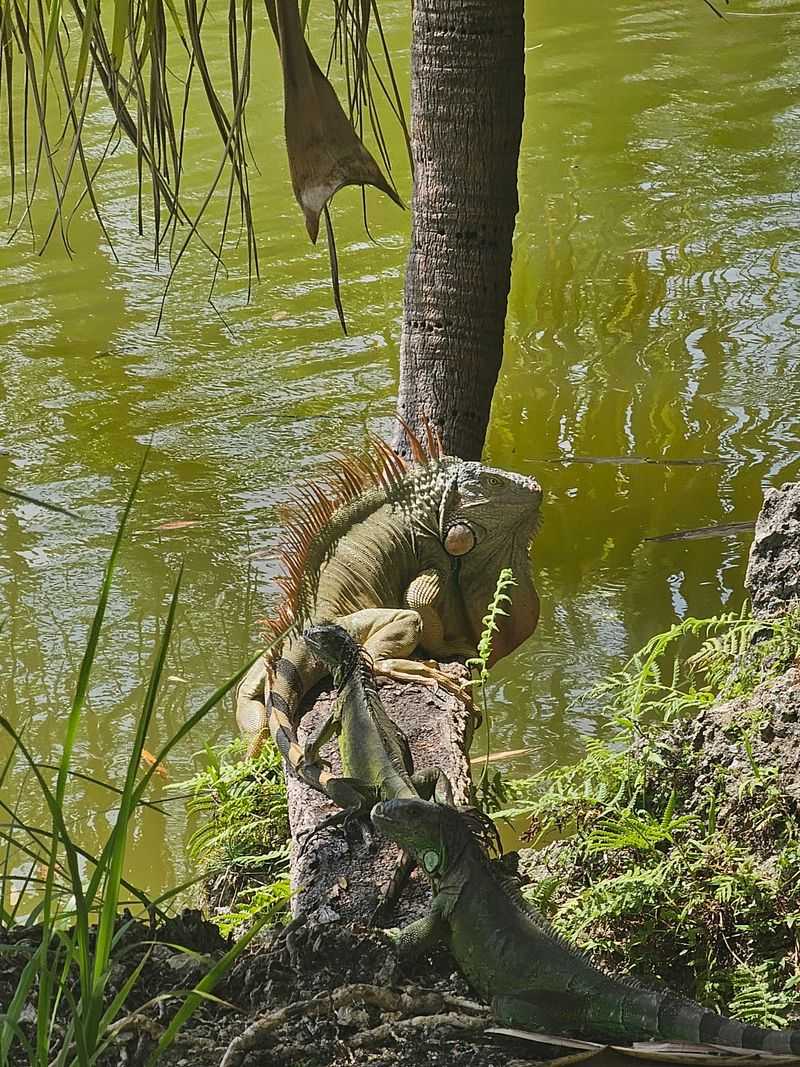
The fruit may be the headliner, but the wildlife steals a few scenes. Large iguanas lounge near the pond, and they are hard to miss.
Small lizards dart around the paths too. Kids tend to treat spotting them like a game.
Butterflies show up in good numbers during warmer months. They add color to the walk without any effort on your part.
That mix of animals gives the park a true Florida feel. It is a garden, but it is also a living habitat.
Plenty of shade helps on hot days. Tall, mature trees cover much of the grounds, which makes a long stroll more comfortable.
Bug spray is a smart item to pack. Mosquitoes can be active in a lush garden like this one.
Animal lovers may find themselves pausing more for the critters than the crops. Nobody will judge you for it.
A Calm Escape for Couples and Families
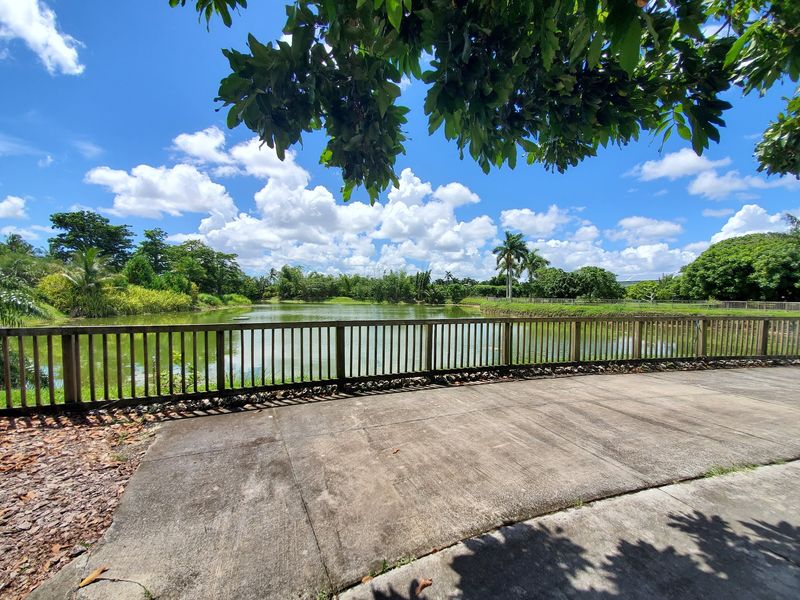
Some places rush you along. This one lets you slow down.
A walk through the park takes about an hour, though many people stay two hours or more. Those who love plants can easily spend several hours.
The atmosphere leans peaceful. It works well for couples, families, friend groups, and anyone who wants a break from city life.
Plant lovers often call it a favorite place to recharge. Curious eaters who enjoy trying new things also tend to feel right at home.
The front desk staff usually set the tone, offering a mini fruit sample and a map on arrival. Admission has included a taste of whatever is available at the time.
Most interactions are warm, though closing time can feel rushed. Plan to wrap up a little early so you are not hurried out.
The gift shop at the entrance sells jams, sauces, trail mixes, and keepsakes. It does not sell fresh fruit, so do not count on bringing any home.
For a quiet day with a little learning mixed in, this park checks a lot of boxes.
Festivals, Plant Bingo, and Seasonal Surprises
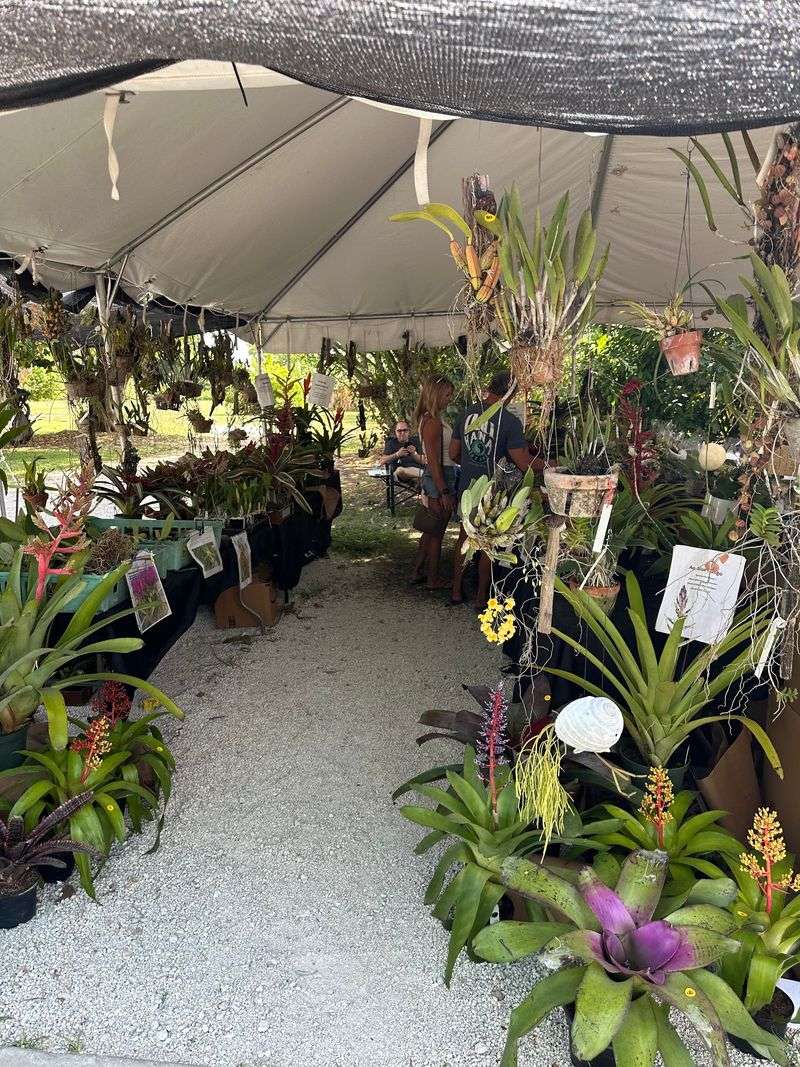
Festivals come up a lot when people talk about this park. Events are a big part of its calendar throughout the year.
Plant bingo pops up sometimes, and winners can take home a plant. It is a fun twist on a classic game.
Events can change your visit, though. On some event days, the regular daily tasting may not happen.
Following the park on Facebook is a handy way to keep up with what is planned. Calling ahead also helps confirm events and which fruits are in season.
Seasons matter almost as much as events here. Each growing season brings different fruit, which is why many locals return several times a year.
Checking the website before you go can tell you if your favorite fruit is ripe. A little planning goes a long way.
Every return trip can feel a bit like a new visit. The trees stay the same, but the menu keeps changing.
Hours, Admission, and Smart Planning
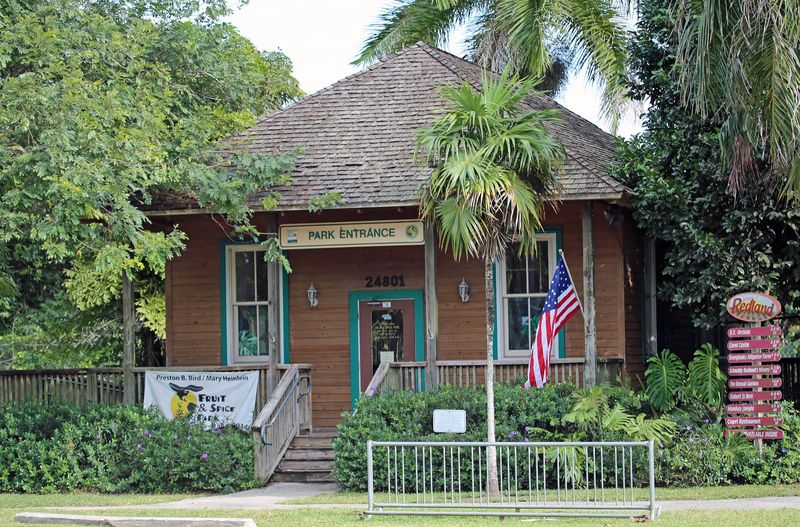
Good news for flexible schedules: the park opens every day of the week. Hours run from 10 AM to 5 PM, Sunday through Saturday.
Admission has been $15, which has included a short tram tour. A military discount is available as well.
Local library card holders may be able to visit through a museum pass program. That can make the trip even more affordable for residents.
Weather can cut a day short. If lightning comes within 10 miles, the park shuts down until it passes, so check the forecast first.
Arrive early enough to enjoy the grounds before closing. Two hours is a comfortable window for most people.
Pack bug spray, water, and comfortable walking shoes. Shade helps, but the grounds are large.
For details, the Miami-Dade parks website lists current information about the park.
Here is the bottom line. For $15, you get a huge tropical garden, a tram ride, fruit samples, and the chance to taste what falls from the trees, which makes this one of the most rewarding cheap day trips in South Florida.


