Affiliate disclosure: As an Amazon Associate I earn from qualifying purchases. Learn more
Most beach days on the California coast involve a towel, a cooler, and a hunt for parking. A few lucky people trade all of that for a saddle and a horse that already knows the way to the sand.
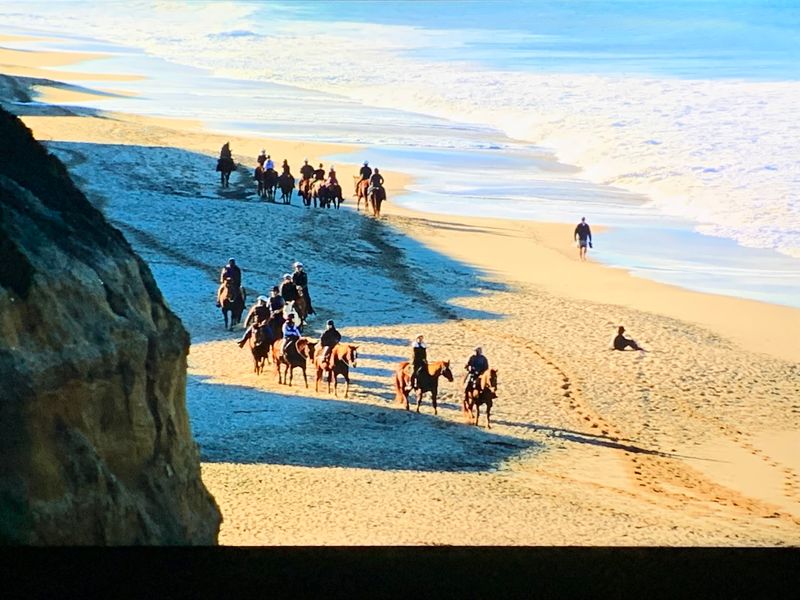
Just north of Half Moon Bay, a working ranch sends riders across coastal fields, through a creek, down a bluff, and onto a long stretch of Pacific shoreline. Nobody carries a phone, so the ocean gets your full attention.
The rides are guided, single file, and built for people who have never touched a rein as well as folks who grew up in boots. This story covers what the trail actually includes, the rules you need to know before you book, the photographer who follows the group, and the honest tradeoffs that come with a ride this popular.
Saddle up and keep reading.
A Ranch on Cabrillo Highway
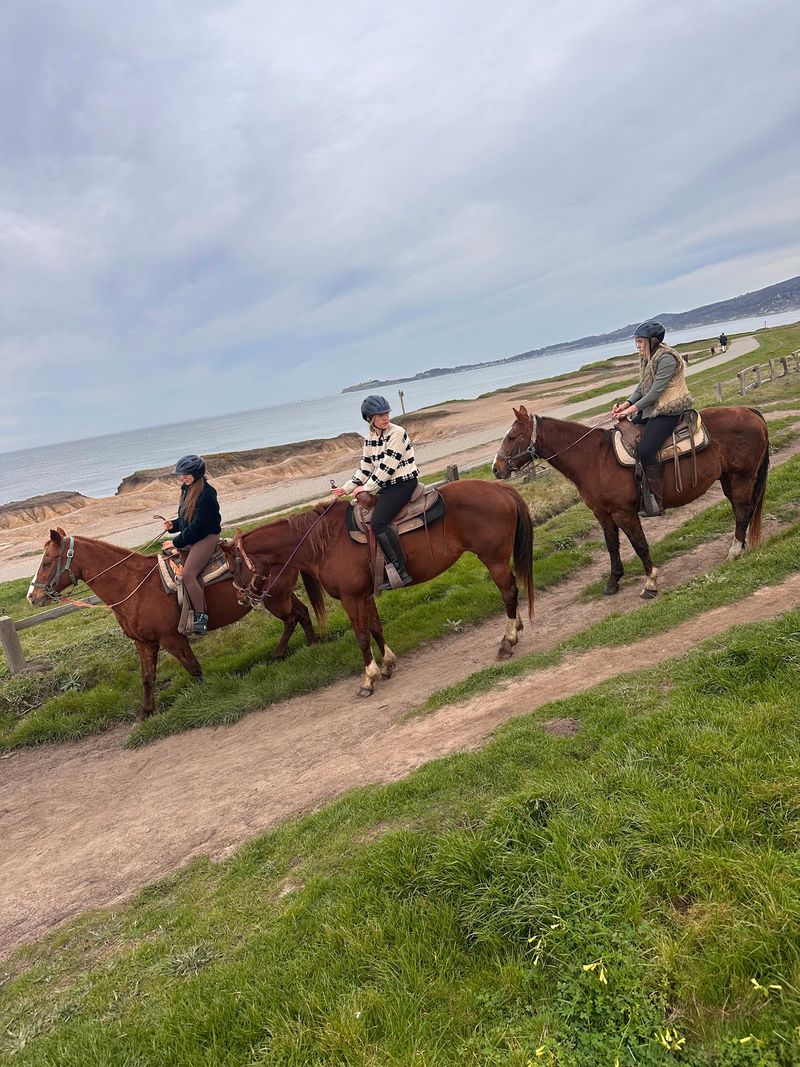
Highway 1 hugs the San Mateo coast, and one of its more unusual stops keeps a herd of horses instead of a gift shop.
Sea Horse Ranch sits at 1828 Cabrillo Hwy N, Half Moon Bay, CA 94019, in the United States. It operates as a horse rental service, which means guests come for guided rides rather than overnight stays or lessons spread across weeks.
The location is the whole point. The ranch is close enough to the shoreline that the trail can move from open fields to the beach within a single outing.
Half Moon Bay itself is a small coastal city south of San Francisco, and the drive often involves Highway 92 coming over the hills from the Bay Area. That road can back up, so travel time deserves some padding.
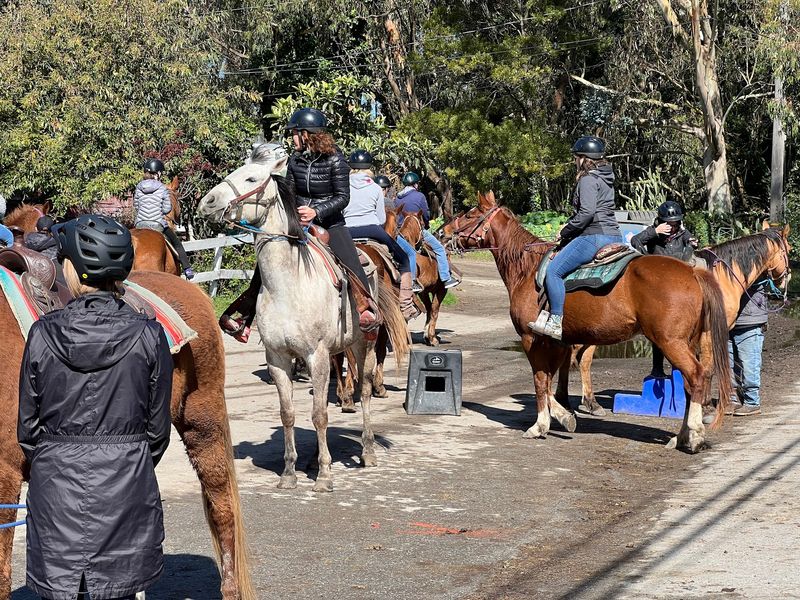
Once you arrive, expect a no-frills setup with a barn, corrals, a gate where groups gather, and staff moving quickly to match riders with horses. The operation is busy, and it runs on schedules.
The ranch has gathered more than 600 public opinions online, and the overall picture lands at a solid four stars. That number hints at a mix of very happy riders and a smaller group who left frustrated, a split worth understanding before you go.
First, though, the part everyone comes for: the trail itself.
Fields, Creek, Bluff, and Beach
Few trail rides pack this much variety into ninety minutes.
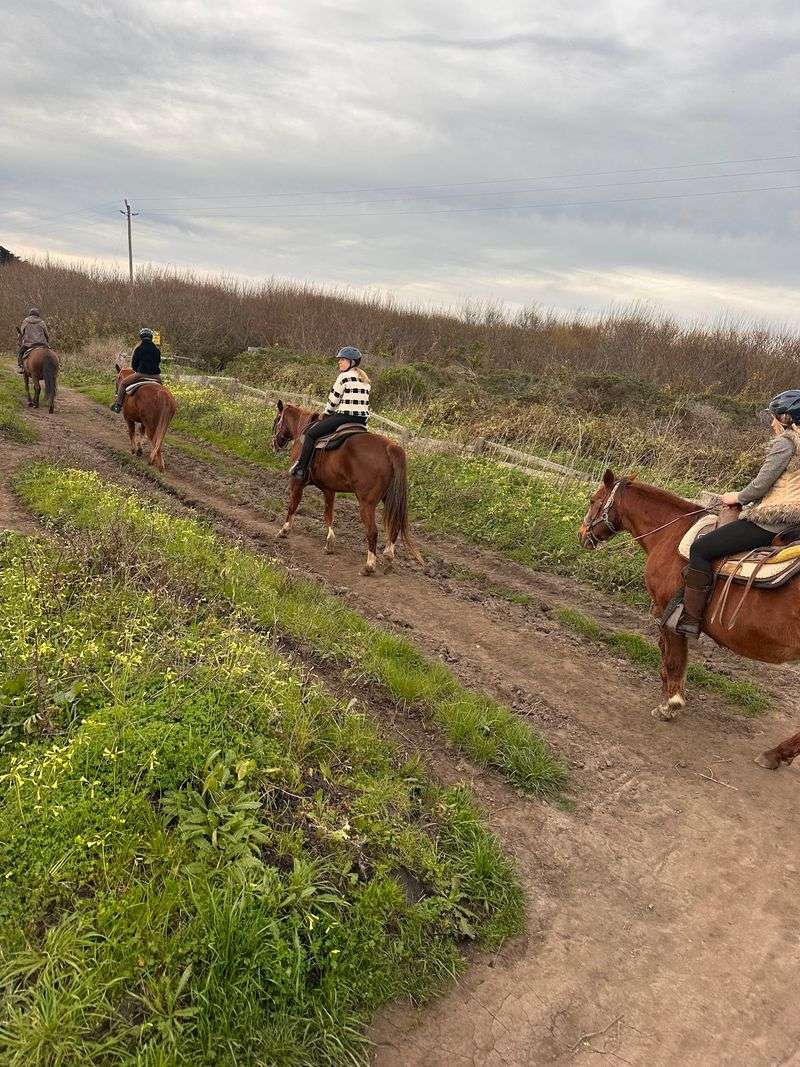
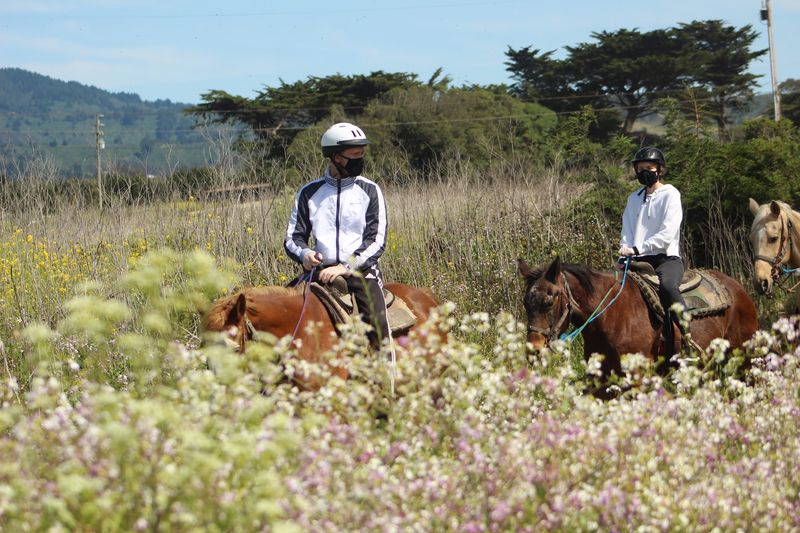
The popular beach ride starts by following the coastline, with much of the early stretch running parallel to the local bike path. In spring, the edges of the route fill with dandelions and yellow mustard flowers.
From there, the trail slips into a patch of trees and a bit of woods. Then comes the creek crossing, which many riders call a highlight.
After heavy rain, the water can rise high enough to reach riders’ feet. In late May one year, it came close to soaking shoes and pants, so dress with that in mind.
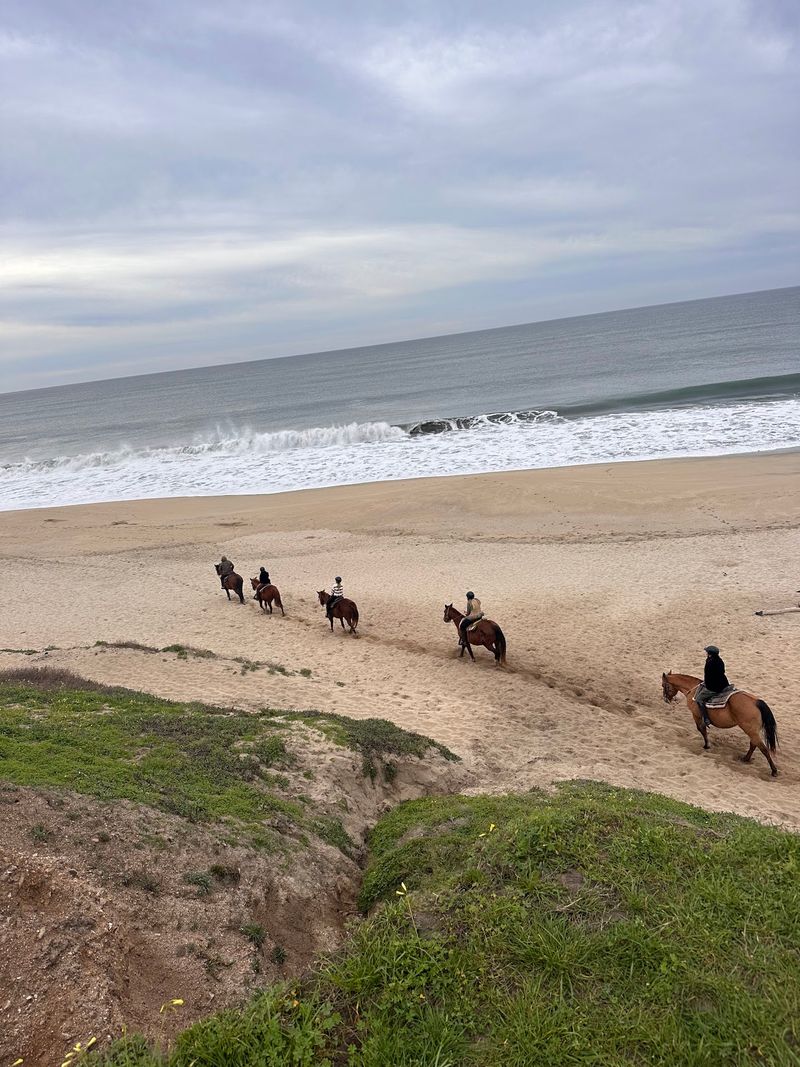
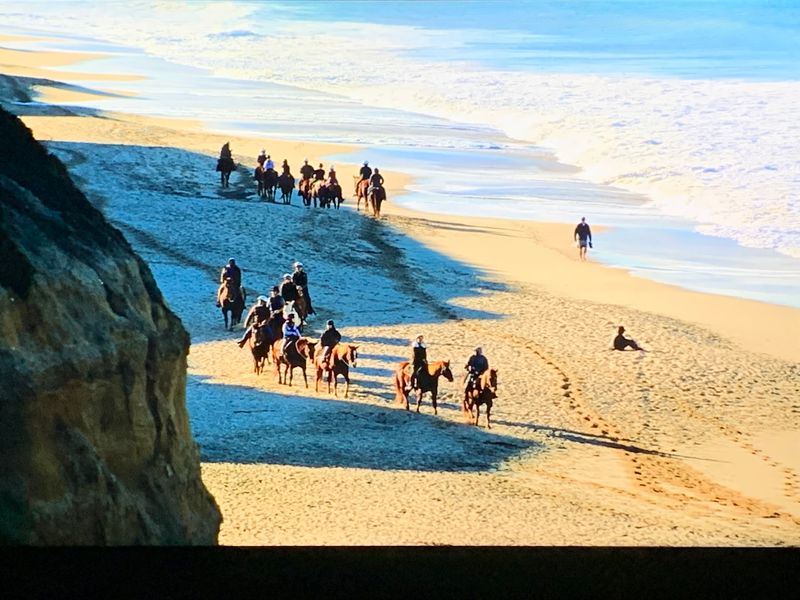
Next is the big moment. The horses carry riders down the bluff and onto a long, sandy beach, and climbing back up later adds a little thrill.
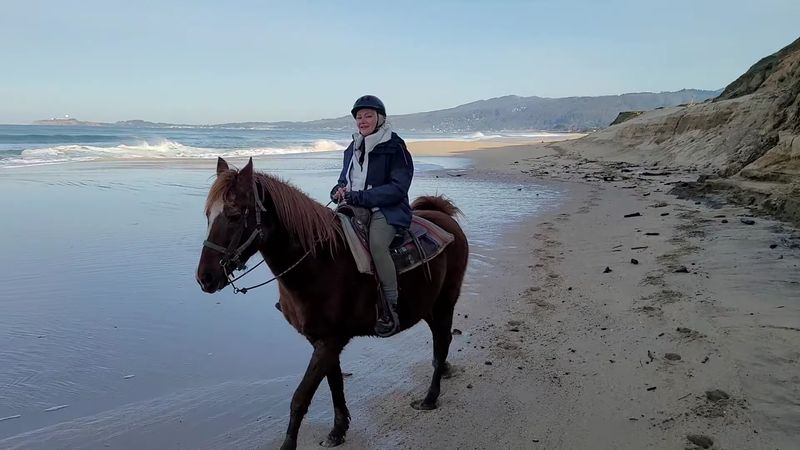
Once on the sand, the group rides along the ocean before turning around and heading back toward the ranch. It is a genuine beach ride, not a distant glimpse of water from a hilltop.
Some groups also spot dolphins offshore, though that depends entirely on luck and timing. Bring patience and a watchful eye, and the coast may hand you a bonus.
Meet the Herd
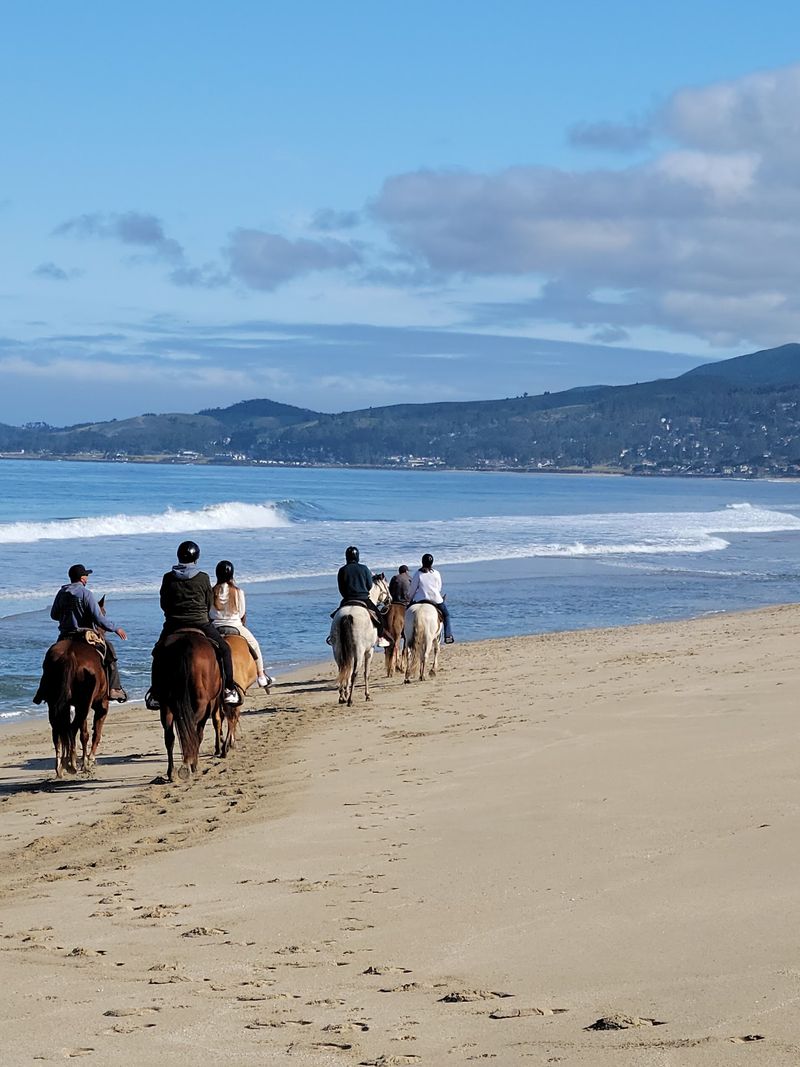
Eldorado, Roja, Pensicola, Pinto, and Explorer are just a few of the names riders remember long after the trip.
The horses here are trained to follow the leader closely, single file. Many respond to voice commands from the wranglers, which helps keep a large group moving in order.
Plenty of riders describe their mounts as calm, well behaved, and easy to handle. Some even report that two of the horses were considered a pair, which is the kind of barnyard gossip that makes a ride memorable.
That said, not every horse has the same temperament. Some groups have found themselves on more spirited animals that crowded the horse ahead or tossed their heads when corrected.
The wranglers assign horses based on riders, and couples and families are usually kept together in line. Younger kids are often placed on large ponies.
A few guests have raised concerns about how the animals looked or were kept, while many others praise how well cared for the herd seems. Riders who care deeply about animal welfare may want to look around the barn and judge for themselves.
Either way, the horses do the heavy lifting on this trip, quite literally.
Why Your Phone Stays in the Car
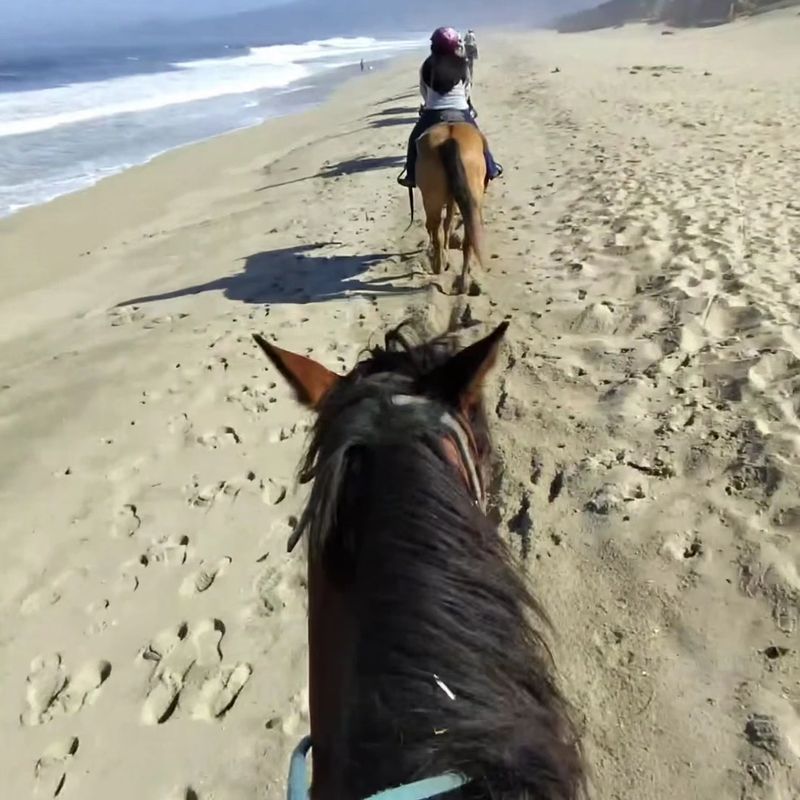
Here is the rule that surprises people most: no phones and no bags on the ride.
The ranch asks guests to leave personal items in their cars. The reasoning given is safety, since a dropped phone or a loose bag can startle a horse or distract a rider.
Some riders love it. With nothing to scroll, the ride becomes about the trail, the horse, and the coastline.
Others feel differently, especially people who need to stay reachable for work. A few guests have been turned away after stepping out to grab a device late, so the rule is enforced firmly.
The best approach is simple. Read the instructions that come after booking, tell anyone who needs you that you will be offline for a couple of hours, and lock everything up before check-in.
Wear long pants instead of shorts as well, and choose sturdy footwear. Boots work best, and they handle a wet creek crossing better than sneakers.
Once the phone is tucked away, there is one more thing to plan around: getting your photos.
The Photographer in the Saddle
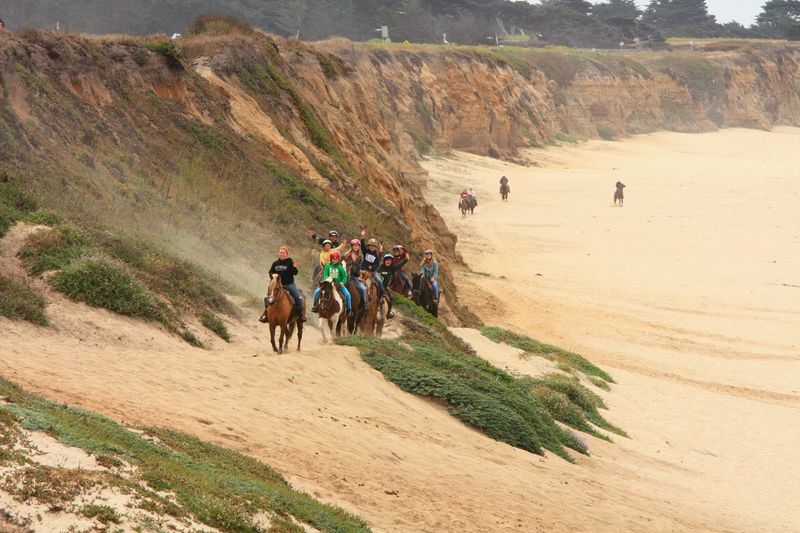
Since your camera stays behind, someone else takes over the job.
A photographer rides along or shoots from the trail, capturing riders on the beach and along the route. Many guests end up buying their pictures, and plenty call them the best souvenir of the day.
Prices have varied over the years. Guests have mentioned paying about $60 for a full flash drive in the past, with more recent figures ranging from roughly $45 to $76.
Not everyone loves that setup. Some see the phone rule and the photo package as a pairing designed to sell pictures.
There are pleasant surprises too. On smaller rides, guides have sometimes held phones and snapped photos for guests at no extra charge, and one wrangler earned praise for taking dozens of shots of a couple while riding.
A practical tip: decide in advance whether you want photos, and budget for them. That way, the choice at the end feels easy rather than rushed.
Of course, a camera only catches the scenery. The people guiding the line shape the experience even more.
Wranglers With a Ranchero Flair
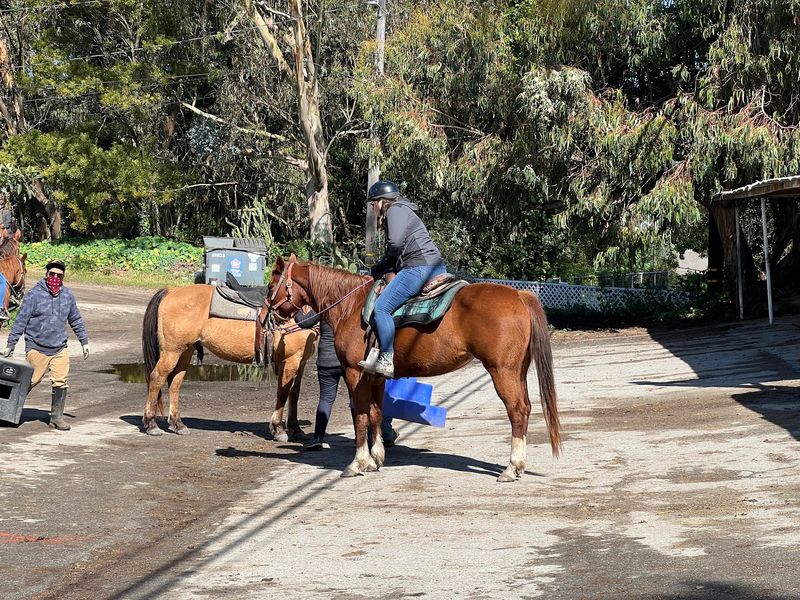
Some riders arrive expecting a tourist show and leave saying it felt like the real deal.
The guiding team carries a working-ranch style, with wranglers who ride confidently and keep a large line organized. Guides named Jerry and Armando have earned specific praise for fun, encouraging rides and clear tips along the way.
Friendly staff comes up often when people describe their day. Many guests say the team was attentive, professional, and made sure everyone felt comfortable.
The other side of the story matters too. A number of riders felt the guides were too stern, raising their voices when horses did not respond as expected.
Part of that may come from speed. Wranglers managing a group of mixed skill levels have to give quick commands, and some first-timers read that urgency as yelling.
Language can play a role as well, since some guides speak English as a second language. Patience on both sides tends to go a long way.
The takeaway is fair and simple: listen closely, follow directions right away, and the ride usually goes smoothly.
What the Ride Is, and What It Isn’t
Expectations make or break a trail ride, so here is the honest version.
Rides move mostly at a slow walk in single file. The horses follow the leader closely, and riders are not set loose to gallop down the beach at their own pace.
There are a few livelier moments. Some groups break into short trots, and certain rides have included brief bursts of extra speed.
Experienced riders sometimes wish for more freedom. Others hoped for a chance to dismount on the sand, which is not usually part of the plan.
Beginners, on the other hand, often find the format reassuring. The horse knows the route, so the main job is to sit well and stay relaxed.
Orientation is short. Riders get a brief demo on mounting, holding the reins with slack, and guiding firmly when needed before releasing.
Some guests found the demo quick and clear, while others felt complete newcomers could use more instruction. Arriving early gives you time to ask questions before the group heads out.
Know the format, and the beach ride delivers exactly what it promises.
Birthdays, Anniversaries, and Family Lines
A surprising number of rides here mark big occasions.
Guests have booked trips for anniversaries, birthdays, and family reunions. One rider squeezed in a seventeenth anniversary ride and called it the most fun he had in a long while.
Groups often mix ages. Young kids and grandparents have ridden in the same line, with guides keeping watch on the whole crew.
Height and weight requirements apply, so check them before planning a surprise. That detail matters most for small children and for anyone close to the limits.
Families who want to stay together usually can. Wranglers tend to keep couples and relatives side by side in line.
A word of caution for special occasions: the schedule is strict. Late arrivals have caused tension, and a few celebrations went sideways because of it.
Plan generously, build in buffer time, and treat the start time as firm. With that handled, the coastline does the celebrating for you.
Early Birds and Coastal Weather
Timing your ride can change the whole day.
The ranch opens at 8 AM and closes at 3 PM, seven days a week. Morning rides, including a 9 AM departure, are popular with people who like an early start.
An early bird ride also means you finish with most of the day ahead. That leaves room to explore the rest of Half Moon Bay afterward.
Weather is the wild card on this coast. Fog, wind, and rain all show up, and conditions can shift from one week to the next.
Sunny days earn the most praise, including some surprisingly bright winter mornings. Checking the local forecast before you book is a smart move.
Spring brings wildflowers along the trail and a fuller creek after rain. Expect wetter boots in that season, but also some of the prettiest scenery of the year.
Whatever the forecast, layers help. Long pants are required anyway, and an extra jacket rarely goes to waste on the Pacific coast.
Booking, Arrival, and Ground Rules
Smooth rides start long before anyone climbs into a saddle.
Booking happens online through the ranch website at seahorseranch.org, and confirmation instructions arrive afterward. Read them carefully, since they cover clothing, arrival time, and the phone rule.
Same-day spots are sometimes possible. One couple got in with about two hours of notice after calling ahead.
The most common ride is the 1.5 hour beach and trail route. Hours run 8 AM to 3 PM daily.
Arrive early. The ranch treats the start time as a hard stop, and late guests have been refused or scolded.
Traffic on Highway 92 can be heavy and unpredictable, so give yourself extra time. A crash or a busy weekend can easily add half an hour.
Bring a car to store your belongings, wear long pants and boots, and leave the shorts at home. Helmets are provided and returned after the ride.
A group of six once spent close to $1,000, so budget accordingly for larger parties, plus extra if you plan to buy photos.
Worth the Saddle Time?
Some places please everyone, and some places reward people who arrive prepared.
Sea Horse Ranch falls into the second group. Its strengths are real: a route that truly reaches the beach, a creek crossing, coastal fields, trained horses, and photographers who catch the moment.
Its rules are also real. No phones, firm start times, long pants, and slow single-file riding shape every trip.
Riders who go with the flow tend to leave thrilled. Many talk about bringing friends and family back and call the experience a memory worth keeping.
Those who want free-roaming gallops, long orientations, or flexible timing may feel boxed in. A handful of guests also left unhappy with the tone of some corrections on the trail.
The best advice is practical. Book ahead, check the weather, show up early, listen closely, and decide on photos before you ride.
Do that, and you get something rare on the California coast: a horse beneath you, sand ahead, and the Pacific rolling in just steps away. Happy trails.