
Affiliate disclosure: As an Amazon Associate I earn from qualifying purchases. Learn more
Arizonans love to brag about the Grand Canyon, and fair enough, it is hard to top a hole that big. Up near Page, though, there is a much smaller canyon that steals the show with color instead of size.
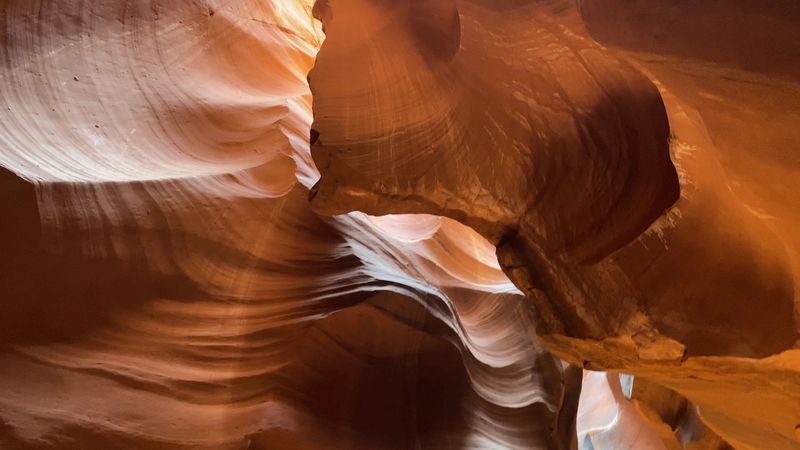
Its walls curve like ribbons of red sandstone, carved over time by water and wind, and on the right day, beams of sunlight drop straight down to the floor. It is narrow, short, and only open with a guide, which makes every visit feel like a members-only pass.
People fly in from across the world to see it, some more than once. Keep reading to learn how it formed, when to go for the famous light beams, what the tour is really like, and the small tips that can turn a good trip into a great one.
A Slot Canyon Hiding Near Page
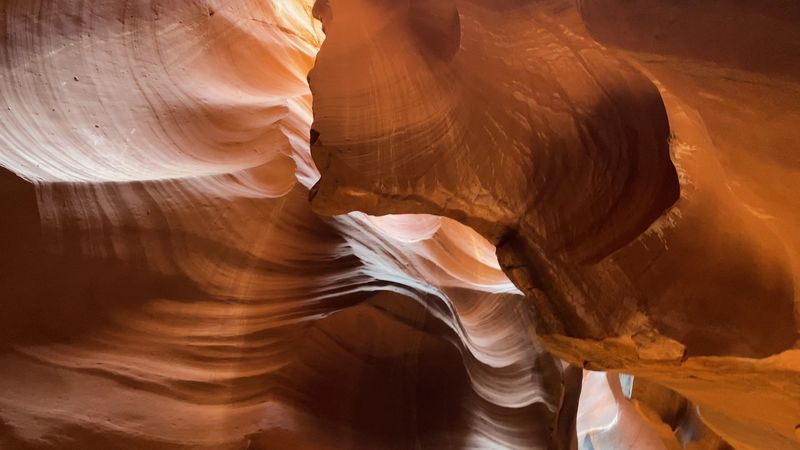
Some of Arizona’s biggest wonders sit in plain sight, and others tuck themselves into a crack in the desert. Upper Antelope Canyon belongs to the second group.
The official address is simple: Arizona 86040, which places it in the Page area of northern Arizona, United States. It is classified as a ravine, but that word does not do it much justice.
Here is the short version. Upper Antelope Canyon is a narrow slot canyon made of sandstone, famous for rock formations shaped by water erosion.
The walk inside covers roughly 100 meters. That is a tiny distance on paper, yet the canyon is so intricate that nearly every step reveals a new curve or pattern.
One big rule shapes everything about a visit. The canyon is only accessible on a guided tour, so nobody wanders in on their own.
That rule keeps the place protected and organized, even though it means planning ahead. Tours fill up, and early time slots can be gone a few days out.
The canyon also enjoys a strong reputation, holding a 4.6 star average across hundreds of opinions. For a spot that charges a premium and limits time inside, that number says a lot.
So the question is not whether it is worth seeing. The real question is how to see it well, and that story starts with how the canyon was made.
Carved by Flash Floods
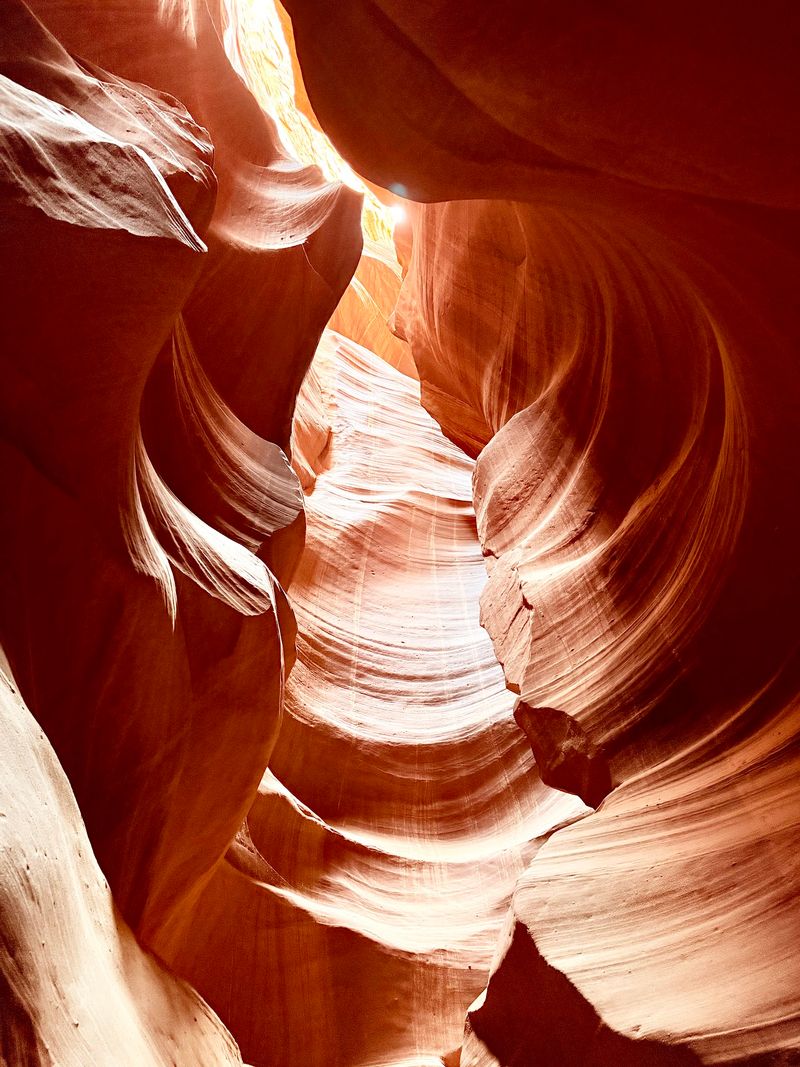
Water built this place, one storm at a time. Flash floods rushed into the canyon and chipped away at the Navajo sandstone, while wind kept polishing the walls.
The result is a corridor of smooth, wavy rock that looks almost too tidy to be natural. Guides on the tour often explain the formation process in detail, and many people leave with a new respect for what a desert storm can do.
There is a practical side to this history too. The same flash floods that shaped the canyon can still happen today.
During the rainy season, tours may be cancelled for safety reasons when flooding is a risk. It is a good idea to keep plans flexible if your trip falls in that window.
The shape of the canyon matters as well. Upper Antelope has a wide base and a narrow top, often described as A-shaped.
That design keeps the interior darker than you might expect. It is also the reason sunlight can drop in as sharp beams when the timing is right.
Think of it as geology with a lighting crew built in. Hold that thought, because the light is the next big chapter.
Navajo Land and Navajo Stories
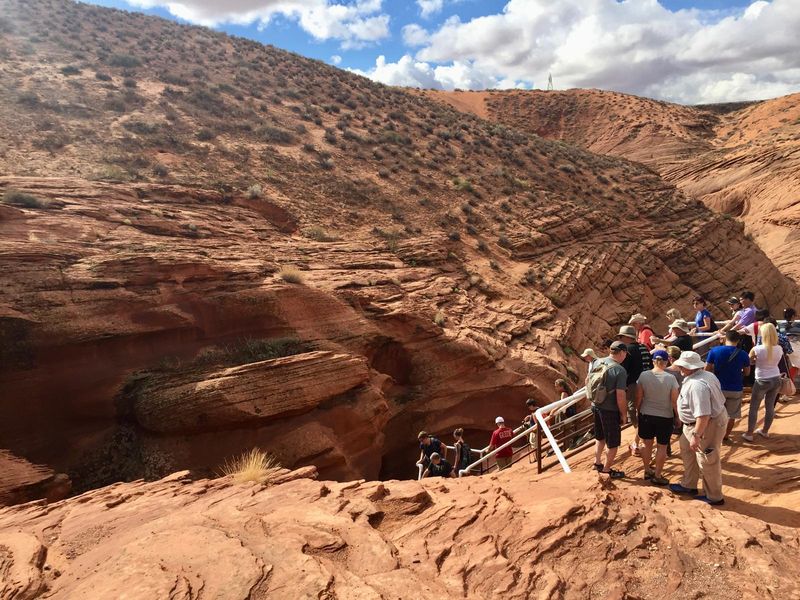
Long before cameras arrived, this canyon was part of Navajo land, and it still is. Tours connect guests with the canyon’s importance to the Navajo Nation.
Many guides are Navajo, and they share stories about the canyon’s history and their culture along the walk. For a lot of people, those conversations become a highlight as memorable as the rock itself.
Some tours begin with a short presentation before anyone heads out. It covers the discovery of the canyon and the people who lived here and still live here today.
That context changes the experience. The walls stop being just a pretty backdrop and start feeling like part of a living community’s home.
There is a small shop at one tour office too, known for pottery. It makes a nice stop for anyone hoping to bring home something more meaningful than a keychain.
Guides are frequently praised as patient, friendly, and knowledgeable. Names like Jay, Irene, and Arlee come up again and again for their kindness and expertise.
Arizona has plenty of scenic stops. Fewer of them come with a local storyteller attached, and that is a big part of what sets this one apart.
The Famous Light Beams
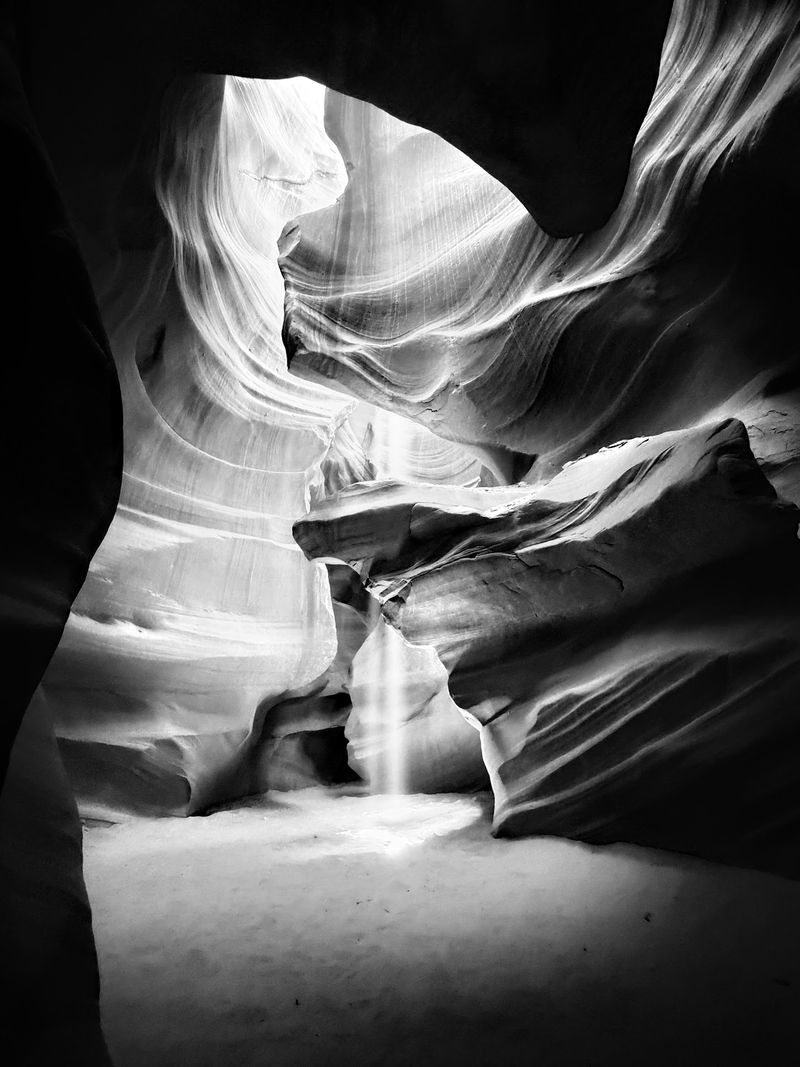
Sunlight is the star of Upper Antelope Canyon, and it keeps a strict schedule. When the sun sits high, beams can drop through the narrow opening and land on the canyon floor.
Timing is everything here. The window between about 11 a.m. and 2 p.m. is the one most often recommended, with 11 a.m. called out as a sweet spot.
Go too early and the results change a lot. An early bird trip can leave the canyon fairly dark, and a 10 a.m. slot has turned up no beams at all.
Weather plays a role as well. Clouds, wind, or rain can block the light completely, even if your tour time is perfect.
The good news is that a beam-free day is not a wasted day. Even with rain, the canyon still delivers excellent photos thanks to the walls and their shapes.
Later slots can work out nicely too. A 3 p.m. tour has still produced plenty of striking views.
The catch is that midday slots are popular and often sell out first. If the beams are your main goal, book that window as early as you can and let the sun do the rest.
Walls That Change Color
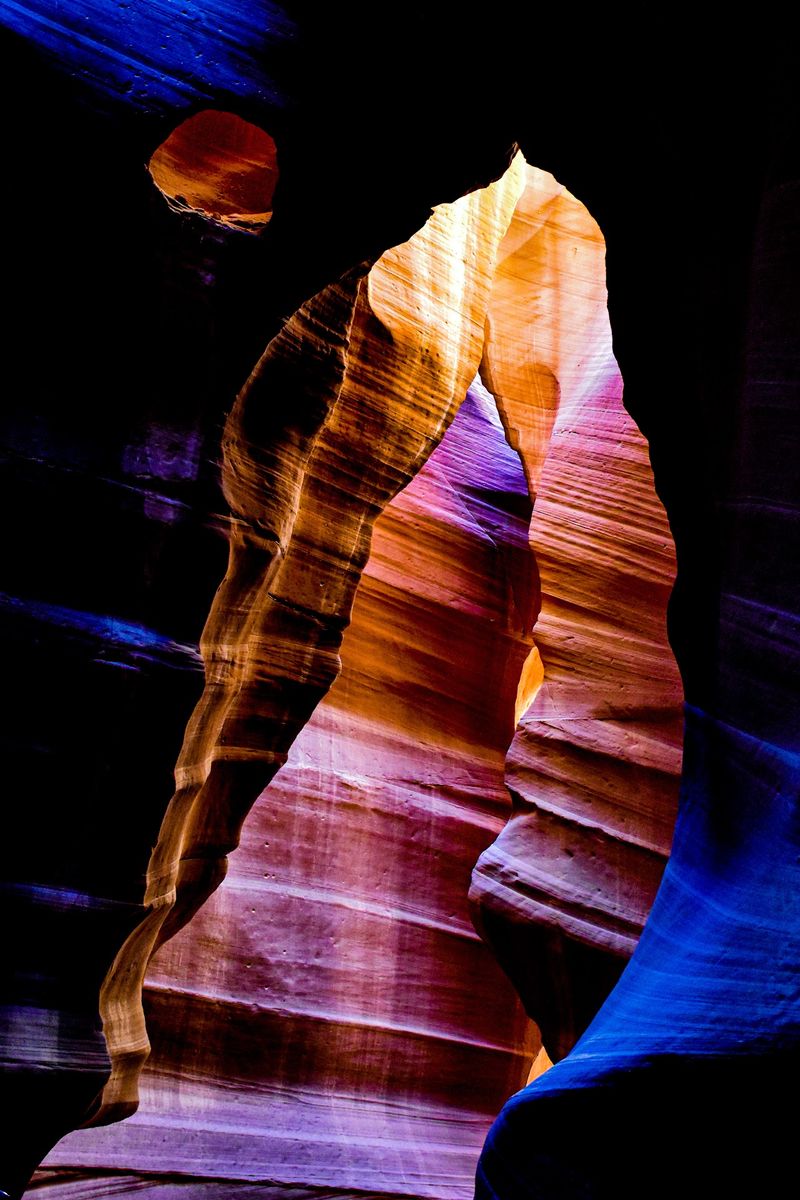
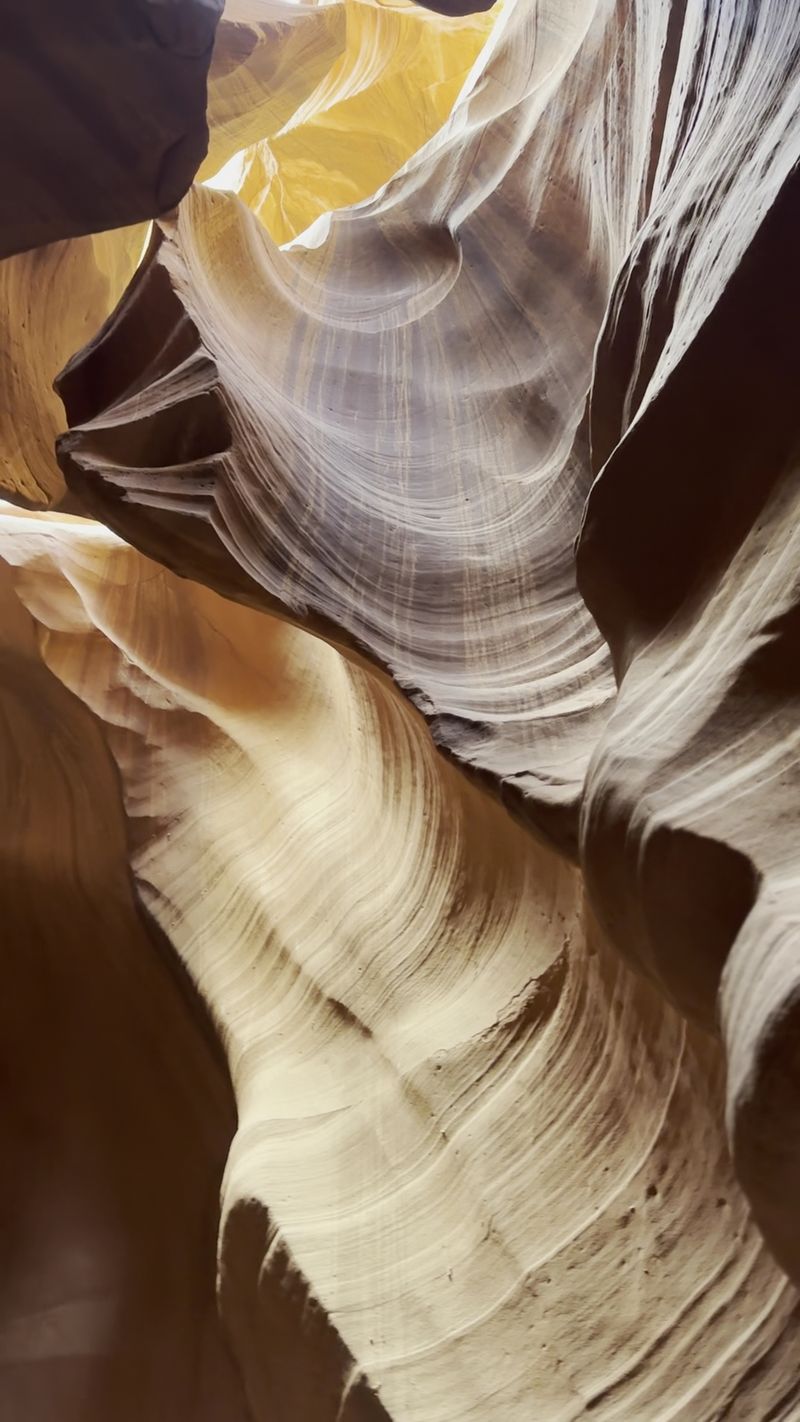
Here is where the Grand Canyon of color nickname earns its keep. The patterns on the rock walls shift in color depending on the light.
One stretch can look deep red, and a few steps later the same stone takes on a completely different tone. It is the same canyon, just a different angle on the sun.
The shapes deserve attention too. Guides like to point out specific formations and explain what people see in them.
One favorite is known as the lady with the blue dress. Spotting it becomes a fun little game as the group moves through.
Because the canyon is so intricate, there is no single best view. Every step offers something fresh, which is why the short walk rarely feels repetitive.
That variety also explains why some people return more than once. A traveler from Italy has made the trip five times, and the place still felt new each visit.
Colors change with seasons and hours, so no two tours are quite the same. Consider that a built-in excuse for a second trip north.
A Photographer’s Playground
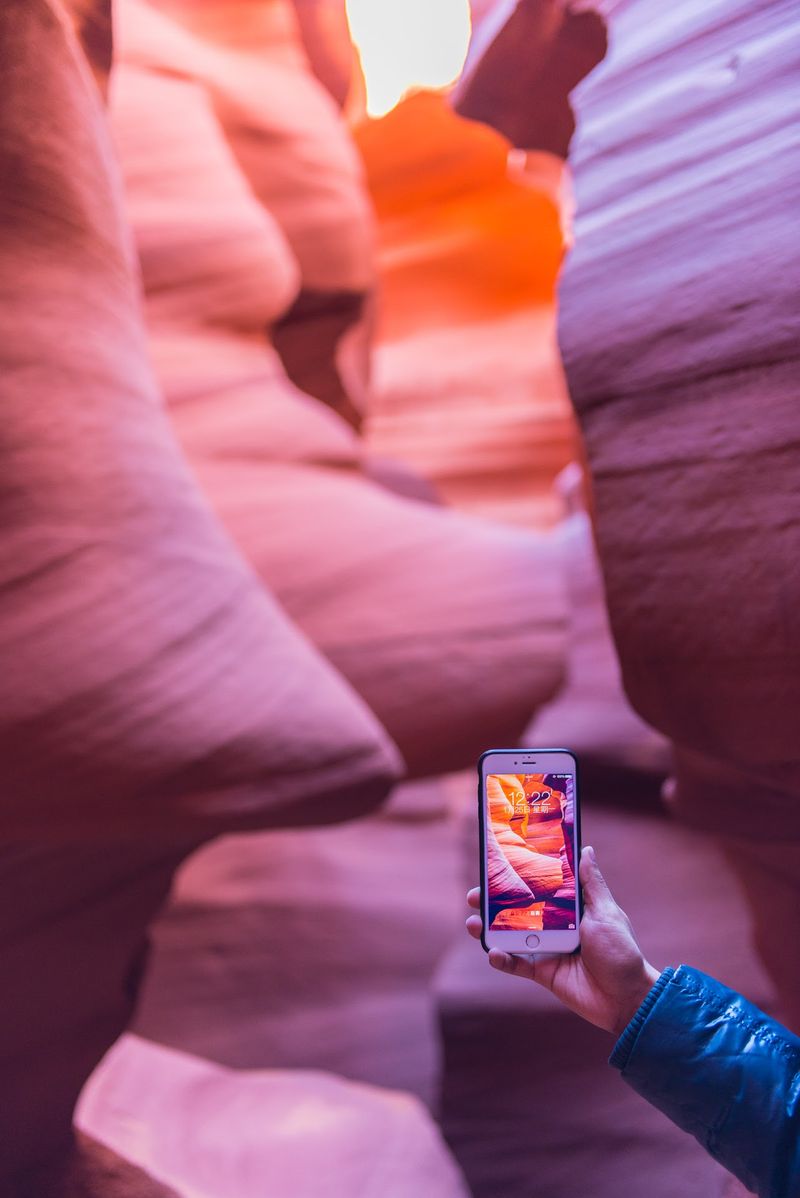
Photography comes up more than almost anything else when people talk about this canyon. It is close to a rite of passage for anyone with a camera, or just a phone.
The guides are a big reason the photos turn out so well. Many show guests exactly where to stand and how to set up a shot.
Some guides even take pictures for the group. That means you might actually appear in your own vacation photos for once.
The canyon’s unique angles keep photographers busy. Looking straight up often produces the most dramatic frames, with the narrow top framing the sky.
There is a balancing act, though. Groups move on a schedule, and some guides keep a quick pace that makes personalized shots harder.
Crowds can slow things down as well. When many people stop for photos at every turn, a 100 meter walk can stretch out much longer.
The best approach is to stay close to your guide and be ready. Have your camera settings sorted before you enter so you can spend the time shooting, not fiddling.
The Bumpy Ride Out There
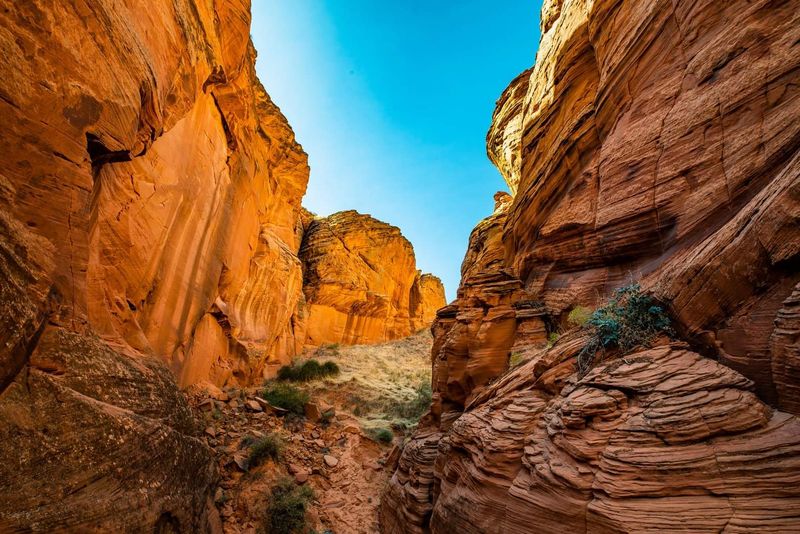
Getting to the canyon is half the adventure, and it is not exactly smooth. Tours usually start at an office in town, and then everyone loads into vehicles for the drive out.
Transport can be a truck or a van depending on the company. Vans tend to be more comfortable and do a better job keeping dust out.
Speaking of dust, there is a lot of it. Bringing a mask for the truck ride is a smart move.
The ride is very bumpy too, so secure loose items and hold on to your hat. Literally, since hats come in handy later.
Wildlife sometimes makes an appearance. A coyote greeting a group on arrival is not unheard of.
Some tours start at a side canyon before the main section. It is a short walk with wavy red sandstone views, a nice warmup for the main event.
Fun options exist as well, including pink Jeep style tours with lively drivers. However you get there, the ride sets the mood for what comes next.
Easy Enough for Grandma
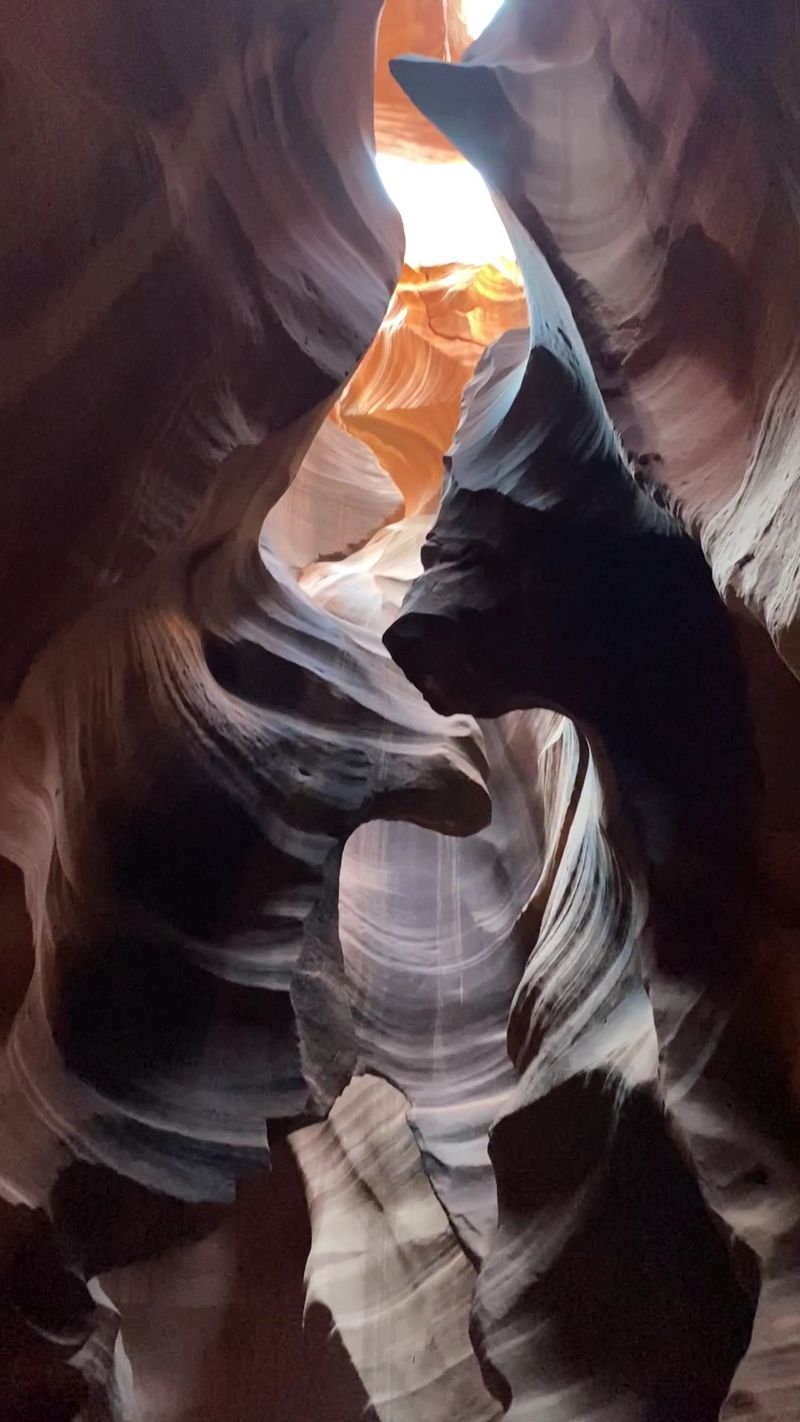
Good news for families: the main walk in Upper Antelope Canyon is mostly level. Compared with Lower Antelope Canyon, it does not involve the same climbing.
That makes it a strong choice for older adults and young kids. Families have finished the tour with a 3 year old and a 79 year old grandmother without trouble.
Toddlers have done fine too, including a child under two. The path inside is narrow and a bit constricted, but the walking itself is easy.
There is one exception to plan for. At the end, some tours exit by a set of steps, and one route climbs a fairly high hill before reaching the vehicles.
That final stretch may be tough for anyone with limited mobility. It is worth asking your tour company about the exit before booking.
Inside, the canyon stays cooler than the open desert. That is a welcome break in Arizona’s warmer months.
Outside is a different story, so pack hats and sunglasses. The sun near Page is no joke, even if the canyon offers a shady time-out.
Upper Versus Lower
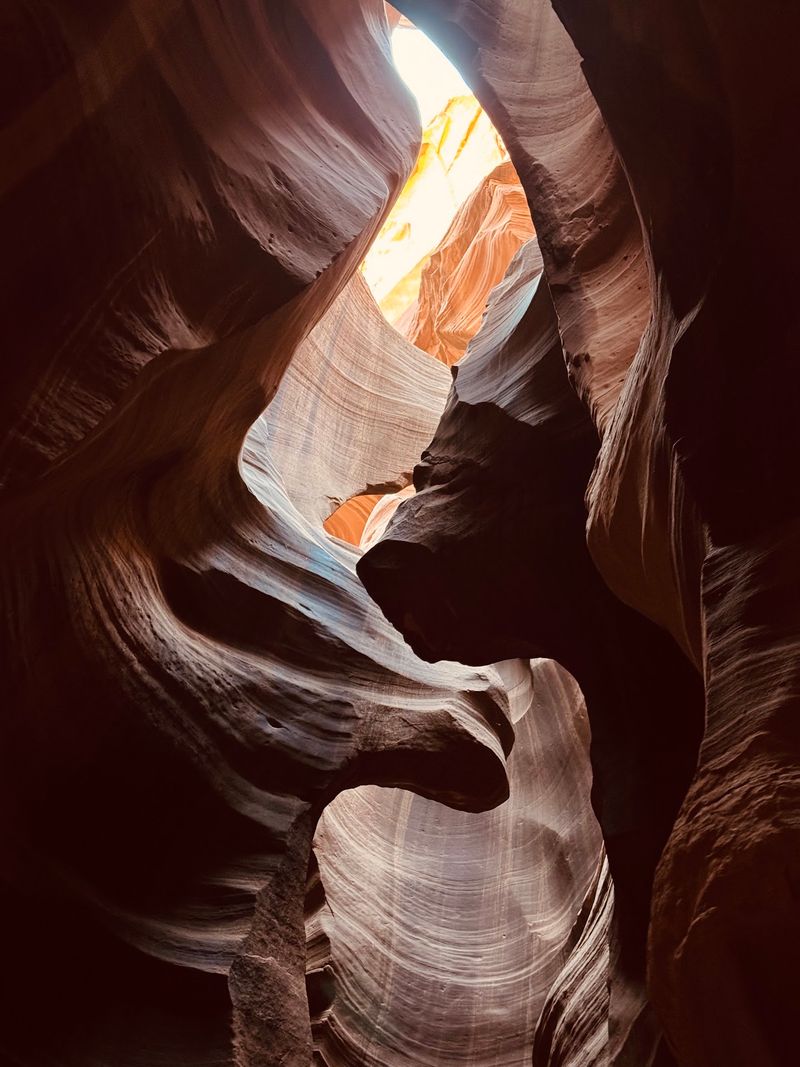
Antelope Canyon has two well-known sections, and folks love to compare them. Each has its own personality.
Upper is shorter than Lower. Its walk inside runs around half an hour on a typical tour.
It is also narrower, which can make the pace feel a little rushed. Groups need to keep moving so the next group can come through.
On the plus side, Upper is the more famous of the two. Its A-shaped walls are what create those headline sunbeams.
Lower has more climbing, while Upper keeps the walking easy. That difference often decides it for families with kids or grandparents.
Upper also tends to cost more than Lower. Plenty of people still call it worth every penny for what they got to see.
There is no wrong pick. If light beams and easy footing top your list, Upper is the one to circle on the map.
Tickets, Time Slots, and Timing
A little planning goes a long way here. Every visit requires a tour ticket, since there is no independent access.
Tours have been listed at about $100 per person. Prices can vary by company and over time, so check current rates before you go.
At one location, there are two ticket windows side by side. One takes cash only, while the other takes cash and cards, and they may offer different times.
A typical tour lasts about 1.5 hours. Roughly an hour goes to driving, with the rest spent walking in the canyon.
Some tours give about 50 minutes in the canyon area. Either way, it is a quick but packed experience.
Booking ahead is wise. The midday slots go fast, and even a few days out may be too late for the most popular times.
Season matters too. Winter can mean fewer crowds and calmer photo time, while summer is the busy stretch.
Worth the Drive North
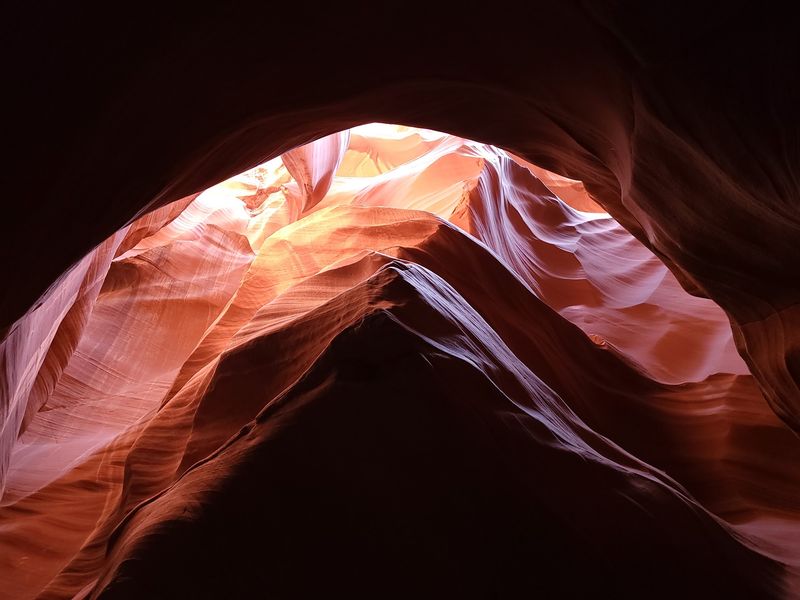
So, does this little slot of stone deserve a spot on every Arizonan’s list? The honest answer is yes, with a few asterisks.
It is popular, the tour costs a fair amount, and you will share the space with other groups. The pace can feel brisk, and the light does not always cooperate.
Still, the payoff is real. The walls, the colors, and the stories from Navajo guides create something you will not find anywhere else.
Plenty of people come away calling it a highlight of their whole trip. Some even plan return visits, which says plenty about its staying power.
For locals, there is extra pride in the mix. People cross oceans to stand in a canyon that sits a road trip away from Phoenix, Tucson, or Flagstaff.
Book a midday slot, pack a mask and a hat, and listen closely to your guide. Then look up, because the best view in this canyon is almost always overhead.
The Grand Canyon gets the size award. Up near Page, Arizona quietly keeps the color crown for itself.


