
Affiliate disclosure: As an Amazon Associate I earn from qualifying purchases. Learn more
Seven dollars does not buy much lunch these days, yet one small shop in Pasadena keeps proving that rule wrong every single morning. Its famous sandwich has no menu, no mayo, no mustard, and no custom orders.
Bakers and deli hands turn out hundreds of them daily, stack them by the register, and watch them disappear before lunch. The recipe is three Italian meats, provolone, a drizzle of olive oil, and a crusty roll, and it has stayed that simple for decades.
People buy them by the half dozen for beach days, airport meals, and racetrack outings. The shelves around that register hold imported pasta, oils, cookies, and cured meats sliced to order.
Keep reading to learn where to find this sandwich, why it sells out, and how to time a visit so the cartons are still full when you arrive.
A Corner of Italy on North Lake Avenue
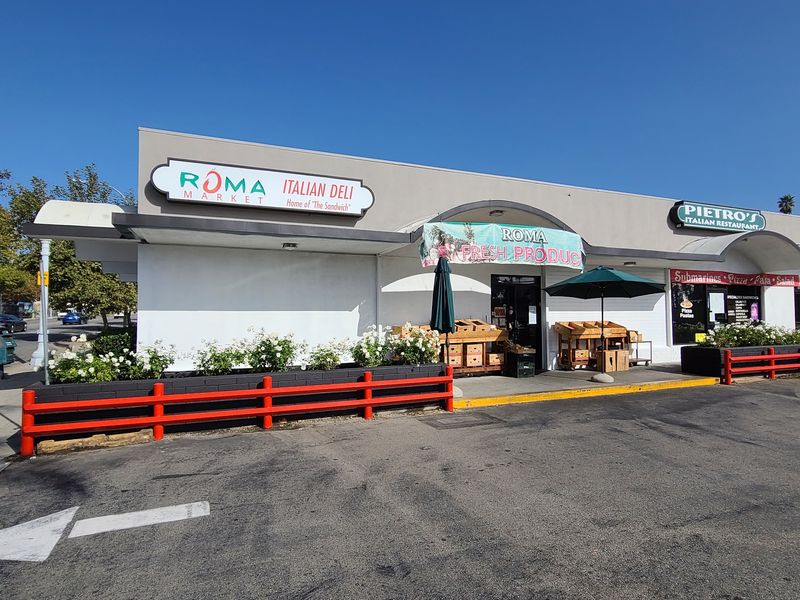
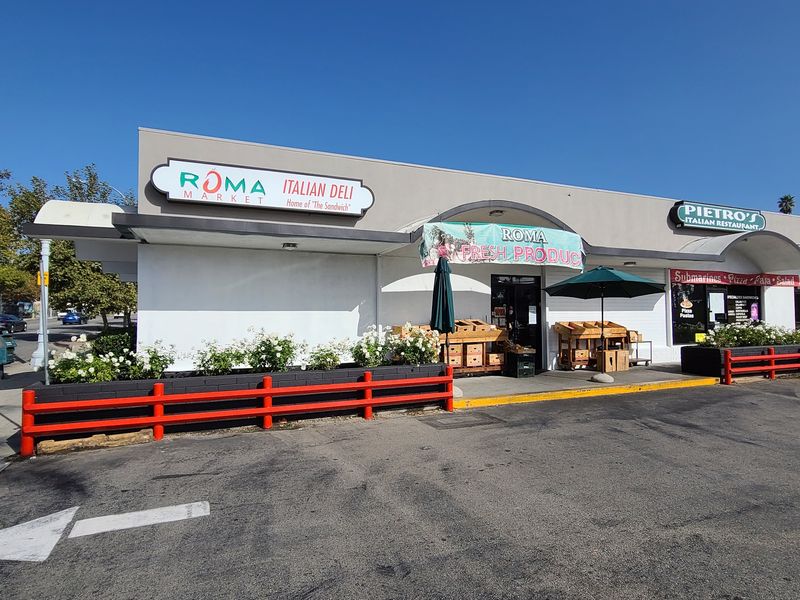
Roma Market sits at 918 N Lake Ave, Pasadena, CA 91104, a short drive from the busy heart of Pasadena in Southern California.
It is officially an Italian grocery store, and it plays that role well. The aisles are packed with imported goods, and a deli counter anchors the room.
Most people, though, come for one thing. That thing waits near the register, wrapped and ready, and it carries a price tag that feels like it belongs to another era.
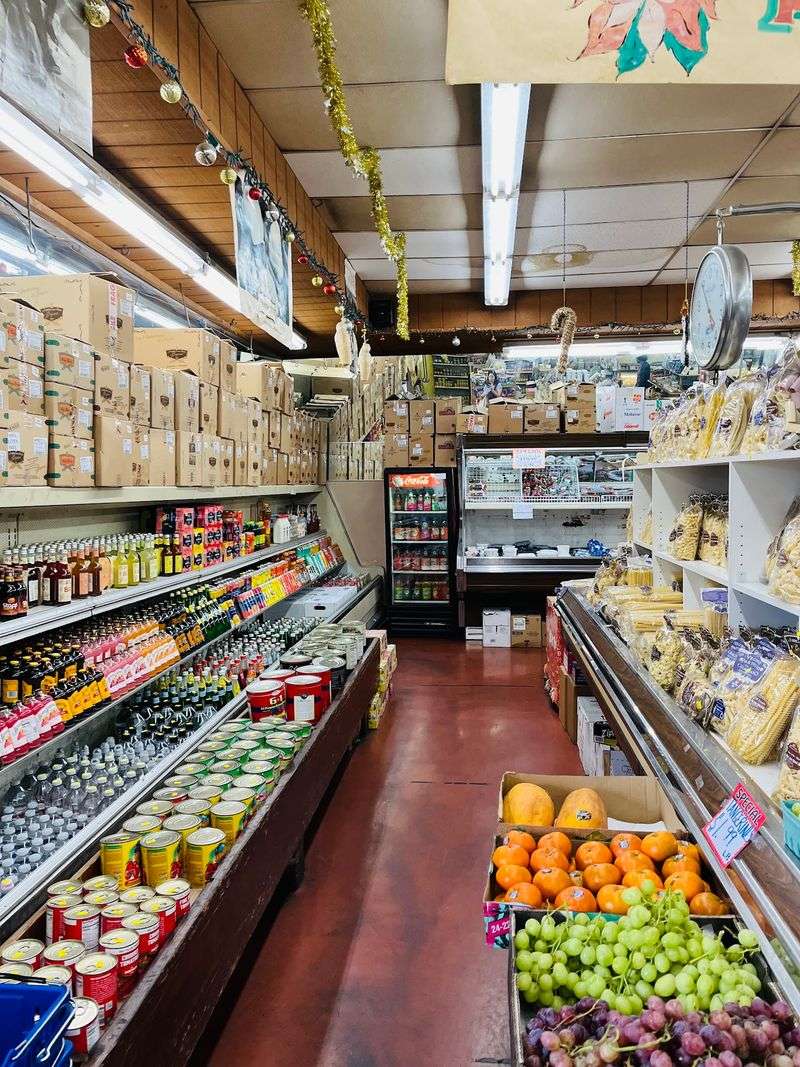
The shop is compact. Shelves run close together, and on busy days restocking carts share the floor with shoppers, so moving around takes a bit of patience.
That small footprint is part of the charm. It feels like a neighborhood market first and a sandwich legend second, even though the sandwich gets the headlines.
The market holds a strong 4.7-star standing across more than a thousand public comments, which is impressive for a place that has never chased trends.
So what is it about a modest grocery on Lake Avenue that keeps people coming back week after week? The answer starts with a story that goes back to the 1950s.
The Man Behind the Sandwich
Some sandwiches have a recipe. This one has a patriarch.
The market is tied to Rosario, a man regulars call a legend. He started making a single style of sandwich back in the 1950s, and he has been at it for decades.
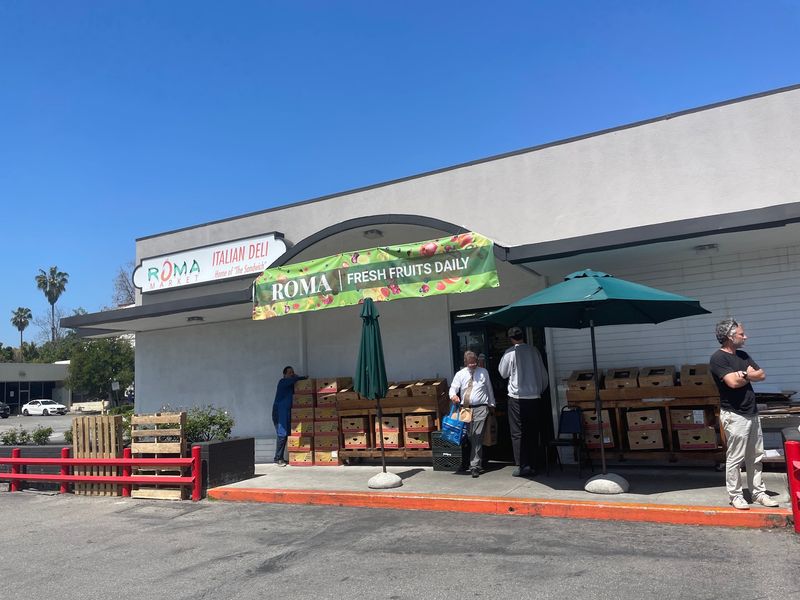
Loyal fans mention seeing him outside, enjoying the sunshine while customers grab their lunch inside. It is a small scene, but it says a lot about the place.
The shop appears to be family run. Cashiers are often described as friendly and welcoming, and many longtime fans hope the business gets passed down for generations.
Some locals even call the market a historical landmark. That label fits a store where the core product has barely changed since Eisenhower was in office.
Plenty of businesses talk about tradition. Here, tradition is a daily habit, repeated hundreds of times before noon.
The romance of that story has its critics too. A few skeptics argue the legend is bigger than the lunch, which is a fair debate to have over a sandwich.
Still, it is hard to argue with a man who found one good idea and refused to mess it up for seventy years.
Three Meats, Provolone, and Nothing Else
Call it a masterclass in minimalism.
The famous sandwich is built from three Italian meats, provolone cheese, and a drizzle of olive oil on a crusty Italian roll. That is the full list.
Fans who know their deli meats point to mortadella, capocollo, and salami. The cuts are sliced very thin and layered in what one admirer called a ratio that works like a science.
There is no mayo and no mustard. Olive oil is the only condiment, and it is enough.
Here is a pro tip: do not ask to modify it. Regulars insist it is perfect as is, and the whole point is consistency.
An Italian-born customer described the bread as a sfilatino, the type of loaf used for this style of sandwich back home. That kind of endorsement carries weight.
Not everyone falls in love. A minority finds it plain, and one person ran into a stale, tough roll on a bad day.
Most fans, though, call it simple and perfect. Some eat the whole thing before they even leave the parking lot, which is a strong argument for its case.
Why $7 Still Feels Like a Typo
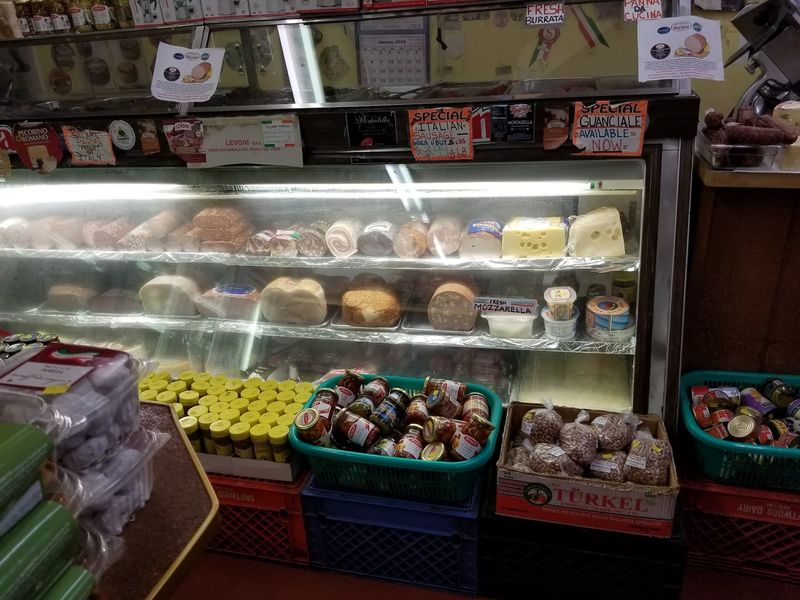
Inflation has touched nearly everything, and this sandwich has felt it only lightly.
A few years ago it cost $6 flat. Today it sits at just $7, and fans keep noting that price with something close to disbelief.
Value is the word that comes up again and again. People call it the best bang for the buck in Los Angeles, and some go further and say the country.
One fan dared anyone to find a higher-quality sandwich at that price. Nobody seems to have won that bet yet.
The size helps too. It is described as a solid, filling portion, not a dainty snack.
That low price fuels bulk buying. Customers often order six or more at once, stocking up for families, coworkers, or a day out.
Is it the cheapest lunch in Pasadena? Maybe not.
But for imported meats and fresh bread, the math is hard to beat.
Keep a few extra bills handy, because one sandwich has a funny way of turning into two.
The Race Against Lunchtime
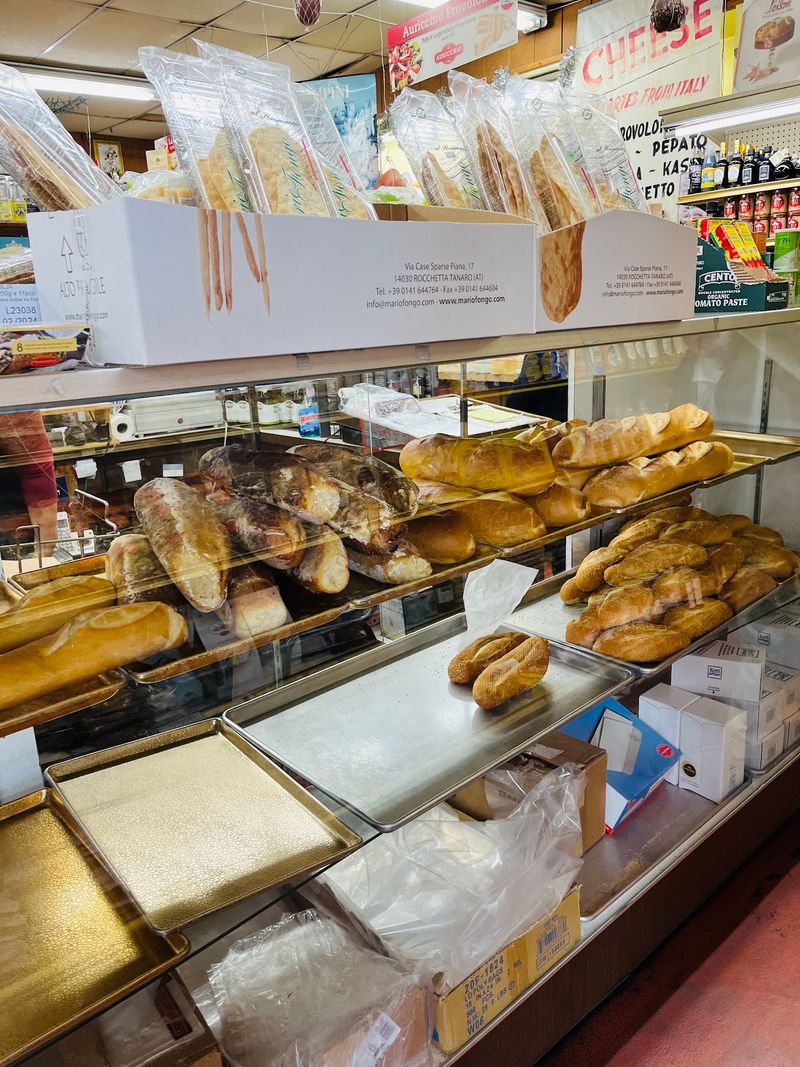
Timing matters here more than almost anywhere else in town.
The sandwiches are made fresh every morning in the back. Staff carry them out in big cartons and set them near the register.
Production numbers are wild for such a small shop. Estimates put daily output somewhere between 400 and 900 sandwiches.
Even that is not always enough. The premade stock often runs out around lunchtime, so smart regulars show up in the morning.
Midday crowds can also slow things down. Large orders at the counter sometimes create waits of 20 to 30 minutes, and a few people have walked out rather than wait.
The fix is simple. Arrive early, grab the wrapped sandwiches at checkout, and skip the custom counter rush.
First-timers get the same advice from fans: the premade version is the way to go. It is fast, and it is the one that built the legend.
Think of the morning as your golden window. After that, the cartons start looking a little lonely.
Rolls Worth Buying on Their Own
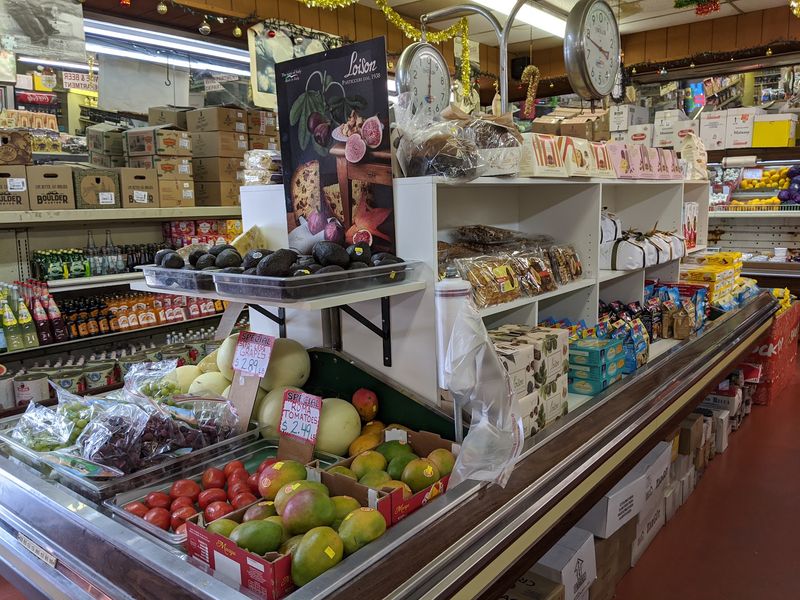
Bread is the quiet hero of this whole operation.
Fresh-baked rolls come up often in conversation about the market, and many fans say the bread makes the sandwich. Some go so far as to buy extra rolls to take home.
There is more than one style. A seeded roll and a plain roll are both available, and they differ in texture as well as toppings.
A sourdough option also exists, though it can sell out. That has sent at least one devoted fan back on a mission to try it.
The roll draws praise for being crisp outside and soft inside. That balance is what holds the thin layers of meat and cheese together.
Results can vary on a given day. A tough roll shows up now and then, which is the risk with real bread made in large batches.
For home cooks, picking up a few rolls is an easy upgrade for a weeknight dinner.
Just remember that the sandwich still waits at the register, and resisting it while buying the bread is a test few people pass.
A Deli Counter With Serious Credentials
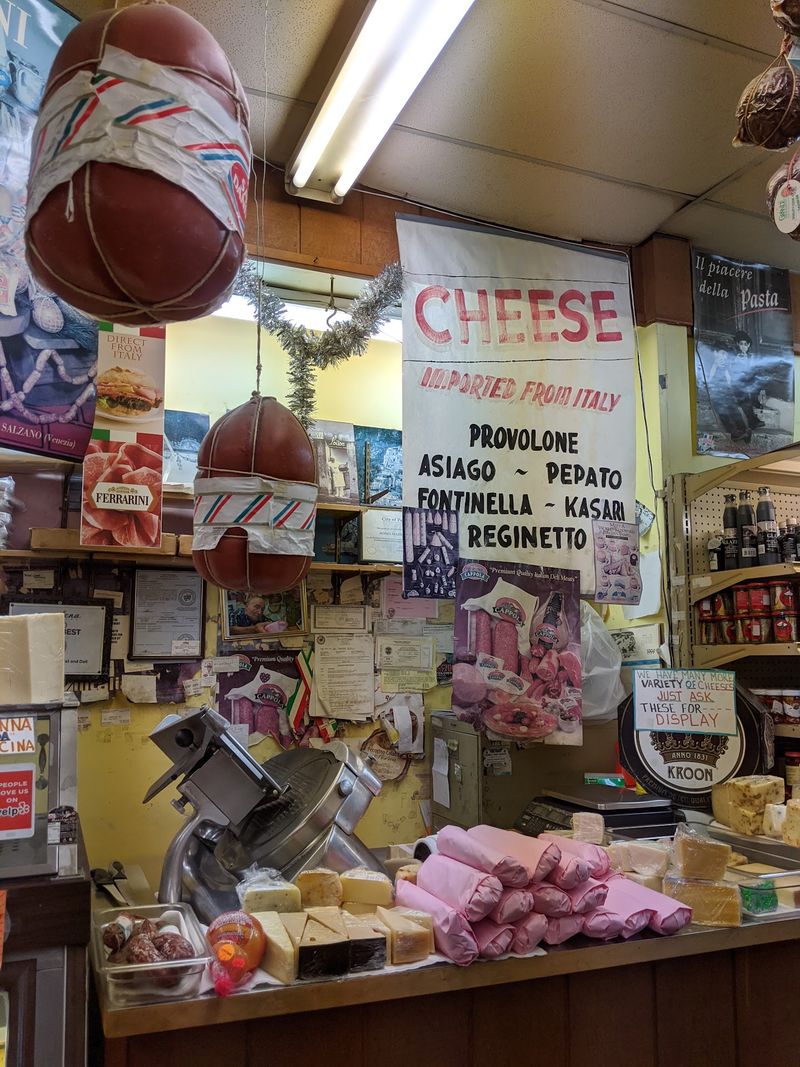
Beyond the famous sandwich, the deli counter does plenty of heavy lifting.
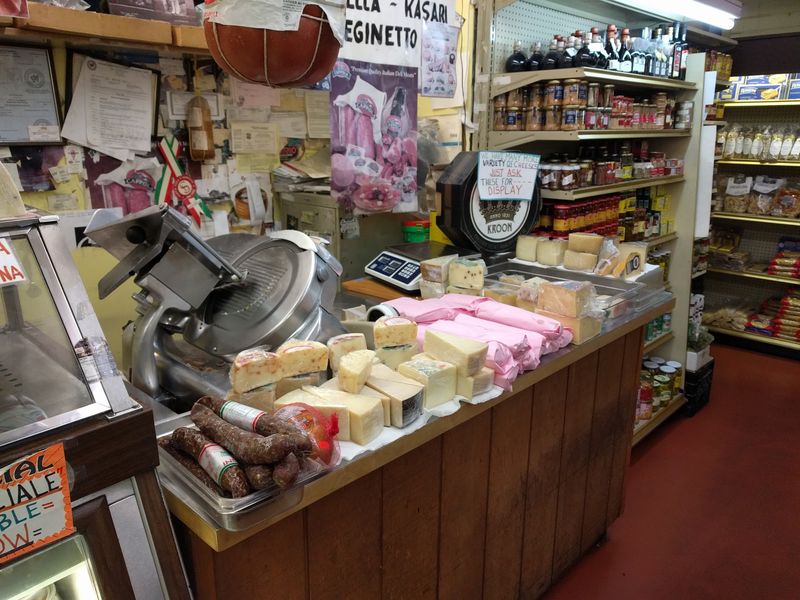
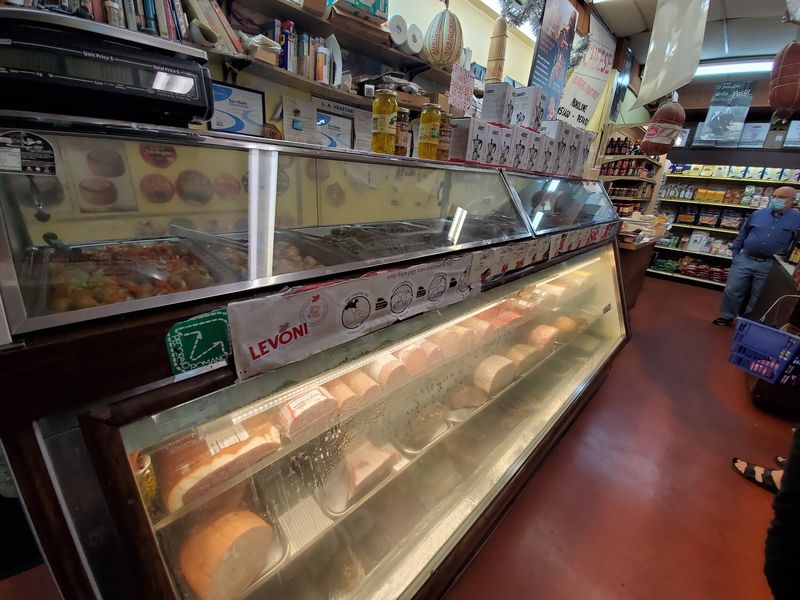
Meats and cheeses get frequent praise for quality. Prosciutto is sliced on the spot, and capicola and provolone are popular picks.
Some fans call it the go-to place for charcuterie in Pasadena. That is high praise in a city with plenty of options.
A classic prosciutto sandwich also earns loyal followers. Like the original, it is best ordered exactly as offered.
The deli also stocks pepperoncini with a pleasant kick and tangy olives. One clever trick from regulars involves squeezing the pepper juice onto the next bite of sandwich.
Italian cold cuts are a big part of the draw, and the selection makes building a party platter easy.
Custom orders take longer than grabbing a wrapped sandwich. Plan for some waiting at busy hours if the counter is your goal.
For anyone planning a picnic spread, the deli counter turns a quick stop into a full menu.
Shelves Stocked Straight From Italy
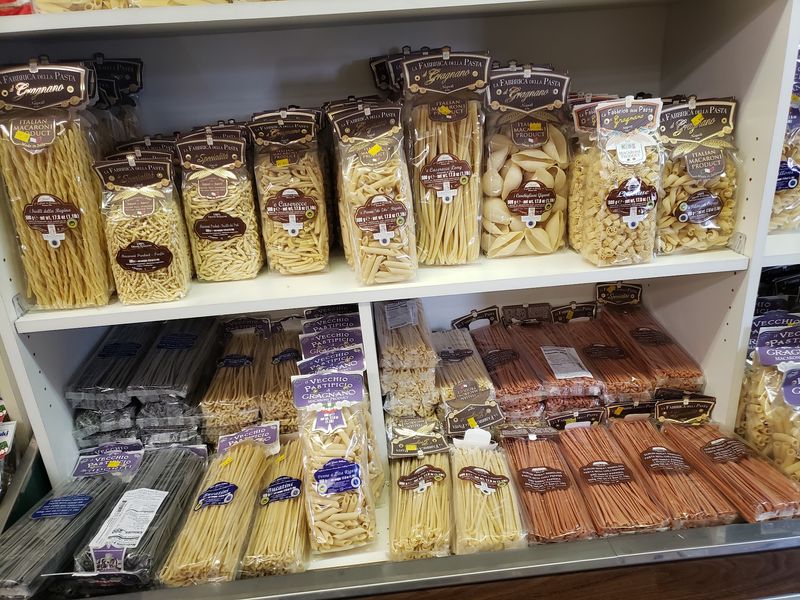
Grocery shoppers get their own reward for making the trip.
The shelves are full of imported Italian products. Olive oil is a standout, along with pasta made in Italy, imported flour, and grains.
Jarred red peppers, Calabrian chilies, antipasti, condiments, and pickled items fill out the selection. Imported cookies and canned goods add even more variety.
The pasta draws special attention from those who know their noodles. Slow-dried versions with a pale color are part of the lineup, and dried rotini is a common add-on purchase.
There are also frozen pasta options and house-made sauces for quick meals at home.
Prices are seen as reasonable by most shoppers, given that these goods travel a long way. A few people disagree and find some items pricey.
The space is small, so browsing takes a careful approach. Shelves are packed, and staff often restock during busy hours.
Leave a little room in the budget, because a quick sandwich run tends to end with a bag full of pantry upgrades.
Built for Road Trips and Picnics
These sandwiches travel well, and their fans clearly know it.
People grab them before heading to Santa Anita racetrack or a stop at Barnsdall. Others pack them for the beach, regular workday lunches, or a meal at the airport.
The no-mayo build is part of the appeal for outings. Olive oil keeps things simple and travel friendly.
Families often buy in bulk for group trips. A carton of these can feed a crowd without much fuss.
Some fans keep it casual and eat in the car. One regular enjoys a sandwich while waiting at a nearby car wash.
The market suits plenty of people. Budget-minded students, home cooks, and Italian food purists all find something to like.
It is less ideal for a sit-down lunch with friends. This is a grab-and-go spot rather than a place to linger at a table.
Pack a napkin and a plan, because this lunch is meant to go wherever the day leads.
Hours, Parking, and a Fair Verdict
Planning a visit is refreshingly easy.
The market is open every day of the week from 9 AM to 5:30 PM. That same schedule runs Sunday through Saturday.
Free parking is available in a small lot. Even with limited spaces, regulars say they nearly always find a spot.
For the best shot at the famous sandwich, aim for the morning. Lunchtime brings bigger crowds and a real risk of empty cartons.
So is it worth the trip? For most people, the answer is a confident yes.
The sandwich is simple, consistent, and still just $7. The deli and imported shelves add depth to a quick stop.
It is not flawless. Waits can stretch at peak hours, the aisles are tight, and a few skeptics find the sandwich too plain.
Yet the market keeps doing one thing well, day after day, and that kind of steady quality is rare. Come early, grab a carton, and see what all the quiet fuss is about.


