
Affiliate disclosure: As an Amazon Associate I earn from qualifying purchases. Learn more
Somewhere on the west side of Tucson, a goat named Scooby has been in charge for years, and nobody seems to mind. He arrived as someone’s beloved pet, and he now oversees a whole crowd of rescued goats, chickens, a donkey, dogs, cats, and birds.
Every one of them has a name, and every one of them is treated like family instead of livestock. The two women behind the operation never get a day off, and they never seem to want one.
Many of the animals came from hoarding or neglect cases and needed a safe place to start over. Others were orphans or simply pets whose owners could no longer keep them.
Keep reading to meet the boss goat, learn how the place runs, and find out how Arizona locals can visit, donate, or even adopt a new four-legged friend.
A Rescue Farm Tucked Into West Tucson
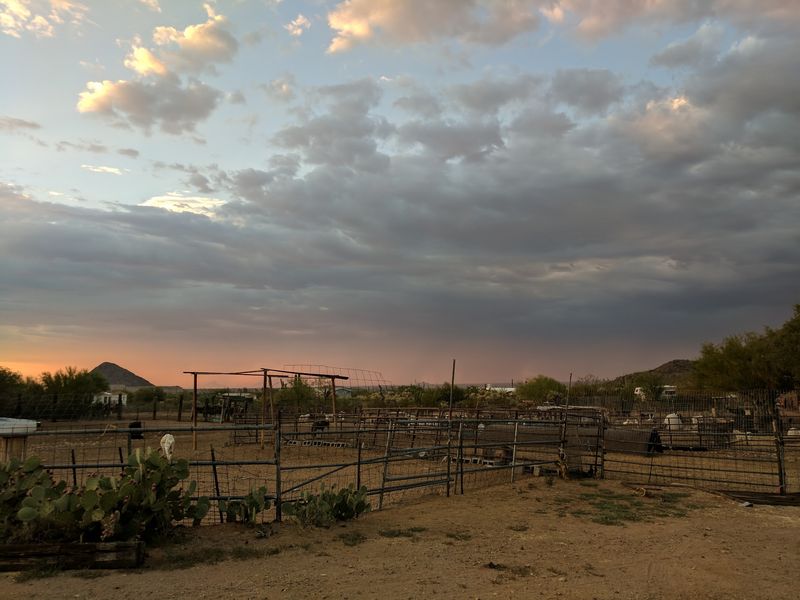
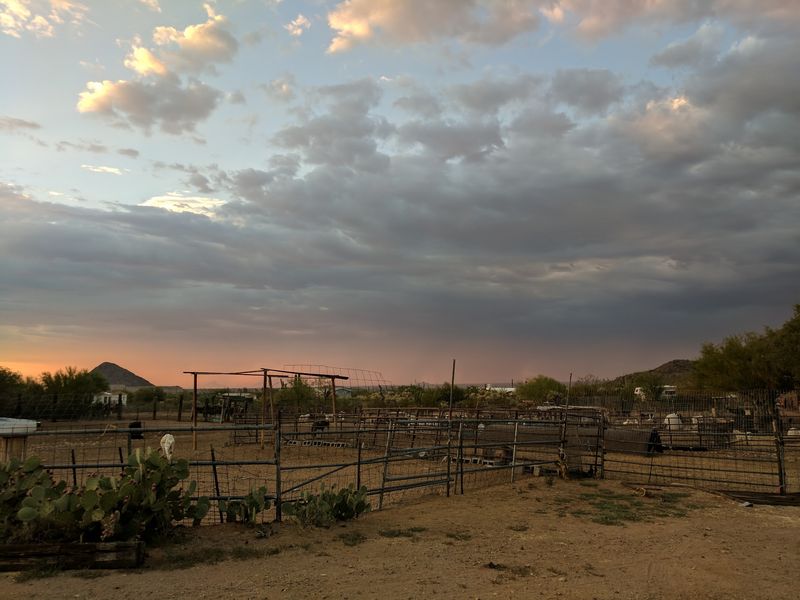
HoofsnHorns Farm Sanctuary sits at 9740 W Lariat Dr, Tucson, AZ 85743, out on the west side of the city where neighborhoods give way to open desert.
It is an animal rescue service, not a petting zoo or a tourist attraction. The focus is on giving abused, abandoned, and orphaned animals a permanent, safe home.
The residents include farm animals like goats, chickens, and a donkey. Dogs, cats, and birds also share the property.
One longtime observer joked that the sanctuary holds more animals than the zoo. That might be a slight stretch, but it captures the scale of the effort happening on this quiet street.
The sanctuary holds a 4.9-star average across 39 Google ratings, a remarkable number for a small, family-run operation. Many of those notes stretch back more than a decade, showing the work has been going strong for a long time.
For Tucson residents, this is one of those places that hides in plain sight. You could drive past the area a hundred times without realizing a whole community of rescued creatures is living its best life just down the road.
So who exactly runs this busy little kingdom? The answer has four legs and a famous name.
Scooby, the Goat in Charge
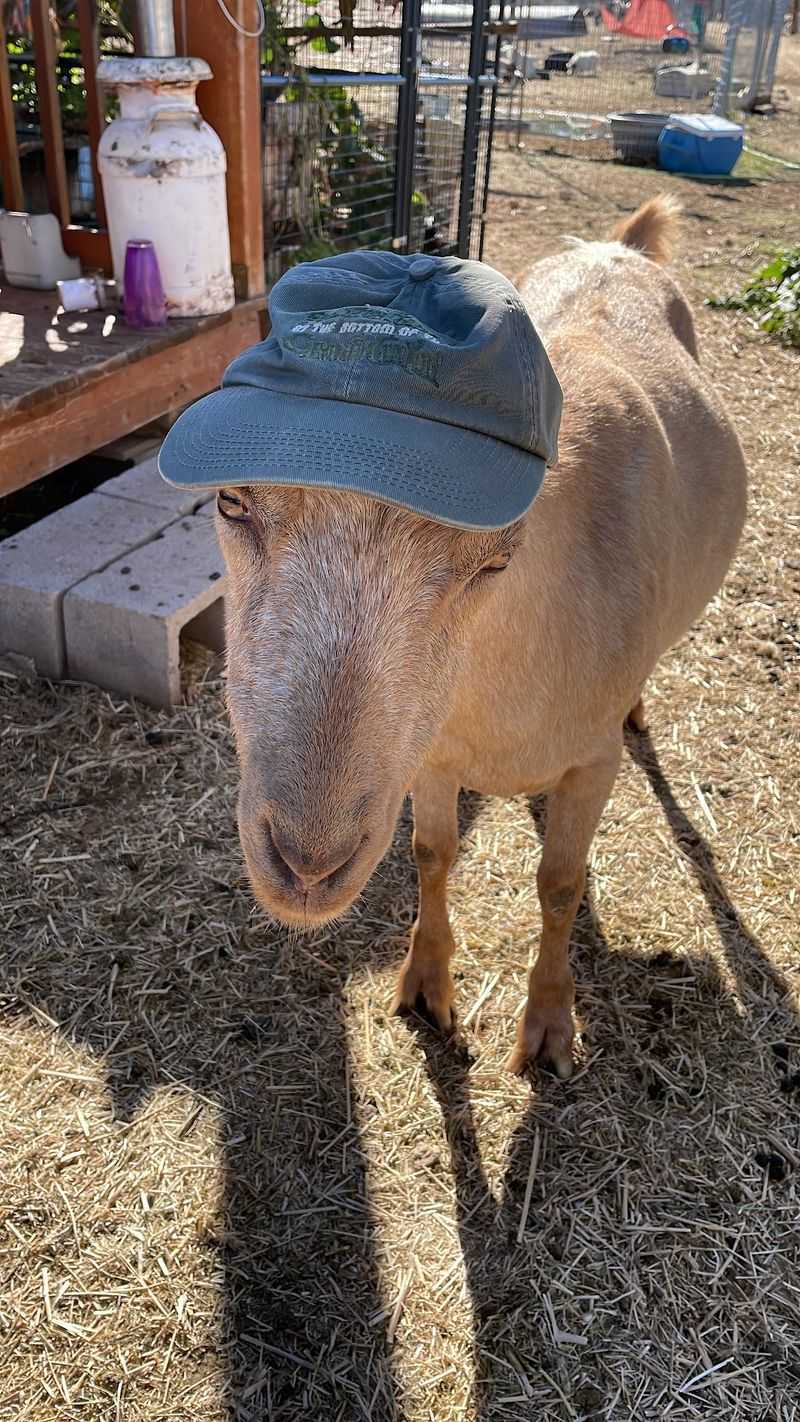
Every good farm needs a manager, and at HoofsnHorns, that title belongs to a goat named Scooby.
Scooby came to the sanctuary more than six years before his former family checked in on him. He arrived alongside another goat and two chickens, all surrendered by an owner who was deeply grateful to find them a safe home.
When that former owner later sent a thank-you note, the sanctuary replied with a cheerful update. The fellas were doing great, and Scooby was still in charge.
That small reply says a lot about the place. The caregivers know each animal well enough to know who leads the herd, who follows, and who prefers to keep to themselves.
Scooby is a reminder that the animals here are not numbers on a clipboard. They are individuals with roles, quirks, and long histories on the property.
His story also shows how the sanctuary works in practice. People who can no longer care for their animals can find a trusted place where those animals will be loved for years, not weeks.
Not bad for a goat who started out as somebody’s backyard buddy. Now he runs the whole show, and judging by the updates, he takes the job seriously.
The Mother-Daughter Team Behind It All
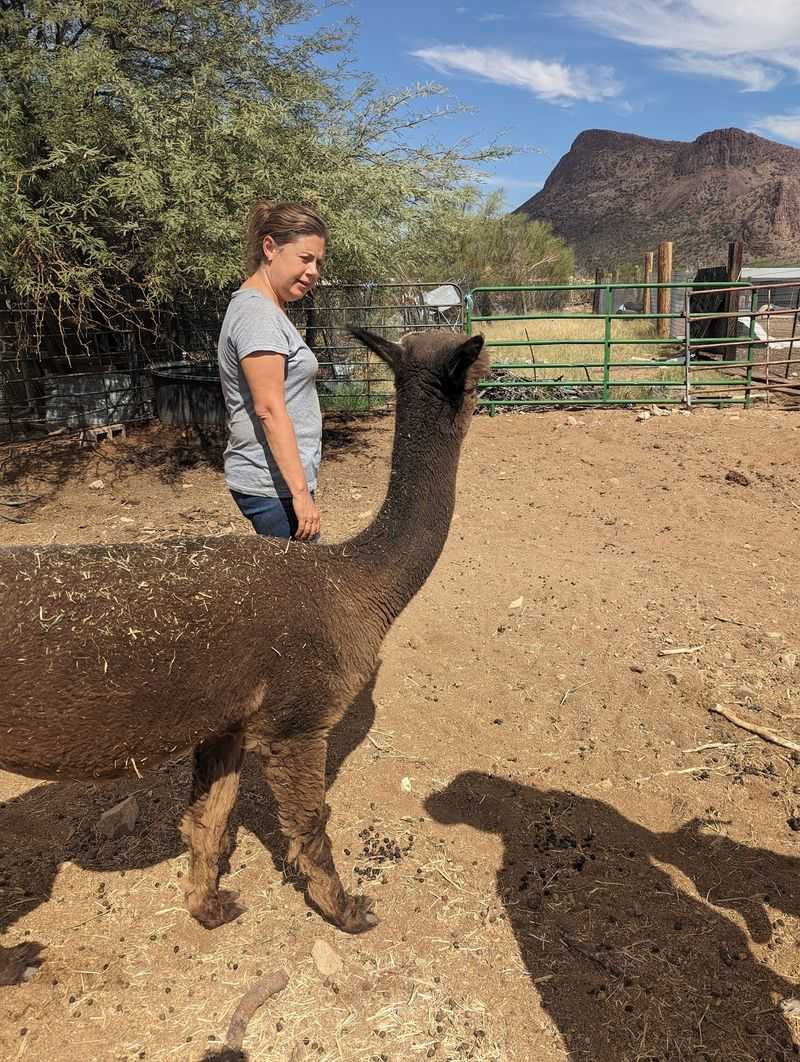
Two people keep this entire operation running: Shelby and her mother.
The pair handle the farm rescues, the dogs, the cats, and the birds. There are no days off and no sleeping in when a crowd of hungry animals is waiting for breakfast.
A longtime supporter called it the power of two, and the phrase fits. Between feeding, cleaning, medical care, and intake, the workload would overwhelm most people.
Shelby is the name that comes up again and again among supporters. Her love for the animals is obvious, and the way she cares for them shows in every update and every reply.
A helper named Ms. Kim has also been part of the team. One person who rescued a five-day-old goat later handed him over to Shelby and Kim, trusting them to raise him with big hearts.
The caregivers are described as extremely friendly and knowledgeable. They take each animal’s individual personality into account, which takes real patience and attention.
That kind of commitment does not come from a corporate mission statement. It comes from a family that decided caring for animals in need was simply what they would do every single day.
Where Every Animal Has a Name
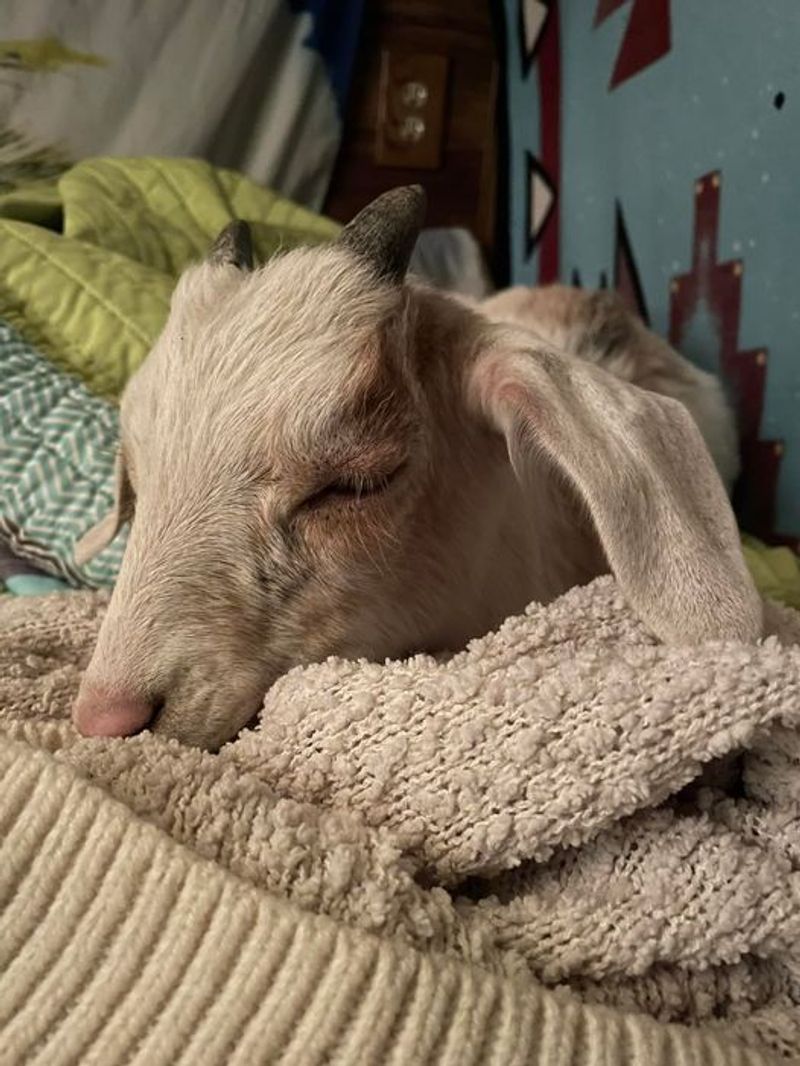
Names matter here. Each animal at HoofsnHorns has a name and a place in the hearts of the people who care for them.
That detail sets the tone for everything else. The animals are not treated as farm stock, and it seems none of them think of themselves that way either.
One supporter put it simply: each animal acts like a valued family member. Goats, chickens, and the donkey all get the same respect as the house pets.
Take Tug, for example. He was a baby goat rescued at just five days old, cared for by his rescuer for six weeks, and then handed over to the sanctuary to grow up surrounded by other animals.
His rescuer still asks people to donate in his honor. That is the kind of bond this place creates, even with people who only spent a short time with an animal.
The personal approach also helps the caregivers notice changes in health and behavior. When you know every resident by name, you notice quickly if someone is not acting like themselves.
In a world where farm animals often go unnamed, this sanctuary flips the script. Here, a goat is never just a goat.
Second Chances After Hard Beginnings
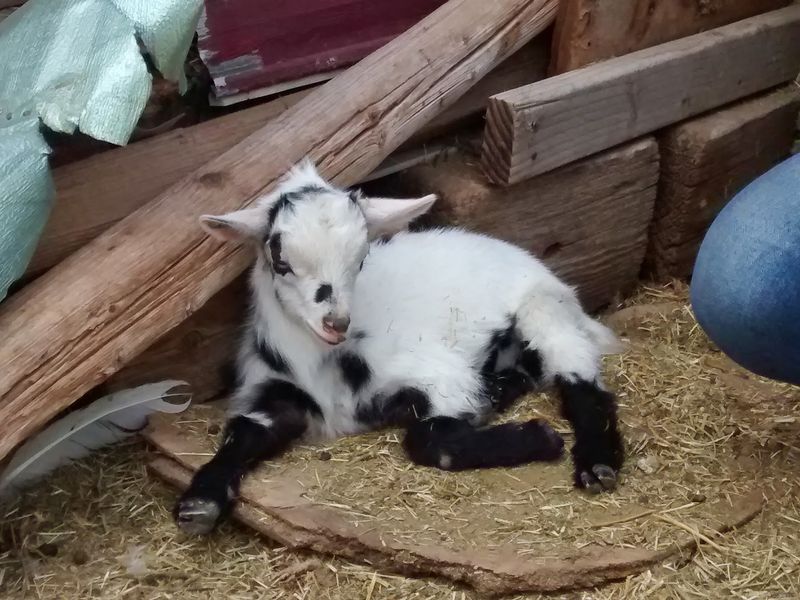
Not every resident arrived with an easy past. Many of the animals came from traumatizing situations such as hoarding and neglect.
Others were abandoned or orphaned. Some, like Scooby and his companions, were surrendered by owners who could no longer keep them but wanted them safe.
For animals with difficult histories, feeling secure is the first step. The caregivers focus on creating that sense of safety so each animal can relax and settle in.
Even the most skeptical observers seem to agree on one point. The animals know they are safe and secure in this care.
That trust is earned slowly. It comes from consistent routines, patient handling, and respect for each animal’s boundaries.
The results show up in surprising ways. One goat walked right up to a parked vehicle and let a guest pet it, a small moment that speaks to how comfortable the animals feel.
Supporters describe the residents as happy and well cared for. Seeing animals that once struggled now able to live out their lives peacefully is a big part of why people keep coming back.
Every quiet afternoon in the shade is a small victory. And at this farm, small victories add up fast.
Little Goats and a Charming Donkey
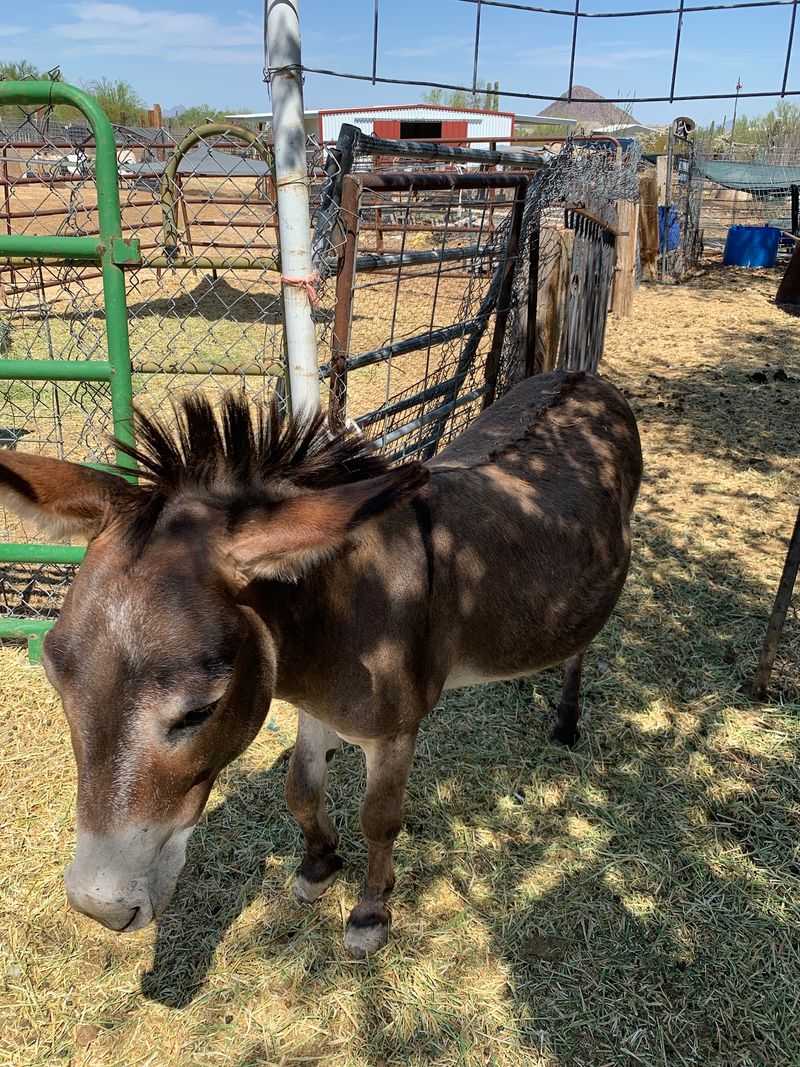
Let’s be honest. The little goats are a big reason people fall for this place.
Goats are the most talked-about residents, and guests have spent happy time giving hugs and kisses to the smaller ones. A cute little donkey has also won plenty of fans.
Goats bring personality in bulk. Some are bold and curious, while others hang back and watch the action from a distance.
The donkey adds a calmer presence to the mix. Together, the residents create a lively scene that keeps guests smiling.
Chickens are part of the crew too. Scooby arrived with two chicken companions, and the sanctuary has welcomed questions about other birds, including a little silkie rooster in need of a home.
Beyond the barnyard, dogs, cats, and birds round out the population. The variety means there is always someone new to meet.
Fun fact: goats are herd animals and generally do best with company. That makes a sanctuary full of fellow goats a pretty great place to land.
Hugs are welcome, but only on the animal’s terms. More on that etiquette next, because good manners go a long way here.
Good Manners for Young Guests
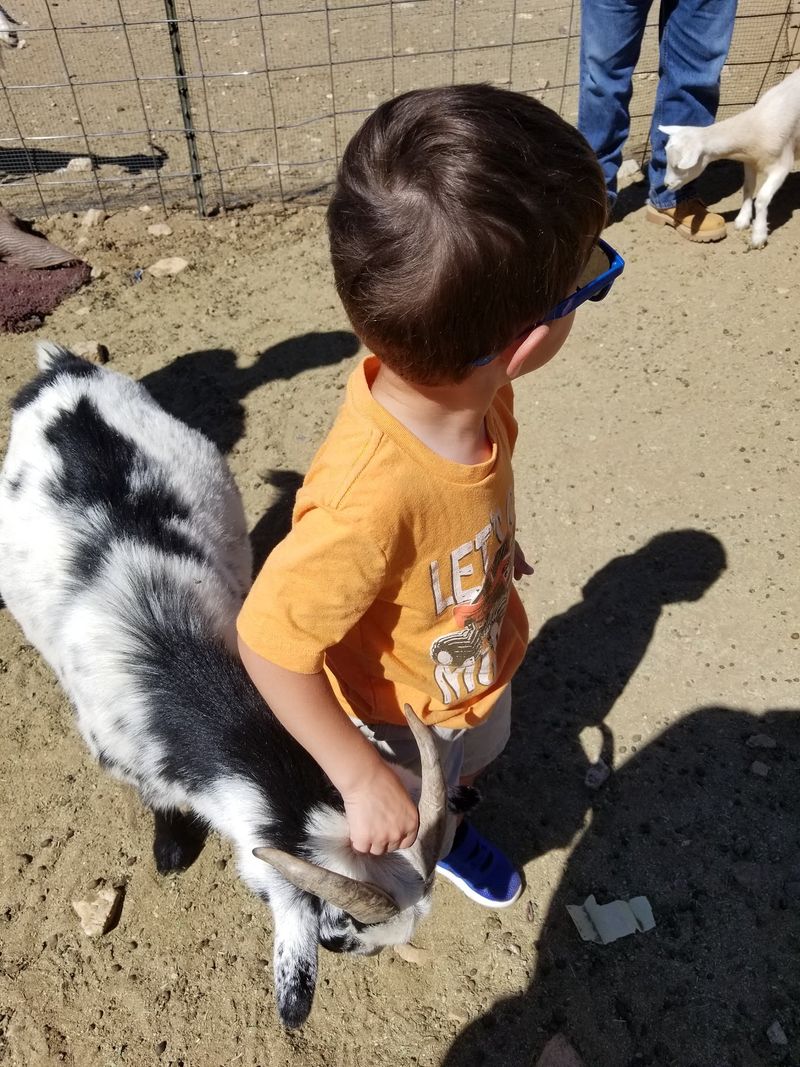
Kids love this place, and the sanctuary is a fun stop for families. There is one important rule of thumb, though.
Only bring children who listen well and respect an animal’s personal space. Many residents came from difficult backgrounds and need to feel safe around people.
That means no chasing, grabbing, or loud surprises. Calm, quiet behavior helps the animals stay relaxed and makes the visit better for everyone.
Parents can treat it as a lesson in empathy. Kids learn that animals have feelings, preferences, and boundaries, just like people.
Bringing the kids by with fruit and vegetables is a popular idea. It gives children a hands-on way to connect while letting the animals decide how close they want to get.
The caregivers are knowledgeable and happy to guide guests. Following their lead is the easiest way to make sure everyone has a good time.
Done right, a visit can leave a lasting impression on young minds. Kids may arrive excited about goats and leave understanding a bit more about kindness.
And honestly, adults can use the reminder too.
The Produce Game Everyone Wins
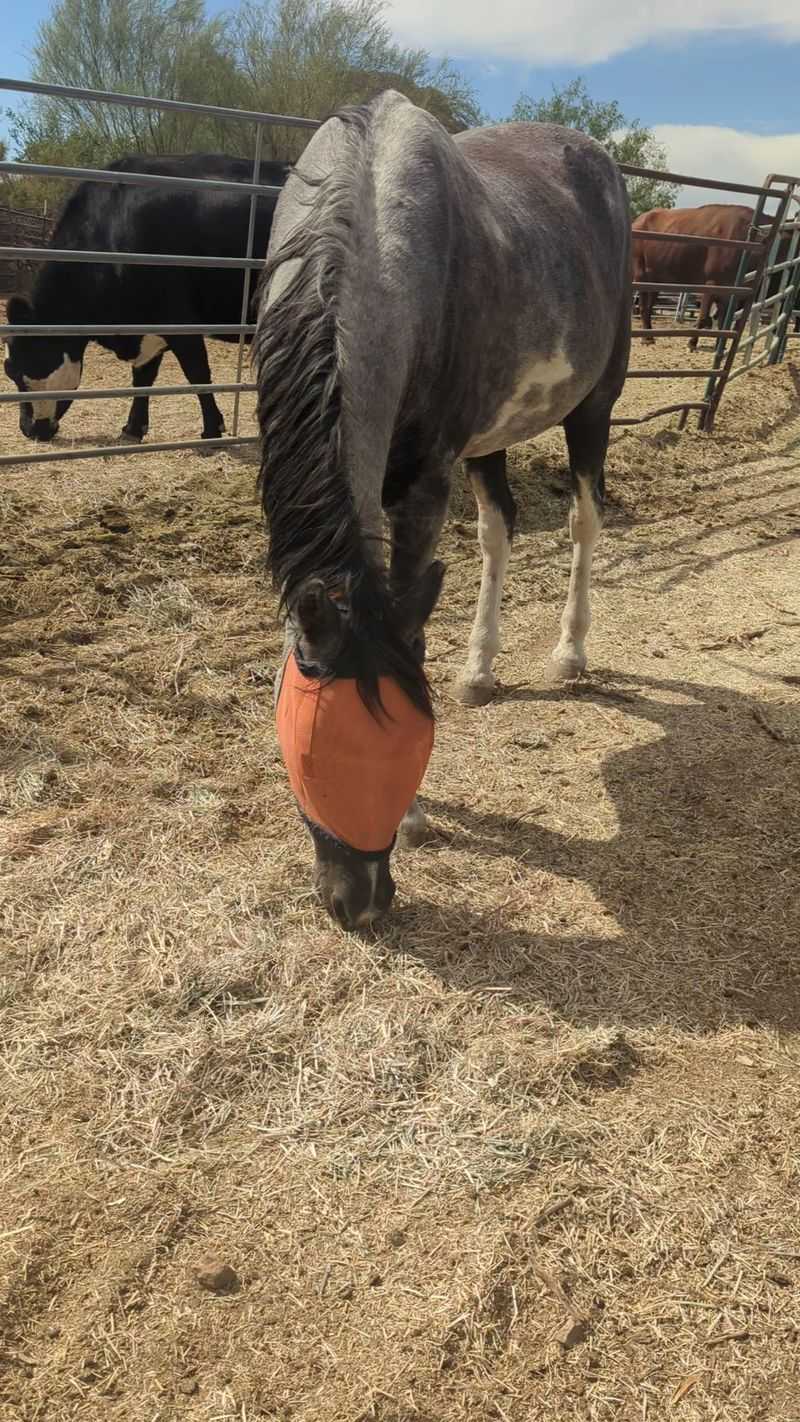
Here is a tip that turns a simple visit into a game. Bring lots of fresh fruit and vegetables.
The animals enjoy the treats, and part of the fun is figuring out who likes what. Some residents have strong opinions about their snacks.
It is a small gesture that makes a big difference. Fresh produce adds variety to the animals’ routine and helps stretch the sanctuary’s resources.
Families with kids especially love this part. Watching which goat goes for which treat becomes a highlight of the afternoon.
Before offering anything, check in with the caregivers. They know each animal’s needs and can steer guests toward safe choices.
Produce also counts as a donation. The sanctuary accepts fresh produce along with other supplies, so even leftover fruit and vegetables can help.
This is one of the easiest ways to contribute without spending much. A quick stop at the grocery store before heading out can make you very popular with the herd.
Just be ready for some enthusiastic attention once the bag comes out. Word travels fast among goats.
How Donations Keep the Gates Open
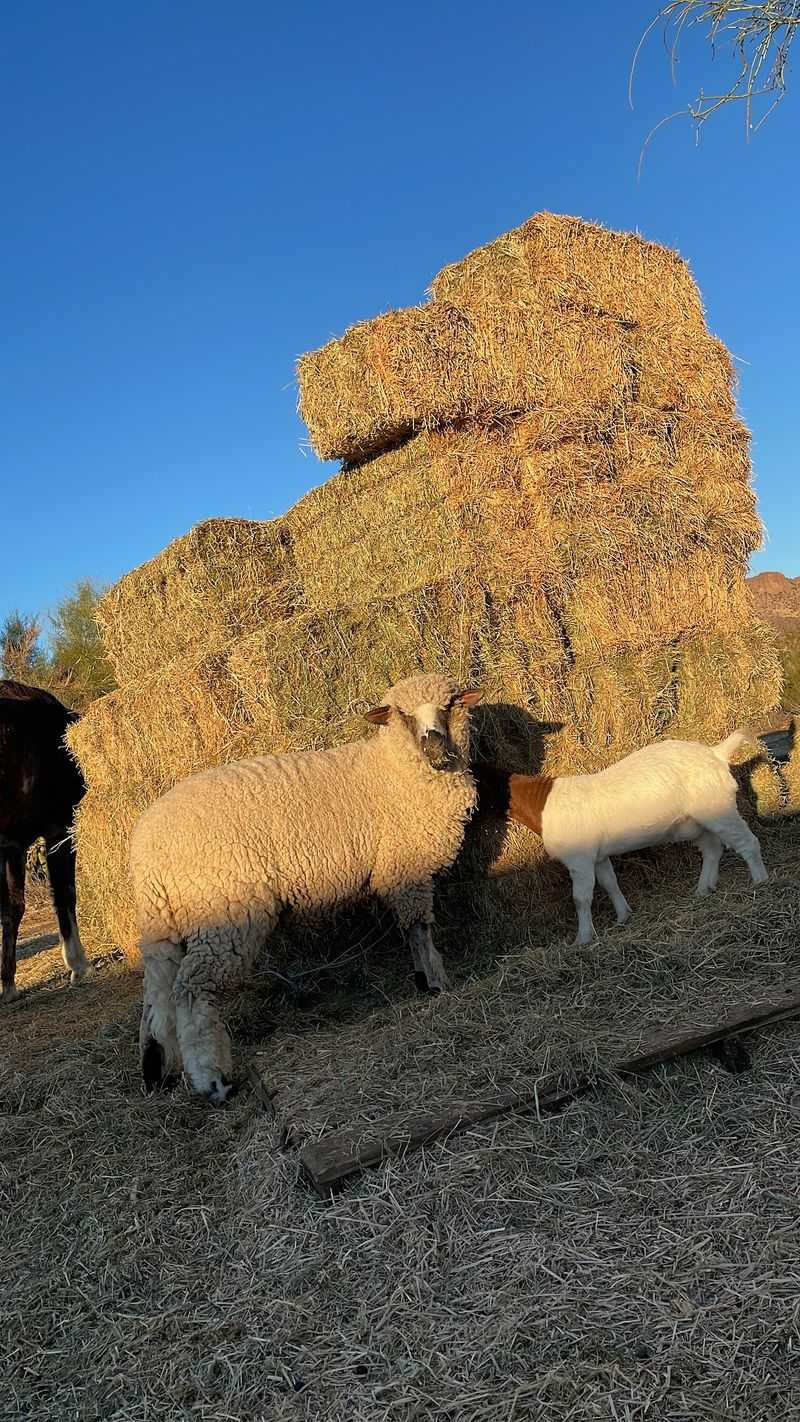
Caring for a crowd of animals every day takes more than love. It takes hay, feed, and plenty of supplies.
HoofsnHorns accepts several kinds of donations. Monetary gifts help, and so do bags of cat food, dog food, and livestock food.
Produce and hay are also welcome. Those everyday basics are what keep the animals fed and healthy all year.
Supporters feel strongly about the cause. One even suggested the state should fund the work, a sign of how much the community values what happens here.
Donations are a recurring theme among the sanctuary’s fans. The ask is simple: love is needed to care for these creatures, and support makes that love possible.
For Arizonans who cannot visit in person, giving is a meaningful way to help. Even a single bag of feed can go a long way at a small rescue.
The sanctuary’s website, hoofsnhornsfarm.org, is a good starting point for learning more. From there, supporters can find out how to contribute.
Every bale counts. Scooby, presumably, approves.
Adoption for Unusual Companions
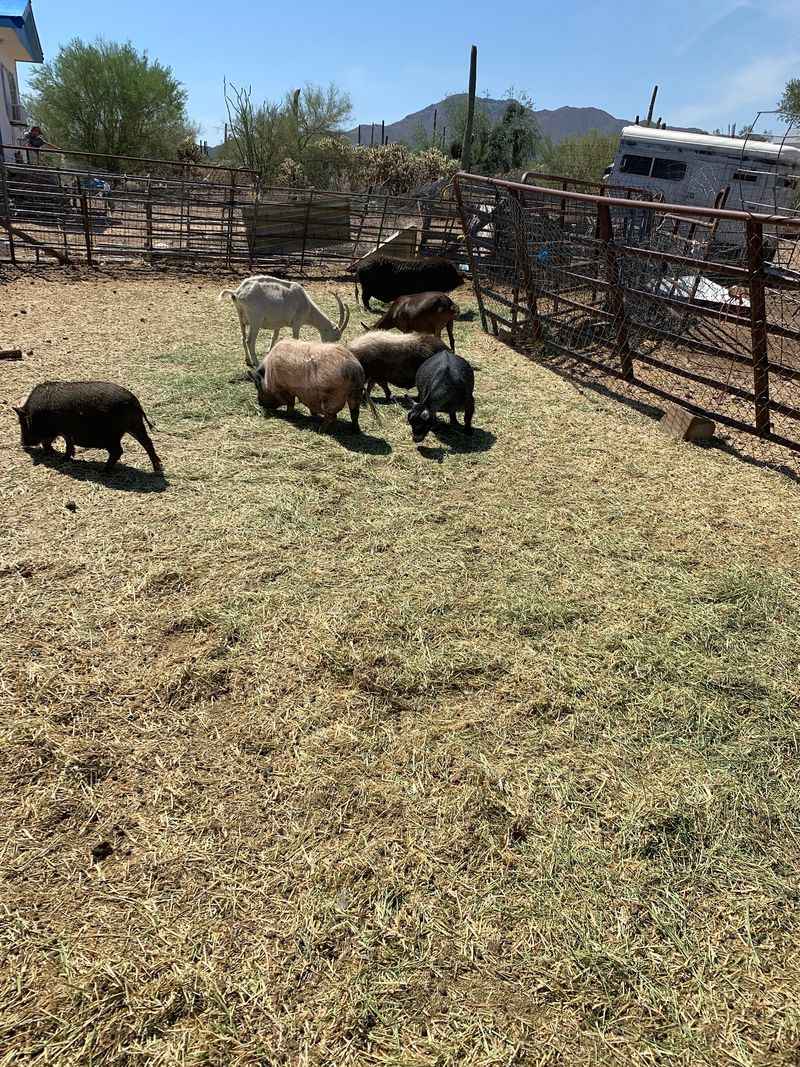
Some residents stay forever. Others are ready for a new family.
A few animals at the sanctuary are available for adoption. That is good news for anyone hoping to welcome an untraditional friend into their life.
There is a catch, and it is an honest one. Farm animals need extra effort compared to a typical house pet, so adopters should be ready for the commitment.
Supporters strongly encourage choosing rescue over buying from a breeder. Adopting from a sanctuary gives an animal a second chance and frees up space for the next one in need.
Interested families should reach out and ask questions first. The caregivers know each animal’s personality and can help match the right companion to the right home.
The sanctuary also responds to people trying to rehome their own animals. When someone asked about a little rooster they could no longer keep, the reply pointed them to email.
That two-way flow is what makes the place special. Animals come in when they need help and go out when the perfect home appears.
A goat in the backyard is not for everyone. For the right family, though, it could be the best decision ever.
Planning a Visit the Right Way
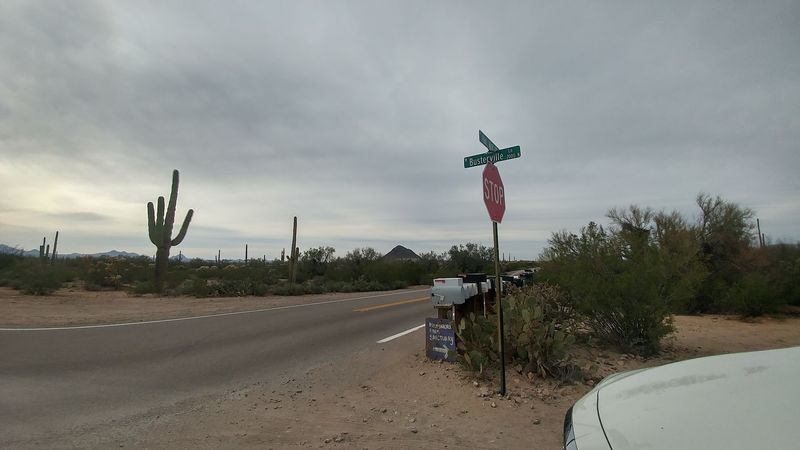
Spontaneous drop-ins are not the move here. Visits work best when scheduled ahead of time.
The sanctuary is a working rescue run by a small team, so planning ahead respects their busy routine. The caregivers have even offered to schedule a proper tour for those who reach out.
Public hours and admission prices are not listed in the available information. The best approach is to contact the sanctuary directly before heading out.
Email is the clearest way to connect. The sanctuary has shared [email protected] for inquiries, and its website is hoofsnhornsfarm.org.
Getting there means heading to the west side of Tucson near the 85743 zip code. A car is the practical choice for reaching the property.
Pack produce for the animals and consider bringing a donation of feed or hay. Both are appreciated and make the trip more meaningful.
Remind any kids in the group about calm behavior before arriving. A little preparation helps everyone enjoy the experience.
Arizona summers are no joke, so plan accordingly with water and sun protection. A cooler morning visit may suit both people and animals.
Why Scooby’s Kingdom Deserves a Spot on Your List
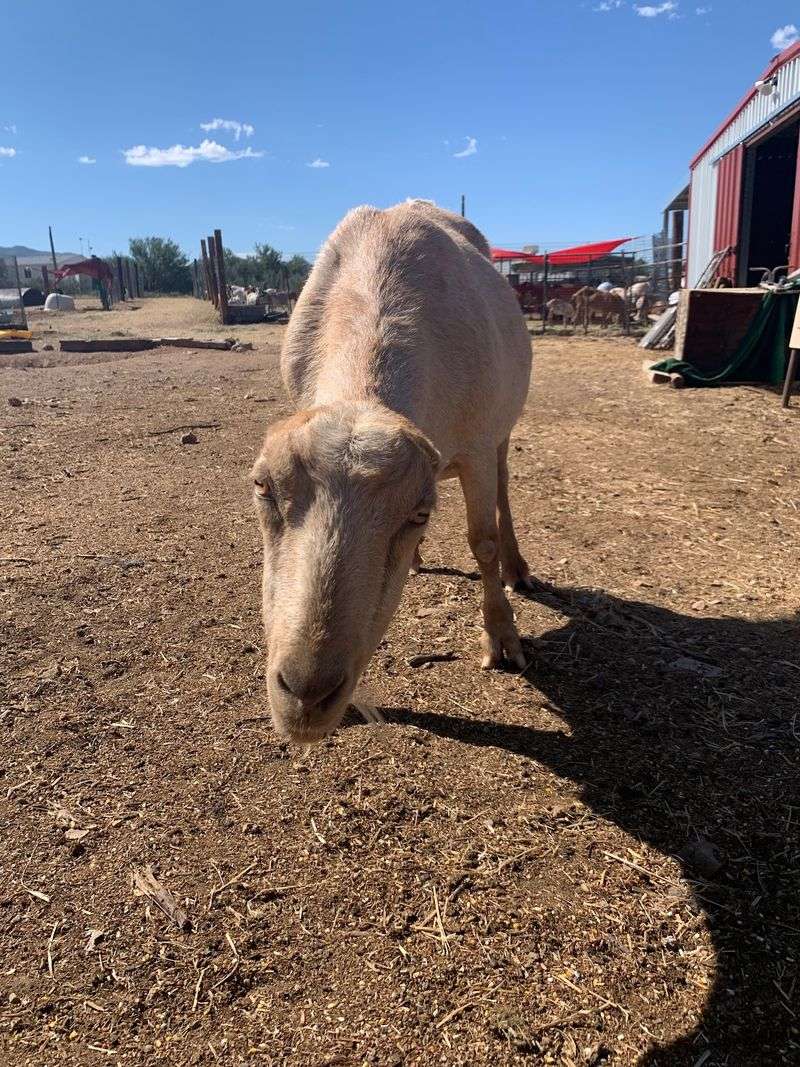
Plenty of Arizona attractions come with gift shops and parking lots. This one comes with a goat in charge and a family that never takes a day off.
HoofsnHorns Farm Sanctuary is small, personal, and full of heart. Every animal has a name, a story, and a place to belong.
The near-perfect marks from supporters over more than a decade tell a consistent story. The animals are well cared for, the caregivers are devoted, and the mission is clear.
It suits families with respectful kids, animal lovers, and anyone curious about farm rescue. It also appeals to Arizonans looking for a meaningful way to give back close to home.
Not every visit has to be a big outing. Sometimes a scheduled stop with a bag of vegetables is enough to make a real difference.
Even if you never set foot on the property, a donation can help keep the hay coming. That support allows the next rescued animal to find safety.
Tucson has plenty of desert beauty, but this kind of kindness is rarer. Somewhere out on Lariat Drive, Scooby is still running the show, and the whole herd seems happy to follow his lead.


