
Affiliate disclosure: As an Amazon Associate I earn from qualifying purchases. Learn more
If you love dusty legends, mining lore, and old Arizona movie history, this Apache Junction stop deserves a spot on your list. Superstition Mountain – Lost Dutchman Museum blends indoor exhibits with a wide open outdoor setting that feels far bigger than you might expect.
You get dramatic views of the Superstition Mountains, plenty of local stories, and enough quirky details to keep every kind of traveler interested. It is the kind of place where a simple museum visit turns into a full Wild West afternoon.
Why this museum stands out in Apache Junction
What makes Superstition Mountain – Lost Dutchman Museum special is how much it packs into one visit without ever feeling overwhelming. You are not just walking through display cases inside a small building.
You are stepping into a 12 acre setting where local history, mining lore, old film connections, and desert scenery all work together.
I love that the experience feels casual and approachable, especially if you prefer museums that let you wander at your own pace. Reviews repeatedly mention that the grounds are bigger than expected, and that is exactly the charm here.
One minute you are reading about the Lost Dutchman legend, and the next you are outside beside large mining equipment, western structures, and mountain views that instantly make the stories feel more real.
It is easy to see why Wild West fans, families, and curious road trippers keep recommending this Apache Junction gem.
The Lost Dutchman legend comes to life

The headline story here is, of course, the Lost Dutchman Mine, and the museum leans into that legend in a fun, informative way. You get context on the mysterious tale, the people tied to it, and why the Superstition Mountains still spark treasure hunting dreams today.
Instead of treating the story like pure fantasy, the exhibits ground it in regional history and folklore.
That balance is what makes the museum memorable for me. You can enjoy the mystery and drama while still learning about the real lives, dangers, and motivations behind the search for hidden gold.
Several visitors specifically mention how much they enjoyed learning about mining and the colorful Dutchman, and that enthusiasm makes sense once you start reading through the displays.
If you have ever been curious about Arizona legends, this is the place where the myth finally feels tangible.
Mining history is one of the biggest draws

If your idea of a great museum includes real industrial relics, this place delivers with a strong focus on Arizona mining history. Visitors often call out the mining displays as highlights, and one review even mentions a huge rock stamp machine in the back.
Seeing equipment like that outdoors gives the site a hands on, rugged quality that fits the story of the region.
I think these artifacts work so well because they connect the legend of lost gold to the actual mechanics of mining life. Instead of imagining the past in abstract terms, you are standing near the tools and machines that shaped it.
The outdoor setting also helps, since the machinery looks right at home beneath the desert sky and in view of the mountains that inspired so much hope, hardship, and obsession.
For history lovers, it is one of the most vivid parts of the museum experience.
The outdoor grounds are worth lingering on

Even people who say the indoor museum is relatively small usually point out that the outdoor grounds are where the visit really opens up. There are walking paths, scattered exhibits, desert plants, and plenty of room to slow down and explore.
That makes the museum feel less like a quick stop and more like a mini adventure with changing views around every corner.
I especially like that the site encourages wandering rather than rushing from one thing to the next. Reviews mention spending an hour or two here, and that feels realistic if you actually pause to read signs, study old equipment, and take in the mountain scenery.
Because the property is well maintained and pet friendly, it also feels easygoing in a way that suits casual travelers.
If you enjoy history best when it is paired with fresh air and room to roam, this place absolutely gets it right.
The Superstition Mountain backdrop steals the show

One reason this museum leaves such a strong impression is the setting. The Superstition Mountains rise behind the property with the kind of dramatic presence that instantly makes every story feel bigger.
When you are reading about lost mines, frontier life, or old movie sets with those peaks in view, the place gains a cinematic quality that standard museums simply cannot match.
I think that backdrop is a major part of why the museum appeals even to people who are not hardcore history buffs. You can come for the exhibits, but the landscape keeps pulling your attention outward.
Reviews frequently mention the views and the western atmosphere, and together they create an experience that feels unmistakably Arizonan. It is not polished in a theme park way.
It is scenic, dusty, and full of character, which is exactly what Wild West fans usually hope to find.
The mountain setting does half the storytelling for free.
Movie history adds an unexpected twist

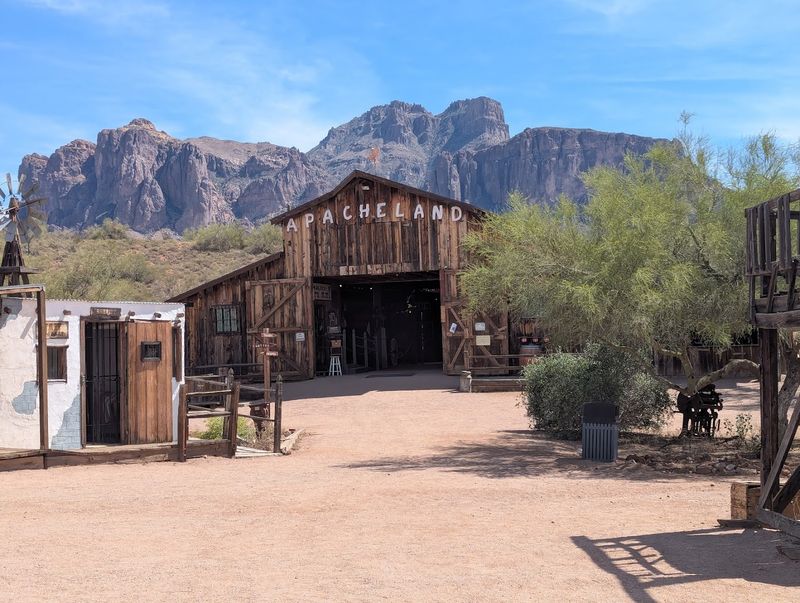
Beyond mining and folklore, the museum also taps into Arizona’s film history, which gives the visit a fun surprise factor. Several guests mention learning about filmmaking in the desert and seeing structures moved from the old Apacheland movie ranch area.
That connection makes the property feel broader than a simple local history museum.
I love that this angle adds another layer to the Wild West appeal. Instead of only focusing on what happened in the region, the museum also shows how the region was imagined, staged, and shared through classic western entertainment.
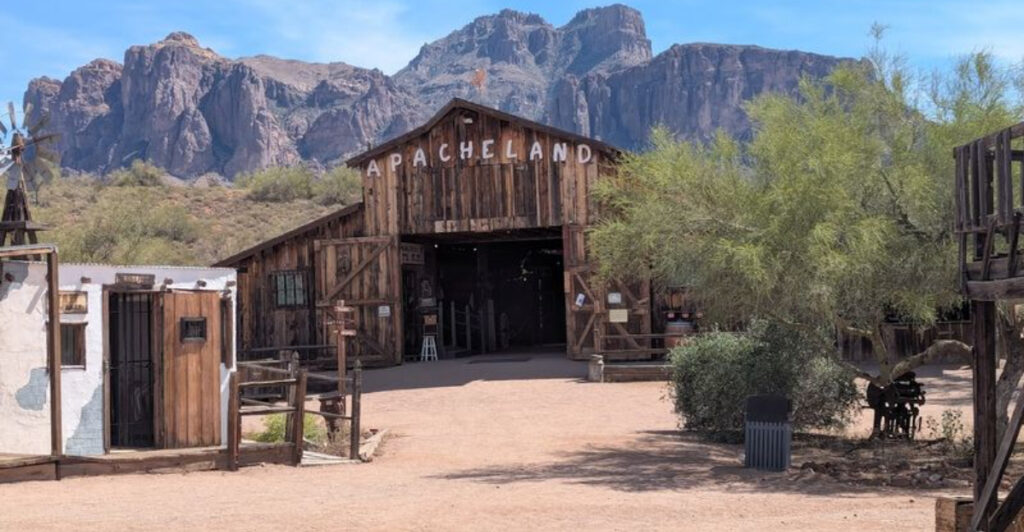
Reviews point to the Apacheland barn and other movie related details as memorable highlights, and it is easy to see why. They add nostalgia, visual interest, and a sense of cultural history that reaches beyond Apache Junction itself.
If you enjoy old western films as much as frontier stories, this part of the museum will likely catch you off guard in the best possible way.
The Elvis chapel is delightfully quirky

Every great roadside style attraction needs one thing you did not expect, and here that is the little white chapel linked to Elvis movie history. Multiple visitors specifically mention the Elvis chapel, and it seems to leave a lasting impression because it is such an unusual fit beside mining lore and frontier artifacts.
Somehow, though, it works.
I think the chapel captures the museum’s personality perfectly. It is historical, yes, but it is also playful, local, and unafraid to embrace the odd details that make Arizona travel memorable.
With the Superstition Mountains behind it, the chapel becomes more than a novelty photo stop. It turns into one of those visually striking pieces of Americana that helps define the whole visit.
Even people driving past for years often say they finally stopped because of the chapel and ended up discovering much more.
That kind of unexpected charm is a huge part of why this museum sticks with you.
Families get more than a standard museum visit

This museum works well for families because it offers enough variety to keep different ages engaged. You have indoor exhibits for adults who want the history, outdoor displays for kids who need space, and a layout that encourages curiosity instead of silence.
Reviews mention scavenger hunts, train displays, and even activities like panning for fool’s gold during special visits.
I appreciate that the family appeal does not come from flashy gimmicks. It comes from giving people multiple ways to interact with the same place.
Children can search for details outside while adults read signs about mining, movie history, and local legends. That shared experience matters, especially at attractions where everyone usually wants something different.
Some visitors do note that the smaller indoor museum may not fully engage younger kids, but the grounds clearly help balance that out.
If you want an educational stop that still feels relaxed and fun, this museum checks a lot of boxes.
The model train display has a loyal following

One of the most talked about features on the grounds is the model train area, and it clearly has a devoted fan base. Several reviews mention hoping the train is running, while others say it was a major reason for visiting in the first place.
That kind of anticipation tells you it is more than a throwaway side display.
I can see why it matters so much. A miniature train village fits the Old West mood perfectly, while also giving the museum something playful and visually rich for both kids and adults.
It adds motion, detail, and another layer of storytelling to the outdoor space. Even when people mention disappointment that the train was closed during their visit, that only confirms how popular it is.
The display seems to invite close looking, repeated visits, and a sense of wonder that complements the heavier historical exhibits.
For many guests, this little railroad world is one of the museum’s most charming surprises.
Volunteers and staff shape the experience

A place like this depends heavily on the people who bring the stories to life, and many visitors praise the volunteers for exactly that reason. Reviews describe them as friendly, knowledgeable, warm, and genuinely interesting to talk with.
That personal touch matters because local history becomes much more engaging when it is shared by people who clearly care about it.
I think volunteer energy is a big part of the museum’s charm. The site already has authenticity through its artifacts and setting, but the conversations in the gift shop or around the exhibits can make the visit feel even more memorable.
Of course, not every review is glowing, and one negative account focuses on a difficult management interaction near closing time. Still, most feedback emphasizes kindness and hospitality from staff and volunteers, which seems to be the experience the majority of guests remember.
When the human side of a museum feels sincere, the whole place becomes easier to connect with.
The gift shop and little extras add personality

Not every museum gift shop is worth mentioning, but this one comes up often in reviews, which says a lot. Visitors talk about books, postcards, souvenirs, and even bottled root beer, all of which add to the old fashioned charm.
It sounds like the kind of shop where you actually want to browse instead of just passing through on the way out.
I like these smaller details because they make the museum feel more personal and grounded in place. A postcard bargain or a cold root beer may seem minor, yet those touches can become the things you remember most after a road trip stop.
Some reviews also mention food trucks on certain days, which adds another layer of unexpected fun to the visit. Together, these extras help the museum feel welcoming rather than purely instructional.
For a site built around folklore and frontier atmosphere, those little pleasures fit the mood perfectly and round out the experience.
It is an easy, affordable stop with real value

Part of this museum’s appeal is that it feels like a good value without demanding an entire day. Reviews describe the indoor museum admission as inexpensive, and some people note that the outdoor grounds alone already make the stop worthwhile.
That combination gives you flexibility depending on your budget, schedule, and level of interest in local history.
I think that affordability helps explain the strong ratings. When a place is reasonably priced, well maintained, and packed with enough variety for an hour or two, visitors tend to leave feeling satisfied.
People also mention practical advantages like plenty of parking, free restrooms, and straightforward access. Those details may not sound glamorous, but they remove friction from the visit and let the museum’s character take center stage.
For road trippers, especially, that ease matters more than people sometimes admit.
If you want a low stress attraction with genuine substance, this museum makes a convincing case for itself.
How to make the most of your visit

If you are planning a visit, the best approach is to treat this as a place to explore slowly rather than rush through for a few quick photos. The museum is open daily from 9 AM to 4 PM, and arriving earlier gives you more time for the grounds, exhibits, and mountain views.
Comfortable shoes, water, and a little curiosity will go a long way here.
I would also keep expectations flexible. The indoor museum may be smaller than some visitors imagine, but the outdoor displays, western atmosphere, and layers of local history are what really carry the experience.
Because some features, like the model train or special programming, may vary, it helps to check current details on the museum website before you go. Most importantly, give yourself time to browse the gift shop and simply wander.
This is one of those places that rewards attention to small details.
For Wild West fans, that unhurried style is exactly what makes the visit so enjoyable.