
Affiliate disclosure: As an Amazon Associate I earn from qualifying purchases. Learn more
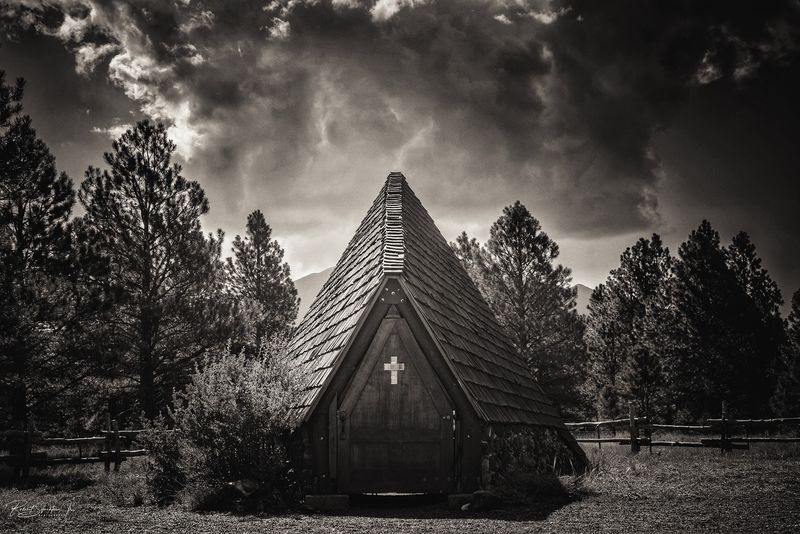
Some of the best gifts in Arizona come with no price tag, no lock, and no one standing at the door. North of Flagstaff, a small wooden building sits in the pines with a door so short it looks built for a storybook character.
Push it open, and a wall of glass puts the San Francisco Peaks right behind the pulpit. A local doctor started it in the early 1960s because he wanted strangers to share the view he and his wife loved.
It has survived a fire, a community rebuild, and decades of travelers leaving notes on its walls. It is open every hour of every day, and it costs nothing to walk in.
Keep reading to learn its story, what waits inside, and the practical tips that make a stop here easy, even in snow.
A Pine-Framed Secret Off Highway 180
Plenty of Arizona drivers have passed it without knowing it existed.
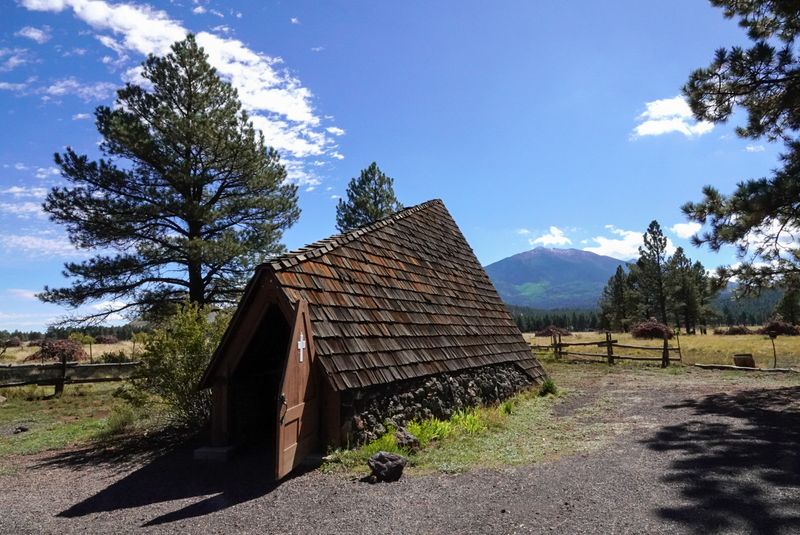
The Chapel of the Holy Dove sits along W Fort Valley Rd, Flagstaff, AZ 86001, in the United States, on Highway 180 just outside town. It rests in the Coconino National Forest near the base of the San Francisco Peaks.
The road it lines is the route many people take between Flagstaff and the Grand Canyon. A small pull-off and parking area mark the spot, so it is easy to slow down and turn in.
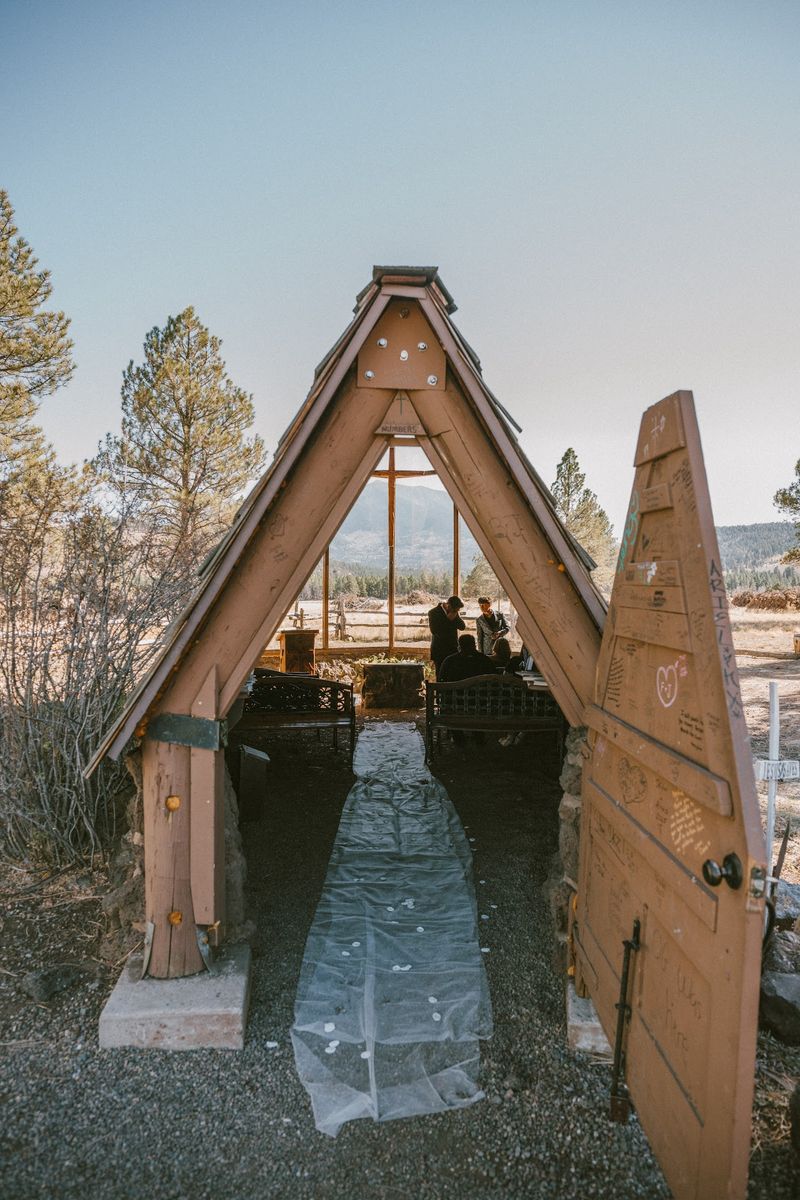
From the road, the building looks almost too small to matter. A steep A-frame roof, a ponderosa pine frame, and a foundation of local volcanic rock give it a look that stands apart from any other roadside stop in the state.
Many people admit they only pulled over because the design caught their eye. That curiosity tends to pay off within a few steps.
It is listed simply as a chapel, but it works more like a shared front porch for the whole region. Locals stop on quiet weekday drives, families pause on road trips, and tour groups heading north make it a brief break.
The best part of the address is what sits behind the building, and that view is the whole reason it exists.
Dr. Lacy and a View Worth Sharing
Long before it became a road trip ritual, this spot was a private refuge for one Flagstaff couple.
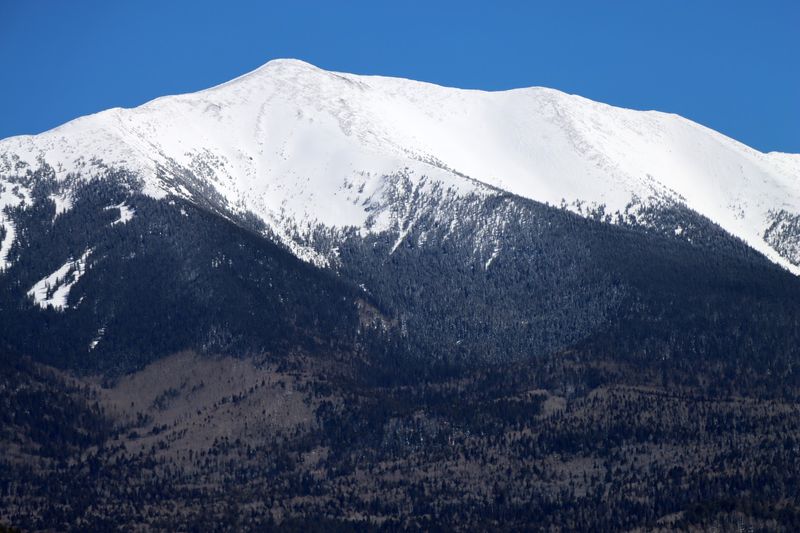
A local physician, Dr. Lacy, and his wife found rest in the view of the San Francisco Peaks from this patch of land. Rather than keep it to themselves, the doctor decided travelers deserved a chance to enjoy it too.
Construction took place from 1961 to 1962. The result was a modest chapel aimed straight at the mountains, open to anyone who wanted to come inside.
That choice says a lot about the man behind it. He could have built a cabin or a fence, yet he built a room meant for strangers.
Dr. Lacy lived until 1991, and afterward the land and the chapel were placed in his wife’s trust. Her later decisions would shape what stands on the site today.
Few roadside buildings in Arizona carry such a simple origin story. A doctor liked a view, and he handed it to the public.
That generous starting point still defines the place, though the building itself went through a dramatic chapter before reaching its current form.
From Ashes to a Teen-Led Rebuild
In 1999, the original chapel burned down to its foundation.
For many roadside landmarks, that would have been the final chapter. Here, it became the start of a community project.
Mrs. Lacy gave permission for 18-year-old Christen McCracken and the local public to raise money and rebuild. A teenager stepping up to restore a beloved spot is the kind of detail that makes Flagstaff locals proud.
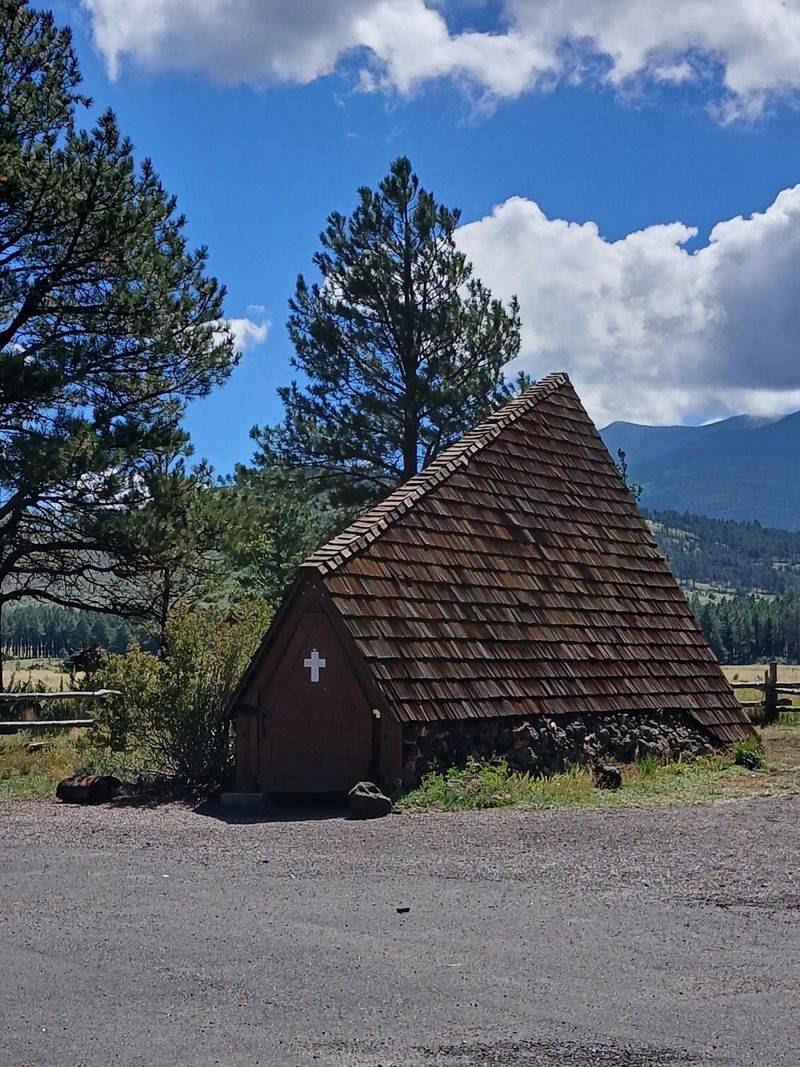
The new chapel was finished in 2000. It kept the spirit of the first one, with a pine frame and that volcanic rock base still anchoring it to the ground.
Knowing the backstory changes how the little building reads. Every board represents neighbors who decided the view should stay open to everyone.
Families who have visited for years mention finding their names on the walls, along with prayers and signatures from decades ago. That sense of continuity carries across both versions of the chapel.
A fire took the structure, but it did not take the idea. The rebuilt chapel stands as proof that a good gift can be handed down twice.
The Hobbit-Sized Front Door
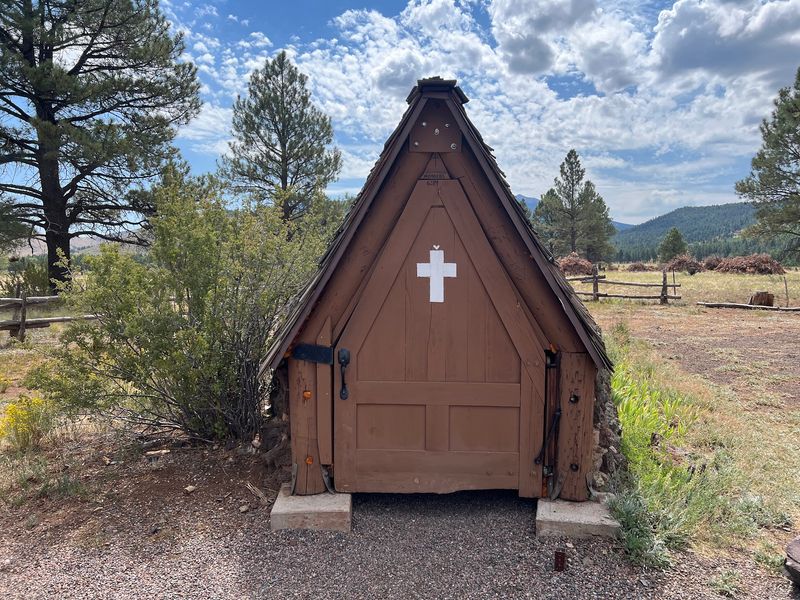
Short door, big payoff.
The entrance is famous for being small, and more than a few people compare it to a hobbit door. From the outside, the whole building can look like it was sized for children.
That first impression is part of the fun. The door feels less like a standard wooden entrance and more like a portal into a calm room.
Tall folks may want to watch their heads. Nobody wants their first memory of a peaceful chapel to be a bump on the forehead.
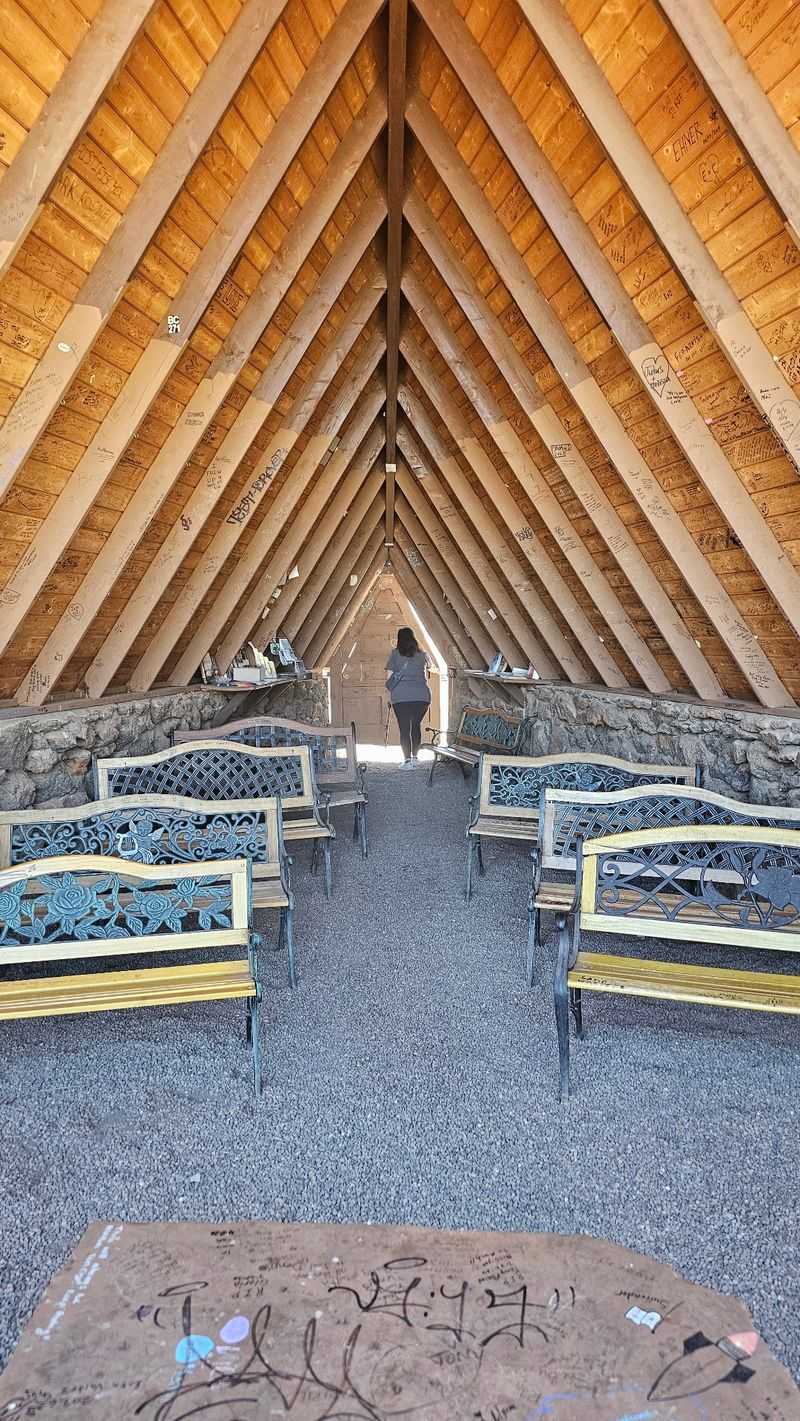
Once inside, the scale flips completely. The ceiling rises with the steep pitch of the A-frame, and the space feels far larger than the exterior suggests.
It is a clever bit of design, intentional or not. The narrow approach builds a little suspense before the room opens up.
Kids especially seem to love the reveal, and grandparents enjoy watching them discover it. That small doorway does a lot of heavy lifting for such a modest piece of carpentry.
Mountains Behind the Pulpit
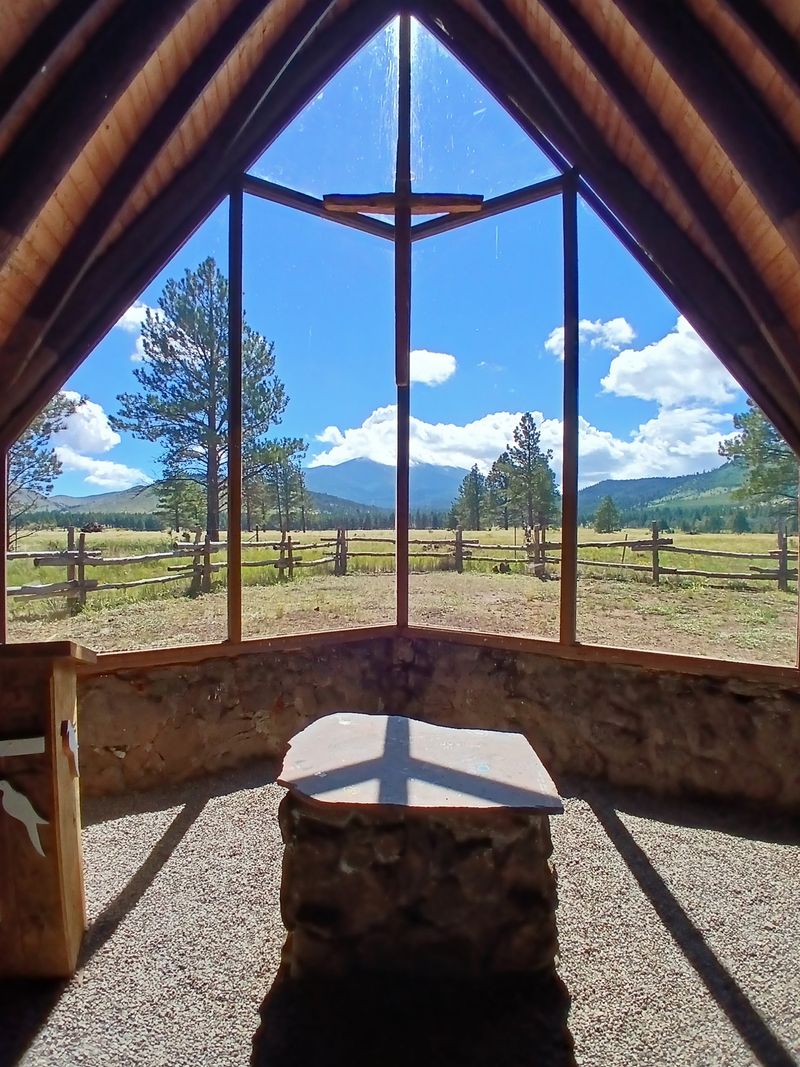
Most churches hang art behind the pulpit. This one installed the San Francisco Peaks.
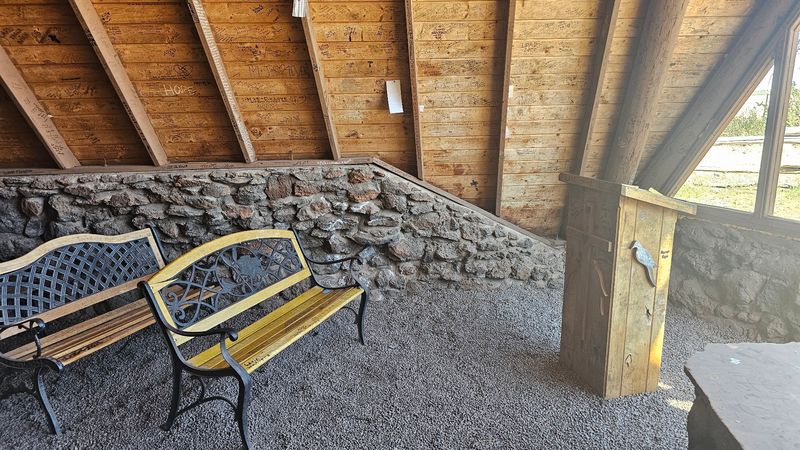
The back wall is a full bank of large windows, and the A-frame lines lead the eye straight toward them. The mountains end up feeling like part of the building rather than something outside it.
Pine trees and open meadows fill the space between the glass and the Peaks. The arrangement is simple, which is exactly why it works.
This was the view Dr. Lacy wanted to share. Standing at the back of the room, it is easy to see why he thought it was worth a building.
Light pours in through those windows during the day, so the interior rarely needs anything extra. The glass does the decorating.
Arizona has its share of famous church settings, yet few put a mountain range directly on stage this way. For locals, it is a reminder that Flagstaff’s high country holds views that rival anywhere.
Plan to spend a few quiet minutes in a pew just looking forward. The window rewards patience more than a quick photo.
Walls Covered in Messages
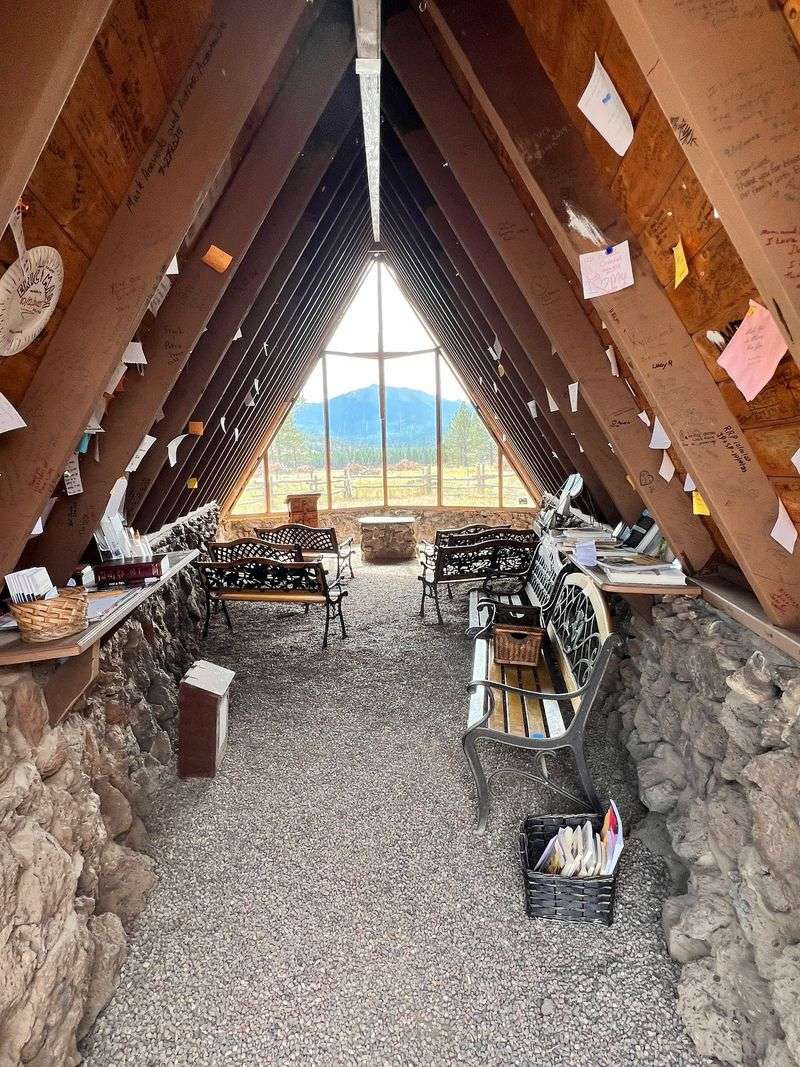
After the view, the walls steal the show.
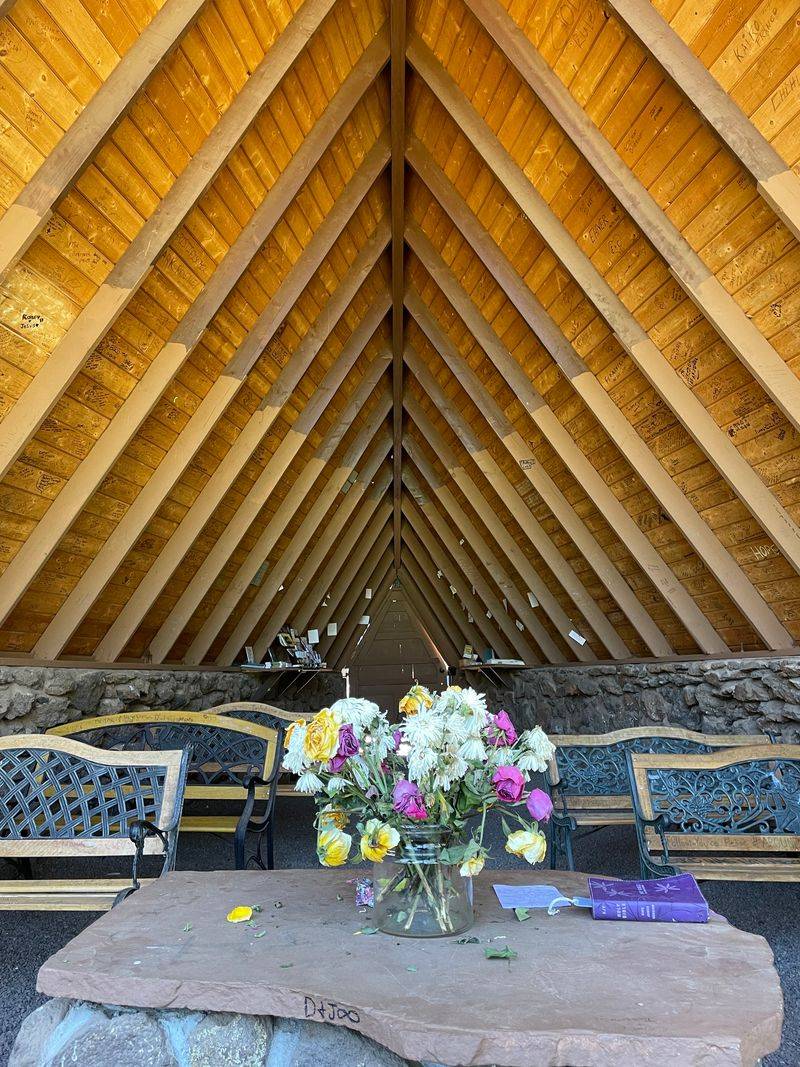
Notes of love, encouragement, and prayer are tacked up all over the interior. Couples planning weddings post their plans, and others simply leave a message saying they were glad they came.
Signatures and scribbles stretch back years. Some families return again and again and can find their names written somewhere in the room.
Reading them becomes an activity on its own. It is a bit like flipping through a guestbook that thousands of strangers have filled together.
Shelves hold items left behind, and there are free books about faith and prayer to browse. A Bible is available for anyone who wants to read a passage.
The messages give the space a living quality that a newer, polished building might lack. Every visit leaves the walls slightly different than before.
Bring a pen if you want to add your own line. Just keep it kind and tidy, since the next family will be reading it too.
A Prayer Box and Quiet Pews
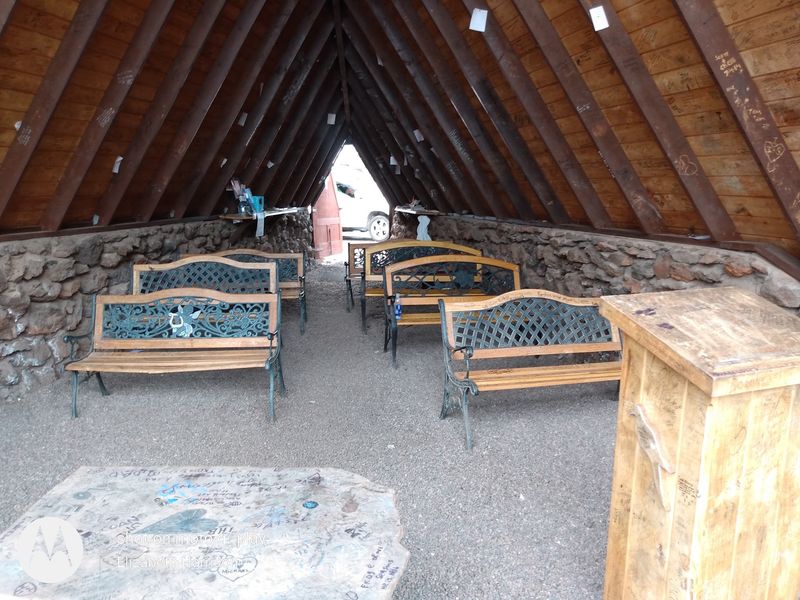
Inside, the furnishings are refreshingly plain.
A few pews and a pulpit make up most of the setup. It seats perhaps 20 or so people, which keeps the mood personal.
A prayer request box sits on site. Anyone can leave a request, with the understanding that someone will pray for them.
That small feature means a lot to people of faith passing through. It turns a brief stop into something that carries forward after they drive away.
For those who are not religious, the room still offers a place to sit and think. Some come to meditate, some to pray, and others to rest from the road.
Solo worship is common too. Some regulars say they have had the chapel entirely to themselves each time they stopped.
No sermon schedule, no greeter, and no pressure. The pews simply wait for whoever needs a seat that day.
Open Every Hour, Locked Never
Here is a schedule that is easy to remember: always.
The chapel is open 24 hours a day, seven days a week. It is never locked, and it runs entirely on the honor system.
That means a sunrise stop, a lunch break detour, or a late drive home can all include a visit. Few places in Arizona offer that kind of access.
The arrangement depends on everyone pitching in. Clean up after yourself, close the door, and leave the space ready for the next person.
That trust is part of the experience. A building left open to the public for this long says something about the people who use it.
Many describe the round-the-clock access as a gift to both travelers and locals. It fits the original idea of sharing the view with anyone.
There is no gatekeeper to thank, so respecting the space is the best thank-you available.
Free Admission and a Donation Box
The cost of entry is zero dollars.
Walking in, sitting down, and enjoying the view are all free. A donation box on site lets people contribute if they choose.
Those donations help keep a volunteer-minded place going. Since there are no tickets, a few dollars in the box goes a long way toward upkeep.
For budget-conscious Arizonans, it is a rare outing with a world-class backdrop and no fee. Retirees on a fixed income can enjoy it as often as they like.
A caretaker is sometimes on hand and has been known to share the chapel’s history with anyone curious. Catching that conversation is a lucky bonus.
The website for the chapel is linked through fcfonline.org for those who want more background before going.
Free does not mean careless, though. Treat it like a friend’s home that happens to have the best window in Coconino County.
Weddings Without a Reservation Desk
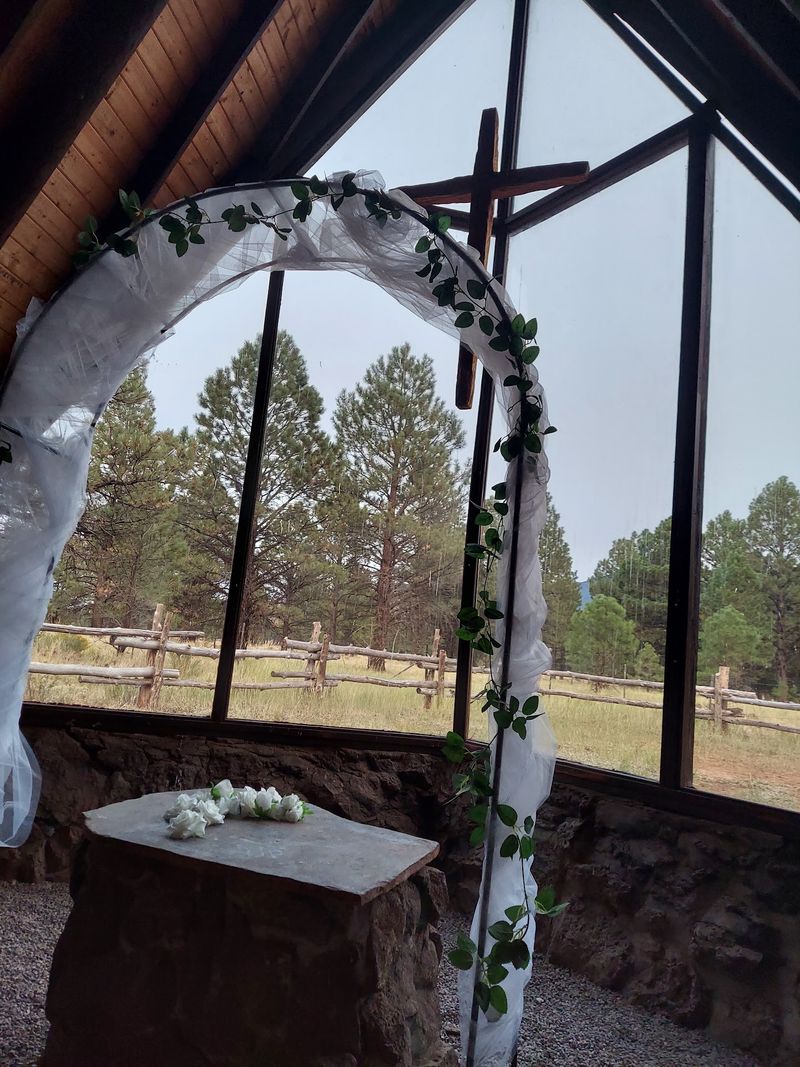
Hundreds of couples have said their vows in this little room.
Weddings are free, and there are no reservations. It works on a first-come, first-served basis.
Couples typically write their date and time in a journal or calendar kept at the chapel. Be aware that another pair might write in a time shortly after yours on the same day.
Signing your name is part of the honor system. Notes on the walls often come from people announcing their upcoming ceremonies.
The size suits small gatherings, with seating for roughly 20 guests. Big receptions will need to happen elsewhere.
For Arizona couples who want mountain views without a venue bill, it is hard to beat. Parents have proudly shared that their children married here.
Plan a backup timeline and stay flexible. A relaxed attitude matches the spirit of the place far better than a rigid schedule.
Snow Season at the Chapel
Flagstaff winters transform the setting.
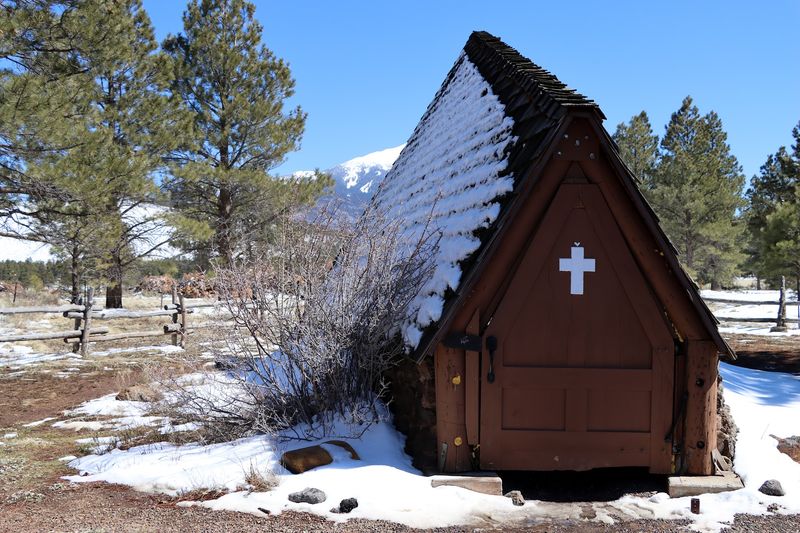
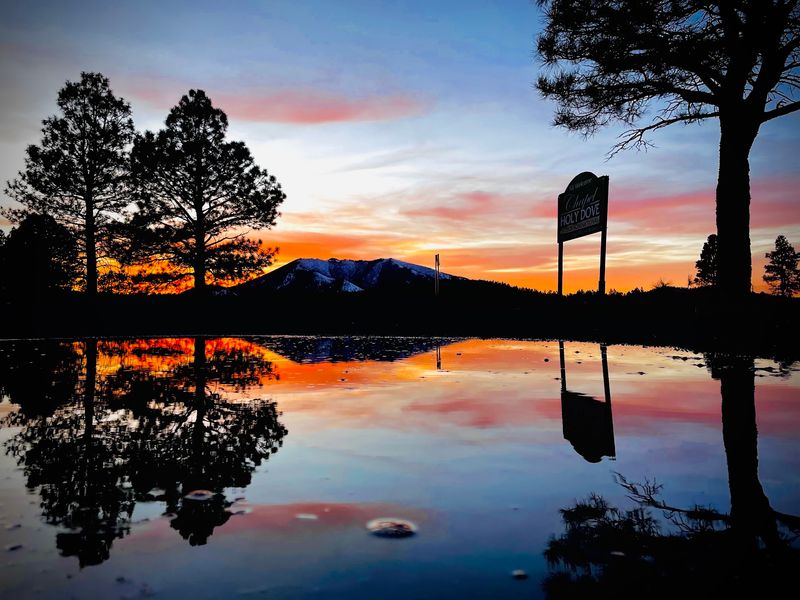
Fresh snow around the chapel adds to the peaceful mood, and many say a snowy visit felt especially calm. The Peaks turn white behind the windows.
Winter comes with real considerations, though. There is no heating or air conditioning, and the interior gets very cold.
Dress in layers even for a short stop. Gloves and a warm hat are smart choices.
Parking can also get tricky. After snowfall, the chapel’s own parking area may not be usable.
A small parking lot a short walk away is often easier to use when snow has recently fallen. Allow extra time and wear sturdy boots.
For Phoenix and Tucson residents, a snowy chapel visit makes a fine winter escape. Just come prepared rather than surprised.
Gravel Floors and Other Practical Notes
A few details are worth knowing before you go.
The floor is gravel, so walking in heels can be difficult. Brides and guests may want to choose footwear with that in mind.
There are no restrooms on site. Plan a stop in Flagstaff before heading out on Highway 180.
The chapel has no climate control in any season. Summer days in the high country tend to be pleasant, but conditions vary.
A typical visit runs about 5 to 10 minutes, though lingering is easy. It makes a handy leg stretch on a longer drive.
Bring a pen for the walls or the wedding calendar. A little cash for the donation box is a thoughtful touch.
Pack out anything you bring in. Small habits keep this free place in good shape for everyone.
Who Will Love This Stop
The audience here is broad, and that is by design.
Road trippers headed to the Grand Canyon get an easy, memorable detour. Grandparents traveling with grandkids enjoy watching the little ones explore.
People of faith find a place to pray, read, and leave requests. Others use it for quiet reflection or simple rest.
Photographers like the A-frame against the sky. Some even turn their shots into paintings later.
Couples seeking an intimate, budget-friendly wedding find a mountain backdrop at no charge.
Flagstaff locals can treat it as a reset button only minutes from town. It is the sort of place longtime residents mention with a quiet sense of ownership.
Anyone looking for nightlife or big attractions should look elsewhere. This stop is all about slowing down.
A Small Gift Worth Accepting
Some places try hard to impress. This one just opens the door.
A doctor wanted strangers to borrow his view, a teenager helped bring it back after a fire, and countless people have left their names behind since. That chain of generosity is the real attraction.
The chapel is not grand or fancy. Its humble size and simple pews are exactly what make it memorable.
For Arizonans, it is proof that remarkable spots can hide in plain sight along a familiar highway. Many drive past for years before finally stopping.
Next time Highway 180 is on the itinerary, budget a few extra minutes. Duck through the little door and take a seat facing the Peaks.
Leave a note, drop something in the box, and close the door gently on the way out. Dr. Lacy’s view will be waiting for the next stranger.


