
Affiliate disclosure: As an Amazon Associate I earn from qualifying purchases. Learn more
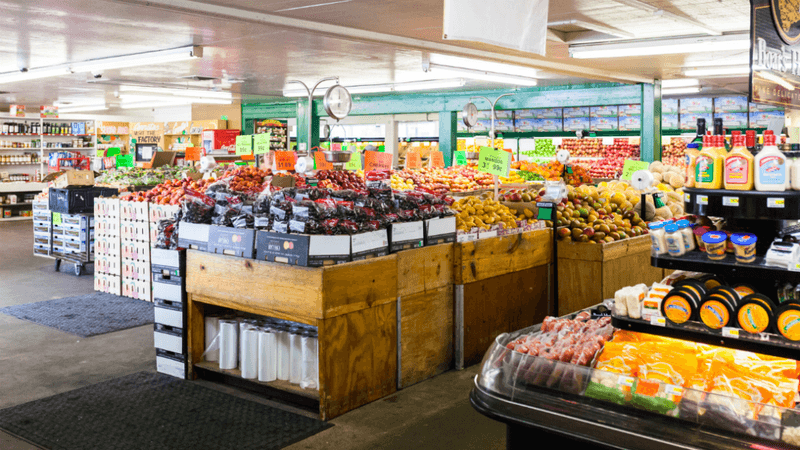
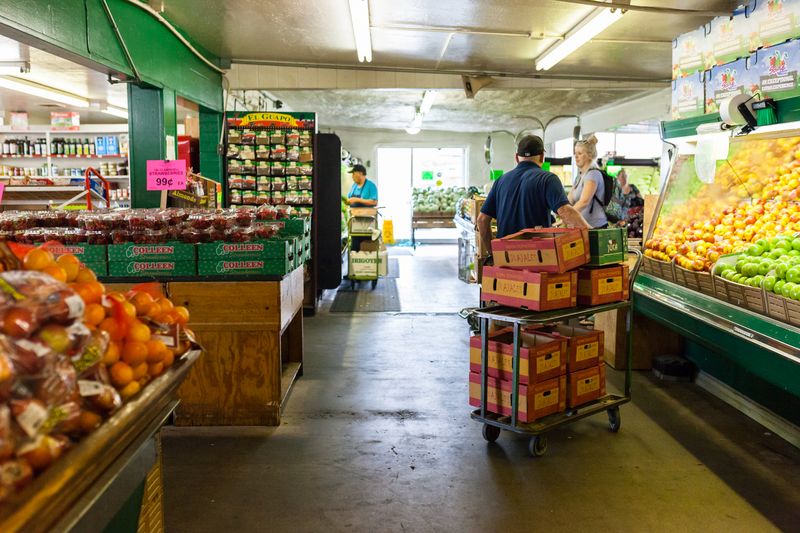
Some Mesa errands feel like a chore, and then there is the one locals happily make room for. It sits on a busy East Valley road, and the parking lot is often packed by midmorning.
Inside, butternut squash has sold for 39 cents a pound, and a cart of fruit and vegetables can come in around 20 dollars. There are crates of melons by the front door and a back room full of marked-down finds.
You can also find local honey, salsas, and a candy wall that can quietly drain a wallet. Behind it all is a family-run business that has worked with some of the same farmers for three generations.
The guide ahead covers where it is, what to grab, what to double-check before buying, and when to go. That way your first trip feels like your tenth.
A Mesa Market With a Mountain in Its Name
Arizona has plenty of places named after the Superstition Mountains, but few get as many repeat trips as this one.
Superstition Ranch Farmers Market sits at 4755 E Main St, Mesa, AZ 85205, in the East Valley of Arizona, United States. It is a produce market known for deals, run by a local family rather than a big chain.
The basic idea is simple. Fruits and vegetables are sold at discount prices, and the shelves fill up with items from local farmers, bakers, beekeepers, and small mom and pop vendors.
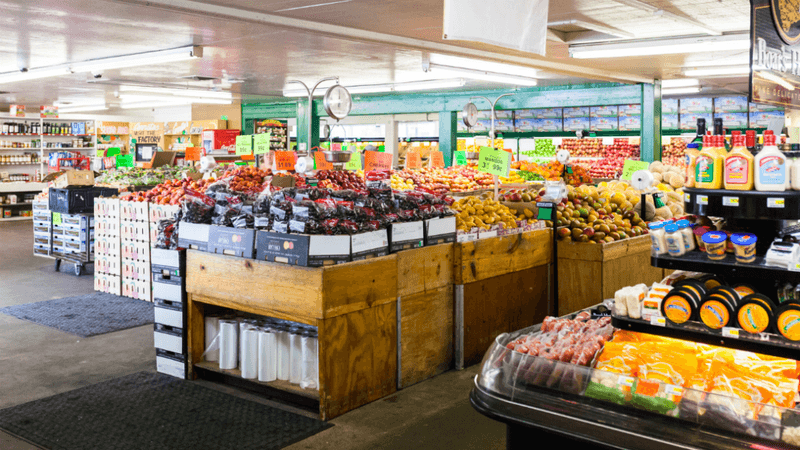
Do not expect a sprawling weekend-only setup with tents. It is a real store with checkout lanes, open seven days a week, and that matters to anyone who cannot make a typical farmers market before noon.
The market also carries far more than produce. Breads, nuts, honey, meats, cheeses, frozen foods, and jars of pickled goods share space with the bins of fruit.
Shoppers drive in from well beyond Mesa, some all the way from Casa Grande. For people living a mile away, it has become the go-to stop for a last-minute dinner ingredient.
So what keeps a busy produce stand on Main Street running strong? The answer starts with the family behind the counter.
Three Generations of Farmer Handshakes
Long relationships are the quiet engine of this place.
The market is family owned and family run, with an owner named T.J. who personally answers many of the comments the store receives. His name shows up again and again, thanking shoppers for supporting local growers.
According to the owner, the market has relationships with farmers going back three generations. He stands behind those growers for farming naturally and ethically, and says none of them use seeds with pesticides built in.
That kind of loyalty runs both ways. The same farmers, bakers, and beekeepers have stayed with the business over the years, and the owner says the store has not changed its core approach.
He also takes time to clear up common confusion. The four-digit stickers on produce are universal price codes that help cashiers ring things up correctly, not a label about how something was grown.
There is a real small-business voice here. The owner talks openly about choosing a local market over large corporate chains and invites shoppers to ask for him in the store.
That personal touch shapes everything else on the floor, starting with the long tables of fruit and vegetables.
Produce Prices That Make Grocery Receipts Blush
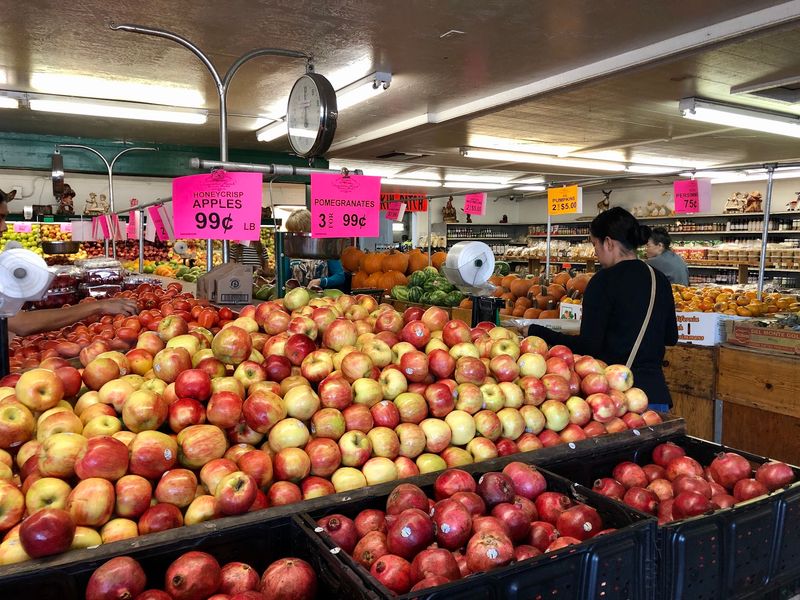
Thirty-nine cents a pound for butternut squash is the kind of number that gets people talking.
Low prices are the main draw. Most items cost noticeably less than at chain grocery stores around the Valley, and shoppers often leave with four or five bags of produce for roughly 20 dollars.
Some shoppers have filled a weekly meal prep haul for about 27 dollars. A family of six once stocked an entire refrigerator with fruit for around 67 dollars.
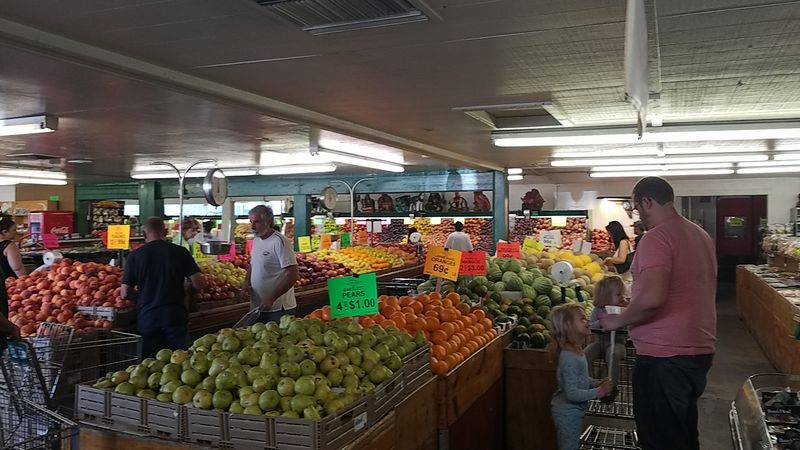
Variety keeps things interesting too. Expect vegetables, berries, strawberries, blueberries, tangelos, watermelons, and grains, with some items sold in bulk.
Unusual finds pop up as well. Yellow flesh watermelon has turned more than one first-timer into a convert, and the owner admits it looks odd but stands by it.
Organic fruits and vegetables appear now and then, though not every day. Local produce rotates with the seasons, so early summer may feel a bit light on certain crops.
Not everything is a steal. A few packaged items, like some desserts, can match or top chain store prices, so it pays to watch the tags.
And the best bargains are not always on the main floor.
The Discount Corner and the Back Room
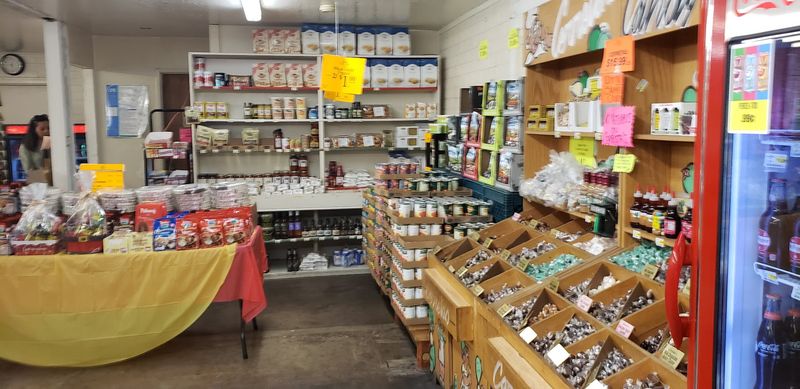
Bargain hunters, this section is your treasure map.
Big crates of melons and other items often sit outside in front of the store. Nearby, a discount area outside holds marked-down produce for anyone willing to sort through it.
Inside, the back room is known for well-priced steals. It is a spot where patience pays off, and quick shoppers often miss it entirely.
The thrill here is the surprise factor. Regularly stocked items stay on the shelves, but one-and-done products show up on random days, things nobody expected to find.
There is also a small room off the lettuce area with packaged goods. Check dates on items there before tossing them in the cart.
The owner explains that best-by dates differ from sell-by dates, and he only offers food he considers safe. He has also promised closer checks on code dates after a shopper flagged older snacks.
Treat the discount zones like a slow browse rather than a sprint. That approach turns a routine stop into a mini adventure.
Of course, some of the most loved shelves hold things from local hives and kitchens.
Local Honey, Salsas, and a Pickle Parade
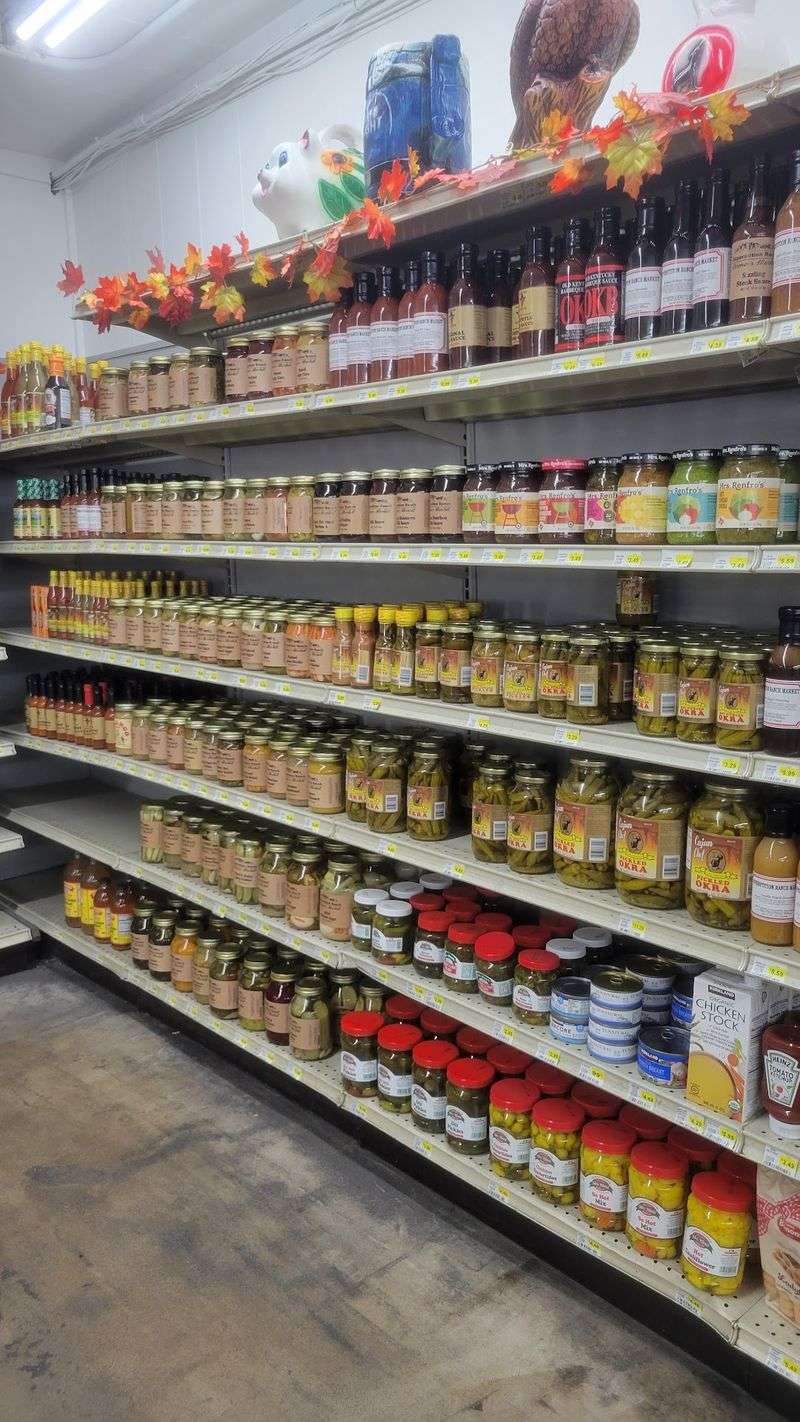
Beekeepers get a shout-out in nearly every thank-you note from the owner, and for good reason.
Honey is one of the most popular picks in the store. Shoppers often grab a jar on the way to checkout, and it comes from local beekeepers who work with the market.
Right alongside it are local salsas. They round out the shelves of Arizona-made products that set this market apart from a standard grocery aisle.
The pickled section draws its own fan club. Jars of pickled vegetables and other goodies line up for anyone who likes a little extra on the dinner table.
Local beverages appear too, including a well-liked Arizona lemonade brand called AZ Lemonade Stand. It is a small detail, but it shows the store’s habit of stocking homegrown companies.
Breads and baked goods come from small local bakers. The owner points out that they are made fresh, not frozen and thawed.
All of this adds up to a shelf-by-shelf tour of East Valley makers. It is hard to leave with only vegetables.
Then again, the store holds even more surprises past the jars.
Nuts, Cheese, and a Candy Wall
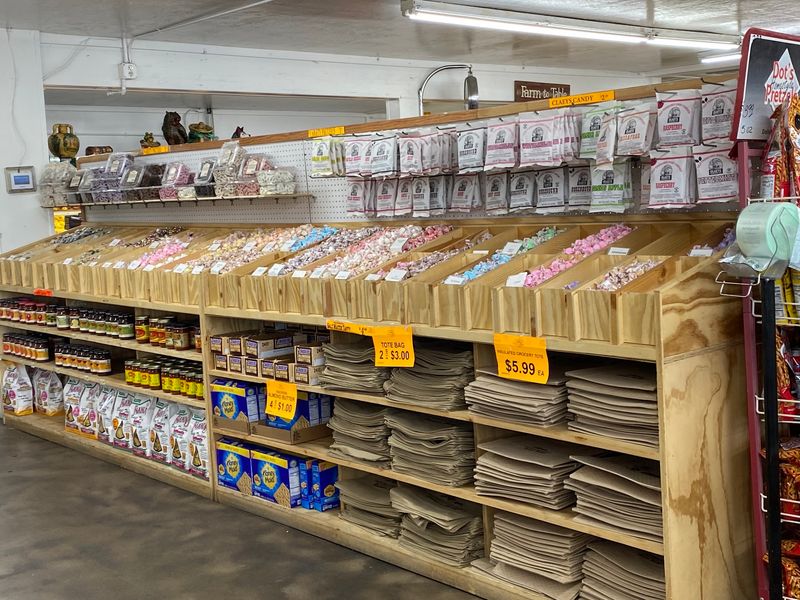
Brazil nuts are usually a scavenger hunt, yet they turn up here.
The nut selection is wide, covering many varieties that can be tricky to find elsewhere. It is one of the more talked-about parts of the store.
Beyond the produce, the market carries everyday groceries. There are meats, refrigerated cheeses, chips, drinks, frozen foods, and canned and jarred goods.
Then comes the candy wall. It holds chocolates and old fashioned treats like taffy, plus a large selection from Cerreta’s, the Glendale-based chocolate maker.
French mint and dark French mint are favorites among Cerreta’s fans. The owner calls it the best chocolate in the world, which is quite the endorsement from a produce guy.
A word of caution, though. Candy and chocolate are sold by weight, and a handful of picks can add up faster than expected, sometimes around 12 dollars.
During the cooler months, a seasonal popcorn vendor sometimes sets up outside. He is a snowbird who heads back north when the weather warms.
With so many aisles to explore, a few smart habits make the trip smoother.
How to Shop Like a Regular
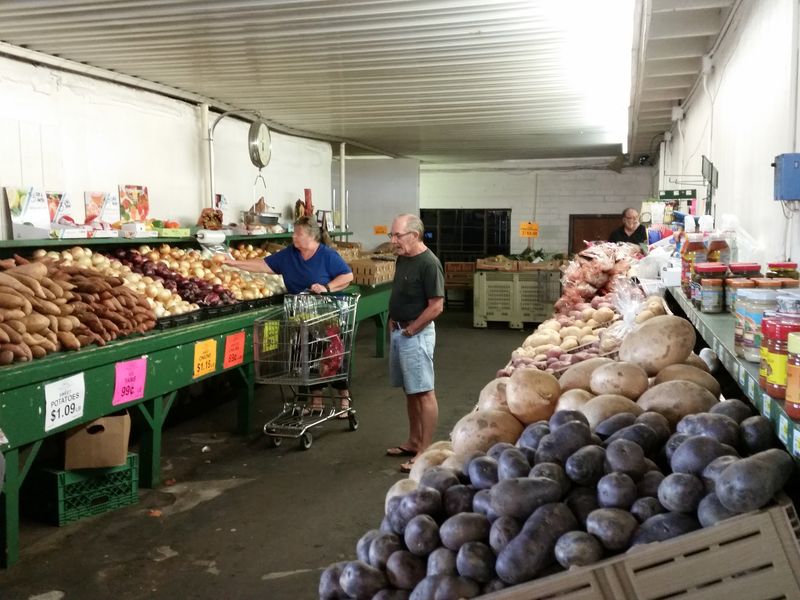
Smart shoppers here follow one golden rule: open the berry container first.
Berries are popular and cheap, but a pint may include a few bad ones. Take a moment to look before buying.
Ripeness matters too. Much of the produce is ready to use right away, so some fruits and vegetables are best eaten the same day or the next.
Timing changes the selection. Earlier in the day, everything tends to look its best, while near closing the nicer fruit may already be gone.
Leafy vegetables can wilt quickly once home. Plan meals around the haul rather than letting it sit for a week.
Here is the good news. The market honors a five-day guarantee on what it sells, and the owner says shoppers get full credit on any product they are not happy with.
That policy was put to work after a watermelon from the sunny front display disappointed a buyer. The owner thanked them and promised to fix the problem.
Quick checklist:
Open berry pints. Check package dates.
Shop early for the best picks.
Follow those steps, and the people at the registers will happily handle the rest.
The Front-End Crew Everyone Mentions
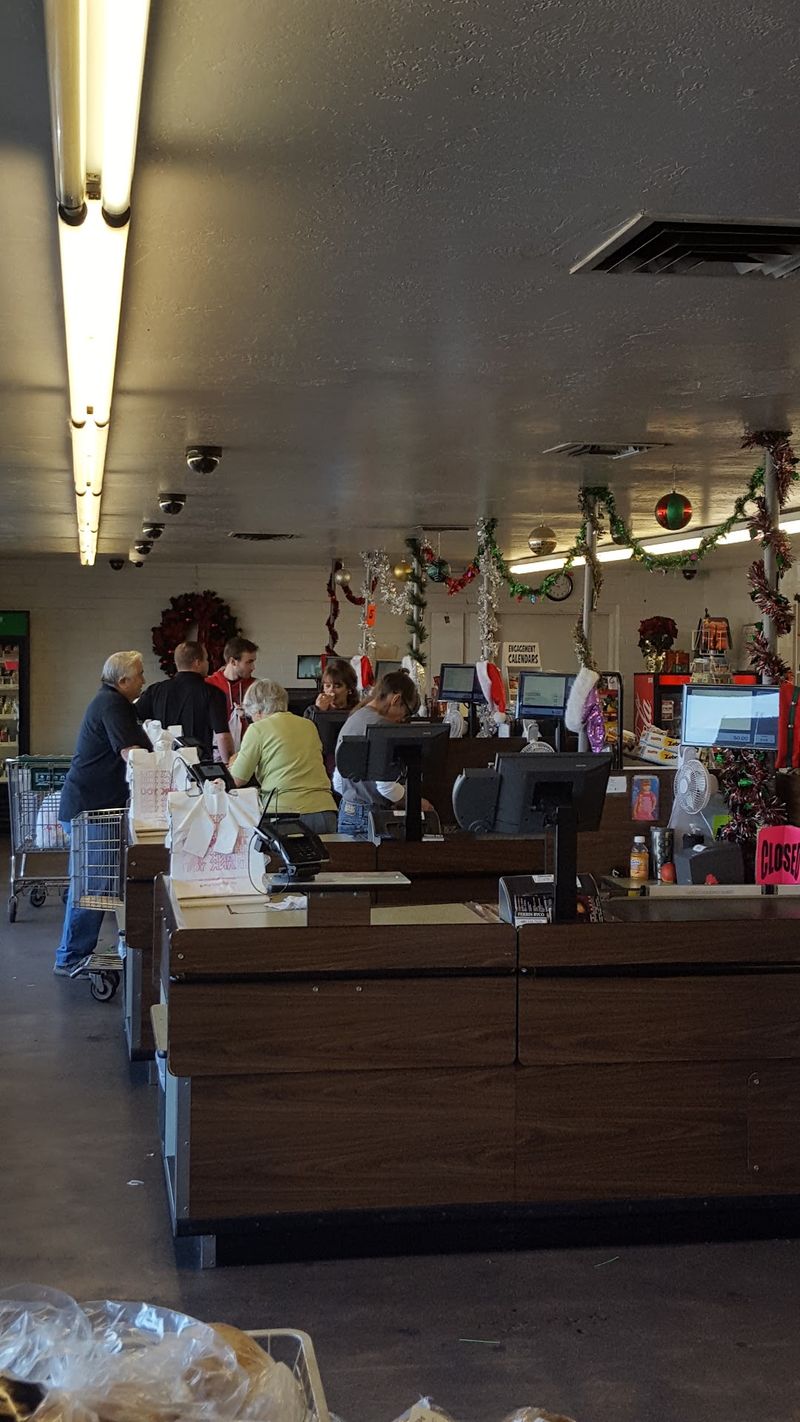
Friendly staff might be the most talked-about item in the whole store, and they are not even for sale.
Hundreds of comments single out the employees as helpful and kind. Cashiers in particular earn praise for being both friendly and fast.
The owner is openly proud of them. He calls his front-end team the best in the Valley and marvels at how quickly they can move a long line of customers.
Behind the registers, workers are constantly restocking. That steady effort keeps bins full even when the store is slammed.
Even a shopper who walked away unhappy about prices once added a star for a nice cashier. That says a lot about the tone at checkout.
The owner himself is part of the experience. He replies personally, uses first names, and invites people to come find him for a chat.
For a store this busy, that warmth keeps things from feeling rushed. It is one reason people return week after week.
Speaking of busy, the crowds deserve their own heads-up.
Crowds, Carts, and the Parking Puzzle
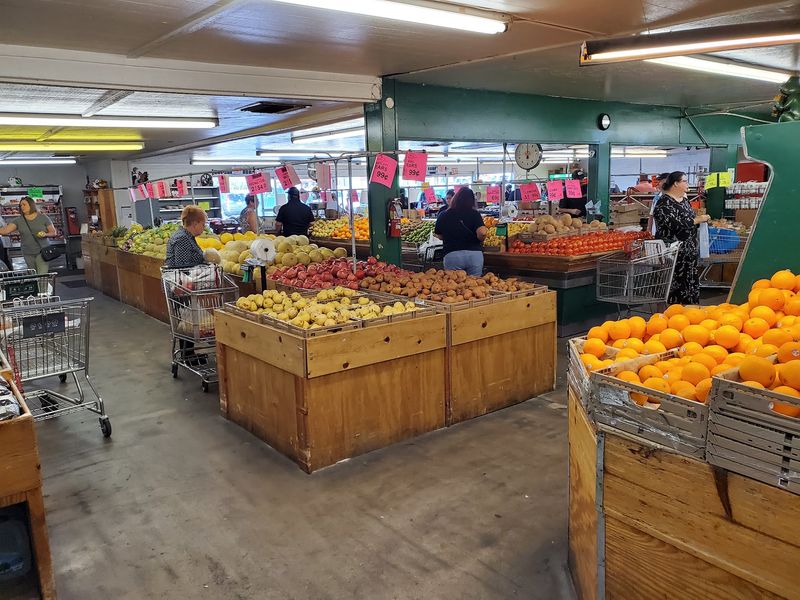
A full parking lot is basically this market’s welcome sign.
It is a bustling place, often packed with shoppers buying produce and bread. Checkout lines can grow long at peak times, even with most lanes open.
The good news is that lines tend to move along smoothly. The quick cashiers make a big difference.
Inside, the store is on the smaller side. Keep carts out of the middle of the aisles so others can get through.
Parking is generally fine, with plenty of spaces most of the time. During rush periods, though, the lot can get tricky and drivers sometimes get impatient.
Slow down and take it easy. This is a store meant for browsing, not racing, and the best deals reward people who look around.
For accessibility, there is handicap parking and automatic doors. However, the market does not offer electric scooters or wheelchair cart attachments, so some shoppers may want a helper along.
Once the parking is sorted out, the bigger question is who will get the most out of a trip.
Budget Cooks, Juicers, and Families
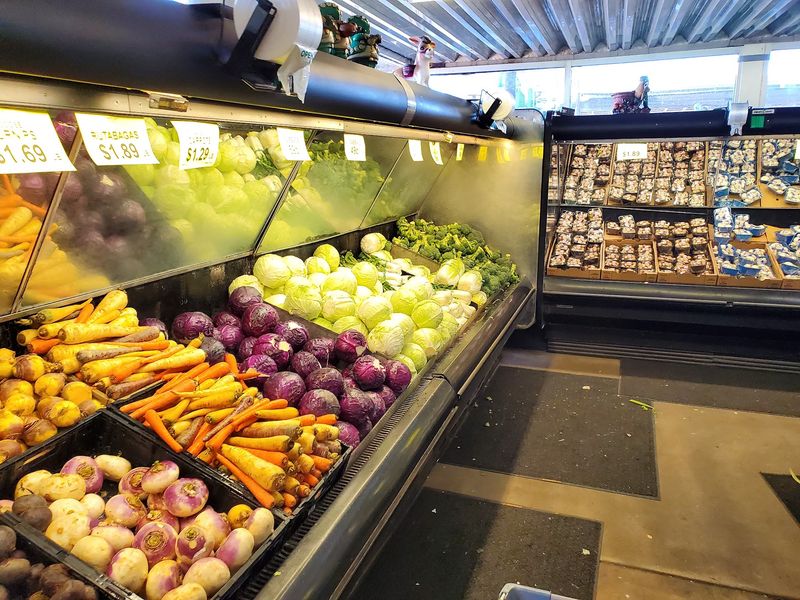
Stretching a grocery budget in the East Valley gets a lot easier here.
Anyone trying to eat healthy on a tight budget will find this market a strong fit. Meal preppers can fill a week of ingredients for well under what a chain store might charge.
Juicing fans love it too. Large amounts of fruit and vegetables at low prices make it a natural stop for anyone starting a juicing routine.
Big families benefit from bulk buying. Filling a fridge with fruit options for six people is entirely doable.
Retirees and longtime residents on fixed incomes appreciate the value as well. The prices help groceries go further without giving up on local food.
The market accepts EBT and takes part in the Double Up program. That makes fresh produce more reachable for many households.
There is also a second location, though this Mesa store on Main Street is the one covered here. Locals often treat it as their regular produce run.
People who enjoy supporting local farmers will feel right at home. Every purchase helps growers, bakers, and beekeepers from around Arizona.
Now for the practical part: when to go.
Opening Hours and the Smartest Time to Go
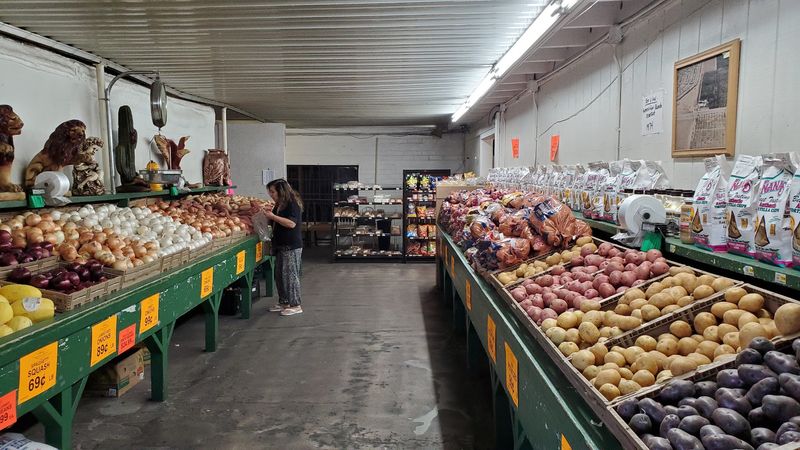
Unlike many farmers markets that pack up by lunch, this one keeps going into the evening.
Monday through Saturday, the market is open from 7:30 AM to 7 PM. On Sunday, hours run from 8 AM to 5:30 PM.
Those long hours are a big perk. Shoppers who cannot make a typical market before noon or 1 PM still have plenty of time to stop by.
Morning visits tend to offer the best selection. Fruit looks its freshest earlier in the day, while evenings may leave fewer top picks.
Arizona summers bring their own considerations. Melons displayed outside in the heat may not hold up as well, so check those carefully during the hottest months.
The seasons also shape the lineup. Local produce shifts throughout the year, and some vendors, like the snowbird popcorn seller, only appear in cooler months.
Quick reference:
Monday to Saturday, 7:30 AM to 7 PM. Sunday, 8 AM to 5:30 PM.
Plan around those times, and the final decision becomes an easy one.
Worth a Spot on the Weekly Route
Some local businesses fade into the background, while others become part of the family routine.
Superstition Ranch Farmers Market lands firmly in the second group. It holds a 4.7-star standing from about 4,400 Google ratings, which is impressive for a small, busy market.
Its strengths are clear. Low prices, a wide mix of produce, local honey and salsas, and a staff that keeps lines moving with a smile.
It is not flawless. Berries need a close look, some packaged goods deserve a date check, and certain items cost about the same as at a chain store.
Still, the five-day guarantee and an owner who answers concerns personally go a long way. That kind of accountability is rare.
For East Valley residents, this is the type of place worth bragging about. It proves that a family-run market with deep farmer ties can still thrive on a busy Mesa road.
Grab a few reusable bags and budget a little extra time for the back room.
The candy wall, however, is entirely at your own risk.


