Affiliate disclosure: As an Amazon Associate I earn from qualifying purchases. Learn more
Tucked inside a plain strip mall in southwest Houston sits a buffet line that some folks have been visiting since they were kids. The sign out front does not shout, and the dining room skips the fancy decor.
What waits inside is a spread of home-style Filipino classics that change from day to day, with a bigger lineup on weekends. Filipino buffets are rare in Texas, so a spot like this tends to stay a secret until someone shares it.
Some diners even mention making special trips to Houston just to eat here, coming from as far as New Orleans. Keep reading to learn where it is, what the buffet usually holds, what it may cost, and the smart timing tricks that help first-timers get the most from every plate.
A Strip Mall Address Worth Remembering
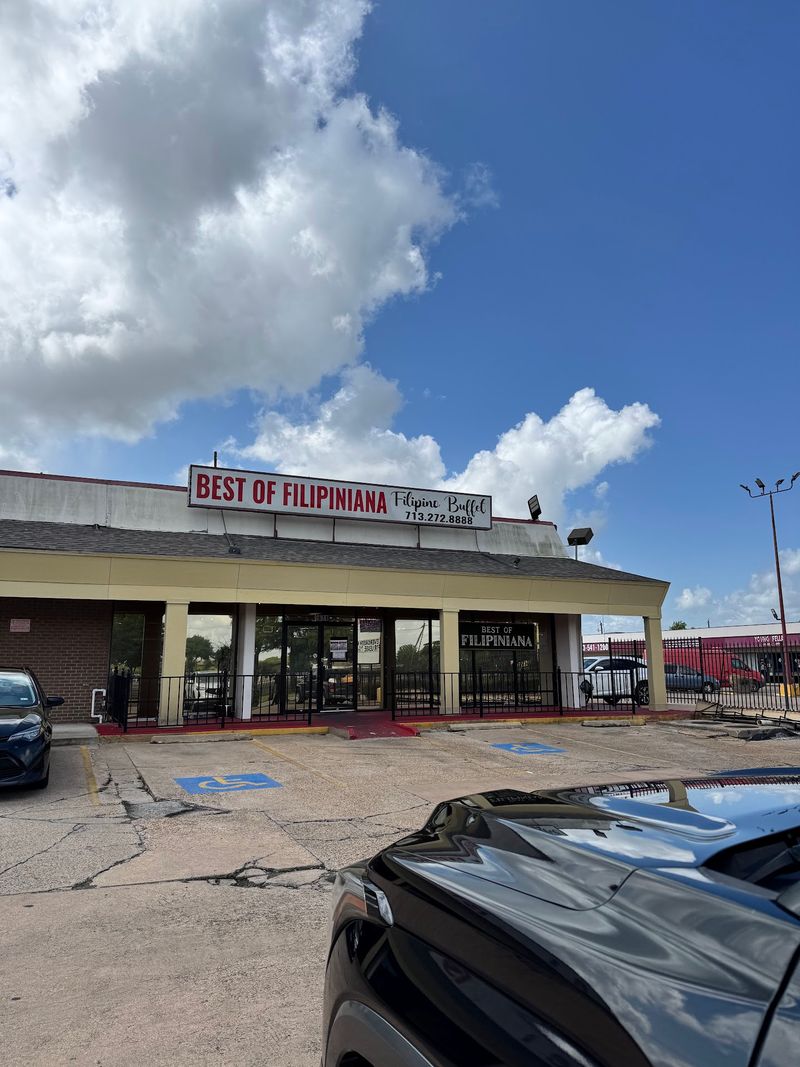
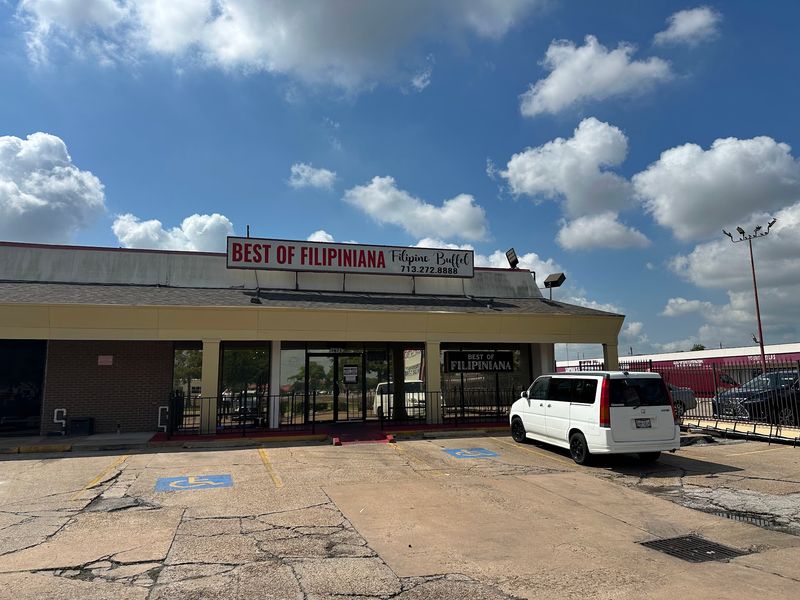
Blink on Bissonnet and you might drive right past it. The restaurant is called Filipiniana, and it sits at 9671 Bissonnet St, Houston, TX 77036, in the southwest part of the city.
The building lives inside a nondescript strip mall, which helps explain why so many people call it a lucky find. Even nearby residents admit they lived close for years before trying it.
Filipiniana is a Filipino restaurant built around an all-day buffet. The format runs from breakfast hours through early dinner, so the doors open at 10:30 AM on most days.
For road-trippers, Houston makes a reasonable target. Austin and San Antonio sit a few hours away by car, and the Dallas-Fort Worth area is a longer haul, though some diners clearly think the trip pays off.
The mission here is simple. Serve the kind of Filipino cooking that usually shows up at family parties, and let guests help themselves.
That plain exterior is the first clue that the real attention goes onto the buffet trays, not the facade.
Decades of Family Memories
Some restaurants earn loyalty through flash. Filipiniana seems to earn it through repetition, year after year.
Longtime diners describe coming here since childhood, calling it a place full of good family memories. That kind of history is hard to fake and easy to respect.
The staff is often described as friendly and welcoming. Several guests say the dining room carries a cozy, family-style mood that makes it feel like home.
Names come up, too. Owners and staff members get mentioned for chatting with guests and making first-timers feel at ease.
Many people say a meal here reminds them of a grandmother’s kitchen or a big family get-together. One recurring comparison is that it feels less like a restaurant and more like eating at a friend’s lola’s house.
Not every chapter has been perfect. Some longtime fans feel the food quality has dipped over the years, while others still call it flawless.
That honest mix of nostalgia and opinion is part of the story, and it sets the stage for the real headliner.
The Buffet That Changes Daily
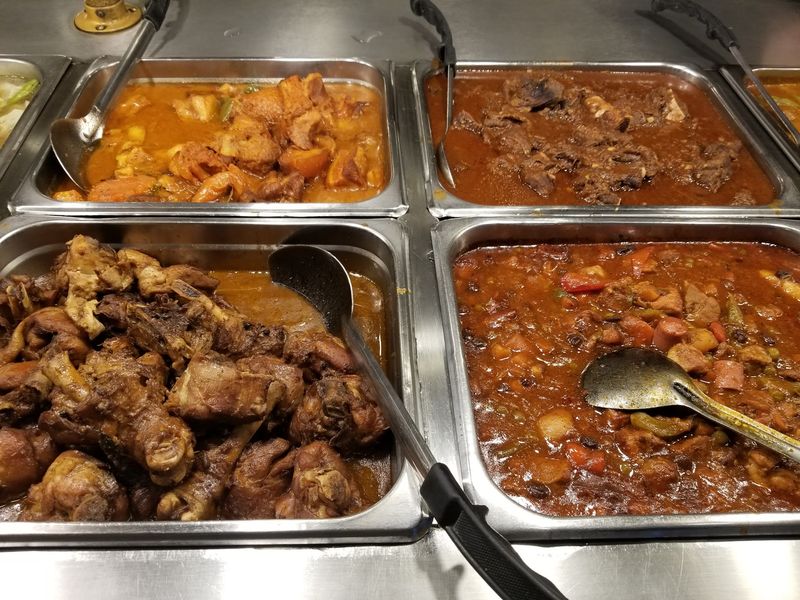
Here is the twist that keeps regulars coming back. The menu rotates every day, so no two visits have to look the same.
According to the owner, weekends bring the bigger selection. That makes Saturday and Sunday prime time for anyone who wants the widest spread.
White rice, garlic rice, and pancit bihon are typically part of the regular layout. Chicken and pork adobo, menudo, and caldereta also tend to appear among the traditional dishes.
Other names that show up on the line include lumpia, pork BBQ, beef kaldereta, kare-kare, and pork sisig. Dinuguan, the pork blood stew, is a favorite among Filipino diners.
The format is perfect for the curious. Newcomers can grab a little of everything and figure out favorites without committing to one big plate.
Many guests come back for a second round once all the trays are filled. That brings up an important timing question, covered a little later.
For now, the takeaway is clear: the weekend lineup is the one worth circling on the calendar.
Soups and Stews Steal the Show
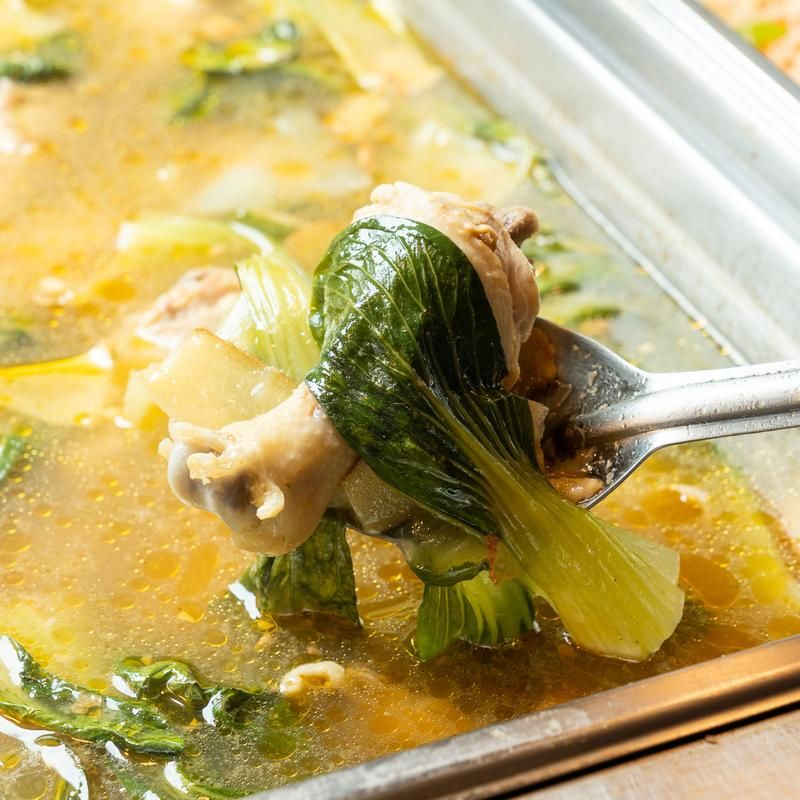
Soup might not sound like a buffet headliner. At Filipiniana, it often is.
Sinigang, the classic sour Filipino soup, ranks among the most talked-about dishes. Kare-kare, the peanut-based stew, earns plenty of mentions as well.
Diners repeatedly single out the soups as a highlight. Even guests who are not big buffet fans tend to praise them.
There is a practical bonus, too. The deep soup trays are known for staying hot, while some shallow trays can run cooler.
One small story shows the kindness behind the counter. A staff member once added an extra cup of vegetables to a to-go sinigang order, a gesture that clearly stuck with the customer.
Dinuguan also belongs in this conversation. Some guests say they finally found a dependable spot for it here.
For first-timers, the soup and stew section is a smart place to start.
Save Room for Dessert
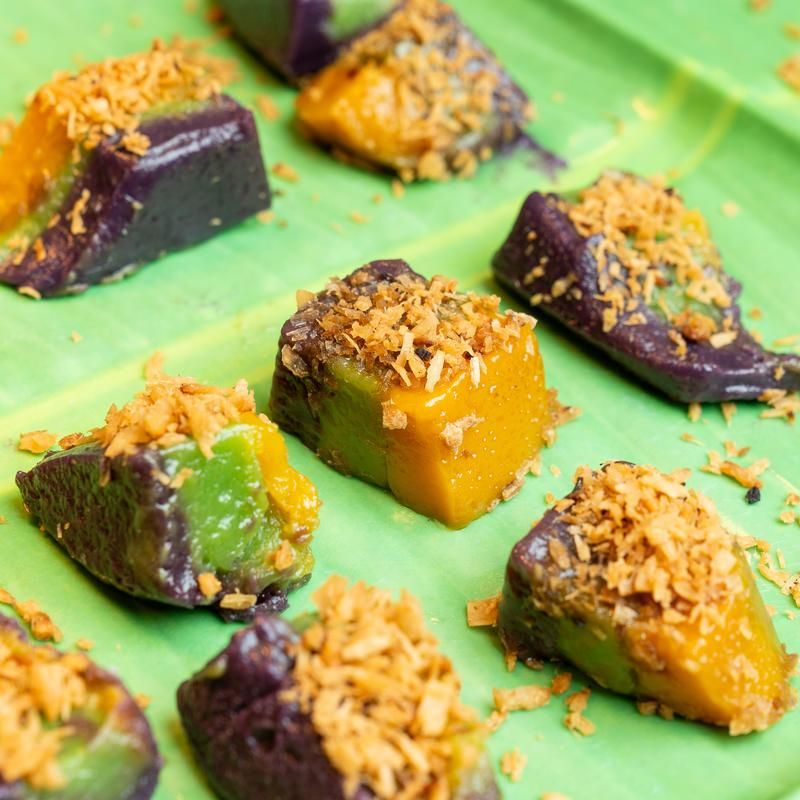
Desserts come up more than almost any other topic, second only to the buffet itself. That says a lot about the sweet end of the line.
Dessert is included with the buffet. Many guests call the selection impressive, with plenty of options to round out the meal.
Sapin-sapin, the layered Filipino rice cake, is one name that pops up. Halo-halo is another longtime family favorite here.
Opinions vary, as they should. Some people rave that the desserts go hard, while others call them just okay, possibly because they were already too full.
That second point is a real strategy note. Pacing the savory plates can leave space for a proper dessert round.
A fresh cantaloupe juice also gets a shout-out from some diners. It may be worth asking about.
Leaving without sampling at least one sweet would feel like skipping the last chapter of a good book.
Lechon Belly for Big Occasions
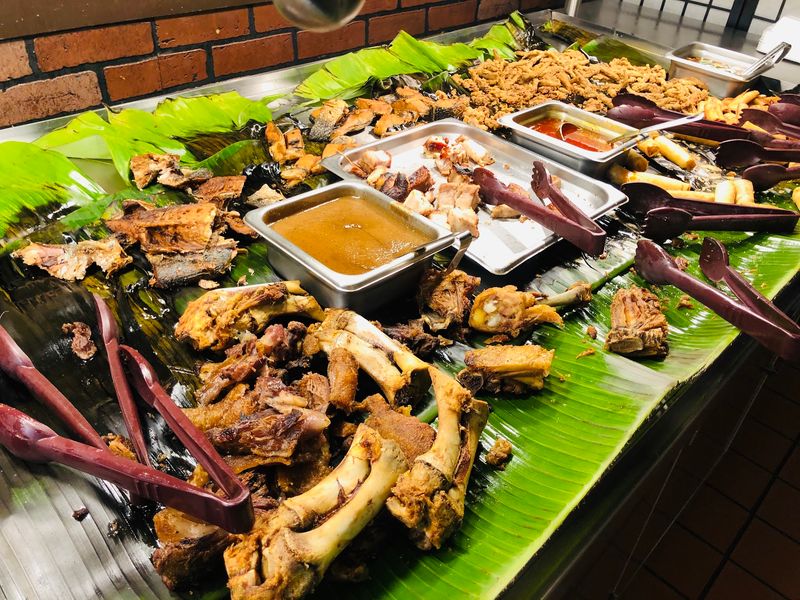
Birthdays call for something special, and Filipiniana has a party-sized answer. Lechon belly can be ordered for celebrations.
Families have ordered it for milestone events and found that everyone at the table loved it. Some even prefer it over the traditional whole lechon.
The belly is described as moist, tender, and well seasoned, with skin that comes out crispy all around. Lechon also appears among the dishes diners enjoy at the buffet.
Catering is a big part of the business. In fact, a large share of customers reportedly come through catering rather than dine-in.
That makes the restaurant useful beyond lunch. Graduations, reunions, and office events can all lean on its kitchen.
Anyone planning an event should call ahead to discuss options, since menus and availability may shift.
The buffet may be the daily draw, but the party side of the house could be the best-kept secret of all.
Old-School Booths, Zero Pretense
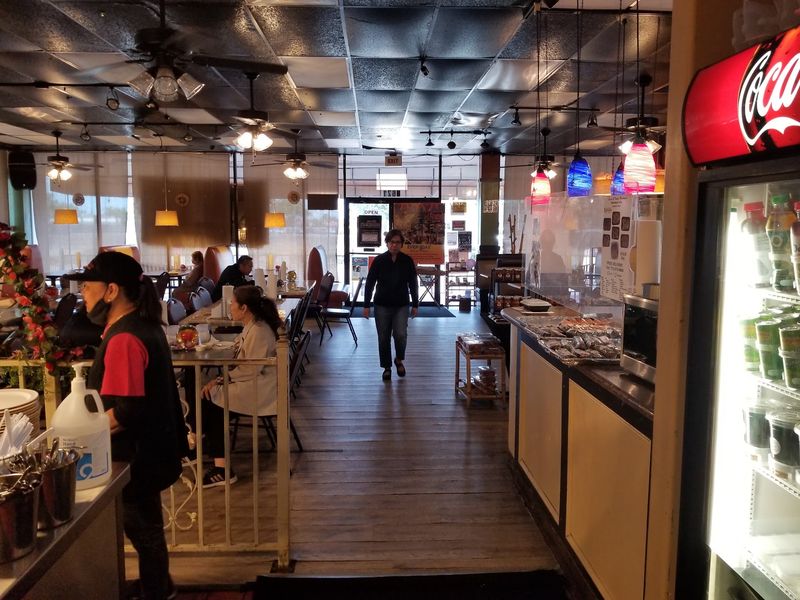
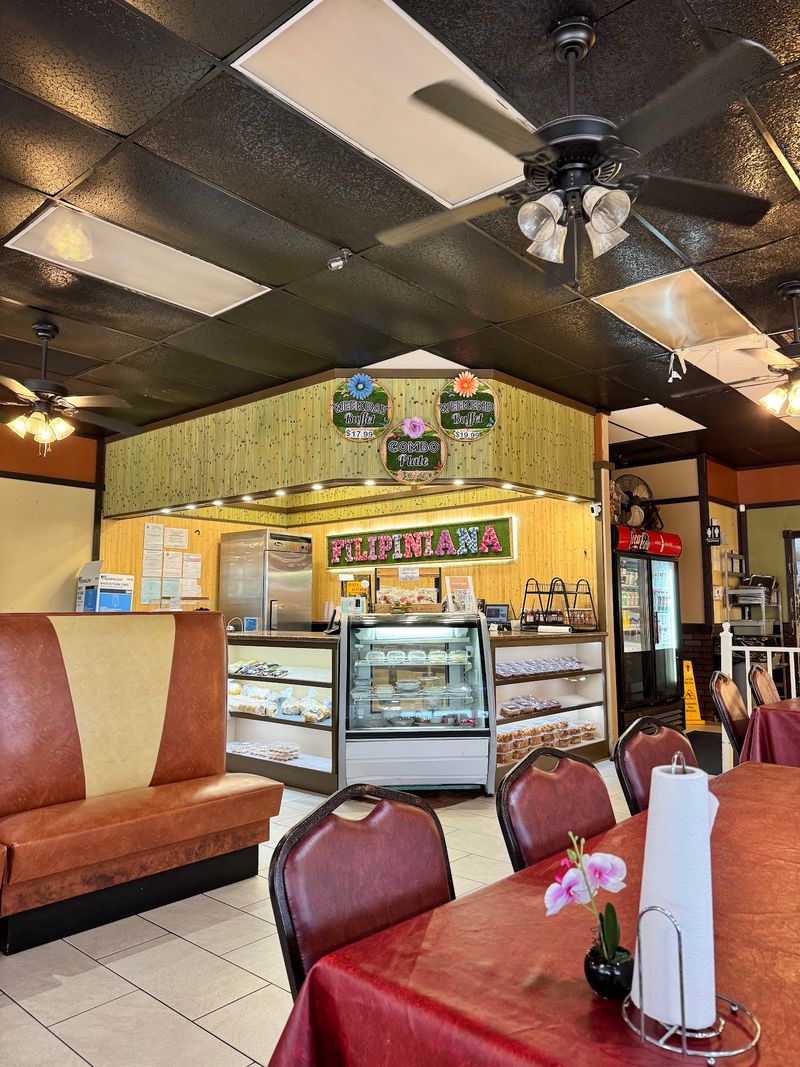
Nobody comes here for chandeliers. The setting is bare-bones, with old-school tables, chairs, and booths.
Guests are usually told to sit anywhere and help themselves. Water is self-serve, so the vibe stays casual from start to finish.
Some call it a hole in the wall, and they mean it kindly. It works best for those who care more about home cooking than a polished dining room.
Comfort inside can vary. Some guests praise clean tables and cold AC, while one hot afternoon brought complaints of no air conditioning.
Service gets mixed comments, too. Many describe friendly, helpful staff, while a few past visits felt less attentive.
The crowd tends to include Filipino families chasing nostalgia and newcomers trying the cuisine for the first time. It is a strong pick for anyone who has never tasted Filipino food and wants to sample many dishes at once.
Families with adventurous eaters will likely feel right at home.
Timing, Hours, and What It Costs
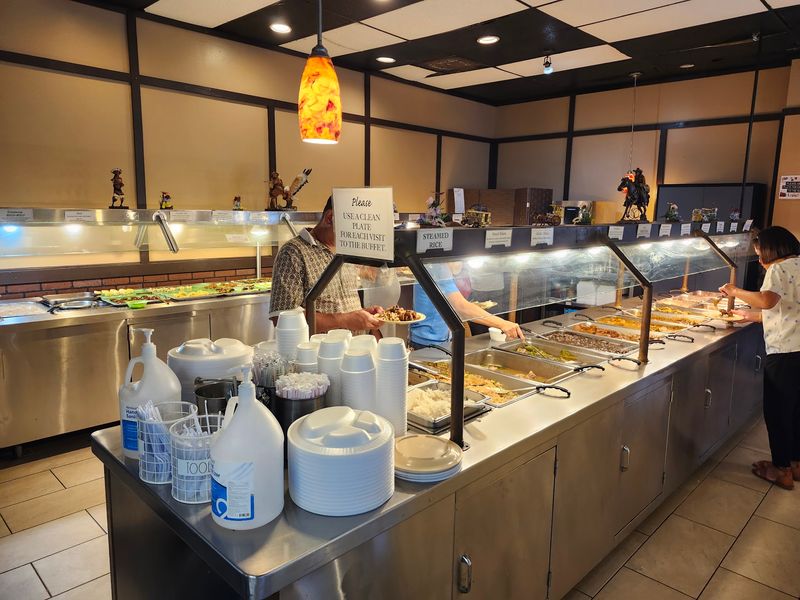
Timing can make or break a buffet run. Filipiniana opens at 10:30 AM Tuesday through Saturday and closes at 6 PM.
Sunday hours are shorter, running from 10:30 AM to 4 PM. The restaurant is closed on Mondays.
Early birds should know that not every tray may be out right at opening. Within the first stretch, though, the full lineup typically arrives hot, and the room can fill up quickly.
Arriving too late carries its own risk. Some dishes can sell out, and late-afternoon trays may not feel as fresh.
Around 11:30 AM has been called an ideal arrival time. That window seems to balance a full spread with fresh food.
Prices have shifted over the years. A couple of years back, the buffet ran about $16 per person on weekdays and $18 on weekends, and more recent guests mention prices topping $20.
Checking the current price at filipinianarestaurants.com or by calling ahead is a smart move before the drive.
Worth the Detour to Bissonnet
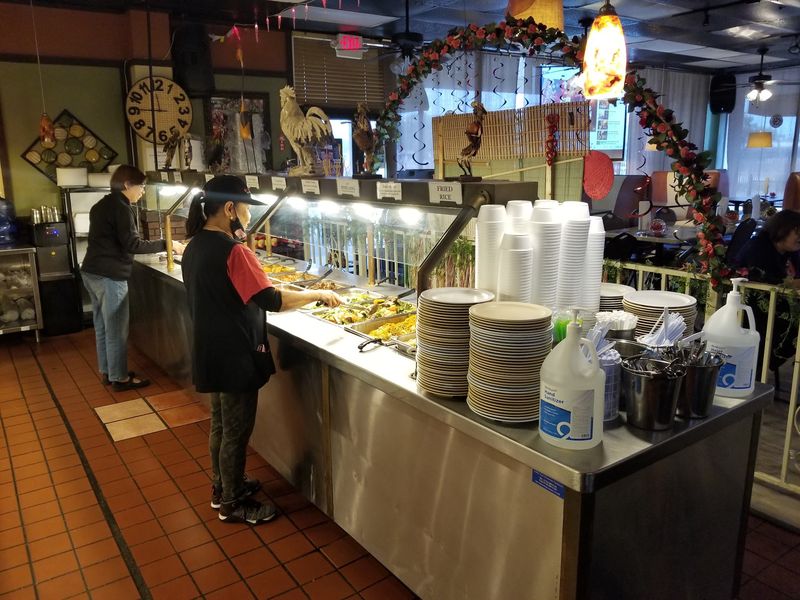
So, should Filipiniana land on a weekend plan? For anyone curious about Filipino home cooking, the answer leans toward yes.
Filipino buffets are hard to find, and that alone makes it worth trying at least once. Many diners also return again and again.
The trade-offs are honest ones. The room is plain, some trays can run lukewarm, and prices have climbed.
On the other side sit a rotating menu, a bigger weekend selection, standout soups, and plenty of desserts. Add catering and party lechon, and the value grows.
Go hungry, aim for late morning, and save space for sweets. Weekend trips usually reward guests with the widest choice.
Texans love being the one who found the hidden spot first. This strip mall buffet in southwest Houston gives them a delicious reason to brag.