Affiliate disclosure: As an Amazon Associate I earn from qualifying purchases. Learn more
Somewhere under a historic building in Balboa Park, tiny trains are climbing mountain passes and crossing wooden trestles while grandparents and grandkids lean in side by side. Nobody is checking a phone.
Everyone is hunting for the next hidden scene tucked into the scenery. Plenty of families have spent an afternoon here without noticing the clock.
The layouts stretch across whole rooms and recreate real California rail lines in remarkable detail. Volunteers keep the trains moving and love to explain how it all works.
Some families plan a quick hour and end up staying from opening until mid-afternoon. Keep reading to learn where this place is, what makes the layouts so special, which spots people tend to miss, and the practical details that help a visit go smoothly for every generation.
A Railroad Hiding Below Balboa Park
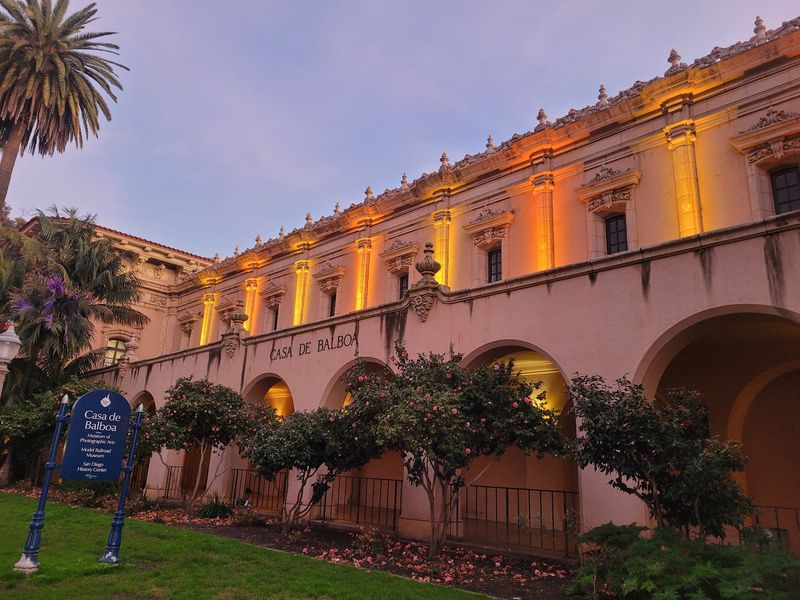
Few museums in California start with a staircase heading down. The San Diego Model Railroad Museum sits on the lower level of the Casa de Balboa building at 1649 El Prado, San Diego, CA 92101, in the heart of Balboa Park.
From the outside, the building gives little hint of what waits below. That surprise is part of the fun.
The museum is devoted to scale models of California railroads. Its working layouts recreate real rail lines and the landscapes they pass through, from towns to mountains to bridges.
Families often find it while wandering the park between other museums. Some arrive on purpose after hearing about it on the radio or from friends who never miss a stop here.
The space covers more than 27,000 square feet of trains, trestles, and tracks. That number surprises people, because the place is much bigger than it appears from the street.
Inside, trains run through miniature worlds built with patience and skill. It is the kind of spot that turns a casual detour into the highlight of a Balboa Park day.
The first clue that this is no ordinary museum comes right at the entrance.
An Entrance Built Like a Depot
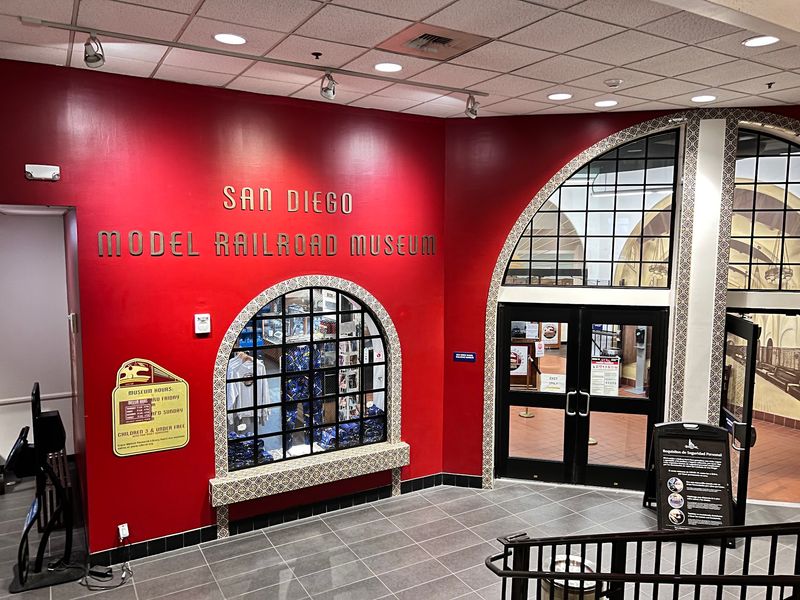
All aboard starts at the bottom of the stairs. Near the entrance, a railroad-themed display with a railcar and signaling equipment sets the mood before anyone buys a ticket.
The entrance itself is designed to resemble an old-fashioned train station. Tickets are purchased on the left, and then guests pass through an entrance gate.
It feels a little like preparing to board a train. Kids tend to notice this right away, and grandparents often recognize the style of depots from decades past.
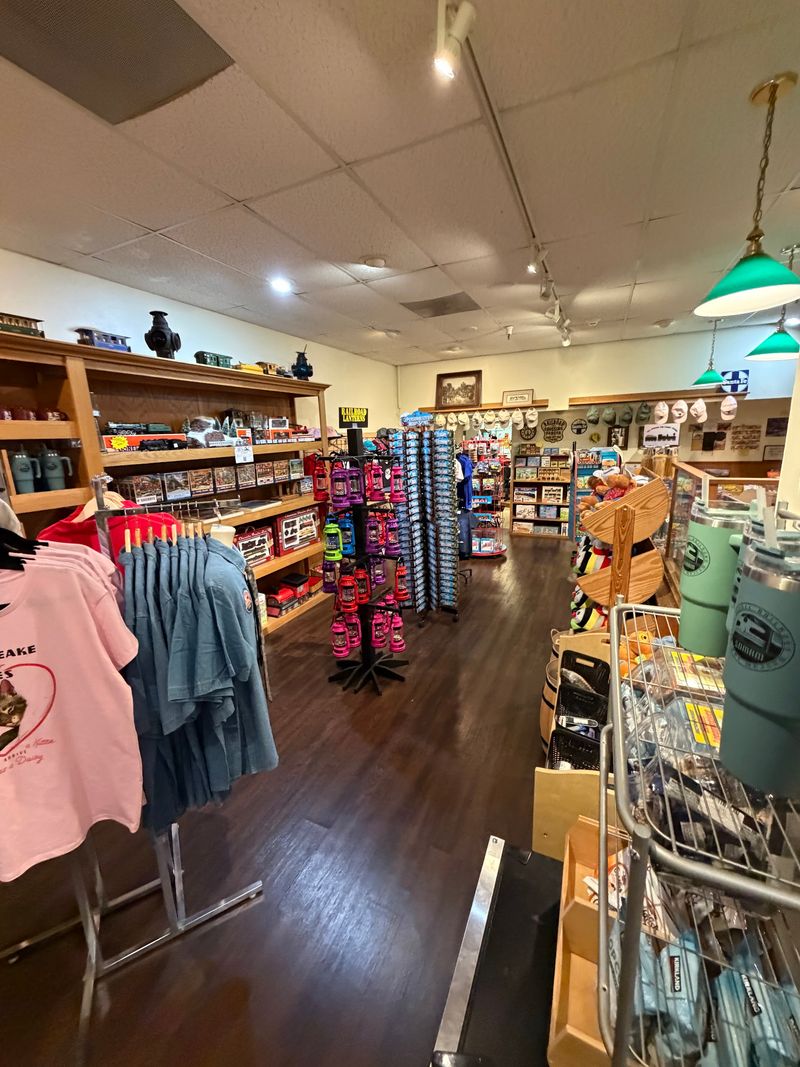
The gift shop sits right next to the entrance. Better yet, it can be browsed without buying admission to the exhibits.
Shelves hold train T-shirts, toys, novelty items, and railroad publications. The selection leans toward kids, which makes it a handy stop for birthday presents or a small souvenir.
Some families pop in just for the shop. Others save it for the end, when little ones are ready to pick a keepsake from the day.
Once through that gate, though, the real show begins, and it is far larger than the cozy entry suggests.
Layouts That Fill Entire Rooms
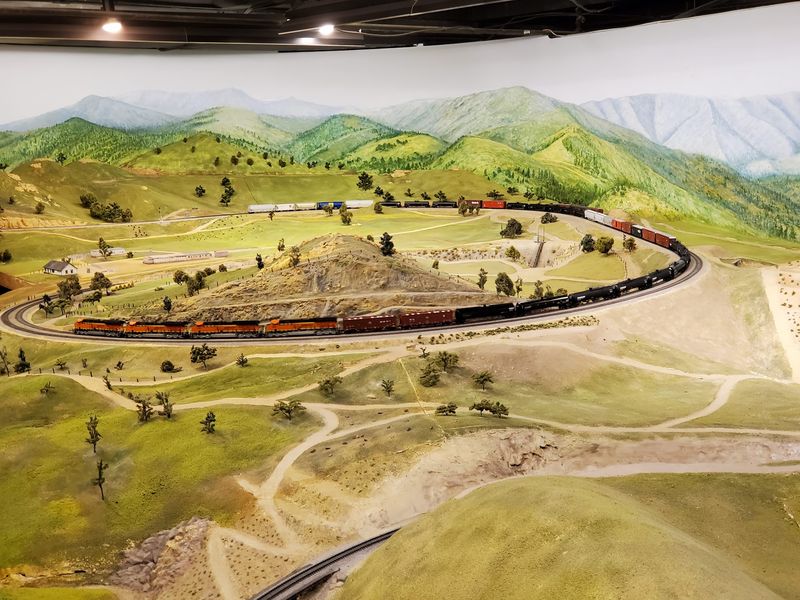
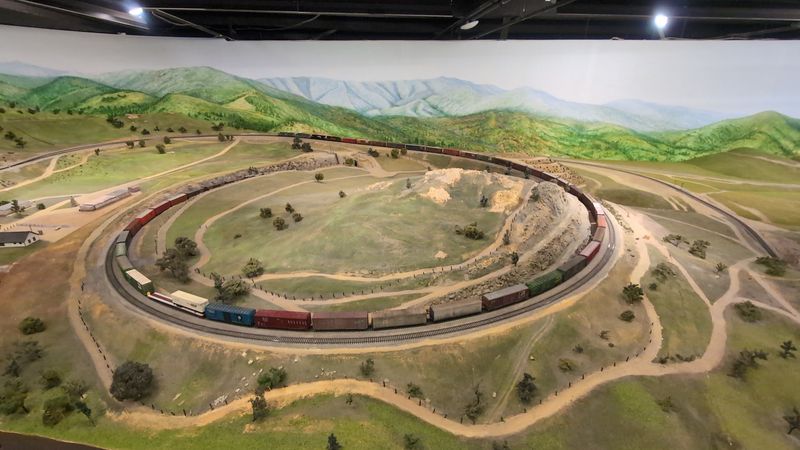
Scale is the word that comes up again and again here. Enormous layouts fill the museum, with trains winding through towns, mountains, bridges, and full railroad infrastructure.
Several scenes come in different scales and sizes. Each one is remarkably large and remarkably detailed at the same time.
The craftsmanship fools people. Kids between 8 and 16 have pointed at a miniature rock or tree and nearly believed it was real.
Among the standouts is the Tehachapi Loop model, based on the famous California rail spiral. Staff also point people toward the HO gauge wooden bridge as a must-see.
Flashing lights and moving trains keep the scenes active. In one room, a simulated storm from above adds extra drama to the scenery.
Anyone who once owned a train set as a kid may feel eight years old again. Builders of home layouts tend to appreciate the planning and engineering most of all.
These are not simple toy trains running in circles. They are carefully engineered miniature worlds that reward a slow look.
And that slow look leads to the best secret of the whole museum.
Easter Eggs in Miniature
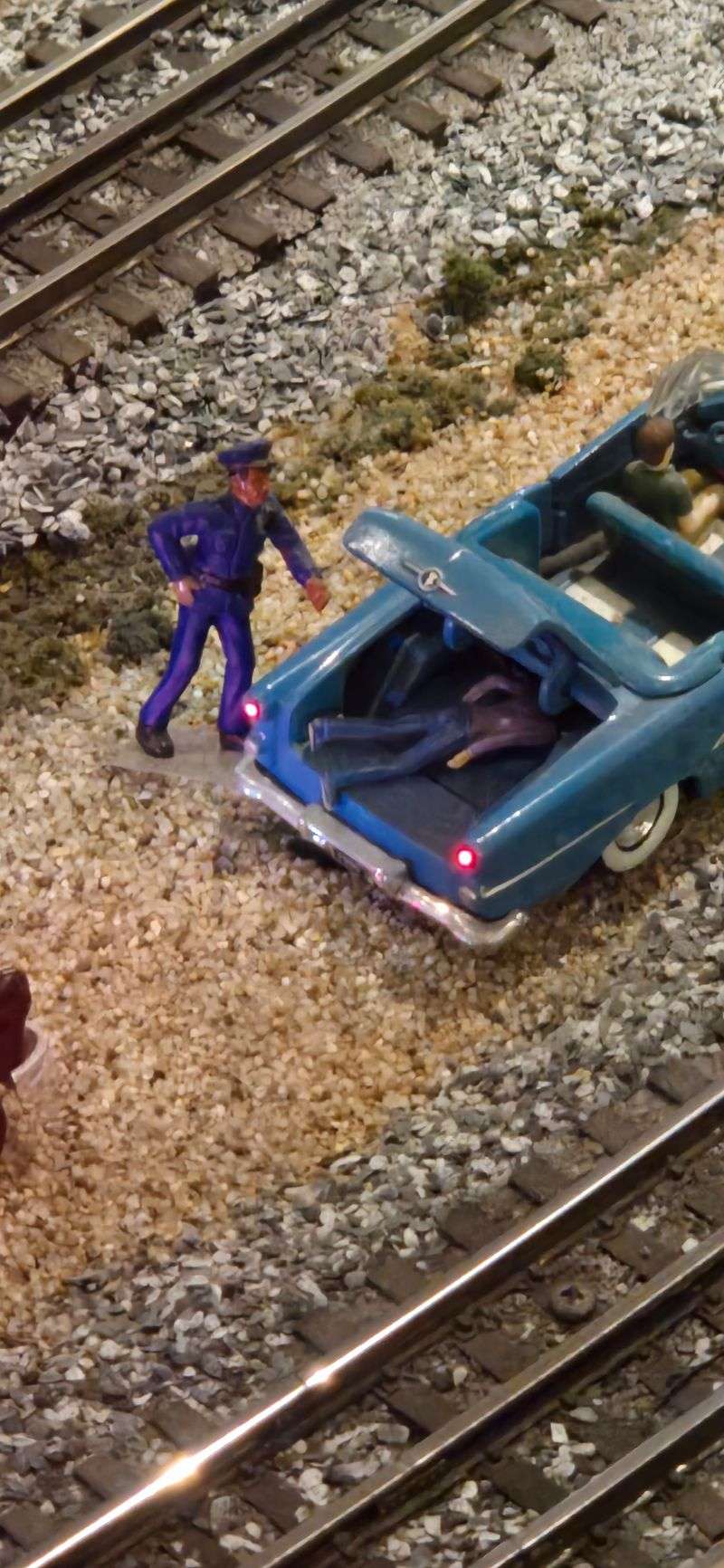
Blink and you might miss a tiny car race. The layouts hide playful scenes all over, including little people racing cars along an abandoned train track.
Elsewhere, a small scuffle breaks out among the miniature figures. Funny everyday situations pop up in corners where only patient eyes will catch them.
The museum also offers a scavenger hunt. It gives younger guests a mission, which keeps them looking closely instead of rushing to the next room.
Kids love spotting tiny sticks, props, and scenes tucked into the models. Adults often end up competing with them to find more.
The best advice is simple. Take time, read the signs, and study each scene, because the more you observe, the more interesting it gets.
Photos rarely capture what makes these scenes special. The sense of wonder works best in person.
People who have visited since childhood still find new details years later. That alone explains why some families come back again and again.
Behind those scenes, there is another layer to this place, and it involves the people running the trains.
The Volunteers Behind the Throttle
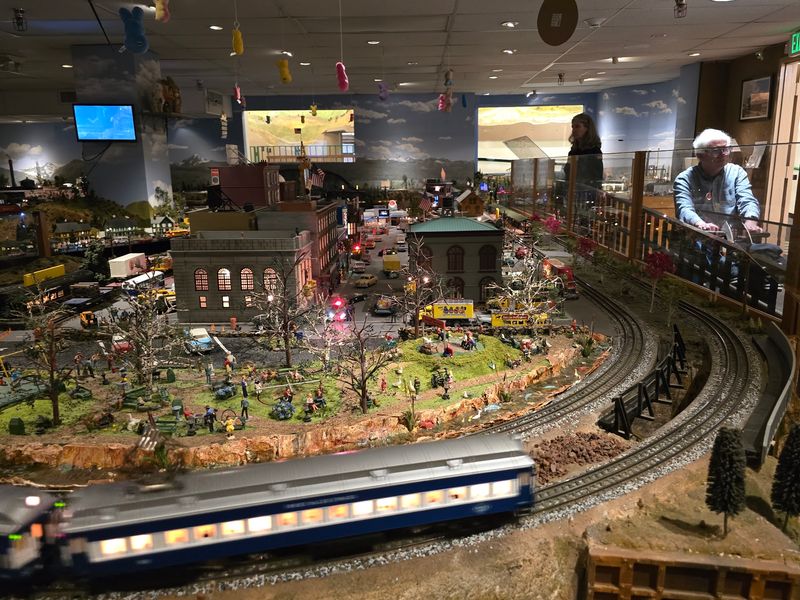
Ask a question here and you may get a full history lesson. Many of the people on site are hobbyists and volunteers who know these layouts inside and out.
They are eager to explain how things work and what they are building. Several are passionate historians of California railroading.
Some guests have received a peek behind the layouts to see the inner workings of the tracks. Others have heard the story of the San Diego and Yuma rail lines from someone who clearly loves the subject.
The crew also keeps a close watch on track issues. When a train stalls, someone is usually nearby to help.
Warm gestures stand out too. A young train fan celebrating his 12th birthday got an enthusiastic greeting from volunteers, and his family left with a household membership.
Most interactions are friendly, though not every encounter goes perfectly. A little patience goes a long way on busy days.
Since the work is ongoing, some displays may be under refurbishment or running fewer trains on a given day. That is the trade-off of a living, hands-on museum.
Two Generations, One Afternoon
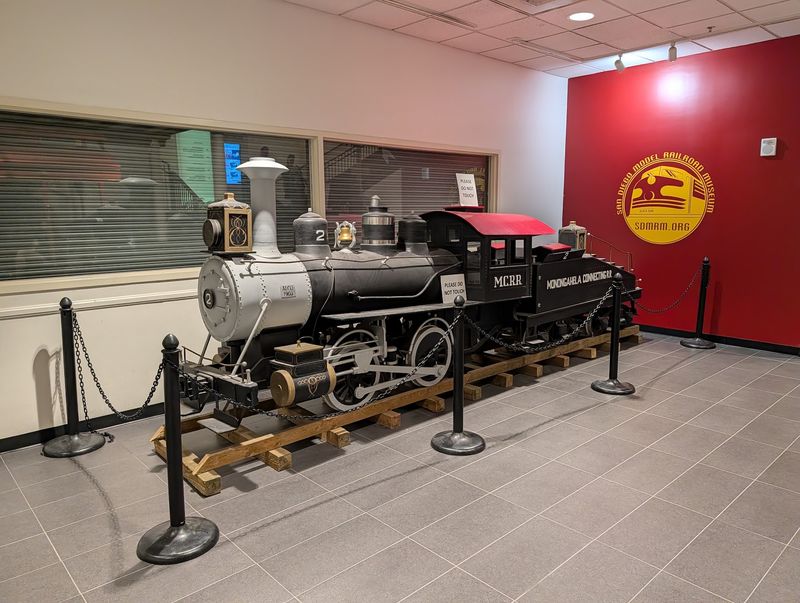
Grandparents point at the steam engines. Grandkids point at the tiny people.
Both end up smiling.
The museum works for a wide range of ages. Kids about four and up tend to enjoy it, and adults often linger even longer than the children do.
Watching the trains is relaxing, which suits slower walkers. Couples even treat it as a date, so it is hardly just for kids.
It is quieter than the flashiest attractions in Balboa Park. Some displays show their age, but the care behind them is clear.
Families with very energetic little ones should know the main activity is looking. There are no rides or play areas, so the scavenger hunt helps a lot.
Seating is limited downstairs. Older guests sometimes struggle to find a bench, while the upstairs area tends to be less crowded.
One more perk matters in summer. On a hot day, the indoor lower level offers a welcome break from the sun.
Many adults who visited as small children now bring their own kids. That cycle may be the best measure of this place.
The Outdoor Corner Everyone Skips
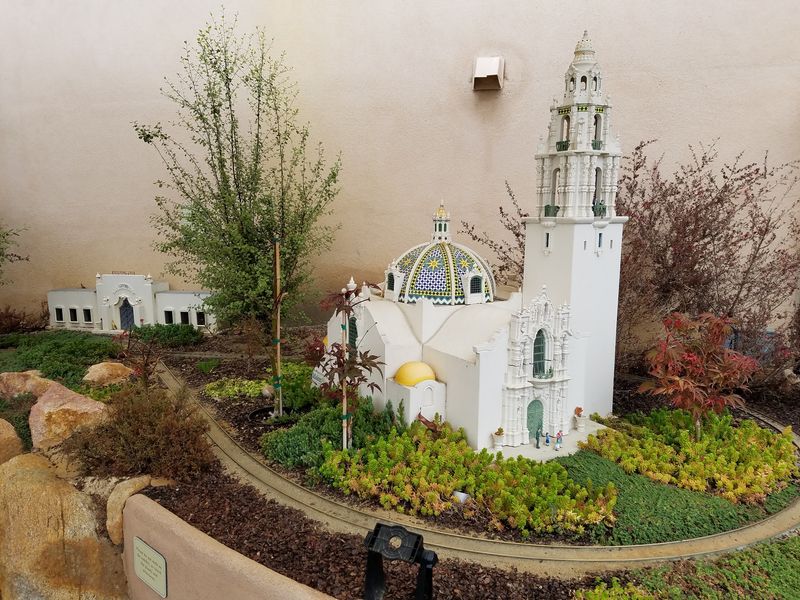
Here is a tip worth sharing with the whole family. The museum has a small outside section, and many people miss it entirely.
The museum features both indoor and outdoor exhibits. Asking a volunteer where to find the outdoor part can save a lot of wondering.
Time is the other thing to plan. A quick loop takes about 45 minutes to an hour, which works well for families with young kids.
Many people stay closer to 90 minutes. Serious fans have arrived at 11 and stayed until 3:30.
Upstairs in the Casa de Balboa building is Café in the Park, a coffee bar that is easy to overlook. Its hours can vary by day, so it is wise to check before counting on it.
Stairs lead down to the exhibits. Wheelchair access is reportedly available, and calling ahead or checking the website can confirm details.
A little planning keeps everyone comfortable. Then the trains can take over the rest.
Hours, Tickets, and Timing
Mondays and Tuesdays are off the table. The museum is closed both days.
It opens Wednesday through Sunday from 11 AM to 4 PM. That window is fairly short, so arriving near opening gives the most time with the trains.
Admission is considered fairly affordable. Exact prices can change, so the official site at sdmrm.org is the best place to confirm current rates.
A generous military discount is available. Families planning repeat trips can also look into a household membership.
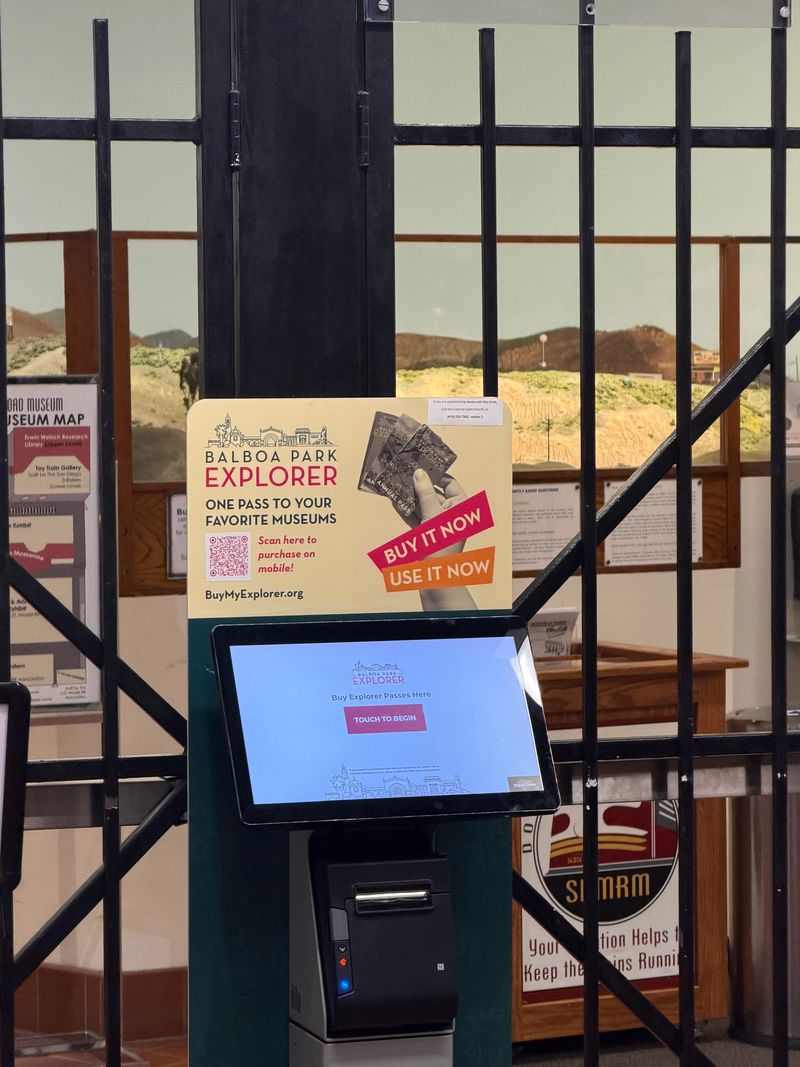
The museum participates in Balboa Park multi-museum passes. Those passes come with their own rules on dates and visits, so it helps to double-check them at the visitor center before heading over.
Getting there means heading to Balboa Park and finding the Casa de Balboa building along El Prado. From there, the stairs lead down to the entrance.
Weekends can draw bigger crowds, especially near benches. A weekday afternoon may offer more breathing room for slower-paced guests.
With the logistics sorted, only one question remains.
Worth the Trip Down the Stairs
So, is it worth it? For most families, the answer comes easily.
The museum holds a 4.7-star standing from more than 1,300 opinions. That is a strong showing for a volunteer-driven place tucked beneath a historic building.
It is not flashy, and some days a layout may be quiet for repairs. Still, the scale, the craftsmanship, and the people make it memorable.
For train lovers, it can fill an entire afternoon. For casual guests, it often becomes the surprise hit of a Balboa Park day.
It also protects something many Californians care about. It keeps the state’s railroad story alive in a form kids can actually see and follow.
Grandparents can share memories of old train sets. Grandkids can count tiny figures and chase scavenger clues.
Few places in San Diego bridge generations this naturally. Bring patience, look closely, and let the trains set the pace for once.