Affiliate disclosure: As an Amazon Associate I earn from qualifying purchases. Learn more
Arizona was once underwater. That sounds like a tall tale told at a campfire, but the proof is sitting in a hillside near Payson, and anyone can go look for it.
Tiny shells, worm traces, and other leftovers from an ancient sea are packed into the rock layers beside a state highway. There is no museum glass, no velvet rope, and no gift shop line.
You park, walk a short way, and start searching the ground for creatures that lived long before the first saguaro sprouted. Some finds take a sharp eye, and some days the hillside keeps its secrets.
Keep reading to learn where this quiet pull-off sits, what kinds of fossils turn up, which spots give you the best odds, and the hours and tips that will make your trip a success.
A Pull-Off With a Prehistoric Secret
Most highway stops offer a restroom and a vending machine. This one offers a window into a world that existed long before Arizona had a name.
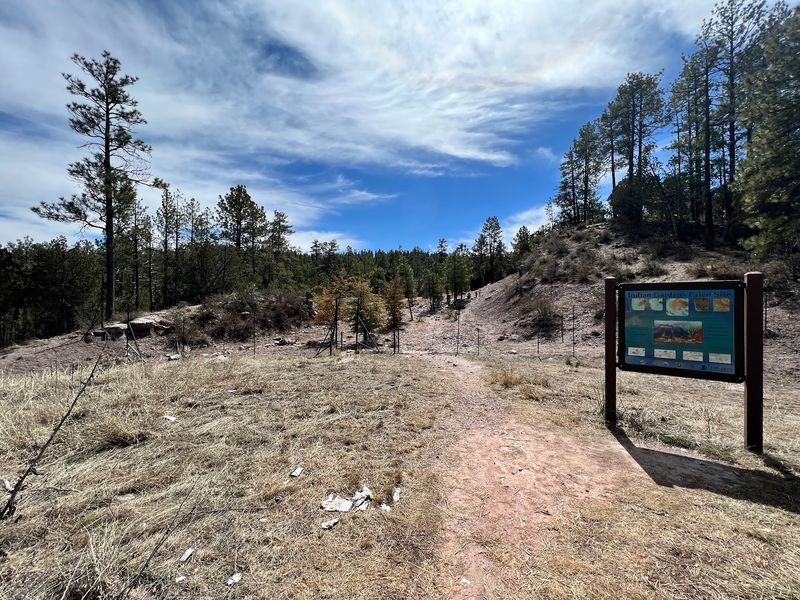
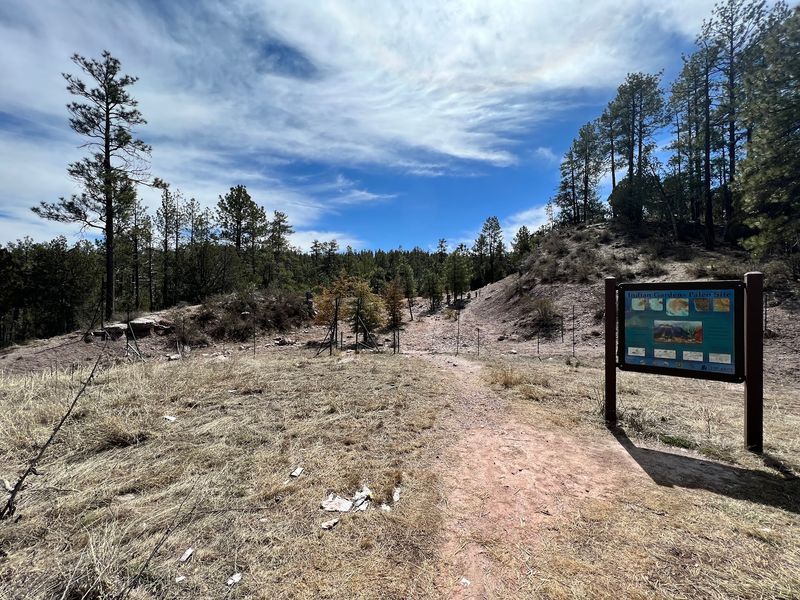
Paleo Site Monument sits along AZ-260 in Payson, AZ 85541, in central Arizona’s Rim Country. It is listed as an archaeological site, though most people know it as the fossil stop.
The setup is simple. A paved lot sits right off the highway, and a short walk leads to a slope of sedimentary rock loaded with fossils.
Drivers heading to camp or cruising through Rim Country often spot it by accident. Many of them end up staying far longer than planned.
The appeal is easy to understand. Instead of reading about ancient life on a placard, you search for it yourself, right on the ground and in the layers of stone above you.
That hands-on angle is what makes the stop stand out among Arizona’s roadside attractions. It is part outdoor classroom, part treasure hunt, and part leg-stretching break.
So what exactly is buried in that hillside? The answer goes back a very long way.
When Rim Country Was a Seabed
Ocean life in the middle of Arizona sounds backwards. Yet the rocks at this site tell exactly that story.
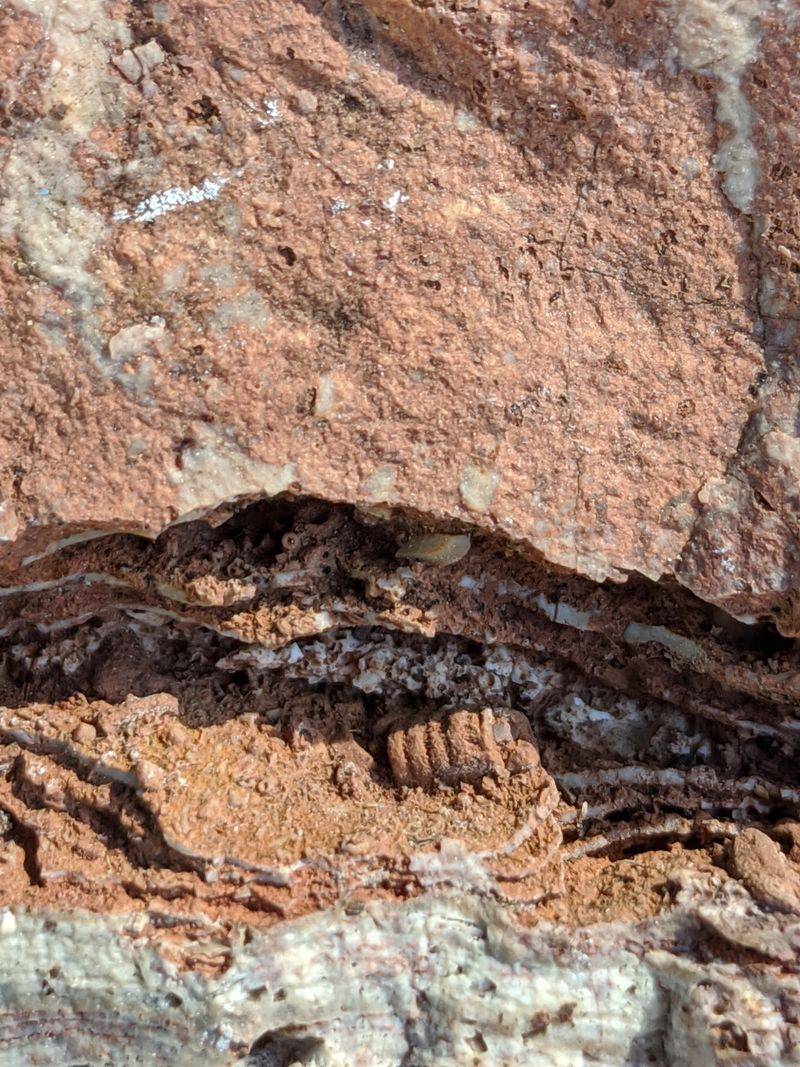
The land here was once covered by water. Over time, the remains of sea creatures settled, got buried, and hardened into the sedimentary stone you see on the slope today.
That stone now holds a crowd of tiny residents. Small bivalves, worm traces, and other mollusks show up in the rock, along with brachiopods and bryozoans.
Brachiopods look a bit like clams at first glance. Bryozoans were small colony-building animals, and their fossils often appear as fine patterns in the rock.
Some people spot little ridges in the stone and wonder what made them. Part of the fun is puzzling out which creature left which mark.
The big picture is what sticks with many folks. Standing on a dry Arizona hillside while holding a shell from an ancient sea is a strange and memorable mix.
Knowing the backstory helps. The next step is knowing where to start looking.
Where the Shells Hide
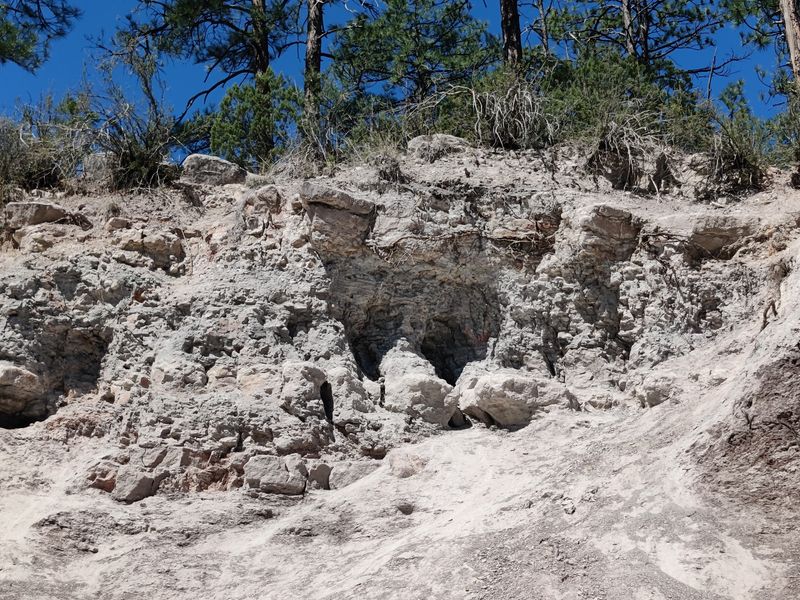
Good news for anyone who dislikes steep climbs. You do not need to scramble high up the slope to find something.
The upper layers of rock hold plenty of fossils, and you can see many embedded in the bands of stone. Still, lots of finds turn up near the identification sign and right around ground level.
The loose gravel on the lower slope is a favorite hunting ground. Some families search there for half an hour and come away with a handful of little treasures.
The flatter area also gives up its share. Finds there are possible without any climbing at all.
For the more adventurous, there is an old road or jeep trail above the big rock outcrop. Water washes down it, exposing shells, and a patient searcher can find several in about 20 minutes.
Following a wash downhill can also turn up fossils and interesting rocks. The barren, open patches tend to be productive too.
Once your eyes learn what a fossil shell looks like, little shells start appearing all over. The trick is learning to see them.
Patience Beats Luck
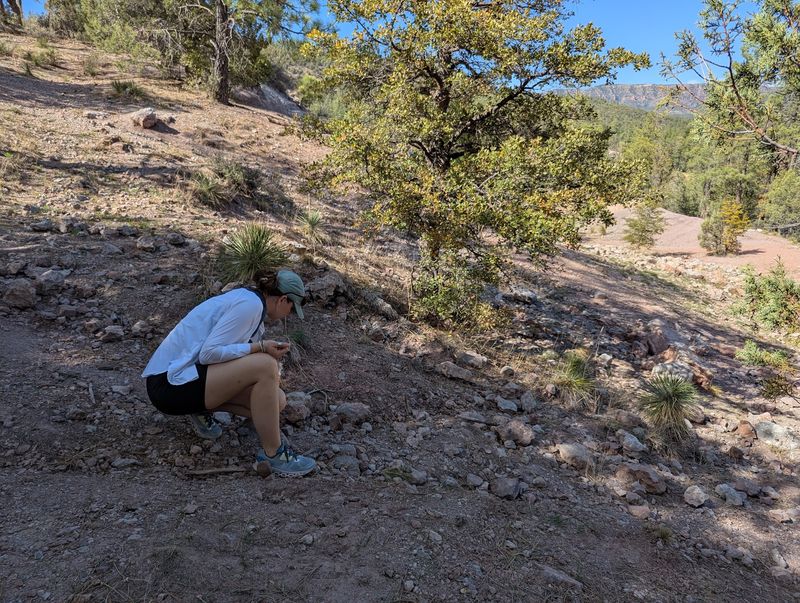
Here is the honest truth about this hillside. It does not hand out fossils like candy.
Some fossils are very small, and spotting them takes a sharp eye. A search of about 45 minutes might yield only two small pieces.
Others leave empty-handed. A few people even suspect the easiest spots have been picked over through the years.
That mix of results is part of the deal. Success often depends on slowing down and scanning the ground carefully.
Many people say the hunt itself is the reward. Even without a find, poking around the slope and exploring the area is a pleasant way to spend time.
Fossils are right on top of the ground in many areas. Little to no digging is usually required to see them.
Plenty of folks still bring tools anyway. Those who want to dig deeper into the hillside should plan ahead and pack accordingly.
Going in with realistic hopes makes every find feel like a small victory. And a first trip with poor results often becomes a reason to return.
An Eagle Scout’s Lasting Contribution
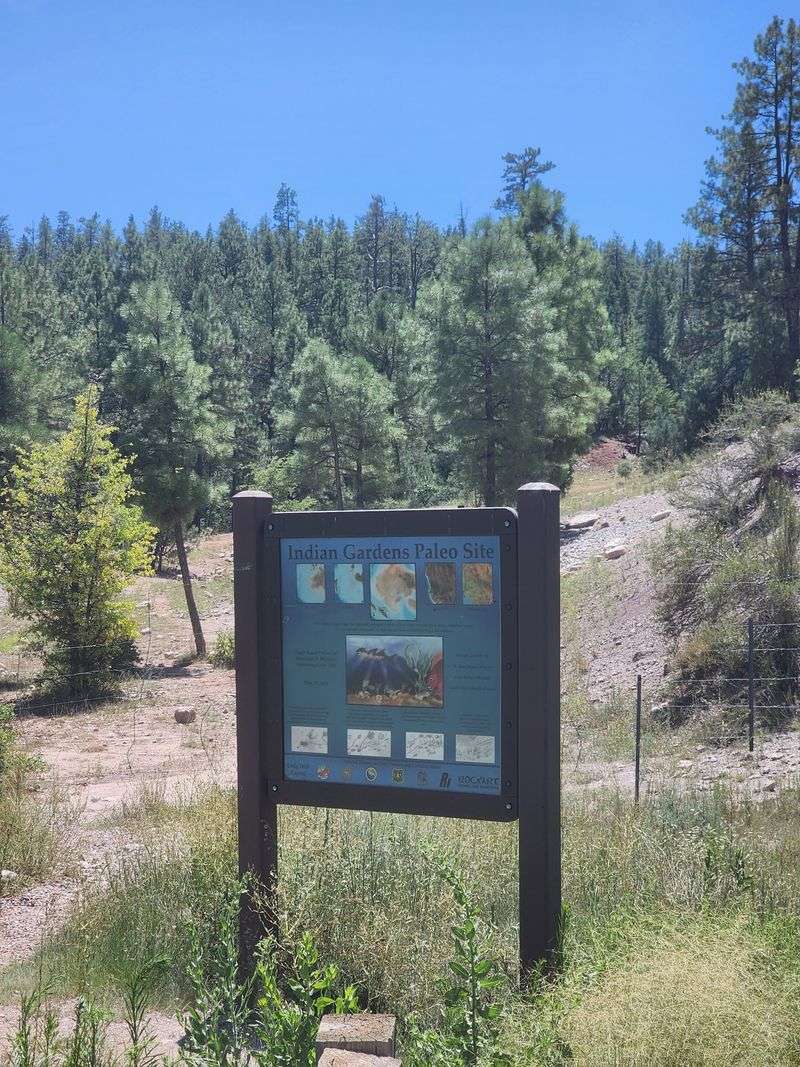
Not every helpful guide wears a ranger hat. At this site, some of the best guidance comes from an informational sign put together by a young Eagle Scout.
Interpretive signs help explain what you are looking at. They give context to the shells and patterns in the rock.
The sign area also doubles as a decent hunting spot. Fossils turn up nearby, which makes it a natural starting point.
Reading the sign first is a smart move. It gives you an idea of what the ancient creatures looked like before you start searching the gravel.
The entrance has a pedestrian-only gate. It keeps vehicles off the site while letting people walk in freely.
Small touches like these give the stop a community feel. It is not a big operation, but someone clearly cared enough to make it easier to understand.
For kids especially, a bit of background turns random rocks into clues. That shift is where the real curiosity kicks in.
Small Hands, Big Discoveries
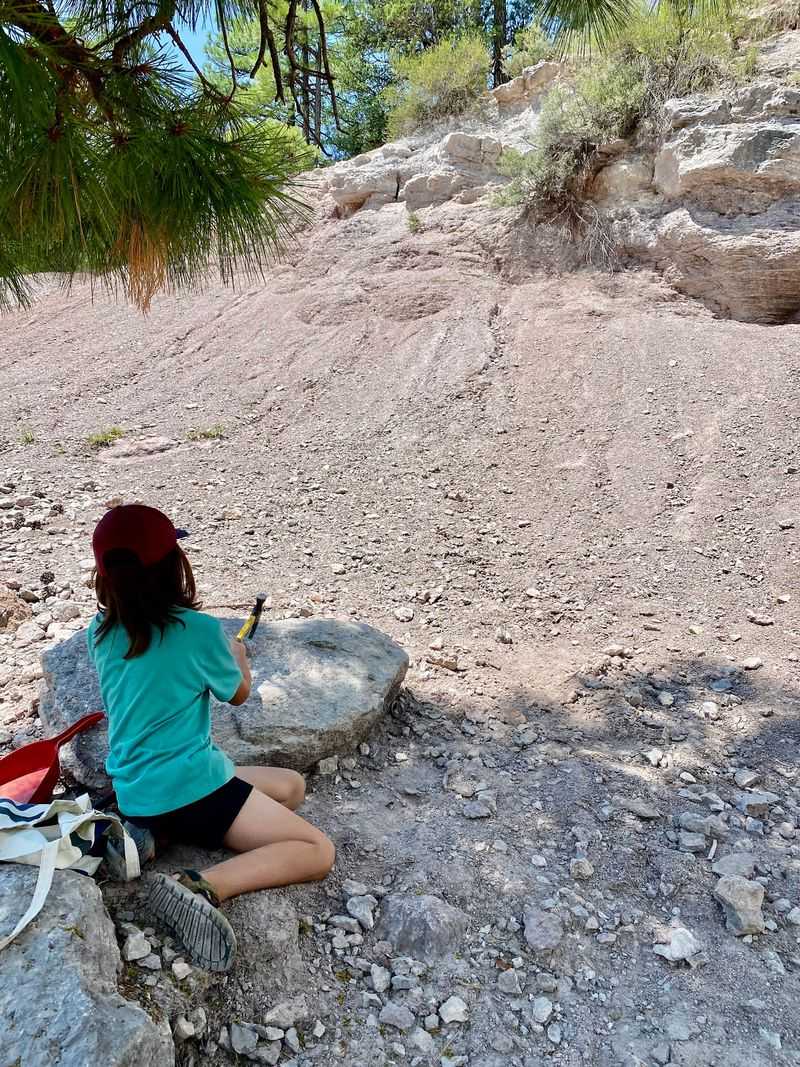
Some parents call it better than a museum. Kids get to hunt for real fossils that nobody has picked up before.
The site works well for curious young explorers and grown-ups alike. Easy access and simple fossils make it a fun outing for many ages.
It is a good place to let little ones explore nature and learn about fossils. Playing in the dirt counts as education here.
That said, it is not a perfect fit for every child. Very young kids who expect quick results may lose interest fast, especially if the group heads for the tougher hillside spots.
Setting the right expectations helps a lot. Starting on the lower slope and flat areas gives young searchers a better shot at early success.
Older kids who enjoy a challenge often love the search. Comparing finds and guessing what each one was can keep them busy for a while.
Families on camping trips often treat it as a bonus stop. It breaks up a drive and sends everyone back to the car with a story to tell.
Quiet Corners and Easy Trails
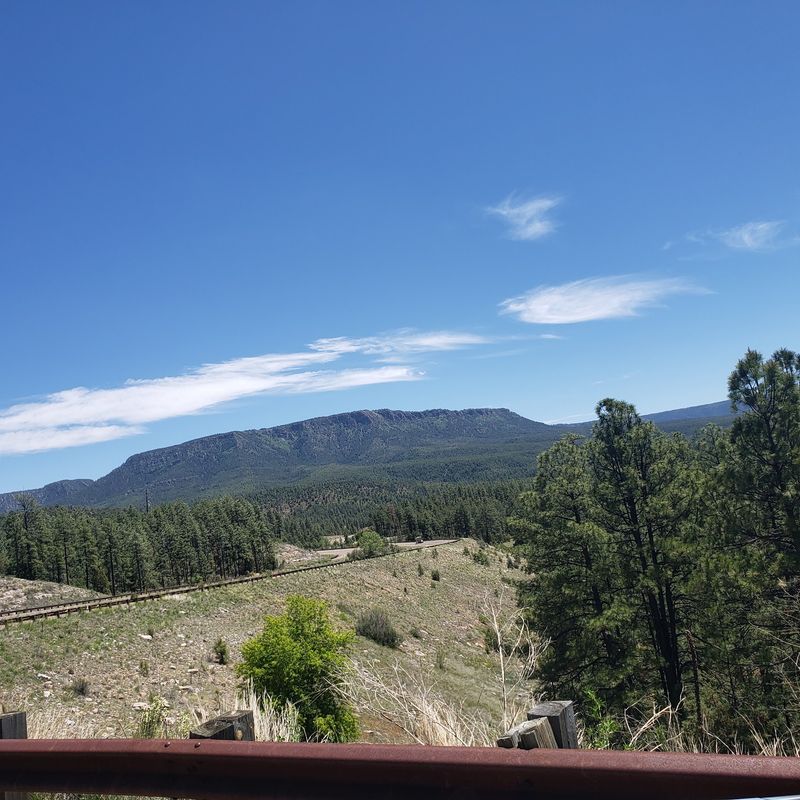
Crowds are rare here. Many people find they have the place nearly or entirely to themselves.
No stores are close by, which adds to the private feel. The setting is clean, quiet, and calm.
The walking is easy. Scenic trails weave around the fossil beds, and the short hike suits leisurely strolls and photos.
It also makes a fine spot for a picnic. Some folks simply use it as a peaceful place to rest before continuing their drive.
The parking lot itself has a pleasant outlook. Early risers have even caught a sunrise from the area.
Exploring beyond the fossil slope is part of the appeal too. Some visitors-at-heart come mostly to wander, with fossil finds as a bonus.
It is a small site, so do not expect towering formations. People hoping for dramatic rock spires may find it modest.
For those who enjoy simple outdoor time away from the city, that modest scale is exactly the point.
Hours, Exits, and What to Pack
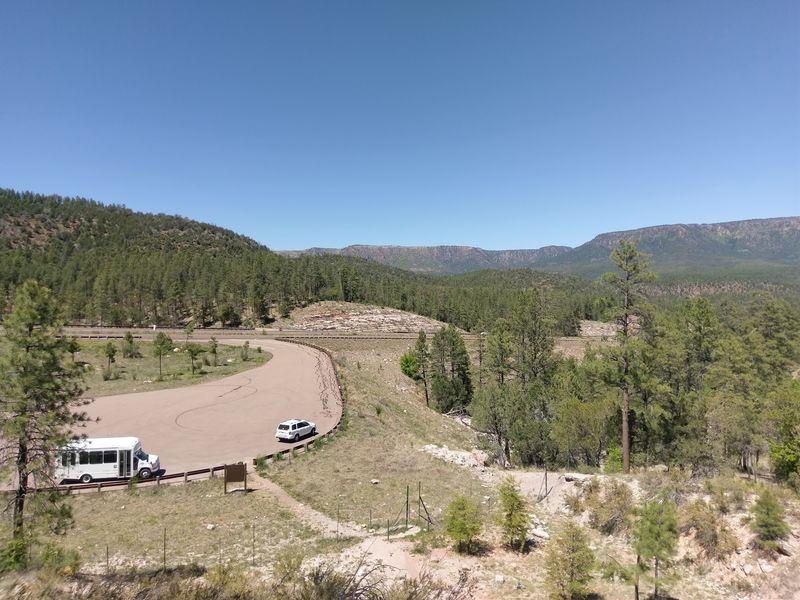
Timing matters before you head out. Paleo Site Monument is listed as open Wednesday through Sunday from 9 am to 4 pm and closed Monday and Tuesday.
Some people who arrive late find no posted hours on site. Planning within the listed window is still the safest bet.
Getting in requires attention. The exit comes up quickly on the highway, and the ramp is short.
Drivers in large vehicles or towing trailers should slow down early. Once there, parking is easy and plentiful in the big paved lot.
Bring water so you can explore longer without rushing. With no stores nearby, you will want supplies on hand.
Tools are optional for surface hunting. Anyone hoping to dig should pack hand tools in advance.
Weather varies. Warm days can make long searches tiring, rain may roll through, and snow can cover the ground in winter, though barren patches may still reveal fossils.
Cooler days tend to make longer hunts more comfortable.
Rules about keeping finds are not clearly posted, so some people choose to leave fossils where they lie.
Worth the Detour
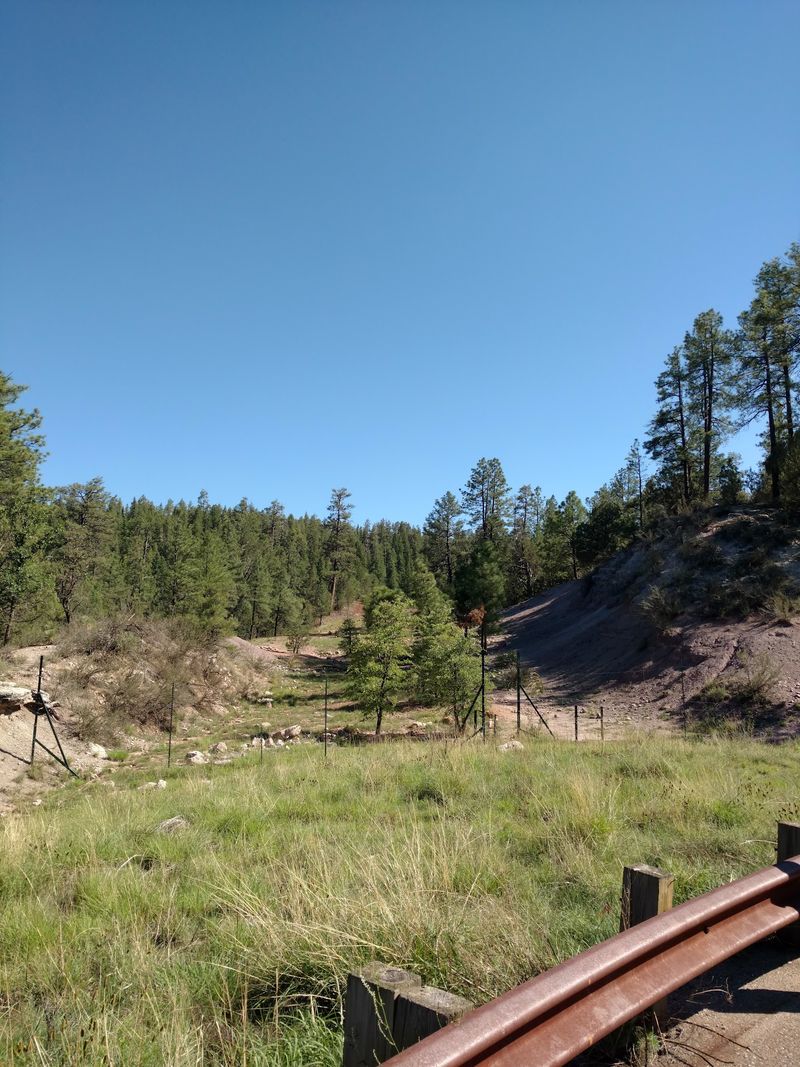
Big attractions get the billboards. Small ones like this get the loyal fans.
Paleo Site Monument holds a 4.5-star average across more than 200 opinions, and the reasons are easy to see. It is free of fuss, close to the road, and packed with genuine pieces of ancient sea life.
It will not suit everyone. Anyone expecting a polished park or guaranteed finds may leave a bit underwhelmed.
Curious minds tend to love it, though. It rewards patience, sharp eyes, and a willingness to get a little dusty.
The stop fits neatly into a Rim Country camping trip or a drive through Payson. Even a short visit can spark interest in how this land has changed over time.
Many people leave planning a second trip. Some want better luck, and some simply enjoyed the calm.
For Arizonans, it is a fun reminder that remarkable history can hide beside an ordinary highway. Sometimes the best discoveries are just a quick exit away.