
Affiliate disclosure: As an Amazon Associate I earn from qualifying purchases. Learn more
Somewhere in Ocean County, a tiger with a past is living a calm, safe life, and he is not alone. Lions, bears, monkeys, foxes, turtles and a small army of peacocks share the same quiet patch of New Jersey, and every single one of them arrived with a story.
Some were abandoned. Some were mistreated.
Some simply needed a place to land when nobody else would take them. This is not a big theme park with roller coasters or giant food courts.
It is a seven-acre refuge where the signs tell you exactly why each animal is there, and where a family can see the whole place in a couple of easygoing hours. Keep reading to learn what makes this spot special, what changed in recent years, and how to plan a kind-hearted weekend trip.
A Refuge Hiding in Forked River
The address is 1 Humane Way, which feels almost too fitting. Popcorn Park Animal Refuge sits at 1 Humane Way, Forked River, NJ 08731, in Ocean County, New Jersey, in the United States.
Plenty of locals still call it Popcorn Park Zoo. The staff are happy to set the record straight, though, because this place is a sanctuary first and an attraction second.
The refuge is run by the Associated Humane Societies. Its mission is simple and serious: give abandoned and abused animals, both domestic and exotic, a safe home for the rest of their lives.
That mission shapes everything here. Animals are not brought in for show, and they are not bred for crowds.
Instead, each one came because it needed help. Some were pets that people could no longer keep, and others came from situations far worse than that.
For New Jersey families, the location is a big plus. Forked River sits close to the Garden State Parkway region of the Jersey Shore, so it works nicely as a day trip without an overnight stay.
Once the car is parked, the real adventure begins with the stories behind the residents.
Second Chances on Seven Acres
Two hundred animals, seven acres, one big promise. According to the refuge, it cares for more than 200 rescued animals on its compact grounds.
That number surprises a lot of first-timers. The park looks small from the entrance, yet the paths wind past enclosure after enclosure.
The lifelong part of the promise matters most. Animals that arrive here are not passed along to the next place after a few months.
Many of the residents are seniors. Some primates have lived at the refuge for many years, and a few animals are older than some of the guests walking by them.
That longevity says a lot about the care. Keepers handle species-appropriate diets, enrichment and daily activity for every resident.
The refuge also openly calls itself a sanctuary rather than a traditional zoo. That framing helps set expectations, since the goal is comfort for the animals, not a nonstop performance for the crowd.
Families who arrive with that mindset tend to leave happiest. The point of the trip is to meet survivors and learn their histories, which leads straight to the most popular part of any visit.
The Big Cats With Big Backstories
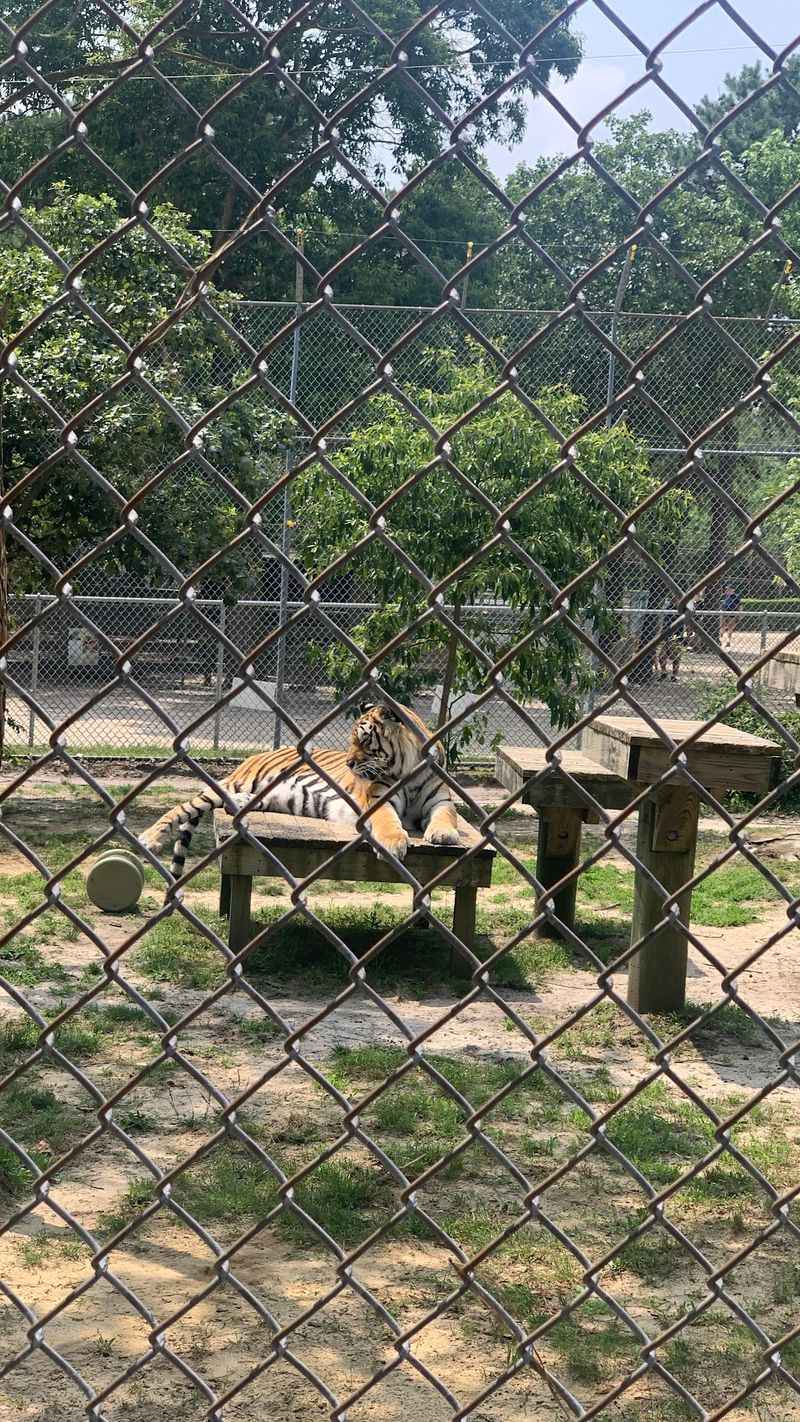
Tigers rarely end up in Ocean County by accident. The ones at Popcorn Park arrived because they needed a safe home, and now they have one.
The big cats are among the most talked-about residents. One tiger in particular stands out for his sheer size, towering over the others in a way that tends to stop people in their tracks.
Lions live here too. Seeing them up close in a small refuge feels very different from spotting a distant shape across a huge zoo moat.
Each enclosure includes a sign with the animal’s story. Those bios explain where the cat came from and what led to its rescue.
Kids often read them out loud. Parents say those little histories turn a simple animal sighting into a real conversation about responsibility and kindness.
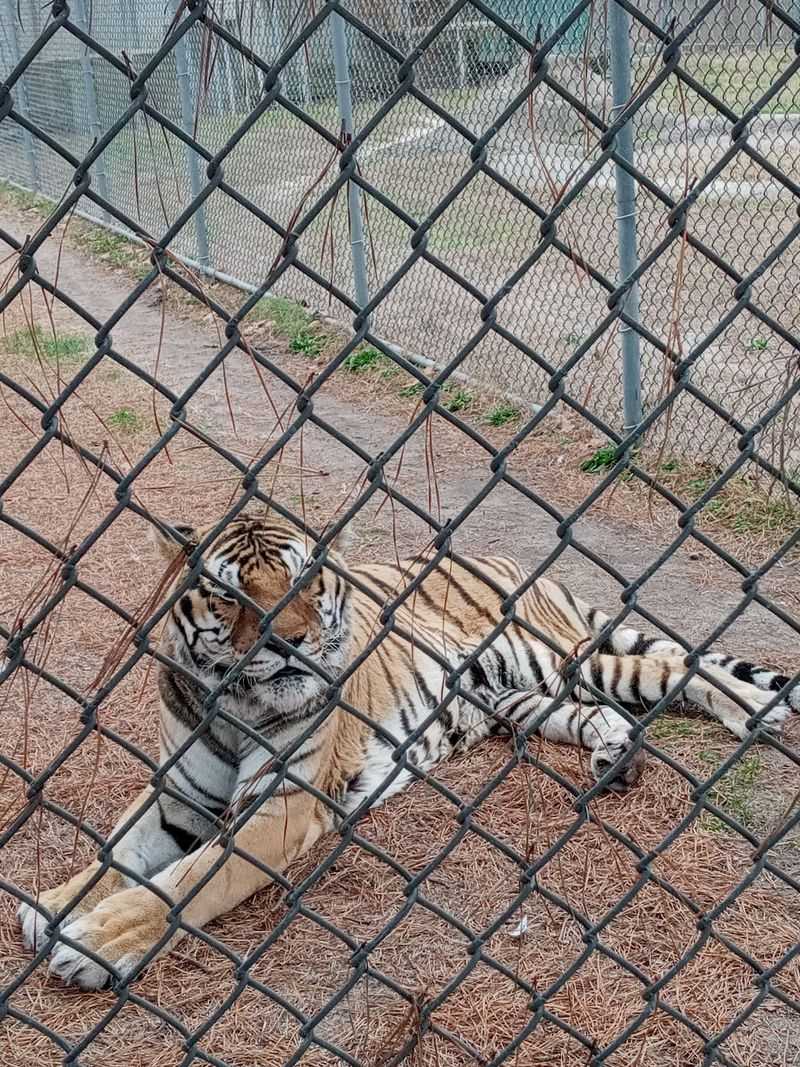
Patience helps with the cats. Like house cats, they spend plenty of time resting, especially the older ones.
A nap is not a sign of trouble, either. The refuge points out that resting is normal behavior, particularly for senior animals.
So if a lion is snoozing, that may just mean life is finally calm for him. Not a bad ending for a cat with a rough beginning.
Bear Country, Shore Edition
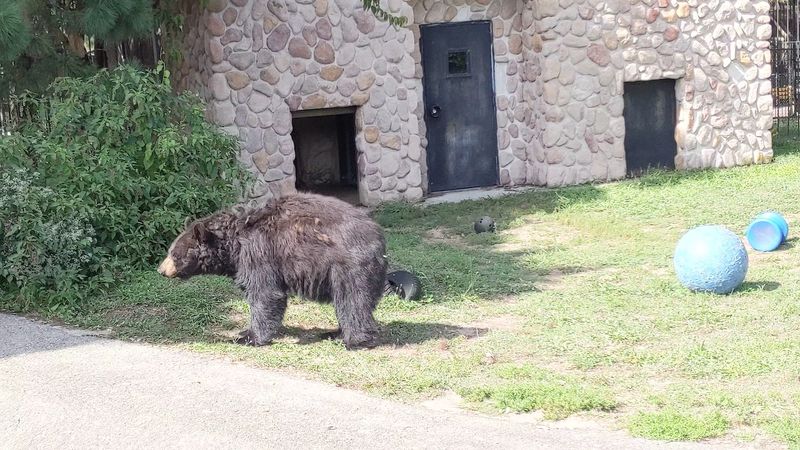
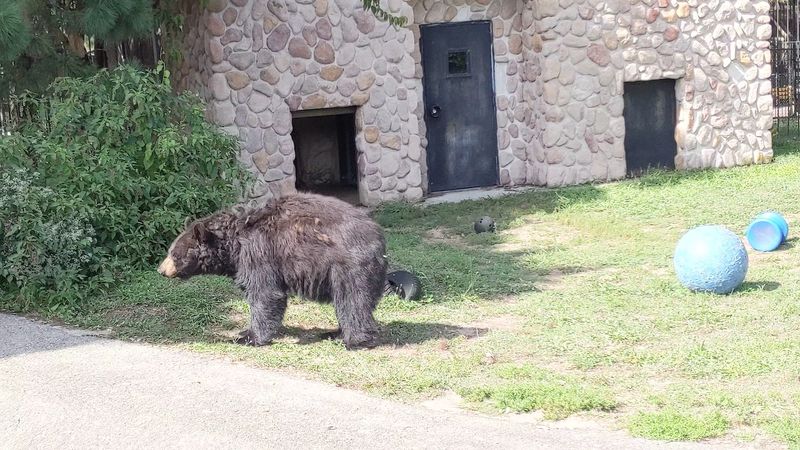
Bears are famous for keeping their own schedule, and the bears at Popcorn Park are no exception. Some days they are out and about, and some days they prefer the privacy of their den.
That unpredictability is part of the charm. Spotting a bear here feels like a small win.
The refuge lists its bear among the highlights, and bears come up often when families talk about their trip. Like every resident, they arrived with a story posted near their space.
Timing can help a lot. Afternoons between roughly 2 and 4 pm seem to bring more animals out into view.
Weather plays a role too. On chilly days, many residents choose to stay warm inside, which is their right as retirees of the animal world.
A smart plan is to loop past the bear area early, then swing back later. A second pass costs nothing but a few steps on the sandy path.
Even a hidden bear teaches something. The whole idea of a sanctuary is that animals get to choose, and sometimes the choice is a long nap in the cave.
Peacocks Running the Show
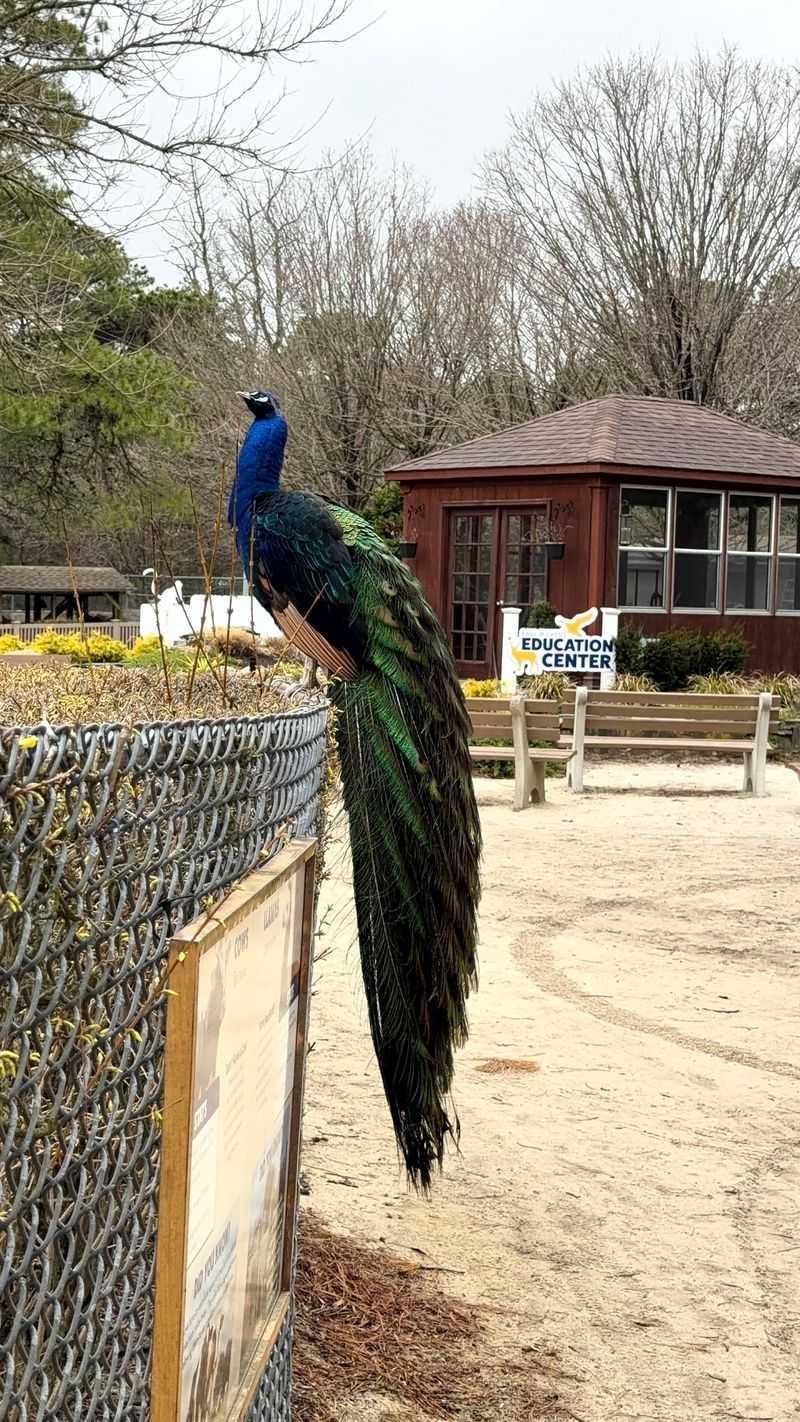
Nobody told the peacocks they are supposed to stay in one spot. They roam freely across the refuge, and they clearly consider the whole place theirs.
These birds are easily the most mentioned residents. Guests talk about them more than the lions, which says a lot about their star power.
They wander the paths, perch near enclosures and even stroll through the parking lot. Drivers should go slowly when pulling in or out.
For kids, the peacocks are a surprise bonus. There is no glass or fence between them and the bird walking past, which makes the moment feel special.
Still, they are not pets. Admiring them from a respectful distance keeps everyone, feathered or not, comfortable.
Photographers love them, and patient ones may catch a full tail display. That kind of timing is pure luck, though.
The free-roaming birds also give the refuge its relaxed personality. They make the grounds feel less like a formal zoo and more like a neighborhood where the animals are the locals.
Consider them the unofficial welcoming committee, with excellent fashion sense.
Ozzy and the Primate Crew
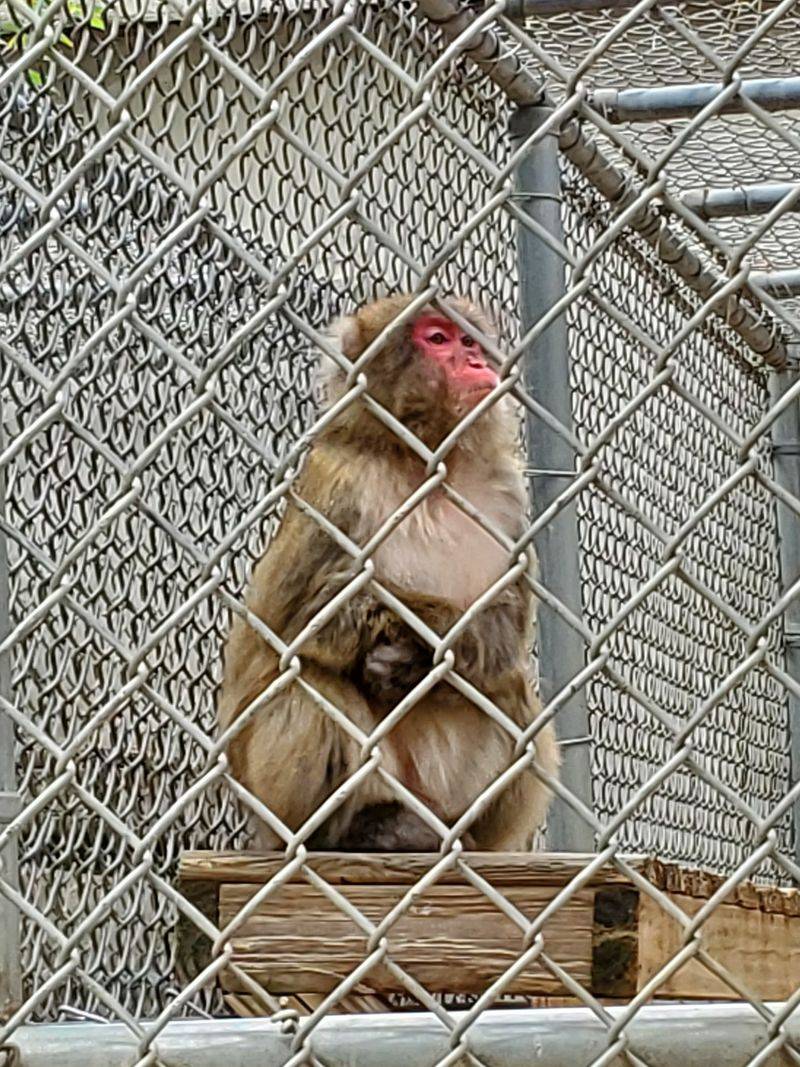
Every refuge has a celebrity, and here that title often goes to a monkey named Ozzy. Kids learn his name fast and tend to ask about him on the way home.
Volunteers know his fan base well. They sometimes try to coax Ozzy into a jump for the youngest guests, with mixed but entertaining results.
The primate area is a favorite for animal lovers who enjoy watching personalities. Monkeys are expressive, curious and full of quirks.
Several primates are seniors who have lived at the refuge for many years. Some longtime guests remember them from childhood trips.
Older monkeys move at a slower pace. The refuge explains that resting is normal for aging animals, and keepers provide daily enrichment and activity.
That context helps families understand what they are seeing. A quiet monkey is often simply an elderly one enjoying a peaceful afternoon.
Volunteers and staff are glad to answer questions here. Asking about a specific primate’s history usually leads to a good story.
Ozzy may not sign autographs, but he certainly collects admirers.
Reptiles, Turtles and Foxes Too
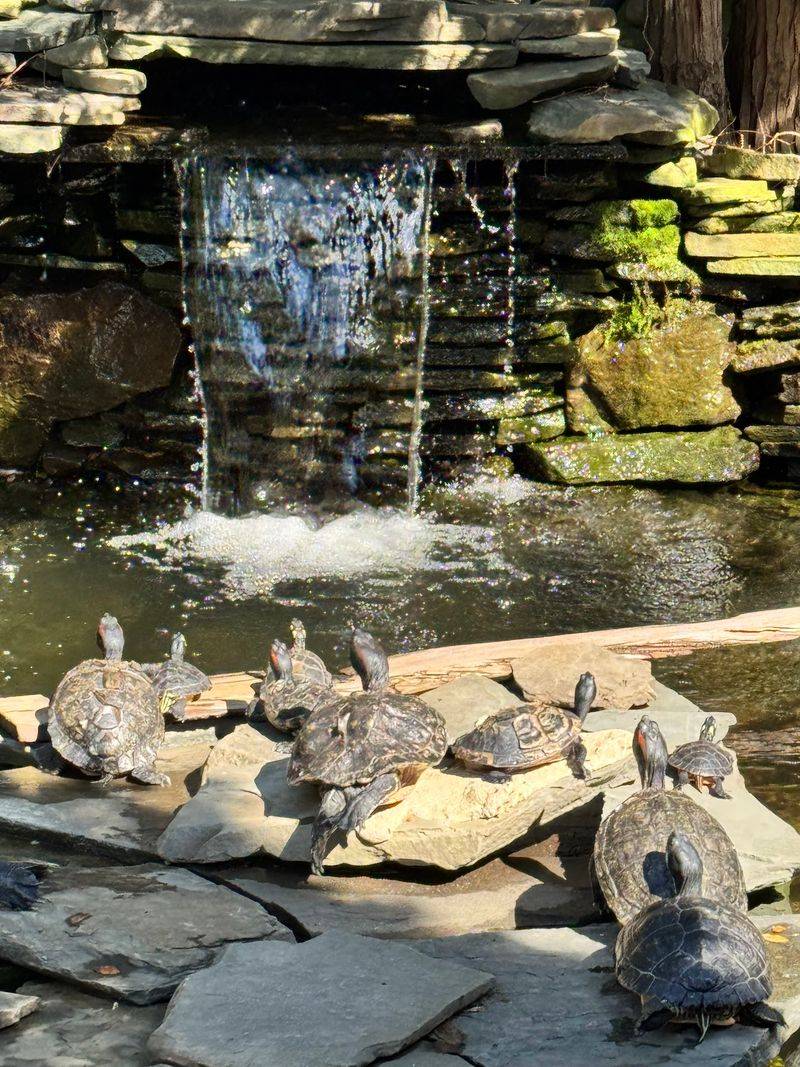
Big cats get the headlines, but the smaller residents quietly steal plenty of hearts. The refuge has a reptile house, and it is a must for scaly-creature fans.
Turtles are everywhere here. There are a lot of them, and kids enjoy counting how many they can find.
Foxes live at the refuge as well. They are the kind of animal people want to cuddle, but these foxes prefer admiration from a distance, according to the refuge itself.
Farm animals round out the mix. Pigs and other barnyard residents give younger children a familiar face among the exotic ones.
Primates and reptiles are often named as the best reasons to visit by people who know the place well. That combo appeals to curious kids who like weird and wonderful creatures.
The variety is what keeps a small park interesting. Each turn on the path brings a different type of animal and a different rescue story.
For families with a reptile-obsessed child, the reptile house alone can turn a quick stop into a much longer one. Plan accordingly, and maybe set a gentle timer.
Signs That Tell the Whole Story
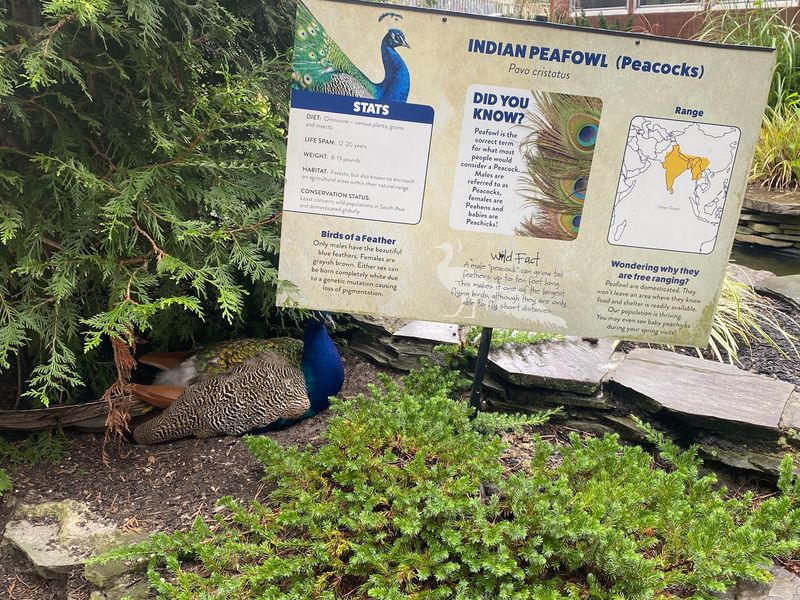
Reading is part of the fun at Popcorn Park. Every enclosure comes with a bio explaining who lives there and how they got there.
Recent updates gave the signage a fresh look. The new design is clean, simple and easy to read, even for younger kids sounding out words.
The signs often cover more than the rescue. They share facts about the species and sometimes the animal’s favorite things.
That detail matters. Learning that a particular animal has a favorite activity turns it from a creature into a character.
Parents appreciate the teaching moment. Many say the stories help kids understand why caring for animals matters and what happens when people do not.
The signs also explain behavior. Knowing that an animal is elderly or was rescued from a hard situation helps guests understand why it might be resting.
A good strategy is to read every sign, not just the ones by the big cats. Some of the most moving stories belong to the smallest residents.
It is a museum, a rescue log and a storybook, all posted on the fence.
Where Did the Popcorn Go
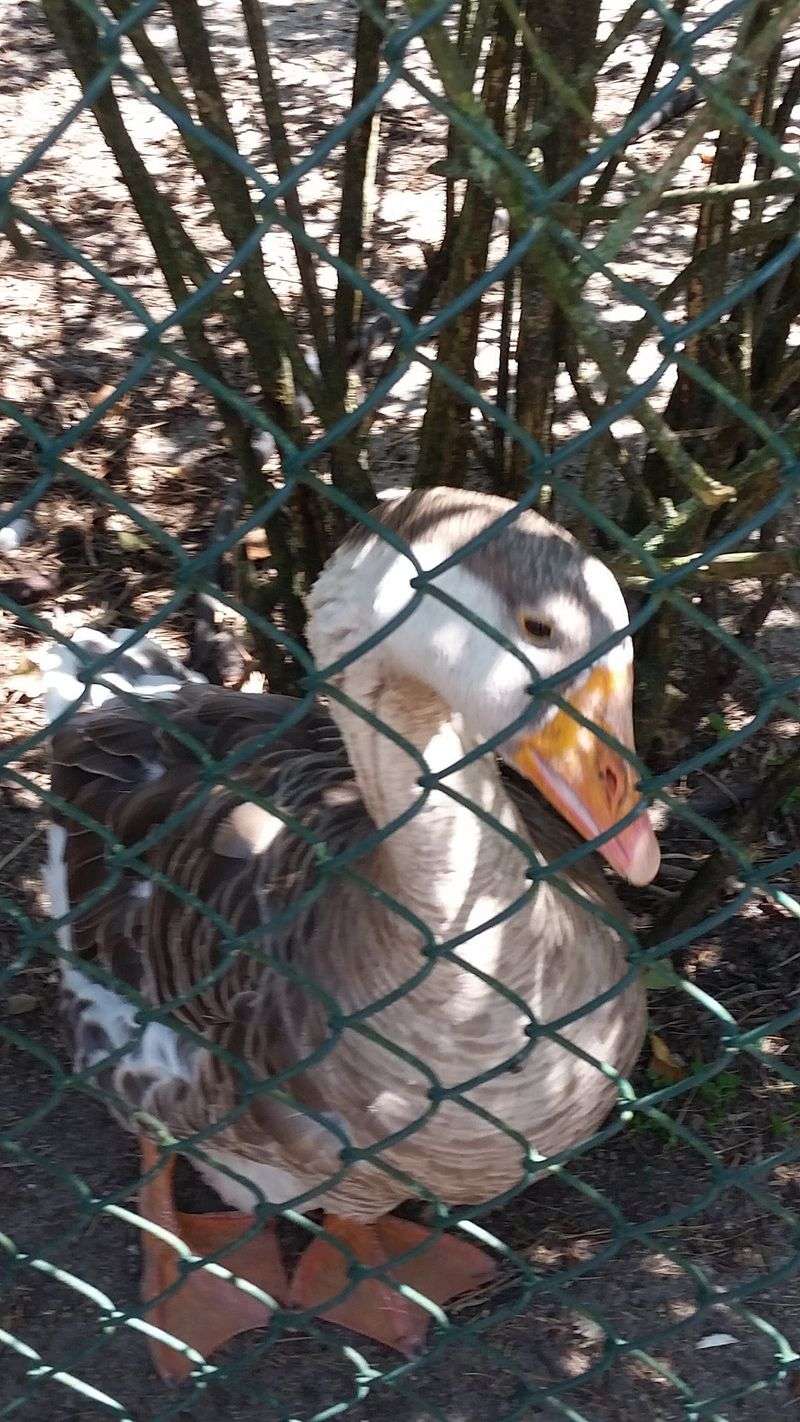
For decades, the name explained itself. Guests bought popcorn and fed the animals, and that tradition made Popcorn Park famous across New Jersey.
Today, popcorn sales and public feeding are no longer offered. The refuge stopped them as a precaution during the avian influenza outbreak to protect its birds and other residents.
Petting the animals was retired for the same safety reasons. The refuge has said plainly that animal health has to come first.
Not everyone loves the change. Longtime fans, especially those who grew up tossing popcorn, miss that hands-on part of the trip.
Families should know this before they go. Kids expecting to feed animals may need a quick heads-up in the car.
There is hope on the horizon, though. The refuge has said it is open to ideas like supervised feeding experiences using the animals’ regular diets.
Nothing like that is confirmed, so checking the official website before visiting is smart.
For now, the popcorn lives on in the name and in a lot of happy Jersey memories.
A Quieter Pace for Young Families
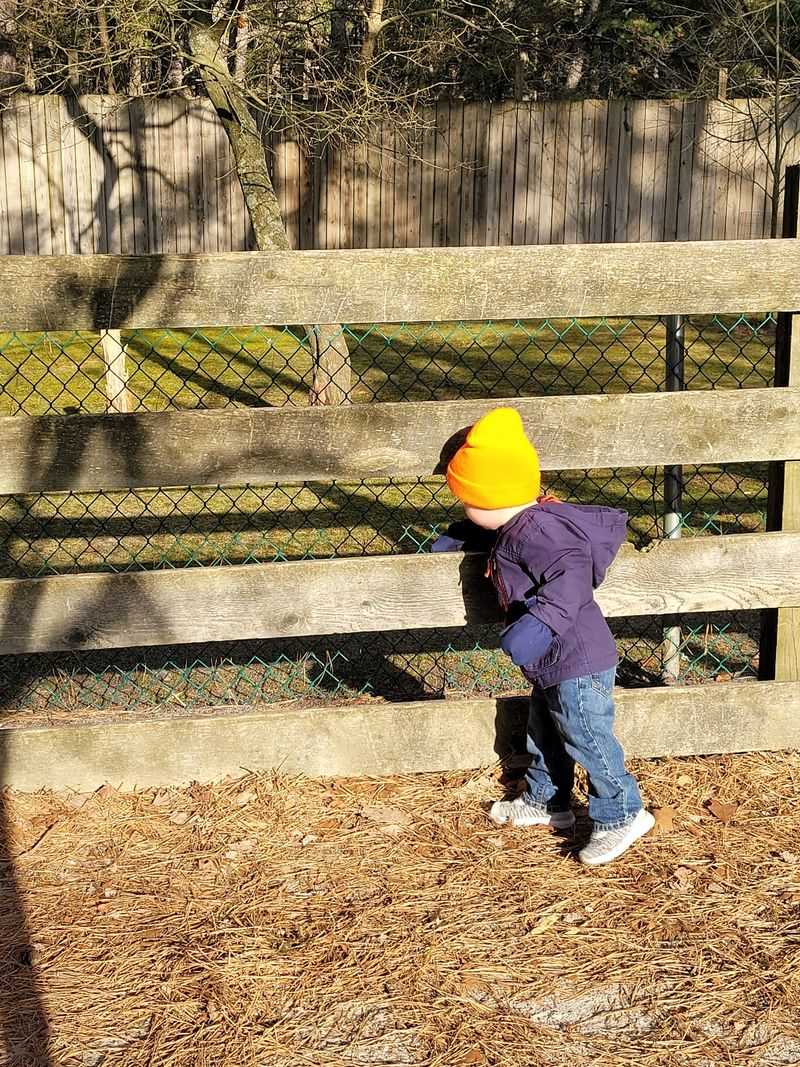
Huge zoos can wear out little legs by lunchtime. Popcorn Park takes the opposite approach, with a size that feels manageable instead of overwhelming.
Many families finish the loop in under two hours. Others take their time and stretch it to a few hours, depending on how many stories they stop to read.
The grounds offer lots of shade, which helps on warmer days. Paths are easy to follow, so getting lost is not really a concern.
Grandparents bring grandkids here often. Some parents who visited as children now bring their own kids every couple of weeks.
That generational loyalty says a lot. It is the kind of place where a child learns the animals by name.
Small groups and quiet weekdays can make the visit even calmer. Cloudy weekdays sometimes bring very light crowds.
Couples will find it pleasant, too, especially those who love animals and good causes. It is a low-key outing, not a thrill ride.
Expect a gentle morning or afternoon, and the refuge delivers exactly that.
Birthday Parties With a Purpose
Some birthday parties end with a goody bag. Parties at Popcorn Park end with kids who just met an animal ambassador and toured a rescue refuge.
The refuge hosts children’s birthday celebrations. Parents describe the coordination as easy, which is music to any party planner’s ears.
A typical party includes an animal ambassador experience in the picnic area. An instructor leads that part, then the group eats and heads into the park.
Ages from toddlers to early grade-schoolers have enjoyed these events together. That range makes it handy for families with mixed-age guest lists.
There is also a feel-good bonus. Money from the party supports the care of the rescued animals.
That detail tends to win over parents. The celebration doubles as a small act of kindness.
Details like pricing and availability are best confirmed directly with the refuge. Party options can change, so reaching out early is wise.
For an animal-loving child, it is hard to top a birthday surrounded by tigers, turtles and peacocks.
Adoption, Clinics and the Bigger Mission
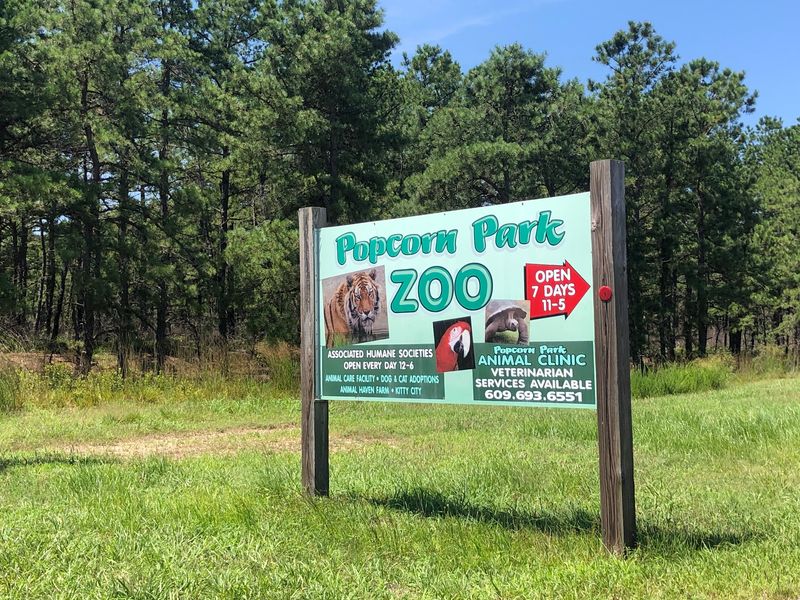
A trip here can end with more than photos. Adoption is part of the bigger picture, and pets are available for families ready to give one a home.
Adoption comes up again and again in conversations about the refuge. For some families, the visit becomes the first step toward welcoming a new companion.
The Associated Humane Societies also runs veterinary services for pets. The clinic has been under renovation, but it remains part of the organization’s work in the community.
Donations are welcome at the shelter. Some regular guests bring supplies on every trip, and the shelter staff are known for their friendly welcome.
A small gift shop sits on site too. It offers cute items, and purchases help support the mission.
All of this connects back to one goal: caring for animals both at the refuge and beyond its fences.
Anyone thinking about adopting should check the website for current animals and steps. Requirements can change, so calling ahead is a good idea.
Leaving with a new pet is not required, of course. Leaving with a soft spot for shelter animals is pretty likely.
Hours, Admission and Smart Shoes
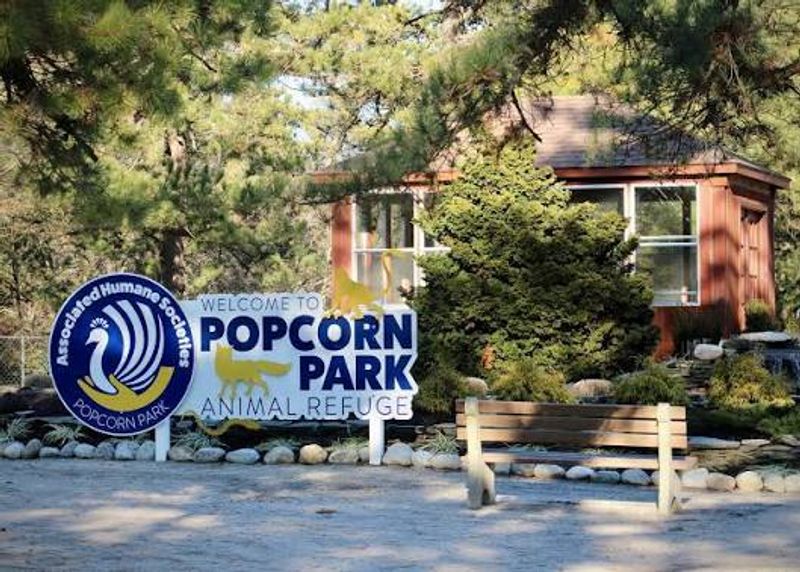
Good planning starts with the clock. Popcorn Park Animal Refuge is open every day of the week from 10 am to 4 pm.
Admission is reasonably priced. Recent figures put adults around $10 to $12 and seniors around $5 to $7, with children’s prices varying, though rates can change, so checking ahead is wise.
Parking is free and plentiful. That alone makes the trip easier for families with strollers and gear.
Footwear deserves real thought. The paths are sandy, and open shoes can fill up fast, so closed-toe shoes are the move.
Restrooms include a portable toilet near the front and a restroom trailer toward the back. The trailer is known for being clean, though it has occasionally been closed.
Timing can shape the experience. Animals often seem more active between about 2 and 4 pm, and mild weather brings more residents outside.
The ticket booth staff and volunteers are generally helpful with questions. The official website, ahscares.org, is the best spot for current updates.
Sand in the shoes is optional, but smart planning is not.
A Softer Kind of Jersey Day Trip
Not every great outing needs rides, crowds or a long checklist. Popcorn Park offers something calmer and, for many families, more meaningful.
The refuge has changed over the years. New signs, cleaner facilities and ongoing upgrades have won back some people who stayed away for a while.
Other changes, like the end of popcorn feeding, still sting for longtime fans. Knowing that ahead of time helps set fair expectations.
What has not changed is the heart of the place. Every resident is a rescue, and every story ends with safety.
Volunteers and staff clearly care about the animals. Their willingness to answer questions adds a personal touch to each stop.
Families with young kids, couples who love animals and grandparents sharing a tradition will all find something here.
It is small, honest and kind. It suits anyone who would rather spend a few hours learning about second chances than racing between attractions.
Bring curiosity, closed-toe shoes and a bit of patience for napping lions. The peacocks will handle the rest of the welcome.


