
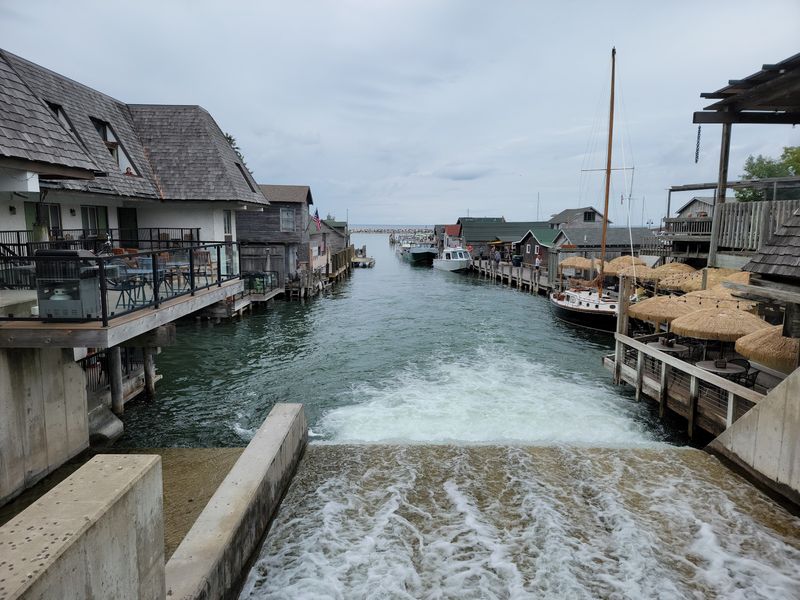
Affiliate disclosure: As an Amazon Associate I earn from qualifying purchases. Learn more
Some Michigan towns put their history behind glass, while one small harbor on the Leelanau Peninsula still uses it every day. Weathered fish shanties line a narrow river, and commercial fish tugs still tie up beside them after time on Lake Michigan.
A short walk away, a ferry leaves for islands where nobody lives year-round anymore. The whole community counted just 410 residents in the 2020 census, yet its waterfront ranks among the most recognizable scenes in northern Michigan.
Nobody needs a plane ticket or a passport to see a working Great Lakes fishing village. This guide covers the history, the shanties, the boats, the island trip, and the practical details that help a day trip go smoothly.
The story starts where the river meets the big lake.
A Village Where the River Meets Lake Michigan
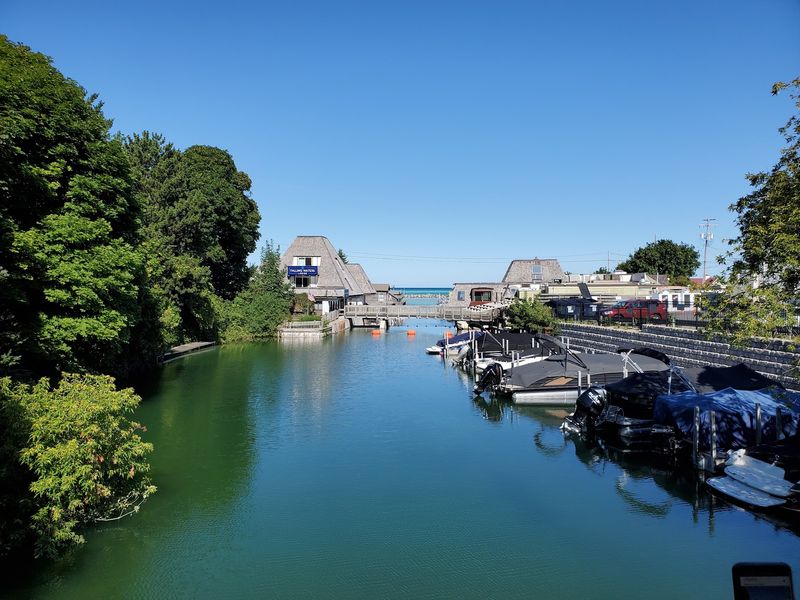
Few places in Michigan pack this much maritime heritage into such a small footprint. The village is Leland, an unincorporated community and census-designated place in Leland Township, MI 49654, in Leelanau County.
Leelanau County sits in the northwestern Lower Peninsula, the pinky of the Michigan mitten. Leland occupies a narrow strip of land between Lake Michigan and Lake Leelanau.
The Leland River connects the two lakes, and the village grew up around that short channel. The river is only a few blocks long, but it carries most of the town’s story.
As of the 2020 census, Leland had 410 residents. That number explains much of its character, since there is no sprawl, no chain-store strip, and no rush.
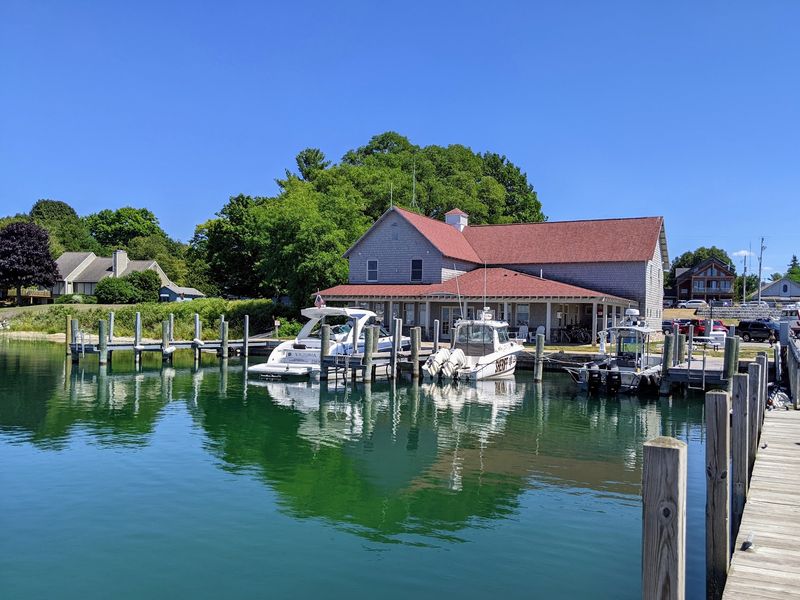
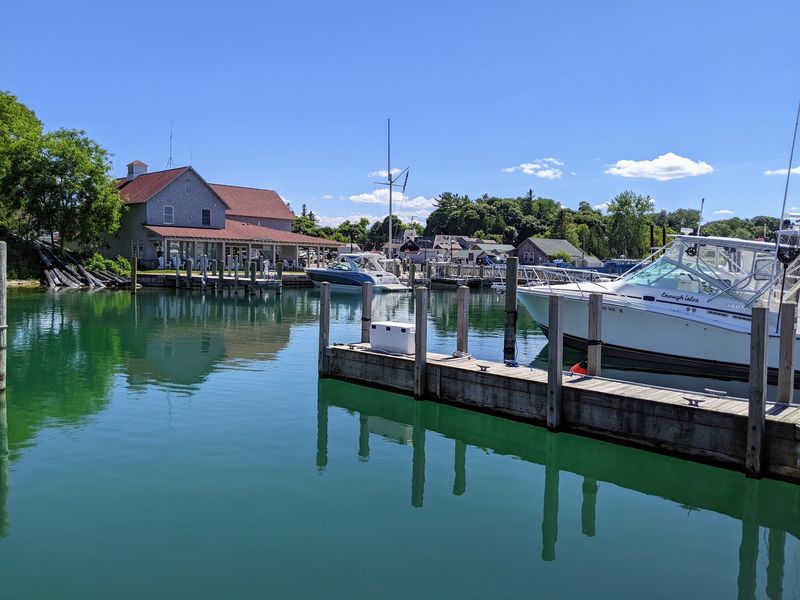
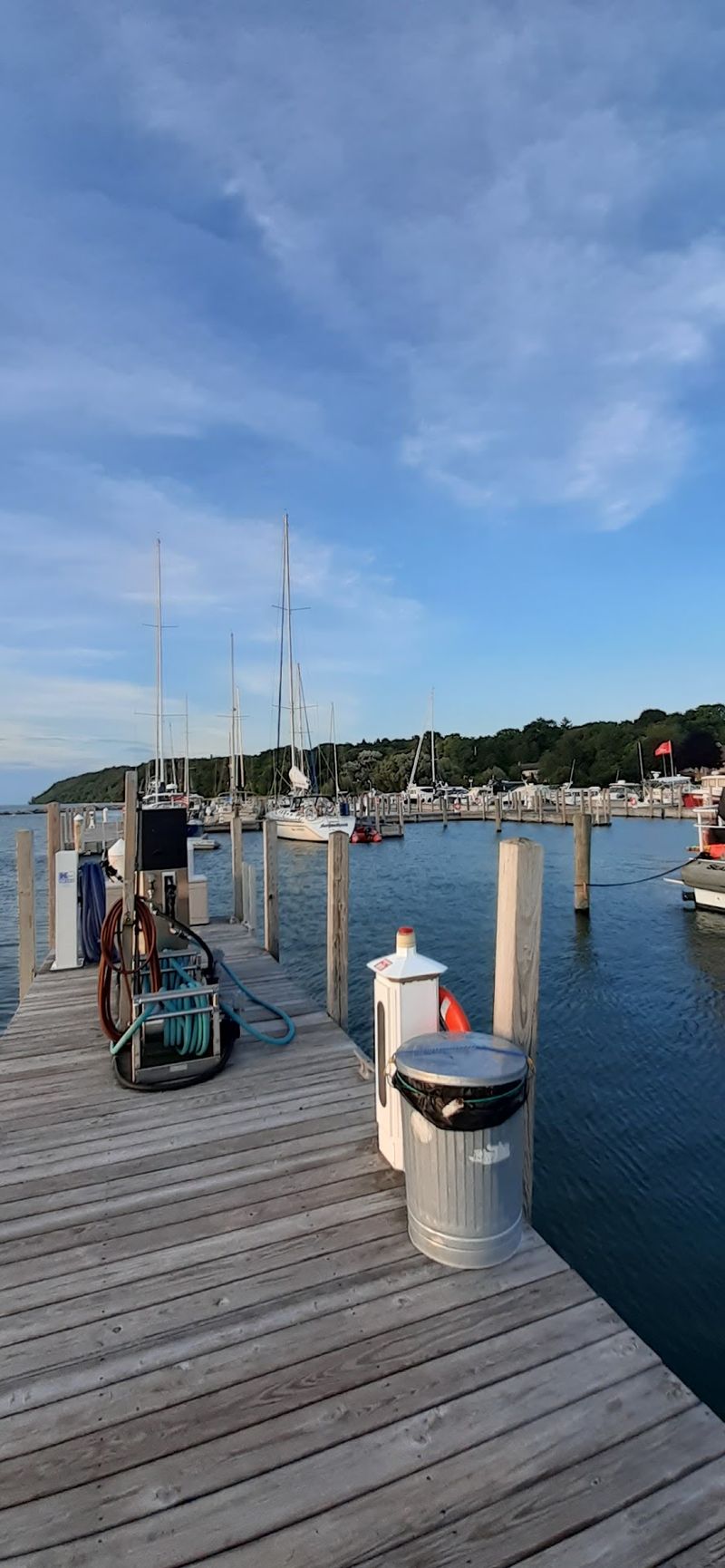
Most activity gathers near the harbor and the river mouth. Shops, boats, and docks sit close together, so the whole waterfront can be explored on foot.
For Michiganders who have driven past the Leelanau signs on their way to bigger towns, this is a good reason to make the turn.
Roots in Fishing and Lumber
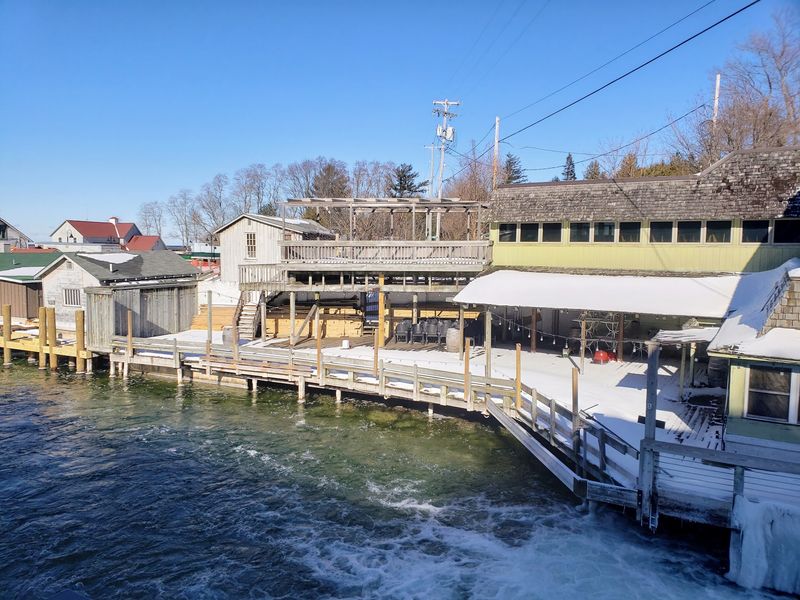
Long before anyone came here for a souvenir, the shoreline drew people for work.
The area was a gathering place for Anishinaabe people, and the river mouth offered a natural spot for fishing. Later settlers built a dam and sawmill, and the village supplied lumber and cordwood to passing ships.
Commercial fishing became the steady trade once the forests were cut. Families fished for whitefish and lake trout, working from small boats and shoreline shacks.
That fishing heritage is the reason the waterfront looks the way it does today. Shanties were practical buildings, built for nets, ice, and gear rather than for display.
Over the twentieth century, many Great Lakes fishing ports either disappeared or turned entirely toward tourism. Leland kept a link to the old trade while welcoming newcomers, which is rare along this coast.
The result is a living village rather than a recreated set. History here is not something reconstructed later; much of it simply never left.
Fishtown and Its Weathered Shanties
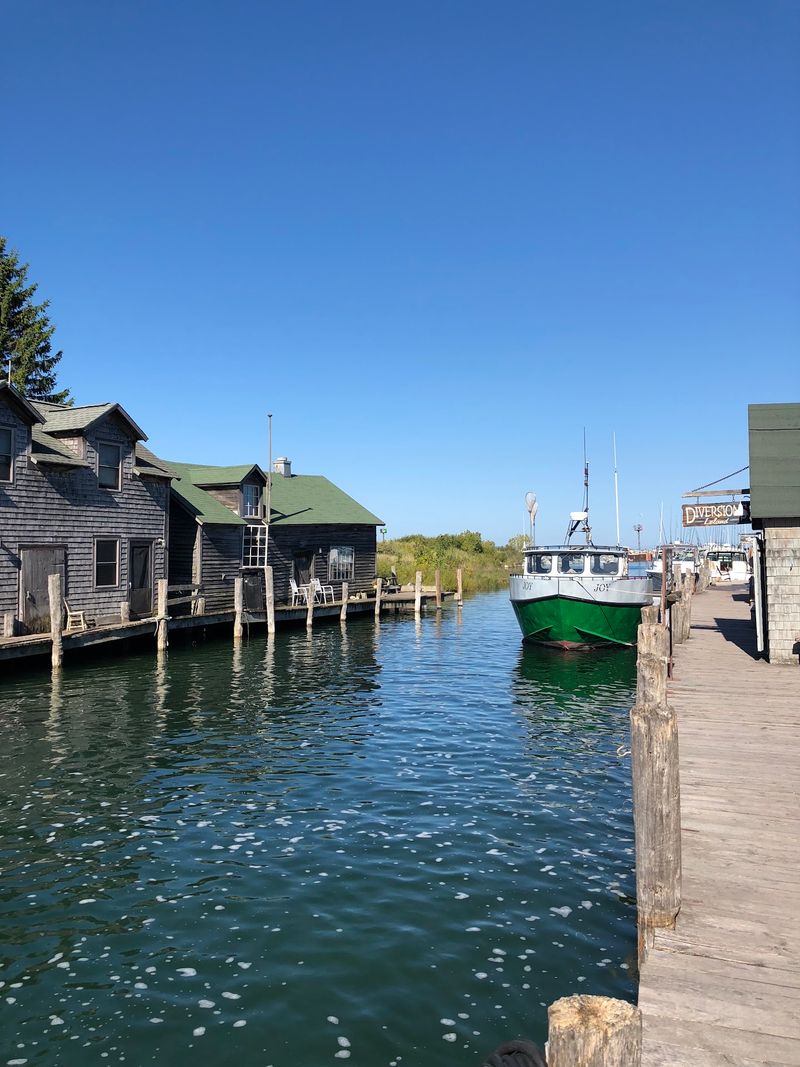
Gray wood, tin roofs, and narrow docks make up the scene that appears on countless Michigan postcards.
The historic district is known as Fishtown. It stretches along both sides of the Leland River, just upstream from Lake Michigan.
The shanties were built for commercial fishing and many date back generations. Some still serve that working purpose, while others now hold small shops and galleries.
A nonprofit group, the Fishtown Preservation Society, works to protect the buildings and the fishing tradition. Their goal is to keep Fishtown a working place, not just a pretty one.
Walkways along the docks make it easy to wander from shanty to shanty. Weathered boards and stacked gear are part of the look, so sturdy shoes help.
The appeal is the honesty of it. These buildings got their character from decades of use, and no designer could fake that kind of patina.
The Fish Tugs That Still Go to Work
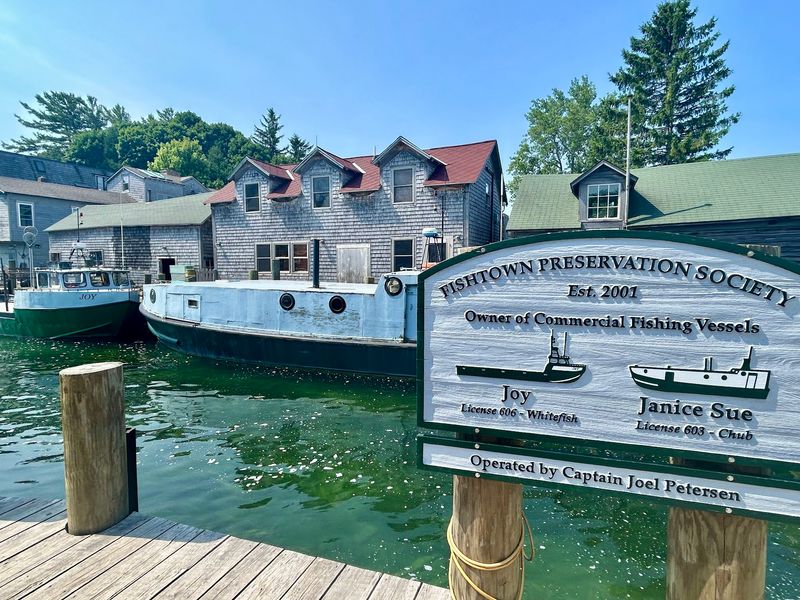
Most people have never seen a Great Lakes fish tug, and here they are tied up in plain view.
Fish tugs are enclosed commercial fishing boats, built to handle cold weather and rough water on the big lakes. Their boxy cabins protect crews working nets far from shore.
Fishtown is one of the few places in Michigan where these boats still work from a historic harbor. Tugs such as the Joy and the Janice Sue have been associated with the Fishtown fleet.
When the boats are in, they sit just steps from the walkways. Crews may be unloading or tending gear, so giving them room is good manners.
This is the detail that separates the village from a typical beach town. Commercial fishing is not an exhibit here; it is still a job.
Catching a tug heading out or coming back depends on weather and schedules. Patience along the river is often rewarded.
A Short River With a Long Workload
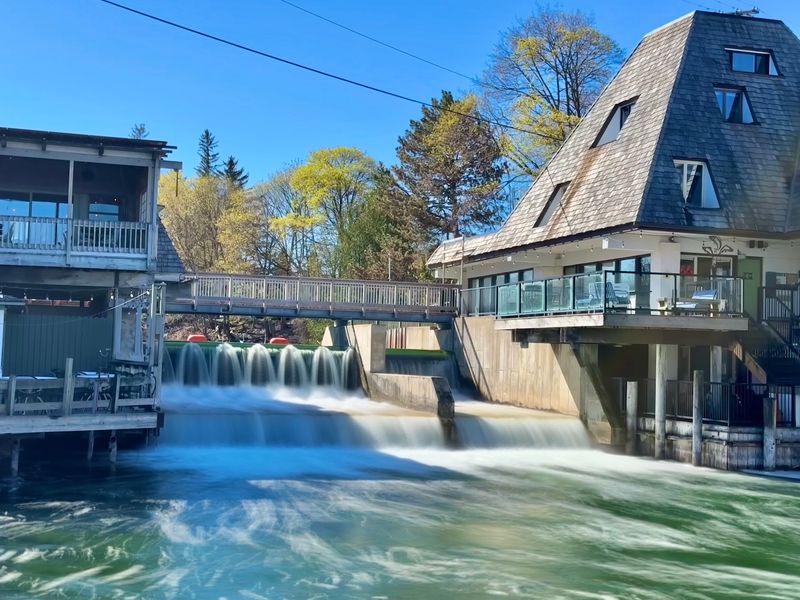
Measured in length, the Leland River barely qualifies as a river. Measured in importance, it carries the whole village.
The channel links Lake Leelanau to Lake Michigan, dropping over a small dam near the center of town. Below the dam, the water runs past the shanties to the harbor.
That short stretch shaped the village. The mill once used the water, fishing boats used the channel, and today pleasure boats and kayaks share the scene.
Bridges near the dam offer a convenient vantage point for watching the river traffic. It is a natural place to orient before walking the docks.
Anglers sometimes cast near the river mouth and harbor area. Anyone fishing should check current Michigan fishing license rules first.
Understanding the river helps the whole layout make sense. Everything in Fishtown faces the water for a reason.
The Ferry to the Manitou Islands
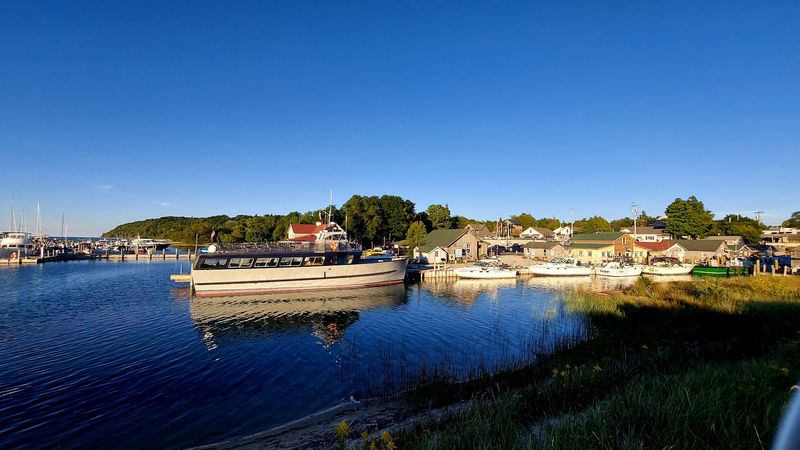
Here is the twist in the headline: from this tiny harbor, a boat heads out to islands that once held farms, lighthouses, and families.
Leland serves as the departure point for ferry trips to South Manitou Island and North Manitou Island. Both are part of Sleeping Bear Dunes National Lakeshore.
The ferry is run by Manitou Island Transit, which operates seasonally. Schedules, fares, and reservations change from year to year, so checking current details before the trip is essential.
The crossing to South Manitou typically takes around an hour and a half each way. Day trips are possible, while camping requires extra planning.
Weather can cancel or delay sailings, since Lake Michigan sets its own terms. Flexible plans make the experience less stressful.
Few Michigan harbors offer a boat ride into a national park setting. This one does it from a village of a few hundred people.
Islands With No Year-Round Residents
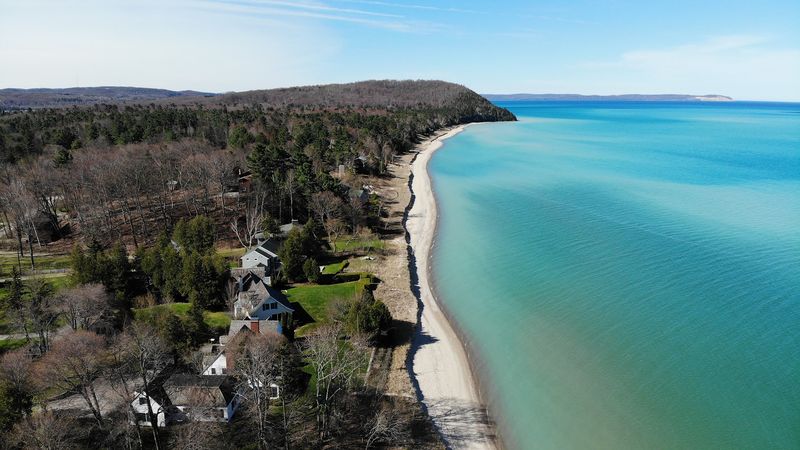
An island with farmhouses but no farmers sounds like a riddle. On the Manitous, it is simply history.
South Manitou Island once supported a lighthouse station, farms, and a small community. Over time residents left, and the island became part of the national lakeshore.
Today there is no permanent population, which is why the island feels empty. The National Park Service manages it for hiking, camping, and history.
The South Manitou Island Lighthouse is a major draw, and ranger-led access may be available during the season. Old farmsteads and a cemetery tell more of the island’s story.
North Manitou Island is larger and more rugged, geared toward backcountry campers. Services there are minimal.
Packing water, food, and supplies is necessary, since there are no stores. Leaving no trace keeps these places as quiet as they are now.
Shops Tucked Inside Old Shanties
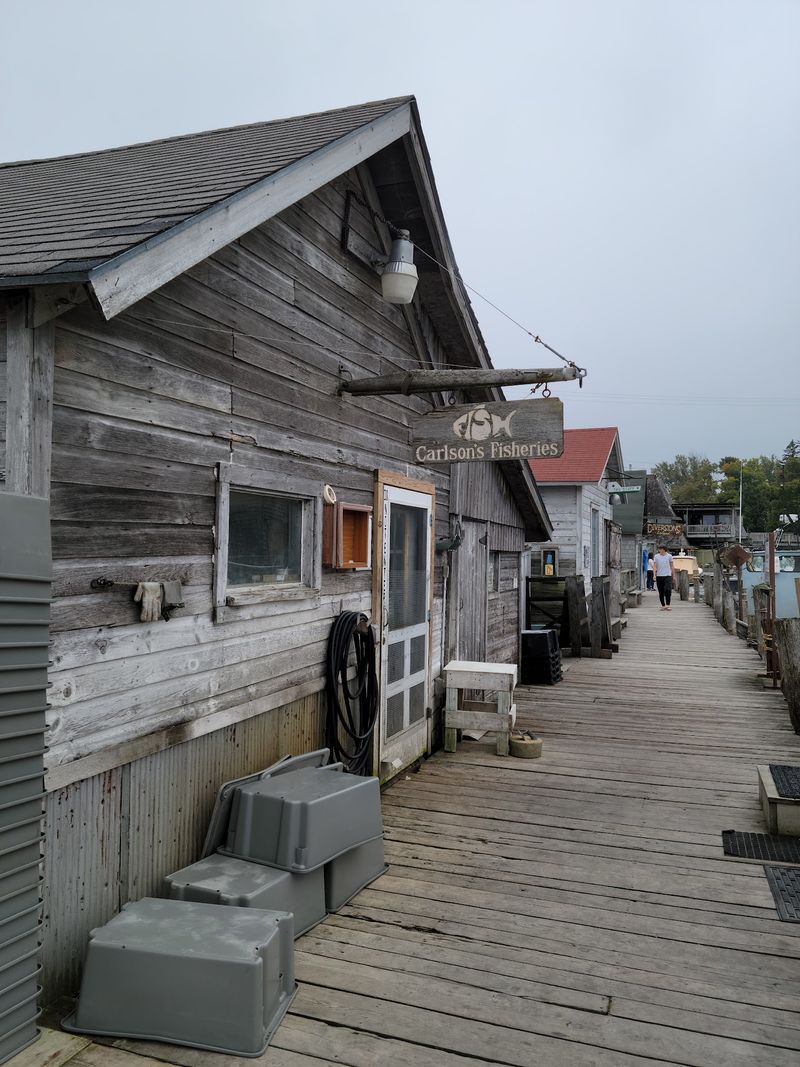
Shopping in a former fishing shack beats a mall food court any day of the week.
Several Fishtown shanties now hold small businesses, including clothing, gifts, and art. The spaces are tight, which is part of their appeal.
Browsing here feels personal, since many shops focus on Leelanau and Great Lakes themes. Souvenirs tend to reflect the region rather than generic tourist fare.
Beyond Fishtown, the main street area holds additional shops and galleries within easy walking distance.
Hours often follow the season, with more businesses open in summer. Off-season visits may find some doors closed.
Supporting these small operations helps keep the waterfront alive. Every purchase is a small vote for the village staying a village.
Beaches on Two Lakes
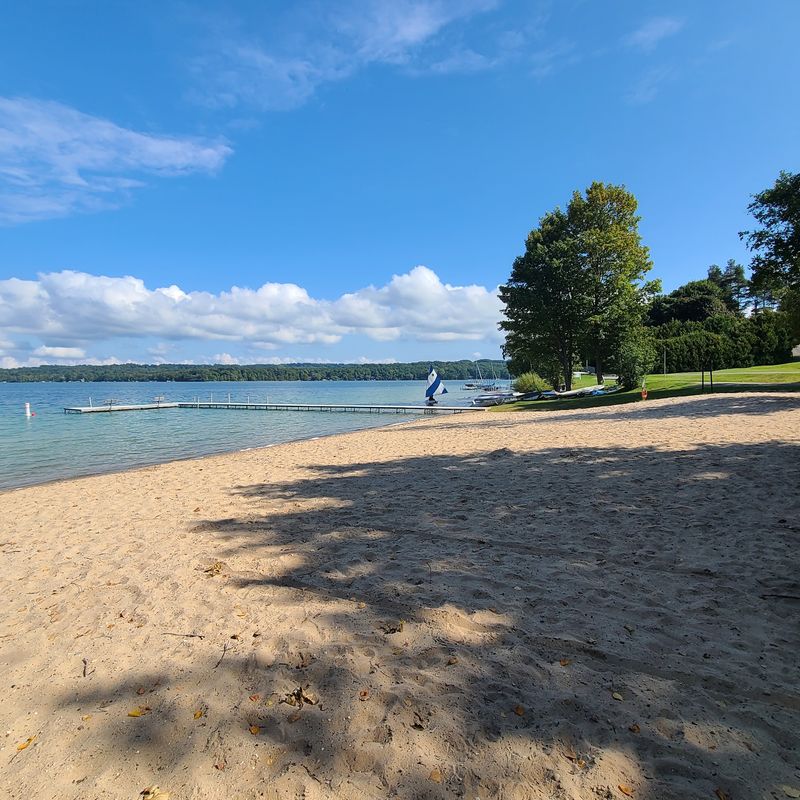
Most towns get one lake. Leland gets two, which feels a bit greedy in the best way.
The Lake Michigan shoreline near the harbor offers beach access with views toward the Manitou Islands. On clear days the islands sit on the horizon.
Lake Leelanau, on the other side of the dam, offers calmer inland water. It is popular with boaters and paddlers.
Rocky stretches along the shore attract people hunting for Leland Blue, a blue slag stone left from an old iron smelter. Locals prize it as a regional keepsake.
Sunsets over Lake Michigan draw people to the shore in the evening. The west-facing coast gives the village a front-row seat.
Bringing water shoes helps on the stony sections. The beach is no less charming for having a few rocks.
Leland Blue, a Stone With a Backstory
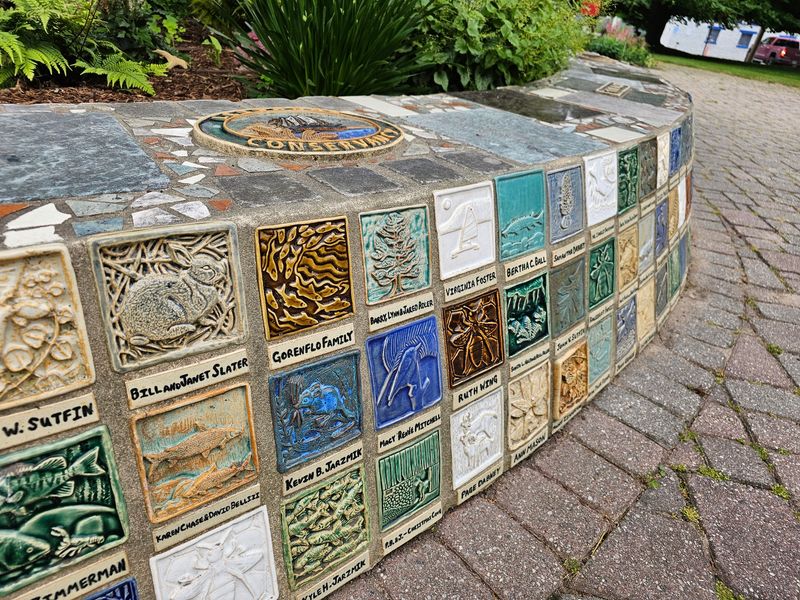
Not every treasure on a Michigan beach started out natural.
Leland Blue is a byproduct of an iron smelting operation that once ran in the village in the late 1800s. Slag from the furnace ended up along the shoreline.
Over decades, waves smoothed the pieces into blue and gray stones. Today they are collected, polished, and turned into jewelry.
Local shops often sell Leland Blue pieces, which makes them a regional souvenir with an industrial past. Few keepsakes connect so directly to a town’s working history.
Searching the shore for a piece is a low-cost activity for families. It requires nothing more than time and attention.
The story fits the village well. Even its pretty stones began as part of a working economy.
The Museum Down the Road
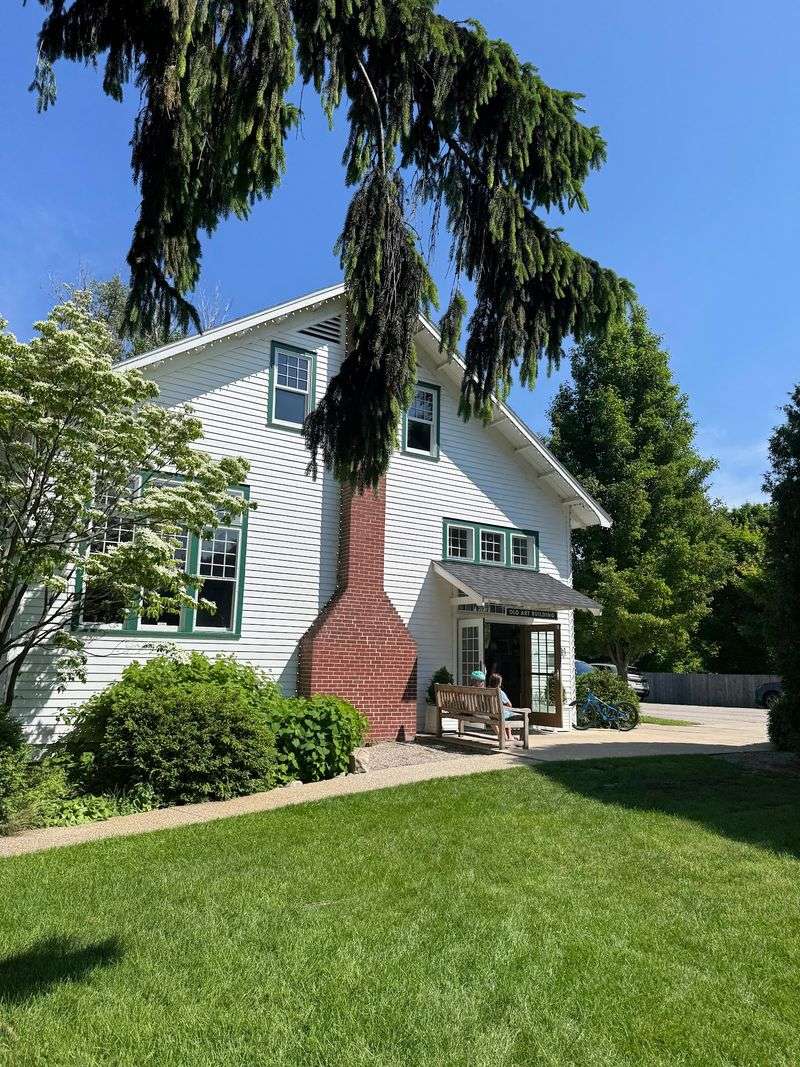
Curious minds who want more context than the docks provide have a place to go.
The Leelanau Historical Society Museum is located in Leland. It focuses on the history of the county and its people.
Exhibits have covered topics such as Anishinaabe culture, maritime life, and the region’s settlement. Collections have included Odawa quillwork.
Hours and admission can change by season, so checking ahead is wise. The museum’s scale suits a short stop between harbor walks.
The museum adds depth to everything seen in Fishtown. The shanties make more sense with their backstory in mind.
For Michigan readers who love overlooked heritage, this stop rounds out the day nicely.
Who This Small Harbor Suits Best
A village of 410 people is not built for nightlife, and that is precisely the point.
History fans will appreciate the working waterfront and preservation efforts. Photographers tend to linger around the shanties and boats.
Hikers and campers use the village as a gateway to the Manitou Islands. Day-trippers often pair it with drives around the Leelanau Peninsula.
Families find simple pleasures in watching boats and searching for stones. The compact layout keeps walks short.
Summer brings crowds, especially on weekends. Arriving earlier in the day often makes parking and strolling easier.
People seeking big attractions may find it quiet. People seeking a real Michigan harbor will find exactly what they came for.
Getting There and Timing the Trip
Reaching Leland is part of the fun, since the drive runs through some of the most scenic country in the state.
The village sits along M-22, the well-known route around the Leelanau Peninsula. Traverse City is the nearest larger city.
Summer is the busiest and most active season. Ferry service, shops, and boat traffic peak during these months.
Fall brings color to the peninsula and fewer crowds. Winter is quiet, and many seasonal businesses close.
Parking near Fishtown can fill up on busy days. Arriving early or visiting midweek helps.
Ferry passengers should allow extra time for check-in and parking. Planning ahead keeps the day on course.
A Harbor Worth Keeping
Some places earn their reputation through size. Leland earns it through stubbornness, holding on to a working waterfront when easier paths existed.
The shanties, the fish tugs, and the island ferry form a rare combination in Michigan. Each piece connects to the others.
A visit costs little beyond gas and time, unless the ferry ride enters the plan. Even then, it delivers a national park experience close to home.
Michigan has plenty of beaches, but far fewer harbors that still work the way this one does. That is worth protecting and worth seeing.
Bring curiosity, respect the working crews, and check seasonal schedules. The village handles the rest.
By the time the sun drops toward the Manitous, it becomes clear why Fishtown keeps calling people back.


