
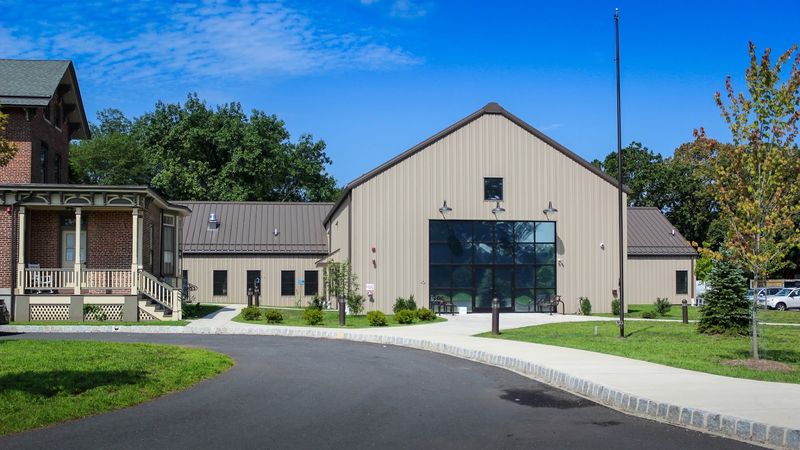
Affiliate disclosure: As an Amazon Associate I earn from qualifying purchases. Learn more
Some dogs show up at a shelter shy, nervous, and unsure of everyone they meet. A few months later, the same dogs are curled up on a family couch, chewing a new toy like they have lived there forever.
That change does not happen by luck. In a quiet corner of Somerset County, one New Jersey rescue has spent decades helping cats and dogs find the right people, not just any people.
Families come here after losing a longtime pet, kids come to meet their first kitten, and volunteers come to help shy animals bloom. The staff take time to learn about each home before making a match.
Keep reading to learn how the adoption process works, what makes the facility special, when to visit, and why so many local families say they would not go anywhere else for their next furry friend.
A Rescue Address Worth Knowing
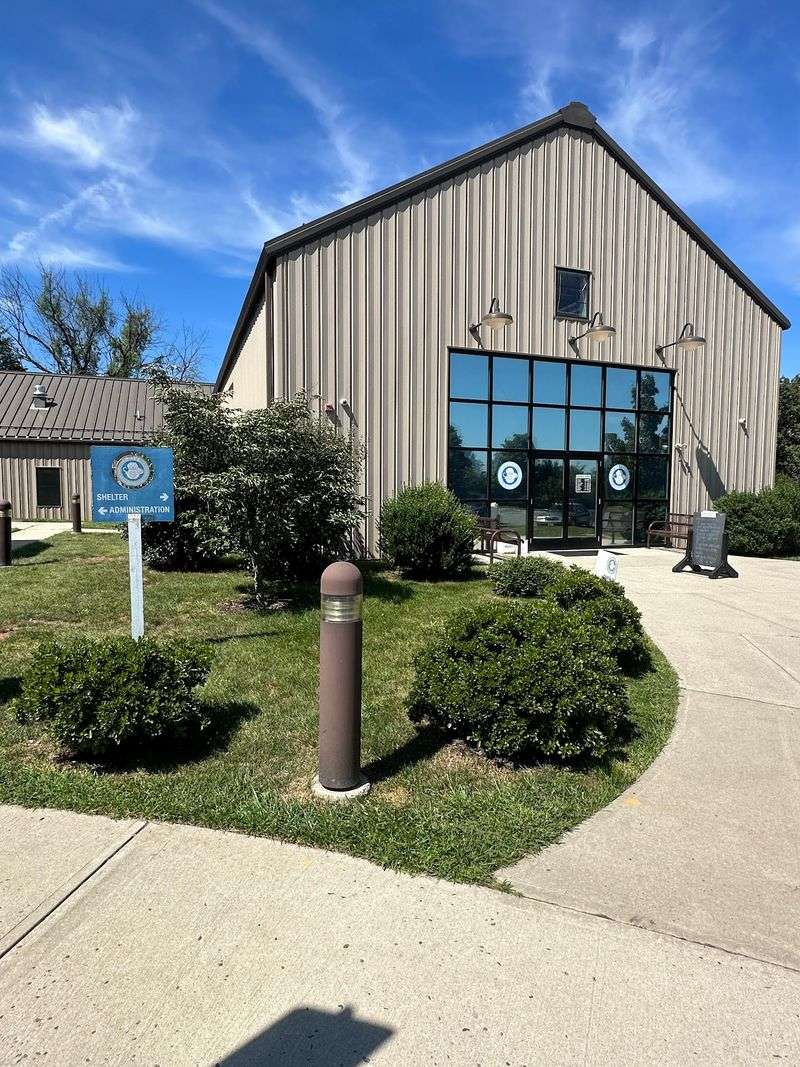
Tucked into the quiet roads of Montgomery Township sits SAVE – A Friend to Homeless Animals, a nonprofit animal shelter at 1010 Co Rd 601, Skillman, NJ 08558.
The shelter focuses on cats and dogs who need a second chance. Its mission is simple to say and hard to do well: rescue animals and find each one a loving home.
Skillman sits in Somerset County, close to Princeton and within an easy drive for many central Jersey families. That makes it a realistic weekend outing for anyone thinking about adding a pet to the household.
The organization is well known in the surrounding community. Families who adopt here often return years later for a second pet, and some even bring a whole new generation of kids along for the visit.
Unlike a crowded city pound, the setting here is calm and organized. Animals live in a clean, spacious building, and the team works by appointment so meetings never feel rushed.
Those details matter for scared pups and shy cats. A quieter environment gives them room to show their real personalities.
So the address is easy enough to find on a map. The bigger question is what happens once a family walks through the door.
Eight Decades of Second Chances
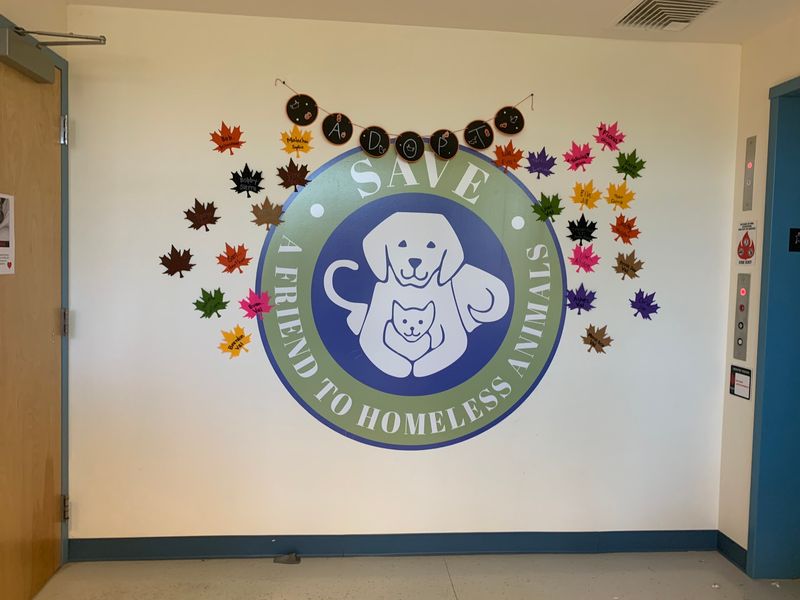
Back in 1941, long before adoption websites and online applications, this organization started its work for homeless animals in central New Jersey.
That is more than eight decades of matching cats and dogs with families. Generations of Jersey households have a pet story that traces back to this one rescue.
Plenty has changed over that stretch of time. The building, the tools, and the paperwork look nothing like they did in the 1940s.
The core idea has stayed steady, though. The goal is not just to find a home, but the right home for every pet in the shelter’s care.
Longtime supporters talk about working with the team for close to a decade and still recommending them to anyone looking for a dog or cat. That kind of loyalty does not come from a single good year.
The shelter has also partnered with other groups when space ran tight elsewhere. Dogs from the Trenton Animal Shelter, for example, were taken in when that city facility was full.
Those pups then had a chance to grow and blossom in a setting a busy city shelter could not easily offer. History, in this case, is measured in wagging tails rather than dusty plaques.
Appointments That Keep Things Calm
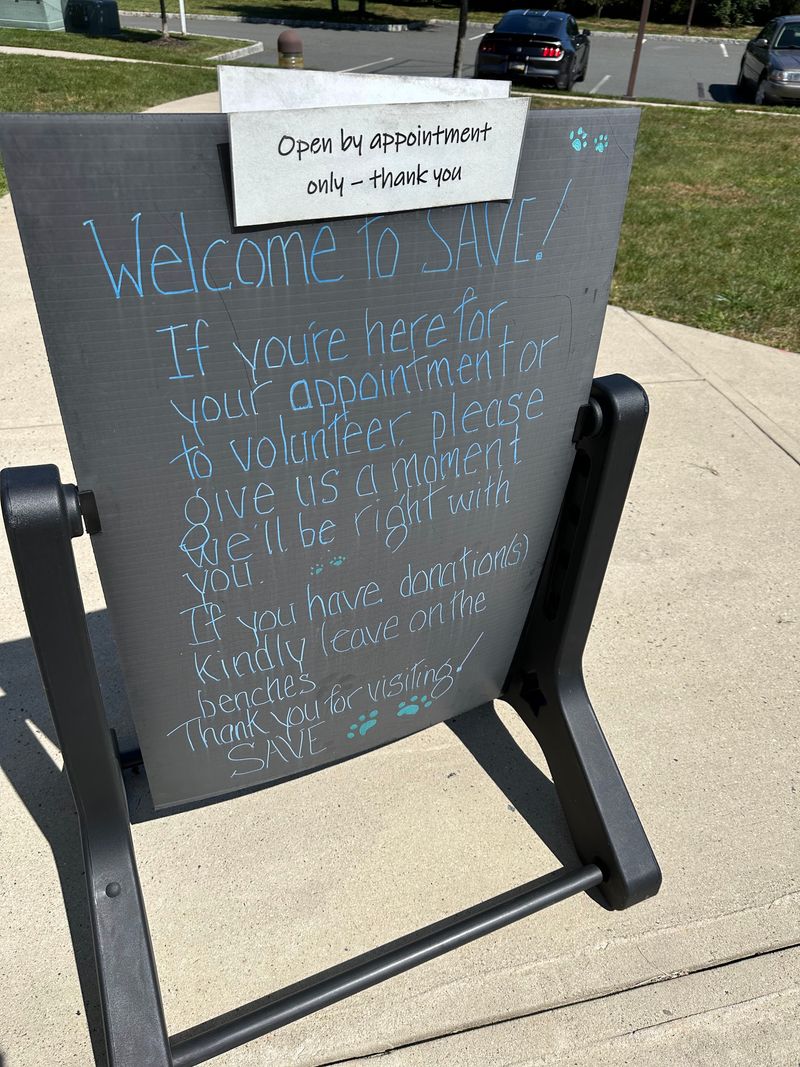
Here is a small rule with a big payoff: visits to meet the animals happen by appointment.
That one choice changes the whole experience. Families are not elbowing past crowds or racing to beat another adopter to a kennel.
The pace stays steady, and nobody feels rushed. Kids can ask questions, parents can think things through, and the animals are not overwhelmed by a parade of strangers.
For a scared pup, that matters more than most people realize. A dog who meets one family at a time has a better shot at relaxing and showing off a friendly side.
Adopters frequently mention that they never felt pressured. Some came in multiple times after being approved, meeting different dogs until the right one appeared.
One family met three other dogs before landing on a hound mix who turned out to be a dream fit. Patience paid off for everyone involved.
The takeaway for planners is easy. Check the website, see who is available, and book a time before driving over.
A little scheduling up front makes the actual meeting feel less like an errand and more like an introduction.
The Art of the Perfect Match
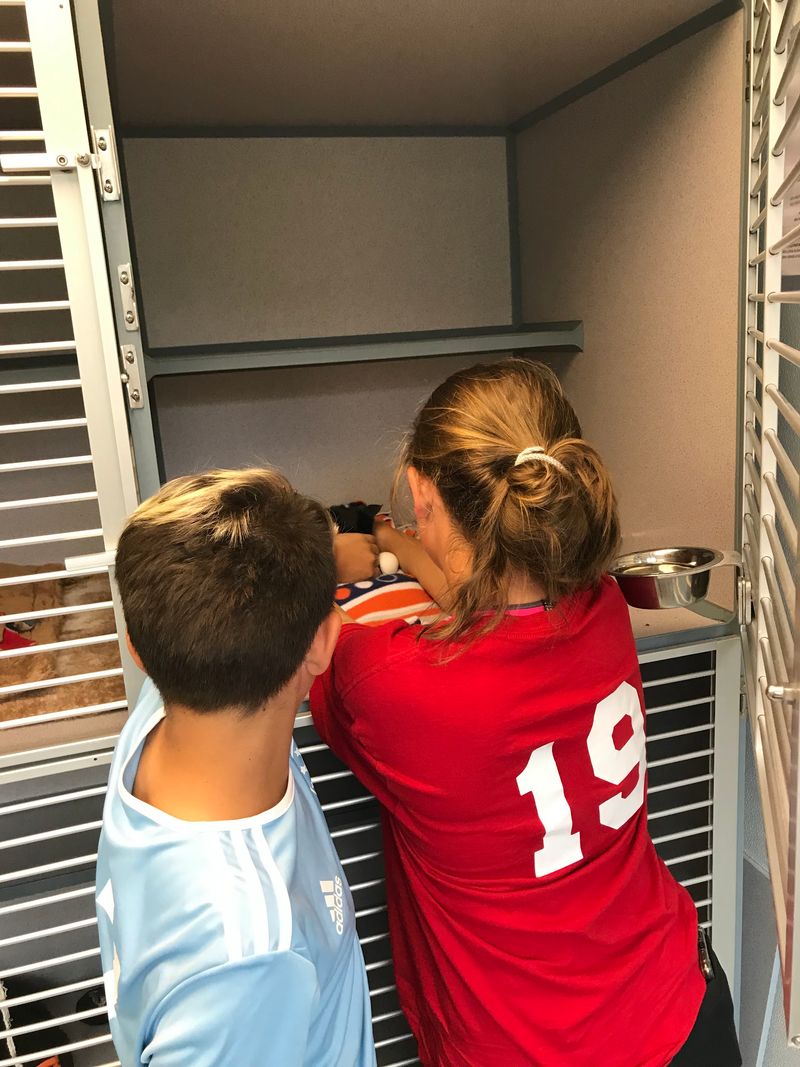
Matchmaking might not be on the job description, but the staff here are clearly good at it.
Before sending a pet home, the team takes time to learn about each family. How active is the household, are there kids, are there other animals, and how much time does everyone have?
Those questions are not there to make things difficult. Every animal has its own quirks and needs, and a mismatch can lead to a pet being returned.
A high-energy dog in a quiet, mostly indoor home can get bored. Bored pups, as any dog owner knows, find creative ways to get into trouble.
Being honest about daily life helps the staff point families toward the right fit. Many adopters say the team was remarkably skilled at reading their personality and pairing them with the right companion.
Families with an 11-year-old and a 12-year-old have described feeling that the staff truly took time to learn about them before suggesting a kitten.
The result is a match that works in both directions. The family is good for the pet, and the pet is good for the family.
Call it Cupid with a leash.
Honest Notes on Every Animal
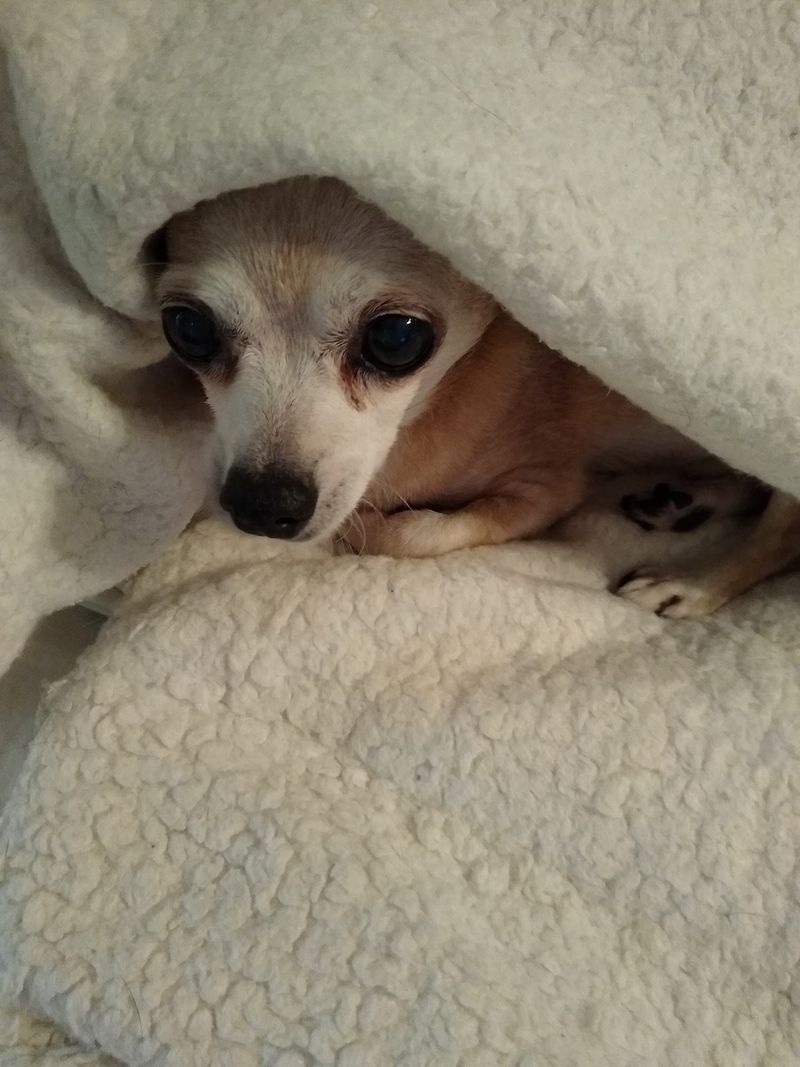
Transparency is one of the quieter strengths of this shelter, and adopters notice it.
The team keeps detailed notes on their rescues. Energy level, friendliness, and personality traits are written down so families know what to expect.
Those descriptions tend to be accurate. Adopters of a shy cat named Jingles found her personality was exactly as described, right down to how slowly she warmed up to new people.
Staff also speak up front about any issues with a particular pet. If an animal has a quirk or a health concern, families hear about it before the paperwork is signed.
That honesty builds trust. Nobody wants to discover surprises a week after bringing a new friend home.
Another adopter fell for a high-energy, friendly little dog on the very first visit. The notes had already flagged his lively nature, so the family knew exactly who they were getting.
Clear information takes some guesswork out of a big decision. It also helps families prepare their home, schedule, and expectations before the car ride back.
In a world of fine print, plain truth is a welcome change.
A Resident Cat With an Important Job
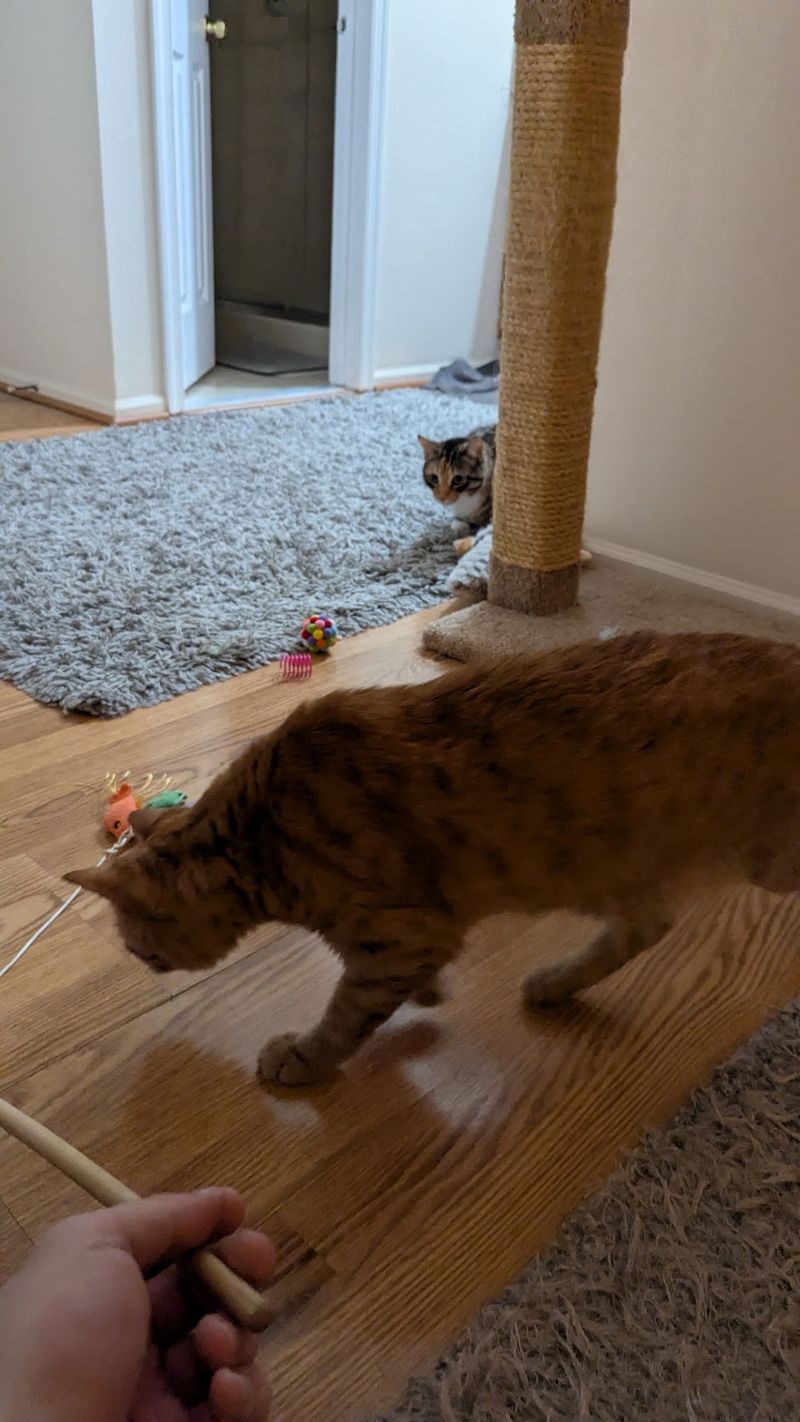
Every shelter has staff, but not every shelter has a feline colleague on the payroll.
SAVE keeps a resident cat who helps test whether dogs are cat friendly. It is a practical solution to one of the biggest questions multi-pet households face.
Families who already share their home with a cat can watch these introductions. Seeing a dog’s reaction in person is far more useful than guessing.
That small step can prevent a lot of stress later. A dog who chases cats might be wonderful, just not for a home with a nervous tabby on the couch.
The arrangement fits the larger philosophy of the place. Matching is about the whole household, including the four-legged members who were there first.
It also says something about how thoughtfully the facility is run. Someone had to think ahead, set up the process, and make it safe for every animal involved.
Kids especially tend to love hearing that a cat has a real job. It is a fun detail that makes the visit memorable.
Not bad for an employee who probably naps through most of the workday.
Cats Get the Spotlight Too
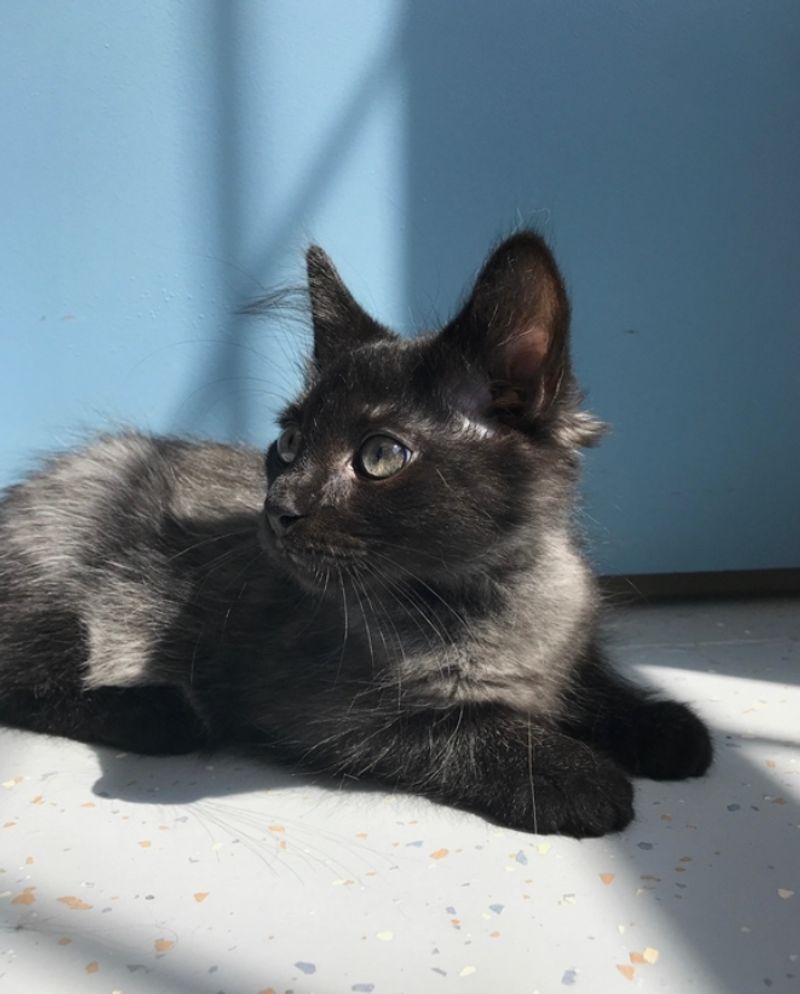
Dogs may star in the headline, but cats are a huge part of the story here.
The shelter cares for many cats in need, from playful kittens to older cats looking for a calm lap. Cats come up again and again in adopter stories.
Senior cat adoption is one of the bright spots. Older cats often get overlooked elsewhere, and this rescue makes room for them to find homes too.
Kittens, of course, are a big draw for families. One household chose a handsome tuxedo kitten who turned out to be lovable, friendly, and a little bit funny.
Shy cats get patient attention as well. Caretakers work gently with timid personalities, earning trust one quiet day at a time.
One adopted cat reportedly only agreed to be picked up by her favorite caretaker at the shelter. That bond shows how safe the animals feel in this setting.
For families who are not ready for a dog’s exercise routine, a cat can be an ideal fit. The staff can help sort out which personality suits which household.
Dog people, consider yourselves warned. Plenty of visitors leave with a cat they never planned on.
Clean, Spacious, and Built for Comfort
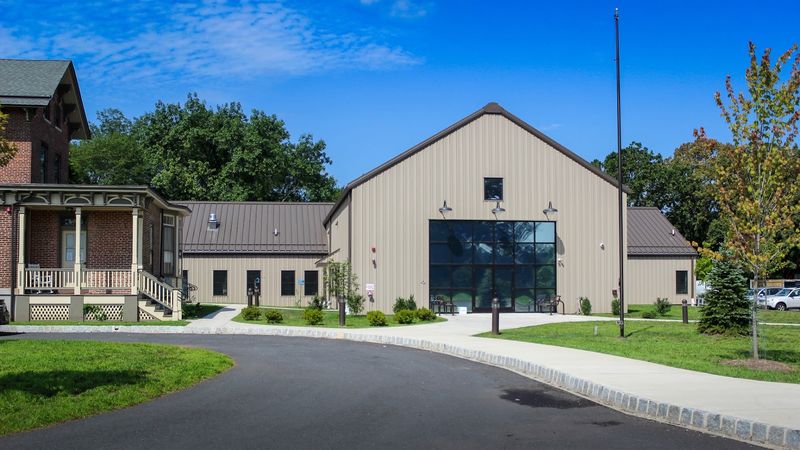
First impressions matter, and the facility itself makes a strong one.
The shelter is frequently described as clean, spacious, and organized. Words like bright and airy come up often among adopting families.
A well-kept building is not just about appearances. It supports healthier animals and a calmer environment for shy pets still adjusting to shelter life.
Families with young kids appreciate that tidiness too. Bringing children to meet animals feels easier in a space that is welcoming and well run.
Leadership deserves some credit here. A top-notch facility does not stay that way without steady management and a team that cares about details.
The space also gives dogs room to be socialized. Staff and volunteers work with them so each pup can become its best and most adoptable self.
Compared with crowded city shelters, the difference can be striking. That room to breathe is part of why nervous dogs often blossom here.
A good home starts with a good temporary one. This building takes that job seriously.
People Behind the Paws
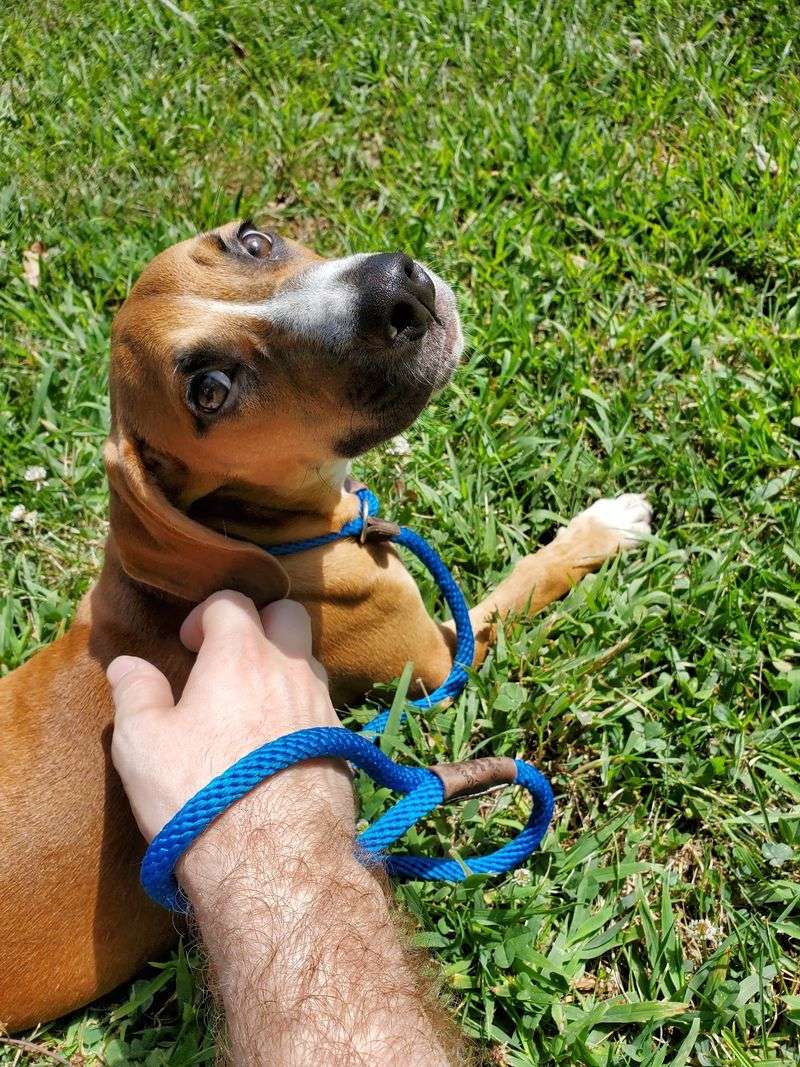
Ask adopters what stood out most, and the answer usually lands on the staff.
The team is consistently described as friendly, patient, knowledgeable, and kind. Questions get real answers, and nobody is made to feel silly for asking.
Love for the animals is obvious in how the pets respond. Shy cats relax around their caretakers, and dogs trust the people who work with them every day.
Families say they felt positive energy from the moment they arrived. The welcome tends to set the tone for the entire visit.
Volunteers are a big part of the picture as well. The staff works closely with them to keep everyone safe while helping dogs build social skills.
Guidance does not stop at the front door, either. Families mention support throughout and even after the adoption process.
A few adopters now consider the shelter part of their extended family. That says a lot about the relationships built here.
Fur may be the main attraction, but the humans are the reason it all works.
Fostering and Healing Hearts

Grief brings many families to this shelter.
Some arrive after losing a dog who shared their home for 14 or 15 years. Others wait months before feeling ready to look again.
For many of them, a visit here becomes the start of a new chapter. One adopter fell for a rescue on the very first day and brought him home that afternoon, calling him exactly what was needed to heal.
Another family spent three months grieving a beloved French Bulldog before coming in. The staff were accommodating, and the family left with a dog who fit perfectly.
Not ready to commit right away? The foster program offers another path.
Fostering lets families care for an animal at home for a time. Some fosters end up adopting, which is exactly how one family welcomed a dog named Lyra.
Supporters describe the foster program as easy and rewarding. It also frees up space so the shelter can rescue more animals.
A new pet never replaces an old friend. It simply gives the heart somewhere to grow again.
Fair Fees and a Welcome Bag
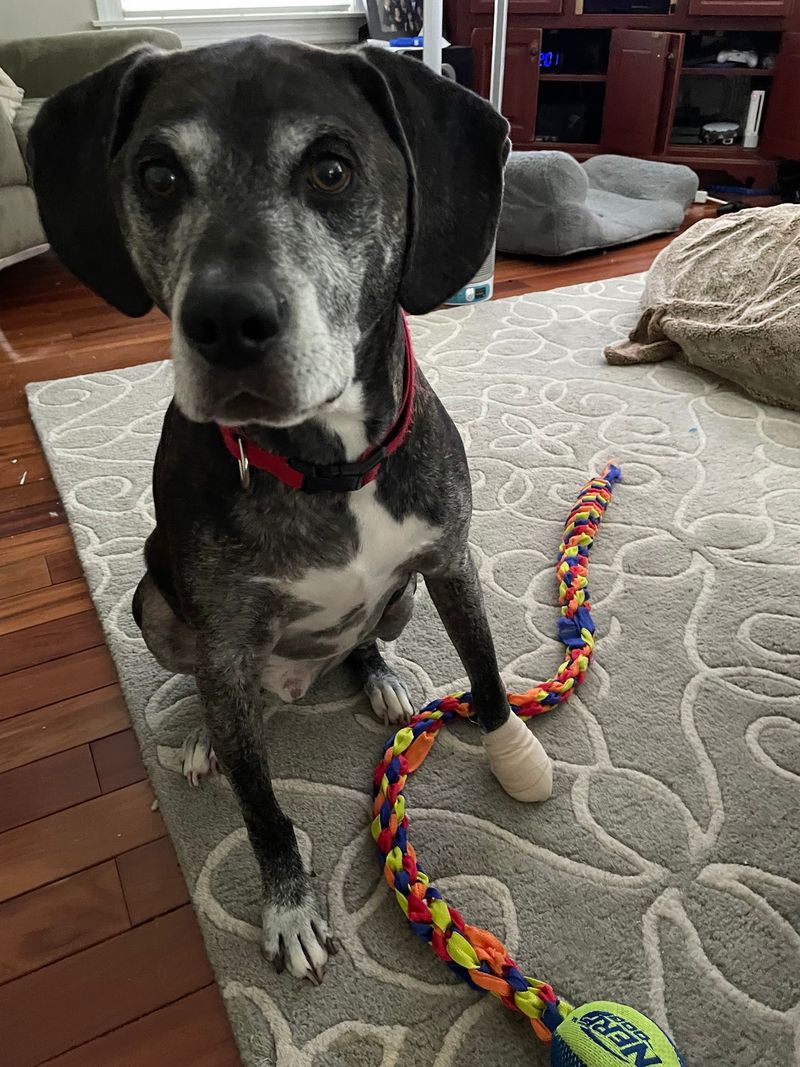
Budget-minded families, here is some good news.
Adoption fees at SAVE have been described as noticeably lower than at some other shelters. Adopters also call the prices reasonable for the quality of health care the animals receive.
Exact fees can vary by animal and change over time. The shelter website is the best place to check current amounts before visiting.
Some families have gone home with more than a pet. One household left with food and puppy supplies to help the new arrival settle in.
That kind of support takes pressure off the first few days. New owners can focus on bonding instead of rushing to the store.
The application process is part of the package too. Families apply first, and approval may take some time, especially during busy stretches when the team is stretched thin.
Patience helps here. If an answer seems slow, a phone call can clear things up faster than waiting on email.
Spending less and getting more is rarely a bad deal, especially when the deal comes with a tail.
When to Go and What to Know
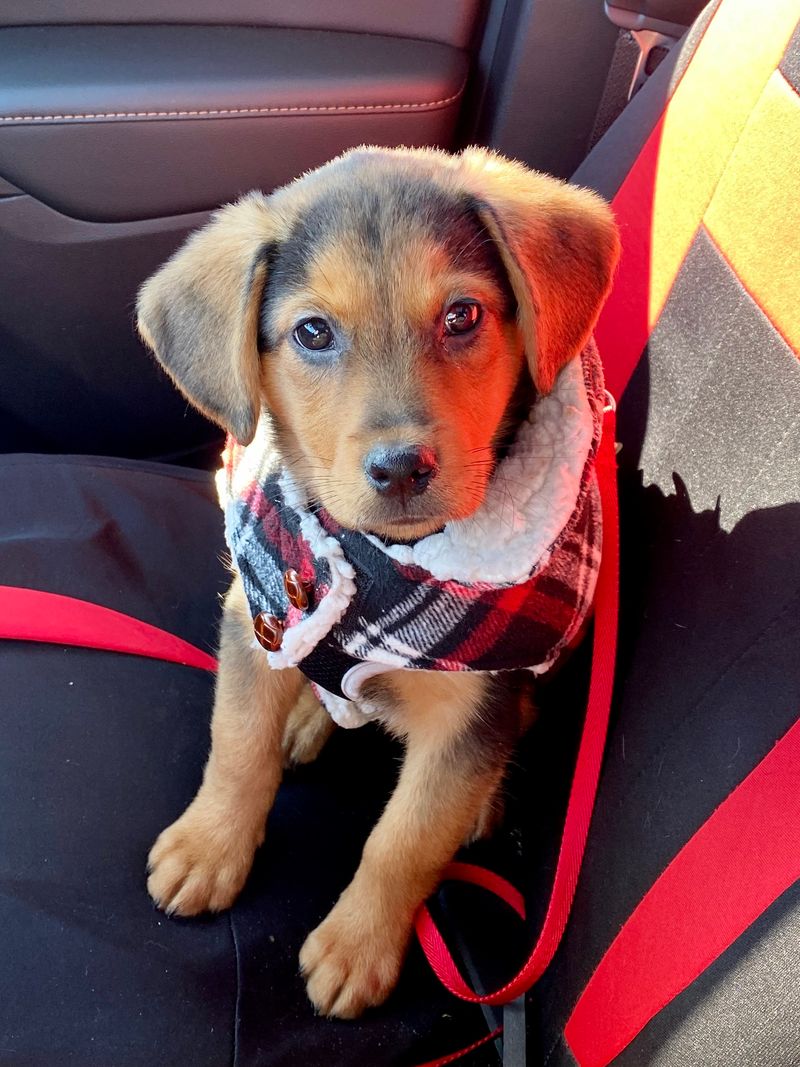
Good timing makes the visit smoother, and the schedule is generous.
The shelter opens at 9:30 AM every day of the week. Tuesday through Saturday, hours run until 5:30 PM.
Sunday and Monday close earlier, at 4 PM. Hours can change, so checking the official website before heading out is a smart move.
Remember that meeting animals works by appointment. Browsing available pets online first saves time and helps families arrive with a short list.
The website is easy to navigate and lists the cats and dogs currently looking for homes. Kids can join in picking favorites before the drive.
Skillman is within easy reach for much of central New Jersey. A morning visit leaves plenty of time to get a new pet settled before evening.
Bring realistic answers about home life, work schedules, and other pets. The more honest the details, the better the match.
Not ready to adopt? Donations are another way to help, and supporters strongly encourage giving if a pet is not in the cards right now.
Why Families Keep Coming Back
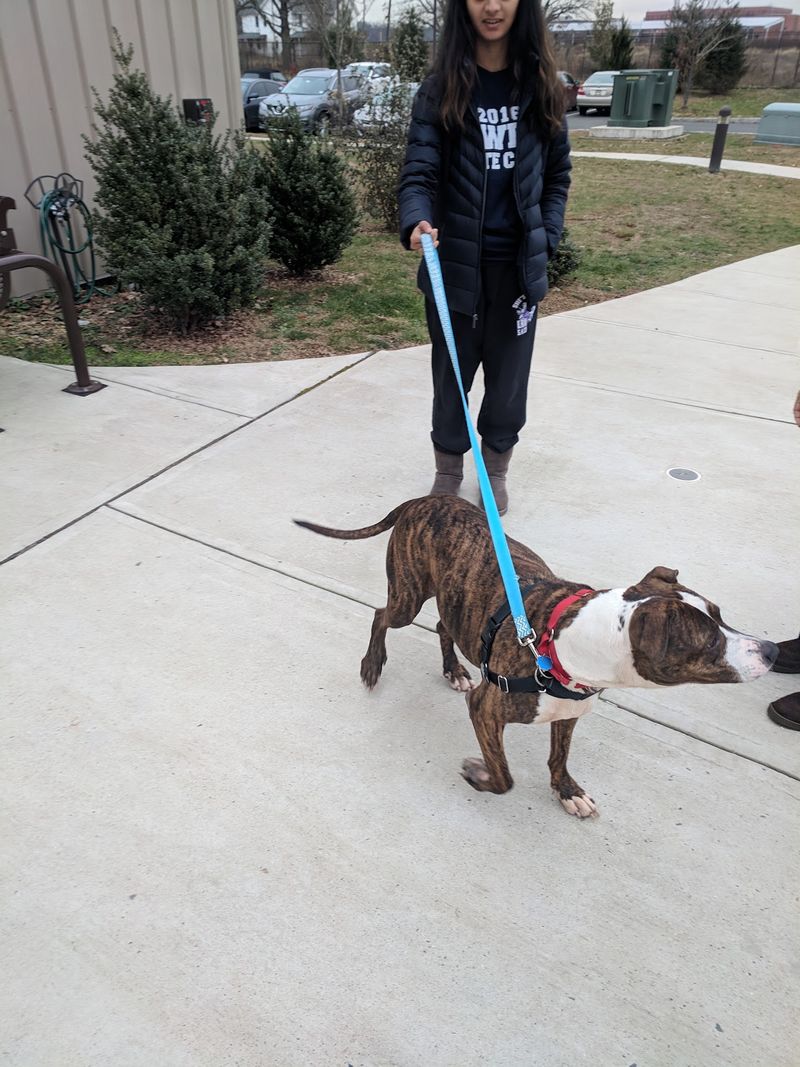
Repeat business tells a story all its own.
Plenty of households adopt one pet, then return for a second. Some have brought home both a dog and a cat over the years.
Others say they would not think of going anywhere else for their next furry addition. That loyalty grows from good matches that last.
No shelter is perfect. Busy seasons and short staffing can slow application replies, and a quick follow-up call can help keep things moving.
Still, the bigger picture is hard to argue with. Since 1941, this rescue has helped scared pups, shy cats, and overlooked seniors land in homes that fit them.
For New Jersey families planning a meaningful weekend outing, few trips carry this much heart. A morning appointment could change a pet’s life, and maybe a family’s too.
Hounds who turned into dream dogs, tuxedo kittens with comedic timing, and shy cats slowly opening up all share the same starting point.
Sometimes the best road trip ends with an extra passenger in the back seat.


