

Affiliate disclosure: As an Amazon Associate I earn from qualifying purchases. Learn more
Moving trucks keep rolling up Interstate 80, and plenty of them are heading to one Placer County city. In 2020, the census counted 147,773 people there, enough to make it the third-largest city in the Sacramento area.
Families watching California costs climb are taking a hard look at places that still feel like home. This one keeps landing at the top of their lists.
It sits close to the state capital, yet it has its own identity, its own city services, and a story that started long before the subdivisions. In the sections below, you will learn where it is, how it grew, what kind of daily life it offers, and some honest things to weigh before signing a lease or a mortgage.
Keep reading, because the reasons behind the buzz are more practical than flashy.
A Placer County City With Big Numbers

Some cities grow quietly, and some grow until the whole region notices. Roseville, California, USA, belongs firmly in the second group.
The city sits in Placer County, in the northern part of the state. It is the most populous city in that county, which says a lot about how many people have chosen to plant roots here.
Roseville is part of the Sacramento metropolitan area. That means it shares a regional economy, highways, and plenty of daily traffic with the capital city and its neighbors.
At the 2020 census, the population reached 147,773. Only two cities in the Sacramento area were larger at that count.
Those numbers matter for families. A city of this size usually supports a wide range of neighborhoods, schools, parks, and shopping without feeling like a giant metro core.
It also helps explain the steady chatter about moving here. When a place grows this much, people tend to talk about it at kitchen tables across the state.
So the question is not whether Roseville is on the map. The real question is why so many households keep circling it in red.
Third Place, First Choice
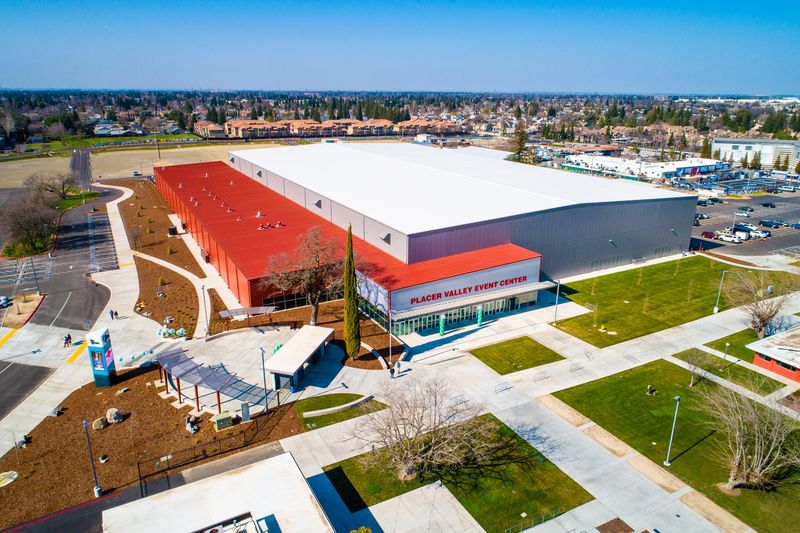
Bronze medals rarely get headlines, yet Roseville wears its third-place spot well. Being the third-largest city in the Sacramento area gives it a useful middle ground.
It is big enough to have real infrastructure and a full city government. At the same time, it is not the state capital, so it avoids some of the bustle that comes with that role.
Families often look for exactly this balance. They want jobs within reach, plus a home base that still feels like a hometown.
Roseville’s place in the metro area means regional opportunities are nearby. Commutes, of course, depend on where someone works and the time of day.
Many Californians remember when cities like this were smaller and quieter. That memory is part of the conversation, and it is a fair one to bring up.
Growth brings new homes, but it also changes the feel of familiar streets. Anyone weighing a move should think about both sides of that coin.
Still, the size alone tells a story. People do not end up in a city of nearly 148,000 by accident.
Why Relocation Talk Keeps Coming Back
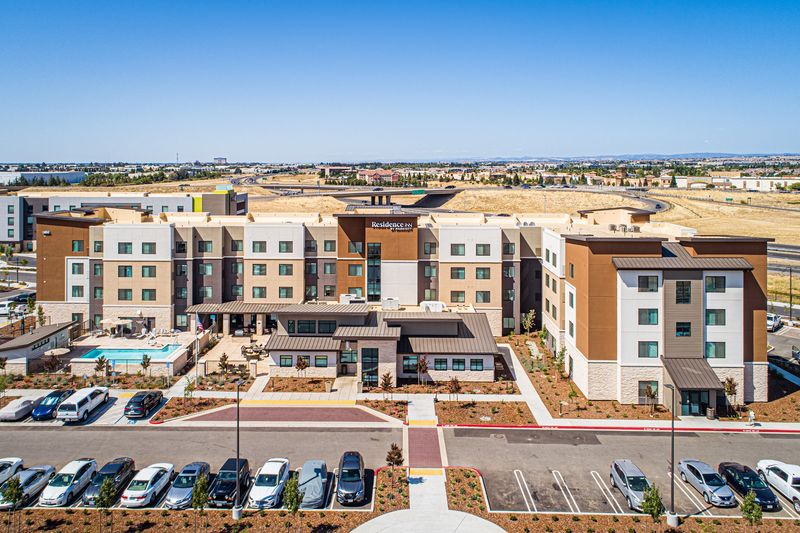
Ask around at a Bay Area barbecue about moving, and Roseville may come up before dessert. The reasons tend to be practical.
California costs keep rising, and that frustration is real. Many households are searching for places inside the state where life can still work for a growing family.
Roseville often lands on that shortlist because of its size, its spot in the Sacramento region, and its established city services. It offers a way to stay in California without staying put.
Housing prices change constantly, so it pays to check current listings rather than rely on old headlines. Any figure seen online may already be out of date.
The same goes for rent. Comparing several neighborhoods side by side can reveal a much clearer picture than one quick search.
Moving is a big decision, and no city is perfect. Traffic, growth, and costs deserve a careful look before anyone signs anything.
Yet the steady interest speaks for itself. When a city keeps showing up in moving plans, it usually means people see something worth the boxes and packing tape.
Room to Grow in Northern California

Growth is the word most often paired with Roseville, and the census backs it up. A population of 147,773 does not appear overnight.
For families, growth can mean newer neighborhoods and more choices. It can also mean construction zones and busier roads, so expectations should stay realistic.
The city’s spot in Placer County puts it in the northern part of the Sacramento region. That location shapes daily life, from commute routes to weekend plans.
A growing city also has to plan ahead. Parks, roads, and public services all need to keep pace with new residents.
Families thinking about a move can learn a lot by checking the city’s planning updates. Those documents show where new projects are headed.
It is wise to visit more than once. A weekday morning and a Saturday afternoon can show two very different sides of the same street.
Growth is not a promise of perfection. It is, however, a sign that plenty of people have already made the same bet.
Daily Life Close to the Capital

Sacramento is the state capital, and Roseville sits within its metropolitan reach. That closeness shapes how many residents live and work.
Some households commute into the wider region. Others work closer to home, depending on their jobs and their tolerance for traffic.
Being part of a metro area means access to regional attractions, airports, and services. It also means sharing roads with a lot of neighbors.
Families often like having big-city options without living in the busiest core. A short drive can open up museums, events, and government offices in the capital.
Planning around rush hour is a smart habit here, as in most growing California suburbs. Test-driving a commute before moving can save plenty of headaches.
The mix of local life and regional access is a big part of the appeal. It lets families choose how connected they want to be on any given day.
That flexibility is hard to put a price on, though the moving budget will certainly try.
Old California Roots Under New Rooftops

Behind every fast-growing suburb sits an older town that remembers its first chapters. Roseville is no exception.
Many longtime Californians recall when communities around Sacramento were far smaller. Those memories matter, and they deserve respect as new neighborhoods rise.
The city’s older areas and newer developments now share the same city limits. That blend gives Roseville a story with more than one era in it.
Families moving in can learn that story through local resources and the official city website at roseville.ca.us. It is a good starting point for history, services, and events.
Getting to know a town’s past can make a new home feel less new. It turns a street address into a place with a backstory.
Longtime residents often hold the best stories. Chatting with neighbors can be the quickest local history lesson available.
Growth will keep writing new pages. The older ones are still worth reading before turning to the next.
Who Feels at Home Here

Not every city fits every family, and that is perfectly fine. Roseville tends to suit households looking for a large, established suburb within a major metro area.
Parents with young kids often focus on schools, parks, and safe streets. Those details vary by neighborhood, so research should go street by street.
Retirees and older Californians may value being close to family. A city of this size can make it easier for several generations to live nearby.
Remote workers sometimes see the appeal as well. They can trade higher costs elsewhere for more space, though prices should always be checked first.
People who want a tiny town feel may find Roseville too busy. Its population is far from small-town territory.
On the other hand, those who like convenience will likely feel right at home. Shopping, services, and regional access are part of the package.
The best fit comes down to priorities. A clear list of must-haves makes the decision far easier.
Costs Worth Checking Twice

Money talk is never glamorous, but it decides most moves. Roseville is no exception to California’s high costs.
Home prices and rents shift often. Any number seen in an old article may be roughly accurate or may have changed considerably.
The safest plan is to compare current listings across several neighborhoods. Looking at utilities, commute costs, and property taxes helps round out the picture.
Some families find that Roseville offers more space for their budget than pricier coastal areas. Others discover it still stretches their finances, so no outcome is guaranteed.
Talking with a local real estate professional can clarify the market. Visiting open houses can also give a reality check on what money buys.
It also helps to budget for the move itself. Trucks, deposits, and new furniture add up faster than expected.
A careful spreadsheet may not be exciting. It is, however, the best friend a relocating family can have.
City Services and Where to Find Them

A city’s website can reveal more than a dozen glossy brochures. Roseville’s official site lives at roseville.ca.us.
New residents can use it to learn about utilities, permits, and local services. It is also a handy place to check city news and community events.
Setting up services early can make moving week much smoother. Nobody wants to unpack boxes without the lights or water on.
The site can also point families toward parks and recreation information. Those programs often help newcomers meet neighbors quickly.
Details like trash pickup schedules may sound boring. Yet they quietly shape everyday life more than most people realize.
Checking official sources also helps avoid outdated information. Hours and fees can change, so the city’s own pages are the best guide.
A little homework now saves a lot of phone calls later.
Scouting Trips Before the Big Move

Smart movers treat their first trip like a test drive. A weekend in Roseville can answer questions no listing ever will.
Getting there is straightforward for anyone already in the Sacramento region. Drivers from farther away often reach the area along major highways.
A good scouting plan includes several neighborhoods, a grocery run, and a commute test. Each one shows a different slice of daily life.
Visiting during the week can reveal traffic patterns. Weekend visits show how families use parks and shopping areas.
Local schools, libraries, and community centers are worth a look too. Hours and access can vary, so checking ahead is wise.
Taking notes after each stop helps keep impressions clear. By the end of the trip, the pros and cons usually sort themselves out.
One trip may not settle the question. Two or three often do.
The Verdict on Roseville

After all the numbers and notes, Roseville comes across as a steady, practical choice. It is not a secret, and it is not trying to be one.
The city’s size, its Placer County setting, and its spot in the Sacramento area all add up. Those facts explain why so many families keep it on their radar.
It will not suit everyone. Busy roads, ongoing growth, and California costs are part of the deal.
Still, many households see a chance to stay in the state they love. They find room to build a life without leaving California behind.
The best next step is simple. Check current prices, visit in person, and talk with people who already live there.
Moving is a big leap, but it does not have to be a blind one. Good research turns a hunch into a plan.
For plenty of families, that plan ends with a Roseville address and a new chapter worth unpacking.


