
Affiliate disclosure: As an Amazon Associate I earn from qualifying purchases. Learn more
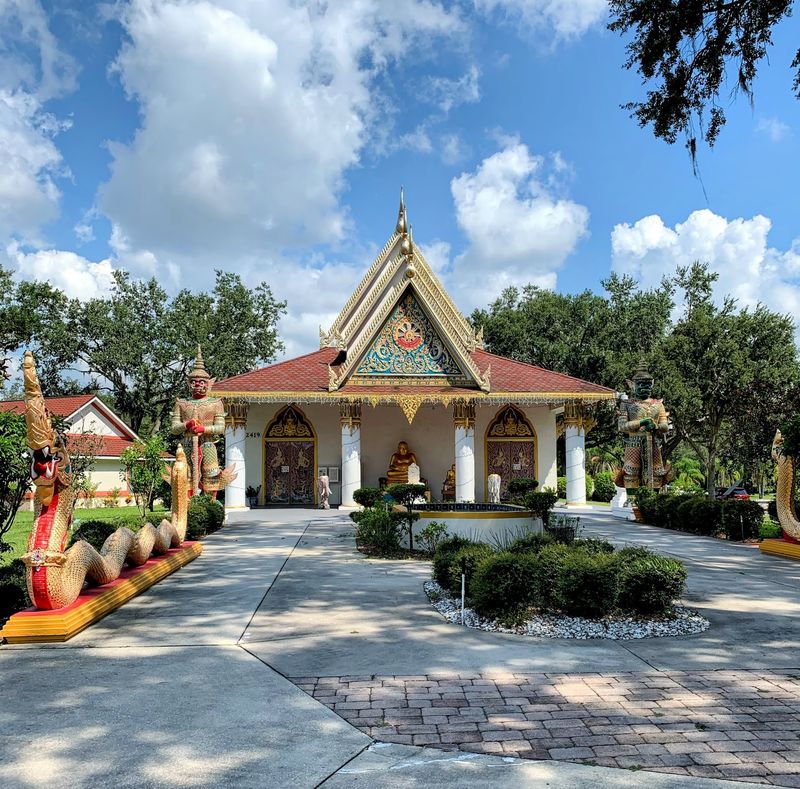
Kissimmee is famous for roller coasters, souvenir shops, and traffic heading toward the theme parks. Just off a busy road, though, sits a place where golden statues, ornate shrines, and quiet garden paths make the rush of tourist country fade away.
There is no ticket booth and no entrance fee, and the gates open early every single morning. Thai families, curious travelers, and people simply looking for a calm hour all find their way here.
Some come to meditate, some come to learn, and plenty come just to wander and look closely at the artwork. Twice a year or so, the grounds also turn into a lively cultural celebration that regulars return to year after year.
Keep reading to learn what this spot is, what to look for, when to go, and how to visit respectfully without spending a dime.
A Thai Temple on Old Vineland Road
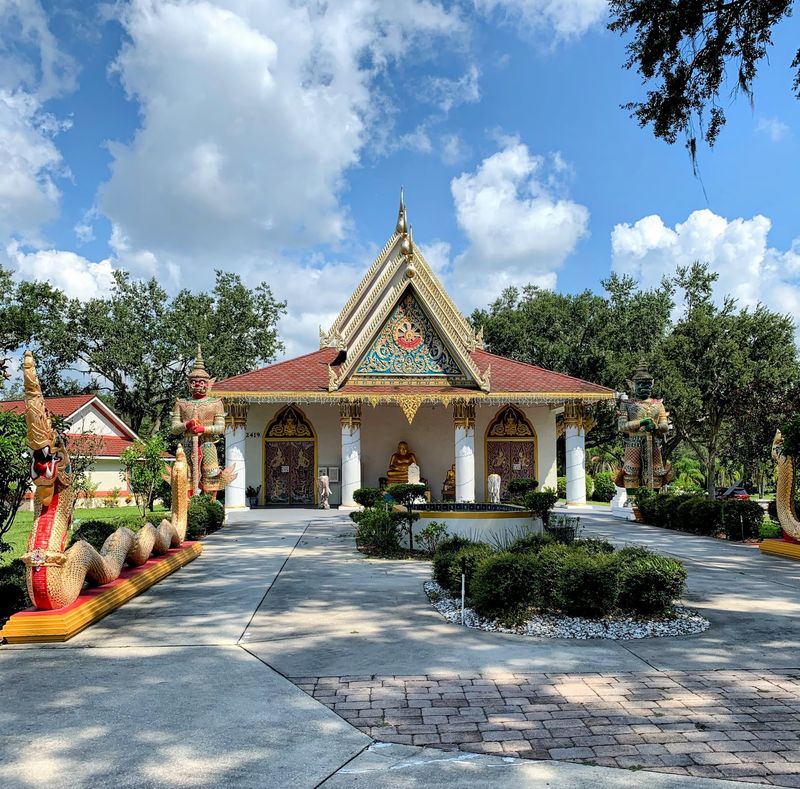
Few people driving through central Florida expect to find a working Thai Buddhist monastery a short hop from the theme park corridor. Wat Florida Dhammaram sits at 2421 Old Vineland Rd, Kissimmee, FL 34746, in the United States.
It is a Buddhist temple and monastery, not a tourist attraction built for show. Monks live and practice here, and the grounds serve as a spiritual home for the local Thai community.
Still, the doors are open to everyone. Guests do not need special permission to walk around the property, and people of any faith, or no faith at all, are welcome to explore.
The location is a big part of the appeal. Kissimmee is known as a busy, party-driven city, packed with vacation rentals and attractions.
This temple offers the opposite experience, a calm retreat that feels far removed from the noise just down the road.
The temple holds a 4.8-star average on Google Maps across more than 400 entries, which says a lot about how much people value it.
For travelers staying near the parks, it makes an easy and meaningful detour that costs nothing but a little time.
Free Entry, Open Hands
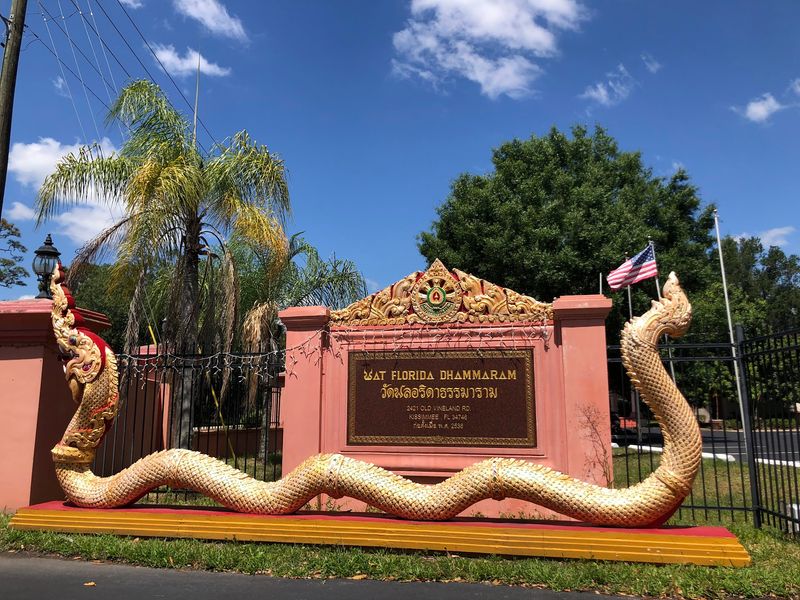
Here is a rare Kissimmee bargain: the price of admission is exactly zero dollars. There is no entrance fee at Wat Florida Dhammaram, and guests can wander the grounds freely during open hours.
That generosity comes with a gentle request. The temple relies on donations to support the property, its buildings, and the community that cares for it.
Leaving a small donation is a thoughtful way to say thank you. Donations are accepted on site, and many guests make a point of contributing something before they leave.
Every dollar matters here. Some parts of the property could use a little help, and donations go toward that kind of upkeep.
For value-conscious travelers, this is one of the most rewarding free stops in the area. A family can spend an hour exploring art, architecture, and culture without opening a wallet at the gate.
Generosity, it turns out, works both ways at this temple.
The Ordination Hall Everyone Talks About
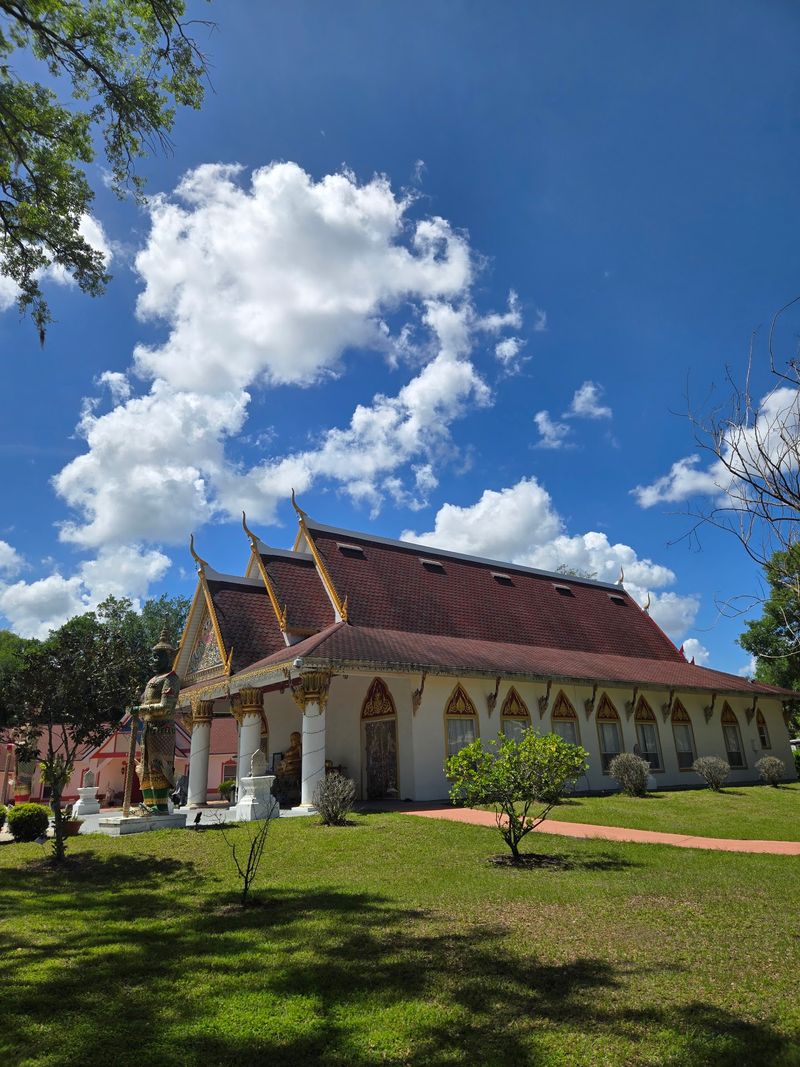
Ask anyone who has explored these grounds what stood out, and the ordination hall usually comes up fast. It is the architectural centerpiece of the temple and a building many guests single out as especially beautiful.
In Thai Buddhist temples, an ordination hall is a sacred building used for important ceremonies, including the ordination of monks.
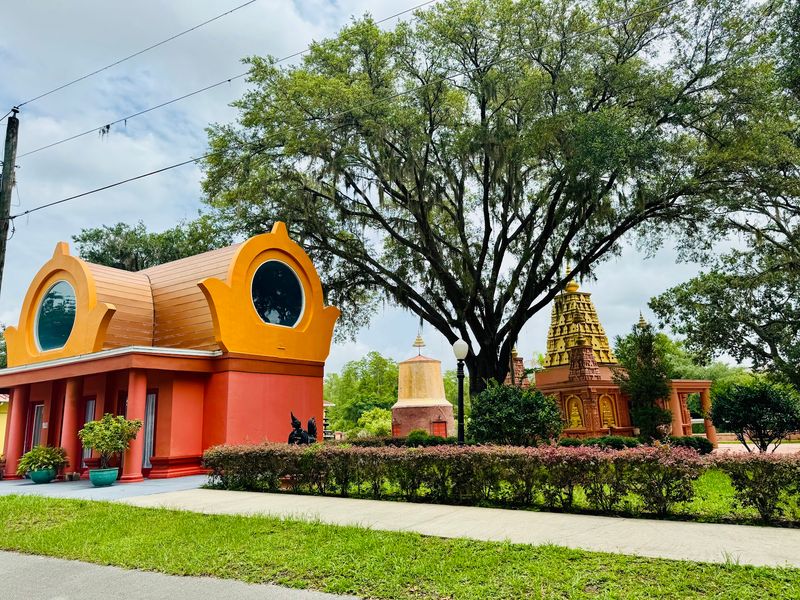
The hall here features the classic Thai style that makes the whole property feel connected to Southeast Asia. Detailed rooflines and decorative elements give it a presence far grander than its modest size might suggest.
Guests often describe the architecture across the property as magnificent and well put together. Some people visit specifically to appreciate the design, not only to meditate.
Photographers will want extra time here. The details reward a slow, careful look rather than a quick snapshot.
As a reminder, this is a sacred space, so quiet voices and respectful behavior go a long way inside and around it.
Golden Buddhas and Gilded Altars
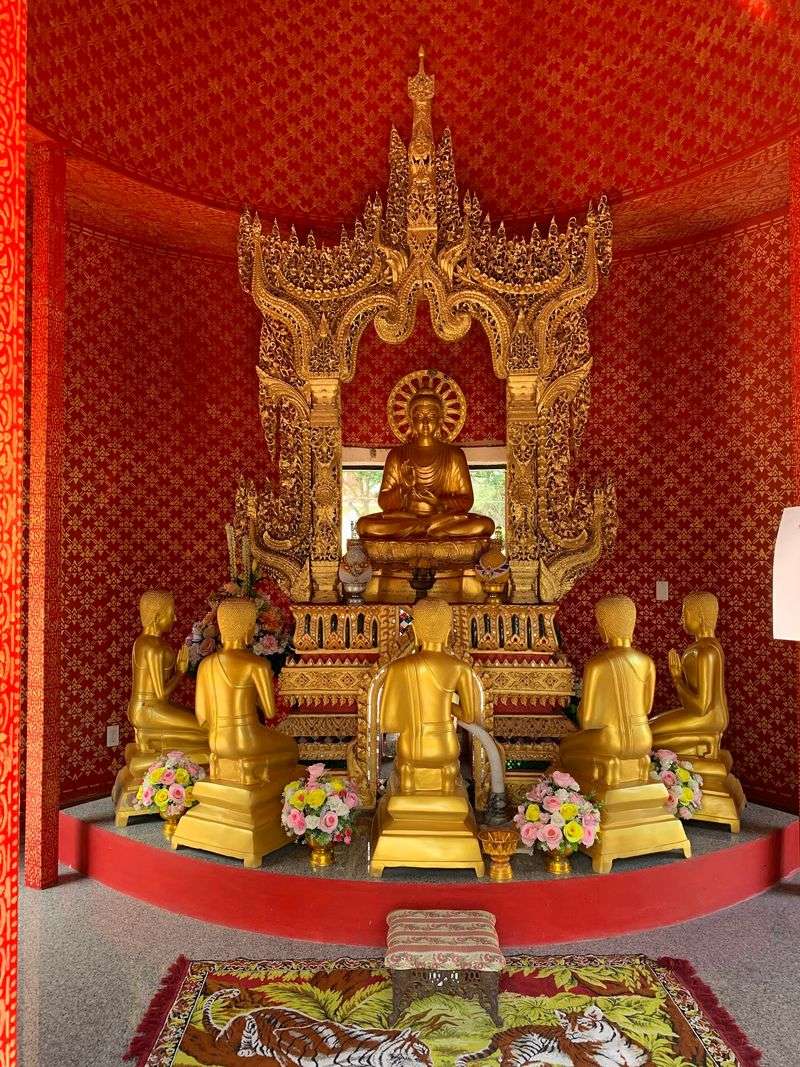
The title promised giant golden Buddhas, and the temple delivers. Gold-gilt statues and altars are among the most striking features on the property.
One standout is a statue of Phra Buddha Chinnarat. In Thailand, this Buddha image is one of the most revered, known for the elegant arch that frames the figure.
Seeing this style of statue in Kissimmee is a genuine surprise for many guests. It is a reminder of how deep the cultural roots of this temple run.
Beyond the main statue, several buildings hold ornate figures and detailed altars. Each one invites a closer look at the craftsmanship involved.
Guests can also light incense and take a quiet moment near the altars. Many people simply sit for a while before moving on.
Remember to keep a respectful distance and avoid touching the statues. A little care keeps these golden treasures shining for the next person in line.
Guardians, Nagas, and a Stupa From Afar
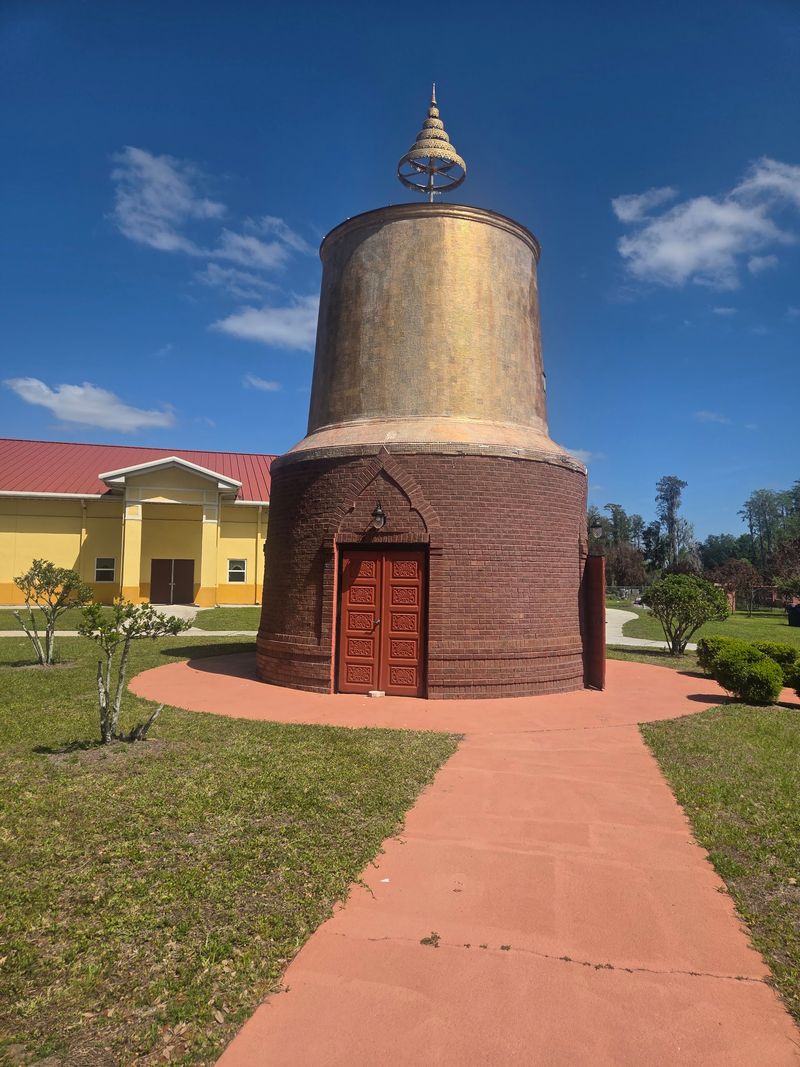
Not every statue here is a Buddha, and that is half the fun. The grounds also feature figures drawn from Thai tradition that many first-time guests have never encountered.
Tao Wessuwan is one of them. In Thai belief, this guardian figure is associated with protection, and people often seek his blessings.
Nagas also appear on the property. These serpent figures are common in Thai temple art and often guard staircases and entrances.
Perhaps the biggest surprise is a replica of a famous Buddhist stupa from India. A stupa is a dome-shaped structure that traditionally honors the Buddha and holds sacred meaning.
Together, these pieces create a small but rich outdoor museum of Buddhist art. Each one carries its own story.
Curious minds should slow down and look for details. The more time spent here, the more the guardians seem to have to say.
Shrines Tucked Into Every Corner
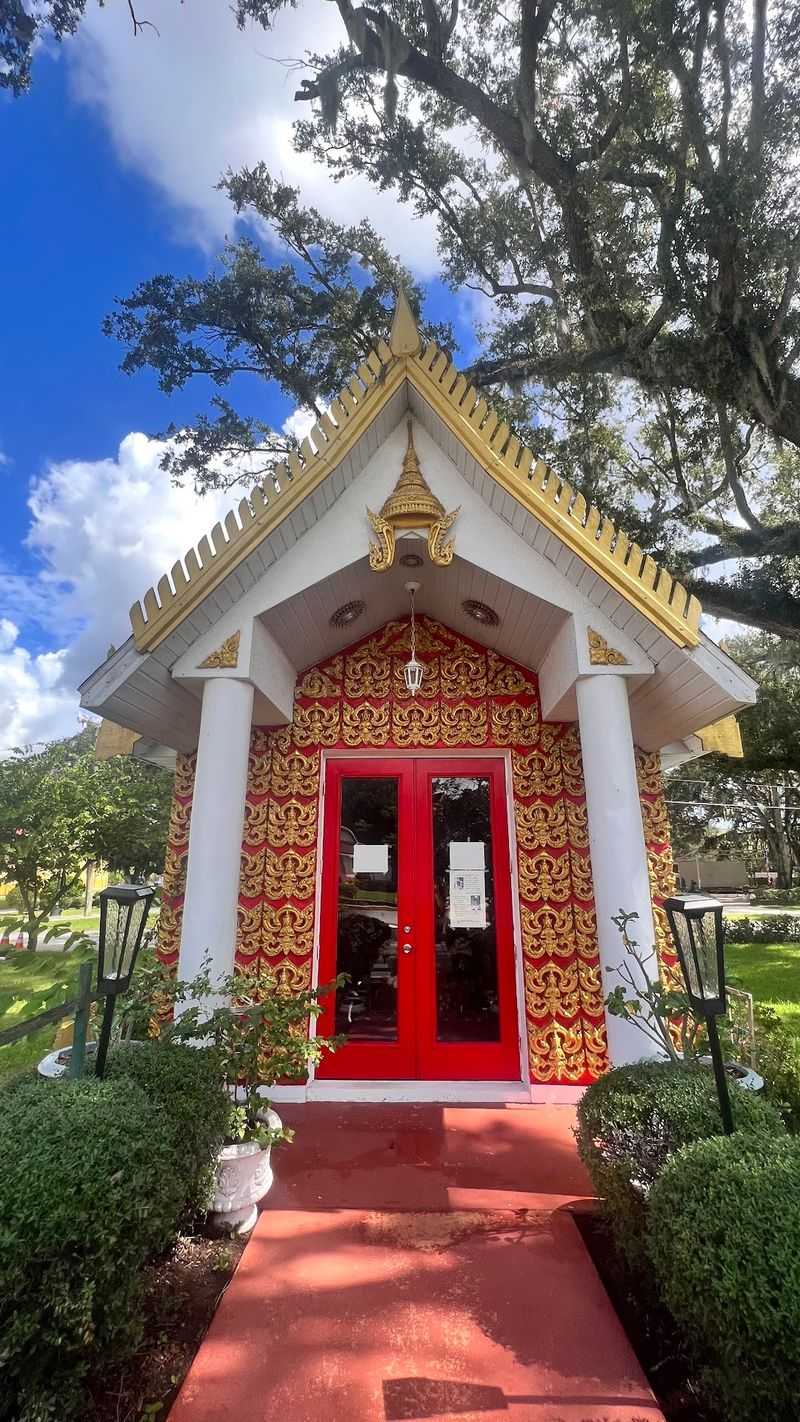
Part of the charm is the treasure hunt. Shrines, both small and larger, are tucked around the property, so a casual stroll keeps turning up something new.
Some shrines feature statues, others display pictorial artwork. Many guests enjoy moving slowly from one to the next.
The temples themselves are relatively compact, so the whole property is easy to cover on foot. A quick loop can take around 20 minutes, while a slower visit can stretch much longer.
Honesty helps here. Some buildings and shrines show their age and could use fresh paint or minor repairs, including the fountain.
That wear does not take away from the beauty or the calm. If anything, it gives guests another reason to leave a donation for upkeep.
Keep eyes open around every turn, because the next little shrine might be the favorite of the day.
Gardens With Lessons on the Trees
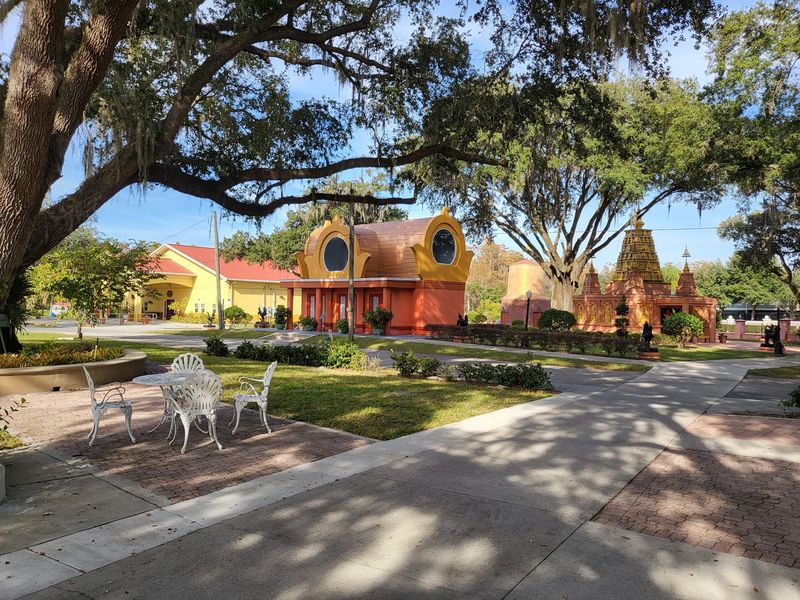
Flowers and teaching signs share the spotlight in the temple gardens. The grounds are nicely landscaped, with colorful blooms adding life between the buildings.
A small but special detail sits on the trees themselves. Signs posted on trunks share messages worth reading, so it pays to pause rather than rush past.
These little lessons turn a simple walk into something more thoughtful. Families can read them together and talk about the ideas.
Some lawn areas could use extra care at times. Overall, though, the grounds come across as well maintained and clean.
One practical tip: Florida lizards love this place too. They scurry everywhere, so watch where you step, especially with little ones.
Between the flowers, the signs, and the occasional reptile cameo, the gardens hold more surprises than their size suggests.
Meditation in the Middle of Tourist Country
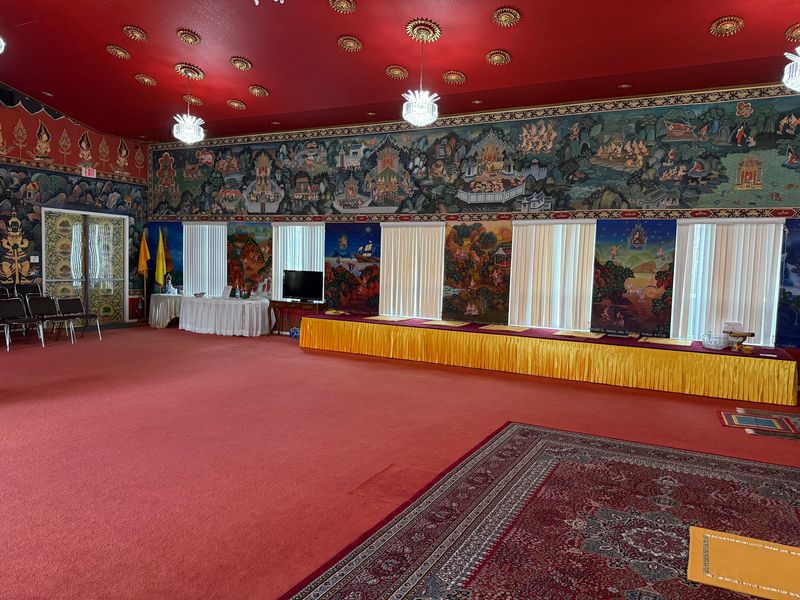
Kissimmee may be built for thrills, yet this temple is built for stillness. Many guests come specifically to meditate.
The temple offers classes on meditation and Buddhism. Those curious about trying meditation for the first time can ask about these classes on site or through the temple website.
Plenty of people also practice on their own. A quiet bench or a moment near an altar is enough for a short break from daily life.
Guests describe leaving recharged and grateful for the time away from busy routines. Some return regularly as a healthy habit.
Services are held here as well, and newcomers often say they want to come back to attend one.
For anyone who has spent days in theme park lines, a peaceful half hour here might be the most restorative part of the trip.
Conversations With the Monks
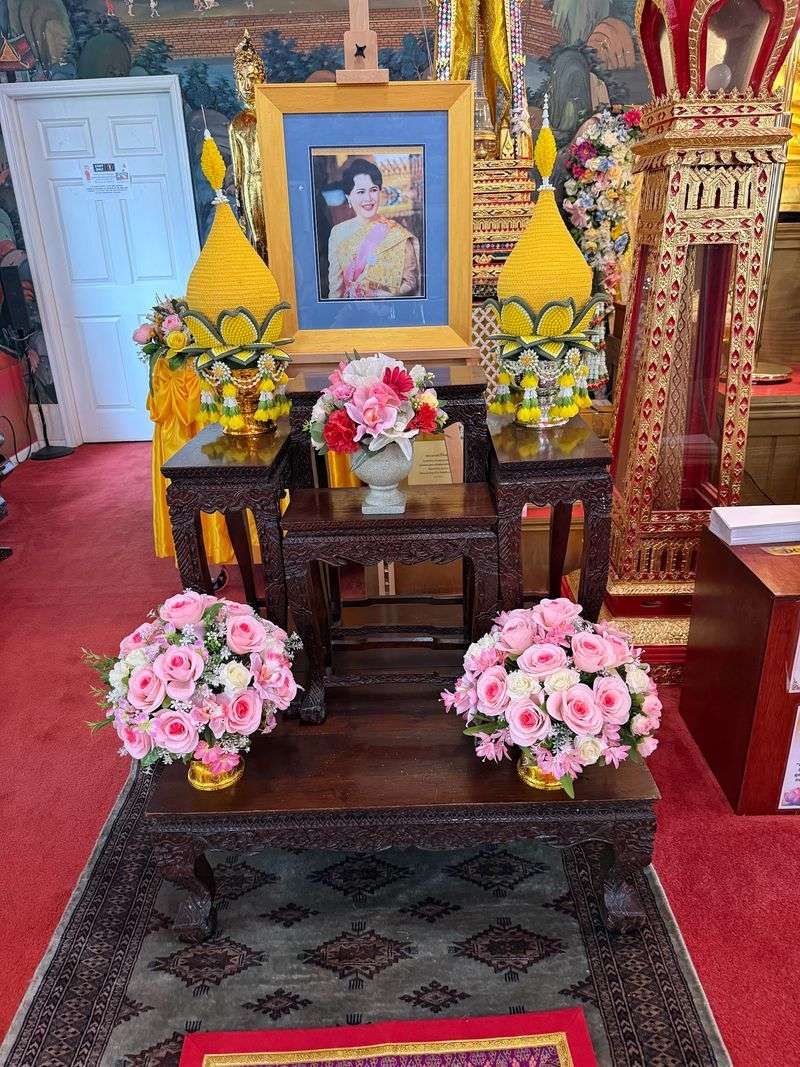
Meeting a monk can be the highlight of a visit. The monks here are known for being polite and happy to talk about Buddhism with anyone interested.
Those chats are informal and welcoming. Many guests leave with new understanding and a warm impression of the community.
Timing matters, though. Monks are not always around, and some people arriving later in the day have missed them.
Occasionally, the monks travel for religious engagements in other cities. That can leave the grounds quiet in the afternoon.
The best strategy is to come in the morning or call ahead before visiting. That small step can make the difference between a pleasant walk and a memorable conversation.
Helpful informational papers and handouts are also available, so even without a chat, there is plenty to learn.
Festival Days and Songkran Celebrations
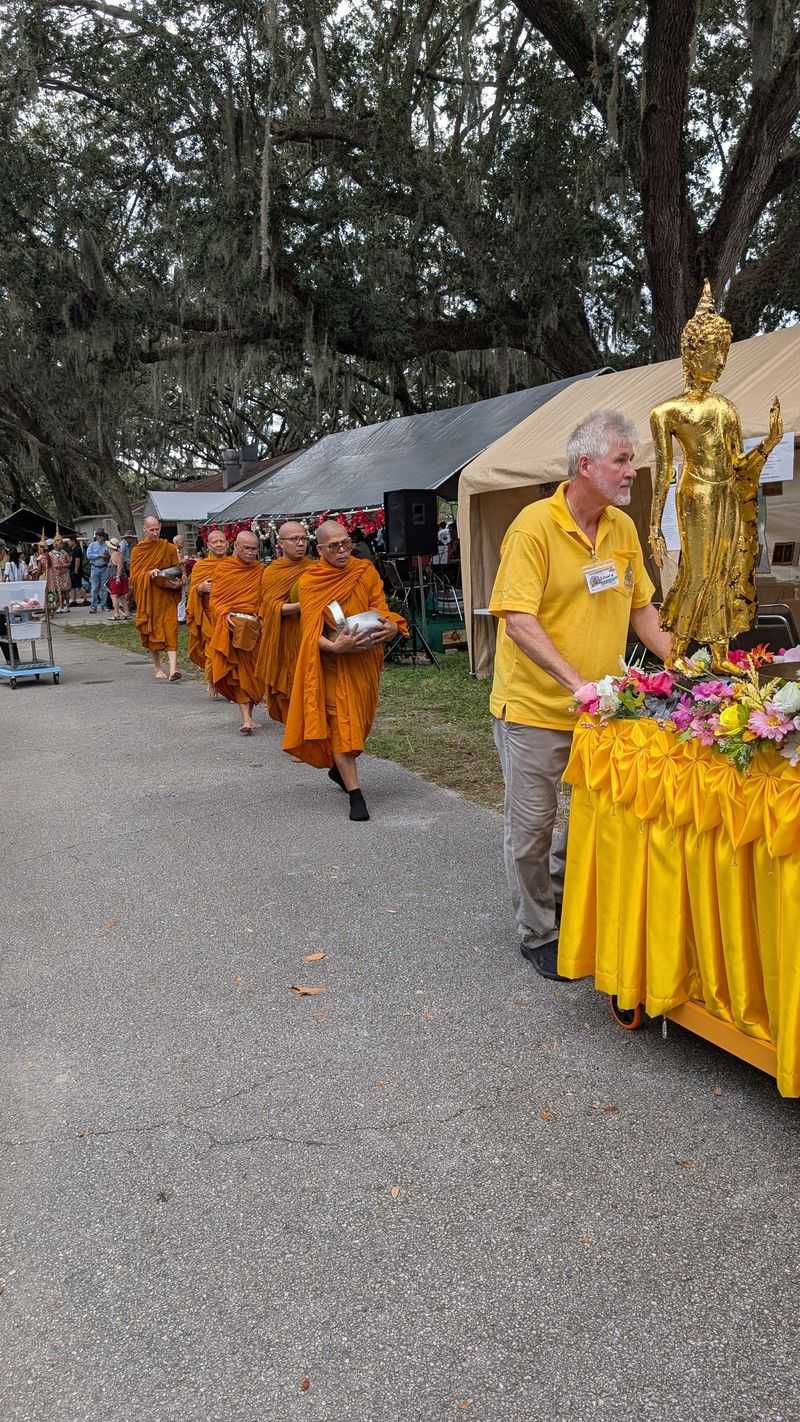
On most days the temple is hushed. On festival days, it turns into a lively cultural celebration.
Songkran, the Thai New Year festival, is one of the big events. Guests describe it as joyful and full of culture while still keeping a spiritual heart.
There is also an annual Taste of Thailand festival. Some people have attended for around a decade and keep coming back.
Food tents appear during these events, offering Thai dishes and treats. The setting resembles a Thai market and offers an authentic cultural experience.
Special events can include early morning almsgiving too. This tradition involves offering food to monks and is a meaningful moment to witness.
Check the temple website for event dates. Festival days are popular, so plan for crowds and that small parking lot.
Welcoming for Families and Wheelchair Users
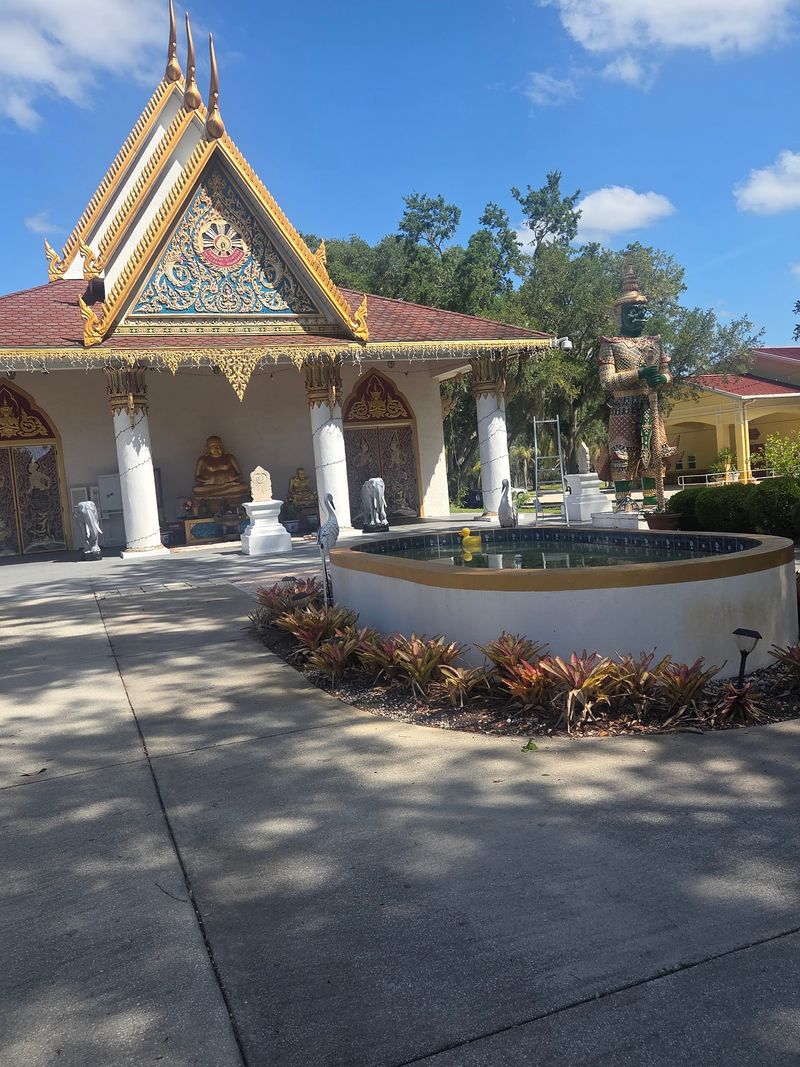
Accessibility is a quiet strength of this temple. Guests point out that the grounds are very wheelchair accessible, which is not always the case at historic religious sites.
Families find it a great place to spend time together. Kids can learn about Thai traditions, and everyone can enjoy taking photos of the art.
Basic comforts help too. Restrooms and water are available on site.
The atmosphere is calm and respectful, so it suits travelers who appreciate slower experiences. Thai Americans often say the grounds remind them of Thailand.
Nervous about visiting a temple for the first time? The community is known as kind and welcoming to newcomers of every background.
Modest behavior and quiet voices are all it takes to fit right in.
Hours, Parking, and Smart Timing
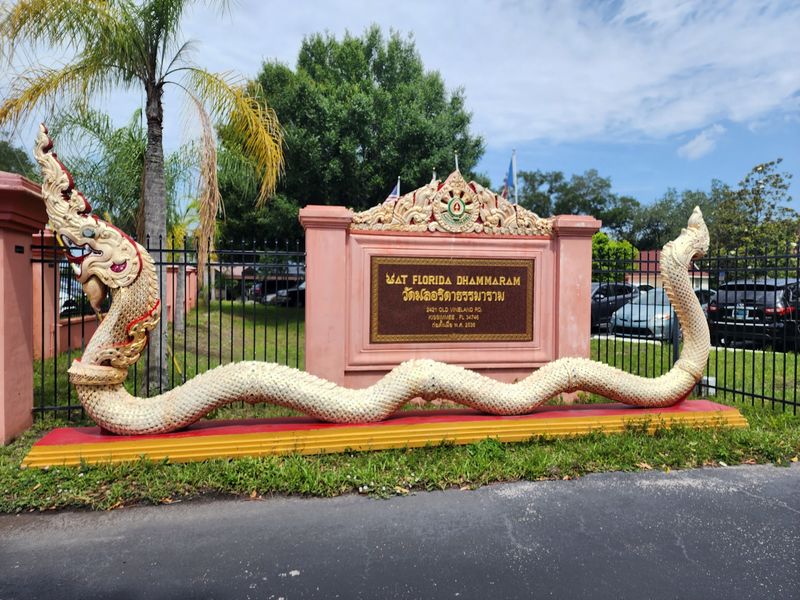
Early birds win here. Wat Florida Dhammaram opens at 6 am and closes at 7 pm, seven days a week.
Morning is the sweet spot for most guests. It offers the best chance of meeting monks and avoids the hottest part of the Florida day.
Parking sits inside the gates. The lot is quite small, so festival days may require patience.
For questions about classes, services, or events, the official website is watfloridadhammaram.com.
Plan anywhere from 20 minutes to a couple of hours. A quick walk covers the highlights, while meditation or festival time can fill a morning.
Bring a donation, comfortable shoes, and a respectful attitude, and the visit will take care of itself.
Why This Quiet Detour Earns a Spot
Some of Florida’s best experiences never come with a wristband. This temple proves it.
The mix is hard to beat: free entry, golden statues, a striking ordination hall, guardians and nagas, and gardens with thoughtful signs. Add friendly monks and festival days, and there is plenty to discover.
Yes, some buildings could use a coat of paint. That small flaw does little to dim the peaceful mood or the beauty of the art.
It works for day-trippers near the parks, Orlando locals seeking a calm outing, and anyone curious about Thai culture.
It is also an easy add-on to a Kissimmee itinerary. Some guests stumble upon it on the way to nearby spots and end up glad they stopped.
Leave a donation, linger a little, and let a Florida morning slow down for once.


