
Affiliate disclosure: As an Amazon Associate I earn from qualifying purchases. Learn more
Most highways end at a city, a border, or a big interchange. One famous American road keeps going for roughly 2,000 miles and then simply stops in a tiny Michigan town where you could learn most of the neighbors’ names by lunchtime.
It sits at the very top of the Keweenaw Peninsula, about as far north as a car can go in our state. Fewer than 150 people live there year-round, yet the place carries a big story about copper, Lake Superior, and life at the edge of the map.
Keep reading to find out where this town is, why that highway ends there, and what makes the long drive worth it for Michiganders.
End of the Line on the Keweenaw
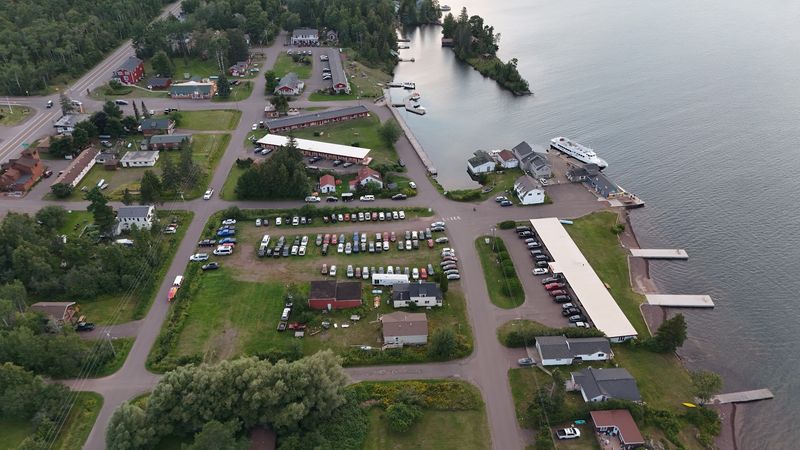
Every great road trip needs a finish line, and this one has a good one. Copper Harbor sits in Grant Township, MI, in Keweenaw County, near the northern tip of the Keweenaw Peninsula in Michigan’s Upper Peninsula.
It is an unincorporated community and a census-designated place. That means it has no city government of its own, but it is counted as a distinct community by the U.S.
Census.
The town rests on the shore of Lake Superior. Beyond it, there is not much left of Michigan to drive on.
For many travelers, that is exactly the point. Reaching Copper Harbor feels less like stopping at a town and more like arriving at the end of the state.
Plenty of Michiganders have heard the name for years before ever making the trip. Once they go, it tends to become a story they tell for a long time.
A Population You Can Count
Here is a number worth remembering: 136. That was the population of Copper Harbor in the 2020 census.
Plenty of Michigan high school classes are bigger than that. Some apartment buildings in Detroit or Grand Rapids hold more people.
A count that small shapes everything about the town. There are no traffic jams, no sprawling shopping plazas, and no crowds of commuters.
What you get instead is a place where the community is small enough to feel personal. Life moves at a slower pace, and the landscape takes center stage.
The tiny number also explains the headline. A highway that crosses a big chunk of the country ends in a spot where the welcome committee could fit in a single room.
That contrast is part of what makes Copper Harbor so memorable. Big road, small town, and a whole lot of Lake Superior in between.
Where US 41 Finally Runs Out
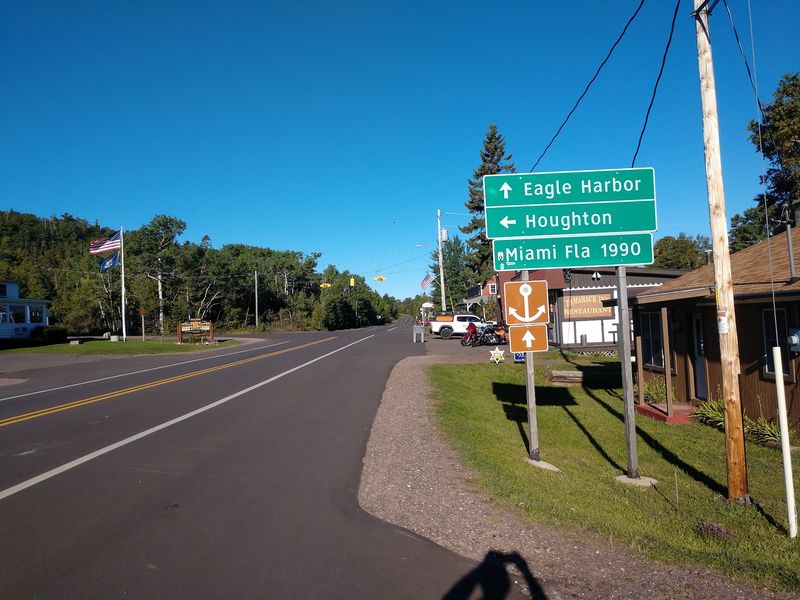
The highway in question is US 41. It begins far to the south in Miami, Florida, and travels roughly 2,000 miles north before it ends here.
Along the way it passes through several states and many big cities. Then it climbs up through the Upper Peninsula and onto the Keweenaw.
At Copper Harbor, the road reaches its northern end. A marker near the end of the route has long been a favorite photo stop for road trippers.
Think about that for a second. You could, in theory, start near palm trees and finish beside Lake Superior without ever leaving one highway.
Few towns in Michigan can claim a connection like that. It gives Copper Harbor a special spot on the national map, even with its tiny population.
For Michigan drivers, it is also a fun bucket-list goal. Driving to the very end of US 41 is a bragging right that needs no plane ticket at all.
Copper Country Roots
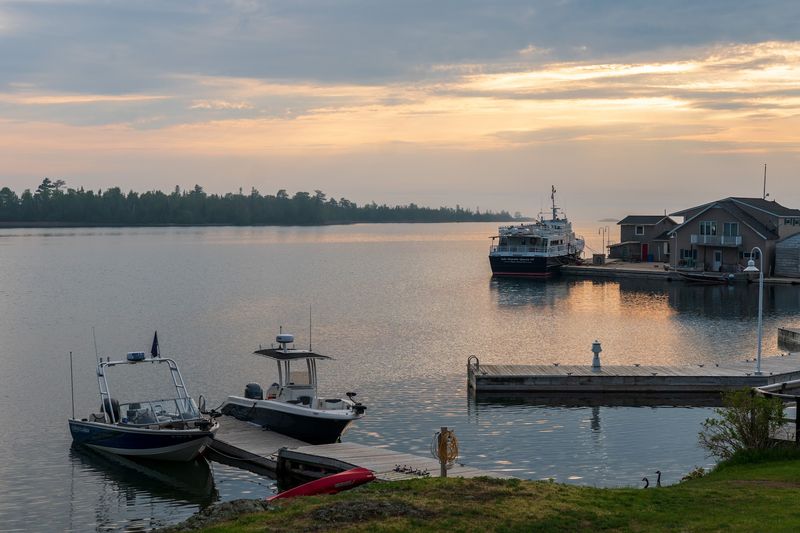
The name is not a coincidence. Copper Harbor sits in the heart of Michigan’s Copper Country, a region shaped by one of the biggest mining booms in American history.
In the 1840s, people rushed to the Keweenaw to search for native copper. The Upper Peninsula became a key supplier of copper for a growing nation.
The harbor itself gave the area an early role as a landing point. Boats on Lake Superior offered a way in and out long before good roads existed.
That mining story is a big part of Michigan heritage that textbooks often skip. Many families across the state trace roots to immigrants who came north to work the mines.
A trip to Copper Harbor is a reminder that the U.P. helped build the country. The town’s name keeps that history front and center, one road sign at a time.
Fort Wilkins and Frontier History
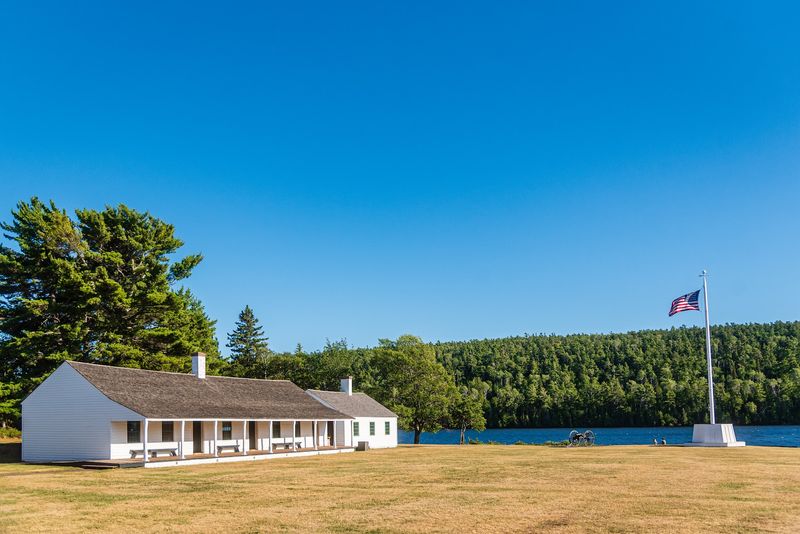
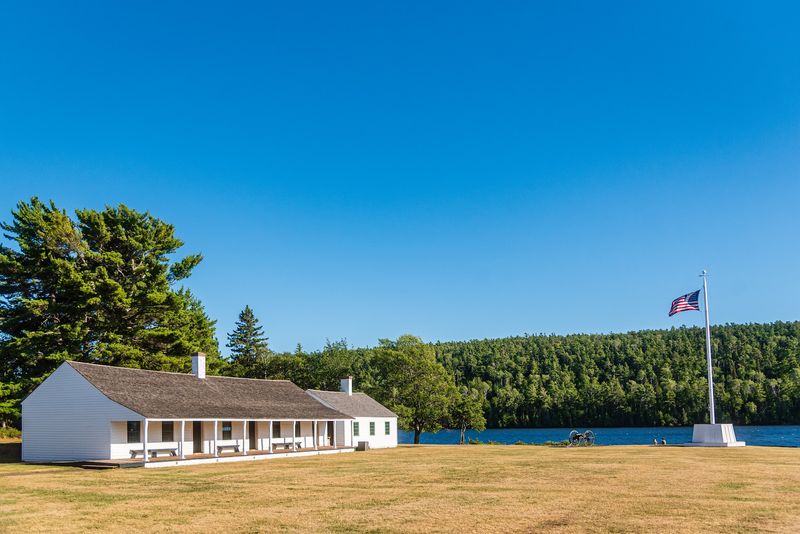
Just outside town, history stands in wooden buildings. Fort Wilkins was built in 1844, during the early days of the copper rush.
The U.S. Army placed the fort here to keep order in a remote frontier area.
Today the site is part of Fort Wilkins Historic State Park.
Many of the old structures have been restored. They help show what daily life looked like for soldiers posted far from the rest of the country.
The park also connects to the Copper Harbor Lighthouse, another piece of the area’s maritime story. That lighthouse helped guide ships along the rocky shoreline.
As a Michigan state park, it requires a Recreation Passport for vehicle entry. Check current details with the state before heading north.
For history fans, this is a great stop. It turns the drive to the end of US 41 into a lesson about the frontier days of the Upper Peninsula.
Lake Superior at the Doorstep
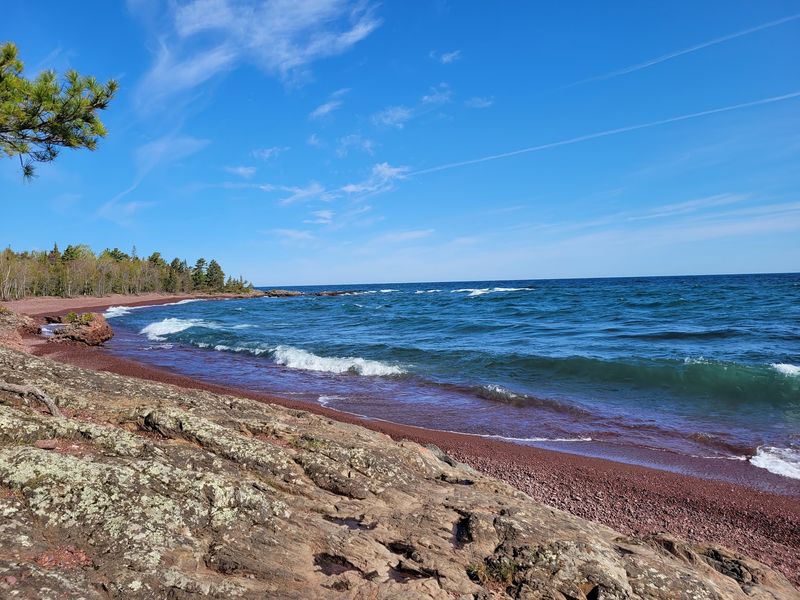
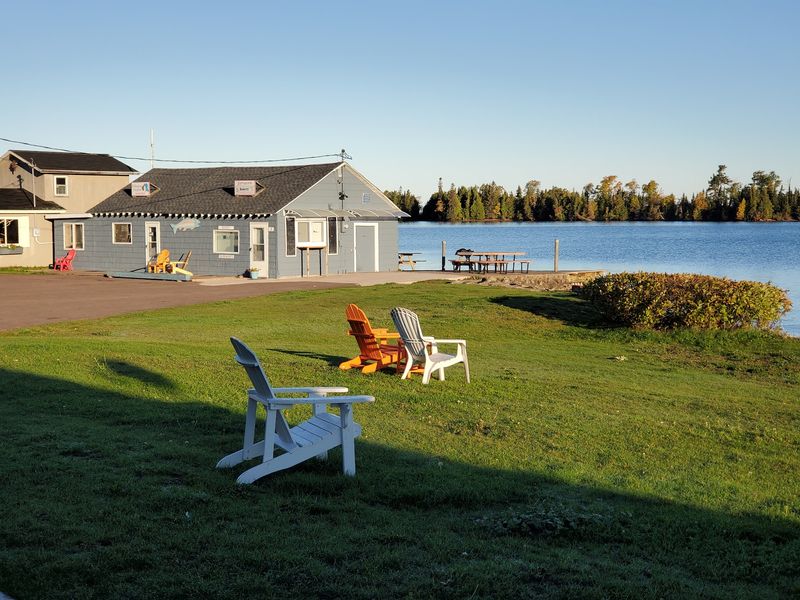
Lake Superior is the biggest of the Great Lakes, and Copper Harbor sits right on its shore. The town’s harbor is a natural shelter along a rugged stretch of coast.
That location shapes almost everything here. The lake sets the mood, the weather, and the pace of life.
Rocky points and forested edges line the shore near town. It is a landscape that feels wild and far from the busy parts of the state.
Many travelers come simply to stand at the water’s edge. After hours on the road, seeing Lake Superior stretch to the horizon makes the trip feel complete.
The harbor also serves as a departure point for boat trips to Isle Royale National Park during the warmer months. That remote island park is one of the least visited in the country.
So the end of the road is not quite the end of the adventure. From here, the next stop is out on the big lake.
Brockway Mountain Drive Above It All
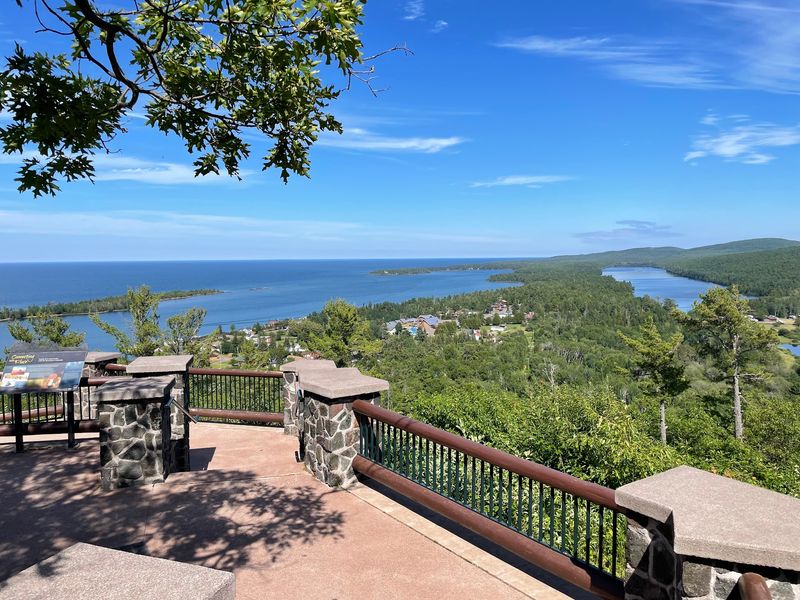
Some roads exist mostly for the view. Brockway Mountain Drive, just west of Copper Harbor, is one of them.
The route climbs along a high ridge on the Keweenaw. It is often called one of the highest paved roads between the Rockies and the Alleghenies.
From the top, drivers can look out over Lake Superior, inland lakes, and miles of forest. Copper Harbor itself appears tiny below.
In fall, the color season draws many Michiganders north. The forests of the Keweenaw put on a big show when the leaves turn.
The drive is also popular for spotting birds of prey during spring migration. The ridge makes a natural route for hawks and other raptors.
Pair it with your trip to the end of US 41. One road finishes in town, and another lifts you high above it.
Trails, Paddles and Wide Open Woods
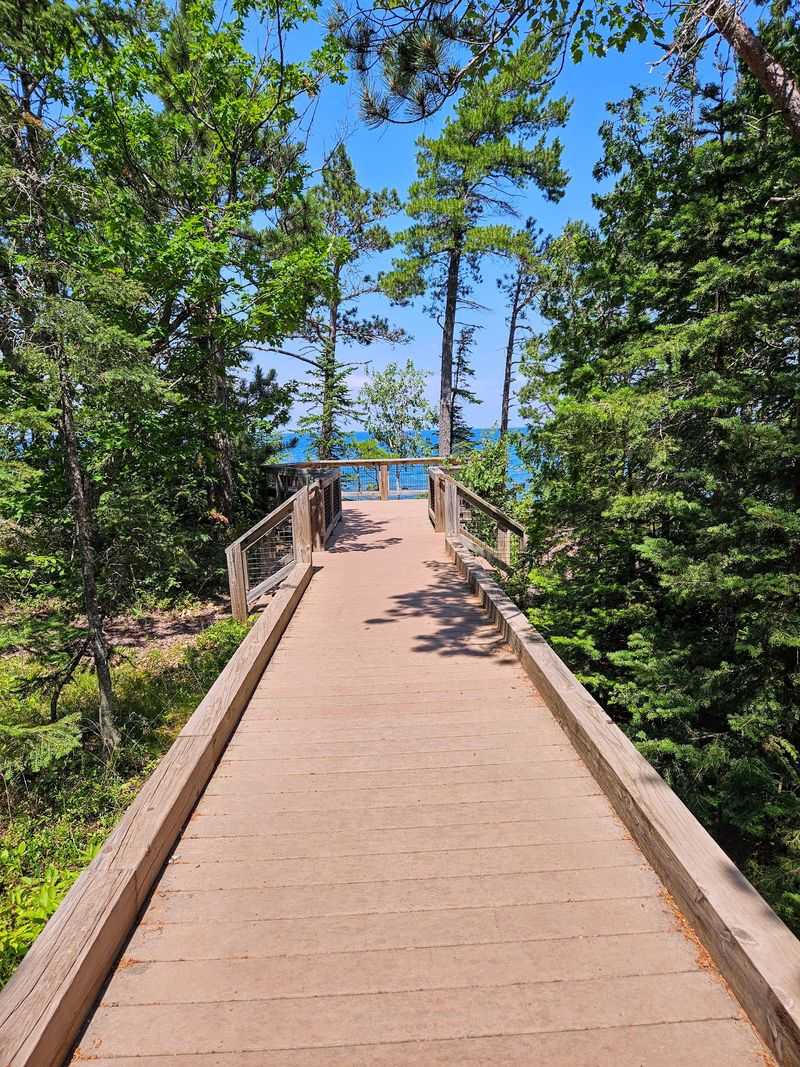
A town of 136 people has a surprisingly big reputation among outdoor fans. Copper Harbor is well known for its mountain bike trail system in the surrounding woods.
Riders from across the Midwest make the trip to test their skills. The trails range from easier loops to tougher routes for experienced riders.
Hikers have plenty of options too. Forest paths, rocky overlooks, and lakeshore spots fill the area around town.
Paddlers can explore Lake Superior’s edges and nearby inland lakes when conditions are calm. The big lake can change quickly, so checking the weather matters.
In winter, the Keweenaw gets serious snow. That makes the area a destination for snow lovers who do not mind the long drive.
The best part is how close everything is. In a place this small, the trailhead is never far from the end of the highway.
Who Will Love the Long Drive
Copper Harbor is not a place you pass through by accident. You have to mean it.
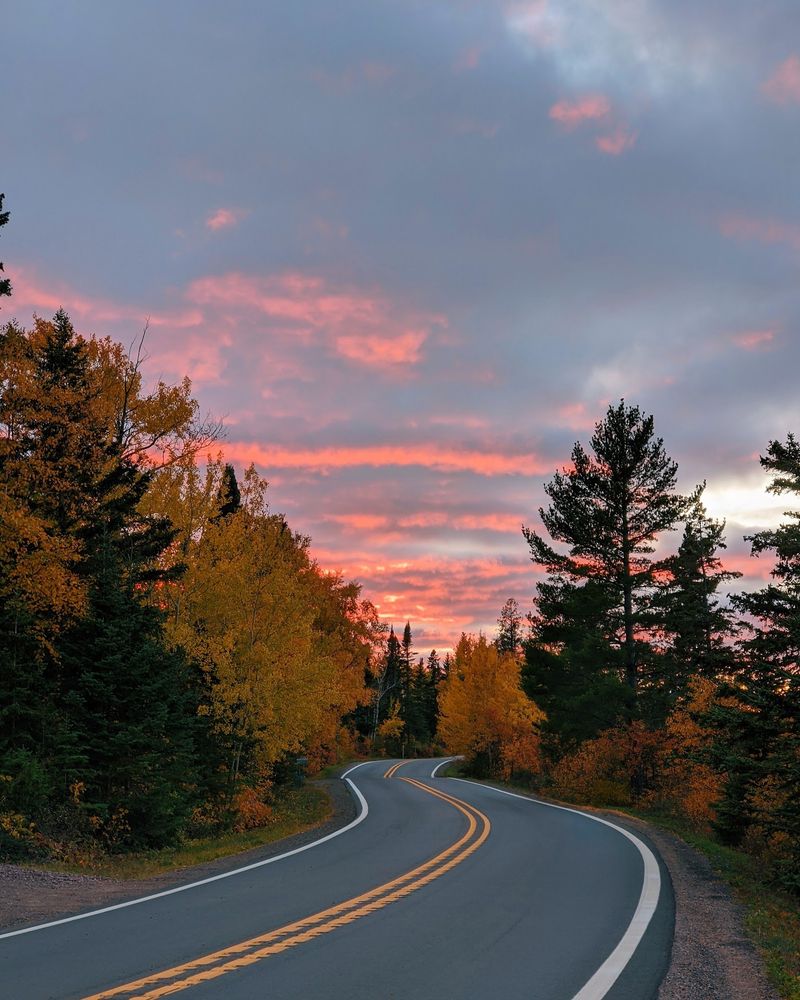
From much of Lower Michigan, the drive is long, often a full day behind the wheel. The final stretch of US 41 winds through thick forest on the way into town.
That remoteness is the reward for some travelers. It suits people who enjoy quiet, nature, history, and a sense of getting away from it all.
It also suits road trip fans who love a clear goal. Driving to the very end of a national highway is a satisfying way to plan a weekend.
Families can mix fort history, lake views, and easy walks. Adventure seekers can stack bike rides and hikes into each day.
Those looking for nightlife or big shopping may want to look elsewhere. Here, the main attractions come with trees, rocks, and a very large lake.
Planning a Trip to the Top
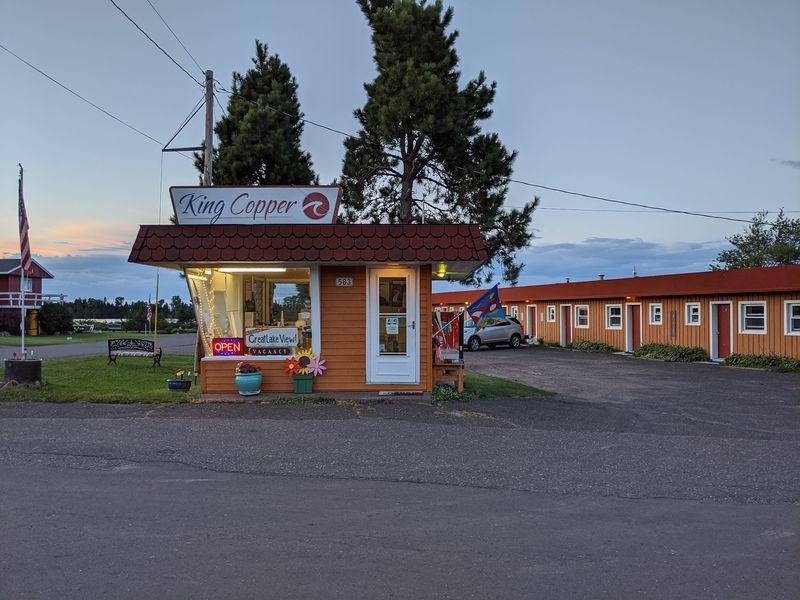
A little planning goes a long way at the top of the Keweenaw. Summer and early fall are the busiest seasons, when roads and trails are easiest to enjoy.
Some seasonal businesses and boat trips operate only part of the year. Check schedules before you go, especially in spring and late fall.
Gas up and stock up before the final stretch. In a town this small, services are limited compared with bigger U.P. cities like Houghton.
Bring layers, since Lake Superior weather can shift fast. Snow arrives early and stays a long time in winter.
Above all, give yourself time. The real joy here is slowing down after a long road, standing where US 41 runs out, and looking at the lake.
For Michiganders, that is the payoff. A 2,000-mile highway ends in our own backyard, in a town of just 136 people, and it is well worth the trip north.


