
Affiliate disclosure: As an Amazon Associate I earn from qualifying purchases. Learn more
A half-mile paved path in Northwest Indiana turns an ordinary afternoon into a slow walk through the final days of Jesus. Life-size statues mark each stop, and audio readings explain what happened at every one.
Entry costs nothing, and the doors open every day of the week. Here is a look at what waits along the trail, what else is on the grounds, and how to plan a visit that does not feel rushed.
A Half-Mile Prayer Walk in St John
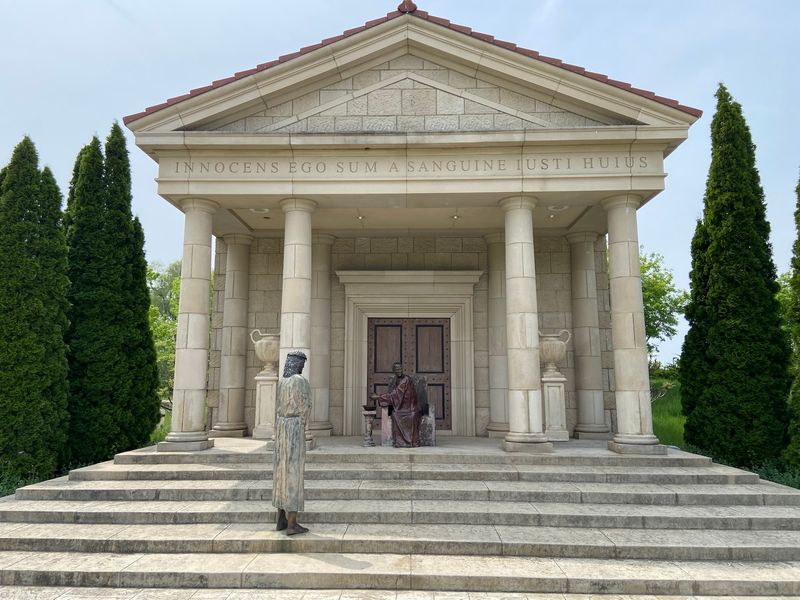
The Shrine of Christ’s Passion sits at 10630 Wicker Ave, St John, IN 46373, in the northwest corner of Indiana. It is a Catholic shrine built around an outdoor walk that follows the path of Jesus toward the cross.
Admission is free, and the grounds are open from 10 AM to 5 PM every day of the week. Donation boxes are placed around the property for anyone who wants to give.
The route runs about a half mile out and a half mile back on a paved sidewalk. More than 40 statues mark the stations along the way, so the trail works as a steady, easy-to-follow story from start to finish.
Visitors say the setting feels removed from the surrounding suburbs, which is a big part of why people drive in from Chicago and beyond to walk it.
Entering Through the Gift Shop
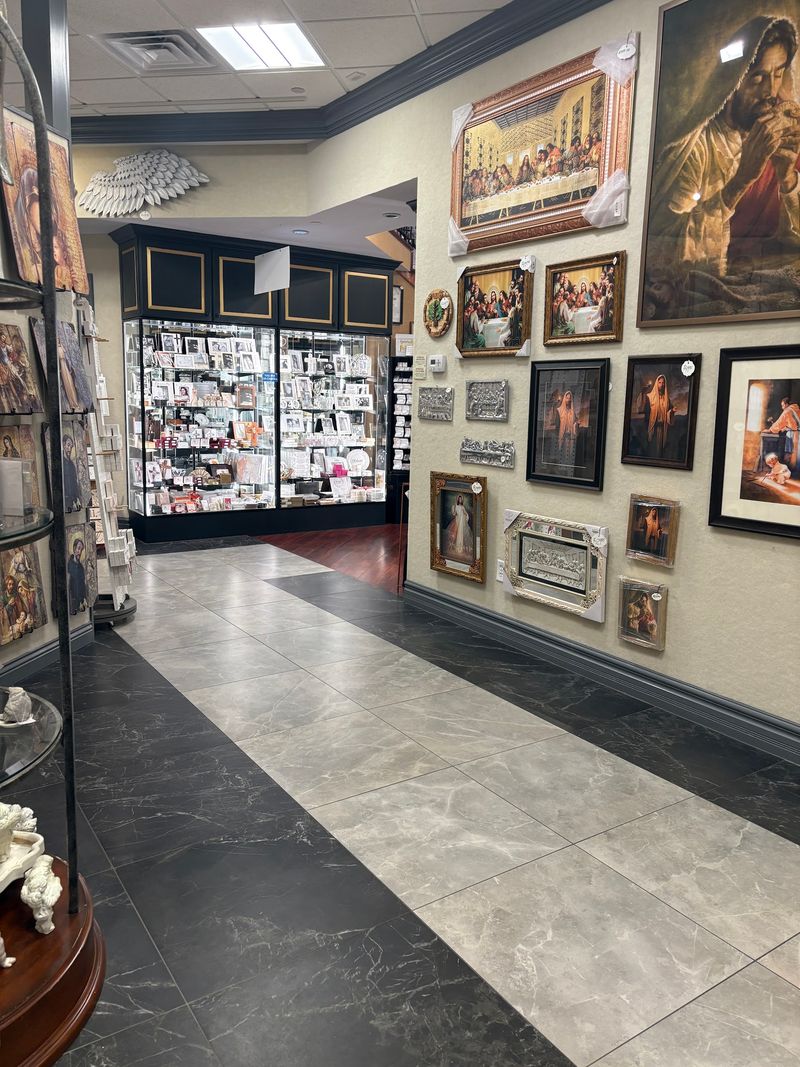
Here is a small surprise for first-timers: the path to the prayer trail begins inside the gift shop. Everyone walks through it on the way to the grounds.
The shop is large, and regulars mention that it stocks crosses, rosaries, books, paintings, jewelry, decorations and greeting cards. There are also toys and crafts for children.
Families shopping for a communion gift often find something suitable without needing to look elsewhere. Restrooms are inside as well, and they get praise for being nice.
Some people browse before the walk, and others save it for the way out. Either order works, since the shop sits right at the gateway to the trail.
Stations That Follow the Last Days

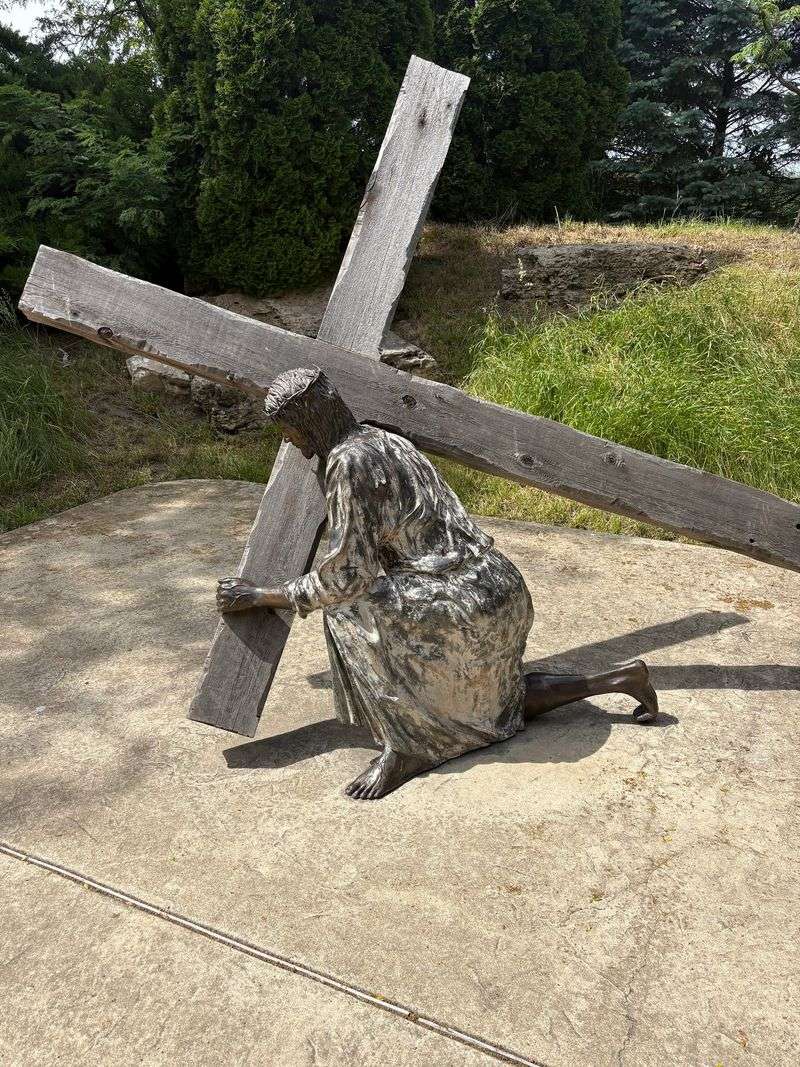
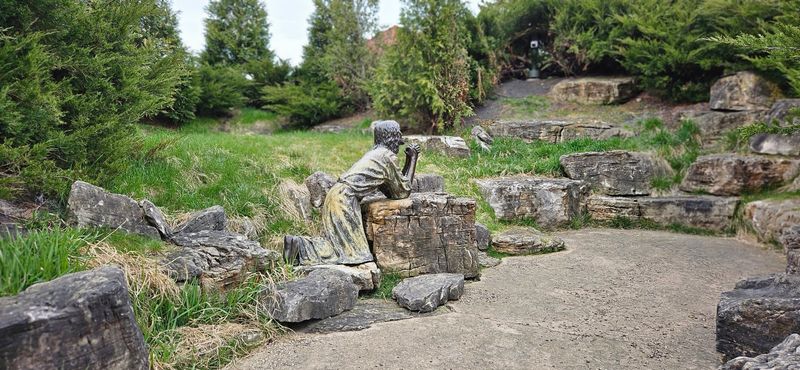
The walk begins with the Last Supper and moves on to the Garden of Gethsemane. From there it continues to the judgment at Pilate’s palace and onward toward the cross.
Each scene is a life-size set of statues, placed at a comfortable distance from the next. The spacing gives walkers time to pause and think before moving on.
Many people go in with modest expectations and leave surprised by how much care went into each scene. One family who stopped on a pilgrimage through Indiana admitted they had underestimated the place entirely.
The order of the stations is easy to follow, so no map reading is needed. The path simply leads from one moment of the story to the next.
Scripture and Music at Every Stop
Short audio recordings play at each station, so the story is told as well as shown. Some exhibits have a button to press, which starts the reading.
Soft background music runs along the route. Visitors who enjoy the trail often point to the combination of readings and music as the part photos cannot capture.
Each recording is brief, which keeps the pace moving without feeling hurried. Several people mention that the reading at the end ties the story back to everyday life.
Anyone visiting with a group can call ahead to request a guide. That option suits churches and youth groups that want a more structured walk.
Moses at Mount Sinai
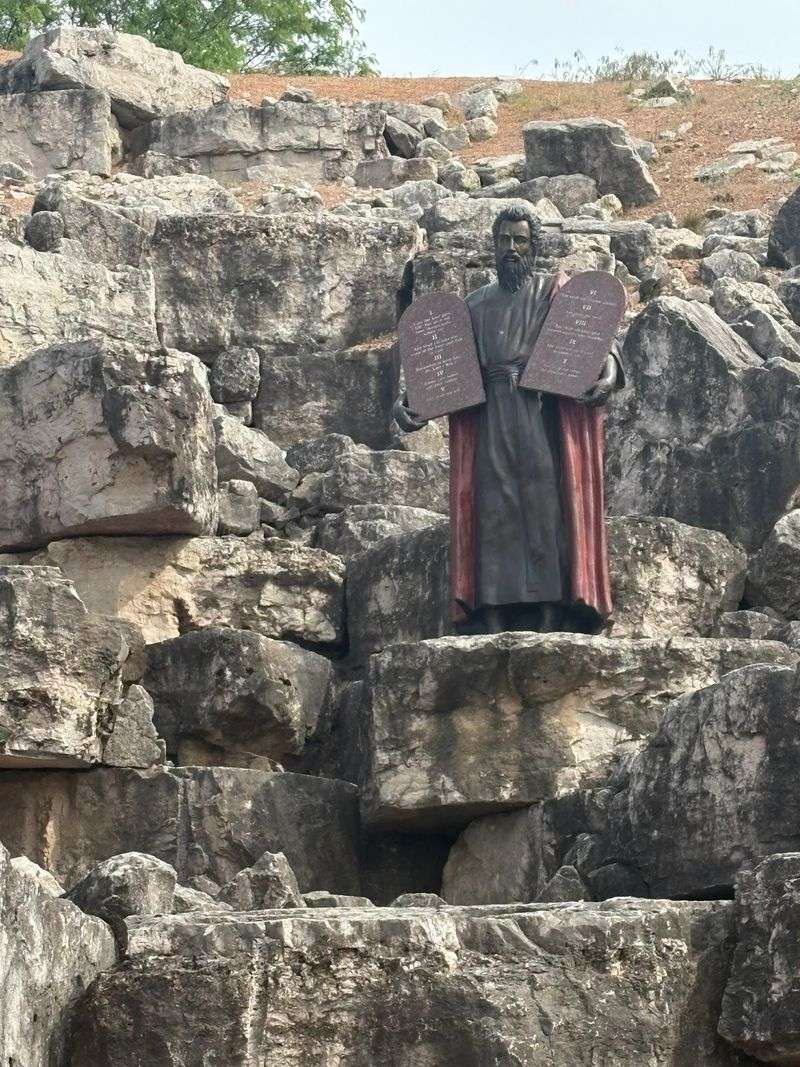
Beyond the main stations, a Mount Sinai display shows Moses with the Ten Commandments. One visitor noted that the display took three years to create.
Guests describe it as one of the most striking stops on the property. A few say it made them feel as though they had been transported to the scene itself.
The detail work shows up in the rock formations and the figures. It adds a chapter from the Old Testament to a site that is mostly known for the Passion story.
It is easy to spot on a longer visit, so those who only walk the main path might want to leave time to find it.
Crucifixion and the Tomb
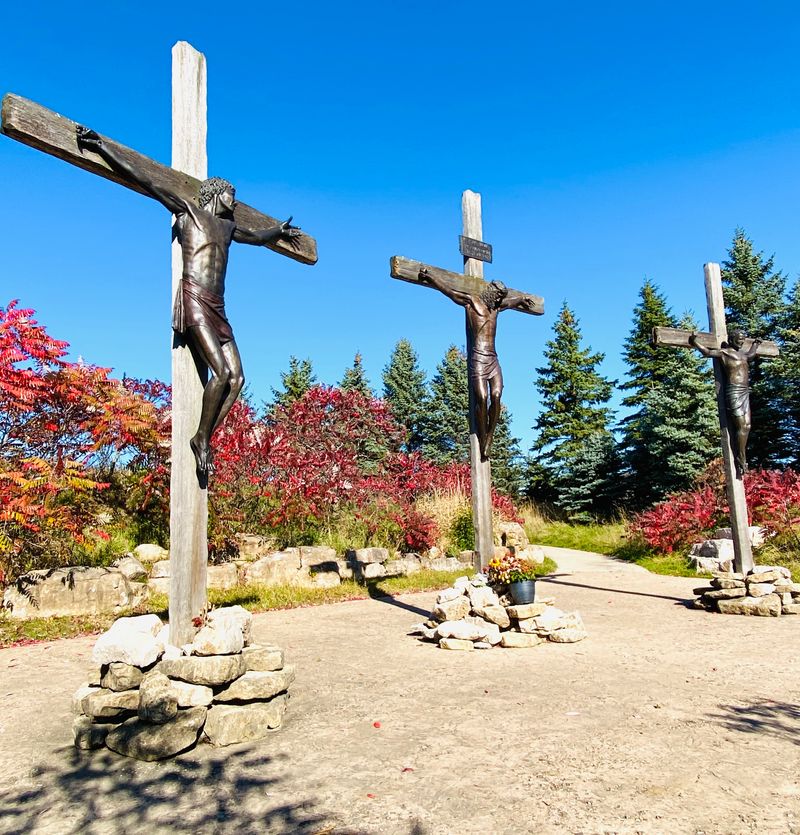
Near the end of the walk, the crucifixion scene stands as the emotional center of the route. Many people say they found themselves moved to tears here.
The story continues to the tomb, which one guest called a favorite part of the entire visit. The resurrection is part of the account as well, so the walk does not end at the cross.
Flowers have been seen placed on every statue of Jesus around Easter. That detail shows how the site adapts to the church calendar.
Because the trail is a round trip, walkers pass back through the same stations on the return. A second look often reveals details missed the first time.
Our Lady of Guadalupe Shrine
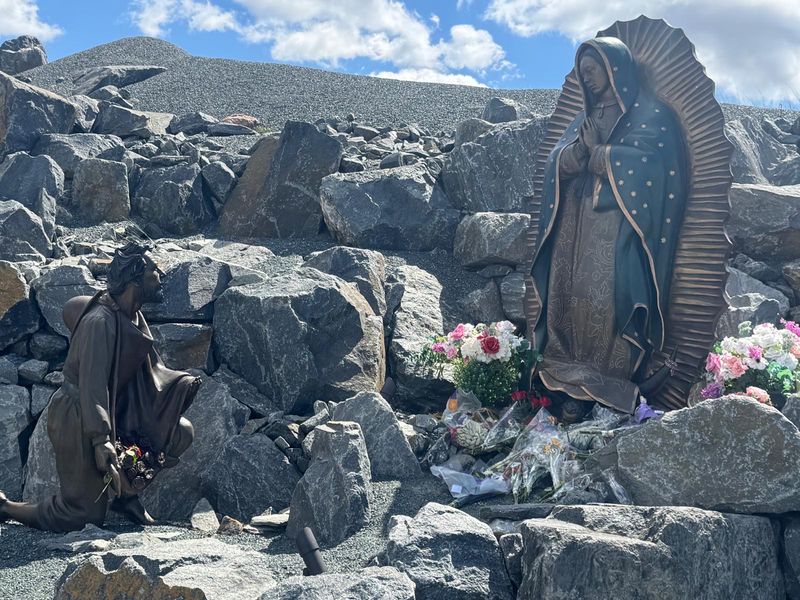
A newer addition to the grounds is an Our Lady of Guadalupe shrine. A guest remarked that it is especially meaningful to the Hispanic Catholic community in the area.
It gives the property another stop for prayer, separate from the main trail. Return guests mention discovering it on a second trip.
The site is Catholic in tradition, and this shrine reflects the local faith community. It also shows that the grounds continue to grow.
Anyone planning a visit can budget a little extra time to see it after finishing the station walk.
A Calm Place for Reflection
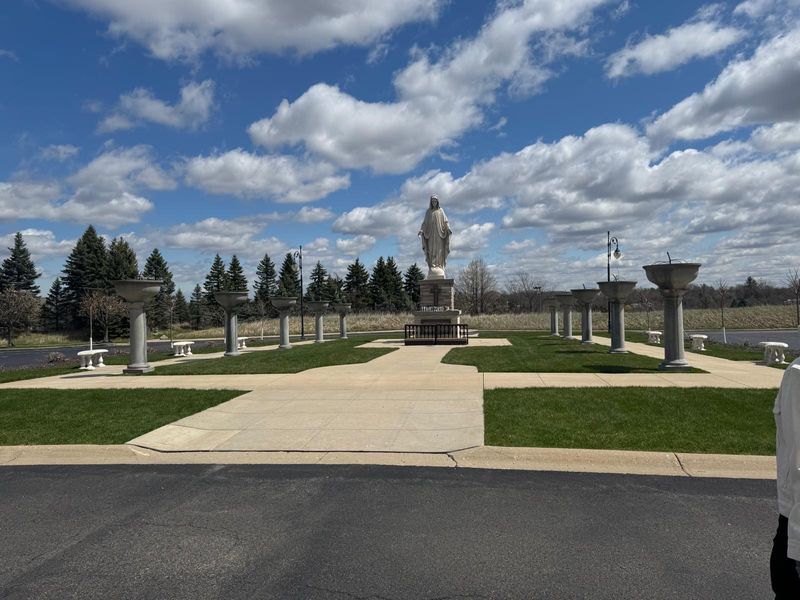
Quiet is the main feature here. Guests describe a peaceful, prayerful mood that invites slowing down, and many say they wish they had planned more time.
One person spent three hours and still felt it was not enough. Others suggest a couple of hours as a minimum, with a full day for those who want to pray at each stop.
The site is best suited to individual reflection. Visitors note it is not a place for children to run around.
There is, however, a beautiful open area for kids on the grounds, which several parents recommend. That gives families a spot to let young ones move around after the walk.
Holy Week and Lent Visits
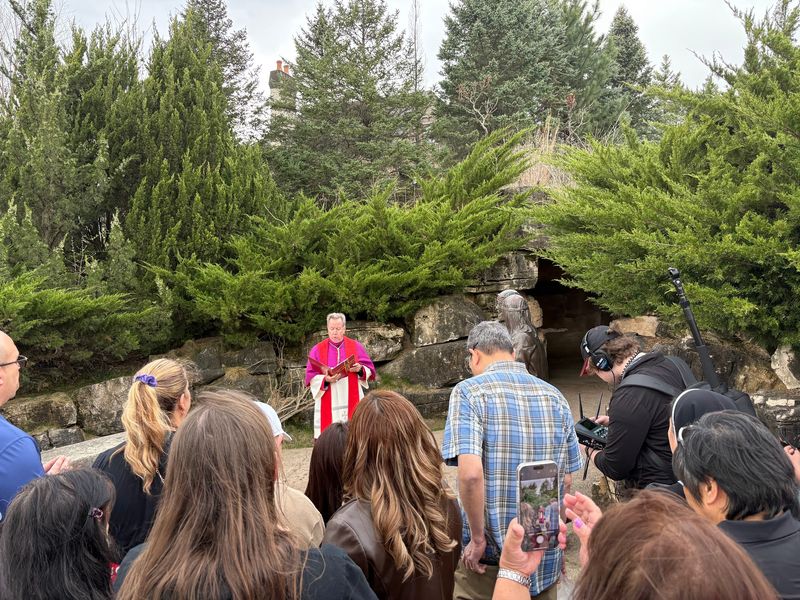
The shrine is especially popular in the weeks before Easter. Guests say listening to the Gospel along the trail is a fitting way to spend Lent.
On Good Friday, one visitor attended Stations of the Cross led in prayer by the bishop. That made an already meaningful walk feel even more special.
Flowers appear on the statues of Jesus around Easter Monday. People who have visited on both days describe the change as a moving detail.
Expect more people during Holy Week. Weekdays outside holiday periods are described as less busy, so quieter times exist for those who prefer fewer crowds.
Planning the Day
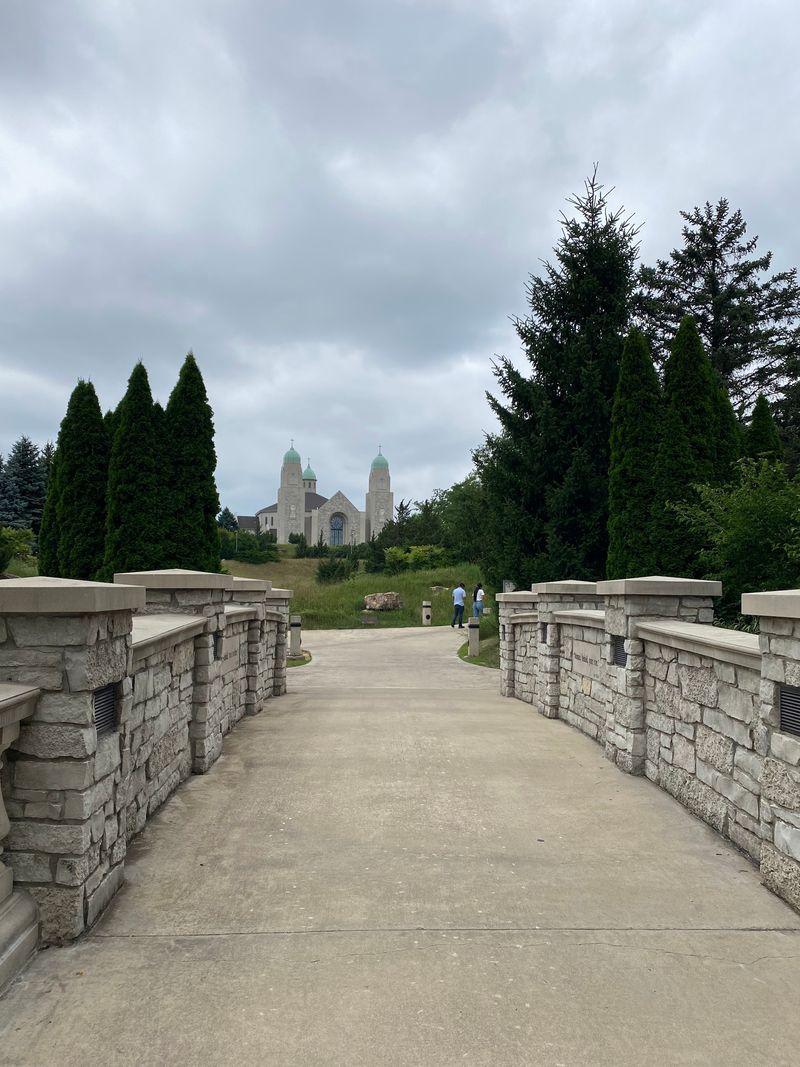
Hours are listed as 10 AM to 5 PM, seven days a week. Hours may vary, so check the shrine’s website before heading out.
Entry is free, with donation boxes on site. The walk is about a mile round trip, so comfortable shoes make a real difference.
Visitors who brought older relatives found the distance a lot, and one group turned back before the end on a first visit. Plan breaks if anyone in the group tires easily.
The shrine is easy to add to a Chicago-area drive, and some travelers stop each time they pass through. Groups can call ahead to request a guide.
Worth the Drive

For Hoosiers who like finding places that exceed expectations, this one delivers. The care in each scene is what people remember most.
It is free, open daily and easy to reach from the Chicago area. A first visit often turns into a reason to come back.
Guests leave with a quiet mood and, for many, a gift from the shop. Plenty of them say they plan to return.
For a day trip with meaning, a slow walk along the Wicker Avenue trail makes a strong choice.


