
Affiliate disclosure: As an Amazon Associate I earn from qualifying purchases. Learn more
A chapel built for the 1893 Chicago World’s Fair now sits inside a museum on a busy shopping street in Winter Park, Florida. It traveled a long road to get there, and parts of it came close to being lost forever.
Around it are more than 30 rooms filled with Tiffany lamps, stained glass windows, jewelry, pottery, and paintings. Tickets cost less than a fast lunch, and some evenings the doors open for free.
Keep reading to learn who saved this collection, what to see first, and how to plan a visit without spending much at all.
A Tiffany Treasure House on Park Avenue
Few small cities can claim the world’s most comprehensive collection of works by Louis Comfort Tiffany. Winter Park can.
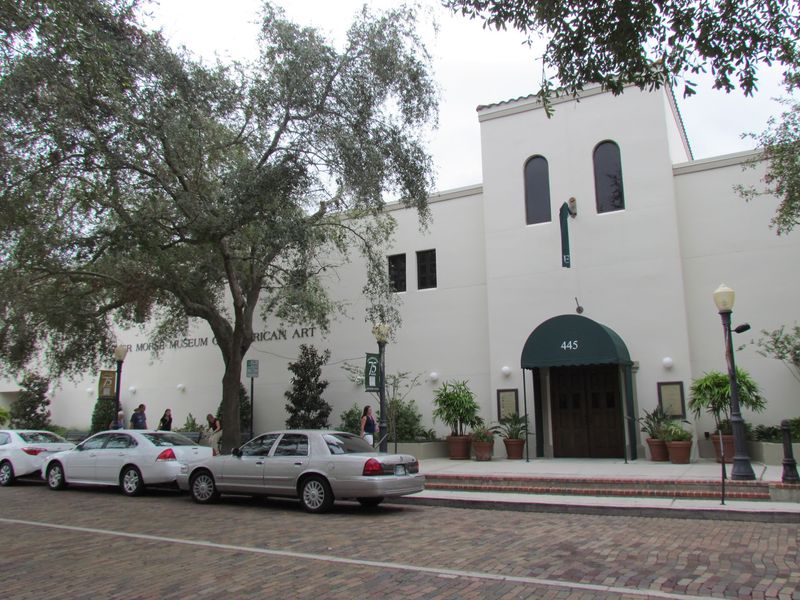
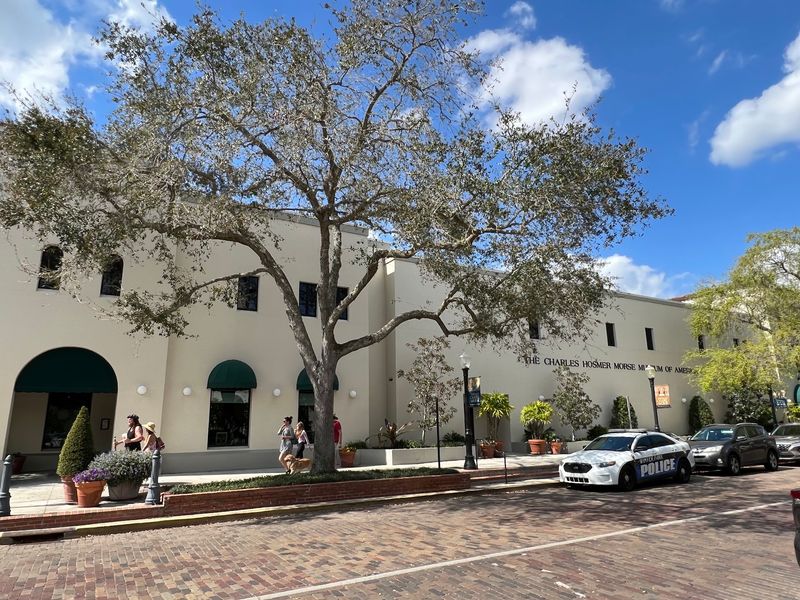
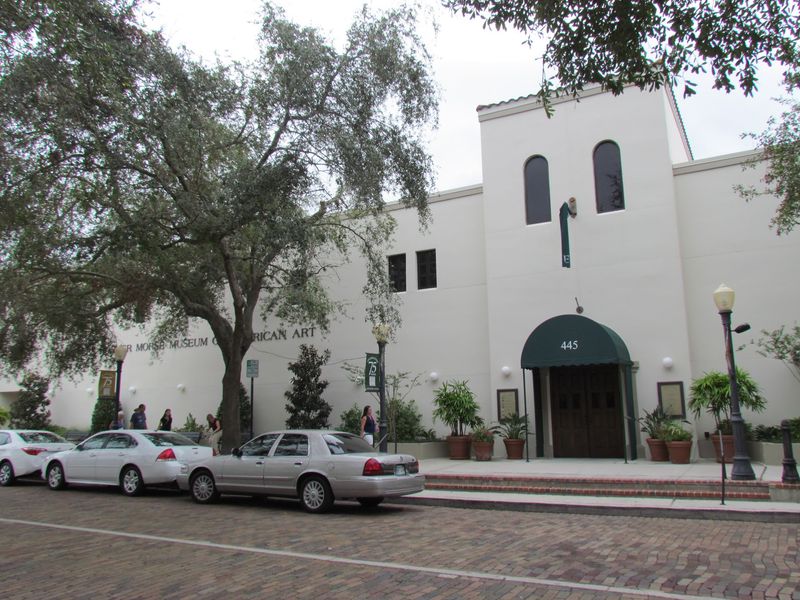
The Charles Hosmer Morse Museum of American Art sits at 445 N Park Ave, Winter Park, FL 32789, in the United States. It holds a spot on one of the town’s main streets, right among the shops and cafes that make Park Avenue a favorite stroll.
The museum is known as a venerable showcase for Tiffany art. Its collection includes leaded-glass lamps, windows, jewelry, and the restored chapel that gives this place its biggest claim to fame.
There is more than Tiffany here, too. Galleries hold American art pottery, graphics, paintings, furniture, and decorative art from the late 19th and early 20th centuries.
The place carries a 4.8-star standing across more than 2,800 Google opinions, which is a remarkable number for an art museum in a town this size. People often walk in expecting a quick look and leave surprised by how much space there is to explore.
It is family-friendly, quiet, and easy to fit into a day in the Orlando area. That combination of big art and small-town ease is a big part of its charm, and the story behind it is even better.
The Family Who Built a Collection
Every great collection starts with someone who refuses to let beautiful things disappear. Here, that someone was Jeannette Genius McKean.
She founded the museum in 1942 and named it after her grandfather, Charles Hosmer Morse. He was a Chicago industrialist and a Winter Park philanthropist who helped shape the town.
The collection itself grew over about half a century. Jeannette and her husband, Hugh F.
McKean, built it together, and Hugh served as the museum’s director until 1995.
Their timing mattered. Many of the Tiffany artifacts on display today were nearly destroyed before the McKeans stepped in, which gives the galleries a real sense of rescue.
That rescue story explains why so much of the museum focuses on one artist. The McKeans recovered pieces linked to Tiffany’s life and work, including items from his Laurelton Hall estate.
Knowing this background changes how the rooms feel. Each lamp and window is not just art, but something that almost did not make it to the present day.
A short film near the start of the visit covers the founders and Tiffany himself. Watching it first makes the rest of the museum much more meaningful.
Meet the Artist Behind the Glass
Louis Comfort Tiffany had a famous last name before he ever made a lamp. His father, Charles Lewis Tiffany, founded the jewelry firm Tiffany & Co.
Louis built his own reputation alongside that family name. He served as president and art director of his company and drove its production both artistically and technically.
The museum gives plenty of room to his life story. Biographical displays and the introductory video help explain how one designer shaped so much of American decorative art.
Tiffany once reportedly said, “Go after the money there is in art, but the art will be there just the same.” It is a practical line from a man whose work still fills entire galleries.
His range is the real surprise. The collection moves from iridescent glass to jewelry, pottery, windows, and intricate decorative objects, showing an artist who refused to stay in one lane.
Reproductions of some of his design spaces also appear in the museum. These help show how his pieces were meant to work together inside a home, not just sit alone on a shelf.
By the time you reach the chapel, the man behind it feels less like a name and more like a familiar guide.
A Chapel With a World’s Fair Past
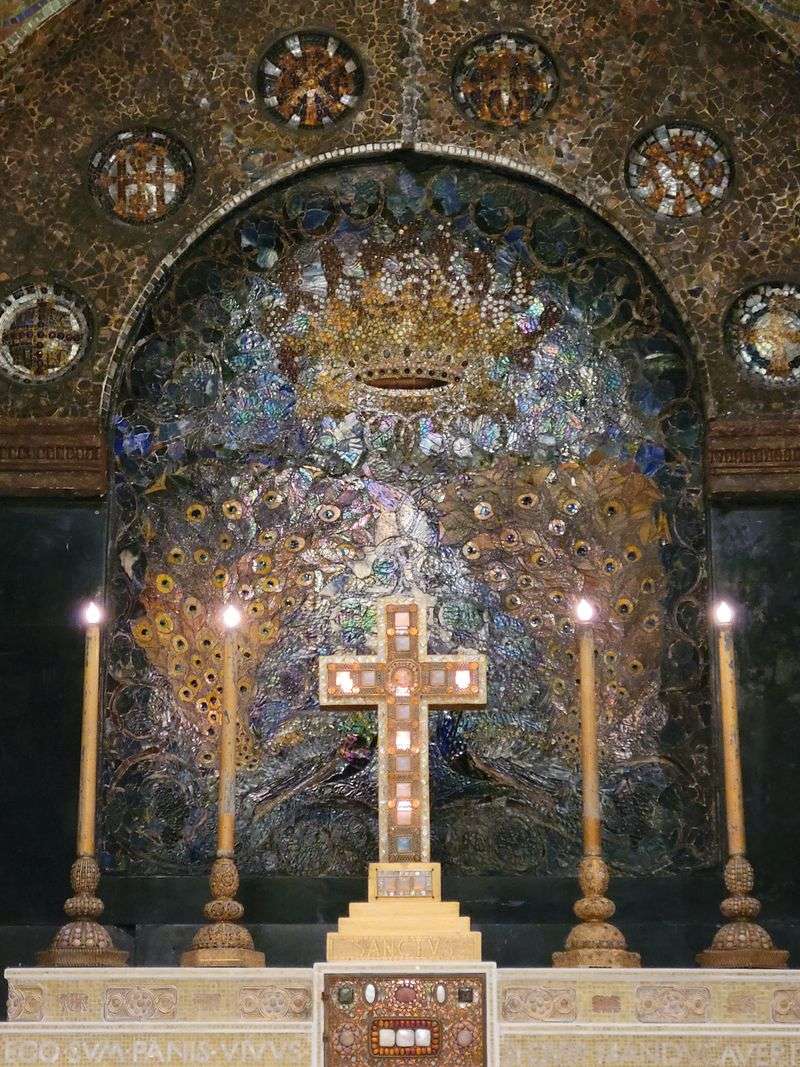
Back in 1893, crowds at the World’s Columbian Exposition in Chicago saw something new from Tiffany. Today, that same chapel sits inside a Winter Park museum.
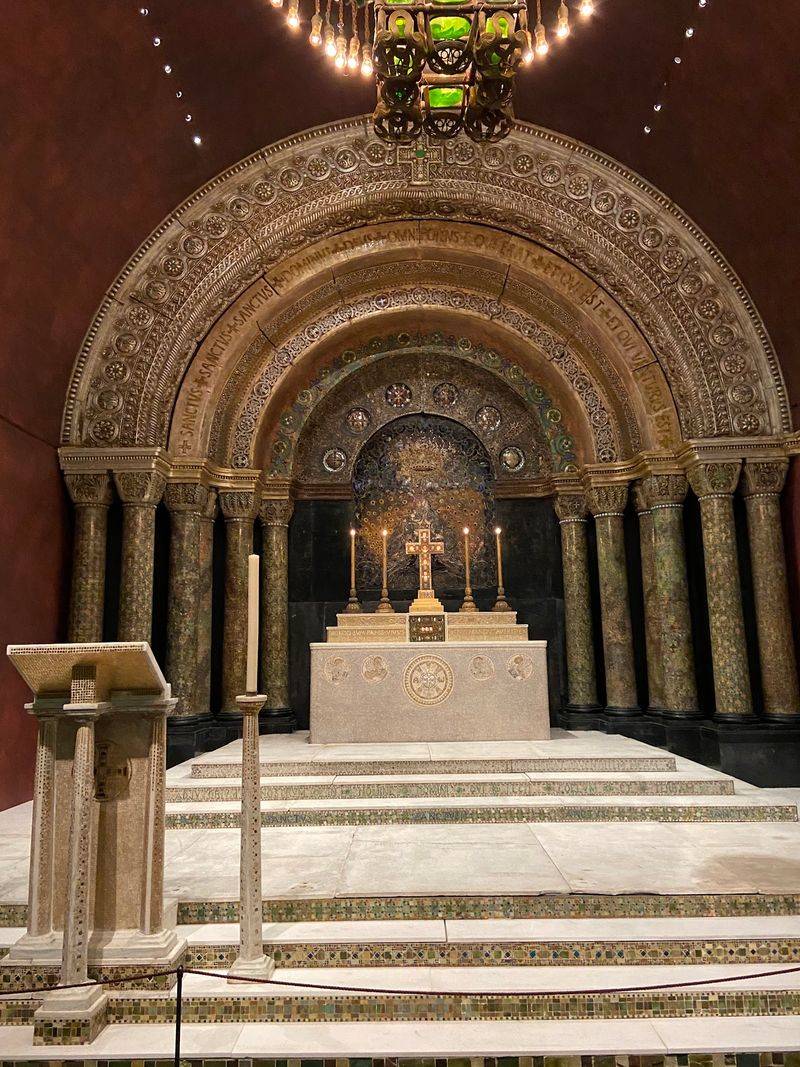
The Tiffany Chapel is the undisputed headliner here. It shows up in conversations about the museum more than almost anything else, and for good reason.
The space combines stained glass, mosaics, and fine detail into one complete room. You do not just look at it from a distance, you can take a seat inside and stay a while.
The altar and its chandelier from 1893 stand out as remarkably well preserved. Considering the chapel’s long journey, that level of care is impressive.
Photos struggle to capture the full effect. Many guests say the chapel needs to be seen in person to understand its scale and craftsmanship.
A tip worth following is to watch the video presentation before heading in. It covers the chapel’s history and makes every detail easier to appreciate.
Plan to linger here longer than anywhere else. Rushing through this room would be like skipping the main act at a concert.
Lamps, Windows, and Leaded-Glass Light
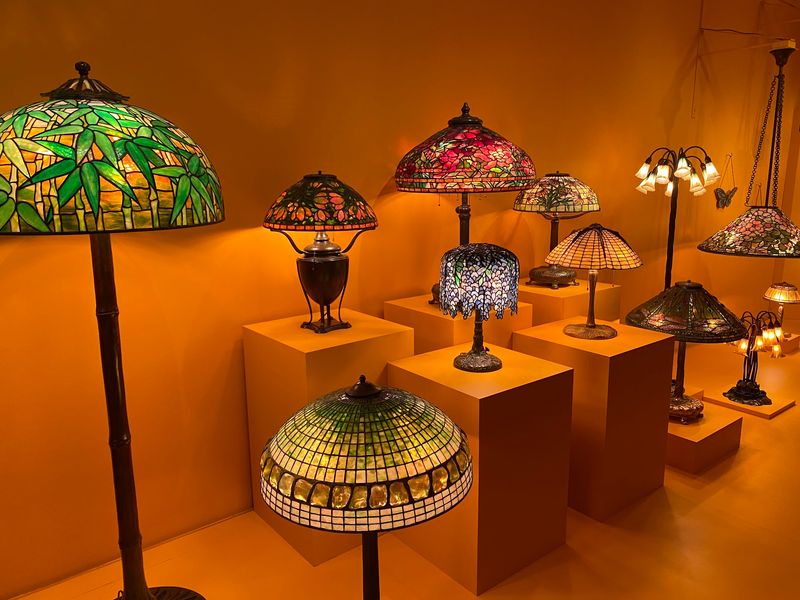
Stained glass is the single topic people bring up most about this museum. After a few galleries, it is easy to see why.
The leaded-glass lamps are the pieces many people recognize first. Their patterns and colors show why the Tiffany name became a symbol of fine American design.
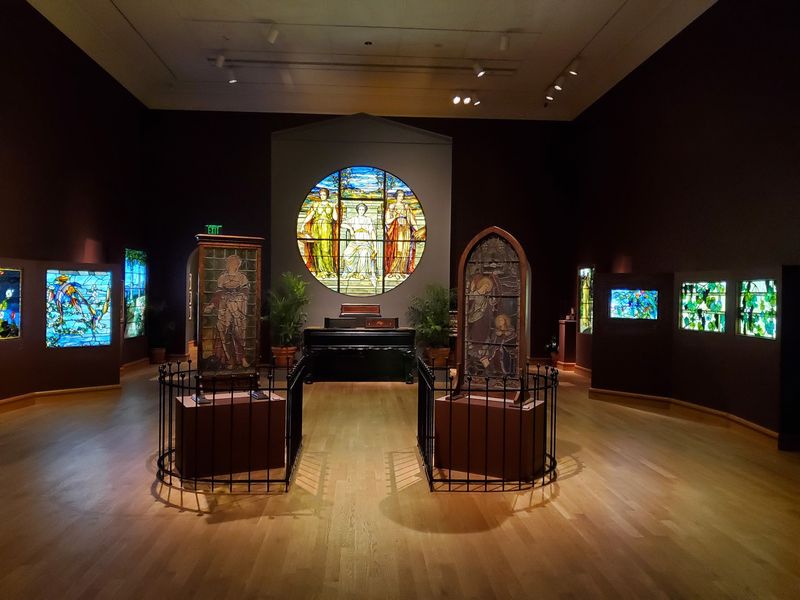
Windows take the experience to a larger scale. Some are full artworks on their own, with layers of glass arranged into scenes and patterns.
The galleries are carefully lit to show off each piece. Clean cases and a thoughtful arrangement let the glass take center stage without clutter.
A daffodil design catches attention for some guests, adding a touch of nature to the collection. Flowers and plants appear often in Tiffany’s work, so keep an eye out for them.
There is also hand-crafted glass art beyond lamps and windows. Vases and decorative objects show off iridescent finishes that were a Tiffany signature.
Bring patience and maybe a phone with storage space. These rooms are full of photo opportunities, and the staff have even been known to help with shots.
Rescued Pieces From Laurelton Hall
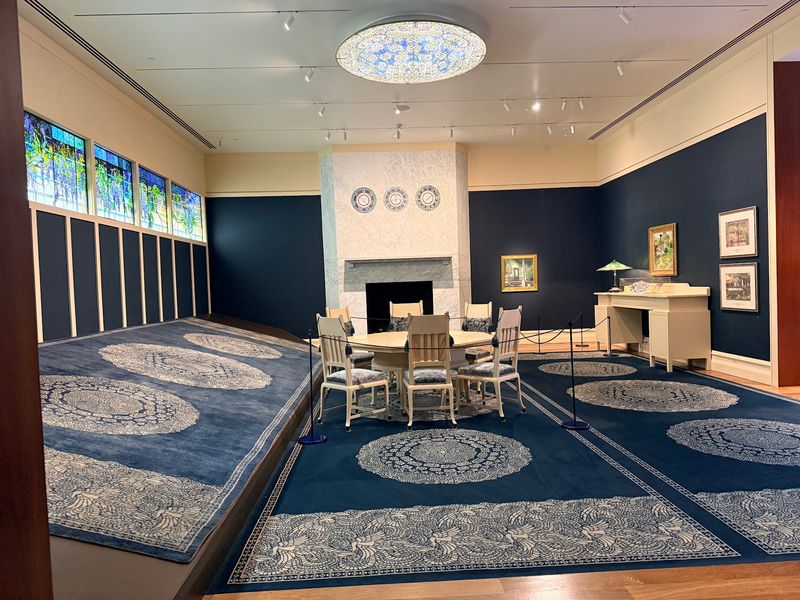
Tiffany did not just design for others. He also created Laurelton Hall, his own estate, and artifacts from that home now live in Winter Park.
These items add a personal side to the collection. They show the artist’s taste when he was designing for himself.
The museum features pieces from the estate alongside his better-known works. Seeing them helps explain how architecture, glass, and furniture all fit into his vision.
This is also where the near-loss story feels most real. Many of the museum’s artifacts were close to being destroyed before they found a home here.
That history gives the collection an emotional weight that surprises some guests. People mention leaving with a new respect for the effort it took to save these works.
The Laurelton Hall material pairs well with the reproduced design spaces elsewhere in the museum. Together, they show Tiffany’s work as a full lifestyle, not just a set of objects.
Take a moment with the pamphlets in these rooms. The details about the estate make the pieces far more interesting than a quick glance allows.
Beyond Tiffany: Pottery, Paintings, and More
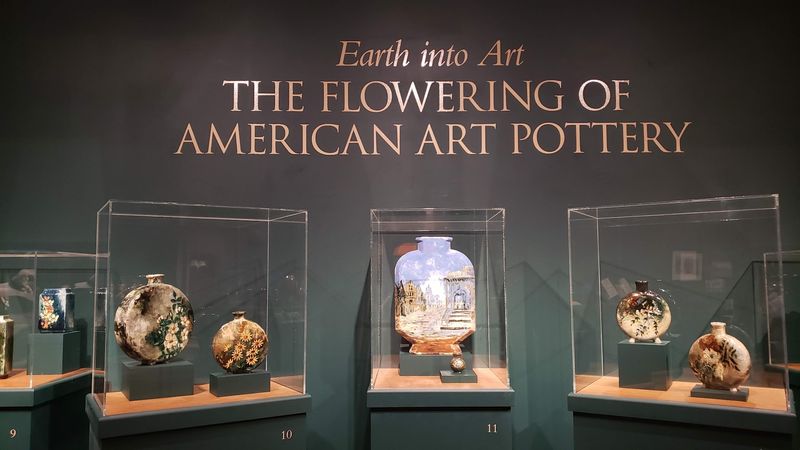
Tiffany may get top billing, but the supporting cast deserves attention too. The museum holds strong collections of American art pottery, paintings, graphics, and furniture.
Pottery comes up often among fans of the decorative arts. These pieces reflect the same era that shaped Tiffany’s work, which ties the galleries together nicely.
Paintings and sculptures add variety. One sculpture of an enslaved woman with her child reaching toward freedom leaves a strong impression on many people who see it.
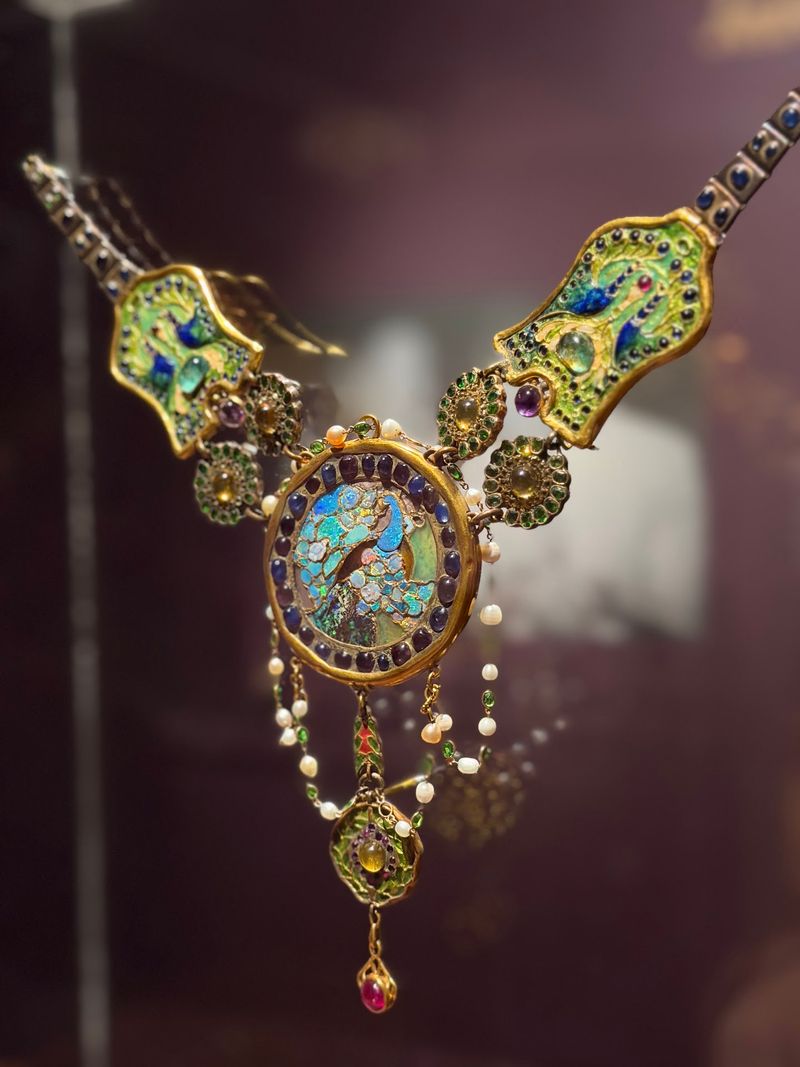
Jewelry is another highlight. Tiffany pieces appear alongside other decorative objects that show fine craftsmanship on a small scale.
The museum focuses on lesser-known artworks of the late 19th century. That makes it a nice change from bigger museums that stick to famous names on every wall.
Special exhibits also rotate through. Some feature virtual displays and modern presentation techniques that give older art a fresh setting.
All of this means the museum works even for people who are not glass fans. There is enough range to keep a mixed group happy for a couple of hours.
Thirty Rooms and a Quiet Pace
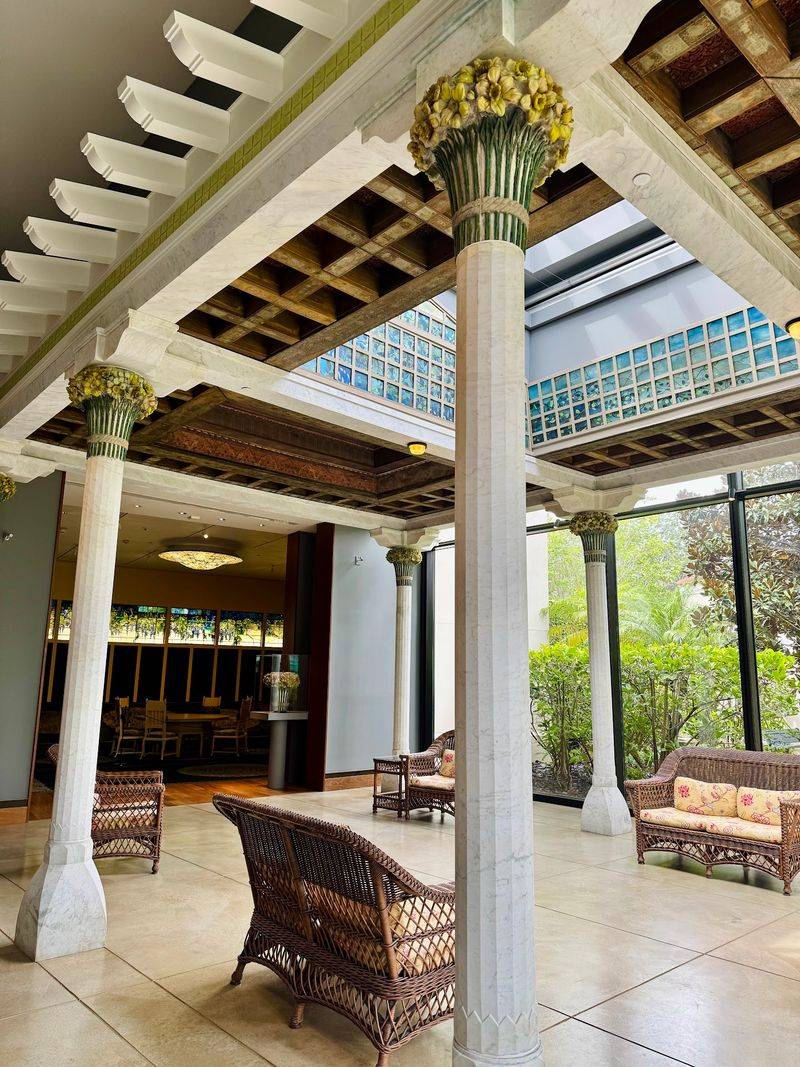
From the street, the museum looks modest. Inside, it holds more than 30 rooms, which catches many first-timers off guard.
The layout feels relaxed and spread out. Galleries are not crowded with objects, so moving between them is easy and unhurried.
The overall mood is calm and peaceful. People describe it as a great place for a slow afternoon, a low-key date, or a break from busier Orlando attractions.
A large lobby welcomes guests at the start. There is also a pleasant garden area where you can sit and rest between galleries.
Staff members get frequent praise for being friendly and helpful. Front desk greeters often explain the layout, and gallery staff answer questions with real knowledge.
The museum suits art lovers, history fans, students, families, and couples. Anyone wanting quiet beauty instead of thrill rides will feel right at home.
Plan for one to two hours at minimum. Many people spend an hour and realize they still have not seen everything.
Guides, Booklets, and QR Codes
Learning the story behind each piece is easy here, though it works a little differently than at some museums. Wall plaques are limited, so the museum offers other tools instead.
Each room has pamphlet guides that explain the displays. They make good companions as you move through the galleries.
A complimentary audio tour is available on your phone with admission. Numbered displays connect to the recordings, and QR codes in the galleries make access simple.
Some people prefer quick wall labels, and they find this system takes some getting used to. Others love having choices between reading, scanning, and listening.
Guided group tours with docents are another option. Groups have booked them for around $6 per person.
The introductory documentary may be the best tool of all. It covers the founders and Tiffany, setting the stage before you see a single gallery.
A charged phone and a pair of earbuds go a long way here. Treat them as part of your ticket.
Hours, Tickets, and Free Friday Nights
Good news for budget travelers: this is one of the most affordable art outings in Central Florida. Admission is $6 for adults and $5 for seniors.
Children under 12 get in free. Student pricing is very low, though the exact amount has varied, so check the museum website before you go.
Free Fridays are the big bargain. From November through April, admission is free from 4 to 8 p.m. on Friday evenings.
The museum also hosts open-house events with free entry at different times of year. These include holiday celebrations and the Winter Park Sidewalk Art Festival.
Hours run Tuesday through Saturday starting at 9:30 a.m. The museum closes at 4 p.m. most days, but stays open until 8 p.m. on Fridays.
Sunday hours are shorter, from 1 to 4 p.m. The museum is closed on Mondays.
Tickets can be booked ahead through the museum’s online ticket system. Check-in at the front desk is usually quick and easy.
Parking, Trains, and a Shop Worth Browsing
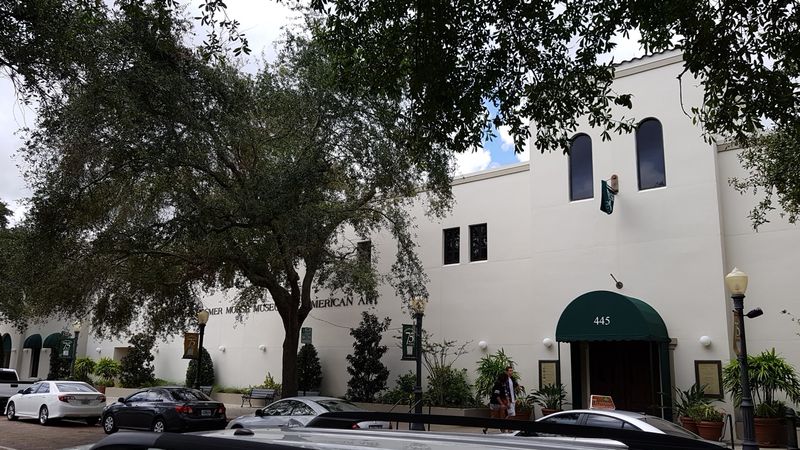
Getting there is simpler than many expect. A free parking garage sits right across the street from the museum.
Street parking is also an option, though Park Avenue can get busy. On crowded days, finding a spot takes a little patience.
The museum is very close to the Winter Park train station. Arriving by train can save the hassle of hunting for parking.
Park Avenue makes the visit easy to pair with a stroll. Many people combine the museum with shopping, lunch, or a nearby boat tour.
Save time for the museum shop before leaving. It carries books, postcards, magnets, and gift sets in styles that match the collection.
Price points range widely, so there is something affordable alongside more special finds. Postcards are a popular pick for a small keepsake.
As a final note, this spot rewards curiosity more than cash. A few dollars, a couple of hours, and a free Friday evening could add up to one of the best cultural outings in Florida, and that is a deal worth seeing in person.


