
Affiliate disclosure: As an Amazon Associate I earn from qualifying purchases. Learn more
Most boat trips off Southern California deliver dolphins, sea lions, and maybe a passing whale. Then, every so often, a tall black dorsal fin cuts the water and the entire deck goes quiet.
That is exactly what happened off the coast of Orange County, when orcas that usually stay much farther south showed up near a beloved art town. Sightings like this are rare enough that seasoned whale watchers can go years without one.
The encounter is a reminder that the ocean still keeps secrets, even next to one of the busiest coastlines in the country. Keep reading to learn why these orcas matter, where the sighting took place, and how to plan a trip to the same stretch of coast.
There are coves, tide pools, trails, and plenty of reasons to stay ashore too.
A Small Coastal City With a Big Ocean Story
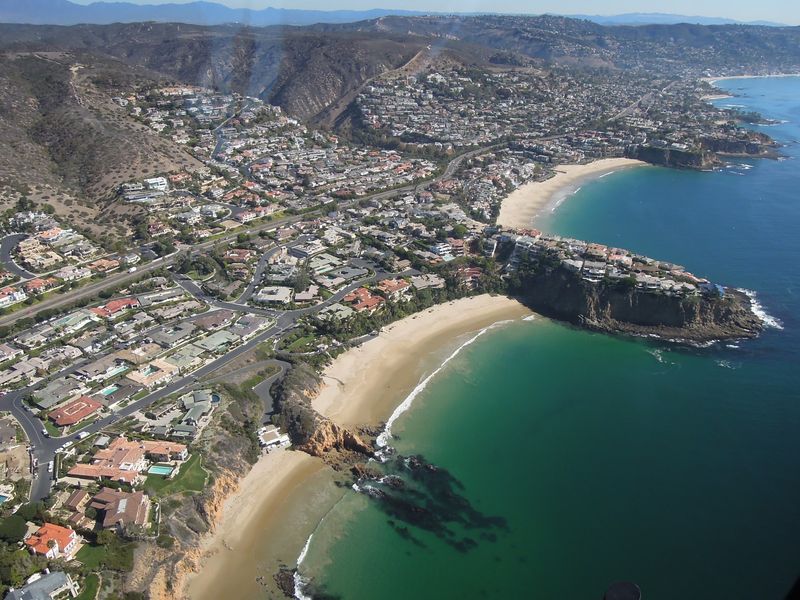
The town at the center of this story is Laguna Beach, a small coastal city in Orange County, California, USA.
Its official location is simply listed as Laguna Beach, California, USA, and the city keeps its public information at lagunabeachcity.net.
Laguna Beach is best known for its art galleries, coves, and beaches. It sits on a stretch of Southern California coast where steep hills drop toward the Pacific.
That geography matters for whale watching. Deep water lies close to shore along much of Orange County, so marine life can pass within view of boats leaving nearby harbors.
Most days, the action offshore involves familiar faces such as dolphins and seasonal whales. An orca appearance is a different matter entirely.
For locals, the sighting added a new chapter to a coastline they thought they knew well. For everyone else, it offered a fresh excuse to look up the town on a map.
Laguna Beach has long drawn painters, surfers, and day-trippers from across the state. Now it can add surprised whale watchers to that list, and the reason why is worth a closer look.
Why These Orcas Raised Eyebrows
Orcas are the largest members of the dolphin family, and they rank among the most recognizable animals in the sea.
Even so, they are not regular residents off Orange County. Sightings in these waters are uncommon, which is why any appearance tends to make local news.
The orcas in this case are described as rarely seen this far north. That phrasing points to animals whose usual range lies to the south, toward the warmer waters off Mexico and beyond.
Groups like these may travel long distances, and researchers are still piecing together how often they move up the coast.
Every confirmed sighting adds a small piece to that puzzle. Photos of dorsal fins and body markings can help scientists identify individual animals over time.
So when whale watchers off Laguna Beach spotted them, the moment carried more weight than a typical day on the water.
It was not just a lucky photo opportunity. It was a data point in a story that marine scientists are still writing, one fin at a time.
The Moment on the Water
Whale watching trips run on patience. Captains scan the horizon, passengers check their phones, and everyone hopes for a spout or a splash.
Then something unexpected surfaces, and the plan for the day changes on the spot.
That is the kind of surprise these orcas delivered off Laguna Beach. A routine outing turned into a story people will be telling at family dinners for a long time.
Encounters with orcas are rarely scheduled. The animals move on their own timetable and may vanish as quickly as they arrive.
That unpredictability is part of the appeal. Nobody can promise an orca, which makes the ones that do show up feel earned.
Crews along this coast usually keep a respectful distance from marine mammals, giving the animals room to travel and feed.
For the people on board, the sighting was a lesson in why it pays to stay on deck until the boat docks. The ocean off Orange County still has a few curveballs to throw.
An Underwater Park Next Door
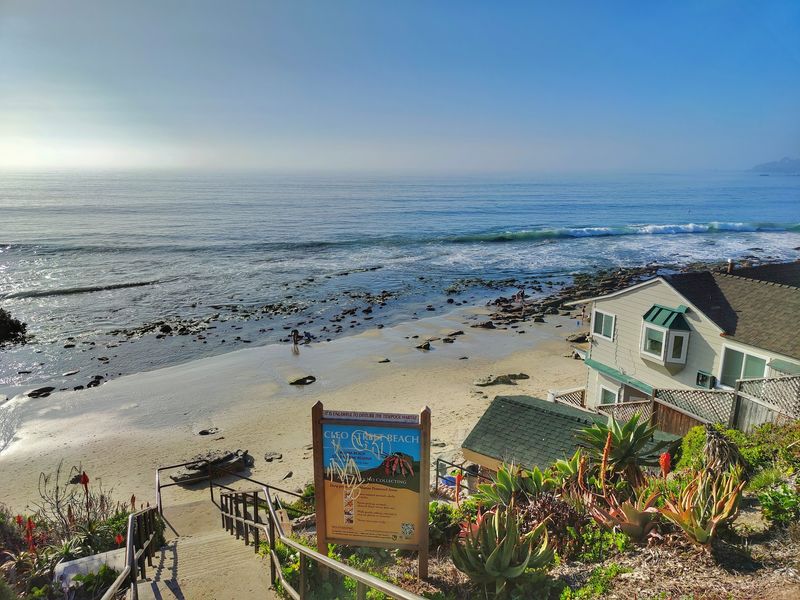
Just up the coast, the waters off Crystal Cove State Park are designated as an underwater park.
That label signals something important about this part of California. The ocean here is treated as a place worth protecting, not just a backdrop for beach towels.
Protected waters can support the smaller creatures at the base of the marine food web. A healthy coastline tends to attract the animals that feed further up the chain.
Orcas sit near the very top of that chain. Their arrival does not prove anything on its own, yet it fits neatly with the idea of a lively, well-watched stretch of ocean.
Crystal Cove is also a handy add-on for anyone heading to Laguna Beach. It offers another angle on the same coastline that made headlines.
Snorkelers and divers often seek out underwater parks for their reefs and rocky habitat. Conditions vary, so checking current information before getting wet is a smart move.
No orca guarantee comes with a swim here, of course. Still, it is a fine way to meet the neighbors.
Tide Pools at Main Beach
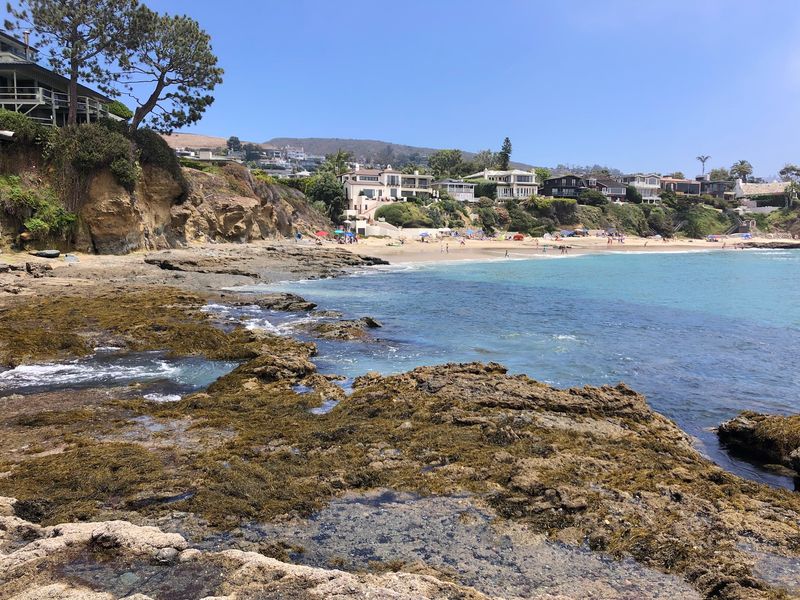
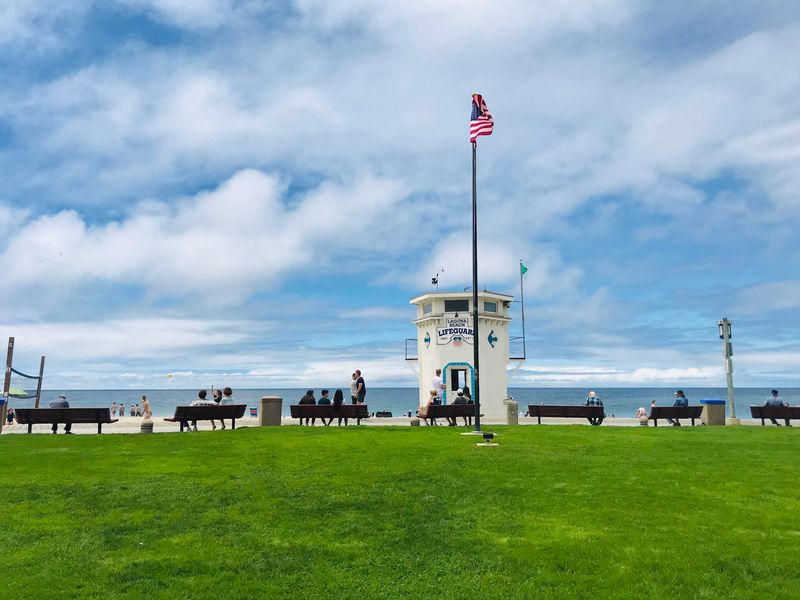
Not every marine encounter requires a boat ticket. At Main Beach, the tide pools offer a close look at ocean life without leaving solid ground.
Main Beach sits right in the heart of town. It is one of the easiest spots for families who want a taste of the coast in a short visit.
Tide pools are best explored at low tide, when more of the rocks are exposed. A quick look at a tide chart before heading out can make a big difference.
The basic etiquette is simple. Watch where you step, leave creatures where you find them, and keep little hands gentle.
For kids who heard about the orcas, the tide pools make a nice follow-up lesson. The giants offshore and the small residents in the rocks share the same ocean.
Grandparents tend to appreciate the setting too. It is the kind of outing that costs nothing and still feels like a real adventure.
Once the pools have been explored, a path nearby leads to a very different kind of scenery.
Boardwalk to Heisler Park
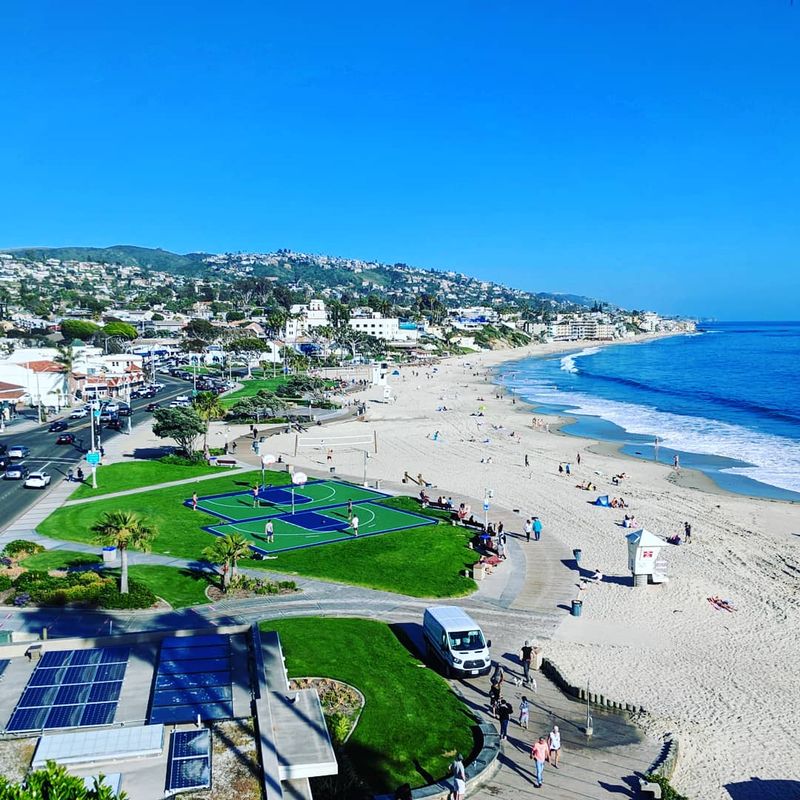
A boardwalk at Main Beach leads toward the paths and gardens of nearby Heisler Park.
The route is a favorite for an easy stroll. It connects the busy center of town with a calmer stretch of clifftop greenery.
Heisler Park gives walkers an elevated view of the coastline. That vantage point is useful for scanning the water, whether the goal is dolphins, passing whales, or simply the horizon.
Spotting an orca from shore would take remarkable luck. Even so, keeping an eye on the sea from the park paths costs nothing and can pay off in other ways.
Benches and garden areas make it simple to slow down. The walk suits all ages and does not demand much planning.
For older Californians who remember when coastal walks were the main event of a weekend, this stretch feels refreshingly familiar.
Bring a pair of binoculars, pick a spot, and let the Pacific decide what shows up next.
Surf Culture at Aliso Beach Park
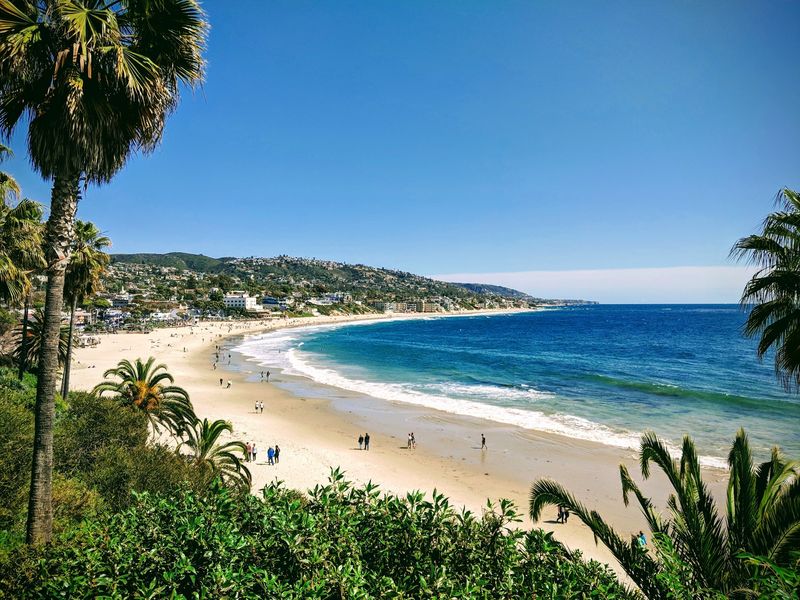
Surfers have their own way of reading the ocean, and Aliso Beach Park is a popular place to do it.
The beach is known as a go-to surf spot in Laguna Beach. It draws wave riders who want a day in the water rather than a view from the cliffs.
Surfers often have front-row seats to marine life. Dolphins are a common sight for many who paddle out along Southern California beaches.
Orcas are another story. A surfer who spots one off this coast has a tale that will outlast any wave.
Aliso also works for non-surfers. Families can watch the action from the sand and enjoy a beach day without much fuss.
Conditions change from day to day, so checking the surf and safety information is wise before heading in. Lifeguard guidance should always come first.
Wetsuit or not, the beach adds another layer to the town’s long relationship with the water. Ride the wave, then keep watching the horizon.
Galleries and an Artist’s Eye
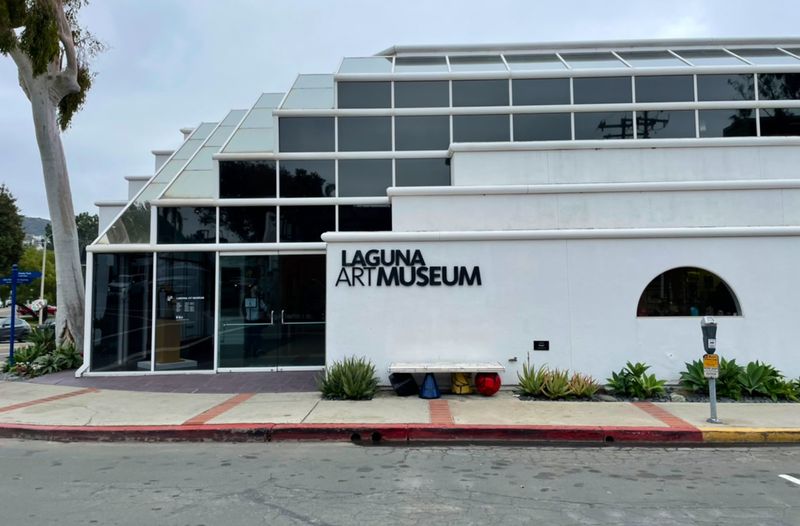
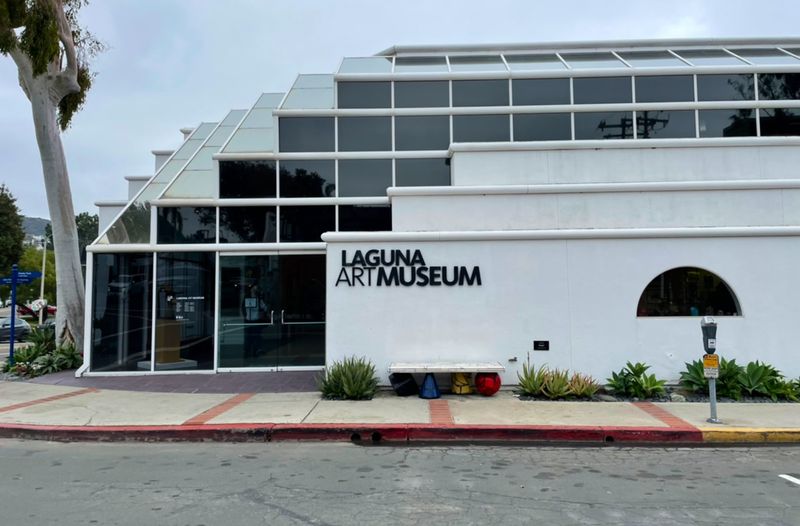
Long before orcas made headlines here, Laguna Beach earned its reputation through art.
The city is known for its many art galleries. Painting and coastal scenery have shared a close bond in this town for generations.
It is easy to understand why the ocean shows up so often in local work. Waves, cliffs, coves, and sea creatures are natural subjects in a place this close to the Pacific.
A rare orca sighting may well find its way onto a canvas someday. Artists in coastal towns tend to notice the moments that everyone else talks about.
Browsing galleries is a good way to balance a trip. After time on the water or in the tide pools, an afternoon indoors offers a change of pace.
Many galleries welcome browsers, and looking does not cost a thing. That makes the art scene a budget-friendly part of a visit.
Leave with a print or just with ideas. Either way, the town’s creative streak is part of what makes it worth the drive.
Coves Worth Seeking Out
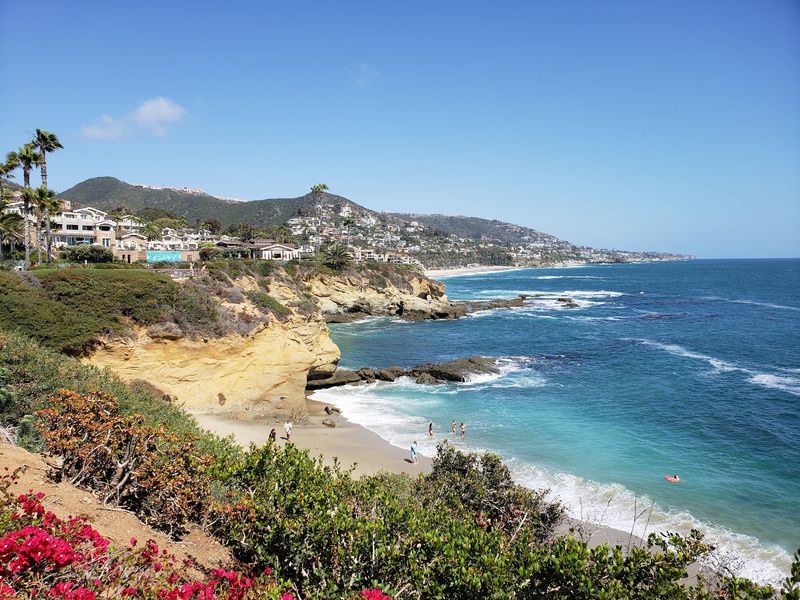
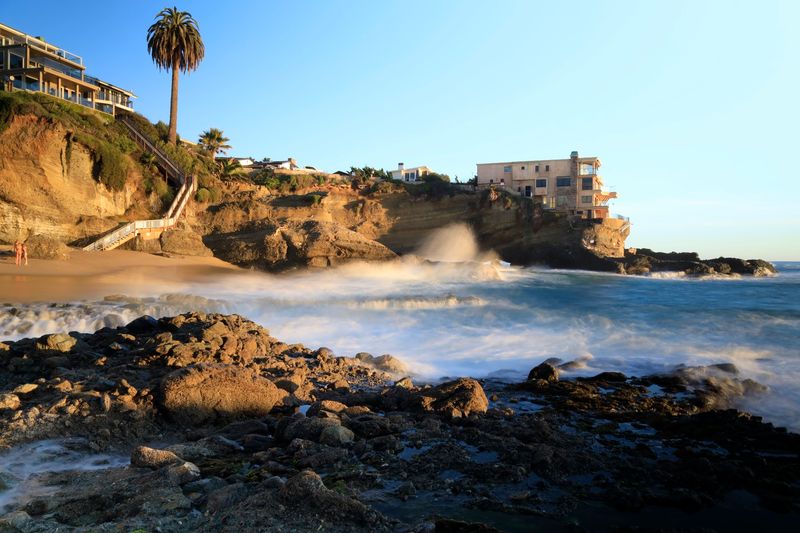
Laguna Beach is not one long strip of sand. It is a coastline broken into coves, each with its own character.
Those coves are one of the things the city is best known for. They give the shoreline a varied, tucked-away feel that sets it apart from wider beaches elsewhere in Southern California.
Exploring several coves in one day is a classic way to see the town. Each stop offers a slightly different view of the water.
Rocky points between coves can also serve as informal lookouts. Scanning the ocean from a cliff edge path is a relaxing way to spend part of an afternoon.
Access varies from spot to spot. Some coves involve stairs or short walks, so comfortable shoes are a good idea.
Families with small children may want to start with the easier options near the center of town.
There is no single best cove for everyone. Half the fun lies in finding a personal favorite and keeping it a little bit secret.
Canyon Trails Above the Coast
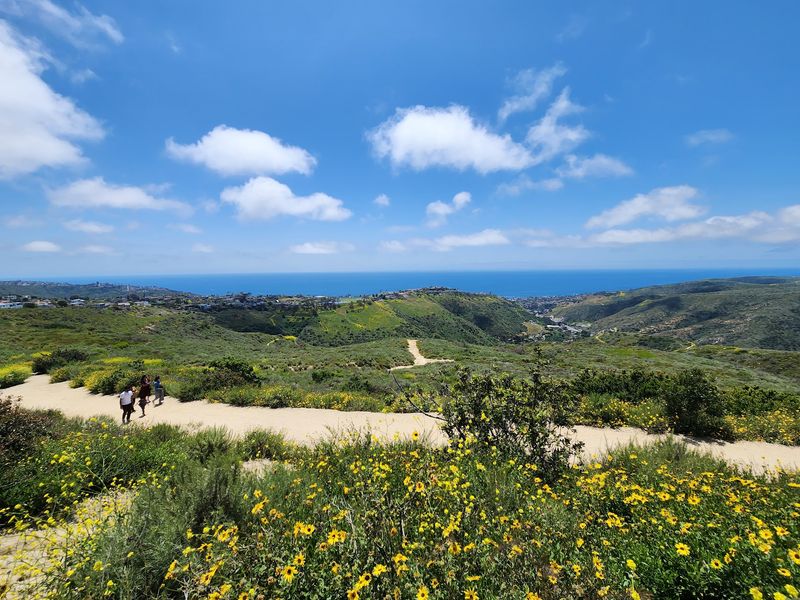
Turn away from the ocean for a moment, and Laguna Beach reveals a wilder side.
Trails meander through coastal canyons in Laguna Coast Wilderness Park. The park gives hikers a chance to experience the hills that rise behind town.
Hiking here offers a different perspective on the same landscape. Some higher points provide views back toward the sea.
It is a fine option for days when the water is rough or boat trips are not running. It also suits travelers who prefer dirt paths to sandy ones.
Trail conditions and access can change, so checking current park information before setting out is recommended. Carrying water and sun protection is always a smart habit.
Hikers of different abilities can find routes that match their pace. Shorter walks work well for families, while longer loops appeal to regulars.
The wilderness park is proof that this town is about more than its beaches. Canyon by canyon, it rounds out the picture.
Who Will Love This Stretch of Coast
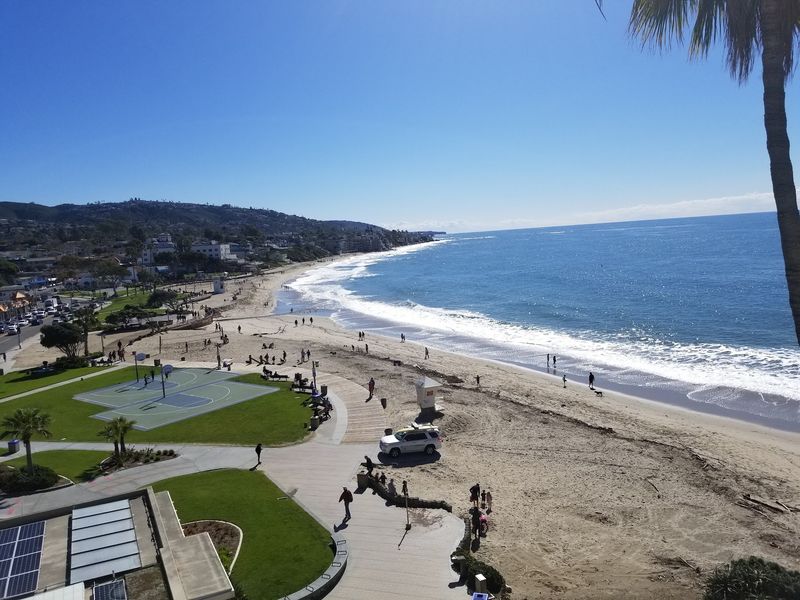
Some destinations cater to one type of traveler. Laguna Beach spreads its appeal across many.
Families can split time between tide pools and sandy beaches. Older couples may prefer the boardwalk, garden paths, and galleries.
Wildlife fans will want to keep watch on the water, especially after news of the orcas. Surfers have Aliso Beach Park, and hikers have the canyon trails.
Budget-minded Californians will appreciate how much here costs nothing. Walking the parks, exploring tide pools, and browsing art are all free activities.
That said, coastal Orange County is not known for low prices. Planning ahead for parking and meals can help keep a day trip reasonable.
The town also works as a memory-maker for people who grew up visiting the Southern California coast decades ago.
Bringing grandkids to the same shoreline, now with an orca story attached, has its own kind of charm. Few places offer that much variety in such a compact package.
Practical Notes Before You Go

A little planning goes a long way on this busy stretch of coast.
Laguna Beach is in Orange County, and most people arrive by car. Weekends and summer days can bring heavy traffic and competition for parking.
Arriving early in the day is a practical strategy. It also lines up well with calmer conditions for beach walks and tide pooling.
The city website, lagunabeachcity.net, is the best starting point for current information on parking, beach rules, and local services. Details such as fees and hours may change, so checking before a trip is wise.
Anyone hoping to see marine life from a boat should look into whale watching departures from nearby harbors. Prices and schedules vary by operator and season.
No trip can promise orcas. Setting realistic expectations helps keep the outing fun, whatever turns up.
Pack layers, sunscreen, water, and binoculars. Those few items cover most of what a day on this coast requires.
A Coastline That Still Surprises
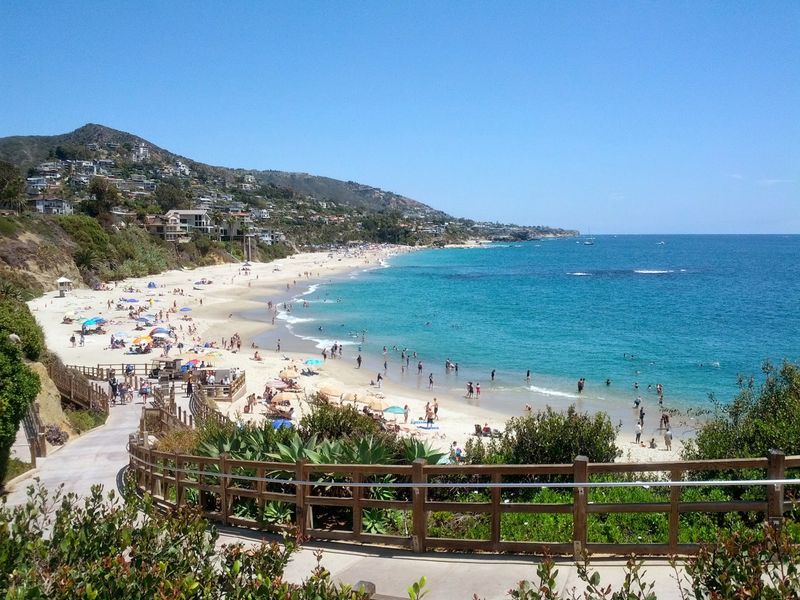
Plenty of Californians think they have seen everything this coast has to offer. The orcas off Laguna Beach suggest otherwise.
A rare visit from animals that usually stay farther south turned an ordinary trip into something memorable. It also put a spotlight on a town that already had plenty going for it.
Art galleries, coves, tide pools, surf breaks, garden paths, and canyon trails all share space here. The protected waters off Crystal Cove add one more reason to care about this shoreline.
Nobody can book an orca sighting in advance. What anyone can do is show up, look closely, and give the ocean a chance.
For longtime locals, that sense of possibility feels a lot like the old California many people remember. The coast is crowded and the costs are high, yet moments of wonder still slip through.
Laguna Beach makes a strong case for a day trip, orcas or not.
Keep those binoculars handy, though. The next fin on the horizon might be the story everyone talks about next.


