
Affiliate disclosure: As an Amazon Associate I earn from qualifying purchases. Learn more
Some Texas coast towns are famous for crowds, traffic, and packed parking lots. This one is known for the opposite.
It is a small fishing community on the Gulf side of South Texas where boats matter more than billboards and the bay sets the daily pace. Fewer than 2,000 people call it home, so the chance of finding a quiet spot by the water is real.
Many Texans drive right past it on the way to bigger beach names. That is exactly why it is worth a closer look.
Keep reading to learn where it is, how it got its name, what the waterfront offers, who will enjoy it most, and the practical details that help a road trip go smoothly. By the end, it may become the coastal stop you get to tell your friends about first.
A Small Dot on the Aransas County Coast
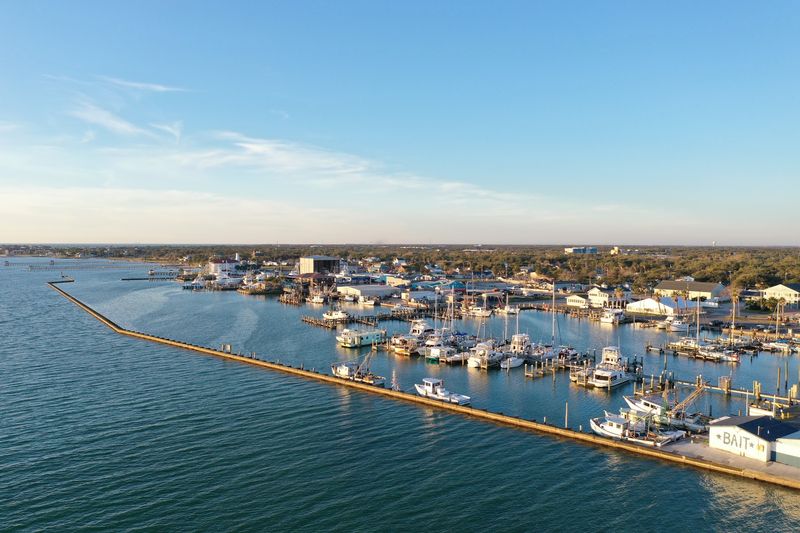
Plenty of maps barely leave room for its name. Fulton is a town in Aransas County, Texas, in the United States, sitting along the South Texas coast.
The town is officially listed simply as Fulton, Texas, USA. There is no single street address for a whole town, so the best way to find it is to aim for Aransas County on the Coastal Bend.
It is described as a coastal fishing community. That label tells you a lot about the mood before you even arrive.
Fishing towns tend to run on boat schedules, tide charts, and early mornings. Big nightlife and glossy resorts are usually not the main event in places like this.
Fulton is a place where the water is the headline. The town itself is compact, which means the bay is never far away from wherever you happen to park.
For travelers who like low-key coastal stops, that small footprint is a feature, not a flaw. It keeps the day simple and the plans flexible.
So where does a town this size get its name? The answer comes from a man who saw promise in this stretch of coast long ago.
The Developer Behind the Name
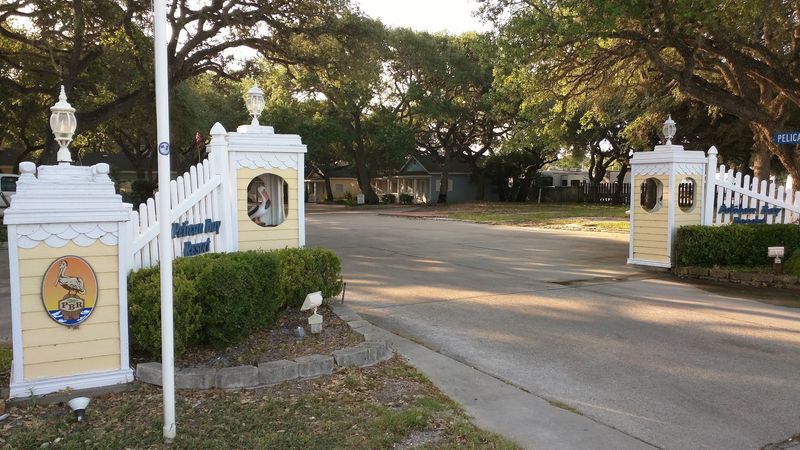
Every town name starts somewhere. In this case, it starts with George Ware Fulton.
He was a land developer in the area, and the town carries his name today. That makes Fulton one of those Texas places where history is printed right on the welcome sign.
Land developers shaped much of the Texas coast. They saw value in waterfront ground long before road trips and weekend getaways became common.
Fulton is one result of that vision. The community that grew here leaned into the water, and fishing became part of its identity.
History buffs may enjoy knowing that the Fulton Mansion State Historic Site is connected to this same family story. It is worth checking current hours and fees with the Texas Historical Commission before going, since details can change.
Knowing the name origin adds a nice layer to a visit. A quick walk through town feels different once you know someone once bet on this shoreline.
Fun fact for the car ride: a whole town named after one person is a great trivia question for kids in the back seat.
Of course, a name only goes so far. The real reason people come is sitting just beyond the shoreline.
Where the Bay Sets the Schedule
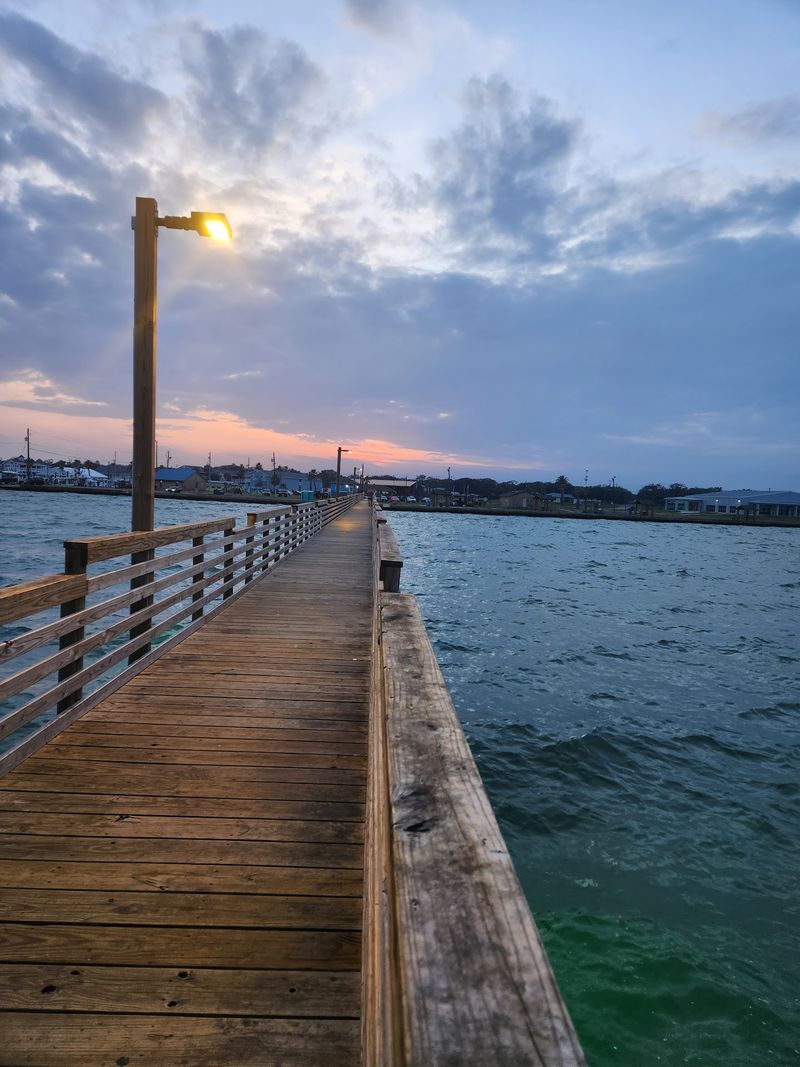
Calm is the whole point here. The waterfront in Fulton faces bay water rather than the open Gulf surf, so the pace tends to stay easy.
That setting changes how a day unfolds. There is less rushing and more lingering by the edge of the water.
Many coastal towns build around a boardwalk packed with shops. Fulton keeps things more modest, with the shoreline itself doing most of the work.
Benches, piers, and open views are the kind of simple features you can typically expect along a fishing town waterfront. Bring realistic expectations and you will likely leave happy.
A quiet bay also suits travelers who want to read, chat, or just watch boats come and go. Nobody needs a ticket for that.
Early mornings and late afternoons may be the most relaxed times to visit. Midday heat in South Texas can be strong, especially in summer.
Pack water, a hat, and sunscreen. A folding chair can turn any open patch of shoreline into a front-row seat.
The calm is not just about scenery, though. It also comes from the people and the work that keep this town running.
Life in a Working Fishing Community
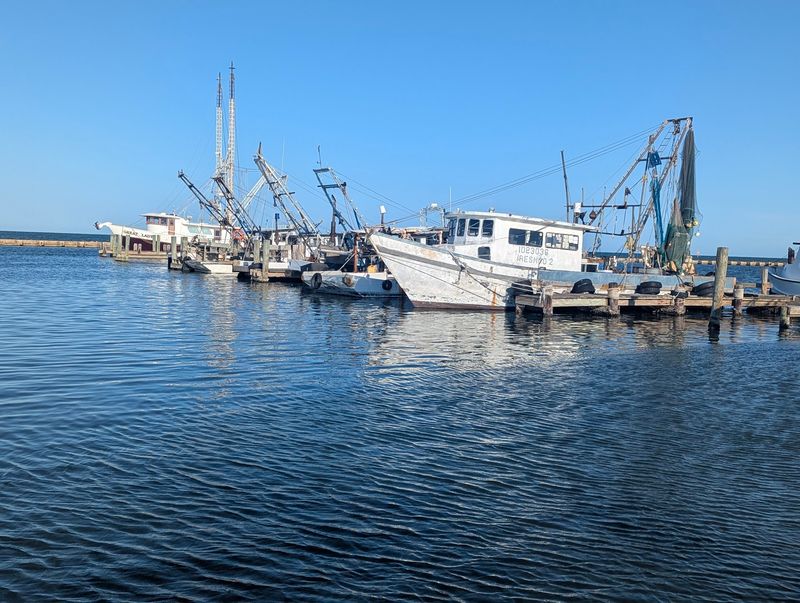
Fishing is not a theme here. It is the identity of the town.
Fulton is described as a South Texas coastal fishing community, which means boats, docks, and gear are part of everyday life. Travelers get to see a real working waterfront rather than a staged one.
That authenticity is a big part of the appeal. The harbor scene tells the story of the town better than any brochure.
Respect goes a long way in places like this. Working docks are workplaces, so it is smart to give crews space and follow posted signs.
Kids often love watching boats head out or return. It is a free, simple activity that can fill a surprising amount of time.
Anglers will naturally feel at home. Anyone planning to fish in Texas waters should check Texas Parks and Wildlife rules on licenses before casting a line.
Bait shops and fishing guides may be available in the area, but it is best to confirm options ahead of time. Small towns can have limited hours, especially outside peak season.
Watching the boats is one thing. Getting a line in the water yourself is another story entirely.
Casting a Line on Quiet Water
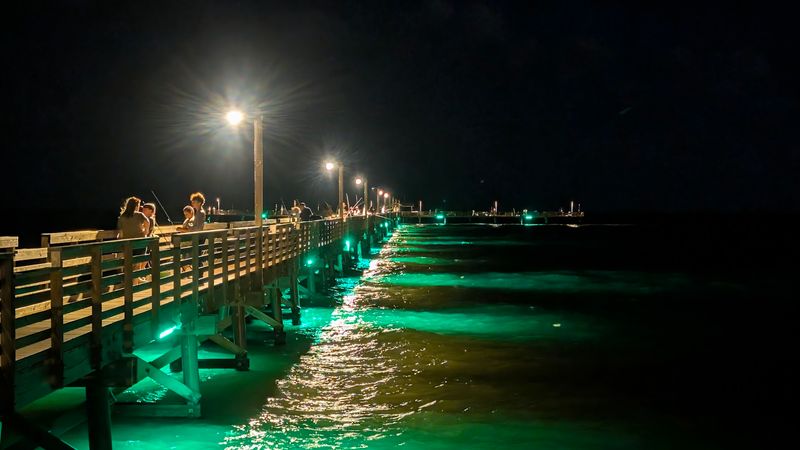
Reel talk: a fishing town is a natural place to try fishing. Fulton gives anglers a setting where the bay, not the crowd, is the main companion.
Calm bay water can be friendly for beginners. It is generally easier to manage than rough surf, which makes it a good fit for families with younger anglers.
Gear does not need to be fancy. A basic rod, a small tackle box, and a cooler with drinks and snacks can cover a lot of ground.
Texas requires fishing licenses for many anglers, and youngsters under a certain age are typically exempt. Check the current rules and prices on the Texas Parks and Wildlife website before the trip.
Patience is part of the fun. Some days the fish cooperate, and some days the best catch is a relaxed afternoon outdoors.
Public piers and shoreline spots may offer access, though conditions and availability can change. Local shops are usually the quickest source of current advice.
Not everyone in the car wants to fish, of course. Thankfully, the coast has a way of keeping non-anglers busy too.
A Mansion With a Story to Tell
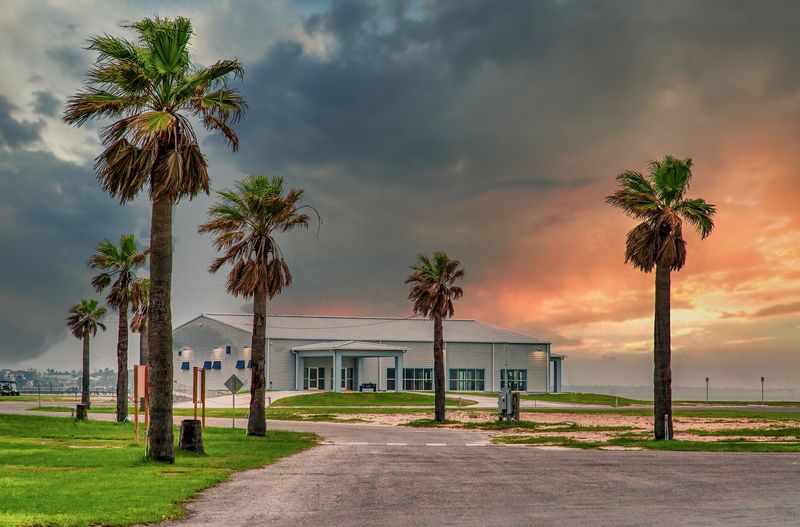
Here is a twist few first-timers expect. A small fishing town also holds a notable piece of Texas architecture.
The Fulton Mansion State Historic Site connects to the family behind the town name. It is managed by the Texas Historical Commission, which handles tours and admission.
Tour times, ticket prices, and closures can change. A quick look at the official site before driving saves any surprises at the door.
History stops like this add balance to a beach-focused trip. They give families something to do if the weather turns or the afternoon sun gets too strong.
Kids may enjoy hearing how people lived on the coast long ago. Adults may appreciate how the house reflects the ambitions of early developers here.
Photography rules can vary for indoor spaces. Ask staff before snapping pictures inside.
The mansion makes a fine anchor for a half-day plan. Pair it with time on the water and the whole day feels well rounded.
After history comes something even simpler. Some of the best moments here require no plans at all.
The Art of Doing Very Little
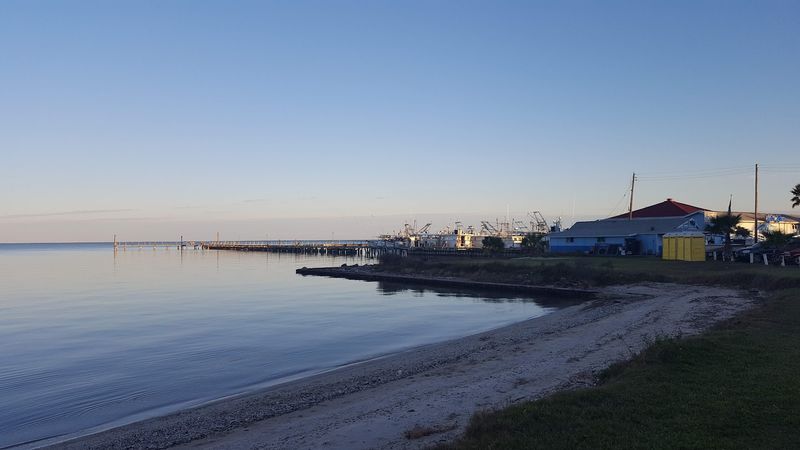
Some trips are about checklists. A Fulton visit can be about crossing almost nothing off at all.
With a population of 1,655, the town does not compete with big resort areas. That small size naturally keeps the waterfront less hectic than many famous Texas beach spots.
Slow time by the bay is the main event. Reading a book, journaling, or taking a long walk all fit the setting.
Families can use this calm to reset. Phones go down, conversations go up, and nobody has to rush to the next reservation.
Couples looking for a low-cost getaway may find this especially appealing. A sunset on public waterfront space costs nothing.
It helps to plan meals and supplies ahead. Small towns may have fewer late options than larger cities.
Doing very little is a skill. Fulton gives plenty of room to practice it.
Calm does not mean empty of wildlife, though. Keep an eye on the sky and the shallows.
Birds, Bays, and Binoculars
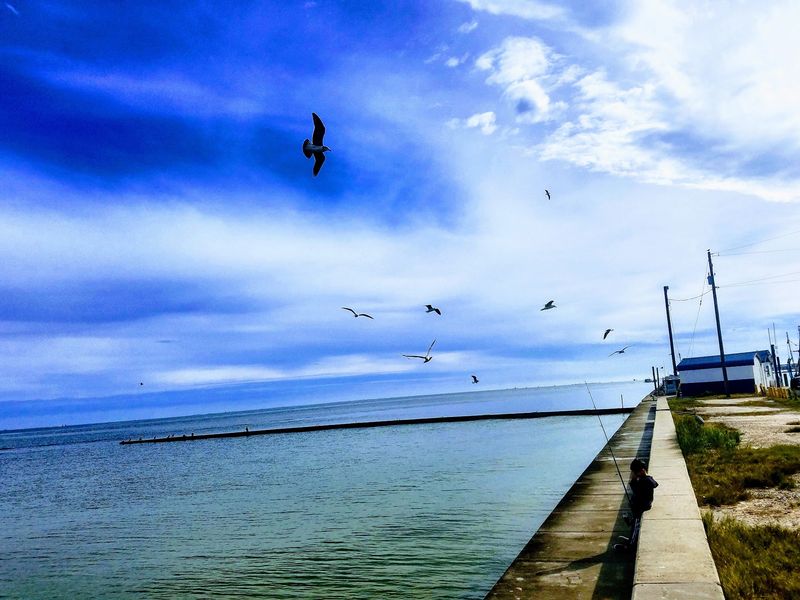
Bring binoculars. The Texas Coastal Bend is widely known among birdwatchers, and Fulton sits right in that region.
Shorelines and shallow bay water often attract wading birds and shorebirds. Spotting them can turn a quiet walk into a mini scavenger hunt.
Kids can keep a simple list of birds they see. A free field guide app makes identification easier and more fun.
Seasons matter for birding. Spring and fall migrations may bring more variety, while winter can also be active along the coast.
Give wildlife space. Staying back keeps birds calm and keeps the experience respectful for everyone.
No special ticket is needed to enjoy public shoreline views. That makes birdwatching one of the most budget-friendly activities in town.
A camera with a zoom lens is a bonus but not required. Good patience beats expensive gear most days.
Birds are one reason to come. The other is the kind of traveler who tends to love a town like this.
Who Will Love It Here
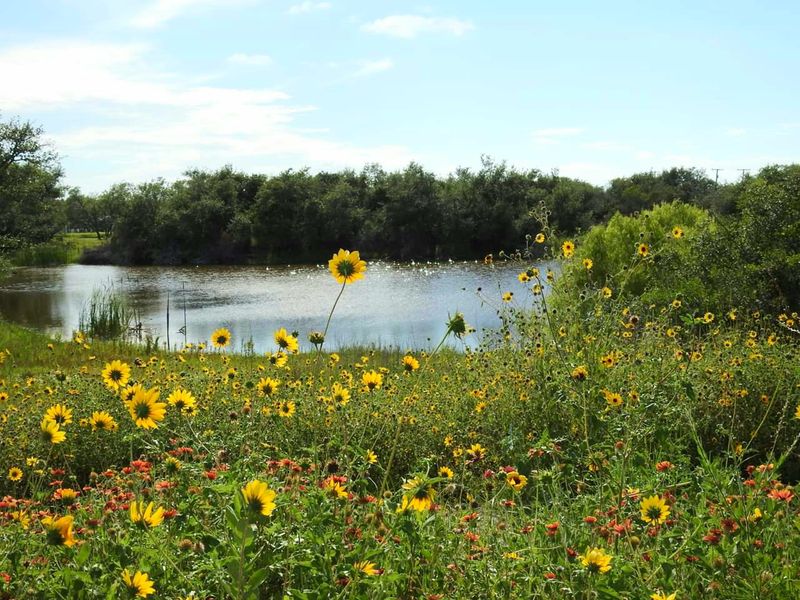
Not every town is for everyone, and that is fine. Fulton fits a specific kind of traveler very well.
Anglers top the list. A coastal fishing community naturally suits people who plan trips around tides and tackle.
Families who want a simple, low-pressure day also fit right in. Watching boats, spotting birds, and visiting a historic site work across generations.
Retirees and slow travelers may enjoy the easy pace. The town does not demand a packed itinerary.
Texans who like being the first in their group to find a place will feel right at home. Many drivers head for bigger coastal names and skip this stop entirely.
Who might want something else? Travelers hunting nightlife, big theme parks, or crowded party beaches will likely look elsewhere.
That honesty helps set expectations. A good trip starts with picking the right place for the right mood.
So when is the right time to go? The calendar plays a bigger role than many people think.
Timing the Trip Right
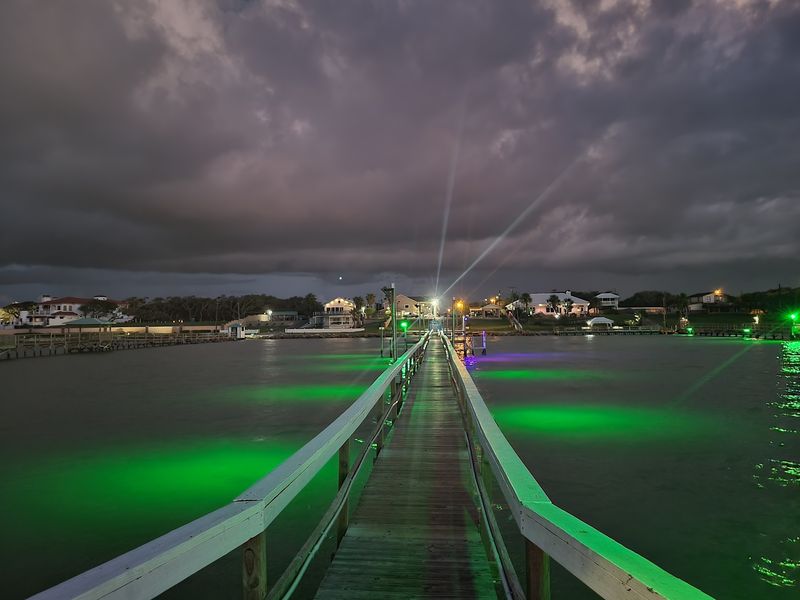
Season can make or break a coastal day. South Texas summers typically run hot and humid, so timing matters.
Spring and fall often bring milder weather. Those months can be more comfortable for long walks, fishing, and birdwatching.
Summer still works for early risers. Morning and evening hours tend to be easier than midday.
Hurricane season on the Gulf Coast runs from June through November. Checking the forecast before leaving home is a smart habit.
Winter can be quiet and pleasant on many days. Some businesses in small coastal towns may keep shorter hours in the off-season.
Weekdays are usually calmer than weekends at most Texas beach areas. Fulton is already low-key, but a midweek visit can feel even more relaxed.
Pack layers for breezy days by the water. A light jacket rarely goes to waste on the coast.
Once the dates are set, the next question is simple. How long will the drive take?
Road Trip Math From Texas Cities
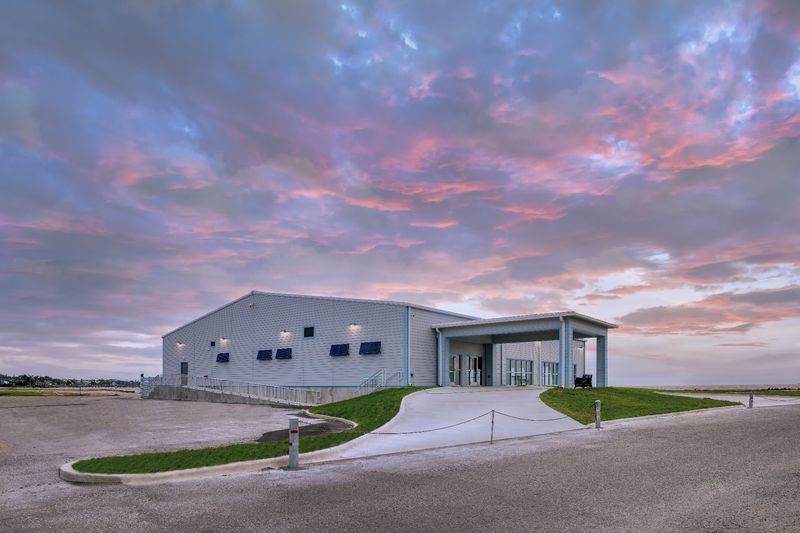
Good news for road-trippers: Fulton sits within a weekend-friendly drive for much of Texas.
From Corpus Christi, the trip is typically under an hour. That makes it an easy day outing for Coastal Bend locals.
San Antonio drivers can usually expect around two and a half to three hours. Houston is often in the three and a half to four hour range, depending on traffic.
Austin and Dallas-Fort Worth require longer days in the car. Many travelers from those cities may prefer to make it an overnight trip.
All of these times are estimates. Traffic, weather, and stops can stretch them quickly.
A car is the most practical way to get around. Small coastal towns generally have limited public transit.
Fill the tank and grab snacks before the final stretch. It keeps the arrival stress-free.
Arriving is half the fun. Knowing what to pack and spend makes the rest go smoothly.
A Soft Verdict on a Quiet Coast
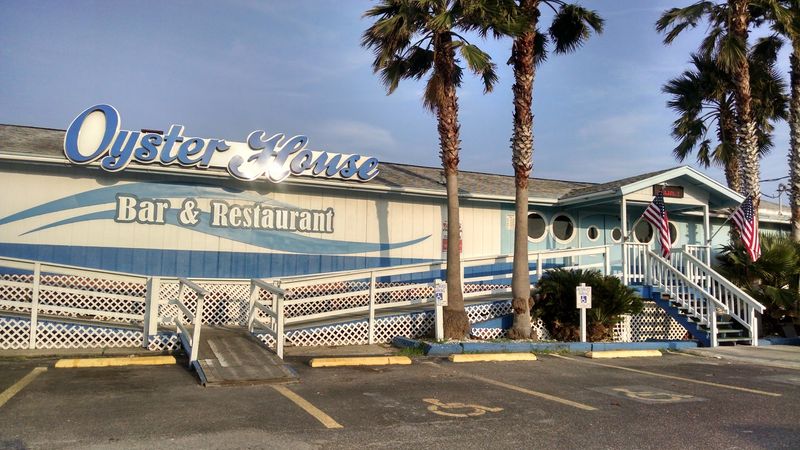
Small towns rarely shout for attention. Fulton seems perfectly content to let the bay do the talking.
Here is the simple recap. A fishing community of 1,655 people, named for land developer George Ware Fulton, sits on the Aransas County coast with a calm, working waterfront.
Many of the best moments cost nothing. Watching boats, walking the shoreline, and spotting birds are all free.
Budget items may include fuel, a fishing license, and admission to the historic mansion. Check current prices online before going, since fees can change.
Bring sunscreen, water, a hat, and maybe a folding chair. Binoculars and a fishing rod round out the kit nicely.
Fulton is not trying to be the next big beach destination. That is precisely why it works for travelers who want quiet over crowds.
For Texans who enjoy finding places before everyone else does, this one is a strong candidate. Tell a friend, or keep it to yourself a little longer.


