
Affiliate disclosure: As an Amazon Associate I earn from qualifying purchases. Learn more
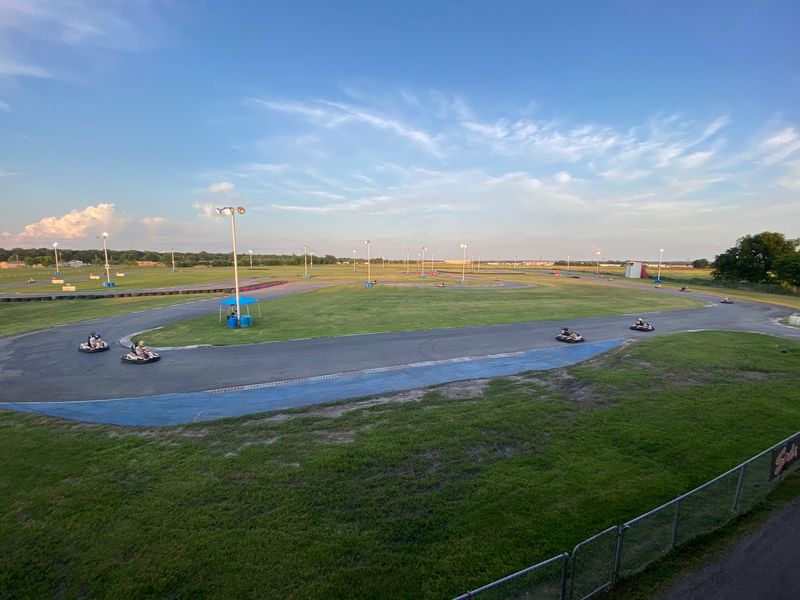
Somewhere east of Dallas, there is a racetrack where parents show up to watch their kids drive and leave arguing about their own lap times. The track sits on 25 acres, the adult karts can reach up to 60 MPH, and the timing screens show every racer’s lap, for better or worse.
Families make the trip from more than an hour away to get here, and many of them plan to come back. Kids get their own karts, teens get a taste of real control, and grown-ups often discover a competitive streak they forgot they had.
This guide covers what the track is like, how the kart levels work, what the fees add up to, and the small tips that help a first visit go smoothly. Buckle up, because this one is not your average mini-golf-and-bumper-cars stop.
A Racetrack Hiding in Caddo Mills
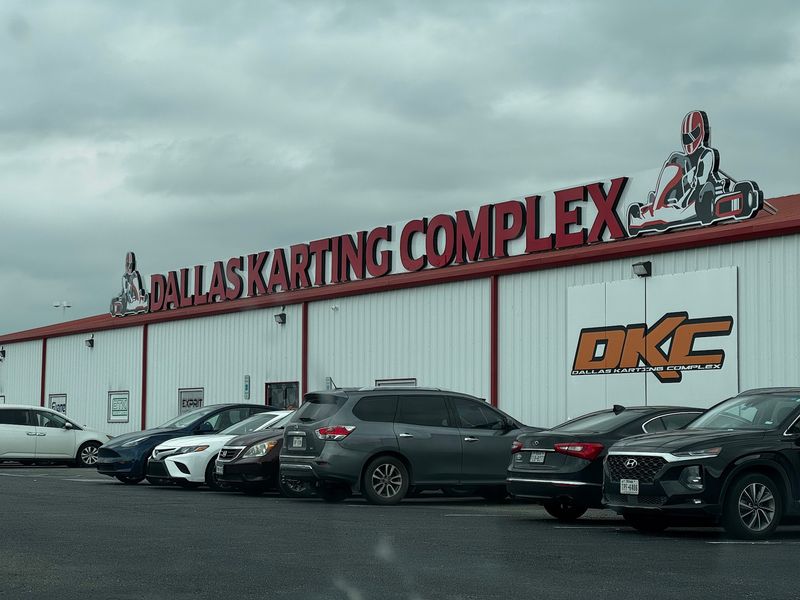
Out where the Dallas suburbs fade into open Hunt County land, a full-size road course waits for anyone brave enough to strap in. Dallas Karting Complex sits at 5025 FM1565, Caddo Mills, TX 75135, in the United States.
The drive from Dallas typically runs under an hour, depending on where in the metro area the trip starts. Many families happily make longer trips, with some coming from an hour and a half away or more.
The complex is built around go-kart rentals and racing. It also offers space for private events and parties, which makes it a popular pick for birthdays and group outings.
A simulator lounge adds another way to race when legs need a break from the real track. All of it sits in one place, so a single stop can fill most of a day.
It is a small town address with big track ambitions, and that mix sets the tone for everything else.
Twenty-Five Acres of Asphalt
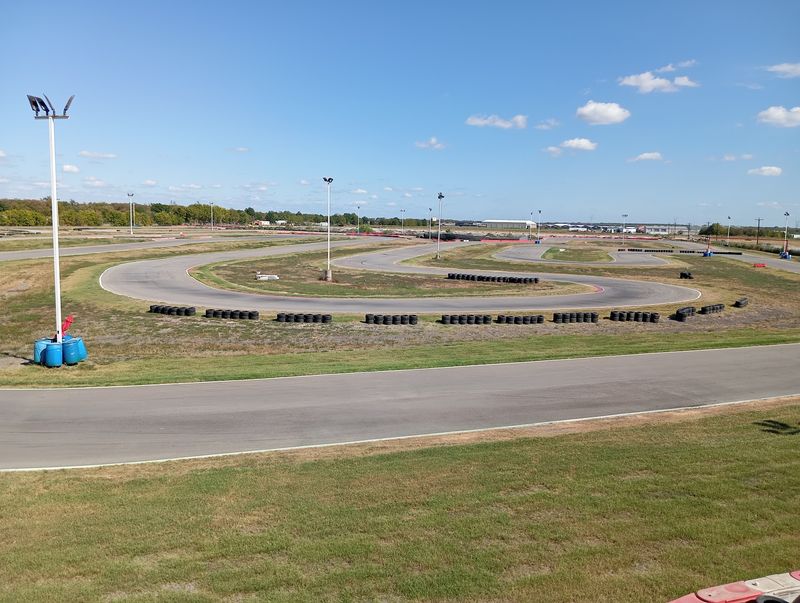
Most go-kart tracks fit inside a warehouse. This one needs 25 acres.
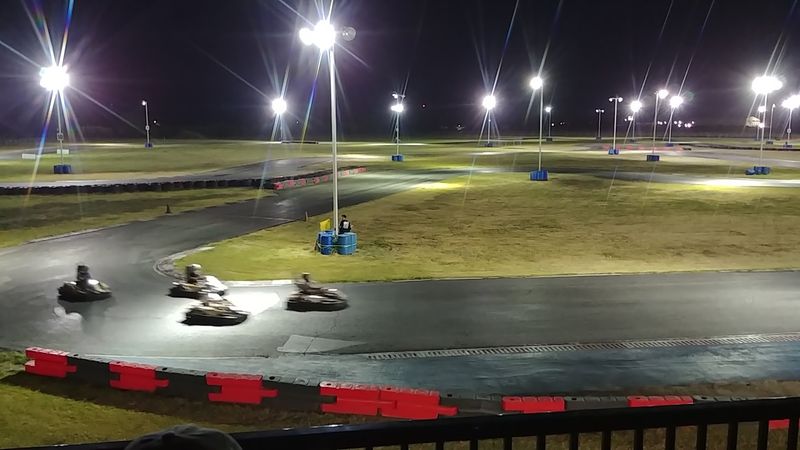
The outdoor road course is professional grade, with long straights and real turns that ask drivers to think about braking points. It is a very different experience from tight indoor electric tracks, where karts rarely get room to stretch.
Many racers say the place feels like real racing instead of a regular go-kart stop. The track has been described as fun, fast, newer and well designed.
Size also changes how a heat plays out. Even when 24 to 26 drivers share the course, the focus often shifts to beating personal lap times rather than the car ahead.
That room to roam is the main reason grown-ups lose their cool, calm, parental composure out here. Once the straight opens up, nobody wants to lift.
Gas Karts With Serious Legs
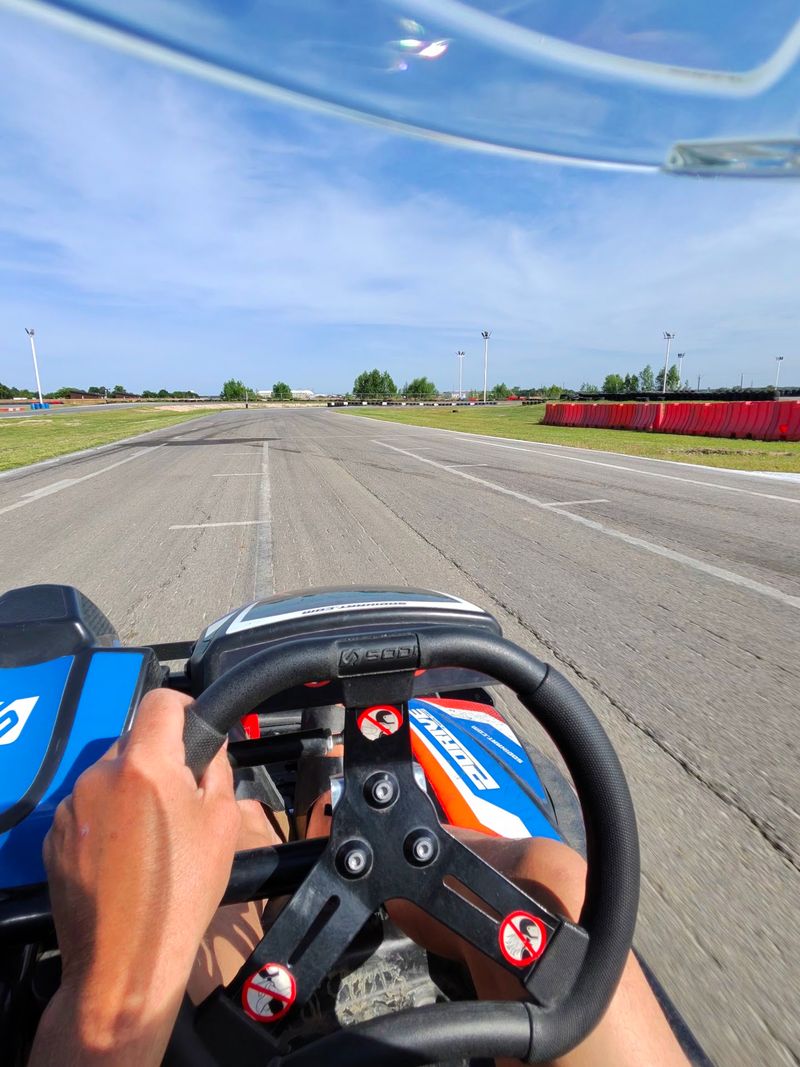
Speed is the headline here, and the numbers back it up. The gas-powered adult karts can reach up to 60 MPH on the straights.
Fast karts come up again and again as the favorite part of a trip. They are fast enough to make a race feel earned, without needing any racing background to enjoy.
The fleet is described as well maintained. Still, a few drivers have noted that some karts can feel looser in the steering than others, so consistency may vary from heat to heat.
Sitting just inches off the ground makes every turn feel more dramatic. First rounds tend to be a little cautious.
By the third heat, though, many drivers are pushing as hard as they dare and shaving real seconds off their times. That progress is the hook that keeps people coming back.
Where the Little Drivers Start
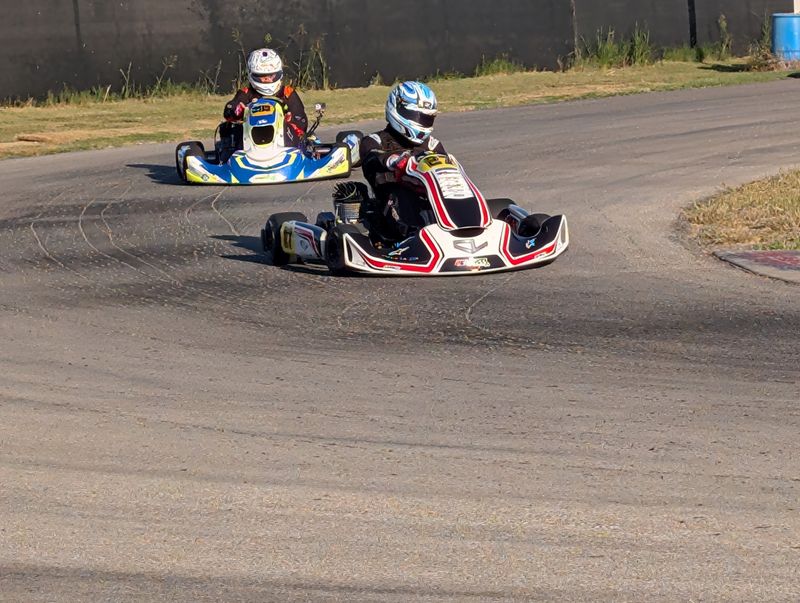
Younger racers are not left on the sidelines. Junior karts give kids a controlled way to try real outdoor racing.
Heats are run in a structured way, with different kart tiers for different ages and skill levels. Families have brought kids as young as 6 and 11, and those young drivers were eager to return.
Staff who explain the rules clearly can make a nervous first-timer feel ready. One family noted that a shy daughter was cheered on by every employee until she felt confident behind the wheel.
Safety on track can depend on who shares the session. At least one parent has reported rougher drivers joining a heat with young kids, so it may help to keep an eye on group mixes and speak up early.
Done right, a first race here can turn into one of those memories kids talk about for years.
Teen Drivers Learning Real Control
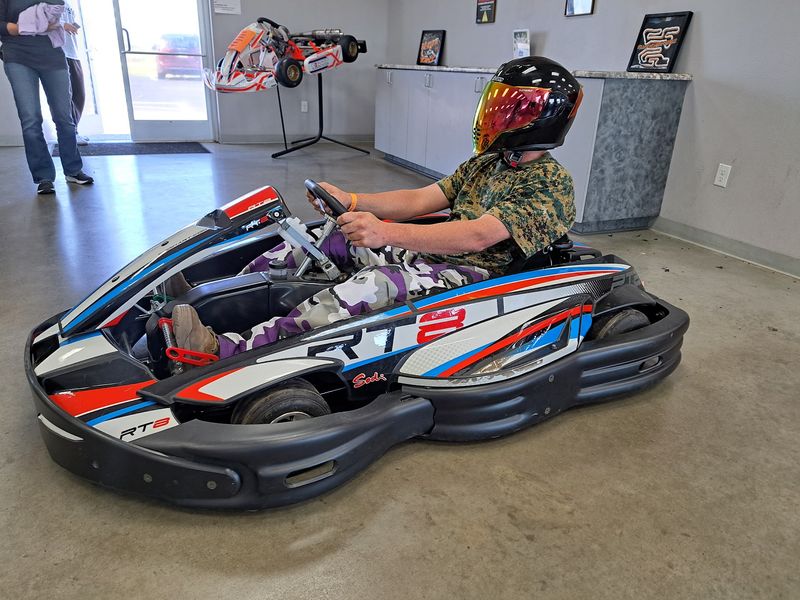
Sixteen is a big birthday in Texas, and plenty of families mark it on this track. Groups of teens and their friends have spent full birthday days here.
Parents of soon-to-be drivers point out a practical bonus. Teens get to practice turning, braking and handling a vehicle at speed, in a setting built for it.
Of course, a kart is not a car. Still, learning to read a corner and control speed builds awareness that feels useful.
The braking takes some getting used to. Stomping on the pedal can spin the kart, so smooth, gradual slowing works better.
That learning curve is part of the fun. Teens who start out timid often finish the day carving corners with real focus, and parents may find themselves trying to keep up.
The Lap Timer Rivalry
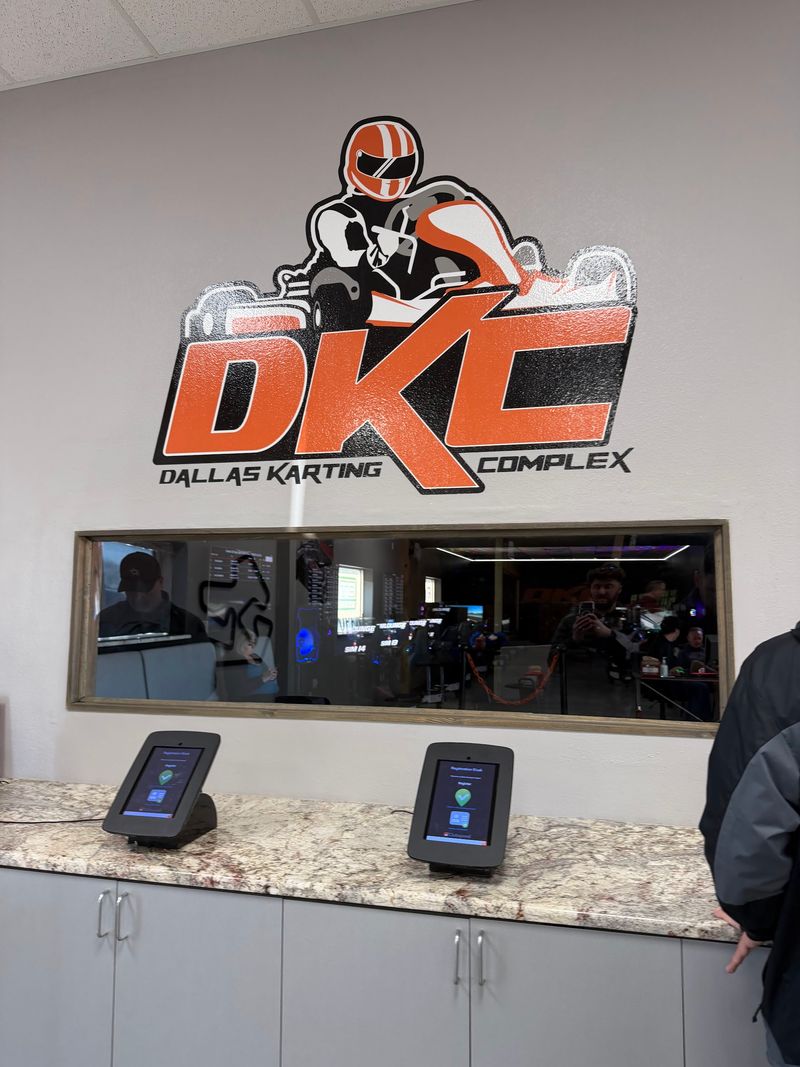
Here is where the grown-ups start getting competitive. Every racer gets a transponder and lap times that show exactly who drove best.
Head tags and timing turn a fun ride into a friendly scoreboard battle. Parents who came to supervise suddenly want to beat their teenager by a tenth of a second.
The 3-race combo is a favorite for that reason. More time on track gives drivers a real chance to improve, and seeing the numbers drop is half the thrill.
Technology can hiccup. A transmitter failure has left at least one driver without a placing for a round, so it can be worth confirming the tag works before heading out.
Bragging rights are free, at least. The family group chat, however, may never recover.
GT Karts and the Qualification Ladder
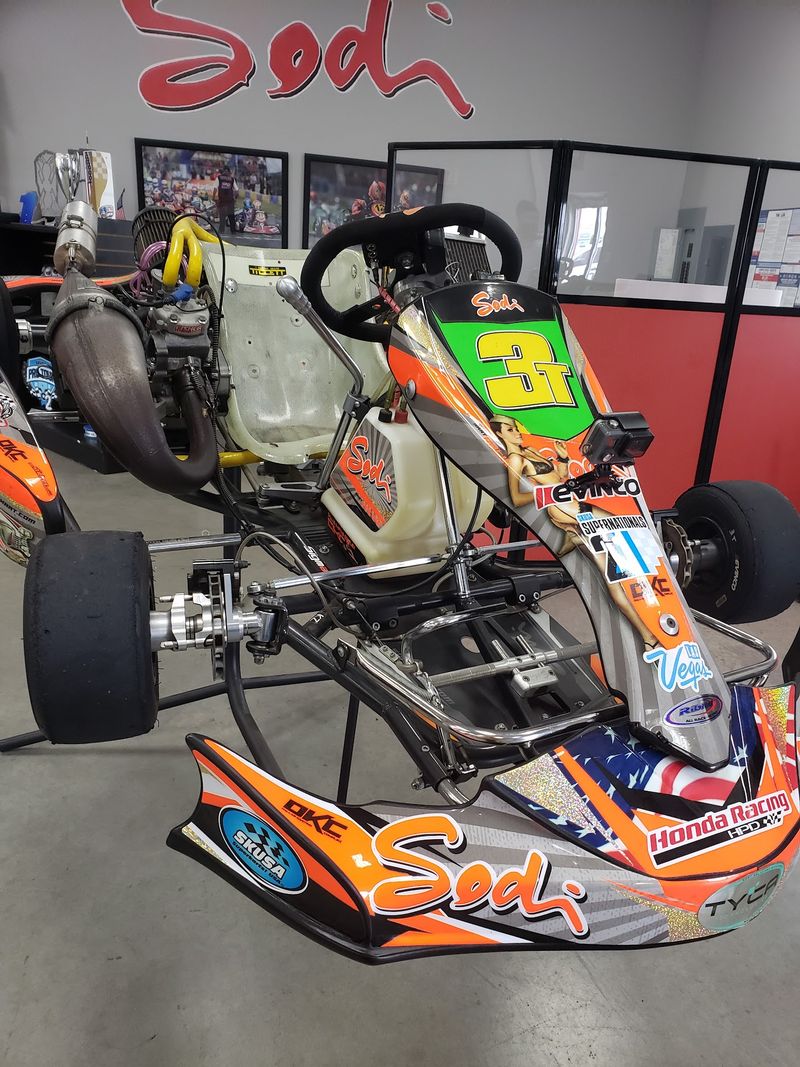
Faster karts exist, but they have to be earned. The GT or two-stroke karts require drivers to qualify first on the standard adult karts.
The current rule asks for a minimum of 3 normal races before stepping up. That qualification lasts about 90 days, then resets.
Some racers find the reset frustrating, especially those who live far away and visit only a couple of times a year. Others understand the initial requirement as a safety step.
One racer reported that a GT session cost around $70, on top of the qualifying races. Kart owner sessions can also run before rental GT turns, so waits may stretch.
Timing equipment on the faster karts has been missing for at least one driver, so asking ahead is smart. For those chasing pure speed, this ladder is the main event.
Sim Racing Between Heats
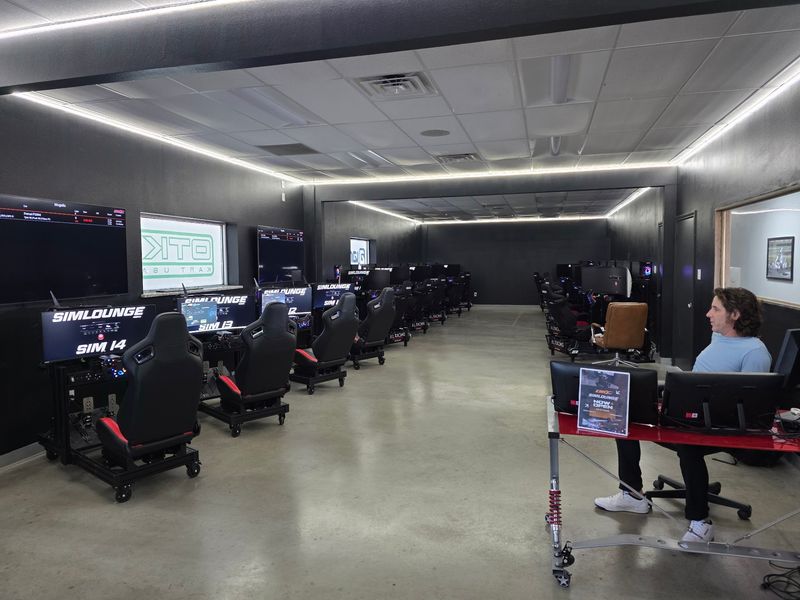
Not every lap here happens outdoors. A sim lounge lets racers keep competing on virtual tracks.
The simulators get strong praise for adding a whole extra layer of fun. Teens on spring break have called them a highlight.
Fair warning, the virtual seat can be humbling. Friends who did well outdoors have found themselves near the bottom, unless one of them already owns a home sim setup.
Some packages pair track rounds with a sim session. That combo can stretch a visit and give everyone a breather between real heats.
It is also a handy plan B when weather makes the track tricky. Losing to a buddy on a screen still stings a little, though.
League Nights Worth Watching
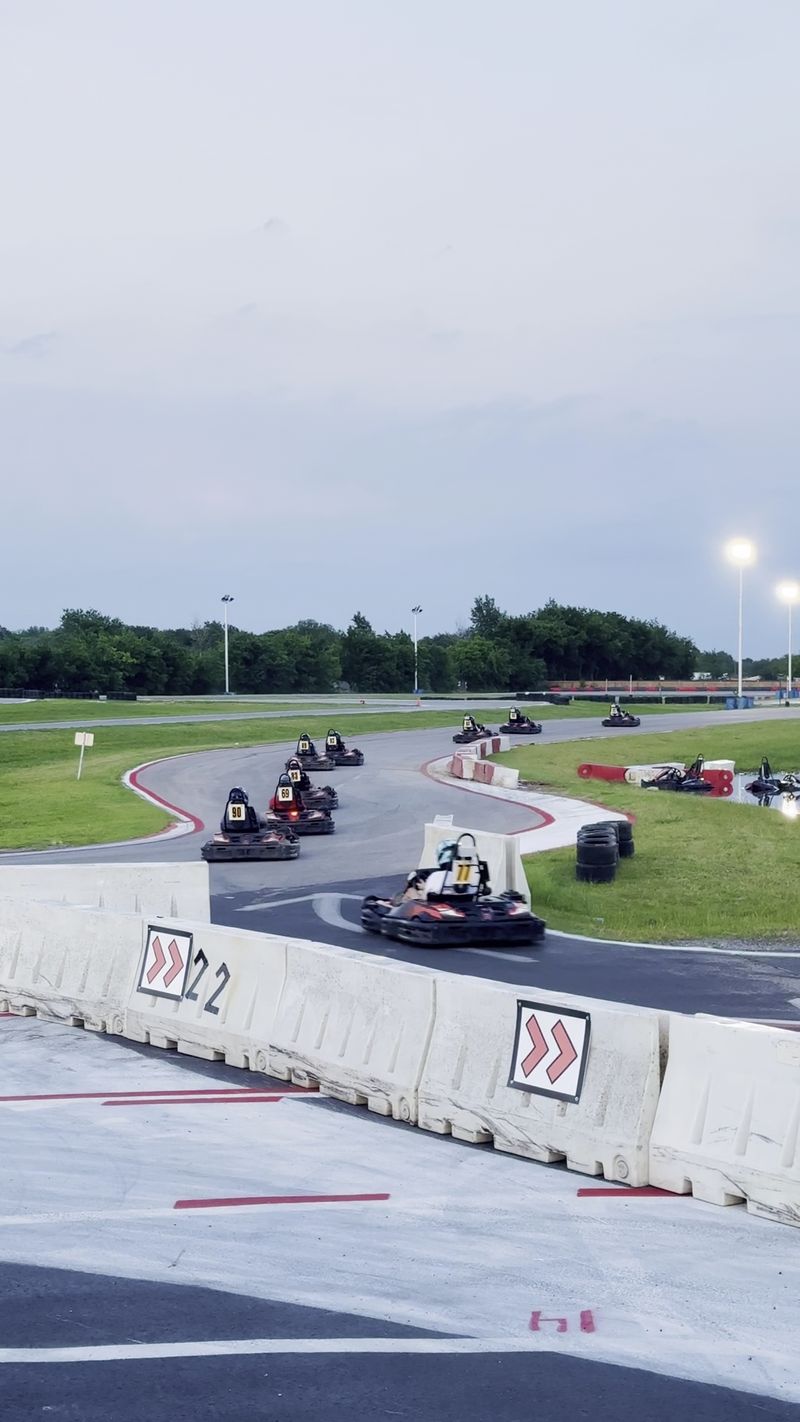
Sometimes the best show is from the stands. League races run at the complex, and catching one can be a bonus.
A group visiting for an afternoon once watched a racer climb from last place to first. Everyone nearby was stunned.
Watching experienced drivers take the same corners offers a quick lesson in racing lines and braking. Newcomers can pick up ideas before their own heat.
Private kart owners also use the track. Their sessions show what the course can look like at full potential.
For families, these races add free entertainment while waiting. For competitive parents, they plant a dangerous idea about joining a league someday.
When the Track Turns Slippery
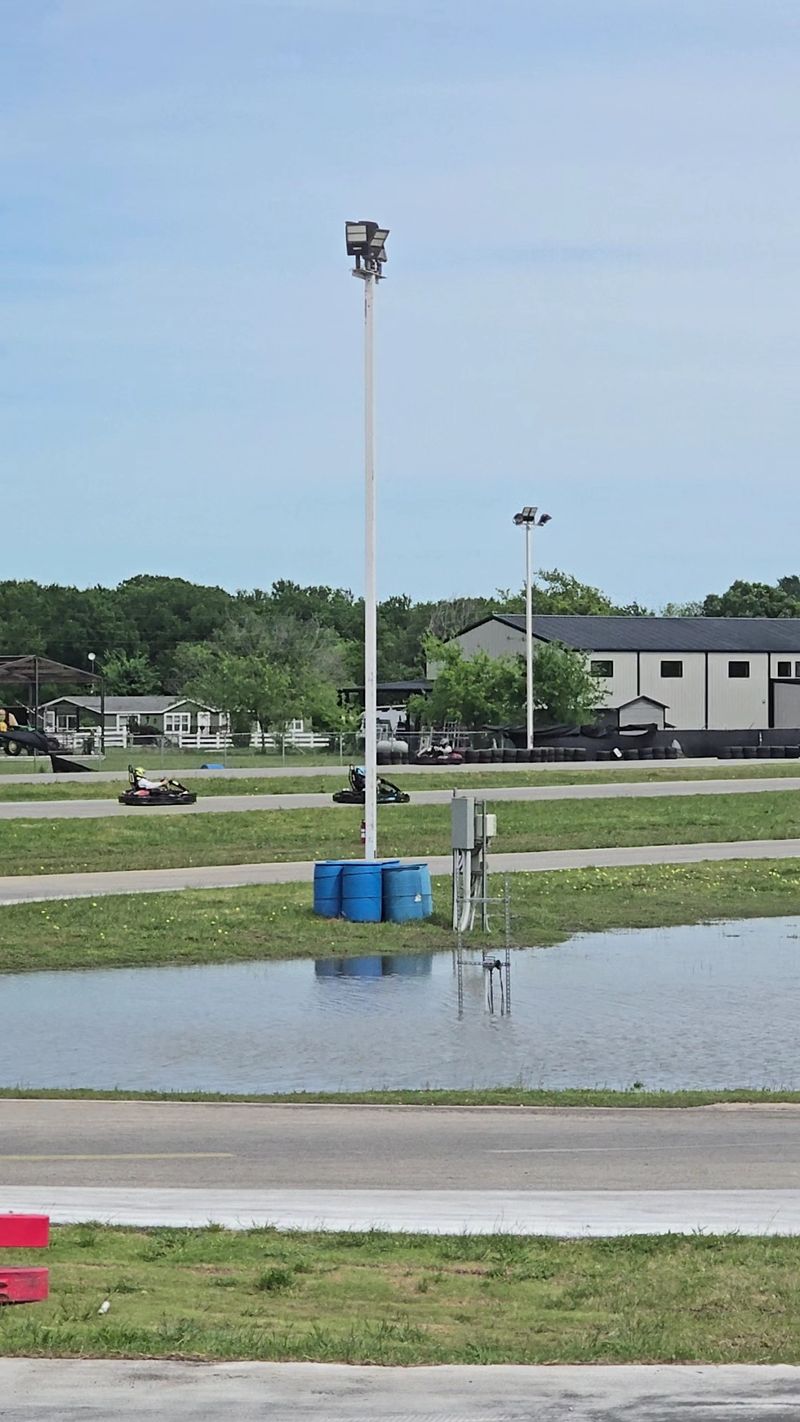
Weather writes part of the race plan. Rain and conditions can leave the outdoor surface slippery.
On slick days, karts spin more easily. Hard braking tends to make it worse, so gentle inputs matter.
First-time drivers sometimes find this frustrating until they adjust. After a lap or two, most figure out how to feed in the brakes slowly.
Checking the forecast before a long drive is a simple step. A dry day typically delivers the faster, more confident experience.
Slippery or not, the track rewards patience. Smooth drivers usually beat aggressive ones here, which is a lesson kids often learn faster than adults.
Group Outings and Birthday Crews
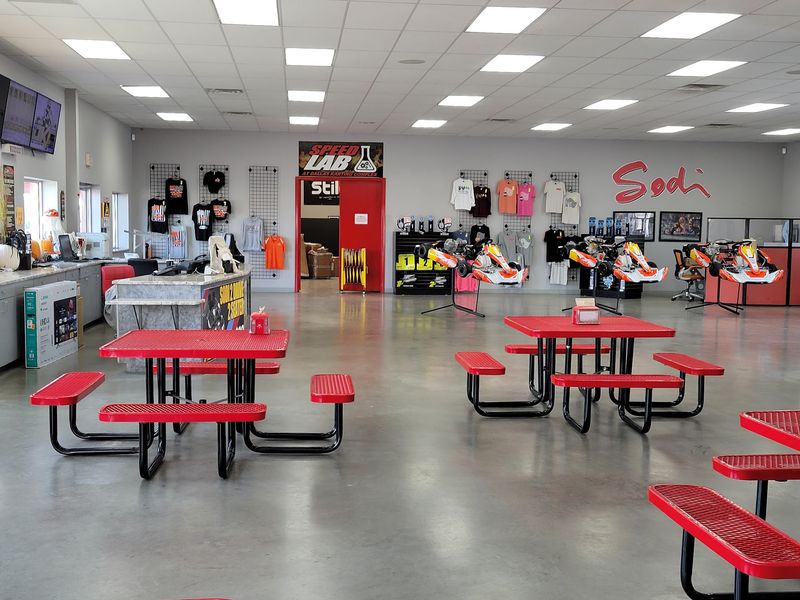
Birthdays seem to bring out the racer in everyone. The complex offers space for private events and parties.
Friend groups, couples and families mix easily here. Wives, husbands, kids and buddies have all found something to enjoy on the same day.
Big groups can bring bigger heats. Some sessions have run with as many as 30 drivers, which can feel crowded compared with smaller rounds of about 10.
Asking how heats will be split can help a party plan its day. Larger groups may want to arrive with time to spare.
With the right setup, a group outing here can become a yearly tradition. Several families plan to do just that.
Staff, Safety and the Fine Print
Track marshals and staff keep heats moving. Many guests describe the crew as friendly, patient, organized and efficient.
Closed-toe shoes are a strict requirement. Pack them, or expect to sit out.
Experiences with staff can vary. Some guests have reported mixed-up ticket numbers, slow help for stuck karts and staff on phones, so speaking up politely may be needed.
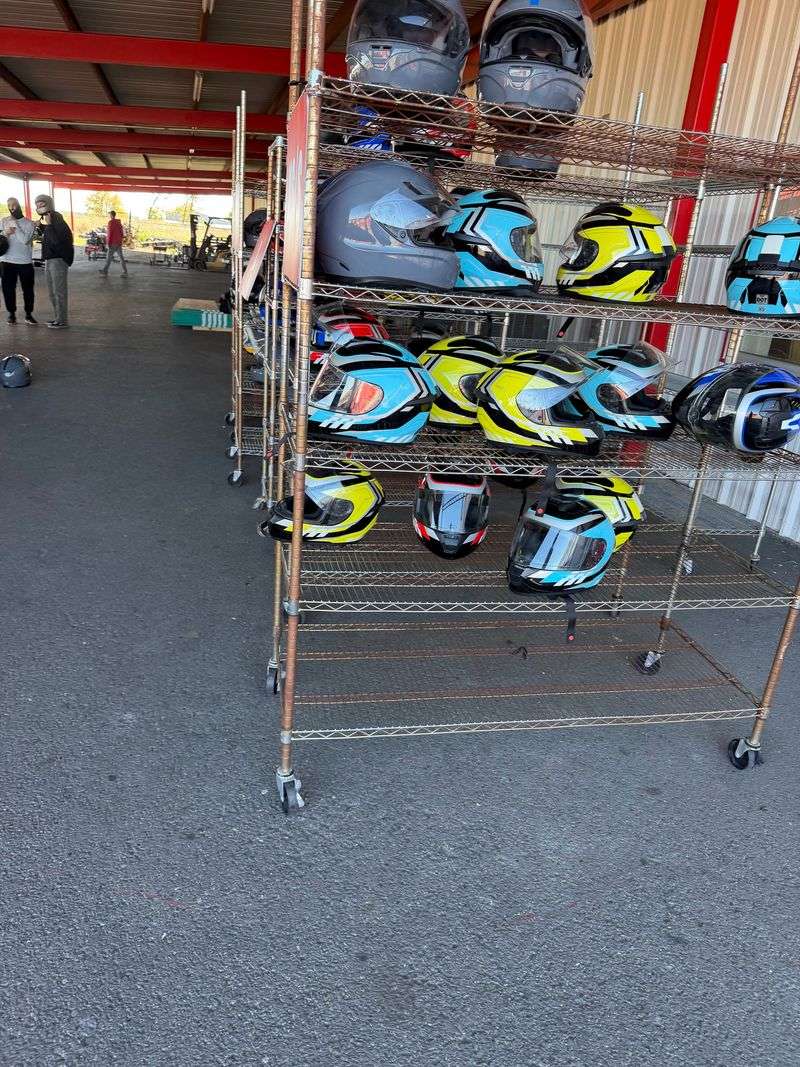
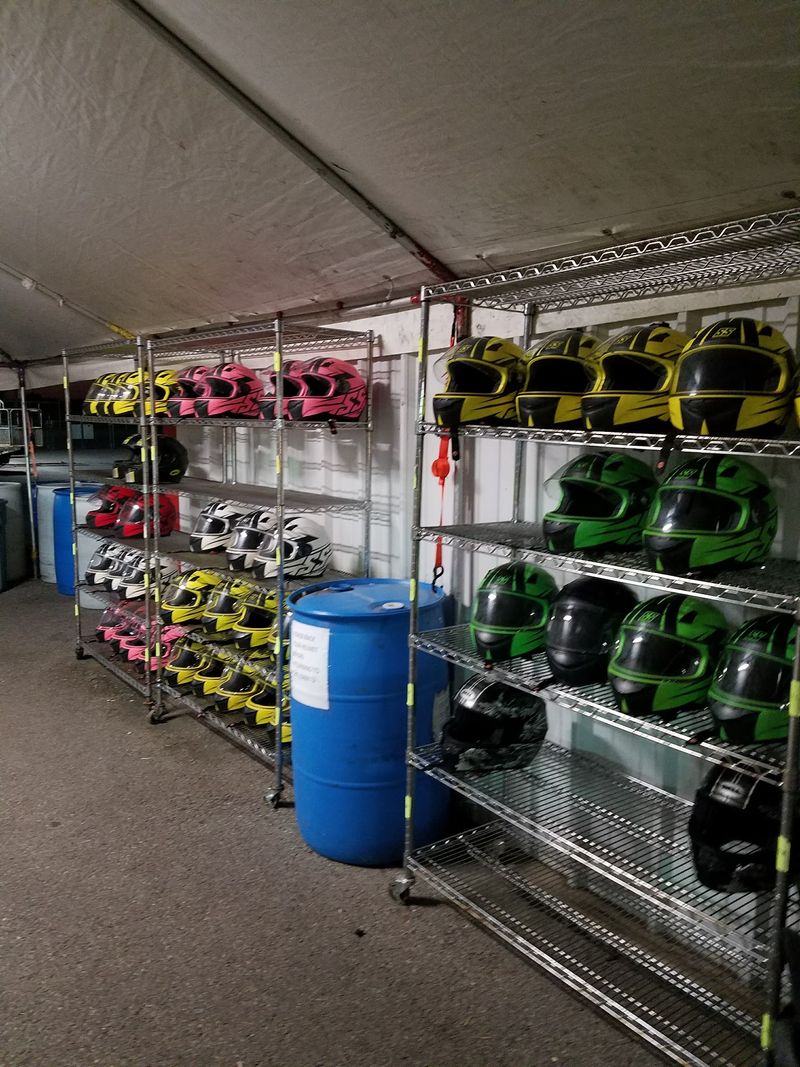
Helmets are provided, though their condition has drawn some complaints recently. Bringing a personal helmet, if allowed, may be worth asking about.
Restrooms may close after hours while late heats run. A quick stop before the final race is a wise move for long drives home.
Hours, Costs and Hidden Fees
Plan the clock first. Hours run 10 am to 9 pm on Saturday and Sunday, and 11 am to 9 pm Monday through Friday.
Single races have run around $30, according to past guests. A 3-race package has been noted at about $70 before extras.
Extras add up. Guests report maintenance fees of about 4 to 5 percent, a card fee around 4 percent, plus tax, helmets and head tags.
One racer saw $70 in races become about $108 at checkout. Bottled water has been about $3, and a water fountain was not available, so bringing water may help.
Arriving early on weekends can shorten waits. Early sessions sometimes even leave the track wide open.
Worth the Drive East of Dallas
So, does the trip pay off? For speed lovers and competitive families, the answer is often yes.
The track is huge, the karts are quick, and the mix of junior, adult, GT and sim racing gives every age something to chase. Many families drive 50 minutes to 2 hours and still call it worth it.
It is not flawless. Fees, staff consistency and GT rules can test patience.
Going in with closed-toe shoes, a water bottle, a dry forecast and a clear budget can make a big difference. Booking the 3-race combo gives time to improve.
And when Mom posts a faster lap than the teenager, the ride home will be very lively.


