
Affiliate disclosure: As an Amazon Associate I earn from qualifying purchases. Learn more
Some colleges brag about famous names on their buildings. This one quietly sends the kids of cooks, cleaners, and warehouse workers home with diplomas and a real shot at a steady paycheck.
On a set of hills in East Los Angeles, a public campus has spent decades doing the hard, unglamorous work of lifting working families into the middle class. Families talk about full-ride scholarships, loaner laptops, and graduates who leave without crushing debt.
It is not polished, and it does not pretend to be. Students will tell you the paperwork can test your patience and the buildings could use a facelift.
But for a state where everything seems to cost more every year, this campus remains a place where hard work still pays off. Here is the story of the school, what makes it tick, and what to know before you visit.
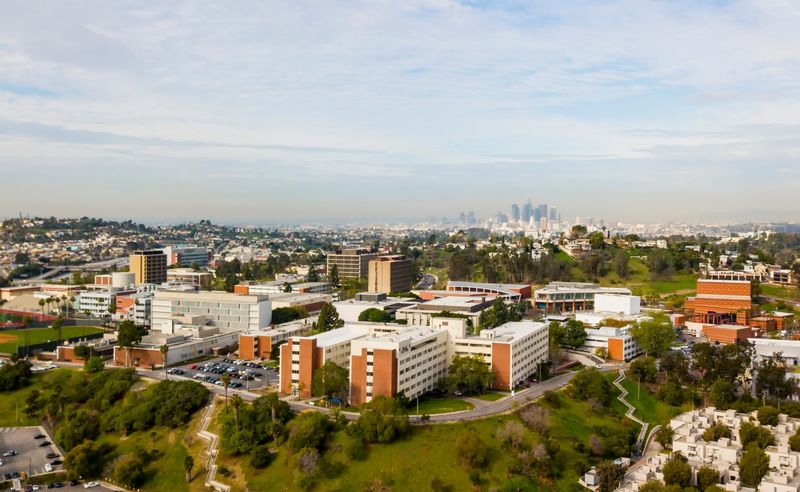
A Hilltop Campus Off the 10 Freeway
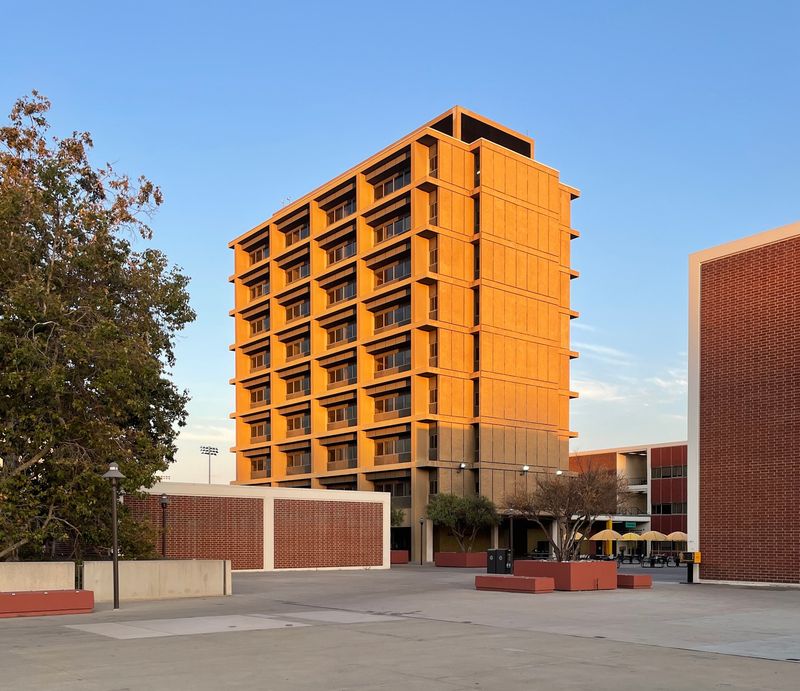
Every big promise needs a home address. For this one, it is California State University, Los Angeles, at 5151 State University Dr, Los Angeles, CA 90032, in the United States.
Most people around town simply call it Cal State LA. Plenty of students shorten it even further to CSULA.
The school is a public university, part of the California State University system. That public status matters, because it keeps a four-year degree within reach for families who cannot write big checks.
The campus sits in the eastern part of Los Angeles, close to residential neighborhoods. Homes border the grounds to the north, so the school feels woven into the community rather than walled off from it.
Google Maps lists the campus as open 24 hours, every day of the week. That reflects the grounds themselves, not every office, so specific departments keep their own schedules.
The overall picture from the community is strong, with a 4.5-star average across more than 900 opinions. Not bad for a place that rarely shows up on glossy brochure lists.
The Ladder Built for Working Families
Ask families why this school matters and the answer often comes down to money. Specifically, how little of it graduates end up owing.
One parent shared that their daughter earned a full-ride scholarship and will graduate debt free. That kind of outcome changes the next decade of a young person’s life.
Students from large households living in survival mode describe finding plenty of help with tuition and book costs. The cost of starting college can still feel heavy, but the support is real once you find it.
Affordability and value for money come up again and again when people talk about the campus. In a state where rent and groceries keep climbing, that reputation carries weight.
The school has long served first-generation students and families who know every dollar by name. A degree here is less about prestige and more about stability.
That is the quiet engine behind the headline. Kids walk in from working homes and walk out with credentials that open doors to steadier careers.
Professors Who Actually Show Up
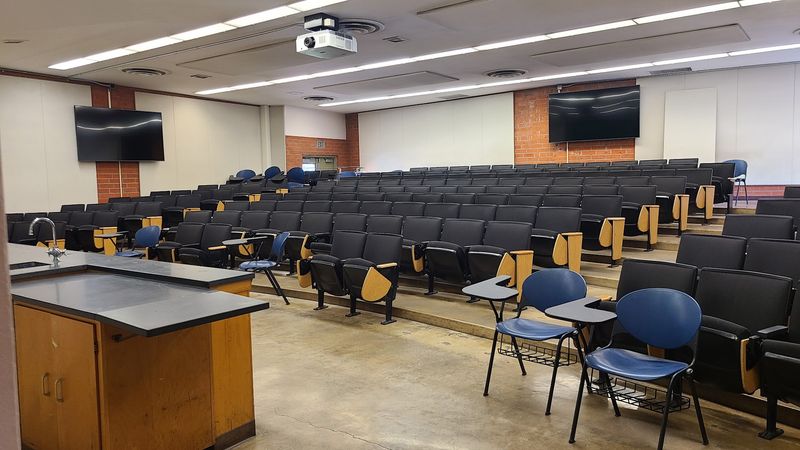
Even the toughest critics of the campus tend to soften when the subject turns to teaching. The classroom is where this school earns its keep.
Caring professors and engaging instruction are among the most common themes in community feedback. Students describe instructors who want them to succeed and say so.
A former student who became a teacher credits Cal State LA professors with practical strategies still used in a classroom every day. Some instructors modeled student-centered teaching that left a lasting mark.
An engineering transfer student noted that many professors do not force students to buy every listed textbook. Instead, they offer other ways to access course material, which saves real money.
Not everyone agrees, of course. A few former students felt certain classes missed the mark for their goals.
Still, the pattern is clear. Even people frustrated with campus offices often say their professors were great, and that counts for a lot when you are paying your own way.
Loaner iPads, Laptops, and Hotspots
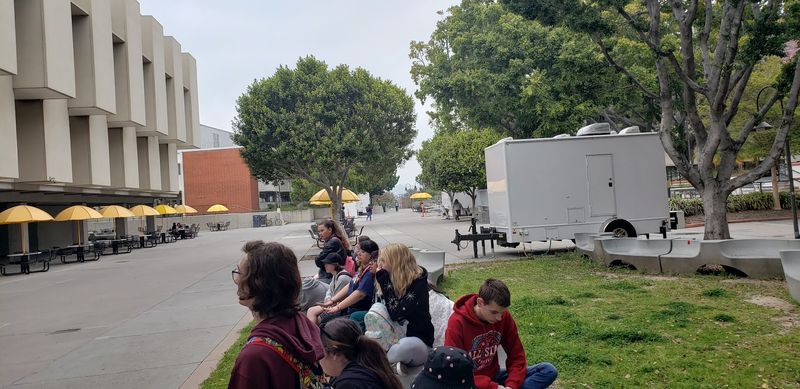
Here is a detail that surprises a lot of parents. Students have been able to borrow iPads for the length of their studies.
Laptops and mobile hotspots have also been available to borrow. For a student without reliable internet at home, that can be the difference between keeping up and falling behind.
These programs reflect what the campus understands about its students. Many are juggling jobs, family duties, and long commutes alongside coursework.
Beyond tech, students point to a wide range of on-campus resources. There is help paying tuition, help purchasing books, and support for getting involved in the community and in career planning.
Program details can change from year to year, so it is smart to check current offerings directly with the university before counting on a device.
The takeaway is simple. This is a school that knows a laptop is not a luxury, and it acts like it.
Transfer Students Find a Second Starting Line
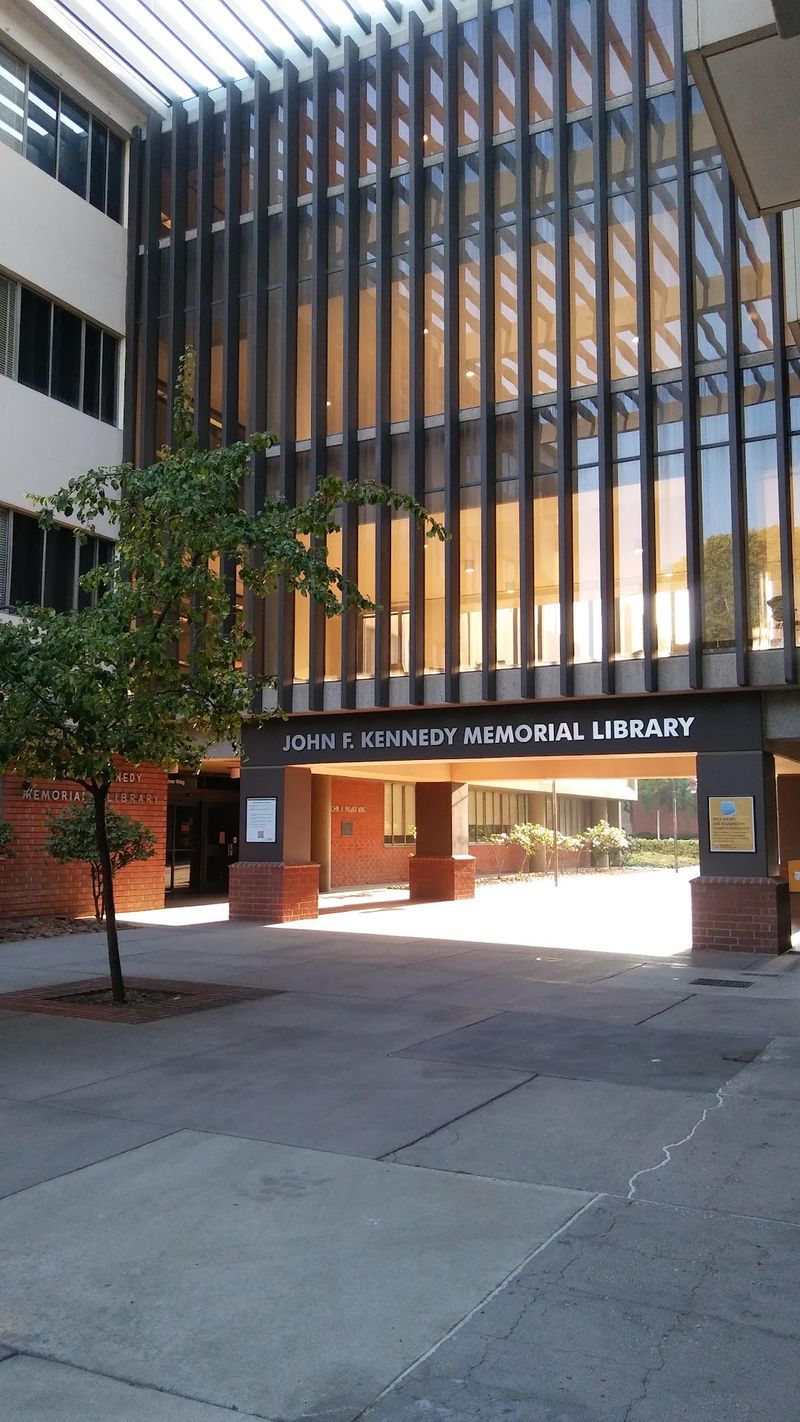
Plenty of Cal State LA graduates did not start here. They started at a community college across town and made the jump.
Students have transferred in from Los Angeles City College to pursue degrees in fields like mechanical engineering and history. Their accounts describe a welcoming academic experience and plenty of resources.
The transfer route is one of the most affordable paths to a bachelor’s degree in California. Two years at a community college, then two more at a public university, can trim costs substantially.
Engineering transfers describe the work as demanding, as it should be. As one put it in plain terms, if you want to graduate, you have to work hard.
That honesty is part of the appeal. Nobody here promises a shortcut, only a fair shot.
For families watching every expense, the transfer path through this campus is worth a long, serious look at the kitchen table.
Programs With a Reputation
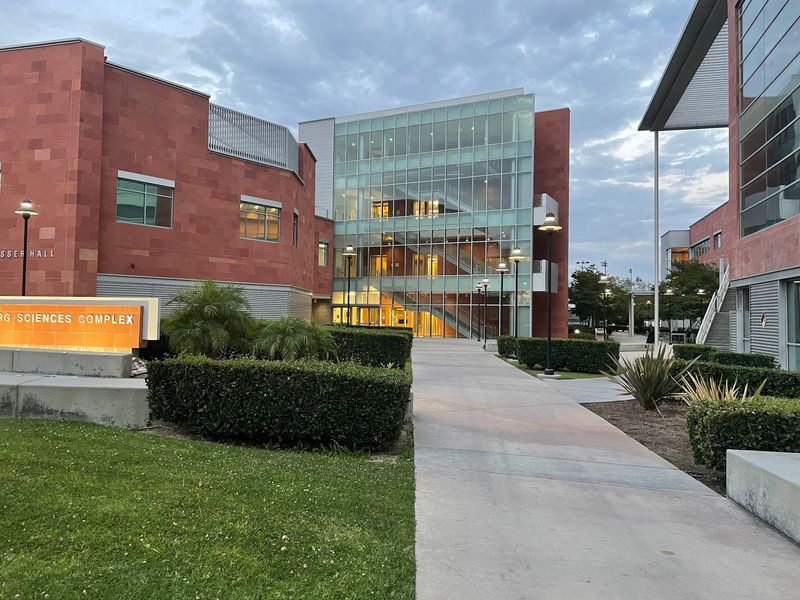
Some departments carry their own buzz. The Bachelor of Social Work program is one name that comes up with genuine enthusiasm.
Students in the BSW program describe it as among the top programs for aspiring social workers. First-semester classes are called engaging and interesting, thanks to dedicated faculty.
Teacher preparation also gets credit. Graduates now working in classrooms say their training gave them confidence to help their own students succeed.
Mechanical engineering, history, and communications are among the other fields students mention. The course catalog is wide, and many describe finding interesting classes they did not expect.
These are careers rooted in public service and practical skill. Social workers, teachers, and engineers often become the steady earners who anchor their families.
That connection is not an accident. Programs like these turn one graduate into a support system for parents, siblings, and eventually children of their own.
A Student Body That Looks Like LA
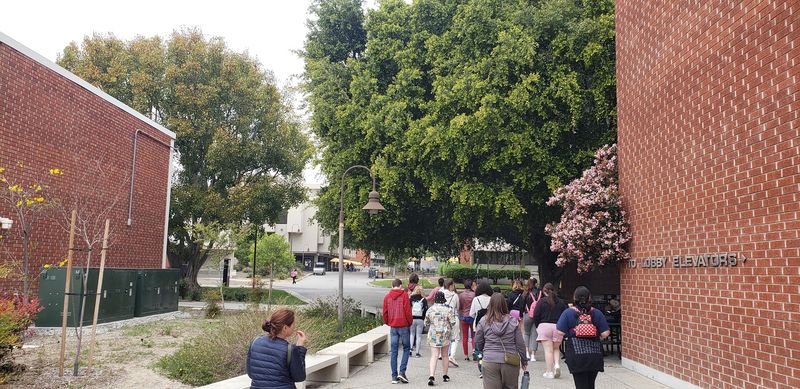
Walk across campus between classes and you will see a slice of the city itself. A diverse student body is one of the most mentioned traits of the school.
Many students come from Latino and immigrant families in the surrounding neighborhoods. Others commute in from across the region.
Friendships form fast here. Former students talk about working with friends and making many more along the way.
Some describe the campus as feeling like home, even after just a few weeks. That sense of belonging can keep a struggling student enrolled when life gets complicated.
Opinions on campus community do vary. One former student wished the administration pushed harder to build student life outside class.
Even so, for many families, seeing classmates with similar backgrounds is part of what makes a degree feel possible. It is easier to dream big when the person next to you shares your story.
Hills, Stairs, and a Few Coyotes
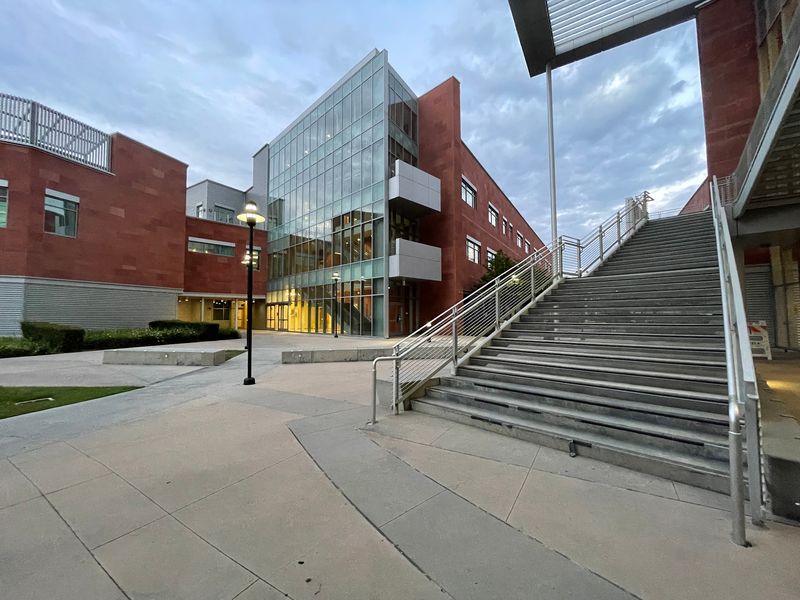
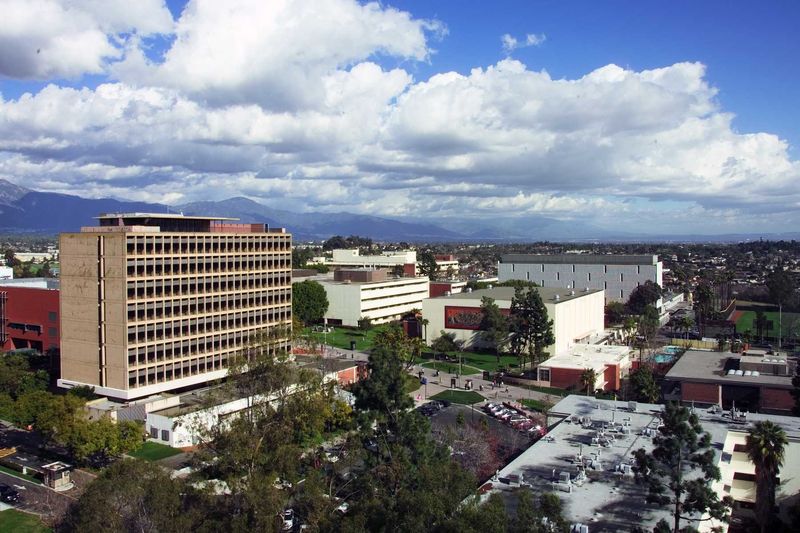
Bring good shoes. The campus buildings sit on different hills, which makes walking or biking between them a real workout.
Stairs are everywhere. Students with limited mobility have said orientation tours were difficult because groups took stairs from building to building.
Wayfinding can be tricky too. Some newcomers mention missing building labels, few helpful directories, and several different versions of campus maps.
Even guests looking for a restroom have found the grounds bigger than expected. Street signs are not on every corner, so plan extra time.
Wildlife adds another twist. Coyotes are known to frequent the area near the homes to the north, so a bit of caution makes sense, especially after dark.
On the brighter side, some describe nice views from the hilltop setting. The terrain that wears out your calves also gives the campus its character.
Buildings That Could Use Some Love
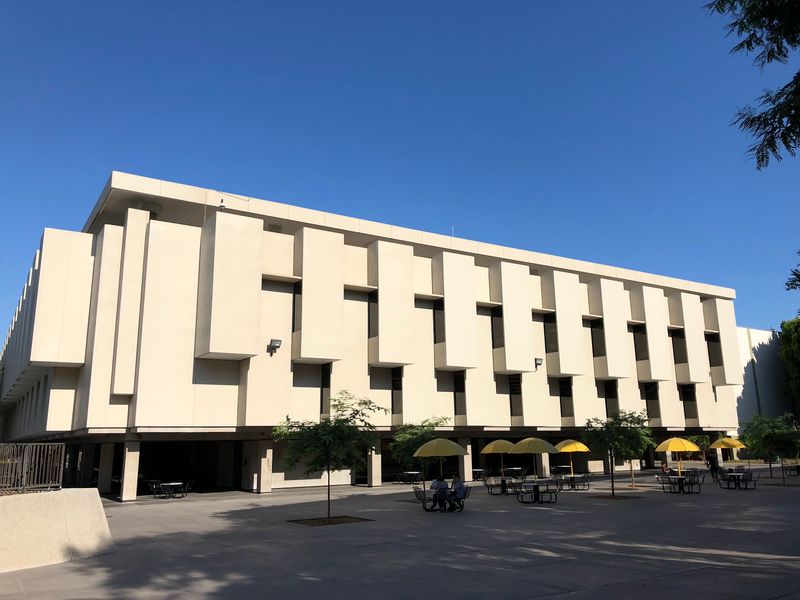
Nobody would call this campus fancy, and few people try. Several students say plainly that it is due for a renovation.
Complaints include overgrown plants, worn floors, missing ceiling tiles, slow elevator repairs, and leaks. One former communications student felt certain facilities lagged behind what the program needed.
Others see things differently. A recent guest described the campus as impressive, with lots of growth, clean restrooms, and plenty of parking.
Both views can be true at once. Older public campuses often mix aging buildings with newer upgrades.
For budget-minded families, this is part of the trade-off. The money goes toward keeping tuition reachable rather than into marble lobbies.
If you are touring, look past the paint and ask about the programs, the professors, and the support services. That is where the real value lives.
Paperwork, Patience, and Orientation
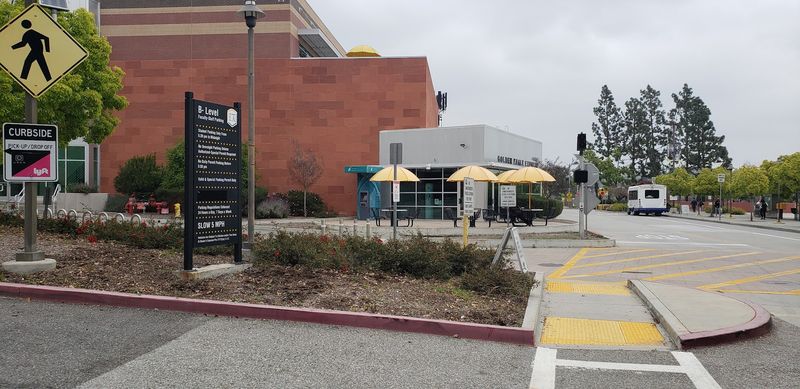
Fair warning: the front office side can test you. Administration is where the most frustration shows up.
Some students describe emails that go unanswered and departments that are hard to reach. Wait times also come up often.
New students must attend orientation, which has carried a fee of roughly 110 dollars. That figure may have changed, so confirm current costs.
One practical tip stands out. Students who do not register and enroll in classes during their first two semesters may be required to attend orientation again.
Not every office gets a thumbs down, though. Helpful staff is one of the most frequent themes, and the records department earns credit for friendly help.
Parents have also described staff helping them submit the right tuition documents for their kids. Persistence pays off here, so keep copies and follow up.
Getting There by Train or Car
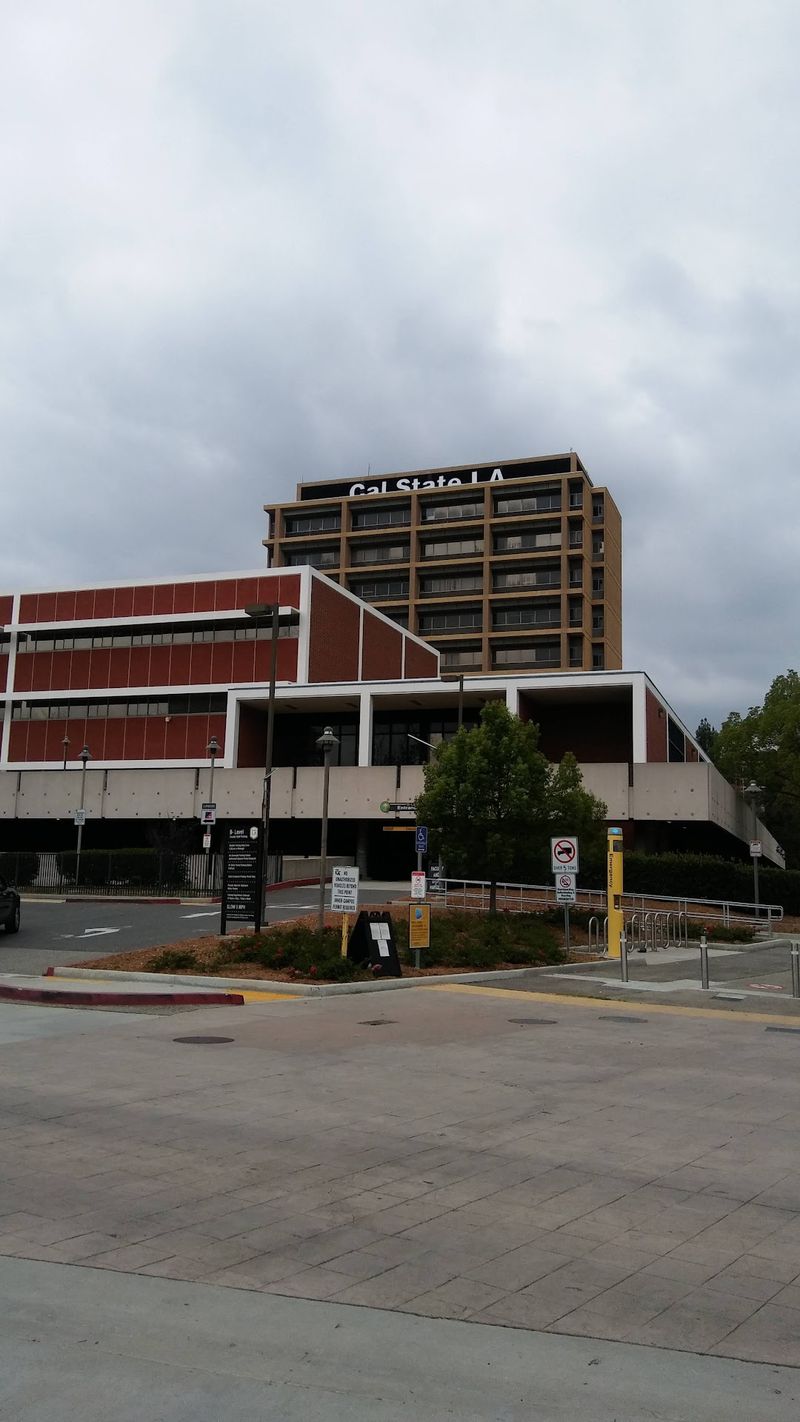
Here is a perk many campuses would envy. A train platform connects to the campus, making it possible to commute from Los Angeles Union Station.
Some students picked the school mainly for that convenience. For a commuter without a car, a direct rail link is a big deal.
Drivers have options too. The area offers plenty of drive-up access and public transportation choices.
Parking gets mixed marks. Some guests found plenty of spaces, while others found the lot layout confusing.
Give yourself extra time on a first visit. The hills and limited signage can turn a quick stop into a scenic detour.
The grounds are listed as open 24 hours daily, but individual offices keep their own hours. The main university line is listed as 323-343-3000, and the website is calstatela.edu.
A Campus That Keeps Its Promise
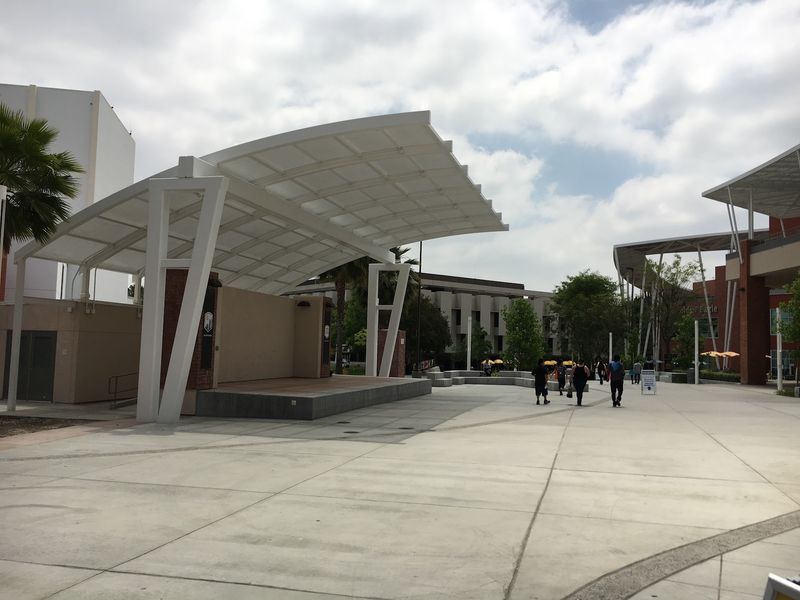
Events bring the community onto campus as well. The United American Indian Involvement Powwow has been held here, and guests called it wonderful.
The campus has also served as a COVID vaccine site, which shows how deeply it is tied to the neighborhoods around it.
So who is this place for? It suits motivated students, transfer students, and families who need a degree to be worth every dollar.
It may frustrate those expecting polished buildings or smooth paperwork. Patience is part of the tuition.
Yet the scoreboard that matters most keeps tilting in its favor. Working-family kids arrive, find caring professors and real support, and leave ready for steadier lives.
In a California that can feel out of reach, Cal State LA remains a hilltop where the old promise of the state still holds. Hard work, a fair price, and a door that opens.


