
Affiliate disclosure: As an Amazon Associate I earn from qualifying purchases. Learn more
Every fall, a small orchard in the hills of San Diego County turns into a treasure hunt with a bright orange prize. Families show up with buckets, step stools, and big plans for persimmon bread.
Some leave with a full haul, and some learn the hard way that the best fruit hangs near the top. The season is short, the operation is cash only, and the people running it know their trees.
Prices here can come in below what grocery stores charge, which matters in a state where everything seems to cost more each year. This article covers where the farm sits, how the bucket deal works, what tools to pack, which other fruits show up for sale, and the timing that separates a great trip from a picked-over one.
Keep reading before November slips away.
A Ramona Orchard Worth the Drive
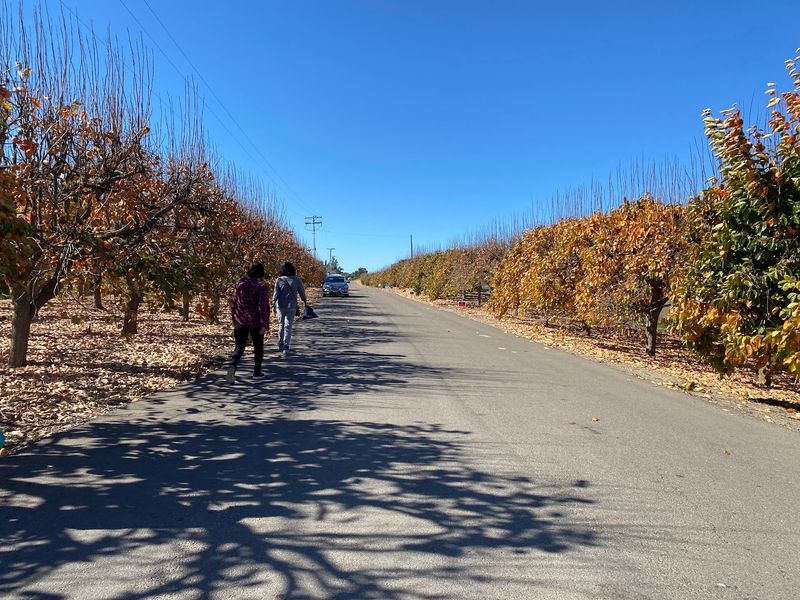
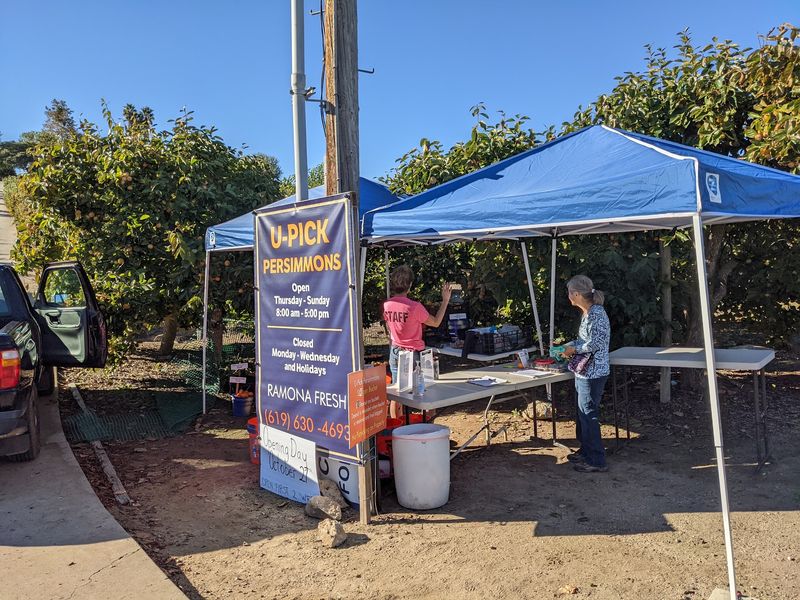
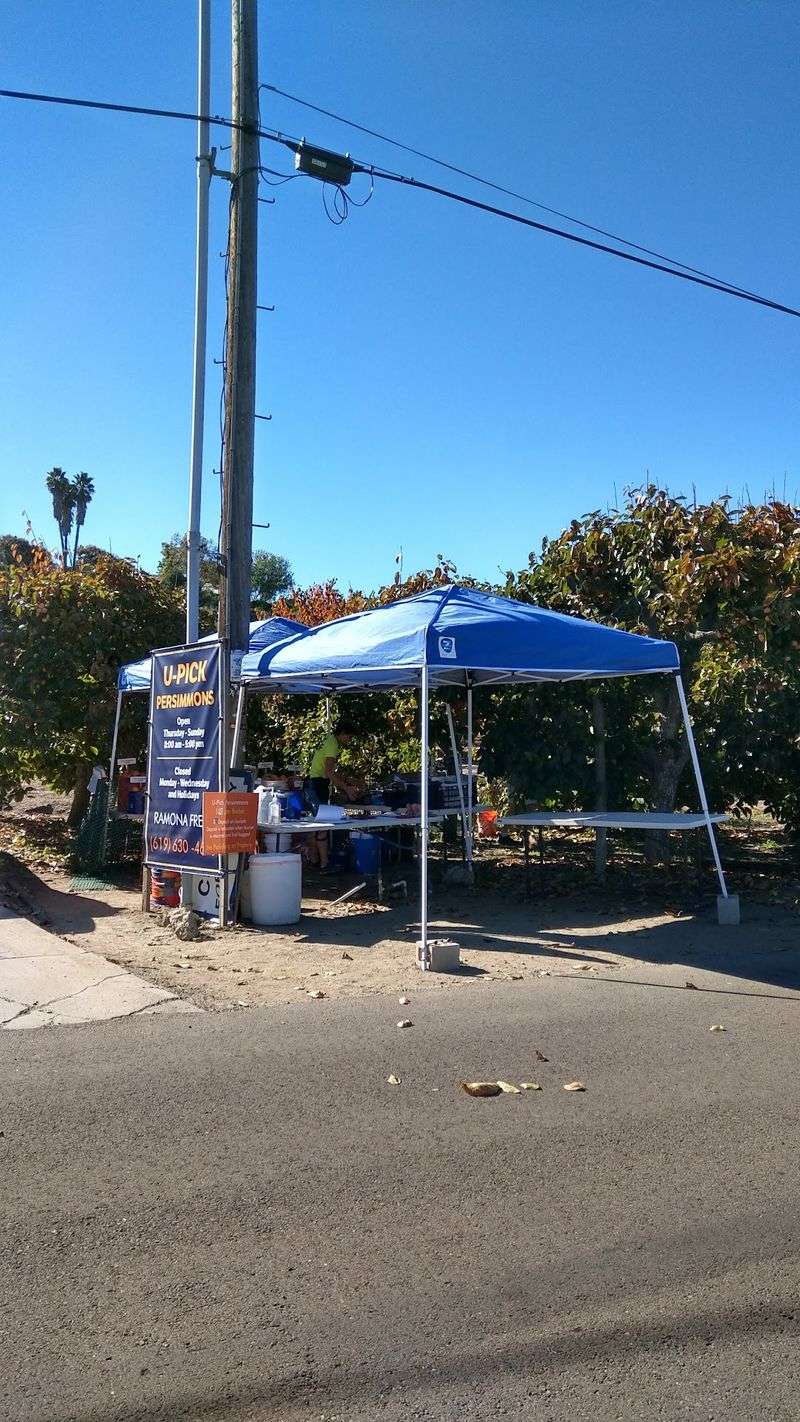
Out on a rural stretch of San Diego County, a family fruit farm opens its gates each autumn to anyone ready to pick. Ramona Fresh Fruits U-Pick Persimmons sits at 18131 Traylor Rd, Ramona, CA 92065, in the foothills of Ramona.
Officially, it is listed as a farm shop. In practice, it is a working orchard where the main event happens out among the trees.
The farm is small and family owned. That scale shapes everything, from the friendly help to the cash-only setup.
Persimmons are the headliner every fall. Still, the farm grows and sells other fruit too, which gives the place a bit of range beyond one season.
Ramona itself is an inland community, a fair hop from the coast. Folks from around San Diego County make the trip specifically for this harvest.
The farm holds a solid 4.5-star standing on Google from a modest number of opinions. Most of the praise centers on two things: the picking and the people.
Small farms like this one are part of the old California many locals still treasure. Keeping track of when the gates open is the first step in enjoying it.
The Family Behind the Fruit
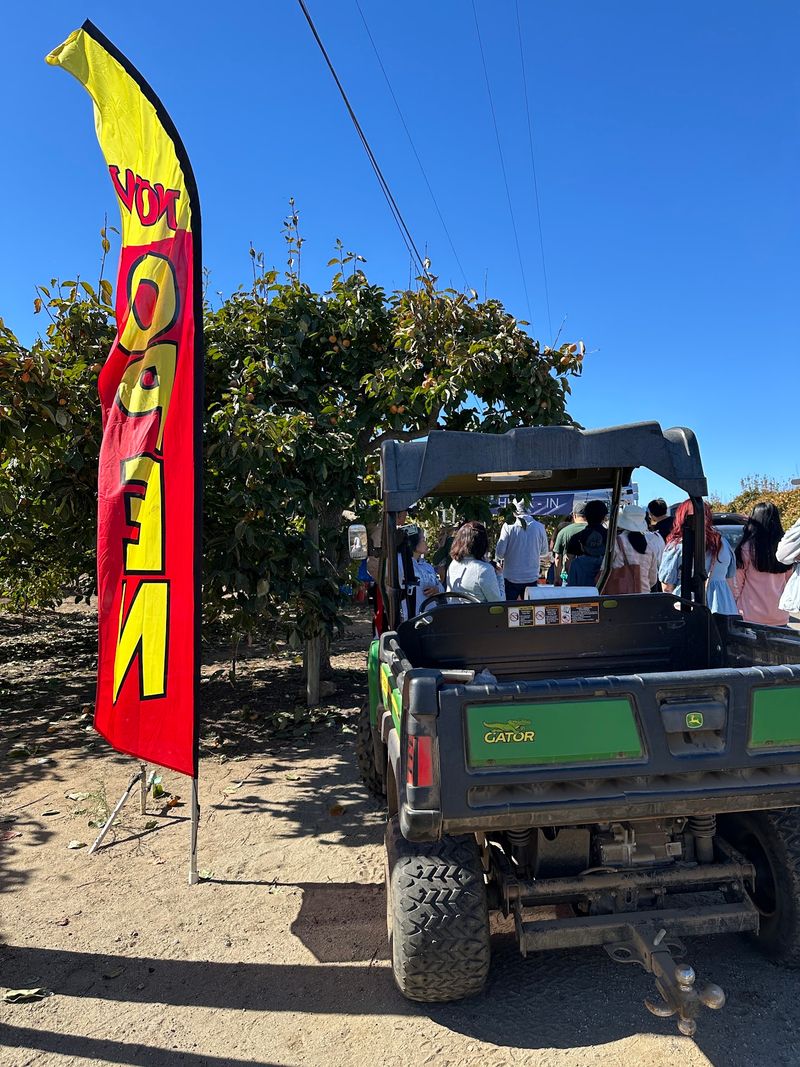
Plenty of farms sell fruit. Fewer earn the kind of loyalty this family has built with its regulars.
The staff come across as nice, welcoming, and full of fruit knowledge. People who return year after year mention familiar faces, and seeing a known helper again becomes part of the tradition.
Service goes a step past the usual. Helpers have been known to bag picked persimmons and carry them out to the car.
That small gesture matters on a farm visit. A full bucket of fruit is no featherweight.
Some fans say they love the farm mainly because of the people who run it. The owner and helpers get credit again and again for being friendly.
Questions are welcome here. Curious about which variety suits baking, or which fruit is ready right now?
The folks on site tend to have answers.
Family-run operations carry a personal touch that bigger outfits rarely match. Here, it shows up in the details, one bagged harvest at a time.
When Persimmon Season Opens
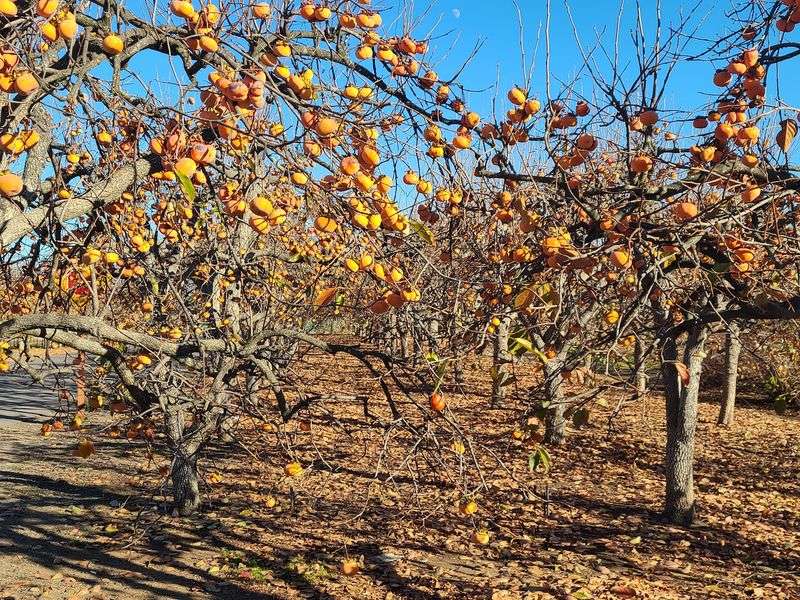
Timing is everything with this harvest. The U-pick persimmon season typically opens between late October and runs through November.
The catch is that it lasts only until the fruit runs out. Maturity of the crop and the amount of inventory decide the true end date each year.
That makes early visits a smart move. Folks who came at the beginning of November found crowds already hunting through the rows.
Later in the season, the lower branches can be bare. What remains often sits near the treetops.
One less happy trip ended with the trees picked through and no good fruit left. Arriving late in the run carries that risk.
Checking the farm website before heading out is a sensible step. Conditions shift from week to week, and one listing has been flagged as not updated.
Mid-November trips have worked out well for repeat pickers. A November 18 outing, for example, still delivered an enjoyable afternoon.
The short window is part of the appeal. Persimmon fans in San Diego County tend to circle it on the calendar early.
How the Bucket Deal Works
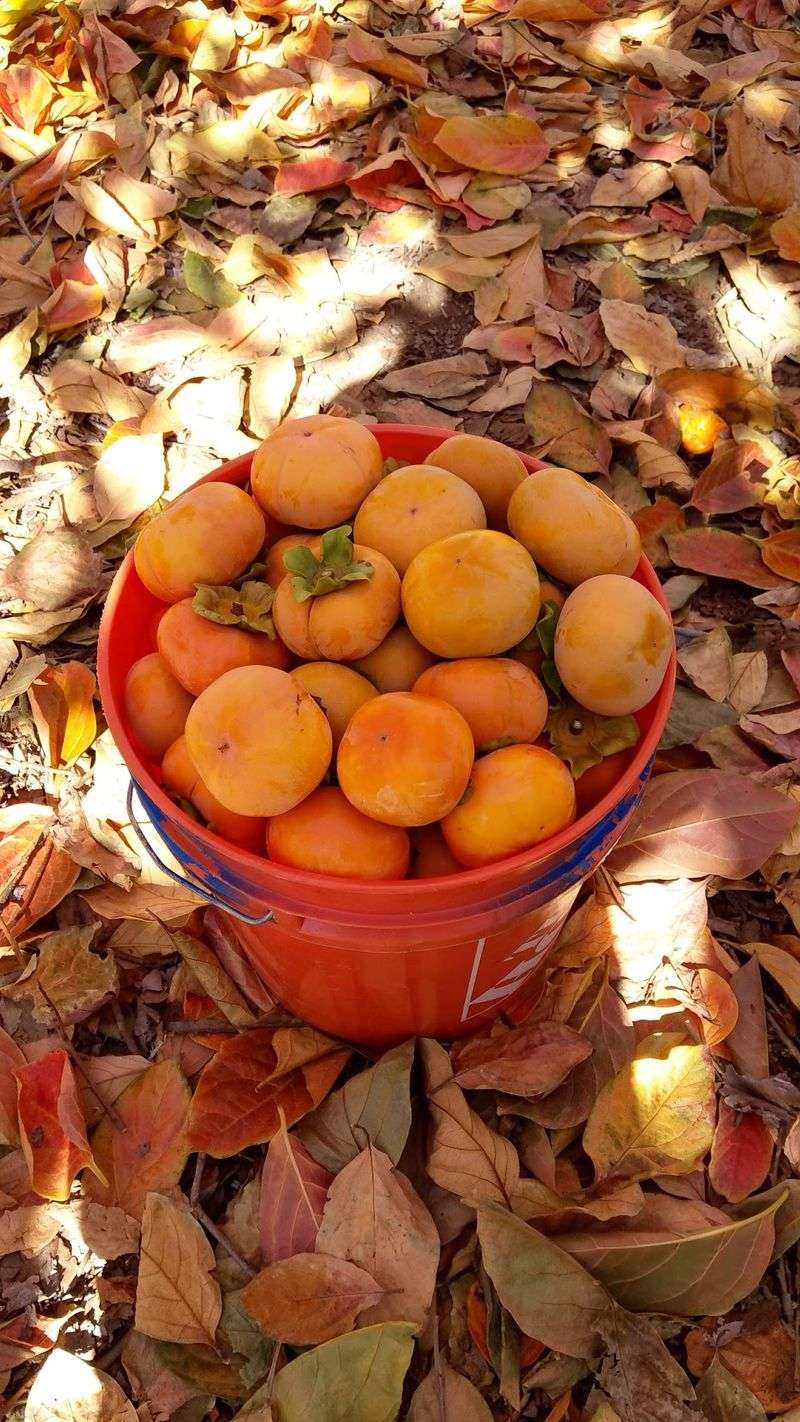
Here is the math that brings people back. A bucket of persimmons has run about $45, with $10 returned when the bucket comes back.
That puts the net cost near $35 for a full bucket. Prices may have changed since, so a quick check before the trip helps.
For some perspective, the price was $30 per bucket back in 2021. At that time, it worked out to roughly $1 per pound.
Prices have crept up, as they have everywhere in California. Even so, the farm price has been described as lower than grocery stores.
Small bags offer another option. A $5 bag of fruit has been available for those not ready for a full bucket.
Bring cash. The operation is cash only, and that detail can catch first-timers off guard.
Hitting an ATM in town before the drive saves a headache. Nobody wants to stand in an orchard with a card and no way to pay.
Value is a big part of the story here. For a family stocking up for baking season, the numbers can add up nicely.
Fuyu, Hachiya, and Their Cousins
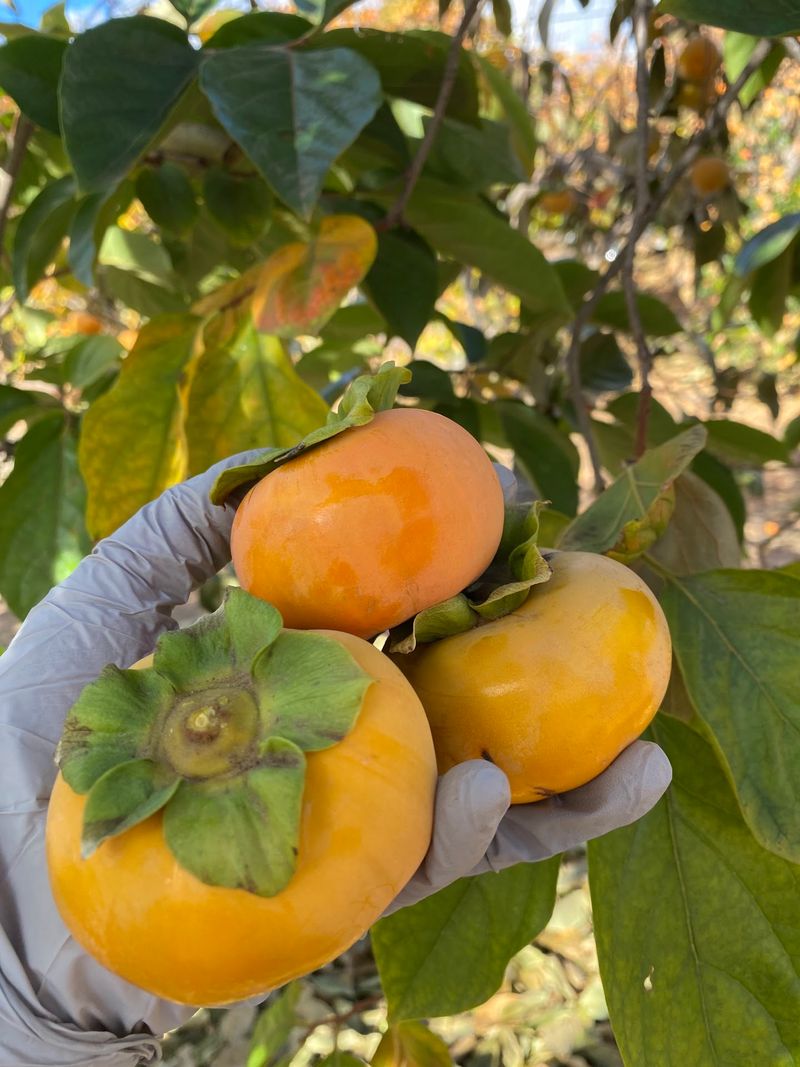
Not all persimmons are built alike. The farm grows a variety of persimmon cultivars, including Fuyu and Hachiya.
Fuyu persimmons are the squat, tomato-shaped type. Many people eat them firm, much like an apple.
Hachiya persimmons are the acorn-shaped ones. They are typically left to soften fully before eating or baking.
Bakers lean on Hachiyas for good reason. One family used theirs to bake two loaves of persimmon bread after a trip here.
Knowing the difference before picking helps. A bucket of rock-hard Hachiyas needs patience on the kitchen counter.
Staff on site can point out which trees hold which variety. Asking first saves a lot of wandering.
Fruit here is sometimes described as ugly but sweet. Cosmetic quirks are normal for farm fruit that has not been sorted for supermarket shelves.
Freshly picked fruit has also earned the label super sweet. For persimmon fans, that is the whole point of the trip.
Ladders, Shears, and Smart Packing
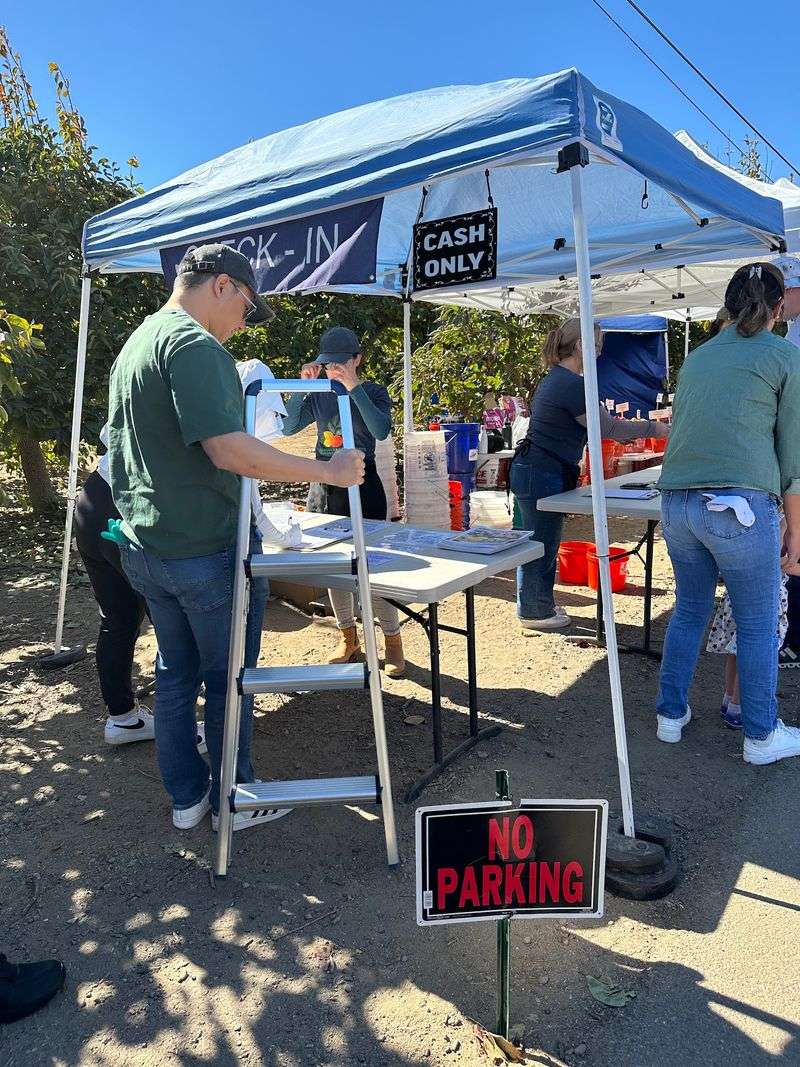
Few lessons get repeated more often at this orchard. Come prepared, or plan to buy a bag instead.
Ladders and pruning shears top the list. One family arrived without either and ended up purchasing a bag of persimmons rather than picking.
Gloves are another smart addition. Picking fruit off branches is hands-on work.
Why the fuss about ladders? Later in the season, much of the remaining fruit hangs near the tops of the trees.
Without tools, pickers risk coming home with very little. A stepstool alone can cut down the frustration of reaching fruit just out of grasp.
Shears matter for another reason too. Clipping keeps the stem attached, which matters for certain uses.
A quick packing list:
Cash, a step ladder or stool, pruning shears, gloves, and room in the car for a heavy bucket.
Most returning families say they will be back with the right gear. Learning from their experience gives a first trip a real head start.
Stems Attached for Hoshigaki Fans
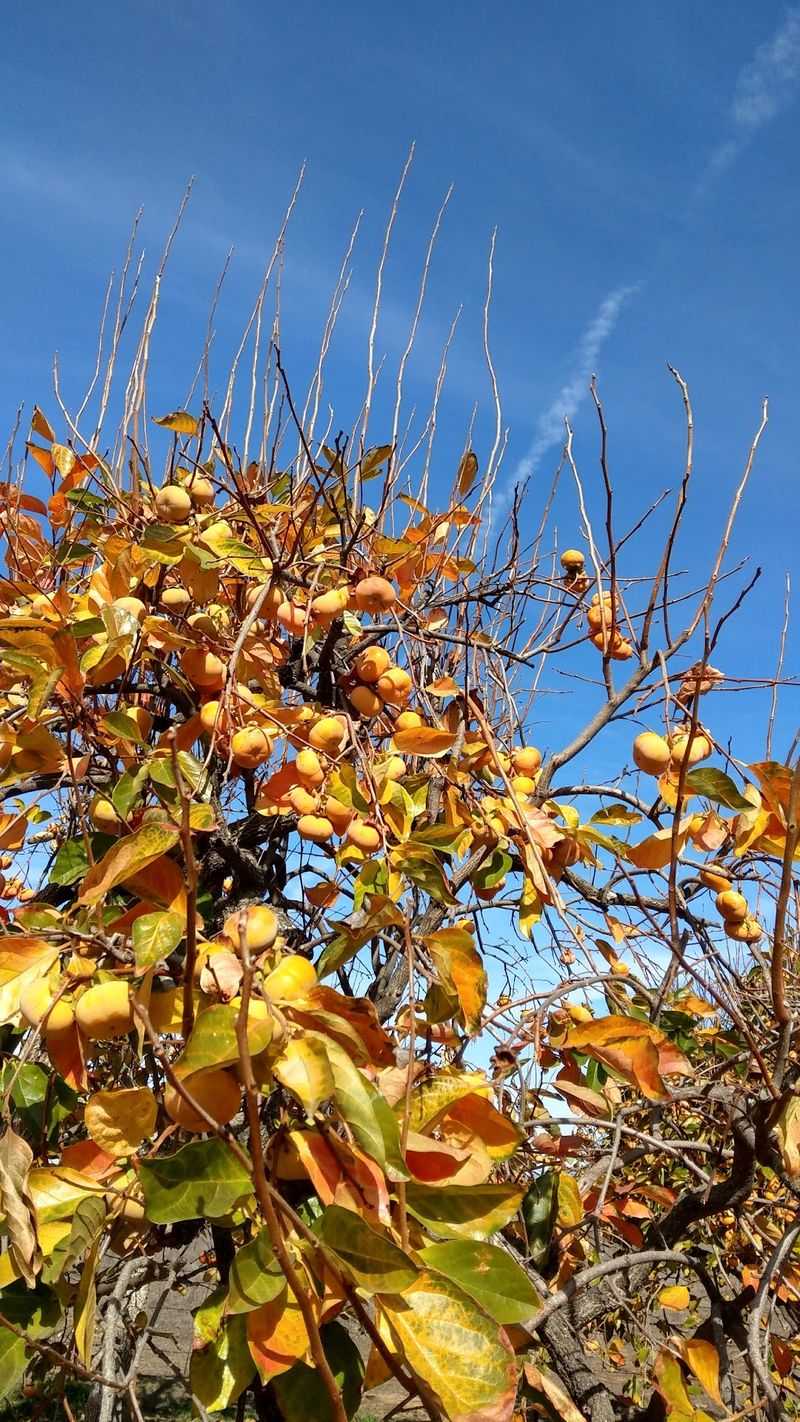
Some pickers arrive with a very specific mission. They want persimmons with stems intact.
Those stems are key for hoshigaki, a traditional Japanese method of hand-drying persimmons. The fruit is peeled and hung by the stem to dry slowly over weeks.
Grocery store persimmons rarely come with usable stems. U-pick orchards solve that problem neatly.
This farm has been called a great way to collect a bunch of stemmed persimmons. For home hoshigaki makers, that is a big selling point.
Pruning shears make the job easier. Clipping the branch just above the fruit keeps the stem ready for tying.
Hachiya persimmons are commonly used for hoshigaki. Asking the staff which trees fit the project can steer pickers in the right direction.
Not into a weeks-long kitchen project? No problem.
The farm also sells dried fruit, so the shortcut is available at the stand.
Either way, persimmon season in Ramona can feed some pretty ambitious plans back home.
Prefilled Buckets for the Ladder-Shy
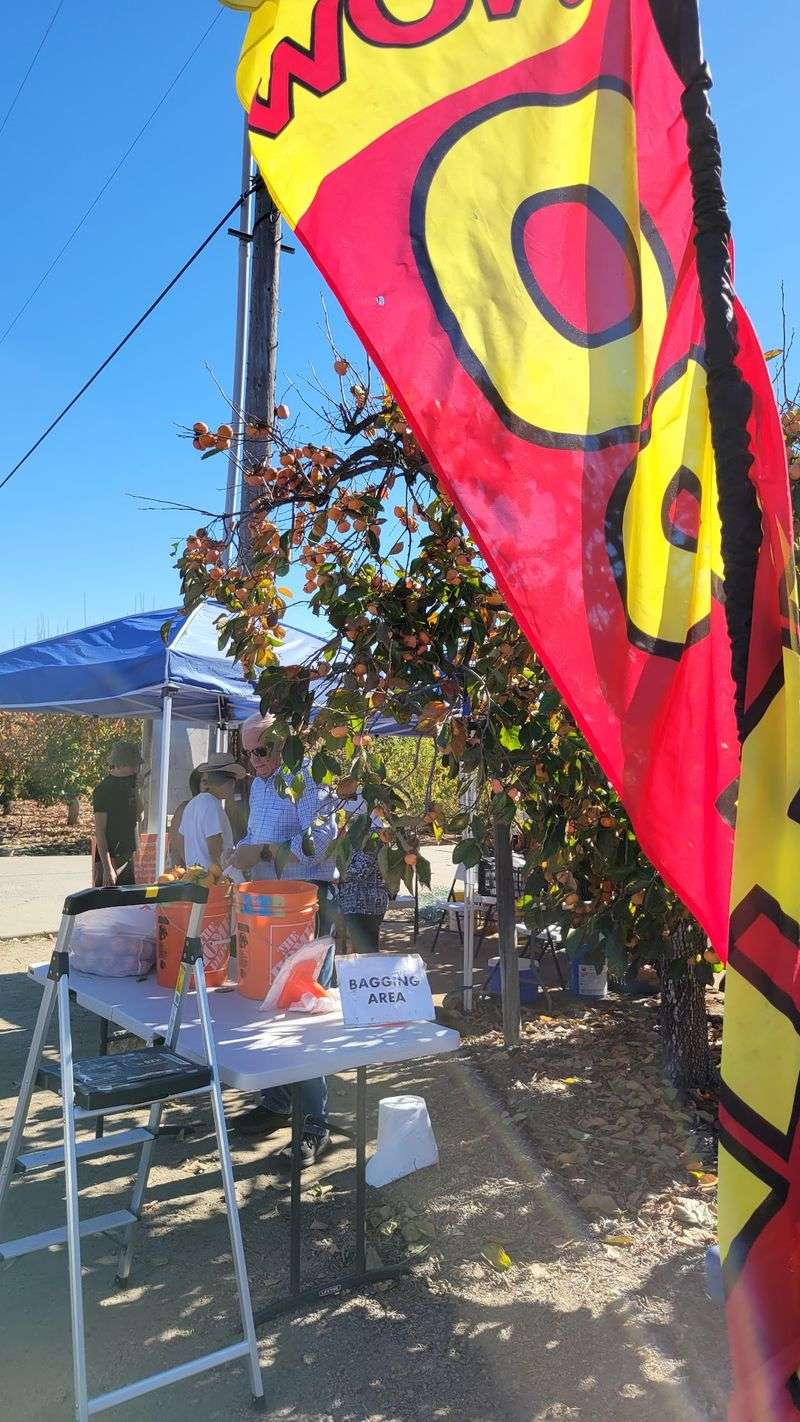
Climbing trees is not on everyone’s wish list. Good news: the farm sells prefilled buckets of persimmons.
That option suits a lot of people. Older family members, folks short on time, or anyone who forgot the ladder can still head home with fruit.
Pre-picked buckets have been a steady offering over the years. Several longtime fans mention the choice between picking solo or grabbing one ready to go.
Bags of persimmons are also sold at the stand. They work well for smaller households.
This flexibility takes pressure off the trip. A family can split the difference, with kids picking a few while adults grab a filled bucket.
It also protects against bad timing. When the lower branches are bare, the prefilled route keeps the day from becoming a bust.
Of course, the picking itself is what many people come for. Still, there is no shame in letting the farm do the heavy lifting now and then.
Beyond Persimmons at the Farm Stand
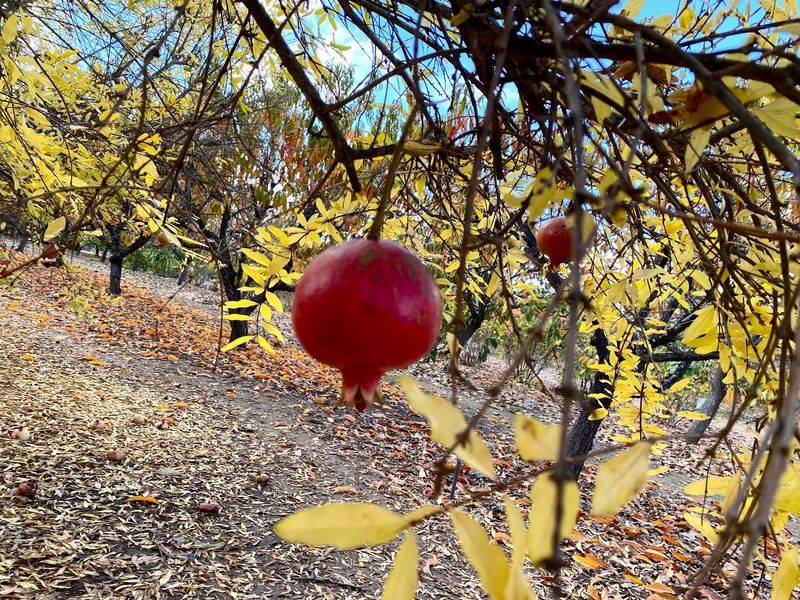
Persimmons may grab the headlines, but the stand holds plenty of other fruit. Pomegranates come up again and again in conversation about this farm.
Valencia oranges and pineapple guava have also been on offer. Both have been praised as sweet.
Shelves include fruit preserves and dried fruit as well. Those make easy gifts or pantry stock for winter.
Outside persimmon season, other crops have shown up too. Figs have drawn praise for their sweetness and reasonable price.
Grapes and melons have also earned compliments. A selection of organic fruit and vegetables has been noted at times.
What is available depends on the season. A quick look at the farm website before visiting helps set expectations.
The mix gives the trip extra value. A bucket of persimmons plus a few pomegranates can cover a lot of fall cooking.
Shoppers have noted that prices compare well with major grocery chains. For budget-minded families, that makes the stand worth a browse.
An Outing Made for Families
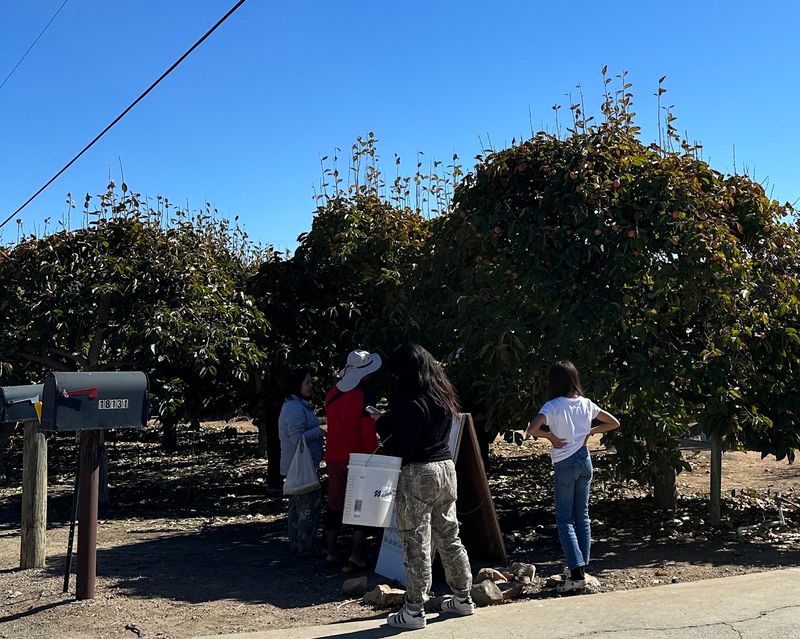
Some outings please only half the car. Persimmon picking tends to win over the whole crew.
Families describe it as a great activity with relatives and friends. Many return together year after year.
Pets have come along too. Bringing the whole family, four-legged members included, has been encouraged by past guests.
The pace is relaxed. The farm has been called a pleasant, fun, and relaxing place to spend a few hours.
Kids get a hands-on lesson in where fruit comes from. Spotting the best persimmon becomes its own small competition.
Grandparents can enjoy the day without climbing anything. Prefilled buckets and bags keep everyone included.
Crowds can build, especially early in November. Lots of people hunt persimmons at the start of the season, so some patience helps.
For many California families, fall traditions are getting pricier each year. A farm day built around fruit that goes home with you feels like a refreshing alternative.
Hours, Cash, and Courtesy
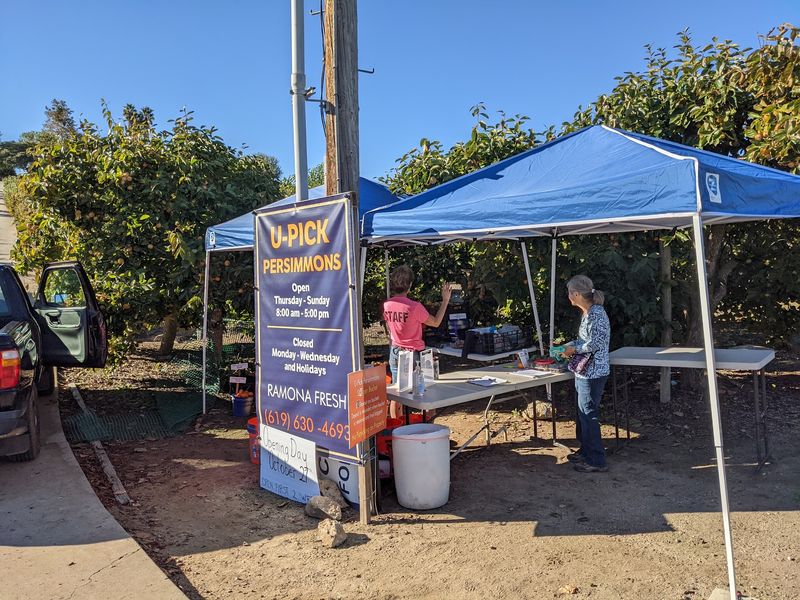
Planning a visit is fairly simple. Listed hours run from 10 AM to 5 PM, seven days a week.
Those hours reflect the farm listing. Since the U-pick season depends on the fruit, confirming before driving out is wise.
The farm website is ramonafreshfruits.com. It is the best place to look for season updates.
Cash only, once again. Bring enough for a bucket deposit, a bag or two, and extras from the stand.
Courtesy matters on a small farm. There have been reports of people loading fruit without paying, which hurts a family operation directly.
Paying for every piece keeps places like this open. Small orchards run on thin margins.
Return the bucket to get the $10 back. It is an easy way to trim the total.
Weekends can draw a crowd during peak season. Weekday visits may offer a calmer orchard, though fruit availability is the bigger factor.
A little planning goes a long way. Show up early in the season, cash in hand, and gear in the trunk.
Why the Trip Pays Off
Small, honest, and seasonal, this orchard delivers the kind of fall day that sticks in family memory.
Not every trip goes perfectly. Late-season visits can find the trees picked over, and arriving without tools can leave pickers empty-handed.
Those rough patches are avoidable. Go early, pack ladders and shears, and carry cash.
Do that, and the rewards stack up. A bucket of Fuyu or Hachiya persimmons at a fair price, sweet pomegranates, and dried fruit for the pantry.
The people behind the farm are a big part of the draw. Friendly help and real fruit knowledge turn a shopping errand into a tradition.
California has lost plenty of small family farms over the decades. Places like this one keep a piece of that older, simpler way of life going.
Persimmon season is short and unpredictable. When late October arrives, it is worth keeping an eye on Ramona, because the trees will not wait forever.


