
Affiliate disclosure: As an Amazon Associate I earn from qualifying purchases. Learn more
Art supplies can cost a small fortune, and half-used yarn, fabric and paint often end up sitting in closets for years. One small shop in Dallas found a clever fix for both problems at once.
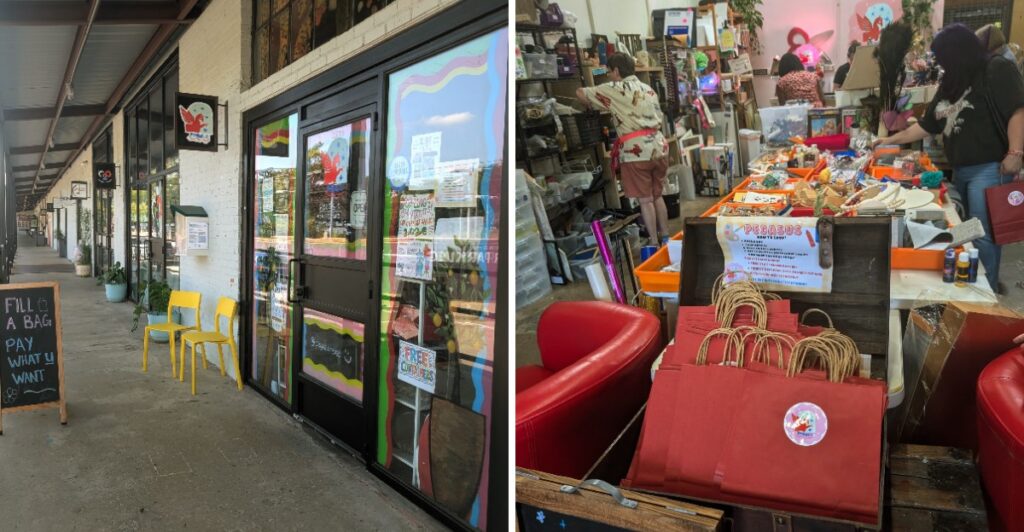
Shoppers grab a paper bag, fill it with craft treasures and then decide for themselves what to pay. The suggested amount is just $20 a bag, yet nobody is turned away for paying less.
Folks drive in from Austin and beyond to dig through the shelves, and kids and grandparents shop side by side. Keep reading to learn how the bag system works, what turns up on the shelves, how to trade in your own supplies and which days give you the most time to browse.
A Craft Thrift Store Tucked Into Oak Cliff
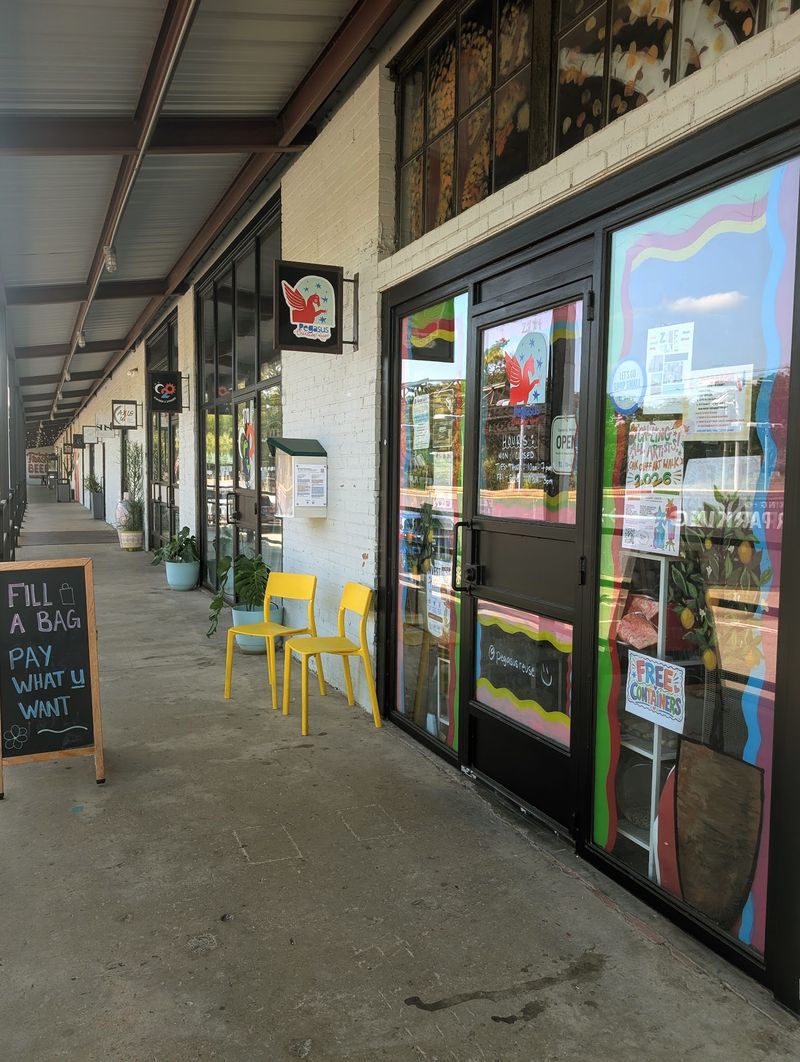
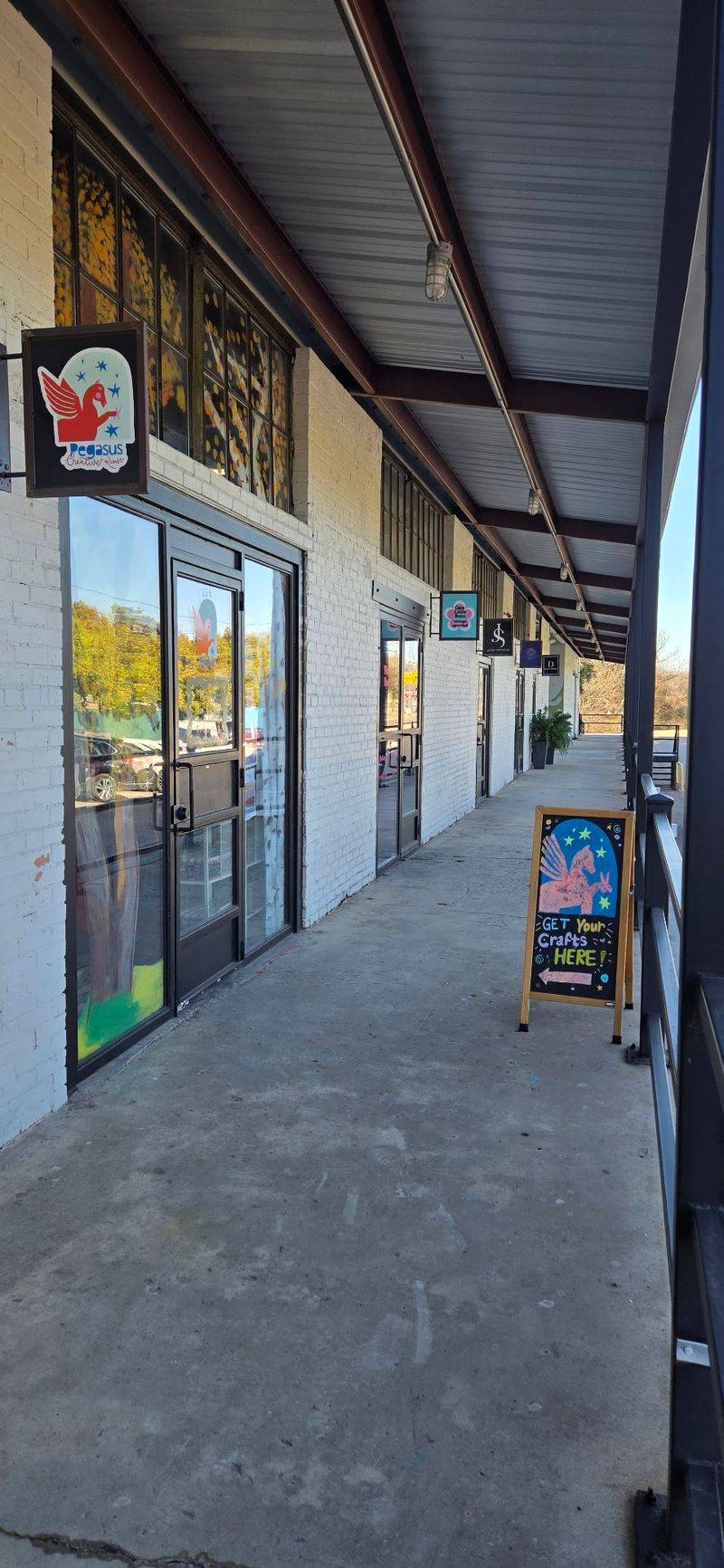
Texas has plenty of thrift stores, but very few are built just for makers. Pegasus Creative Reuse fills that niche at 1300 S Polk St Ste 274, Dallas, TX 75224, in the Oak Cliff part of the city.
The shop works as a secondhand art and craft supply store. Everything on the shelves has been donated, sorted and set out for the next person to use.
That means the items are not shrink-wrapped or brand new. They are leftovers, extras and forgotten stashes from other people’s closets, ready for a second project.
The concept is simple to grasp. You collect supplies, bring them to the counter and choose what you pay for them.
For Texans, the drive is easy from much of the region. Oak Cliff sits just south of downtown Dallas, so Fort Worth crafters can typically make the trip in under an hour.
Austin and Houston folks have a longer haul, yet some still make it. At least a few out-of-town shoppers have planned stops here while passing through the city.
The shop has earned a 4.8-star average from more than 160 Google users. For a modest storefront run on donations, that level of loyalty says a lot about what happens inside.
The Couple Behind Peggy
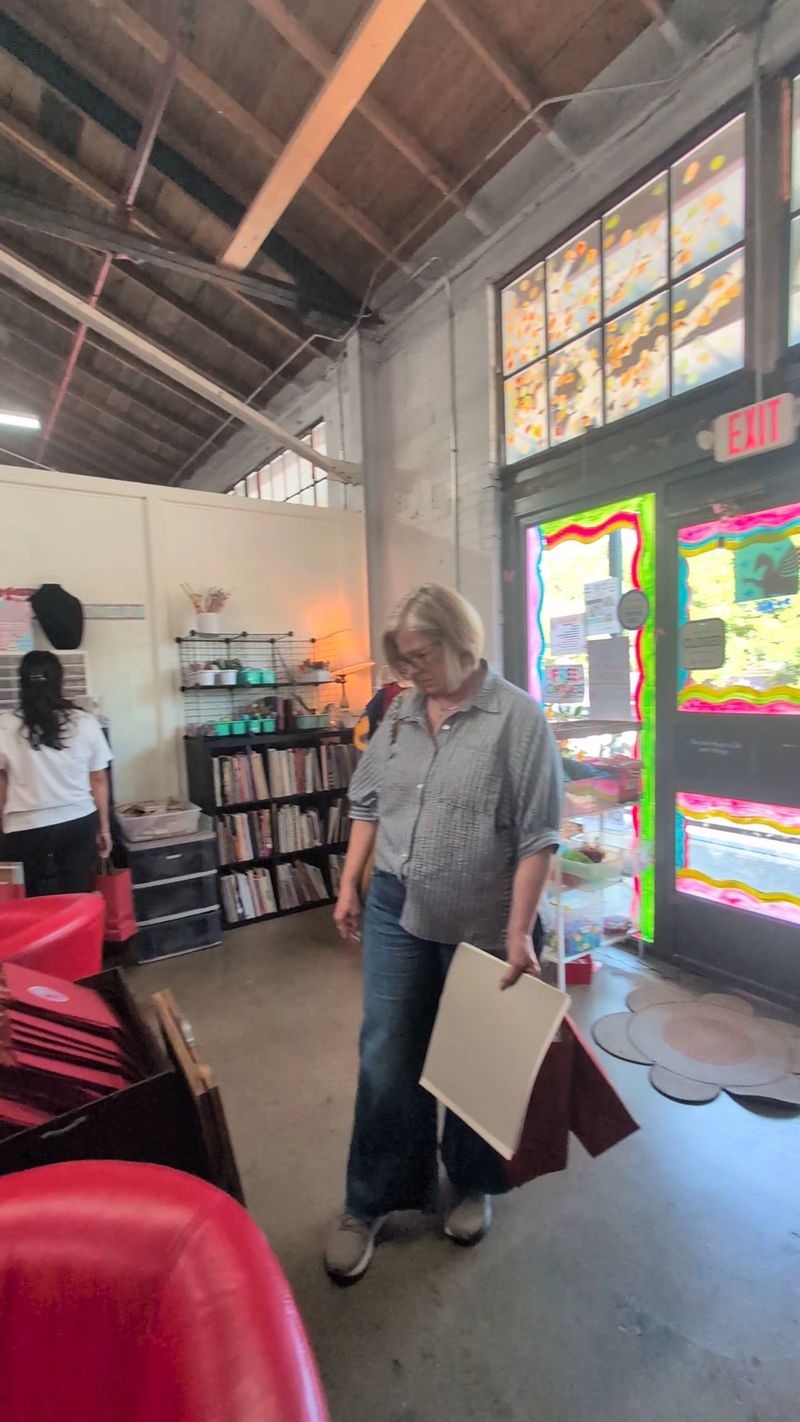
Regulars have a nickname for the place. They call it Peggy, which feels right for a shop that acts more like a neighbor than a business.
Pegasus is run by a married couple, Ernie and Dorthy. Many shoppers mention them by name and describe them as kind, welcoming and knowledgeable.
Their goal goes beyond selling supplies. The owners are known for wanting to make creativity open to everyone, no matter their budget.
The arts can feel locked behind high prices and gatekeepers. A shop where a teenager and a retired quilter can both leave with a full bag breaks down some of those walls.
The couple also stays active in Oak Cliff and the wider Dallas community. Their interest in growth and change shows up in classes, donations and day-to-day conversations at the counter.
Plenty of first-time shoppers get a quick explanation of how the store works. Some even find the owners asking about their projects and helping track down specific tools.
That personal touch is a big part of why people come back. A craft store can stock paint anywhere, but a friendly chat about your half-finished sketchbook is harder to find.
How the Pay-What-You-Want Bag Works
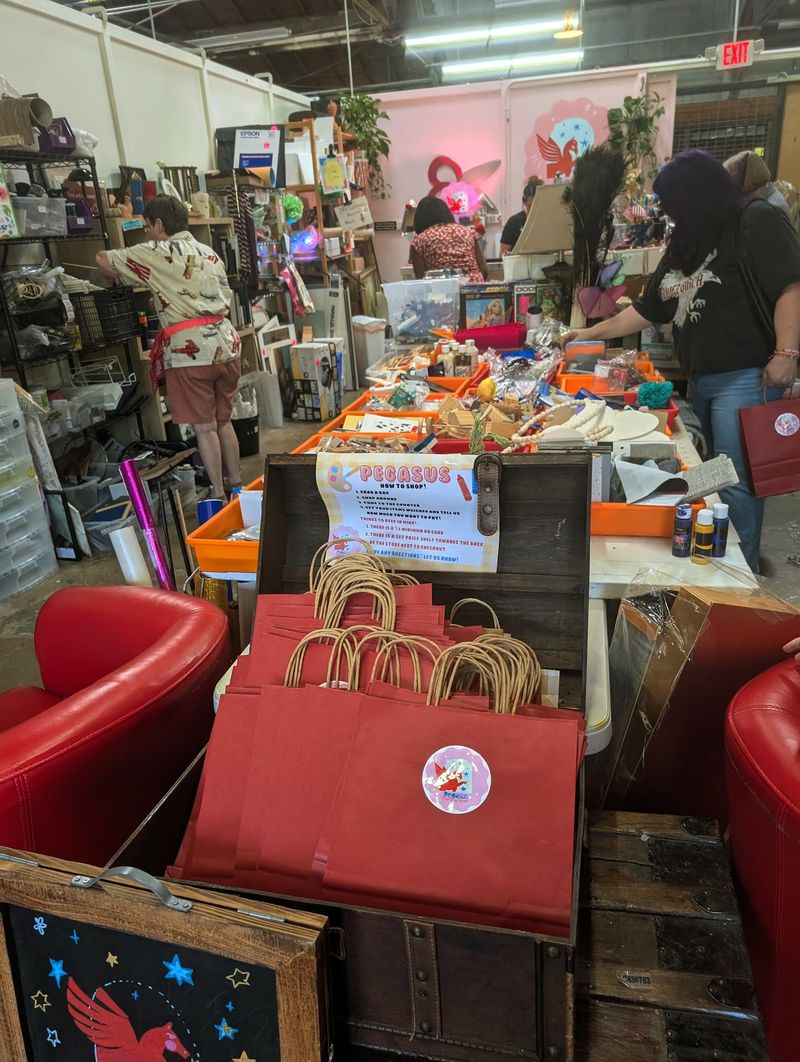
Here is the part that gets people talking. You pick a bag, fill it and set the price yourself.
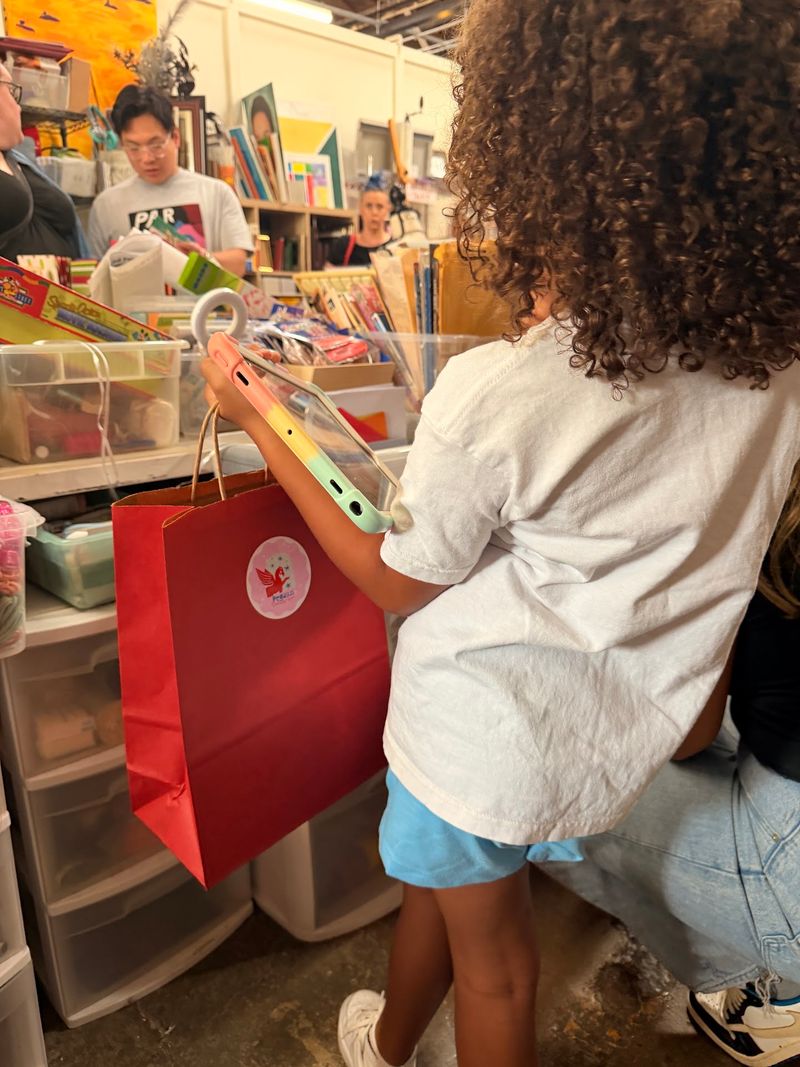
Brown paper bags usually wait on a front table. Shoppers are also welcome to bring their own reusable bag, which is a nice touch at a store focused on keeping things out of landfills.
The recommended donation is $20 per bag. It is a suggestion, not a rule, and the shop accepts what people can afford.
One shopper paid $25 for a load that included sketchbooks that typically run around $40 each. The owner was happy with the amount, and the shopper left planning to give more next time.
Another family filled a full bag and paid $30 plus tax. That is the spirit many regulars follow, paying a bit extra when they can to help keep the doors open.
The model works on trust. Those with tight budgets can still create, while those with more room in their wallets can support the cause.
It is a refreshing approach in a world of price tags. Your bag, your call, and your conscience as the cashier.
Yarn and Fabric Galore
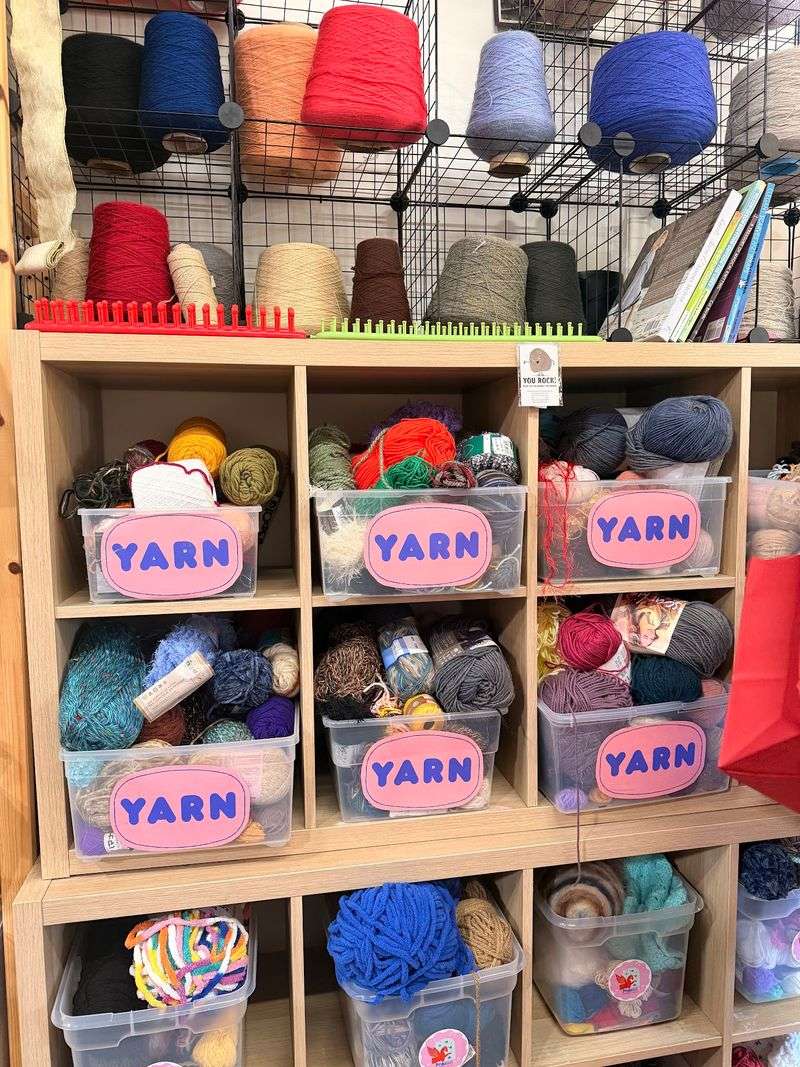
Knitters and sewers, take note. Yarn and fabric rank among the most talked-about finds at Pegasus.
The fabric selection can include surprisingly specific pieces. One shopper found the right suit jacket fabric for a project, which is not something most thrift stores carry.
Yarn shows up in a wide mix of colors and weights. Some regulars stop by every so often just to see what new skeins have arrived since their last trip.
Thread cones, needlepoint supplies and vintage needlepoint patterns also land on the shelves. Sewing patterns appear too, handy for anyone teaching kids or planning a new garment.
Because everything is donated, stock changes constantly. A shelf full of wool one week may hold cotton quilting squares the next.
That turnover is great for browsers but tricky for planners. If a perfect yarn catches your eye, it may be gone by your next visit.
Many crafters say the shop leans heavier on sewing, cloth and yarn than on drawing tools. Fiber fans may get the most out of each bag here.
Paintbrushes, Beads and Lego Bricks

A shopping list here might read like a junk drawer from a very organized artist. The variety is part of the fun.
Shelves can hold paintbrushes, paints, canvases, colored pencils and pens. Notebooks, stencils, collage materials and fabric flowers often sit nearby.
Bead lovers can find small stashes for jewelry projects. Art storage containers occasionally turn up as well, and they tend to disappear fast.
Art books, magazines and dolls round out the mix. One family even spotted Lego bricks tucked among the craft goods.
Stationery fans have reasons to look closely. Planner stickers, notebooks and even vintage New Yorker magazines have been part of past hauls.
Jewelry pieces such as bracelets sometimes appear too. They work as wearable finds or as parts for new creations.
Shoppers looking for something super specific may come up short. The best approach is to arrive open-minded and let the shelves suggest your next project.
Junk Journals and Collage Hunters
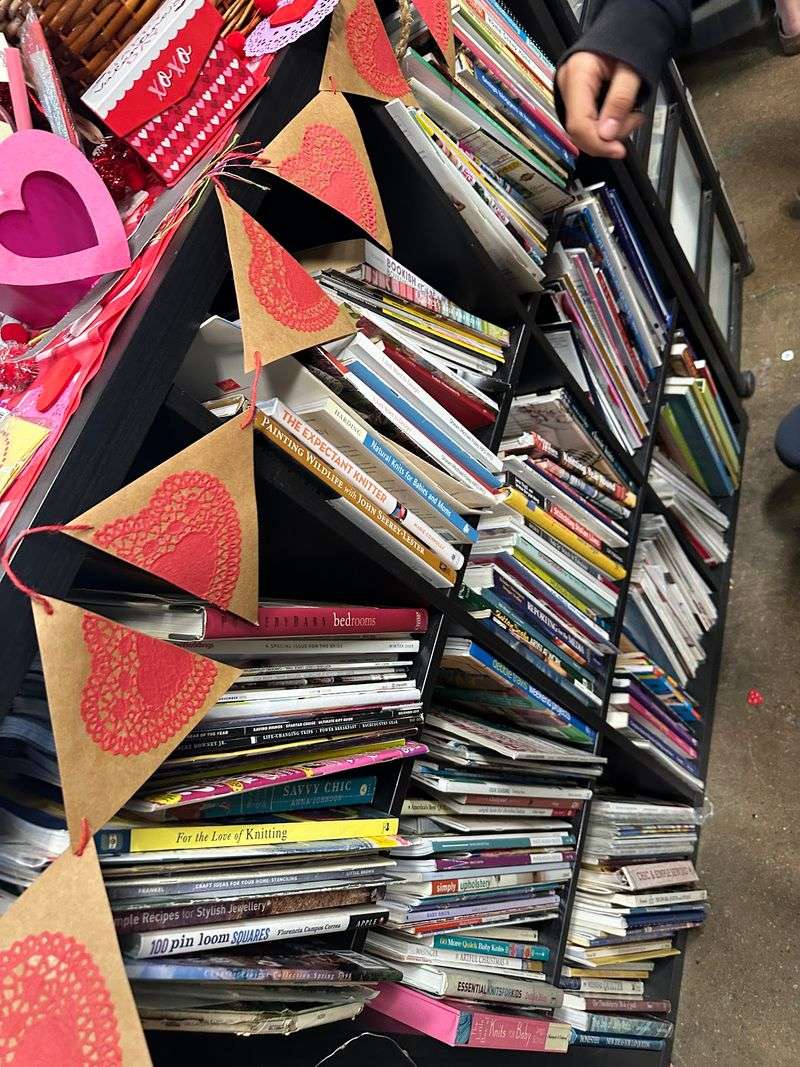
Junk journaling has become a popular hobby, and Pegasus is practically made for it. The whole idea of the craft is building something new from scraps.
One mother brought her daughter in to shop for a junk journaling session with friends. They left with a full bag of materials.
Vintage paper goods, stickers, magazines and fabric bits all work well in collage pages. Stencils and colored pens add extra options for decorating.
Since supplies come in small, mixed amounts, it is easy to gather variety without buying a whole pack of any one thing. That fits journaling, where a little of everything beats a lot of one item.
Planner fans can find sticker sheets too. Old books and magazines can provide clippings for mood boards and scrapbooks.
The shop works for kids who want to try a new hobby without a big investment. A $20 suggested bag lowers the risk of buying supplies for a project that might not stick.
Collage makers may want to bring a loose plan but stay flexible. The right piece often turns up where nobody expected it.
Donating Your Dusty Supplies
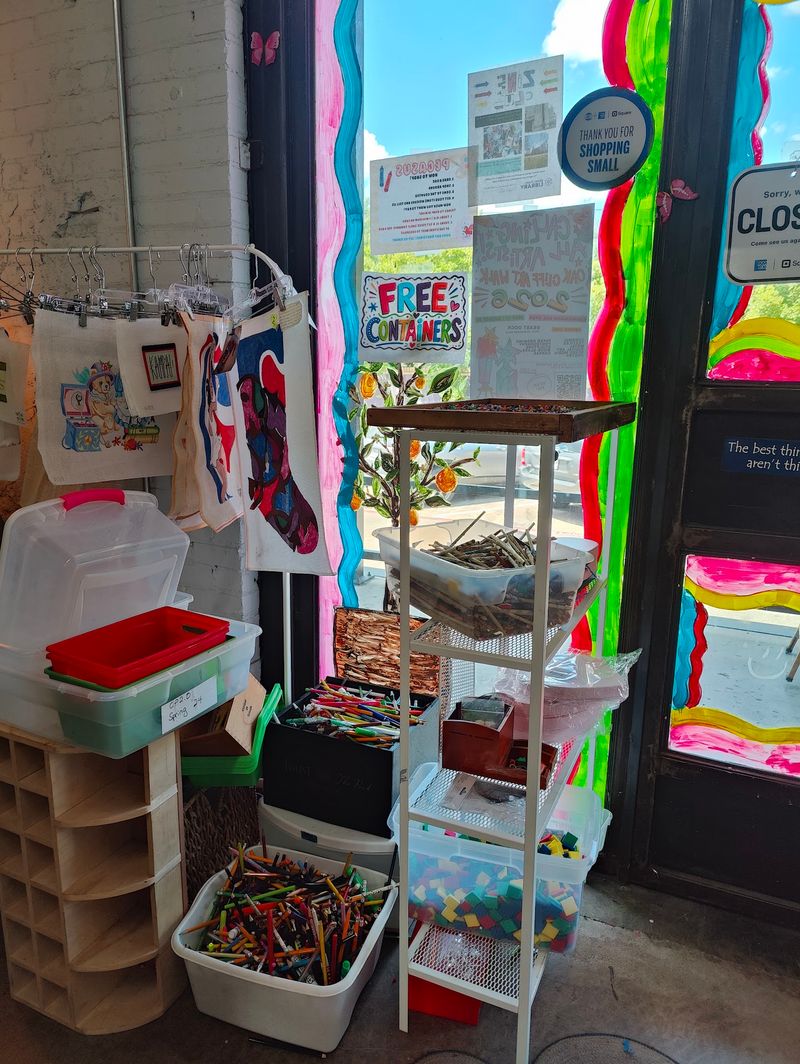
Every crafter has that bin. You know, the one holding supplies from three hobbies ago.
Pegasus accepts donations of art and craft supplies, and donations come up again and again among regulars. Cleaning out a closet becomes a way to help other makers.
Staff may even help unload. One family mentioned the team helping carry donations out of their car.
Donors can also receive store credit. The shop appears to weigh donations and offer credit by weight, though the amount is typically modest.
Most donors seem fine with that. The main reward is knowing unused yarn or paint will end up in someone’s project rather than a landfill.
Some people donate and shop on the same trip. Kids who visit often want to come back with their own items to pass along.
Before hauling a carload, it may help to check the store’s website at pegasusreuse.com for current donation guidelines. Policies on certain items can change over time.
Keeping Crafts Out of the Landfill
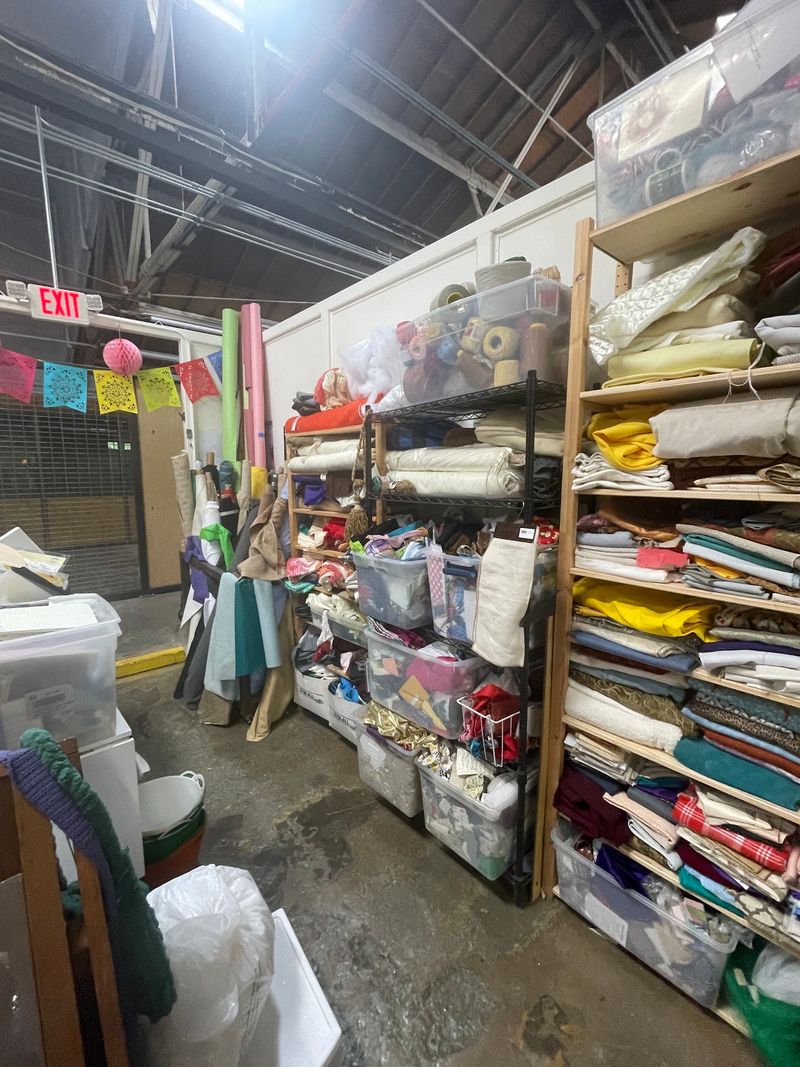
Reuse sits right in the store’s name for a reason. The whole operation helps materials find new homes.
Craft supplies are easy to buy and easy to forget. Leftover fabric, half-full paint tubes and odd beads often get tossed when people move or tidy up.
Pegasus gives those items another shot. Shoppers get affordable materials, and donors get a guilt-free way to clear space.
The model also keeps resources circulating within the creative community. Supplies move from one artist to another across Dallas and nearby towns.
That connection crosses generations as well. Vintage patterns from a grandparent’s sewing room may end up with a young maker learning to sew.
Shoppers who care about sustainability often appreciate bringing their own bags. It is a small step that fits the store’s purpose.
None of this feels preachy at the shop. It simply works, and the full shelves show how much material would otherwise go to waste.
Sewing 101 and Other Classes
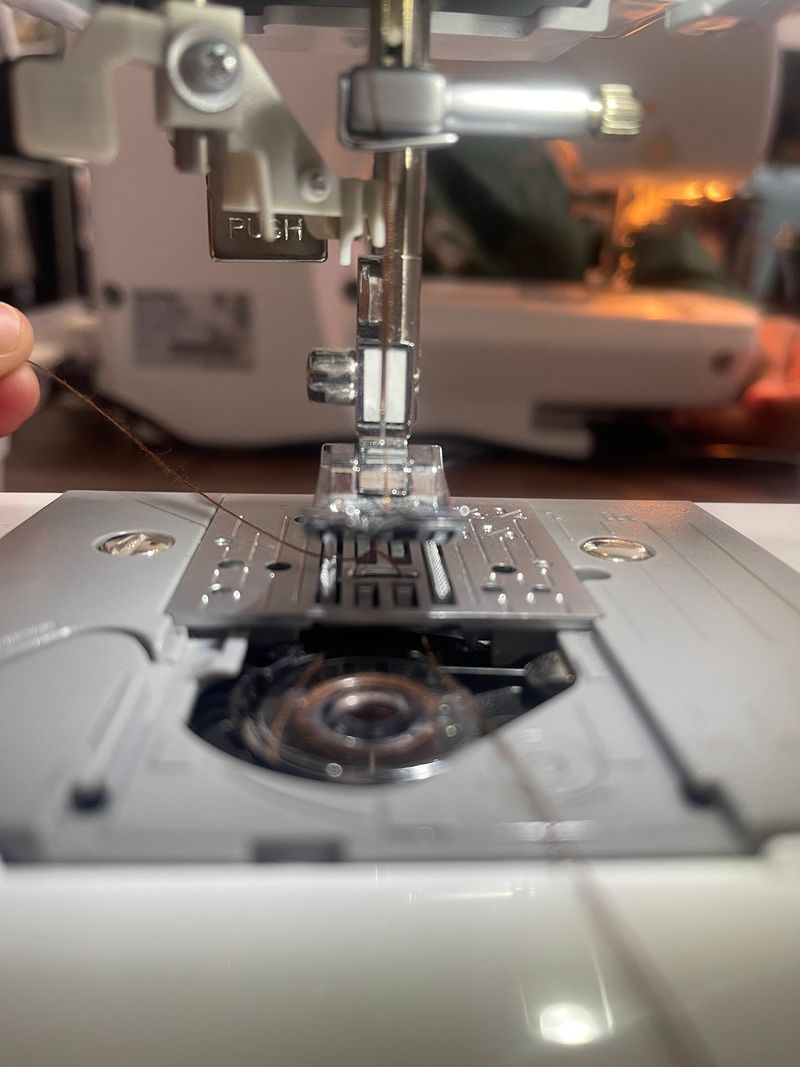
Shopping is only half the story. Pegasus also hosts classes for makers at every skill level.
A Sewing 101 class at the Polk Street location covered the basics of a sewing machine. Students learned to thread bobbins and understand how the machine works.
The lesson ended with a small project. Each person made two coasters to take home.
The instructor offered one-on-one help when needed. That kind of patience matters when someone is learning a machine for the first time.
Classes require a ticket, and attendees have called it worth the cost. Exact prices are not listed here, so checking the website is the best move.
Beginners and experienced artists alike have praised the class lineup. Workshops can be a great way to meet other creatives in Dallas.
Pairing a class with a shopping trip makes sense too. Learn a skill, then fill a bag with supplies to practice at home.
Small Space, Big Treasure Hunt
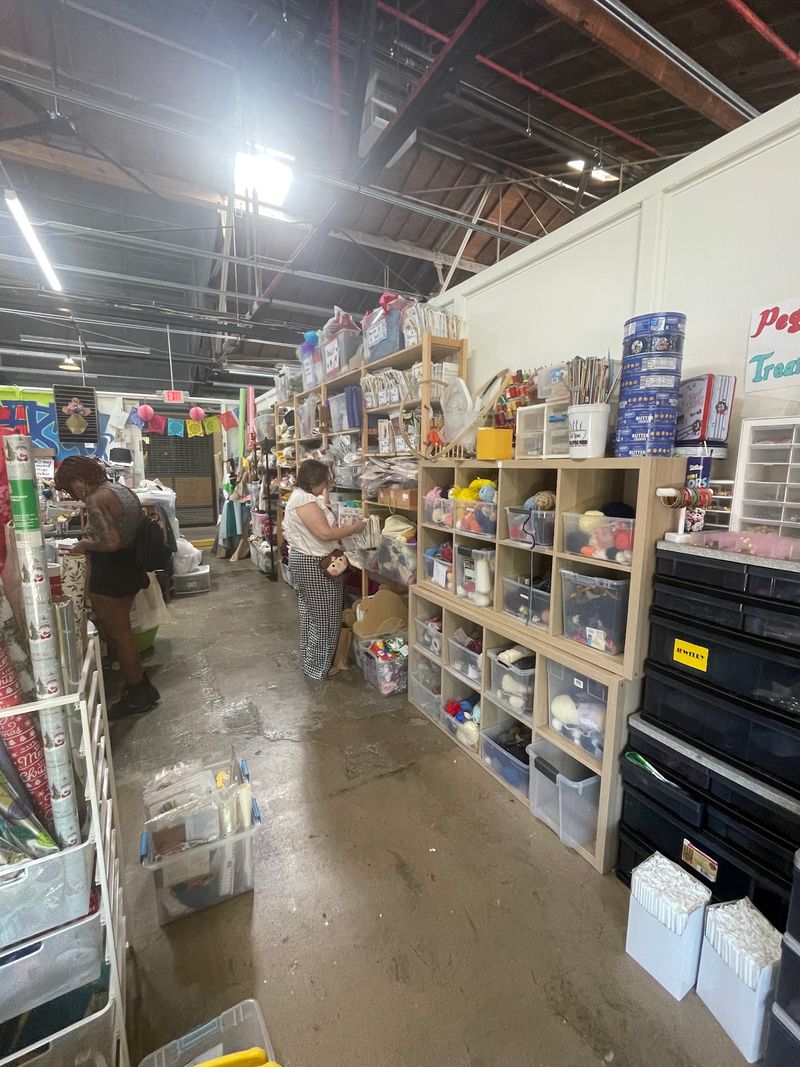
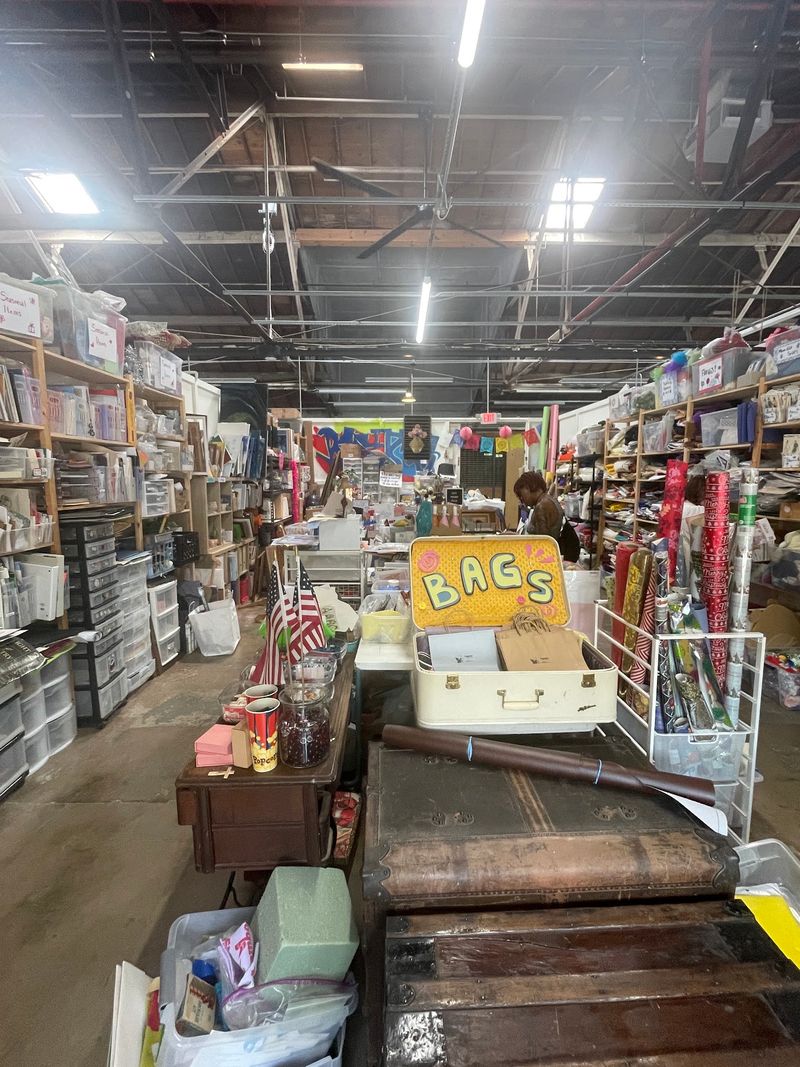
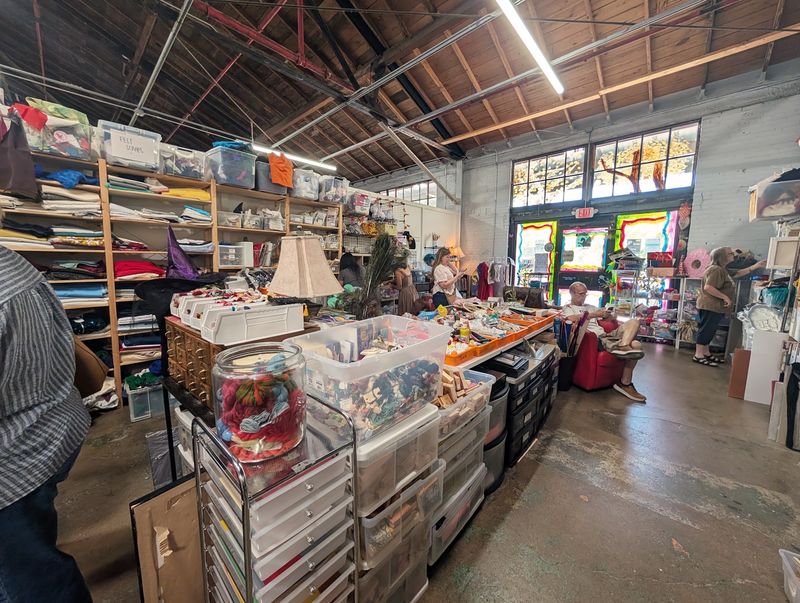
Do not expect a big-box layout. Pegasus is a small shop packed tightly with goods.
Some shoppers find the amount of stuff a bit overwhelming at first. Others love digging through shelves to see what surfaces.
The store is still organized with care. Several first-timers have described it as well laid out for its size.
Weekends can get crowded. With limited room, a busy Saturday may mean waiting your turn to browse an aisle.
Patience pays off here. The best finds often sit behind or beneath other items.
Many fans wish the shop were larger. For now, the cozy space is part of the hunt.
Plan on giving yourself time. A quick five-minute stop rarely does this place justice.
A Checkout Worth Waiting For
Here is a little mystery. One family said the checkout holds an awesome surprise.
They did not spell out what it was. Instead, they suggested others go see for themselves.
So this article will keep the secret too. Consider it a bonus reason to finish filling your bag.
Checkout is also where the pay-what-you-want moment happens. Staff typically accept whatever amount you choose, with the $20 recommendation in mind.
Many shoppers use this moment to add a little extra. Others pay what fits their budget, which is the whole point of the system.
The interaction tends to be friendly. Some regulars enjoy chatting with the owners about what they found.
It is a fitting finish to a treasure hunt. Even the register has a little surprise of its own.
Who Will Love This Shop
Artists on a budget top the list. The pay-what-you-want model makes trying new materials far less risky.
Families do well here too. Crafty kids have left thrilled, especially when the owners take time to talk with them.
Sewers, knitters and needlework fans may find the strongest selection. Fabric, yarn and patterns come up again and again.
Those mainly after sketching supplies might find fewer options. Pencils appear, but the stock often leans toward textiles.
Teachers can benefit too. Patterns and teaching materials have been used for kids’ classes and classroom projects.
Most people describe the vibe as warm and encouraging. A few have had a less welcoming experience, so moods can vary on busy days.
Anyone craving creative inspiration may enjoy just wandering. Sometimes a stray roll of ribbon sparks the next big idea.
Hours, Timing and Planning Your Trip
Timing matters at a shop with limited hours. Pegasus is closed on Mondays.
Tuesday through Thursday, the store opens at 10 AM and stays open until 7 PM. Those weekday evenings are handy for after-work browsing.
Friday, Saturday and Sunday hours run from 10 AM to 3 PM. Weekend shoppers should arrive earlier to get the most time.
Since weekends can get crowded, a weekday visit may offer more room to explore. That is useful advice for road-trippers driving in from Austin, San Antonio or Houston.
Bring a reusable bag if you have one. Paper bags are usually available, but your own bag fits the store’s reuse mission.
Stock moves quickly, so grab anything you love on the spot. Coming back later is a gamble.
Special sales sometimes happen, including around Black Friday weekend. Checking pegasusreuse.com before you go can help you catch events and classes.
Why Texas Makers Keep Coming Back
Plenty of stores sell art supplies. Few let you name your price and leave feeling good about it.
Pegasus Creative Reuse blends value, community and a bit of treasure hunting into one small Oak Cliff space. A suggested $20 bag can hold materials that would cost far more new.
The owners give the place its heart. Their support for local creatives turns a shopping trip into a real connection.
Donors help keep the cycle going. Every dusty bin of yarn brought in becomes someone else’s next project.
The shop is small and can get busy, so it may not suit those who want quiet aisles. Still, most shoppers leave inspired and planning a return trip.
For Texans who love finding something special and sharing it, this one is easy to recommend. Tell your crafty friends, and maybe bring them along.
Just remember the golden rule of the bag. Pay what you can, and a little extra if you are able.


