
Affiliate disclosure: As an Amazon Associate I earn from qualifying purchases. Learn more
South of Tucson, a quiet patch of desert hides one of the strangest field trips in Arizona. Below the gravel sits a real launch site from the Cold War, and inside it stands a deactivated missile about 150 feet tall.
Crews once worked down there around the clock, ready for an order everyone hoped would never come. Today, regular folks can take the stairs down, sit near the old launch controls, and watch a guide walk through a mock launch.
Many Arizonans drive past this spot for years without knowing it is there. This article covers what the tour includes, how long it lasts, what tickets cost, which days the doors are open, and a few smart tips that can save a wasted trip.
Keep reading, because this backyard secret is far more surprising than it looks from the road.
A Desert Address With a Secret
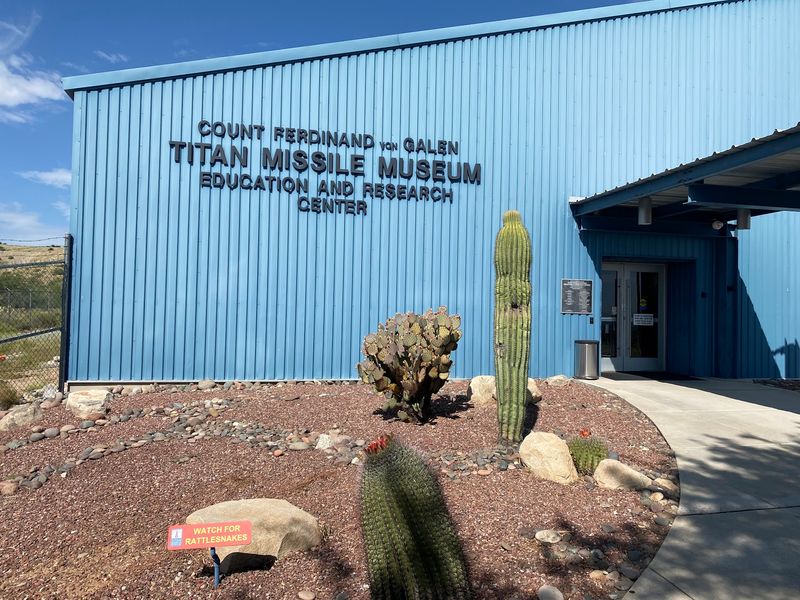
From the road, it barely looks like anything at all. A few low buildings, a parking lot, and wide open desert give away almost nothing.
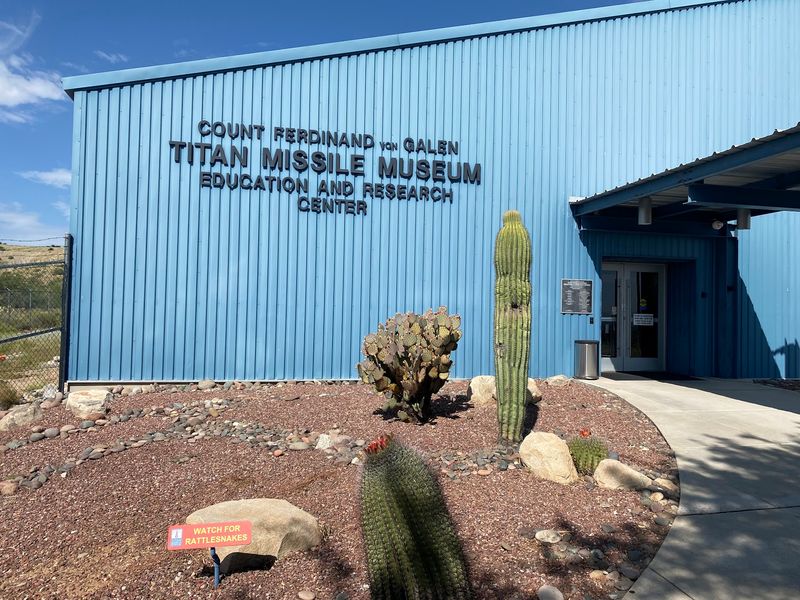
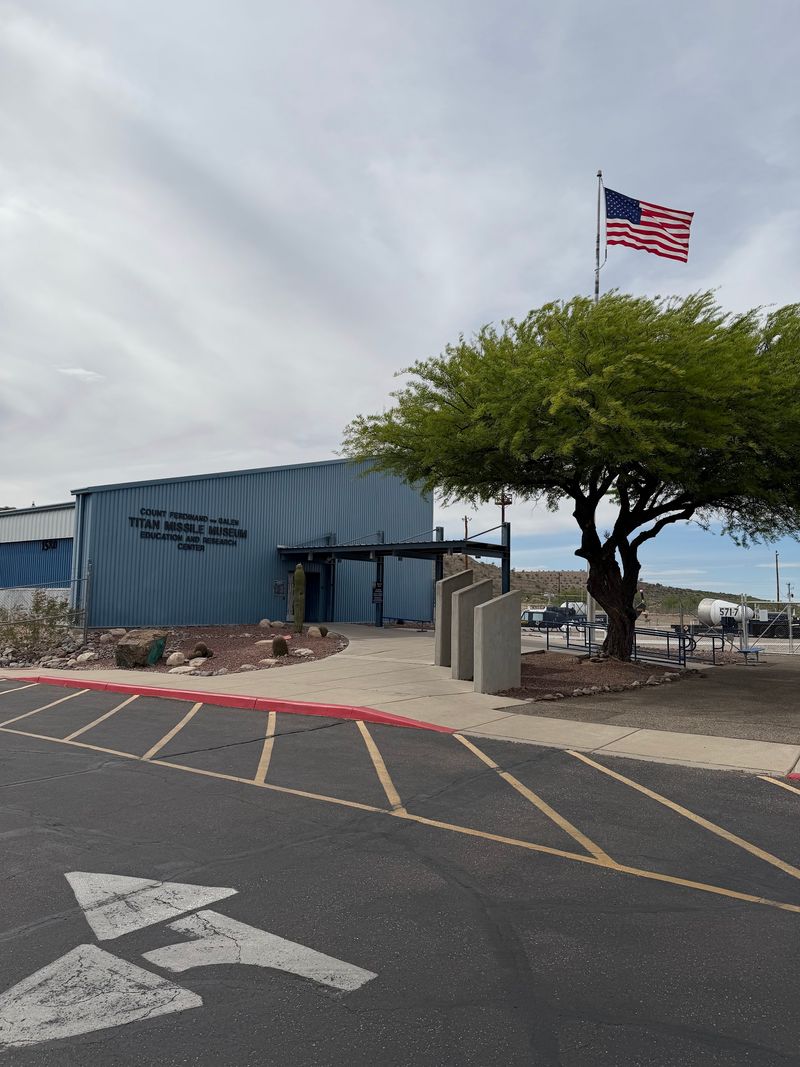
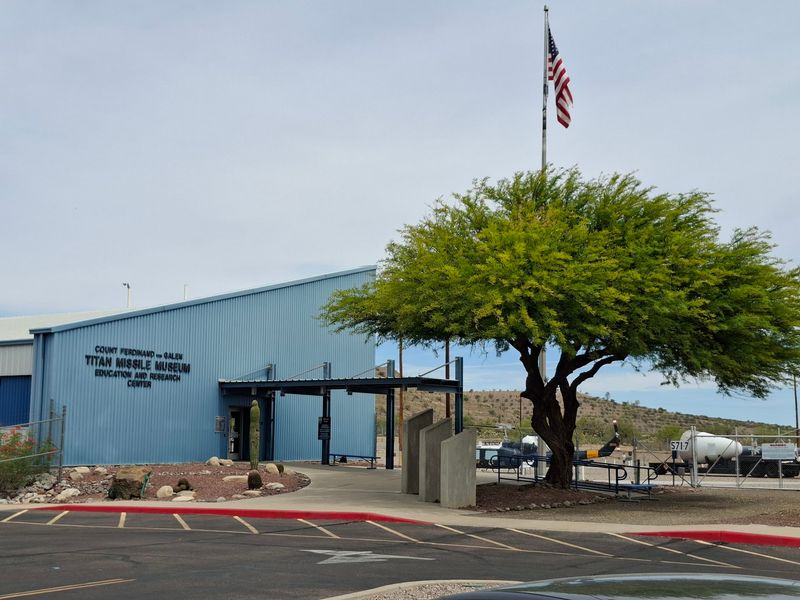
The spot is the Titan Missile Museum, found at 1580 W Duval Mine Rd, Green Valley, AZ 85614, in the United States. It sits south of Tucson, close enough for a half-day outing from the city.
The museum describes itself simply. It is a former top-secret missile silo from the Cold War era, now open to the public with guided tours and exhibits.
That plain description undersells the experience. Guests go below ground into the real launch complex rather than looking at a replica behind glass.
The place carries a 4.8-star average from more than 4,800 Google ratings, which is a huge number for a museum in a small desert town. Clearly, plenty of people have made the drive and left impressed.
For Arizona residents, the appeal is extra personal. A key piece of world history sat quietly in the Sonoran Desert, right in the state’s own backyard.
The parking area is large, so finding a space is usually not a problem. The real question is whether a tour spot will be open, and that comes up later.
One of 18 Sites Around Three Cities
Here is a fact that surprises many Tucson locals. Their city was once ringed by Titan II missile sites.
The Titan II program placed sites around Tucson, Little Rock in Arkansas, and Wichita in Kansas. Each ring held a set of silos, each staffed by a small crew of Air Force members.
The Green Valley site is the one that survived as a museum. It is often described as the only Titan missile silo left in the United States that is open this way, which makes it a rare piece of national history.
Many people who grew up in the 1970s and 1980s knew these silos were out there somewhere. Seeing the inside of one is a different matter entirely.
The museum treats the topic with care. Tours explain the idea of deterrence, the tense mood of the era, and why such weapons were built in the first place.
Some guests find the visit nostalgic. Others find it a little unsettling, and that mix is part of what makes it worth the trip.
The Rocket That Never Left Home
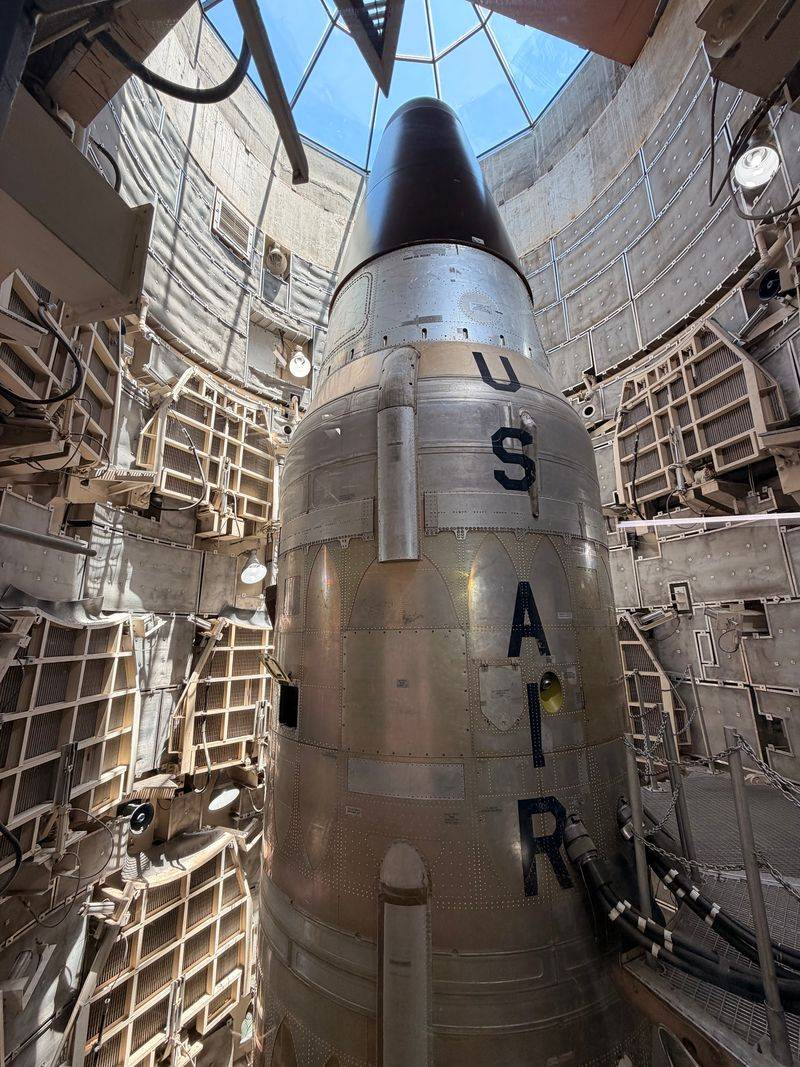
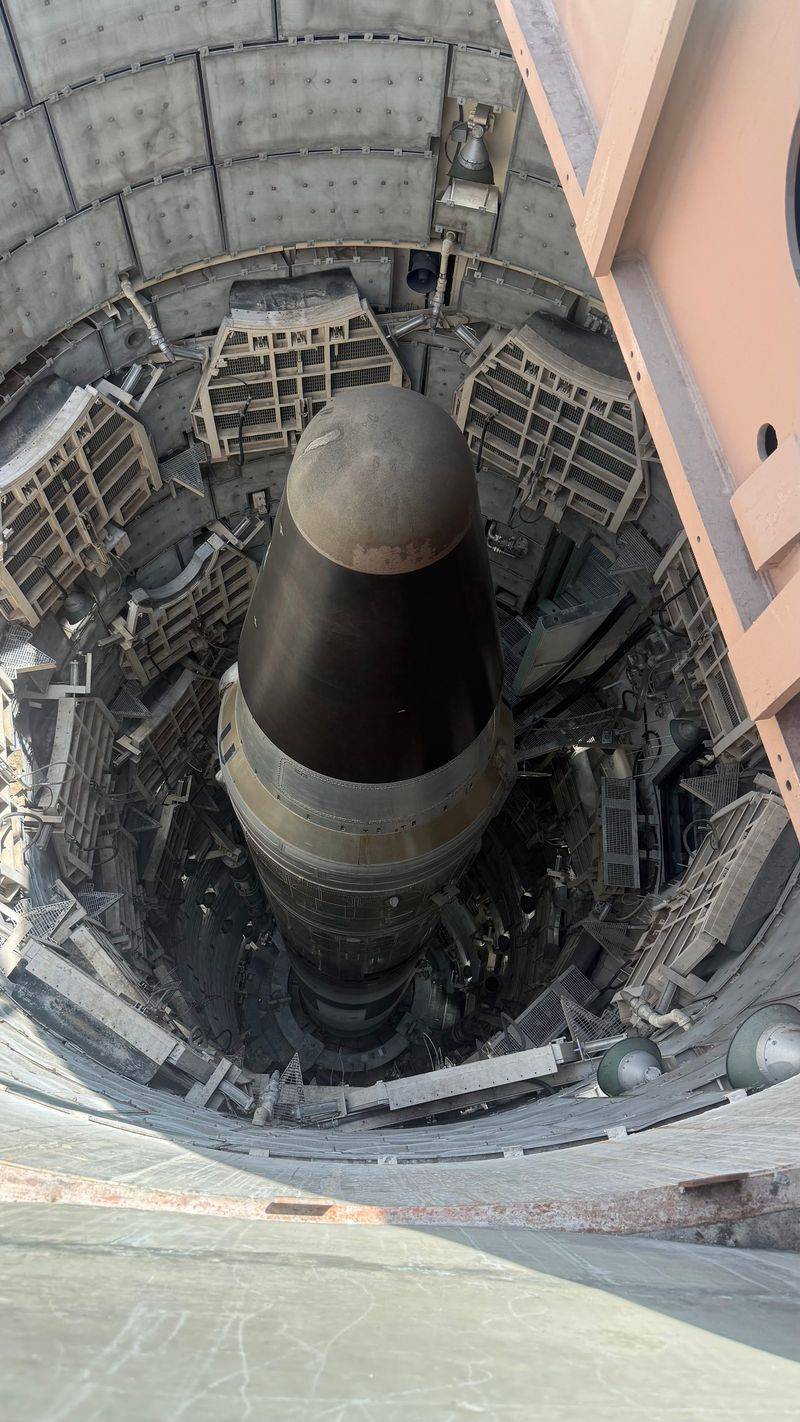
Size is the first thing that grabs people. The deactivated Titan II missile stands about 150 feet tall inside its silo.
It is a real missile, not a model built for show. It remains upright in its original position, which is exactly how the crews would have known it.
Guests get two different views. One comes from inside the complex near the command area, and the other comes from the surface, looking straight down into the silo.
Many people say photos never do it justice. Plenty of folks have read about the Titan II for years, yet seeing it in person still lands differently.
The history behind it is heavy. A single Titan II carried a massive payload, and guides help explain why the program mattered so much during the Cold War.
It never flew from this spot. That fact feels like the whole point of the place, and the tour makes sure nobody misses it.
Stairs Going Down Three or Four Stories
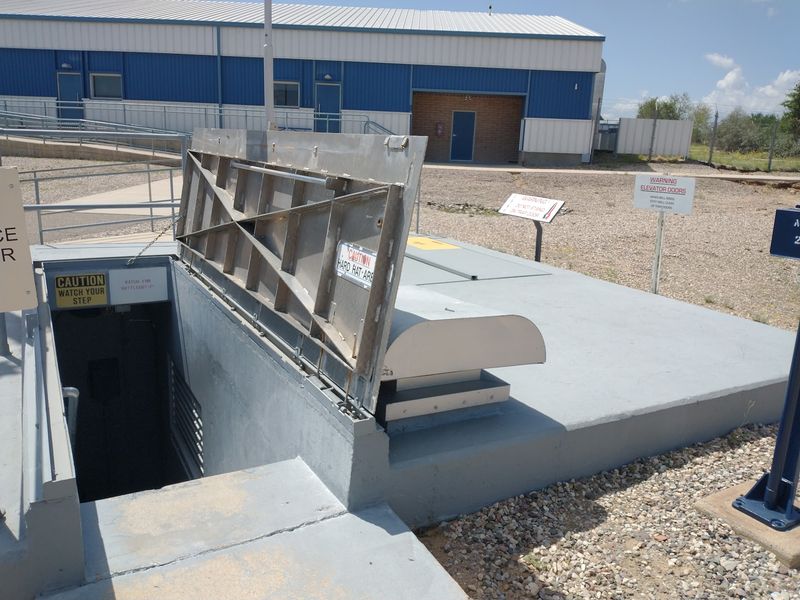
Getting down there takes a little effort. The underground tour descends roughly three to four stories below the surface.
Expect more than 50 steps. The museum gives fair warning about the climb, though many guests say it is not as hard as the warnings suggest.
Handrails line the way, and groups tend to move at a patient pace. Nobody is racing to the bottom.
Tall guests should watch for low beams in the bunker areas. It is not a danger, just a spot where a hat brim might brush the ceiling.
Before heading down, groups watch a short video of about five minutes. Safety notes follow, so everyone knows what to expect below.
Those who would rather skip the stairs still have options on the surface. More on that comes in the section about the lower-cost ticket.
For most people, the descent is part of the fun. Every step down adds to the feeling of heading somewhere few ever got to go.
Inside the Launch Control Center
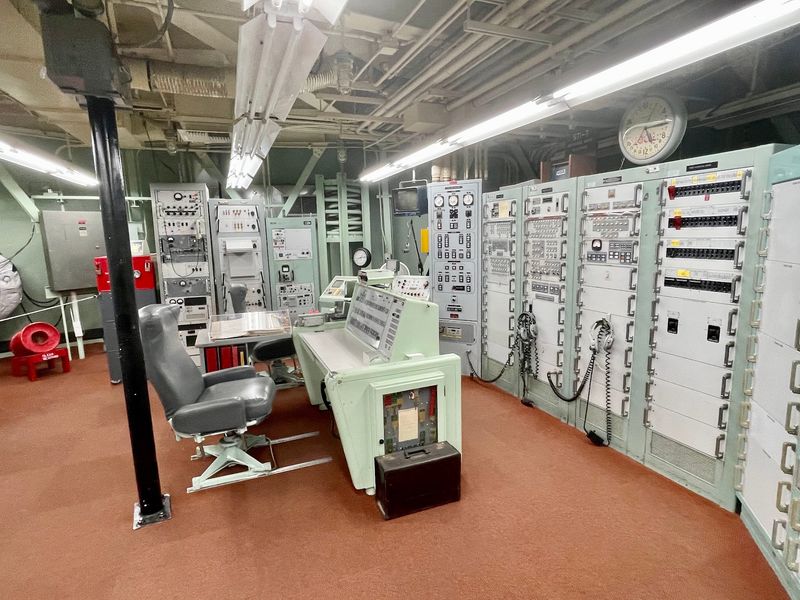
Old computers, chunky consoles, and two chairs tell much of the story here. The launch control center is the heart of the tour.
Crews sat in these seats ready to act at a moment’s notice. The room sits about 160 feet from the missile itself.
The equipment looks like it belongs in a history book. Many guests are amazed that technology this simple once ran something so serious.
Guides explain how the launch crew worked, how the systems were designed, and how the technology evolved. Students interested in engineering or aerospace tend to love this part.
Some writing on the boards inside stays as part of the preserved space. Curious guests can ask about details like that, and guides are usually happy to share stories.
A tidy fun fact sometimes comes up here. The last commander at this facility was a woman, a bit of history worth asking about.
Of all the stops, this room gets the most praise. It is where the Cold War stops being abstract and starts feeling very real.
A Mock Launch You Will Not Forget
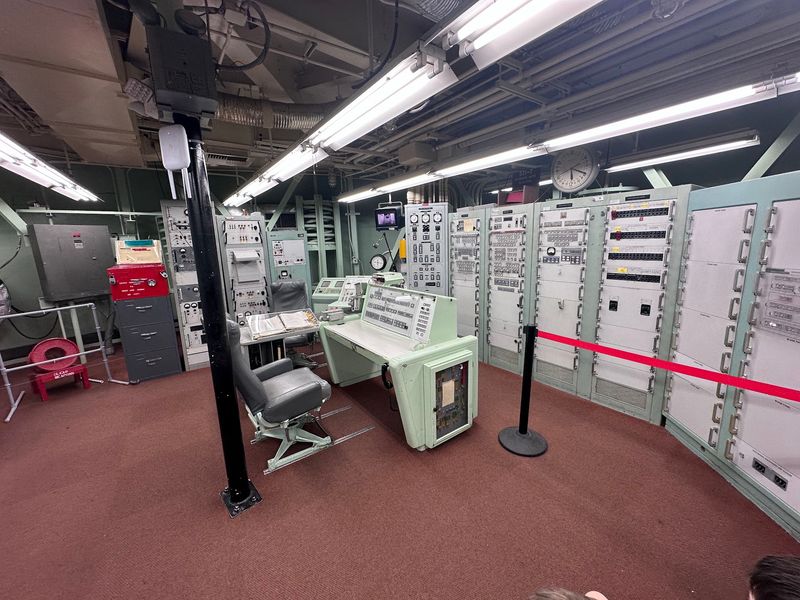
Two keys, a countdown of steps, and a room full of quiet listeners. The simulated launch is a crowd favorite.
Guides walk through the procedure the crew would have followed. It helps everyone understand how many checks and steps were built into the process.
Some tours invite guests to take on roles during the demonstration. Kids sometimes get picked to play the commander, which tends to thrill the younger crowd.
Guests also hear what a launch sequence would have sounded like in real life. That moment sticks with many people long after they leave.
The demo is not about drama for its own sake. It is a teaching tool that shows the seriousness of the job and the training behind it.
Questions are welcome afterward. Guides often use the leftover time to field everything from technical details to daily crew routines.
No real missiles were harmed in the making of this demonstration. It is easily the most talked-about part of the visit.
The Long Walk to the Silo
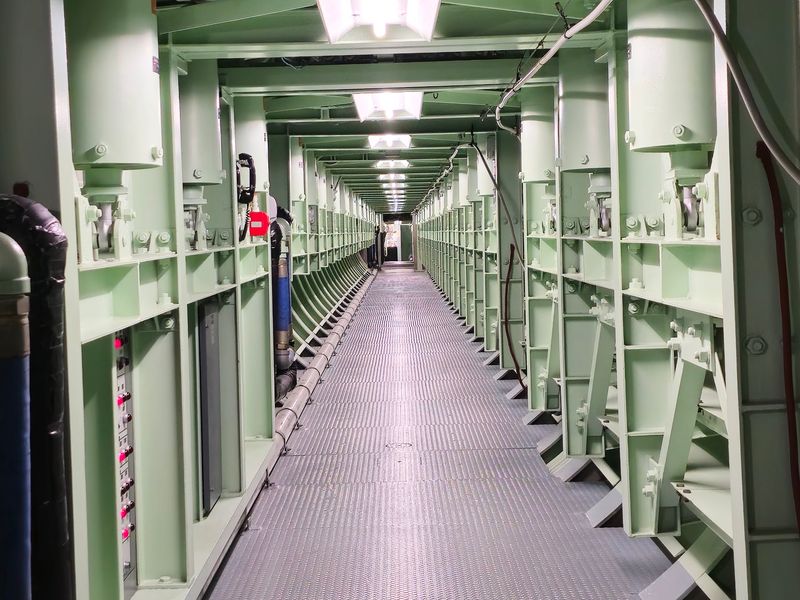
After the control room comes a walk of about 160 feet. That tunnel leads from the command area toward the missile.
It is a simple path, yet it builds anticipation. Crews would have known this route by heart.
At the end, guests see the Titan II up close inside its silo. For many, this is the moment that turns a good tour into a memorable one.
A few points set honest expectations. The tour does not include the area where crew members ate and rested during shifts, and some guests wish it did.
Some tours also stay on a single level rather than moving up and down through the full underground structure. Knowing this in advance helps the experience land well.
Even so, the view of the missile tends to win people over. Seeing it from inside the complex adds a scale that is hard to grasp any other way.
Save some phone battery for this stop. It earns the most photos of the day.
Guides Who Know Their Stuff
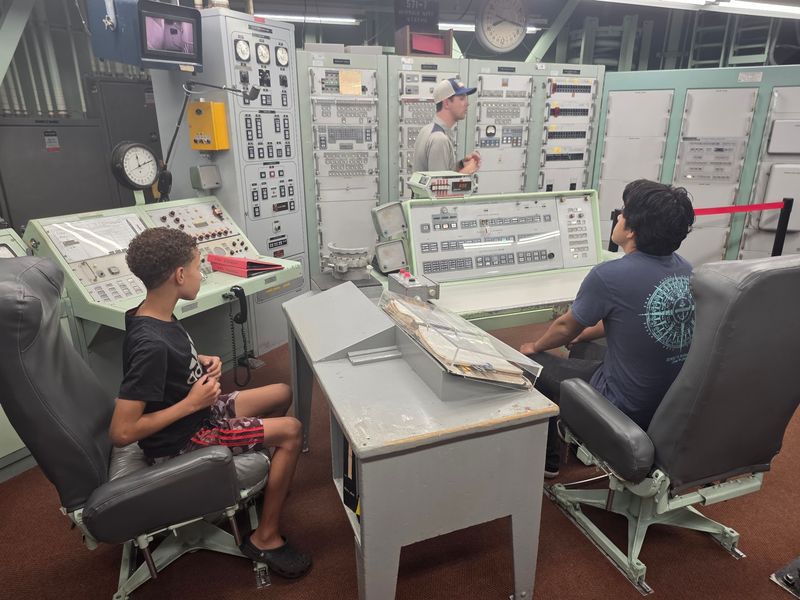
A great tour lives or dies on its guide. Here, the guides get praise again and again.
They are known for being friendly, knowledgeable, and genuinely passionate. Many add humor and keep a lively pace instead of reciting a script.
Some docents have been former missileers. They bring insider stories that no plaque could ever match.
Guides also share insight into the mindset of the people who staffed the site. That human angle makes the history feel personal.
Tough questions are fair game. Guides tend to handle them well, so curious guests should feel free to ask.
Several guides are mentioned by name in glowing terms online, which says plenty about the staff as a whole. Every group seems to leave with a favorite story.
The building holds the history, but the guides bring it to life. They are a big reason the place earns such high marks.
Topside Exhibits and a Look Down
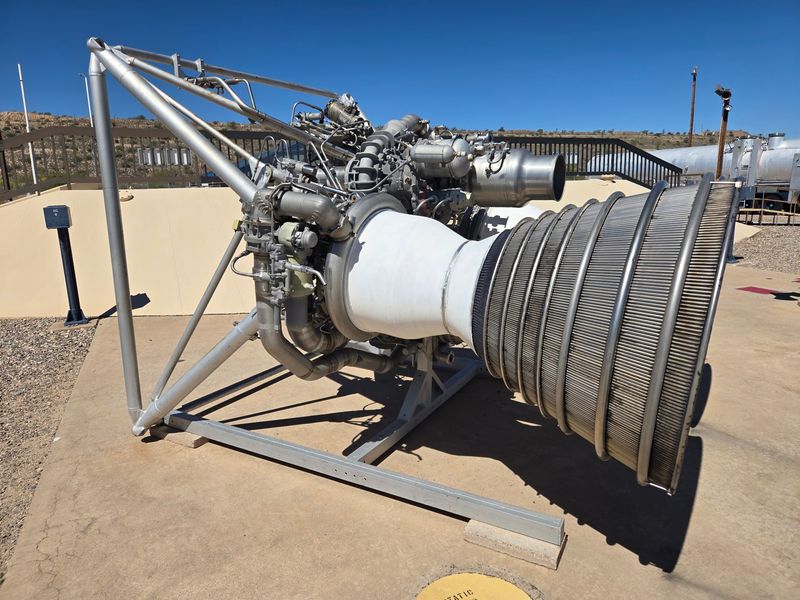
Back at the surface, the adventure keeps going. Outdoor exhibits fill out the story of how the site operated.
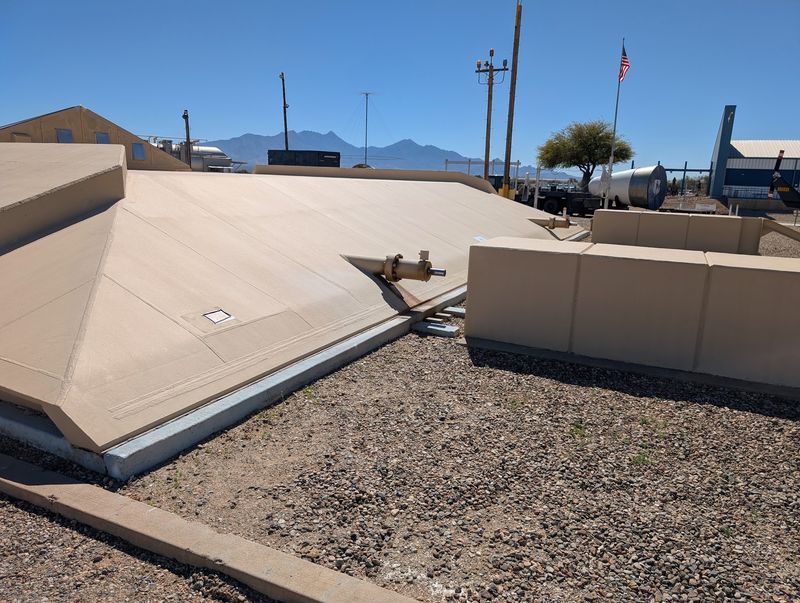
Static displays include fueling trucks. They show the support equipment that kept the complex running.
One highlight is peering down into the silo from above. Seeing the missile from the top gives a whole new sense of its height.
A helpful plan is to read the indoor material first, take the tour, then finish by walking the outdoor grounds. It keeps the story in a logical order.
The grounds are clean and well maintained. That care shows across the whole site.
An antenna on the property has also hosted special events. The Radio Society of Tucson once held a gathering there, with operators connecting to people around the globe.
Plan a little extra time after the tour. The surface exhibits are easy to rush past, and that would be a shame.
Indoor Galleries From Another Era
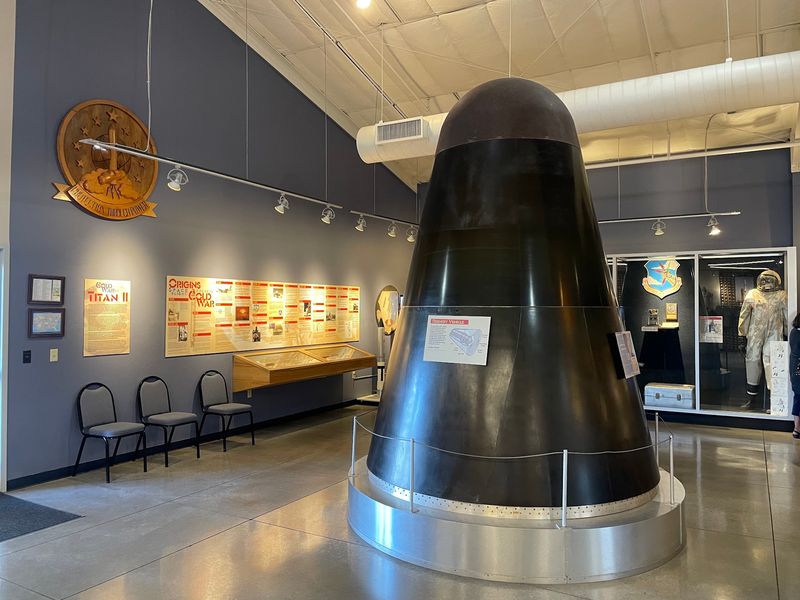
Before or after heading below, the indoor museum deserves a slow lap. It sets the stage for everything underground.
Exhibits use audio, video, and visual artifacts to tie the Titan II to the Cold War. They explain the bigger picture behind the site.
Many displays reflect the style of the era itself. That vintage feel adds to the time-travel effect.
The material shows how quickly technology changed after World War II. It connects the missile program to the same period that produced early space missions.
For students and history fans, the galleries add depth. They fill in names, dates, and context that the tour may only touch on.
A gift shop sits on-site too. It carries unique items, so browsing afterward is part of the routine for many families.
Read first, tour second, and the underground part will make even more sense.
Who Gets the Most Out of It
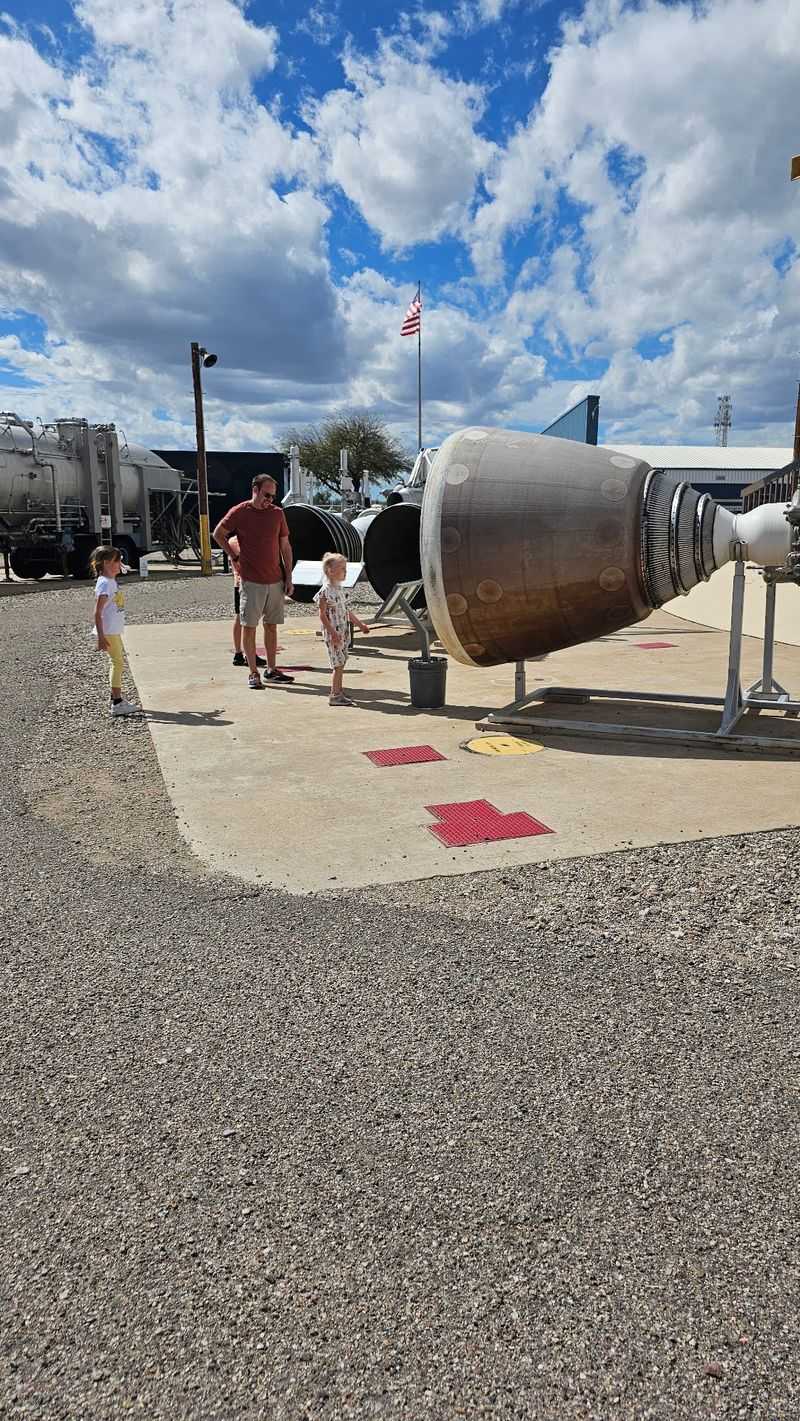
History buffs are the obvious fans. The surprise is how wide the audience really is.
Families with kids do well here, especially when a child gets picked as commander in the mock launch. Grandparents bring grandchildren, and both generations leave with something to talk about.
STEM students and curious learners find plenty to chew on. Engineering, aerospace, and systems design all come up during the tour.
People who grew up during the Cold War often find the visit moving. Some call it nostalgic, while others say it feels a bit unsettling.
Veterans and their families may appreciate the focus on the crews. Few places show what daily duty at such a unique facility looked like.
Not everyone is fully sold. A few guests feel the tour is short for the price, so expectations matter.
Still, most leave calling it a bucket-list stop. That is a strong endorsement for a place that hides underground.
Tickets, Tour Length, and Booking Smarts
Two price levels make planning simple. A basic ticket of about $7 covers the indoor museum and outdoor grounds.
The guided underground tour runs about $19. It lasts roughly 45 minutes and includes the control center and silo views.
Many guests say the extra cost for the underground tour is worth it. It is the main event, after all.
Booking online ahead of time is strongly recommended. Tour groups have limited space, and same-day slots may already be gone.
Arriving without a booking can mean a long wait. On busy days, it could mean no underground tour at all.
Prices can change over time. Checking the official website at titanmissilemuseum.org before heading out is a smart move.
A little planning goes a long way here. Lock in a tour time, then build the rest of the day around it.
Open Days and the Drive South
Mark the calendar carefully, because two weekdays are off the table. The museum closes on Tuesdays and Wednesdays.
It opens Thursday through Monday from 9:45 am to 5 pm. That gives five days a week to plan a visit.
Thursday and Saturday make easy targets for a weekend-ish outing. Mornings can be a good pick for securing a tour time early.
The museum sits in Green Valley, south of Tucson. Some people describe the trip as a drive down toward Sahuarita, since the two communities sit close together.
It works well as a stop on a longer road trip too. Some families break up drives between states with a visit here.
Parking is roomy and easy. That makes arrival simple, even for bigger vehicles.
Budget a few hours total. Between the video, the tour, the grounds, and the galleries, the time goes by quickly.
Why the Silo Deserves a Spot on the List
Plenty of museums show history from behind glass. This one lets people go down into it.
The Titan Missile Museum offers something rare. It is a real Cold War launch site with a real missile, preserved in the Arizona desert.
The guides bring heart and humor. The mock launch adds drama, and the silo view adds scale that photos cannot match.
There are trade-offs worth knowing. The tour is short, some areas are off-limits, and booking ahead is close to essential.
Those small notes rarely spoil the day. Most people leave saying the drive was worth it.
For Arizonans, the bigger takeaway might be pride. A one-of-a-kind piece of world history sits just south of Tucson, waiting for anyone willing to take the stairs.
Book a tour, pick a Thursday or Saturday, and go see what the desert kept quiet for so long. Some secrets are worth climbing down for.


