
Affiliate disclosure: As an Amazon Associate I earn from qualifying purchases. Learn more
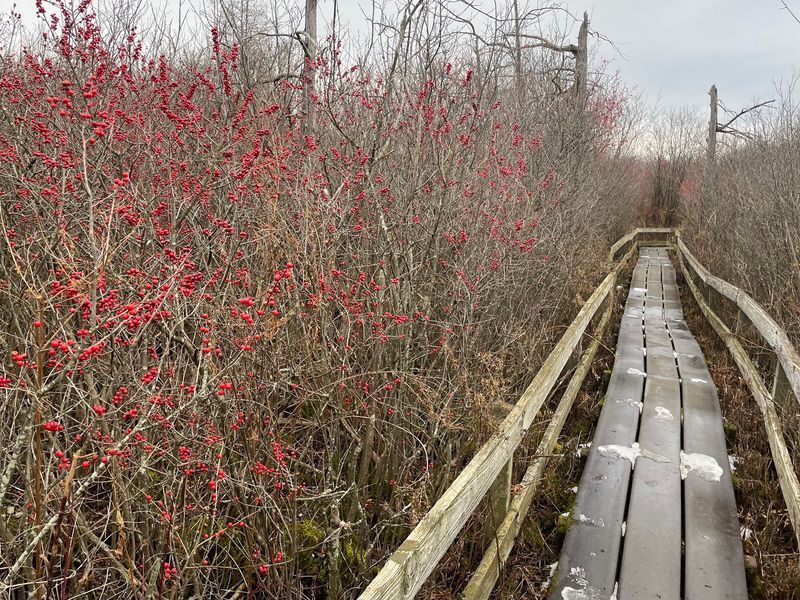
There is a spot in northern Illinois where the path under your feet actually floats. It leads straight into a bog that started with a melting glacier and now shelters plants that trap insects for a meal.
Most families drive right past it on their way to somewhere else, never guessing what sits a short turn off the highway near Ingleside. Keep reading to find out where it is, how to walk across it, and why kids tend to beg for a second trip before the first one ends.
A Wild Secret Off Highway 12
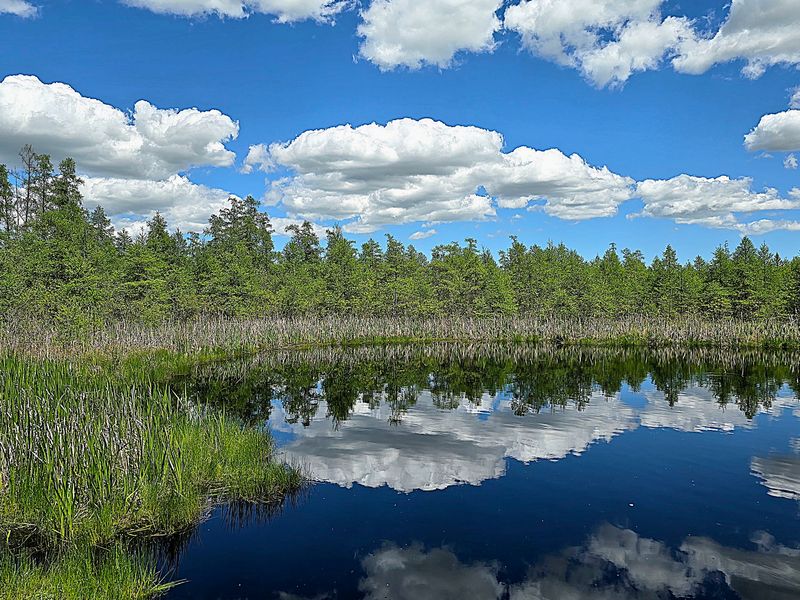
Plenty of Lake County drivers have zipped along Highway 12 without realizing a glacial bog sits just minutes away. The spot is Volo Bog State Natural Area, found at 28478 W Brandenburg Rd, Ingleside, IL 60041, in the United States.
It is listed as a nature reserve, run by the Illinois Department of Natural Resources. The official description sums it up neatly as a scenic, serene preserve with a natural bog and trails for walking and cross-country skiing.
What makes it unusual is the bog itself. Few places in the state let families walk right into the heart of one, and fewer still do it on a boardwalk that rests on the water.
The location is part of the charm. It feels tucked away and peaceful, yet it is conveniently close to a major road, so getting there does not require a long backcountry drive.
Families who live nearby often treat it as a go-to outing they return to across the seasons. Some locals first came here around age five and still find the place looking much the same more than a decade later.
That kind of staying power is rare. So how did a bog end up here in the first place?
The answer goes back to the Ice Age.
Born From a Melting Glacier
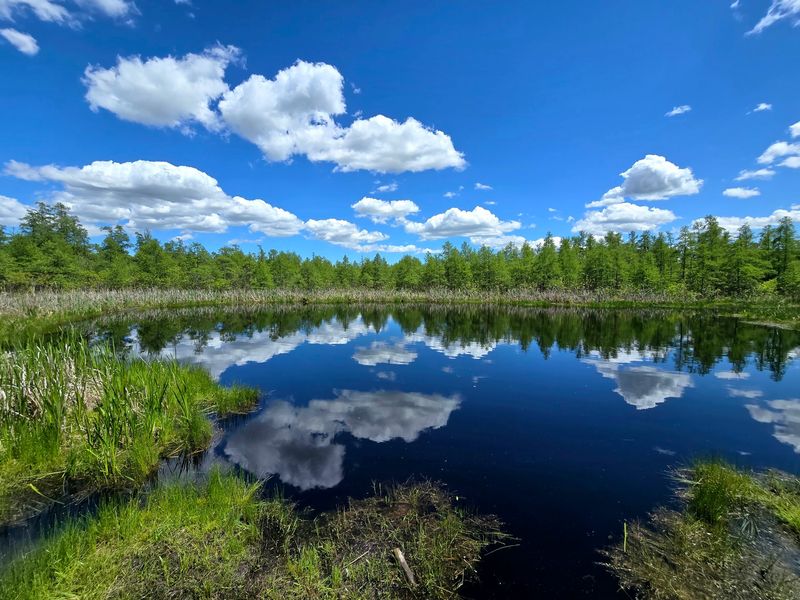
Long before anyone built a boardwalk, a chunk of prehistoric glacier sat right where the center of the bog is today. As that ice slowly melted, it left behind a body of water that eventually turned into the swampy landscape seen now.
That is the short version of a much longer story. Over time, plants crept in from the edges and formed thick, spongy mats of moss over the water.
The result is a habitat that looks nothing like the farm fields and suburbs surrounding it. At the very middle sits a patch of open water known as the eye of the bog.
Kids tend to love this part, because it turns a walk into a real science lesson. Interpretive signs along the trail break down the geology in plain language, so nobody needs a textbook to follow along.
Many families find that reading the plaques changes how the whole hike feels. A pile of moss suddenly becomes part of a story thousands of years in the making.
Grandparents can point out that the ground they are standing on was shaped by ice older than any family tree. That is a fun fact worth repeating at the dinner table.
Of course, the best way to learn about the bog is to walk straight across it.
The Boardwalk That Floats
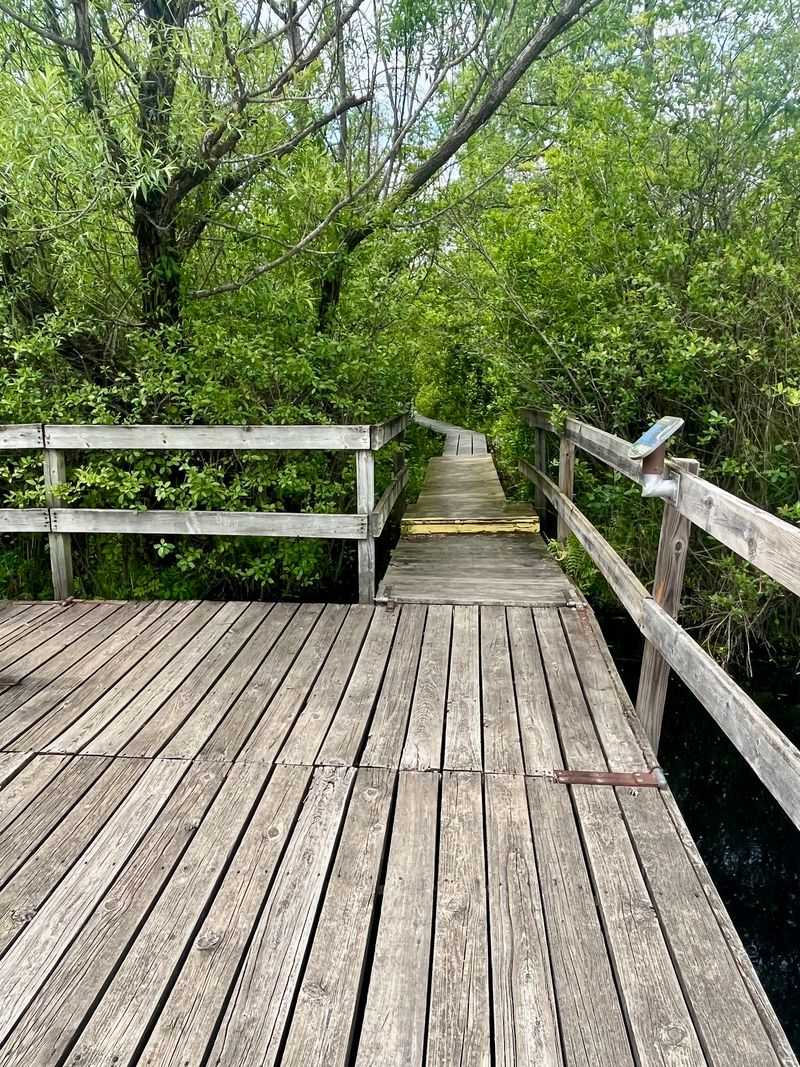
Yes, it really floats. The half-mile Volo Bog Interpretive Trail runs on wooden platforms that rest on the bog, leading all the way to the eye at the center.
The first few steps can feel wobbly. Many families need a minute to get their balance, and that little thrill is exactly what makes kids around 9 to 11 years old ask to come back before they have even left.
Adults should tread with some care too. The platforms move a bit, so a slow pace works best for little ones and grandparents alike.
Water levels matter here. When the bog runs higher than usual, some sections can sit under a couple of inches of water, and hikers may need to turn around to keep their feet dry.
A few quick rules keep the habitat healthy:
Dogs are not allowed on this boardwalk, because the ecosystem is too sensitive. Hikers are asked to stay on the trail and respect posted guidelines.
Some boardwalk sections are showing their age and could use repairs, so watching your step is smart. Still, the walk to the eye of the bog is the highlight that people talk about most.
And once you are out there, the plants deserve a closer look.
Bug-Eating Plants and Golden Tamaracks
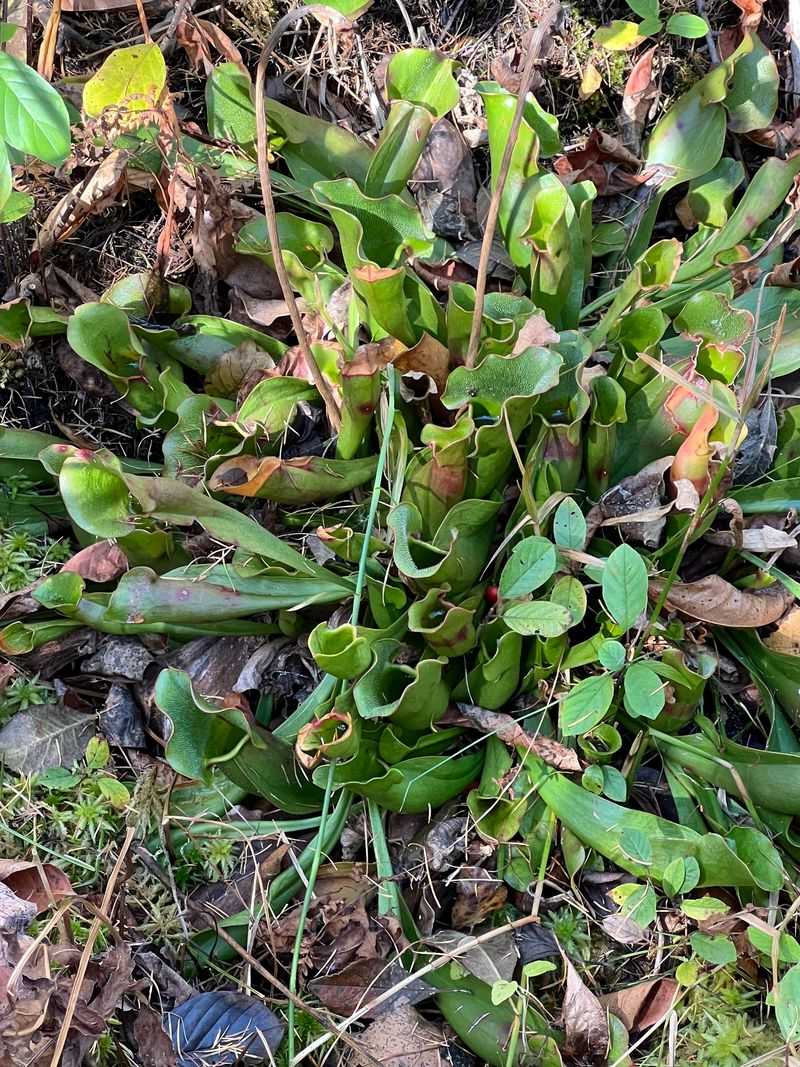
Here is the part that surprises most first-timers. Bogs are poor in nutrients, so some plants have adapted by catching insects, and Volo Bog is known for carnivorous species such as pitcher plants growing in the moss mats.
Kids usually find this delightfully strange. A plant that eats bugs is a lot more exciting than a regular flower.
The plant life goes well beyond that. The preserve is packed with native species, and the moss-covered ground along the boardwalk is a habitat all its own.
Tamaracks are the real seasonal stars. These trees grow in the bog and turn a bright golden color right around Halloween, which makes late October a favorite time for a visit.
Fungi fans have plenty to hunt for as well. Some hikers have counted around a dozen mushroom species in one outing, including ghost pipes, a pale flowering plant that lives without green leaves.
In summer, wildflowers fill the open fields, and late July can be especially full of blooms. Cattails line some of the wetter stretches, and kids often enjoy touching their soft tops.
Please look but do not pick. The ecosystem is fragile, and leaving everything in place keeps it ready for the next family.
Plants are only half the show, though. The animals are busy too.
Frogs, Turtles and Feathered Neighbors
Frogs come up again and again when people talk about this place. They are one of the easiest critters for kids to spot along the boardwalk and wetter trail sections.
Turtles show up often too. On a good day, families may see several of them along the water.
Birdwatchers have a lot to celebrate. The unusual habitat attracts a wide variety of species, and tree swallows with their blue-tinged backs are a common sight.
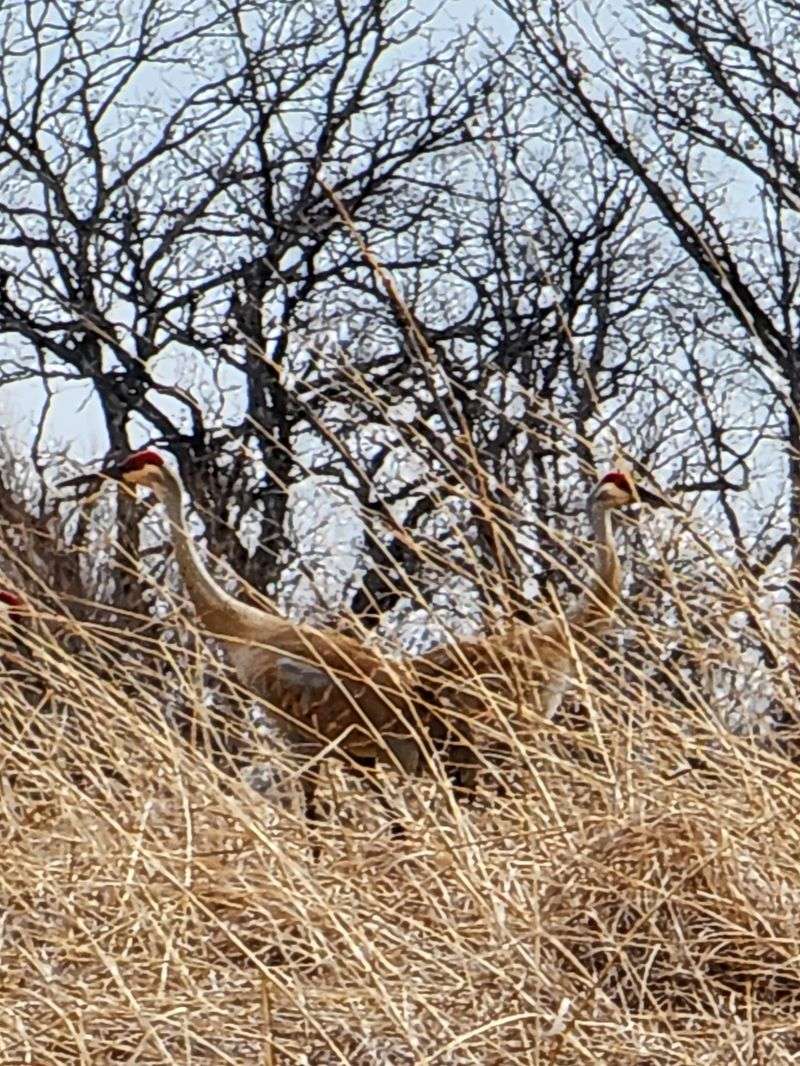
Sandhill cranes live in the area as well. They are often heard before they are seen, which turns the hike into a fun game of guessing where the calls are coming from.
Smaller animals keep things lively on land. Rabbits and chipmunks are regular trail companions, especially in the wooded and grassy stretches.
Bringing a pair of binoculars can make the outing even better for young explorers. A simple notebook for tallying sightings also helps keep kids engaged on the longer loops.
The visitor center sometimes offers good bird viewing, so it is worth checking out before or after the hike. Staff tend to be happy to share what has been spotted lately.
Animals stick to their own schedules, so no two trips are quite the same. That alone is a solid reason to return in another season.
Longer Loops Beyond the Bog
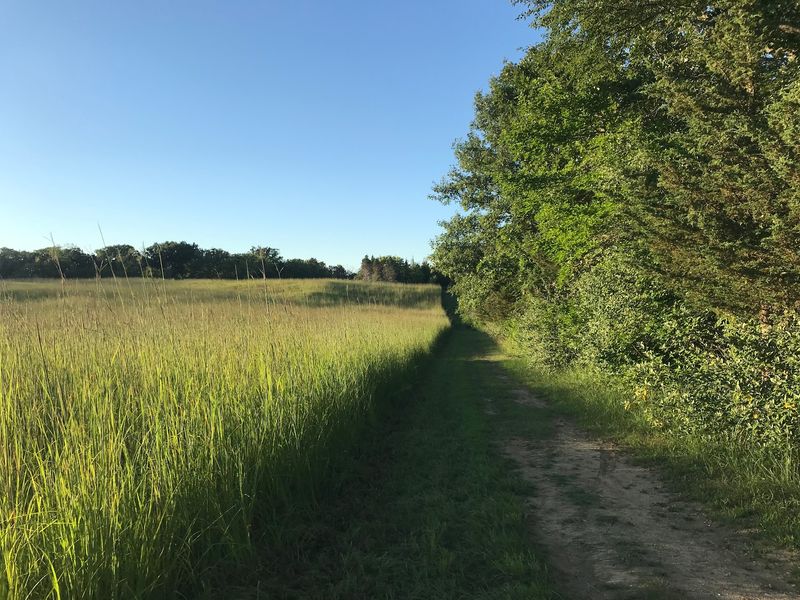
The bog boardwalk is short, but the preserve offers much more ground to cover. A main loop of roughly 2.75 to 3 miles circles the marsh, and some hikers stretch their outing to a little over 4 miles.
The scenery shifts quickly. Hikers move from cattail fields to wildflower meadows, then into woods with gnarled old trees, and back out to views of the bog.
Trail surfaces vary a lot:
Expect grass, dirt, gravel and some boardwalk. A few paths are narrow single-track, while others are wide and easy.
The terrain is mostly flat, though the main loop includes some slopes and uneven spots that make it feel like a decent workout. Several lookout points and an observation deck break up the walk.
Named trails include Prairie Ridge, an open and sunny route, and the Deerpath Loop. There are about 5 miles of trails where leashed dogs are welcome, so the family pup does not have to stay home.
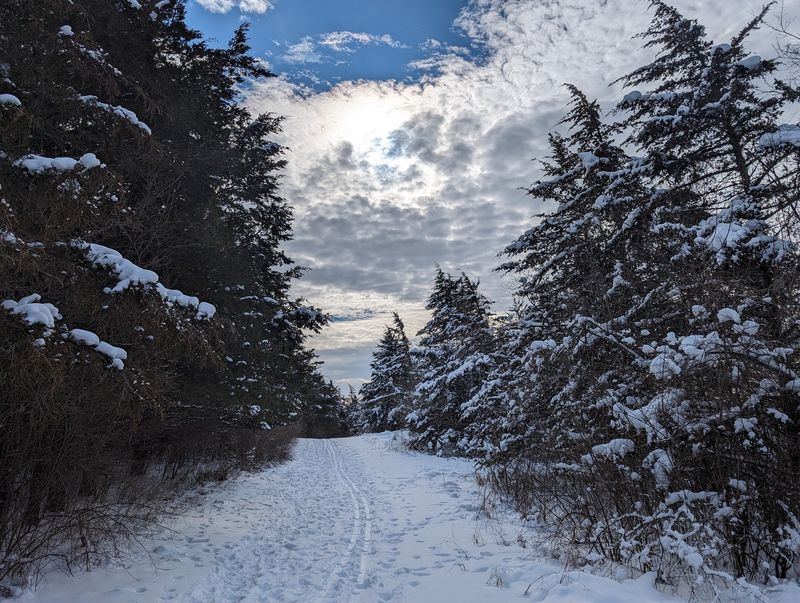
Winter brings another option. The trails are used for cross-country skiing when conditions allow.
One tip worth remembering is that the routes can be confusing. Some people plan a quick stroll and end up on the full 3-mile loop, so grab a map first.
Visitor Center Treasures and Book Club Bogs
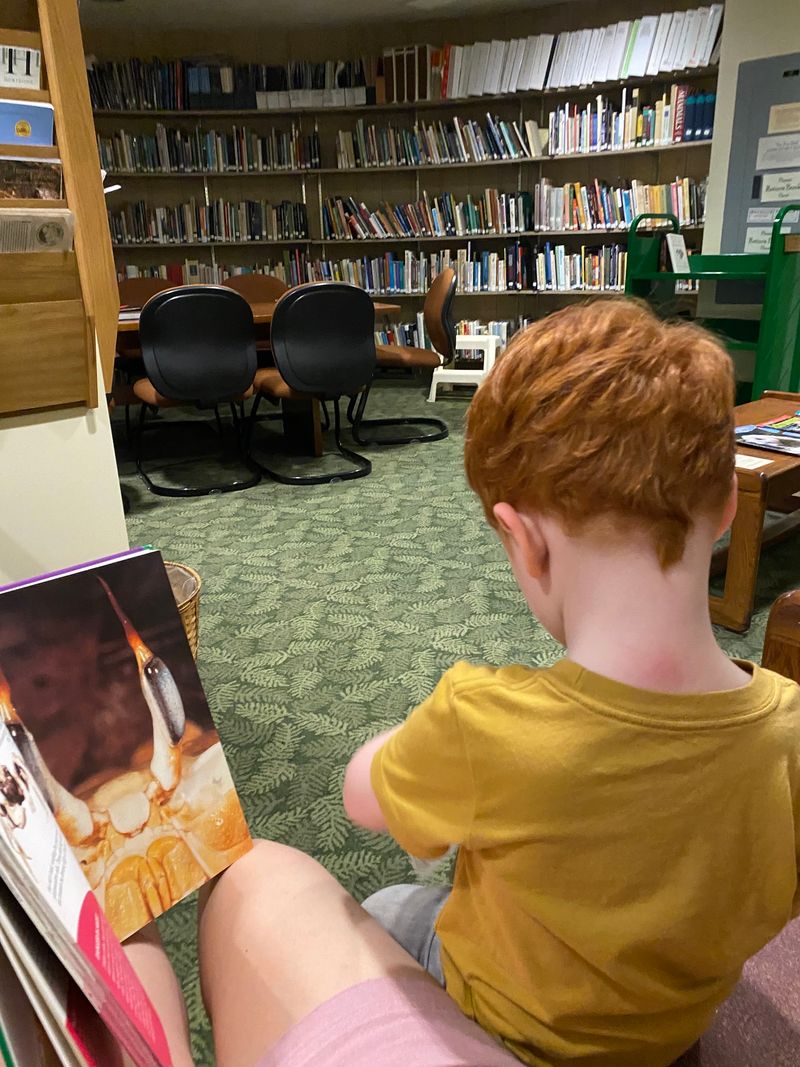
Grandparents, take note. Staff at the visitor center have a reputation for patiently answering every question a curious grandson can throw at them.
The center itself is large and has indoor restrooms, which is a relief for families with young kids. Outhouses are also available on the grounds.
A small gift shop carries nature books, bandanas and stuffed animals. Budget shoppers have even picked up a book for just one dollar, which is less than a candy bar at the checkout line.
Staff are known for being friendly and excited to share what they know about the habitat. That enthusiasm tends to rub off on kids.
There is also a chipmunk-themed play area for little ones who need a break from hiking. Picnic tables sit near the parking lot, and a sidewalk leads from the lot to a shelter.
For grown-ups who love to read, the preserve hosts a nature-themed book discussion called Of Bogs and Books. It meets on the second Saturday of each month, both in person and virtually.
Art shows happen here too, including a winter art event. To get on the list for either, email [email protected].
It is a lot of extra value packed into one modest building.
Before You Go: Hours, Gear and the Final Verdict
Good news for flexible planners. The preserve is open every day of the week from 8 am to 7:30 pm, so weekday mornings and weekend afternoons both work.
Entry costs are worth confirming on the Illinois Department of Natural Resources website before heading out. The phone line and site can also share current trail and water conditions.
A short packing list goes a long way:
Bug spray is a must, and it helps to cover your face too. A broad-brimmed hat guards against deer flies in midsummer and shades the open prairie sections.
Wear sturdy outdoor shoes rather than gym sneakers, especially in humid months. Ticks are active, so do a careful check before getting back in the car.
This is a pack-it-in, pack-it-out site. A few garbage cans exist about a quarter mile up the long trail, mostly for dog waste bags, so plan to carry trash home.
As for timing, every season brings something new. Fall colors start in mid-October, and the tamaracks turn gold right around Halloween.
So is it worth the drive? For families who want a peaceful, educational outing close to home, Volo Bog delivers a floating walk, bug-eating plants and plenty of critters for very little cost.
Just do not be surprised when the kids start planning the next trip on the ride home.


