
Affiliate disclosure: As an Amazon Associate I earn from qualifying purchases. Learn more
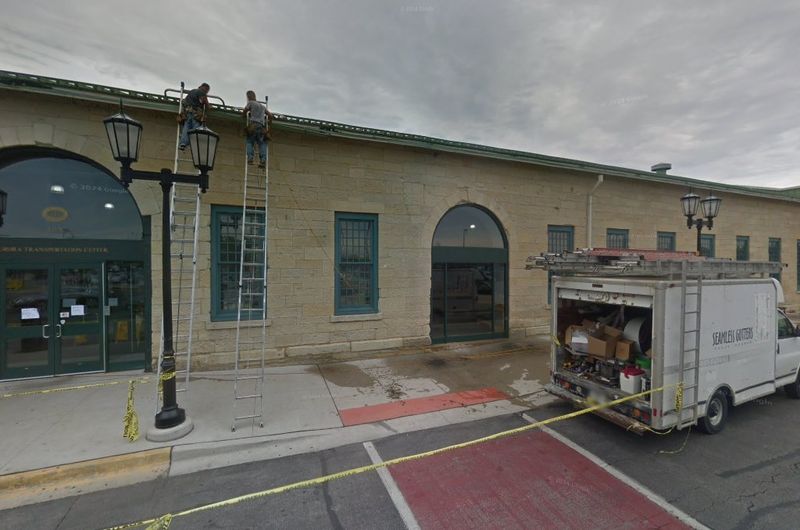
Long before anyone in Aurora ordered dinner here, steam locomotives rolled into these stone bays for repairs. The walls went up in 1856, built from limestone quarried just up the road in Batavia.
Today the old train shop is a place where families gather around tables, celebrate big days, and even get a haircut. Some folks who grew up in Aurora in the 1980s and 1990s still come back, and now they bring the next generation along.
The building holds a record that few Illinois landmarks can match, plus a surprise connection to a Chicago Bears legend. Railroad clues are still hiding in plain sight if you know where to look.
Here is the full story of this Aurora landmark, what is inside today, and the details to know before you plan a family outing.
A Railroad Landmark on North Broadway
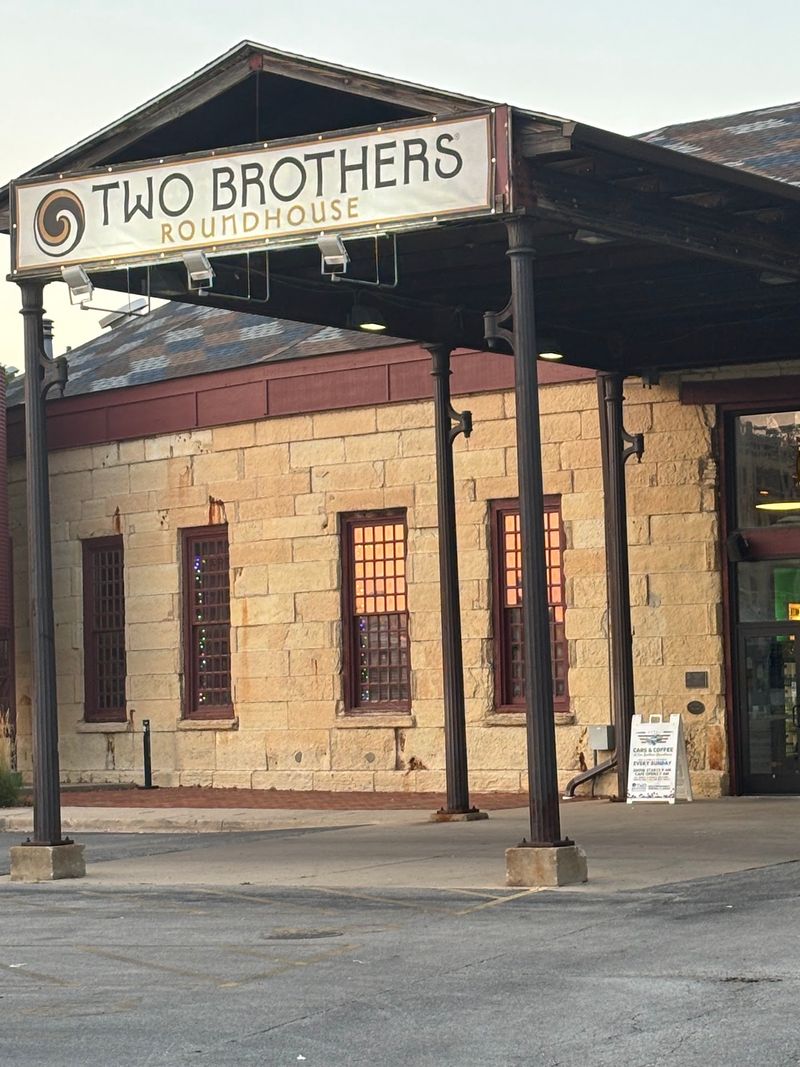
Some landmarks sit behind velvet ropes. This one serves dinner.
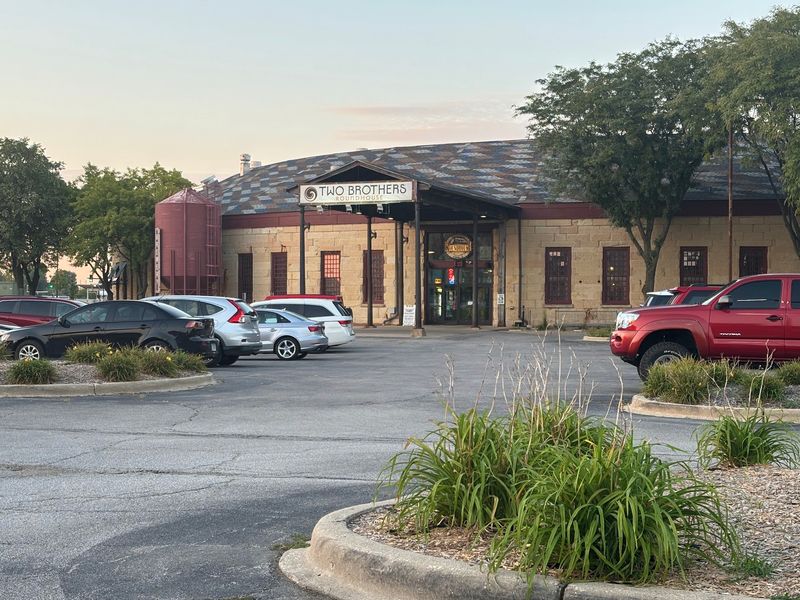
The Chicago, Burlington, & Quincy Roundhouse and Locomotive Shop stands at 205 N Broadway, Aurora, IL 60505, in the United States. It is officially recognized as a historical landmark.
Today the building is known to most locals as Two Brothers Roundhouse. The name on the door changed, but the stone shell from the railroad days is still standing.
Aurora sits in the Fox River Valley, west of Chicago, which makes the trip doable for families across northern Illinois. A drive here can fit neatly into a Saturday without eating up the whole weekend.
The property is big, covering about 70,000 square feet. Inside that footprint are a cafe, a restaurant, a music venue, banquet space, and even a barbershop.
That mix makes it more than a place to grab a meal. It is a working piece of Illinois history that people actually use every day, which is a rare thing for a building this old.
So before the menus come out, it helps to know how a locomotive repair shop ended up here in the first place.
Built in 1856 for Hungry Trains
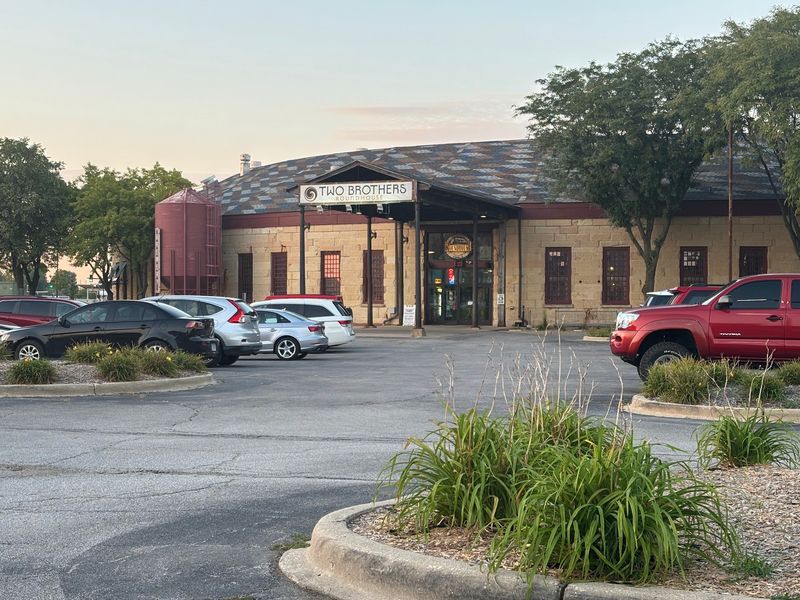
Long before families showed up hungry, the locomotives did. They needed fuel, fixes, and a place to rest between runs.
The roundhouse was built in 1856 to service Aurora for the Chicago & Aurora Railroad. That line later became part of the Chicago, Burlington, & Quincy system, which explains the long name on the landmark listing.
A roundhouse is a railroad repair building shaped in a curve. Engines rolled onto a turntable in the center, then got pointed into one of the surrounding bays for work.
For decades, this kind of shop kept trains moving across Illinois. Aurora grew right alongside the tracks.
Here is a fun fact to share at the table. Abraham Lincoln was still a lawyer in Illinois when this building was new, years before he became president.
That puts the roundhouse in a very small club of structures still standing from that era in the state. Plenty of buildings from the 1850s are long gone.
The next part of the story explains why this one survived, and it starts with the stone.
Batavia Limestone and a National Record
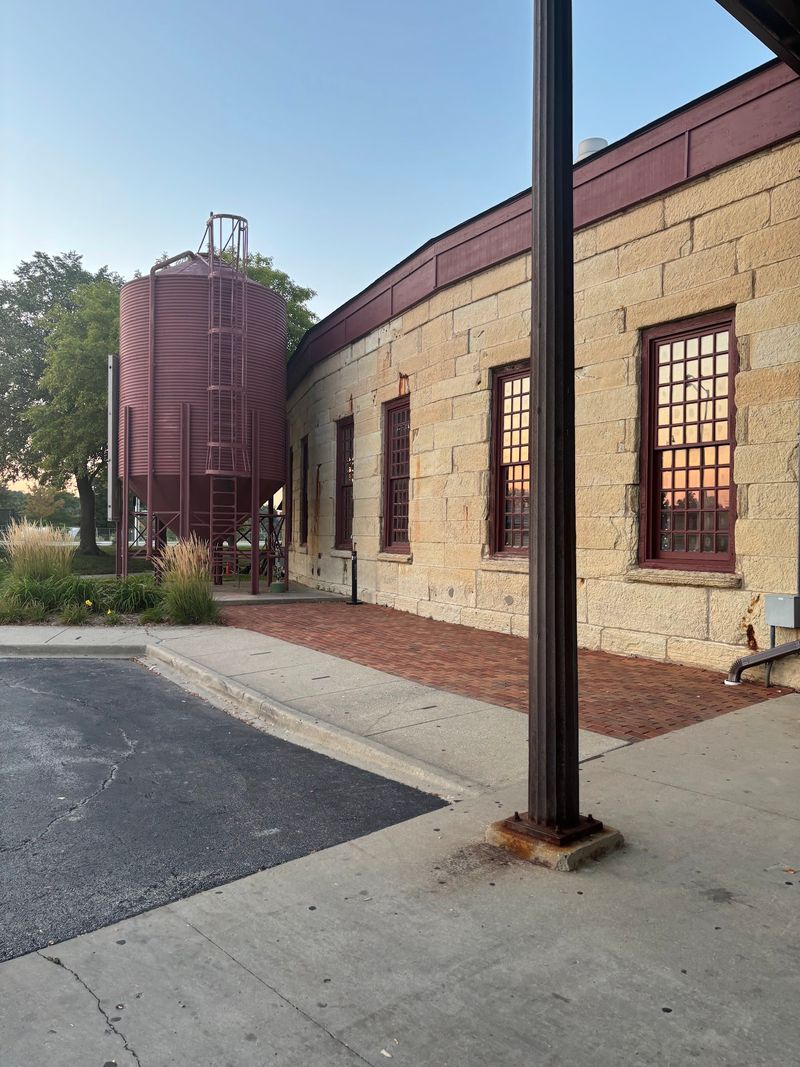
Local materials, local pride. The walls of this roundhouse were built with limestone quarried in nearby Batavia, Illinois.
That choice paid off. Stone holds up far better than wood, and the building has now lasted more than 165 years.
The structure is listed on the National Register of Historic Places. It is also known as the oldest limestone roundhouse in the country.
That is a big claim for a spot where people now order lunch. Kids may find it fun to learn that the walls around them are older than most of the towns in the western United States.
Batavia is a short hop up the Fox River from Aurora. Families who like a little extra history can make a mini road trip out of the connection between the two towns.
The thick limestone is still the main feature of the building today. It frames the dining rooms, the banquet spaces, and the outdoor courtyard.
Not many places let you sit inside a national record. Here, it comes with a table and a menu.
The Walter Payton Chapter
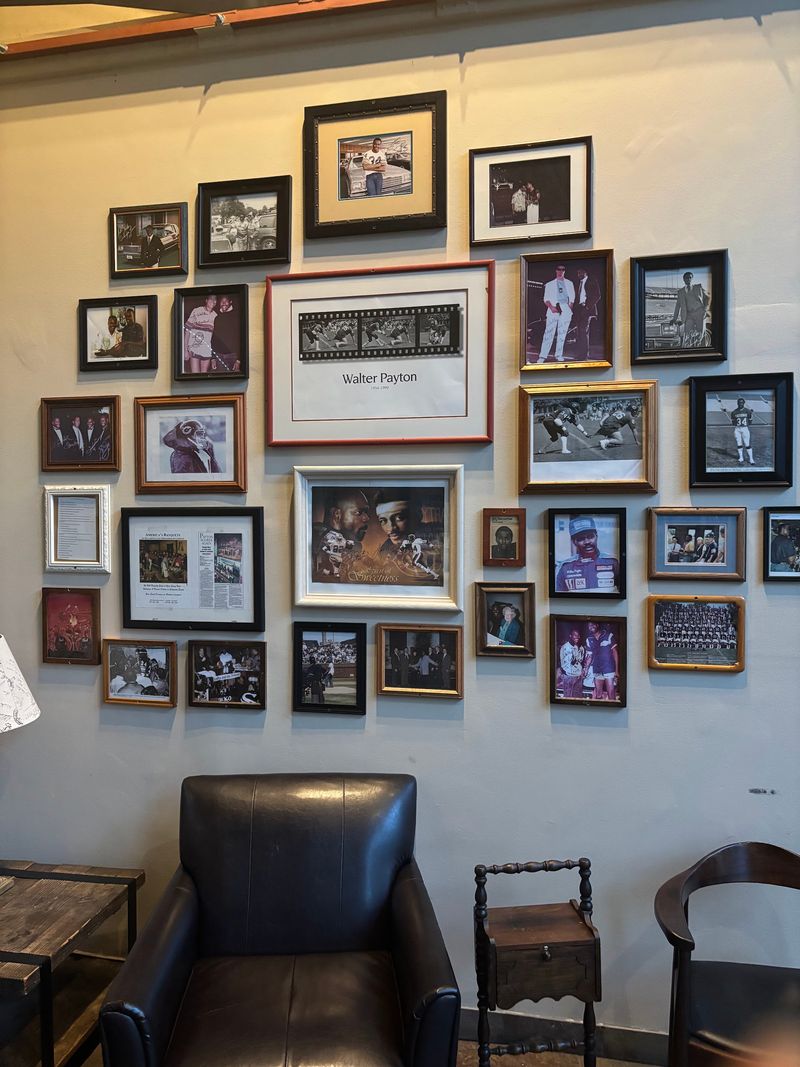
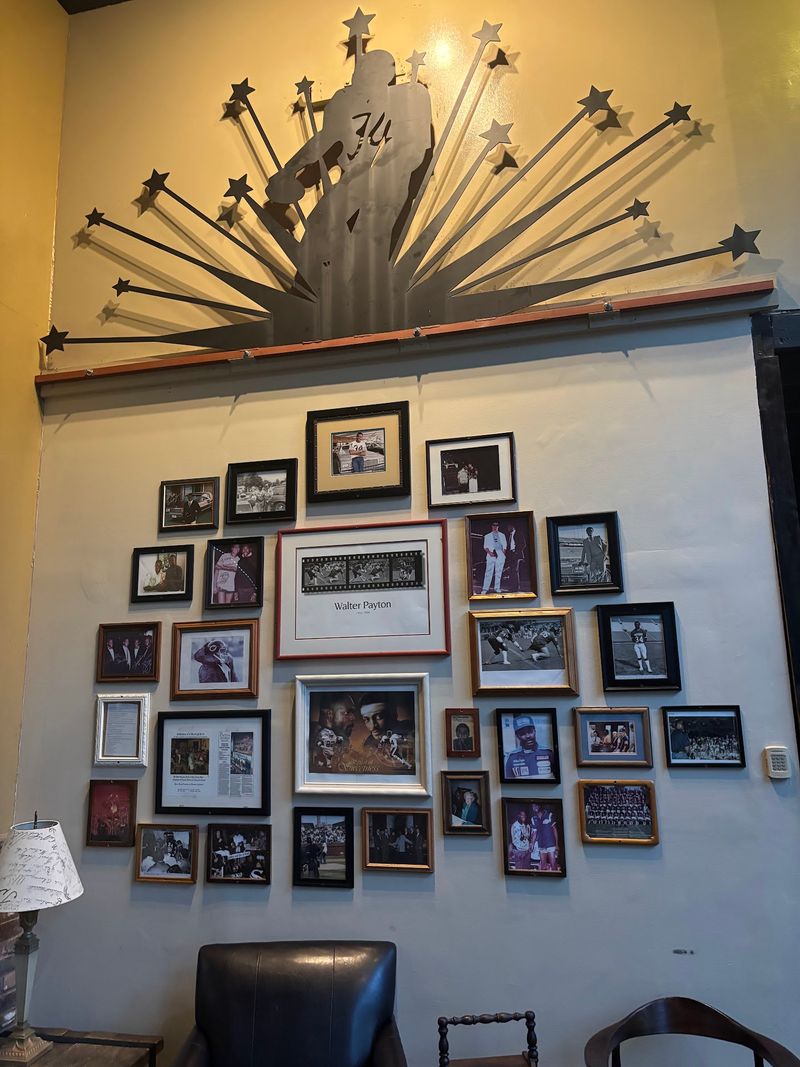
Chicago Bears fans, this one is for you. The roundhouse was once owned by Walter Payton, the Bears great known as Sweetness.
After the railroad era ended, the building needed a new purpose. It was renovated and turned into a place for people instead of engines.
The Payton connection is a favorite bit of trivia for longtime Aurora residents. Grandparents who cheered for Payton on Sundays can share that story with grandkids who only know him from highlight clips.
Later, the property became Two Brothers Roundhouse, the name most people use today. The renovation kept the historic character while making room for modern dining and events.
That layered history is part of the appeal. One building holds a pre-Civil War railroad story, a football legend chapter, and a busy present-day gathering spot.
Few family dinners come with that much backstory. It gives everyone something to talk about while waiting for the food to arrive.
Clues the Trains Left Behind
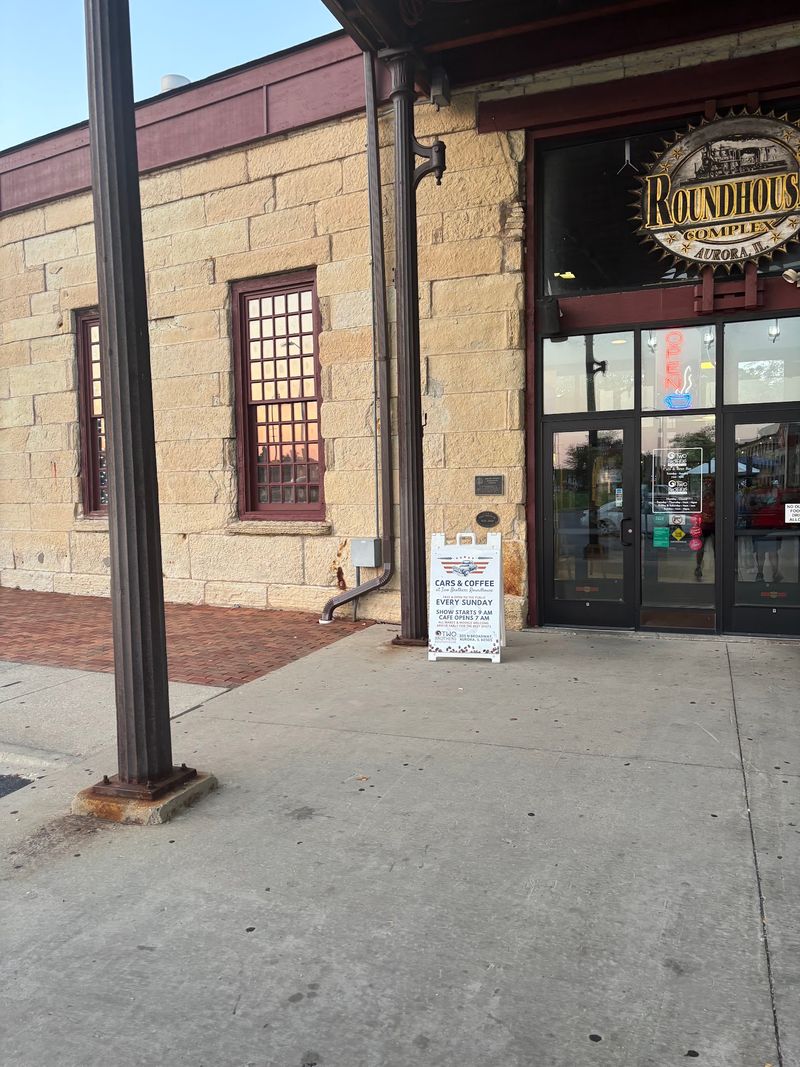
Kids love a treasure hunt. This building happens to be full of clues.
The roundhouse itself is still intact. Small reminders of its railroad past show up all over the place if you look closely.
Each of the original train bays has track endings projecting out. These are the spots where locomotives once rolled in for repairs.
In a couple of places where there is no ceiling, an old pulley or two is still visible overhead. Those pulleys are leftovers from the heavy work that once went on here.
Turning this into a game is easy. Ask the kids to count the track ends or spot the pulleys before dessert.
It costs nothing, and it keeps young eyes busy in a good way. It also gives them a real connection to the history instead of just hearing about it.
The biggest clue of all, though, sits right in the middle of the property.
From Turntable to Gazebo
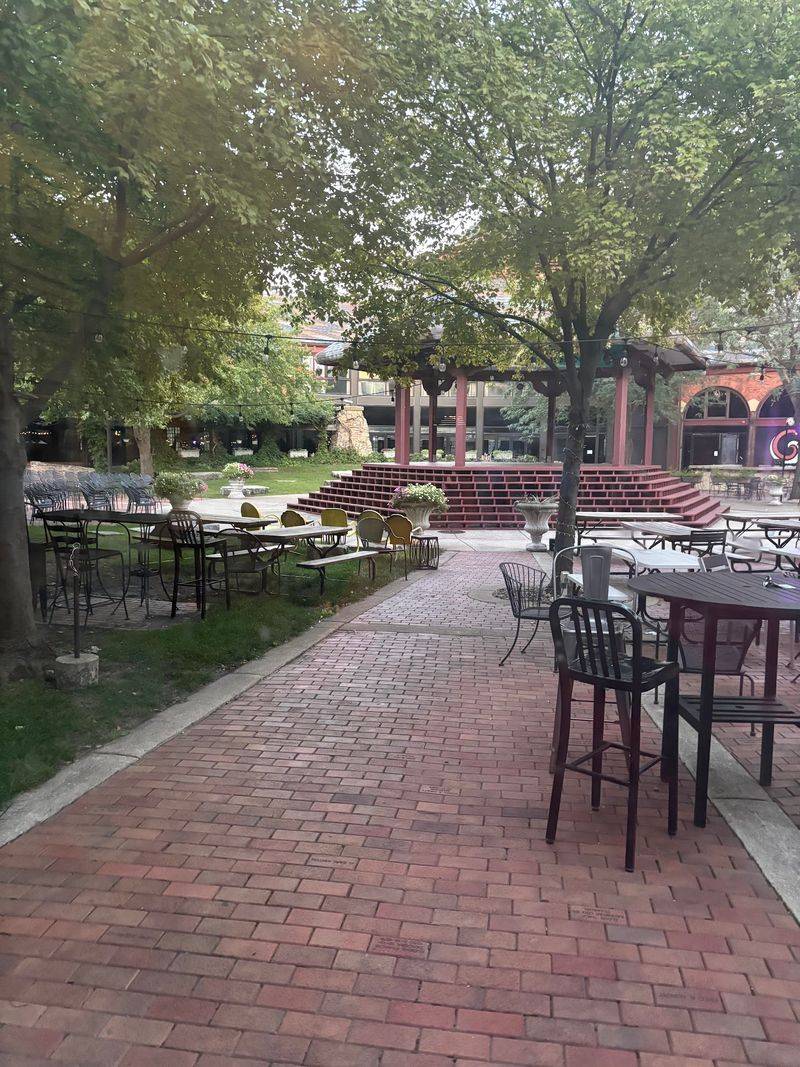
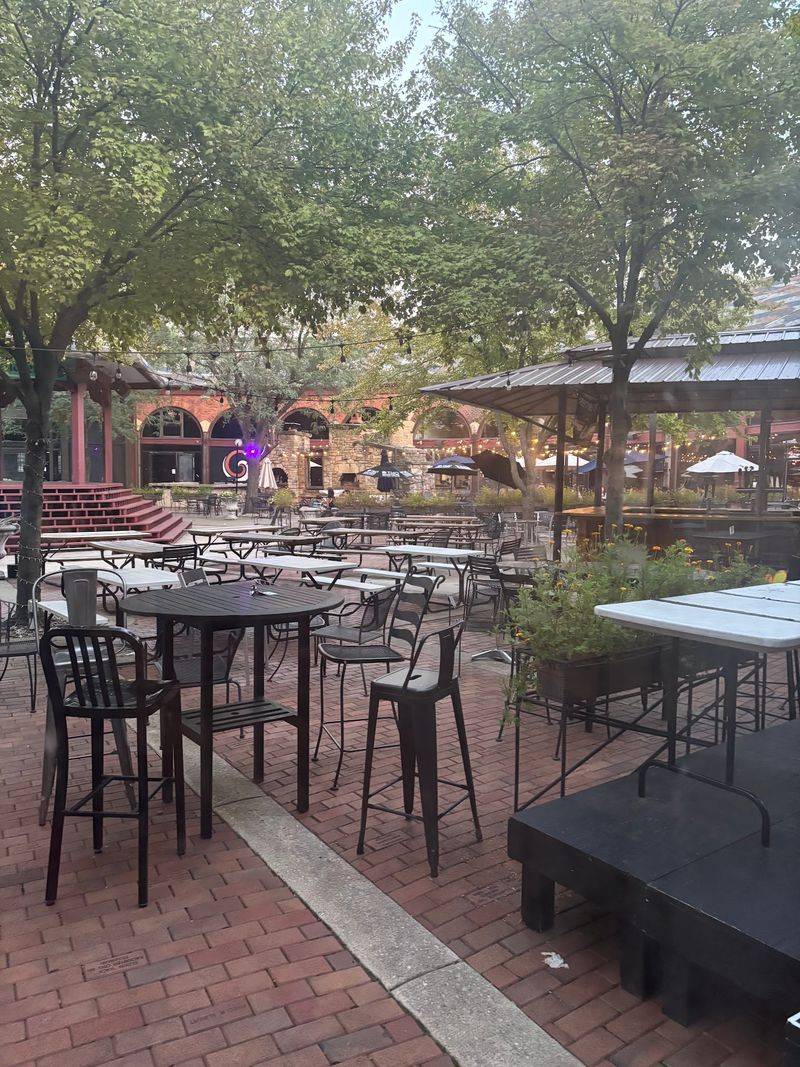
Right where engines once spun around, people now eat outside. The original locomotive turntable has been replaced with a gazebo and an outdoor dining area.
Because of the roundhouse shape, the seating wraps in a circle. The outdoor setup has been compared to European courtyard dining, which is a fun surprise in the Fox Valley.
The terrace near the ballroom is illuminated. That makes it a popular spot for evening events.
In Illinois, outdoor seating makes the most sense from late spring through early fall. Families planning a warm-weather day trip may want to aim for those months.
The courtyard also gives the best view of the whole curved building. Kids can see how the bays line up around the center, which helps the railroad story click.
It is one of the few places where you can eat dinner on the exact spot trains used to turn. That is a pretty good conversation starter for any table.
Dinner Inside the Old Bays
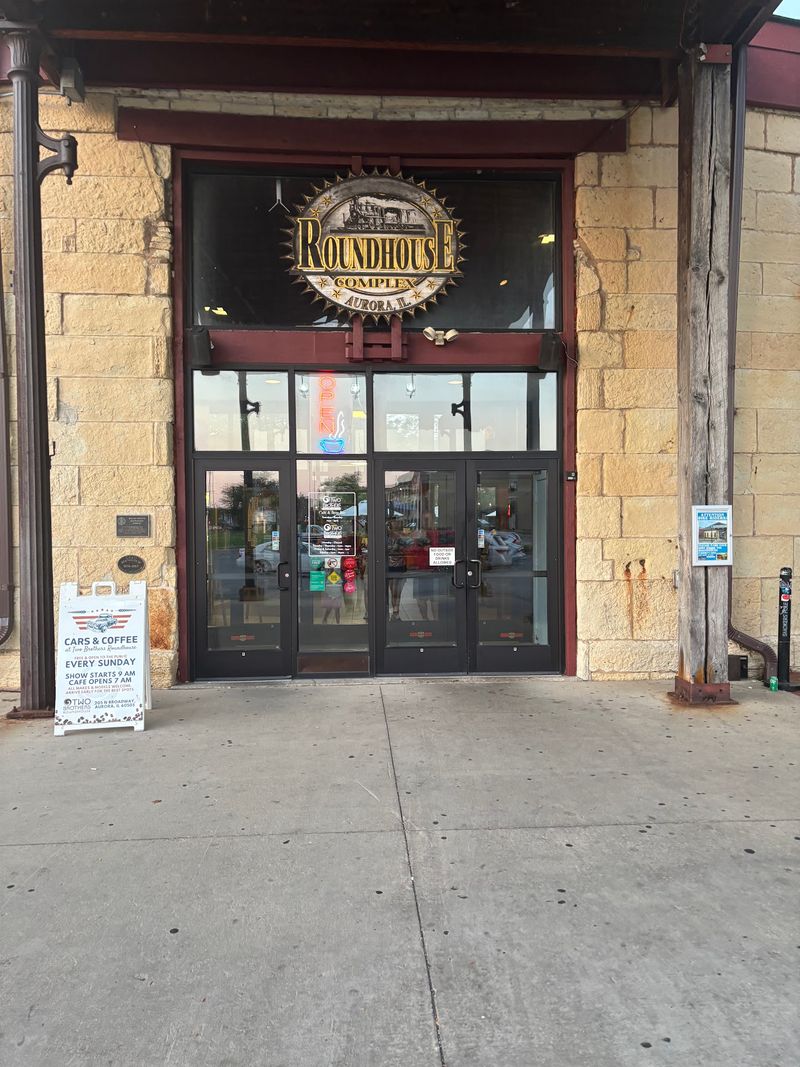
Here is where the title of this story really comes to life. Families now sit down to dinner where mechanics once worked.
The building has a spacious dining area and a fireplace. The decor mixes rustic character with a more polished feel.
The food has a strong local following. It is often described as coming out hot and quick to the table.
Servers get plenty of praise too. The staff is known for friendly and attentive care, which matters a lot when you are juggling little ones.
Many people say a big part of the fun is the building itself. Eating here feels like a history lesson that nobody has to sit still for.
An on-site cafe is also part of the property. That can be handy for a lighter stop if a full sit-down meal does not fit the day.
Menus and prices can change, so checking ahead is a smart move before driving out.
Private Rooms With Vintage Charm
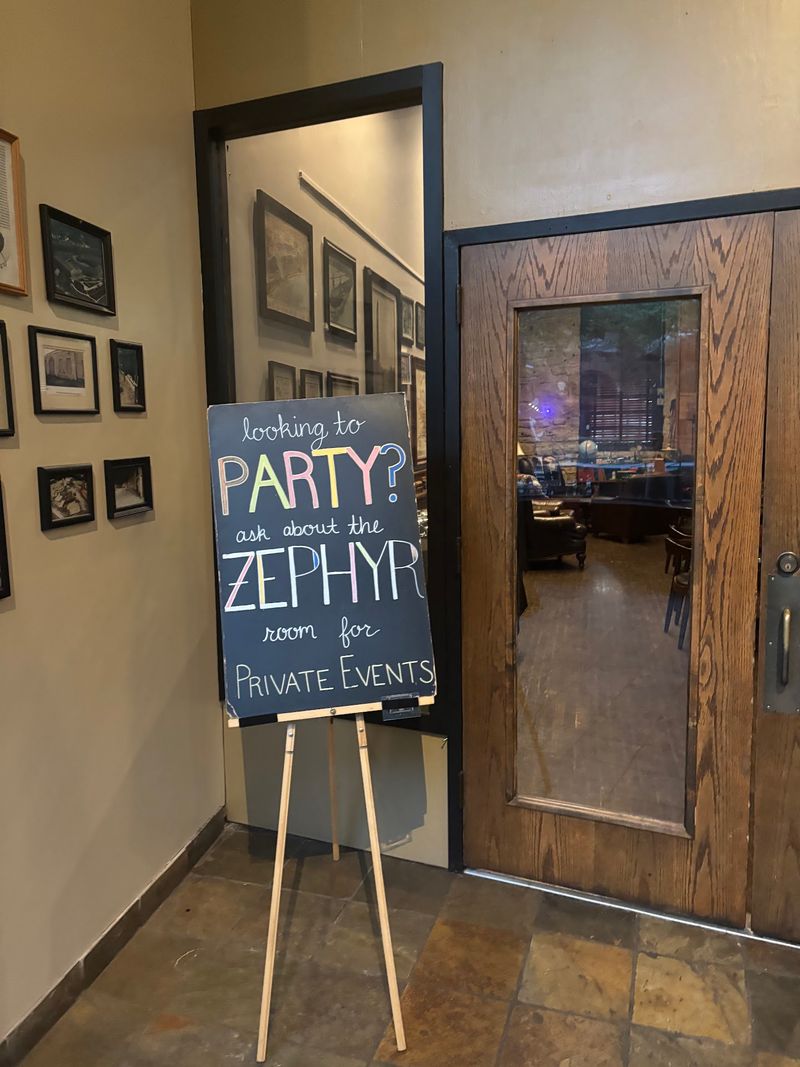
Group outings get their own spaces. Clubs, teams, and organizations hold meetings in private rooms here.
One of these rooms is known for a vintage bar counter and eye-catching decorations. The space works well for gatherings that want a bit of character.
Smaller groups can book an intimate private setting for about 50 people. That size fits a family reunion, a scout troop meal, or a milestone birthday.
The same attentive service shows up in these private rooms. Food arrives promptly, which keeps a meeting or party on track.
For families, this can be a great option for a grandparent’s big birthday. Everyone gets a room to themselves inside a landmark, which makes the day feel extra special.
Booking details and costs vary by event. Reaching out to the venue directly is the best way to get current information.
A Ballroom for Up to 250 Guests
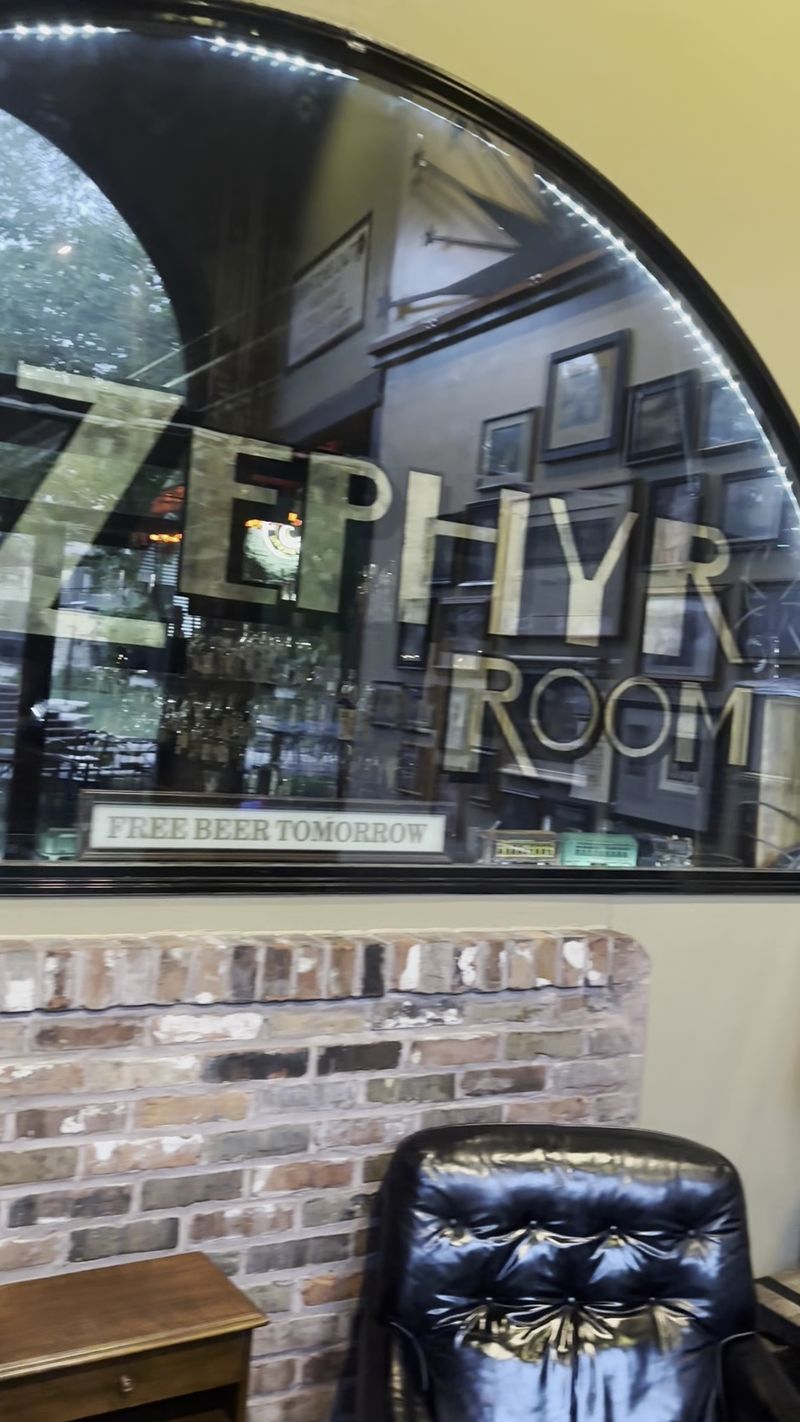
Big day, big room. The roundhouse has a distinctive ballroom that can comfortably hold up to 250 wedding guests.
The ballroom connects to an illuminated outdoor terrace. Guests can move between the indoor space and the open air during a celebration.
Event planning services are available on-site. Setup and cleanup are handled for you.
Chairs, tables, flatware, glassware, and linens are provided. Full catering is offered by the venue staff as well.
For families planning a wedding, that all-in-one approach can take a lot of pressure off. Fewer outside rentals can mean fewer headaches.
The setting is a big draw too. Saying vows inside the oldest limestone roundhouse in the country is a story the couple can pass down for years.
Some Aurora families may even find grandparents who remember the building from earlier days. That adds a nice layer of continuity to a wedding here.
Music, a Cafe, and a Barbershop Too
Most landmarks do one thing. This one does a handful.
Along with the restaurant and banquet spaces, the property includes a cafe and a music venue. That variety means there is often a reason to come back.
There is also a barbershop on-site called Tony’s Hairstop. It is known for careful attention to what each customer asks for.
That is a fun twist for a family trip. Dad or grandpa can get a trim while the rest of the group checks out the railroad details.
WiFi is available on the property. That can help parents who need to check directions or plans while out.
Having so much under one roof makes the roundhouse feel like a small community hub. It is less of a museum and more of a living part of Aurora.
The mix keeps the old building busy, which may be part of the reason it is still in such good shape.
Photo History at the Station
Want the full picture of the past? There is an exhibit for that.
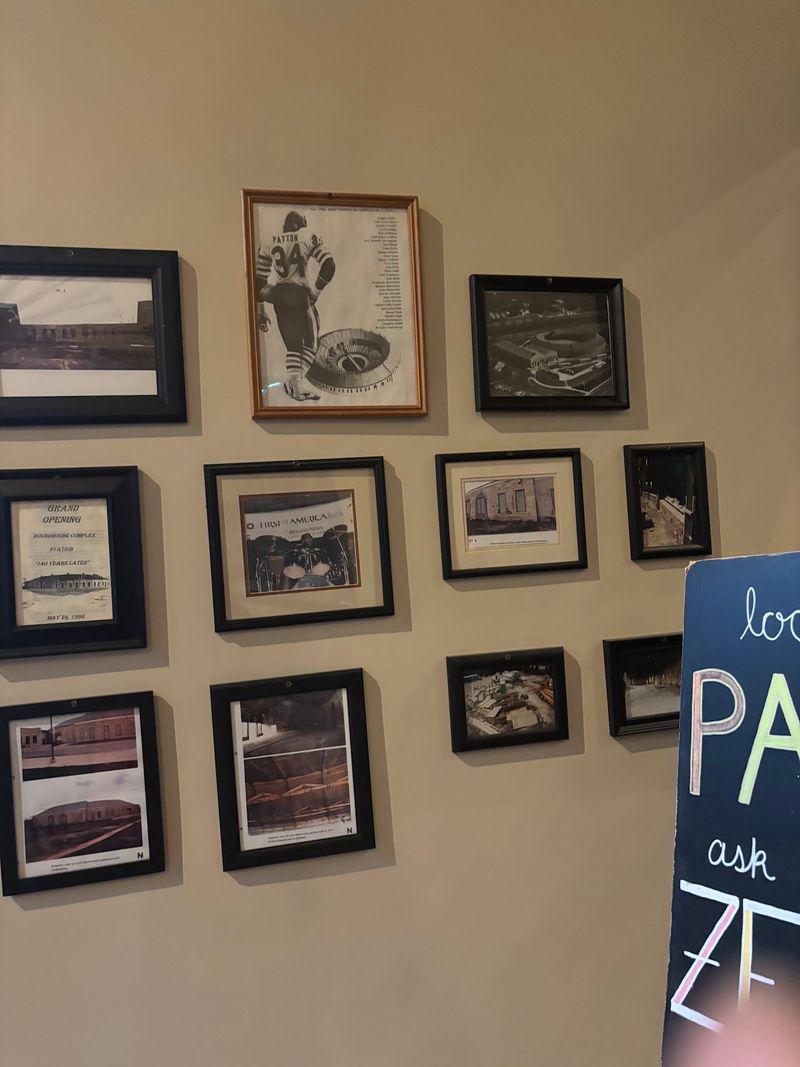
A photographic history of the railroad and the roundhouse is on display in the railroad station. It shows how the site looked during its working years.
This is a great add-on for curious kids. After hunting for track ends and pulleys, they can see old photos that explain what those pieces were for.
Looking at photos is also a low-cost way to stretch an outing. A quick stop can add history to the day without adding much to the budget.
Grandparents may enjoy this part the most. Old photos have a way of sparking stories about trains, Aurora, and the way things used to be.
Hours and access for the exhibit may vary. A quick call or check before the trip can save some guesswork.
Once the history lesson wraps up, the next question is usually about who will enjoy this place most.
Who Will Love This Stop
Train fans are the obvious match. But the guest list here is much longer.
History buffs will appreciate the 1856 stone walls and the National Register listing. Sports fans can enjoy the Walter Payton connection.
Families with kids get a meal plus a built-in scavenger hunt. Spotting track endings and pulleys turns dinner into a mini adventure.
Grandparents with Aurora roots often have their own memories here. Locals who grew up in the area in the 1980s and 1990s say they have been back many times.
That kind of loyalty says a lot. It is the type of spot where one generation brings the next.
Couples planning a wedding and groups planning meetings will also find space that fits. The property covers a wide range of gatherings.
With a 4.5-star standing from the public, the overall feeling is clearly a happy one.
Planning the Trip and the Final Verdict
Getting here is the easy part. The roundhouse sits on North Broadway in Aurora, and plenty of parking is available.
Hours, menus, and costs can change, so checking with Two Brothers Roundhouse before heading out is wise. Event bookings work best when arranged ahead of time.
Spring through fall is the best time to enjoy the outdoor courtyard. In colder months, the indoor dining area and fireplace make it a solid winter pick.
A budget tip: the railroad clues around the building cost nothing to find. The photo history exhibit is another simple add-on for curious minds.
So is it worth the drive? For families who love history, good food, and a story to share, the answer leans toward yes.
The engines are gone, but the stone walls still bring people together. These days, the trains have simply been swapped for dinner tables.


