
Affiliate disclosure: As an Amazon Associate I earn from qualifying purchases. Learn more
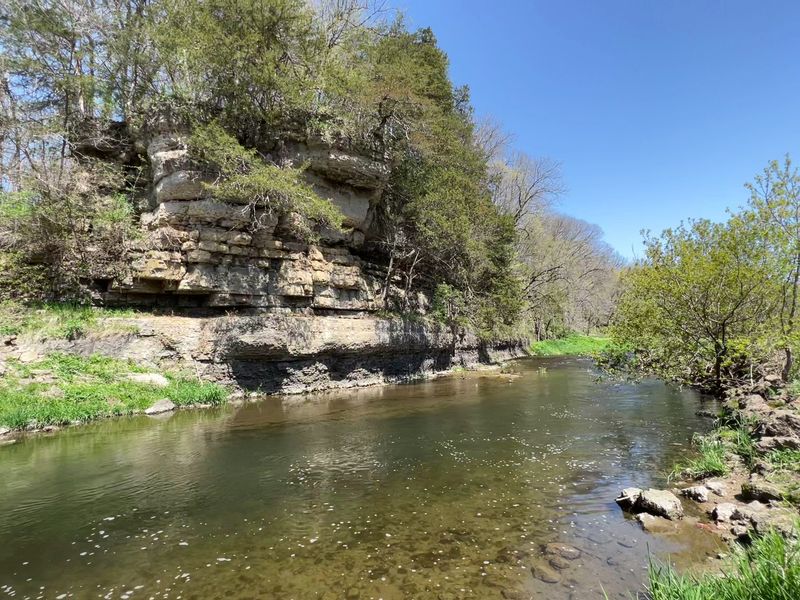
Blink on a back road in far northwest Illinois and you could miss it completely. One minute there is farmland on both sides of the car, and the next minute the land drops into a hidden canyon with limestone bluffs, pine ridges and a winding river.
Plenty of drivers roll right past without a clue. The park tucked down there charges no admission and no entry fee, so a family day of hiking and picnicking costs less than a single movie ticket.
The trails are short, the crowds are thin and the campground is cheap enough to make any budget smile. Grandparents can bring the grandkids for an easy afternoon, and older kids can tackle a climb to a rock lookout.
Keep reading to learn where it is, which trails to pick and what to pack before you lose cell signal.
A Canyon Hiding Behind the Cornfields
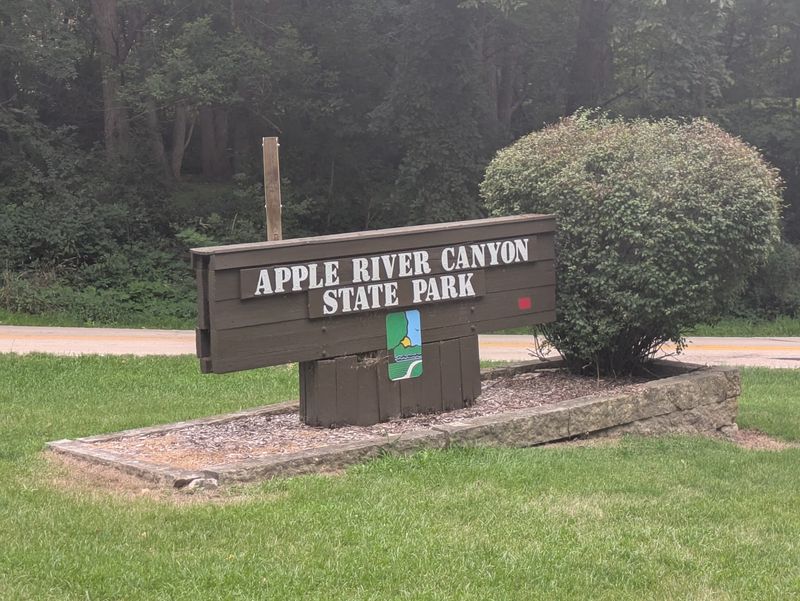
Farm fields stretch for miles in the northwest corner of Illinois, which makes the surprise even better. Tucked into that quiet countryside is Apple River Canyon State Park, at 8763 E Canyon Rd, Apple River, IL 61001, in the United States.
The park sits near the town of Stockton and within easy reach of Galena. It covers 1,907 acres of hilly riverside wilderness set aside for hiking, wildlife spotting, picnics and camping.
Many people describe it as a little smaller than they expected. The joke among fans is that if you blink, you have missed it and you are back in farmland.
That small size is exactly why it stays so uncrowded. Big-name parks pull the tour buses, while this one quietly waits for the families who know where to turn.
The Apple River runs right through the property, carving the canyon that gives the park its name. Limestone bluffs, sandstone rock formations and wooded slopes surround it on nearly every side.
Families planning a weekend outing will find a full afternoon of exploring here without spending a dime at the gate. The rest of this story covers how to make the most of that afternoon.
Free Entry, Open Around the Clock
Here is the best line item in any family budget: zero. Apple River Canyon has no admission or entry fees, so hiking and picnicking cost nothing at all.
The park is listed as open 24 hours, seven days a week. That flexibility helps when the kids need a slow start on a Saturday morning.
Much of the setup is self-serve, which plenty of guests appreciate. There is no booth to stop at and no ticket to hang from the mirror.
The park office is not always staffed, so it is smart to plan ahead rather than count on someone answering questions. When the office is open, the staff there earns praise for being friendly.
Compare that to a trip to the movies, a theme park or even a fast food lunch for four. A cooler packed at home and a full tank of gas may be the only real expenses of the day.
Hours and policies can change, so checking the Illinois Department of Natural Resources park page before heading out is a good habit. Once there, the only thing left to spend is energy on those hills.
Limestone Walls and a Winding River
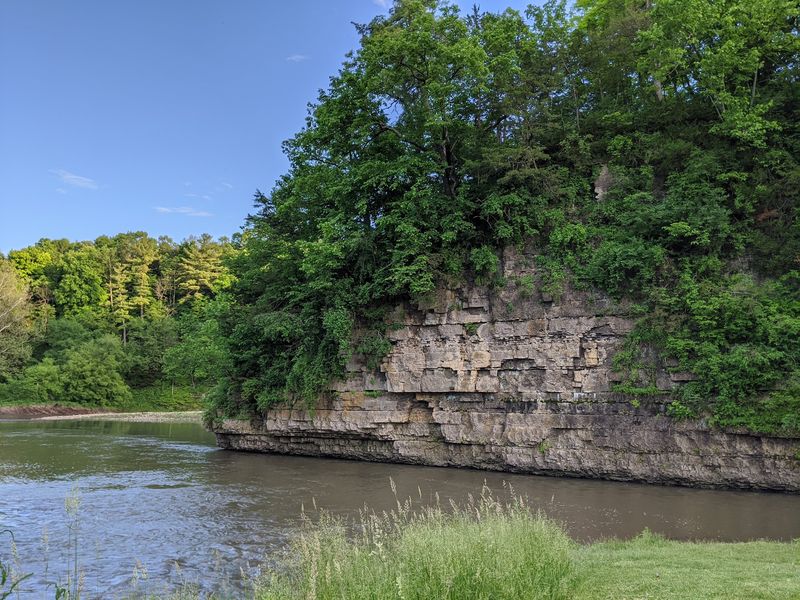
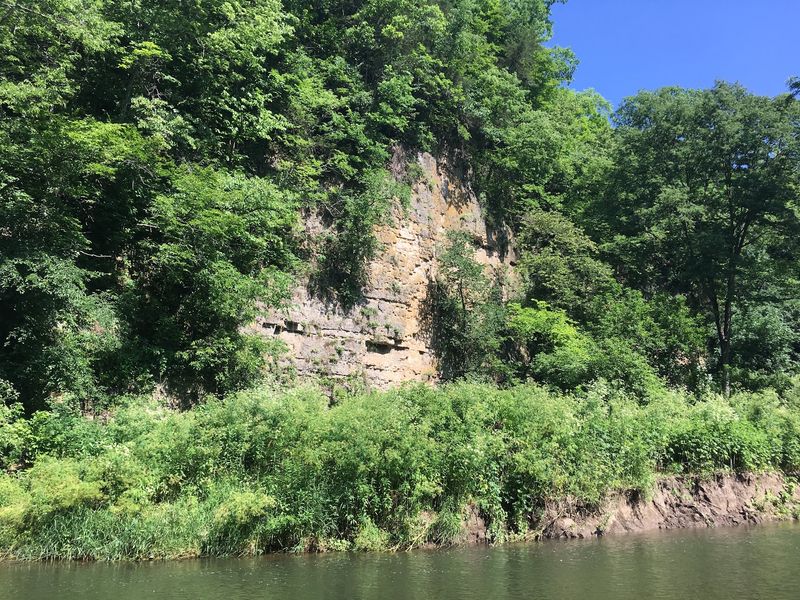
Geology does the heavy lifting at this park. The Apple River has cut a canyon through the land, leaving limestone bluffs standing tall along its banks.
Sandstone rock formations also pop up throughout the park along the river. They give hikers plenty of interesting stops for photos.
The river is known for its clear water. On many stretches, kids can watch it curl around bends below the cliffs.
Not every section of the riverbank is easy to reach. Much of the shoreline sits below steep slopes, so access comes mainly through the trails that lead down to the water.
Up above, the forest is biologically diverse, with hardwoods on the slopes and pines along one of the ridges. That mix makes each trail look a little different from the next.
The dramatic landscape is the reason many folks call this one of the nicer parks in northwest Illinois. A canyon this scenic in the middle of farm country is a pleasant plot twist for anyone who thinks the state is flat.
Short Trails, Big Payoffs
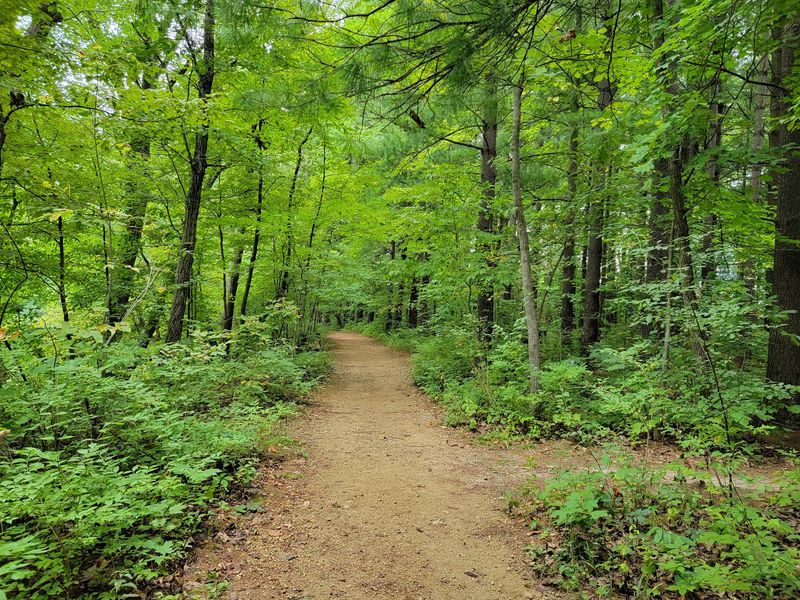
Nobody needs a week of training to hike here. The park has several trails, and most run around a mile long.
That length is a feature, not a flaw, for families with younger hikers. Parents can pick one or two trails, or string several together for a longer day.
Names to know include Tower Rock, River Route, Primrose and Pine Ridge. Each offers its own mix of river views, bluffs and forest.
Trailheads are spread across different parts of the park rather than starting from one hub. Driving or walking along the park roads between them is part of the routine.
Every trail has a big sign at its entrance, and the paths are generally clear to follow. They match the maps available at the office and from the camp host.
Some spots are less obvious, so grabbing a map first is a wise move. The trails are not covered in gravel, and they can turn muddy after rain.
Short does not mean flat, though, and the next few sections show just how much climbing a single mile can pack.
The Climb to Tower Rock
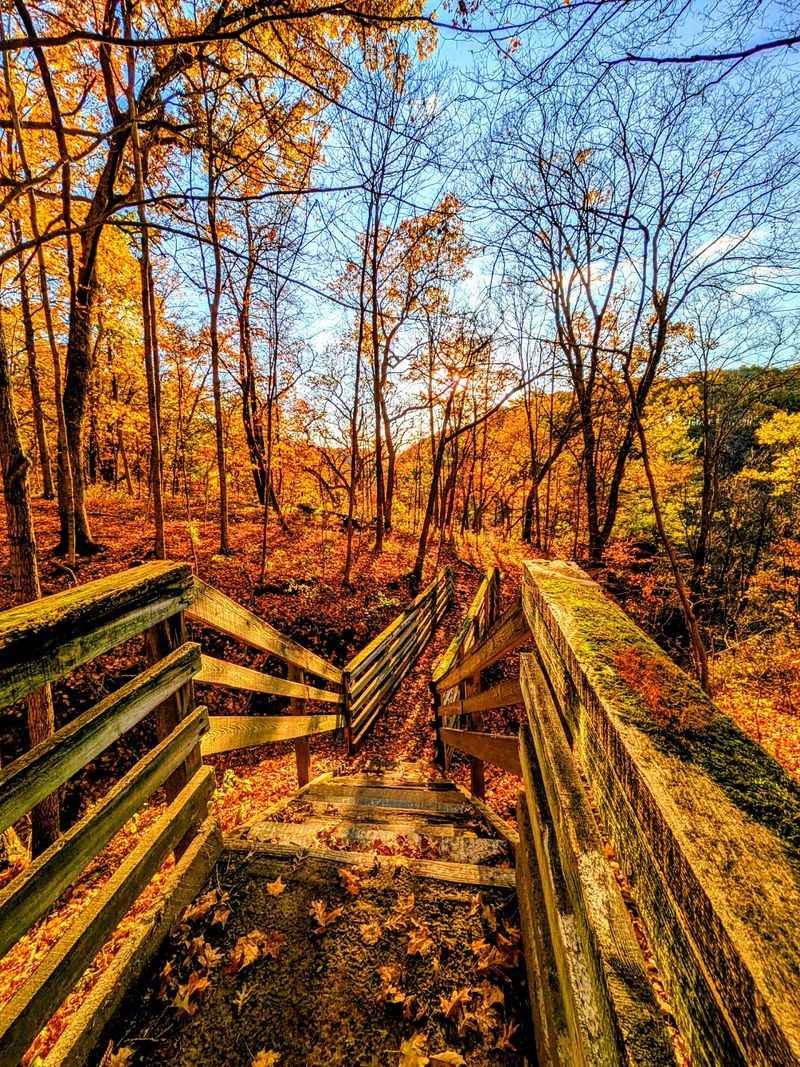
Kids love a destination, and Tower Rock gives them one. The Tower Rock Trail is a fun hike of moderate difficulty that ends at a rocky viewpoint.
Older kids should handle it fine, especially the ones who do not complain about a little effort. The final stretch is a steep decline down to the rock itself.
Younger hikers may need a helping hand on that last section. Parents and grandparents should take it slow and keep small children close.
Along the way, the trail passes dry creek beds that likely look especially lovely in spring when water returns. The reward at the end is a wide view over the canyon.
This is a popular choice to pair with the River Trail for a half-day outing. Doing both gives a good sampling of what the park has to offer.
Bring the camera and a snack for the top. Tower Rock is the kind of spot that turns a simple walk into a story the kids repeat at dinner.
River Route: Hills Down to the Water
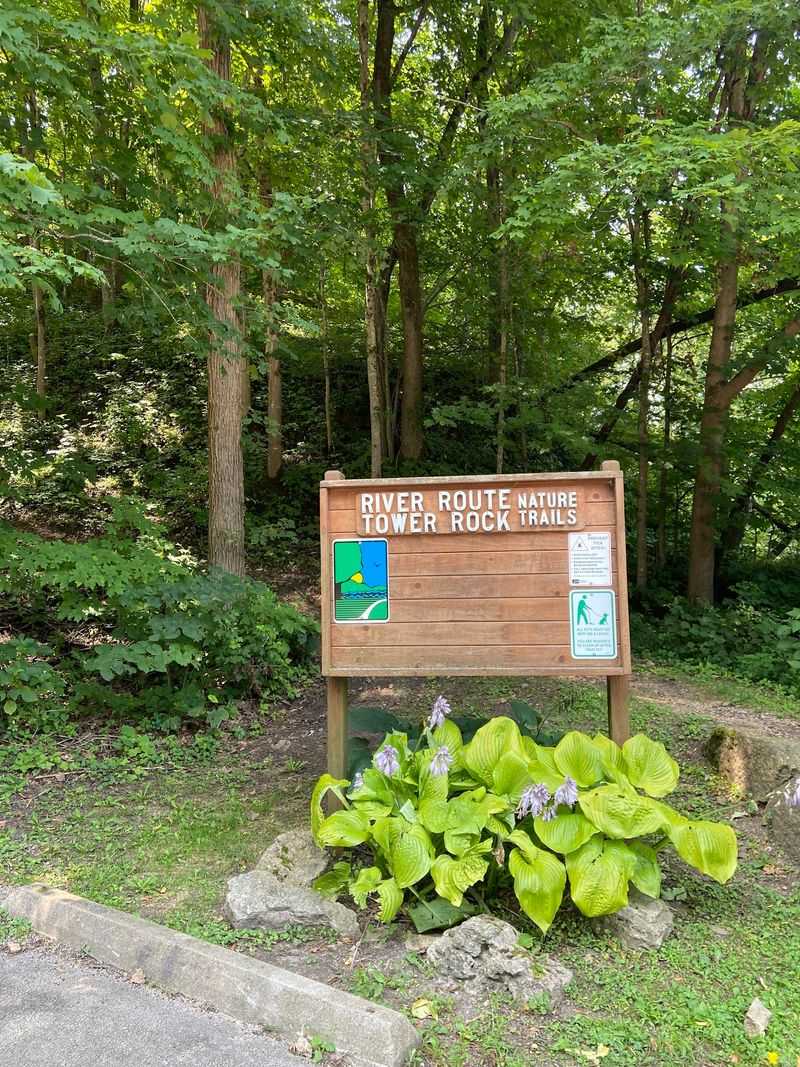
Expect some ups and downs, literally. The River Route is a hilly, wooded trail that leads down to the Apple River itself.
Reaching the water opens up some of the best views of the canyon in the whole park. Bluffs rise on either side, and the river curves below them.
Of the main trails, this one is often called the more difficult. The path narrows as it heads down the embankments.
The terrain is rocky and steep in places. Even though the out-and-back distance is under a mile, it delivers a solid workout.
Sturdy hiking shoes make a real difference here. Sneakers with worn soles are not the best match for muddy, sloped ground.
Families with energetic kids tend to love the challenge. Grandparents may prefer to take it at their own pace or choose a gentler route.
The river at the bottom makes every step worth it, and it sets up the next trail perfectly, where crossing that water becomes part of the fun.
Stepping Stones on the Primrose Trail
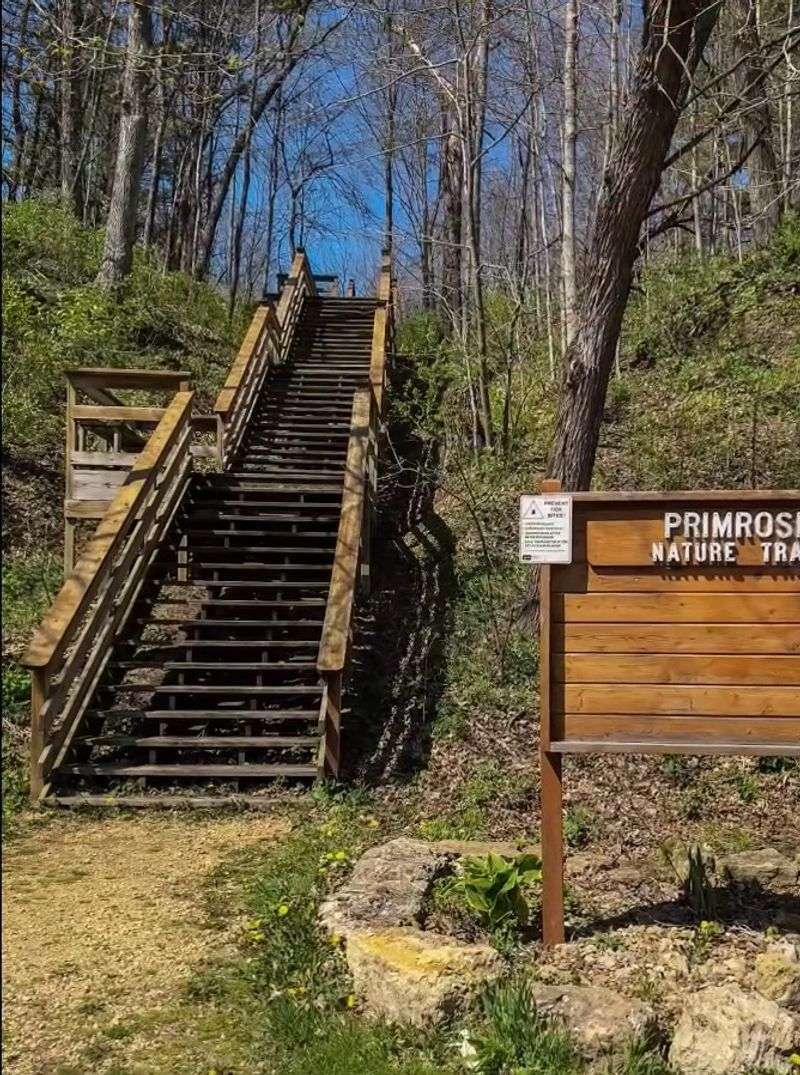
Few things thrill a kid quite like crossing a river on rocks. The Primrose Nature Trail offers exactly that, with an optional crossing over stones.
The trail has some steep areas, so it is not a stroll in the park. It does, however, lead to quiet spots along the river that are great for a rest.
A short walk near the river follows a path that crosses the water on rocks. It is a highlight for many families.
In cooler months, the river can be brisk. Some folks still enjoy wading in from the trails when conditions allow.
Parents should judge water levels before letting kids hop across. Wet rocks can be slippery, and an extra set of socks in the car is never a bad idea.
The Primrose Trail is often recommended alongside the River Route as a top pick. Together, they show off the river from two very different angles.
Once everyone is dry again, the park’s higher ground has a quieter trail waiting among the trees.
Pine Ridge and the Quiet Woods
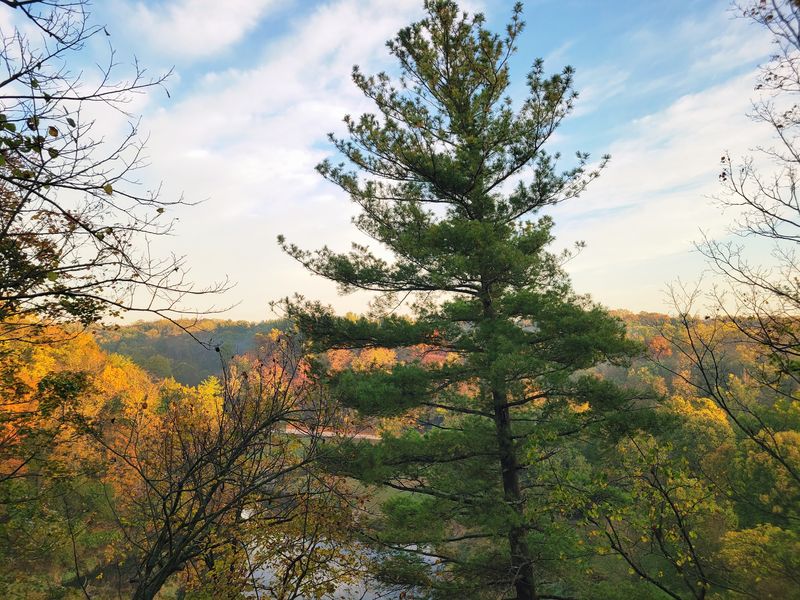
For a change of scenery, head uphill. The Pine Ridge Trail climbs up along a stretch of pine trees above the canyon.
It makes a nice hike for anyone who wants forest views more than river views. The pines stand out in a park where hardwoods dominate the slopes.
Like the other trails, it involves some hill climbing. The difficulty is moderate, so it suits most school-age kids.
The forests here are described as biologically diverse. That variety means there is always something new to point out along the path.
Bald eagles have been spotted in the park, along with views of the river and cliffs. Bringing binoculars can turn a hike into a wildlife hunt.
The park is hilly overall, so arriving prepared matters. Comfortable shoes and water bottles go a long way on these climbs.
Pine Ridge rounds out a set of four short trails that can fill an afternoon. Families who finish all four have earned a picnic, and the park happens to have plenty of spots for one.
Waterfalls, Bluffs and Eagles to Spot
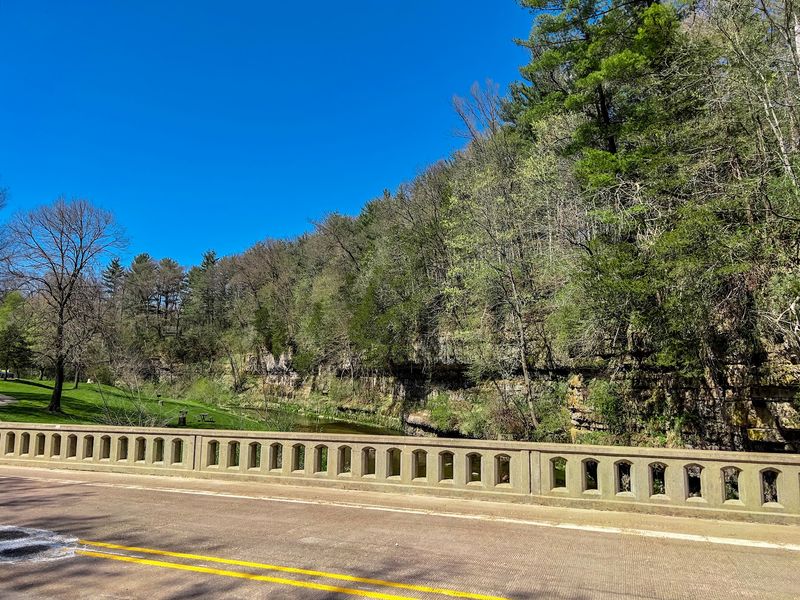
Scavenger hunts practically write themselves here. The park offers waterfalls, bluffs and the chance to see bald eagles.
Several miles of trails in total lead to views of the river, waterfalls and rock walls. Each trail gives kids something different to search for.
Waterfalls tend to be more active when there has been recent rain. Dry creek beds along some routes hint at how lively the water can get in spring.
Bald eagles have been seen around the park. Spotting one makes an easy brag for the drive home.
Nature photography is a popular activity, and many hikers leave with great photos from the cliffs. A phone camera works fine, though a charged battery is a must.
Grandparents with a love of birds or wildflowers may find this the best part of the trip. Kids, meanwhile, will probably count it as a win if they find one cool rock.
Fishing is another way to spend time by the water, and anglers have their own reasons to circle this park on the map.
Casting for Trout and Smallmouth
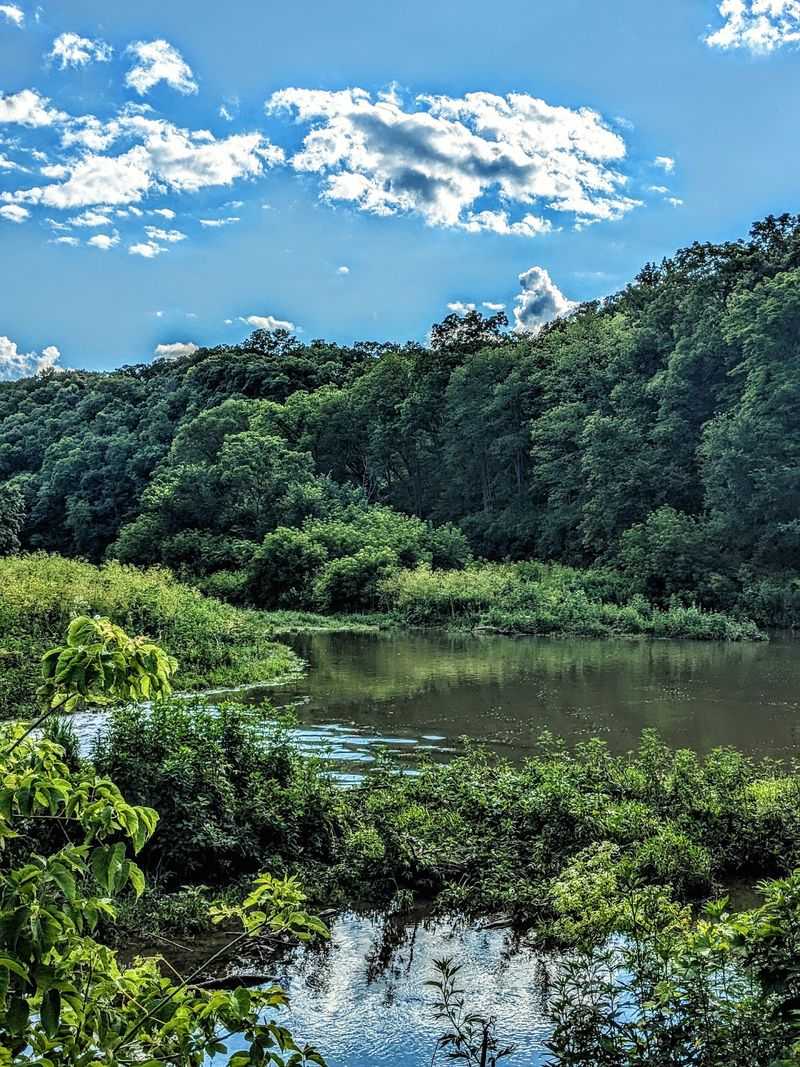
Anglers have long had their eye on the Apple River. Trout fishing and smallmouth bass fishing both come up often in conversations about this park.
That makes it a natural spot for a grandparent to teach a grandchild how to cast. The river setting adds a scenic backdrop to the lesson.
Fishing is listed among the main recreational activities, alongside hiking, camping and picnicking. It fits neatly into a day that includes a short trail or two.
Getting to the water can take some effort. Much of the river sits below steep slopes, and not all of it is easy to reach.
Illinois fishing rules and license requirements apply, so checking state regulations before casting is important. Those rules can change, so a quick look ahead of time saves headaches.
A rod, a small tackle box and patience are about all that is needed. Even when the fish are not biting, a few hours by the water rarely feels wasted.
Whatever ends up in the bucket, the picnic tables nearby are ready for the celebration lunch.
Picnic Spots for Every Generation
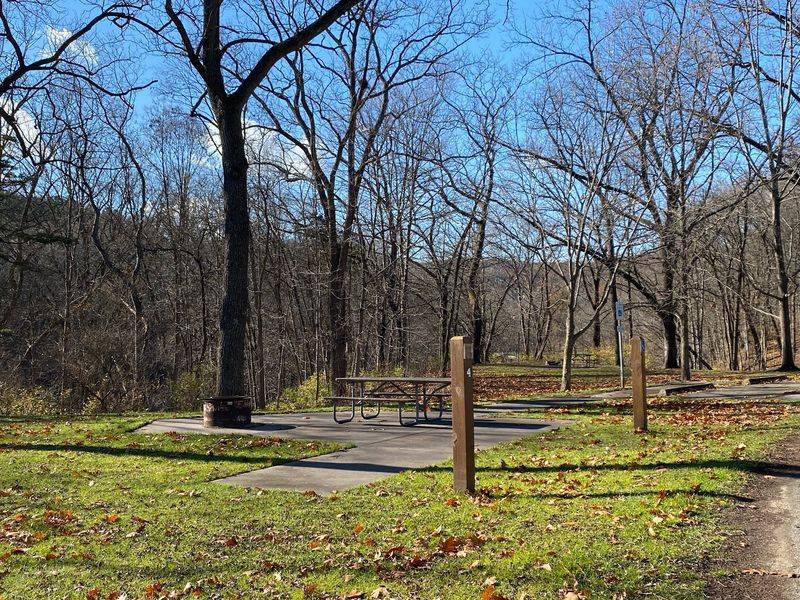
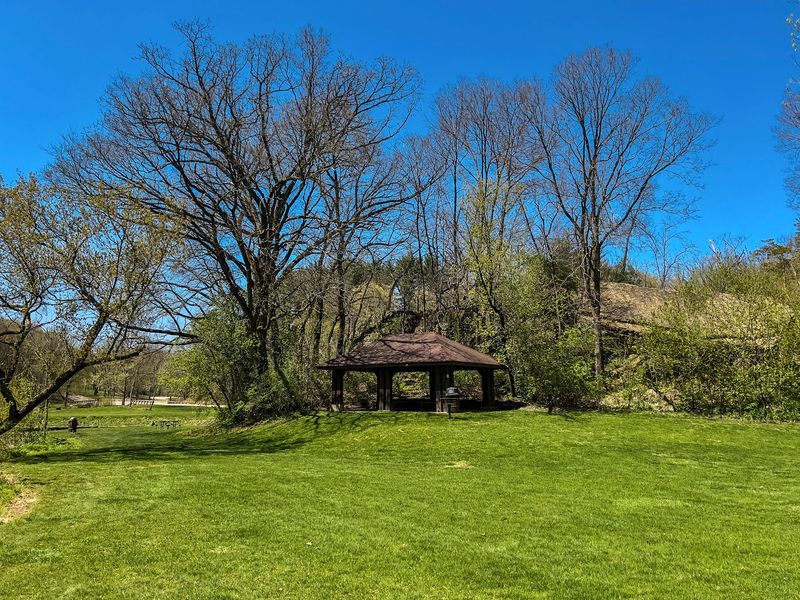
Some of the best memories happen at a simple picnic table. Apple River Canyon has lots of great places to spread out lunch.
Families who visit Galena often stop here for a picnic and a couple of relatively easy walks. It makes a budget-friendly break from shops and restaurants in town.
The picnicking areas sit near the trails, so it is easy to eat before or after a hike. Clean restrooms and a good amount of parking add to the convenience.
Bringing food from home is the way to go. Supplies are about ten minutes away, so it pays to pack everything in the car before arriving.
One thing to keep in mind is that the park is not closed off to traffic. Cars drive through, so parents should watch little ones near roads and picnic areas.
The atmosphere is peaceful and quiet, which suits grandparents who want to sit back while kids explore. It is a fine place to relax and take it all in.
For families who want more than an afternoon, staying the night costs less than most people expect.
Rustic Camping on a Shoestring
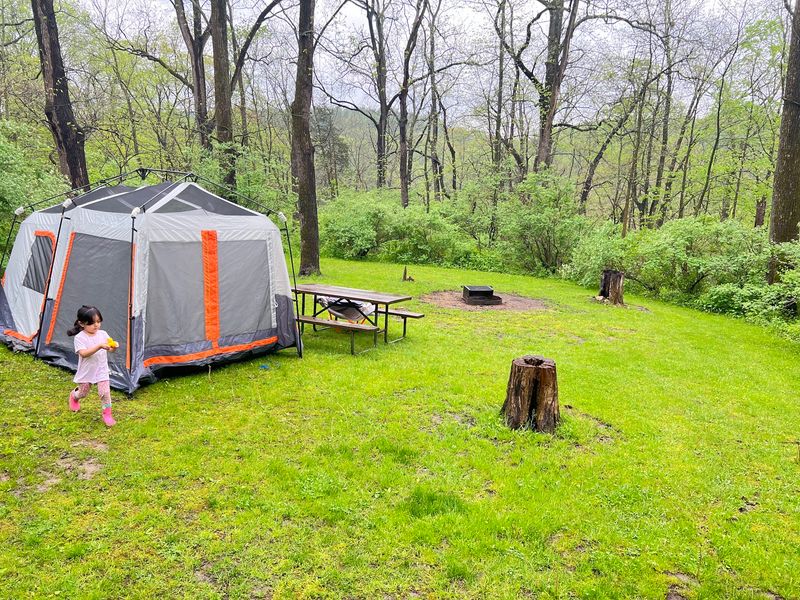
Camping here can cost about $8 a night, a figure that may change but still sounds almost unbelievable. That makes it one of the cheapest family sleepovers around.
The campground is rustic and cozy. Trees between sites give a nice amount of privacy.
Each site includes a single picnic table and a fire pit with a grill grate. Grassy paths lead to the nearby restrooms.
The restrooms are enclosed, lockable latrines with toilet paper but no flushing toilets, sinks or soap. Hand sanitizer belongs on the packing list.
There are two campground sections. One loop can be reserved ahead of time, and the other is first come, first served.
Firewood can be bought for around $6 a bundle by scanning a QR code or dropping cash in a box. Running water is not available in winter, though the latrines stay open.
A youth campground is also available for groups. Weekend noise can happen, but many campers find the small size keeps things calmer than at larger parks, which leads to the park’s best secret: the crowds rarely show up.
Why Smaller Means Quieter
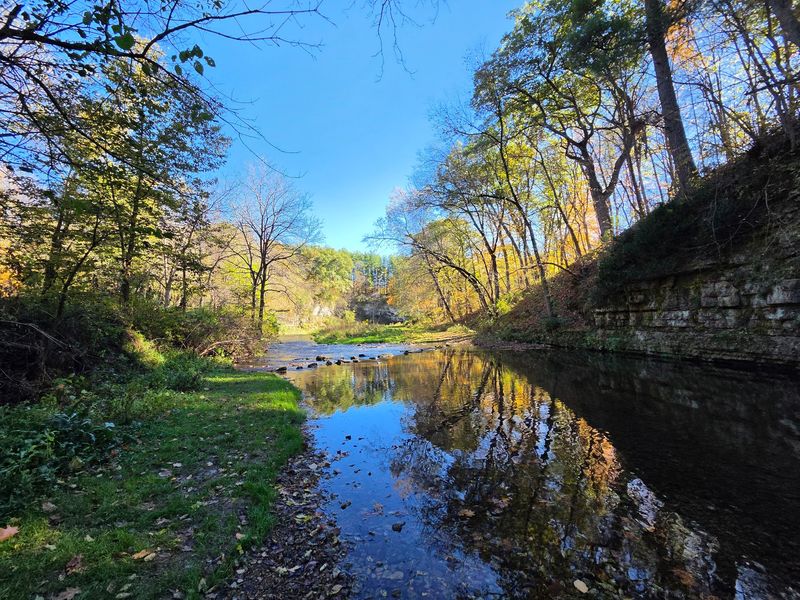
Crowds skip this place, and that is its charm. Because the park is small, it does not draw big numbers of people.
Hikers often get trails and viewpoints mostly or fully to themselves. That is rare at many popular state parks in Illinois or across the border in Wisconsin.
Some campers use it as a base for day trips to Mississippi Palisades State Park. The drive passes through scenic countryside along the way.
Solo travelers, couples and families all find room to slow down here. Reading by the water or hanging out at a campfire fits the pace.
Not everyone loves the small scale. Those hoping for long trails may find the park too compact for a multi-day stay.
For local families or travelers passing nearby, though, it makes a solid day trip. It also pairs well with a visit to Galena.
Winter brings its own quiet beauty, with snow covering the trails. Some visitors walk the park roads instead when the paths are snowy.
Of course, that peaceful location comes with one catch worth planning around before leaving home.
Before You Go: Maps, Ticks and Good Shoes
Cell signal tends to vanish once you roll into the canyon. Many phones, including Verizon users, lose service inside the park.
Downloading an offline map before leaving home is a smart move. Trail apps with saved maps also help.
Finding the park can be tricky, as some GPS routes send drivers down rough roads. Following the official signs and the state park website address helps.
Ticks can be a problem on the river trail, so checking kids and pets after hiking is wise. Bug spray and long socks are worth packing.
Sturdy shoes are strongly recommended because trails are steep, rocky and sometimes muddy. Water bottles and snacks are must-haves.
The nearest supplies are about ten minutes away. A full cooler saves an extra trip.
For families hunting a free, close-to-home outing, this hidden canyon checks nearly every box. Grab the grandkids, pack a picnic and let northwest Illinois surprise you.
Most drivers will keep rolling past those cornfields. Your crew will know better, and that small secret makes the day even sweeter.


