
Affiliate disclosure: As an Amazon Associate I earn from qualifying purchases. Learn more
Detroit has torn down plenty of old buildings, but one downtown saloon has refused to budge for more than a century. Its doors opened in 1904, when Henry Ford was still a year away from selling his first Model A, and the same German comfort food has been coming out of the kitchen ever since.
Locals line up for plates of schnitzel and stacks of potato pancakes inside a building that predates Michigan statehood by a few months. Keep reading to learn the name, the address, the quirky basement stairs, the secret upstairs, and the best way to grab a seat in one of the most historic dining rooms in the Motor City.
A Brush Street Address With Deep Roots
Some Detroit landmarks sit on postcards, while others quietly serve lunch to anyone who walks through the door.
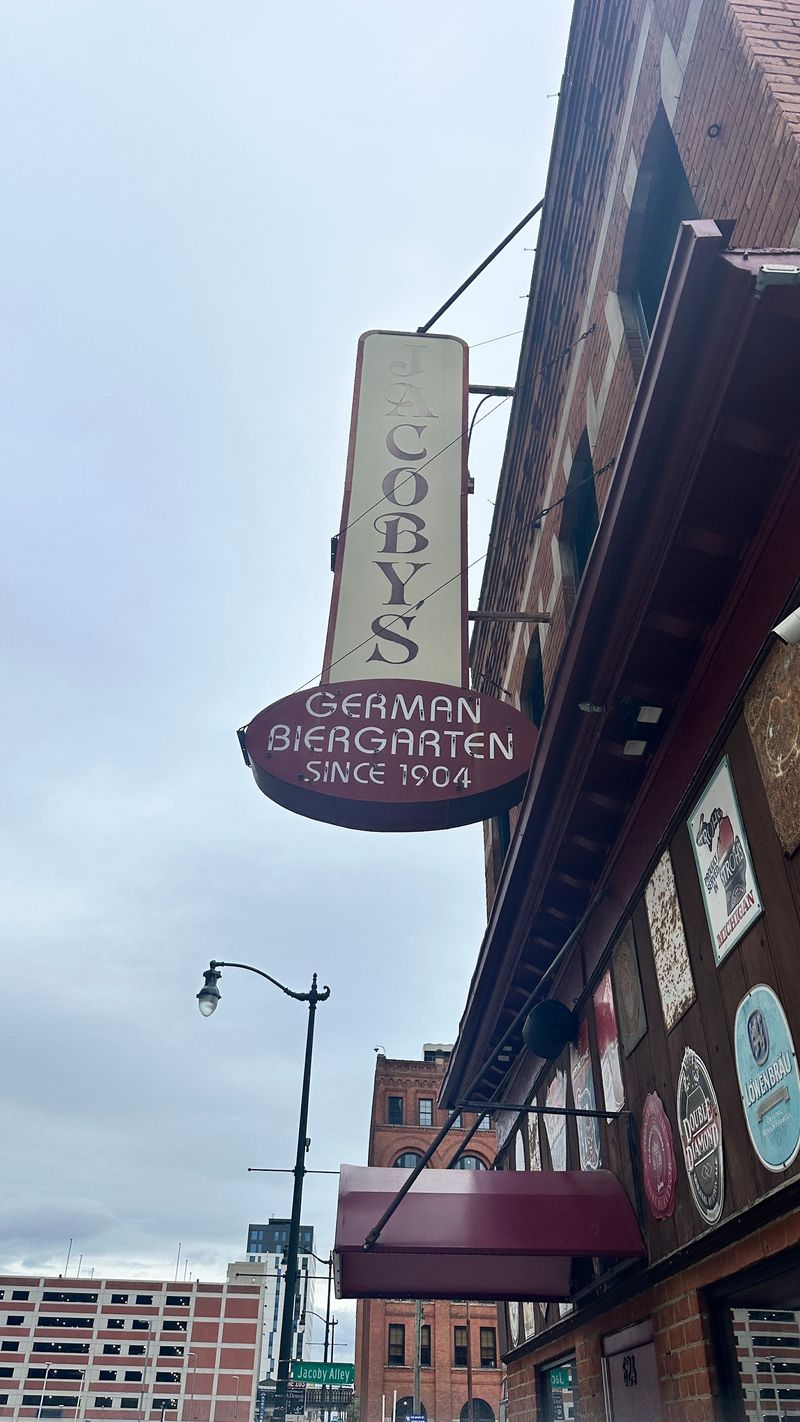
Jacoby’s belongs to the second group, and it has done so since 1904. The German restaurant sits at 624 Brush St, Detroit, MI 48226, in the heart of downtown Detroit, Michigan, in the United States.
The spot is often called the oldest bar in Detroit, a title that comes up again and again among regulars and newcomers alike. Whether that claim holds up in every history book, the 1904 founding date alone puts it in rare company.
Very few Michigan businesses have kept the same name and the same purpose for more than 120 years. Even fewer have done it while sticking to a menu rooted in German tradition.
That staying power is a big part of the appeal. Detroiters can point to this address and say that a slice of old-world dining has been hiding in plain sight downtown for generations.
The place carries a 4.5-star average from more than 1,600 diners on Google, which is a strong showing for any spot, let alone one this old. People keep coming back, and they keep bringing friends.
So what makes a downtown saloon last this long? The answer starts with the building itself, which turns out to be even older than the business inside it.
Walls That Remember 1837
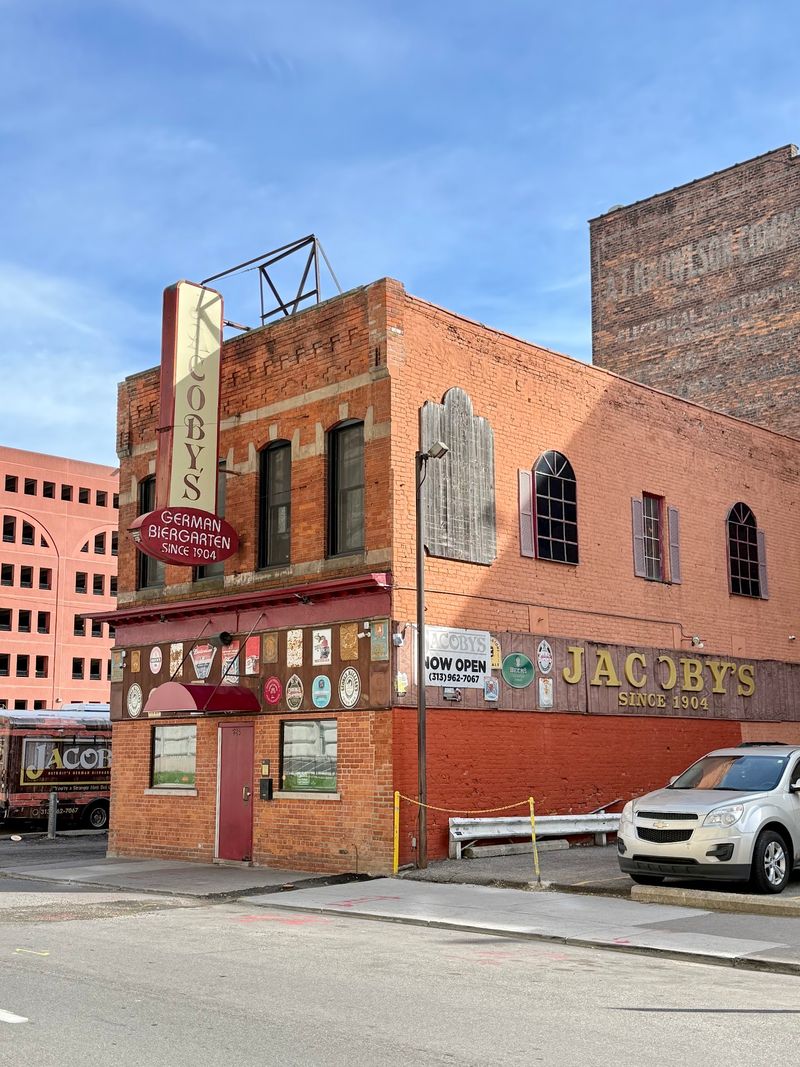
Here is a fun bit of trivia to bring up at your next family dinner. The building that houses Jacoby’s was built in 1837, according to the owners.
That was the same year Michigan officially became a state. In other words, these walls were standing before most of Detroit as we know it today even existed.
The saloon moved in decades later, in 1904. By then the structure had already lived a full life of its own.
The interior still has an early 1900s character, and nobody has tried to polish that away. It feels old and a little gritty, in the way many historic Detroit buildings do.
For Michigan history fans, this is the real draw. You are not eating in a theme restaurant built to look vintage.
You are eating in a structure that has watched horse carts, streetcars, and the auto boom roll past its front door. Detroit’s story is written into the floors and stairways.
That age does come with a few quirks, which we will get to shortly. First, though, there is the small matter of how to say the name correctly.
How Locals Say the Name
Spelled one way, said another. That is the first lesson for anyone new to this downtown institution.
Regulars pronounce it “Jake-O-Bees,” not the way many first-timers try to sound it out. Getting it right is a small badge of honor that marks you as someone in the know.
It is the kind of detail that makes a place feel personal. Long-running local businesses collect little traditions like this over the years, and they get passed from one Detroiter to the next.
The name points to the German heritage that has shaped the menu from the start. Detroit once had a large German community, and many of its saloons and social halls carried family names just like this one.
Most of those places are long gone. This one is still here, still serving German favorites, and still trading under the same name.
That continuity is worth celebrating. A century-old family-style name on a downtown storefront is a direct link to the immigrant communities that helped build the city.
Now that the pronunciation is sorted out, it is time to talk about the plate that makes so many people order without even opening the menu.
The Schnitzel Everyone Orders
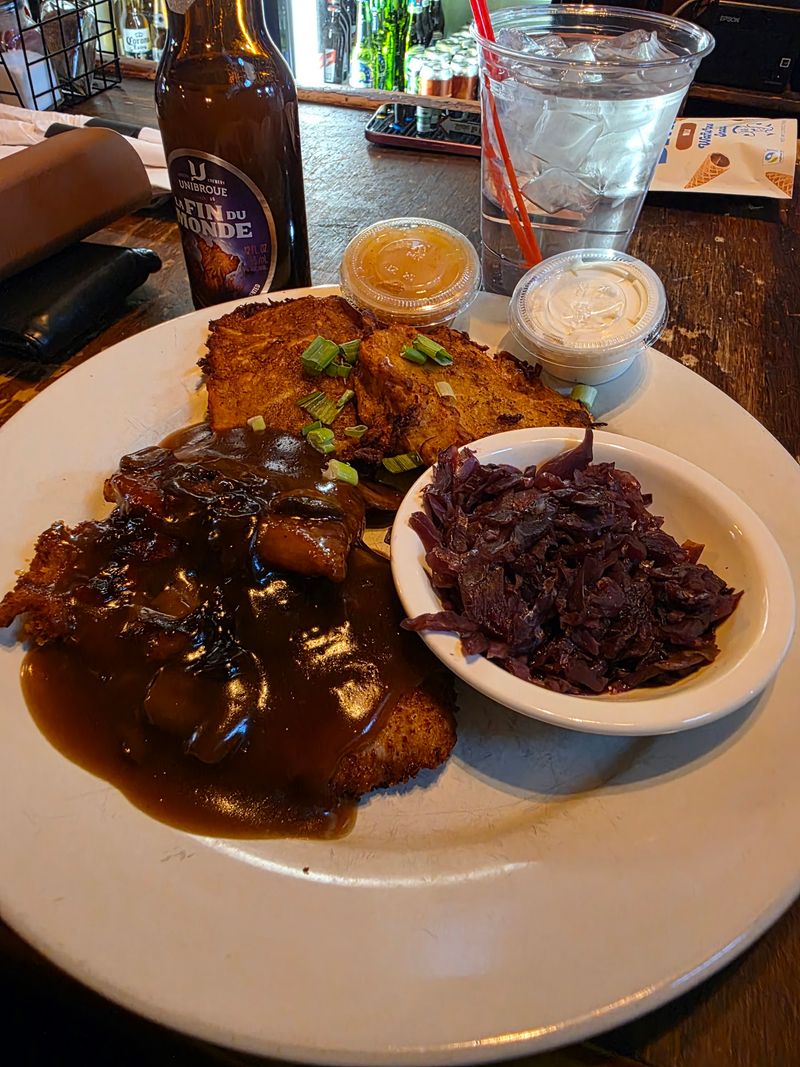
Ask a regular what to order, and odds are high you will hear one word first. Schnitzel.
The kitchen turns out a fried chicken schnitzel that has become one of the signature plates here. The meat is pounded thin enough to cook evenly while staying thick enough to feel like a full meal.
It arrives covered in gravy and comes with traditional sides. Diners often mention that the side dishes hold their own right next to the main event.
Swaps are welcome, too. Some people trade one side for another to build the plate they want, and the kitchen is happy to go along with it.
Not everyone agrees on what counts as “proper” schnitzel, and a few purists have opinions about the thickness. Still, most people walk out planning their next order of the same dish.
Part of the credit goes to the cook in the back, who keeps things consistent from one busy night to the next. Food here shows up fast, even when the room is crowded.
For a Detroiter craving German comfort food without a passport, this plate does the job. And it has a famous partner on the menu that deserves its own spotlight.
Potato Pancakes With a Following
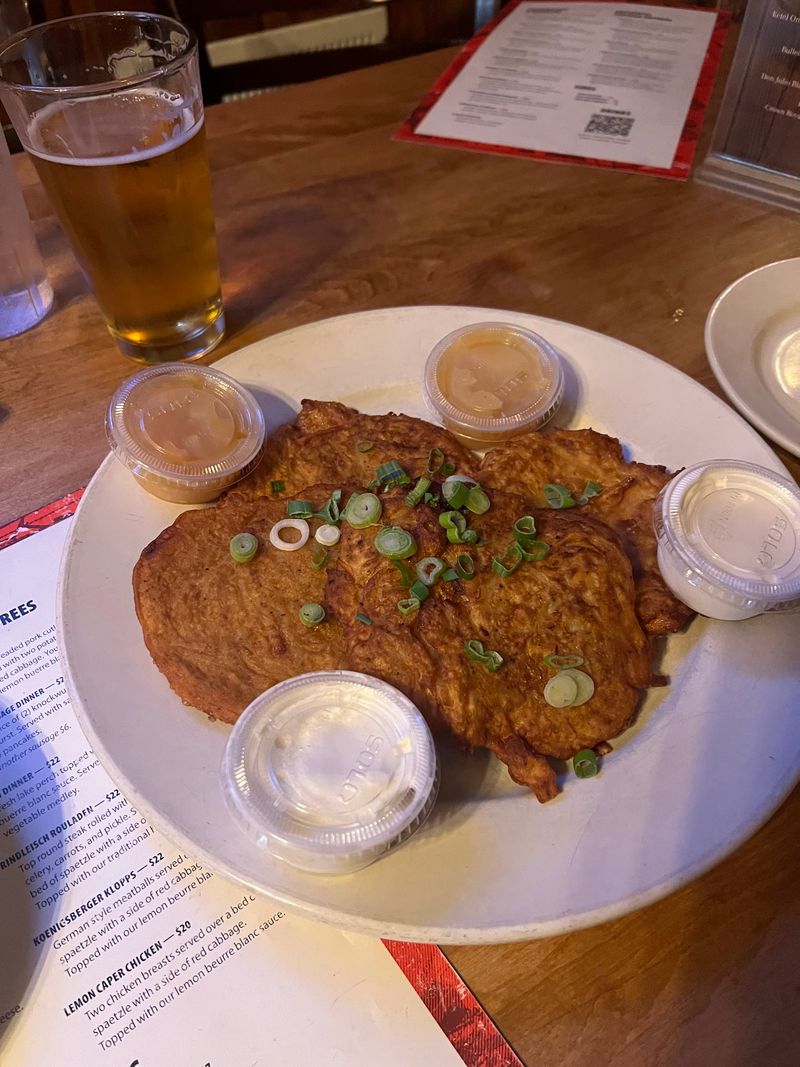
Potato pancakes might be the most talked-about item on the entire menu. They come up in conversation almost as often as the long drink list.
Plenty of first-timers order them out of curiosity and leave as converts. Even people who never expected to care about a potato pancake end up recommending them to friends.
They are served the traditional way, with two classic toppings on the side. That combination has been a German kitchen staple for generations, and it works here just as well.
The pancakes make a smart starter for the table. They also pair nicely with the schnitzel if you want the full headline experience in one sitting.
Sharing is common. A plate in the middle of the table lets a group sample a bit of German tradition before the main dishes land.
There is something satisfying about ordering the same dish people have been eating in this building for decades. It connects a Tuesday lunch in 2025 with a long line of Detroit diners who came before.
Of course, the menu does not stop with German classics. The kitchen leans on two culinary homelands, and knowing that helps set the right expectations.
Two Kitchens in One Menu
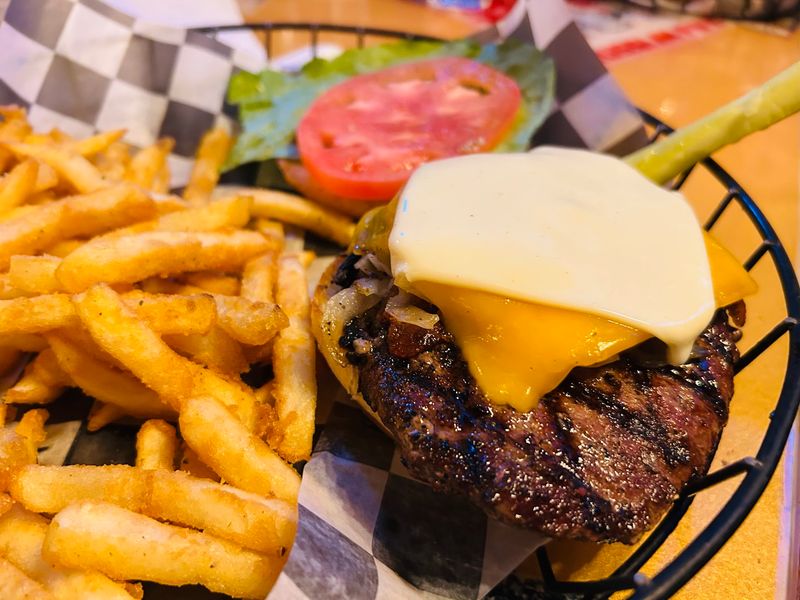
Expectations matter, so here is the honest scoop. The menu is a blend of German favorites and American saloon-style dishes.
German plates hold the spotlight, with several traditional entrees that bring people back again and again. Alongside them sit familiar American options, including burgers and a house sandwich that has its own fan base.
Some diners hoping for a strictly German restaurant find the balance tilts a little more toward American food than they expected. Others love that the mix lets everyone at the table find something they want.
That flexibility helps with groups. One person can go full German while another sticks with something more familiar, and nobody feels left out.
The kitchen also tries to work around dietary needs. Staff have been known to go out of their way to accommodate allergies, and there is a plant-based burger option on the menu.
Think of it as a German saloon that grew up in Detroit. After more than a century in Michigan, it makes sense that some local flavor found its way onto the menu.
The food is only half the story, though. The room you eat it in has plenty to say on its own.
Pressed Metal Overhead, History All Around
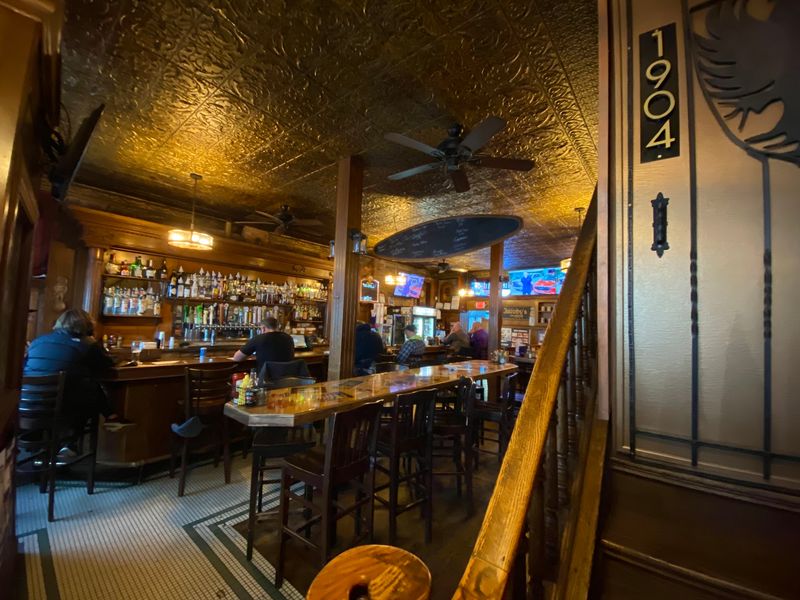
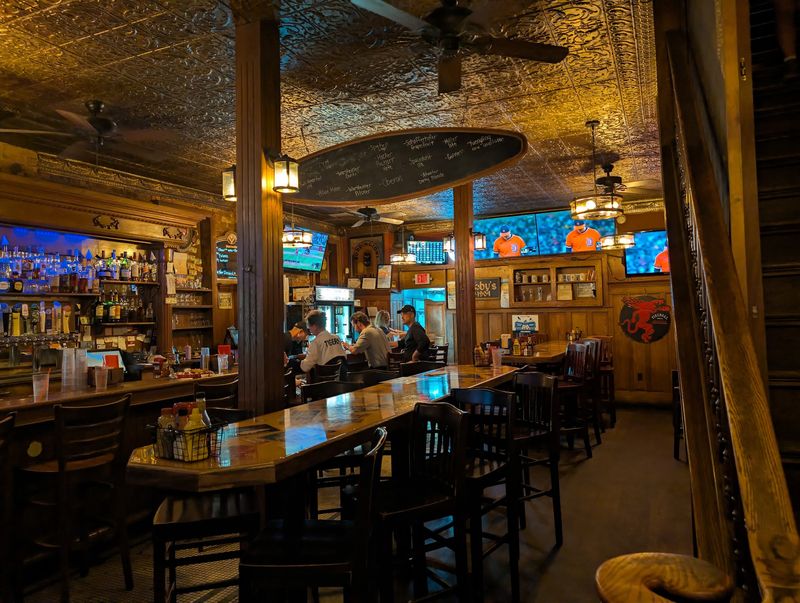
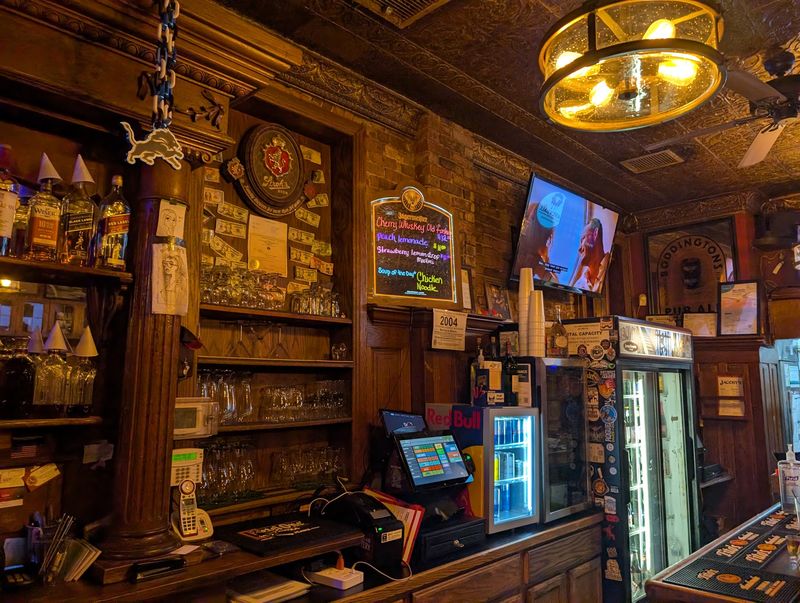
Look up when you sit down. The ceiling has a textured metal finish that sparks plenty of curiosity among first-timers.
Many people wonder whether it dates back to the 1904 opening. Whatever its exact age, it fits right in with the early 1900s character that runs through the whole room.
The long counter is another focal point. It is the kind of classic setup you rarely find in newer restaurants, built for leaning, chatting, and settling in.
Nobody has dressed this space up to look fancy. It is old, it is a little rough around the edges, and that is exactly the charm.
Some describe the vibe as a neighborhood hangout, while others call it pure historic personality. Both descriptions can be true at the same time.
The room feels relaxed and welcoming, which makes it easy to linger after the plates are cleared. It is a place where conversation flows and strangers sometimes become friends.
For anyone who loves Detroit’s older architecture, the interior alone makes the trip worthwhile. Just be ready for one quirk when nature calls, because the building’s age shows up most clearly downstairs.
The Famous Basement Stairs
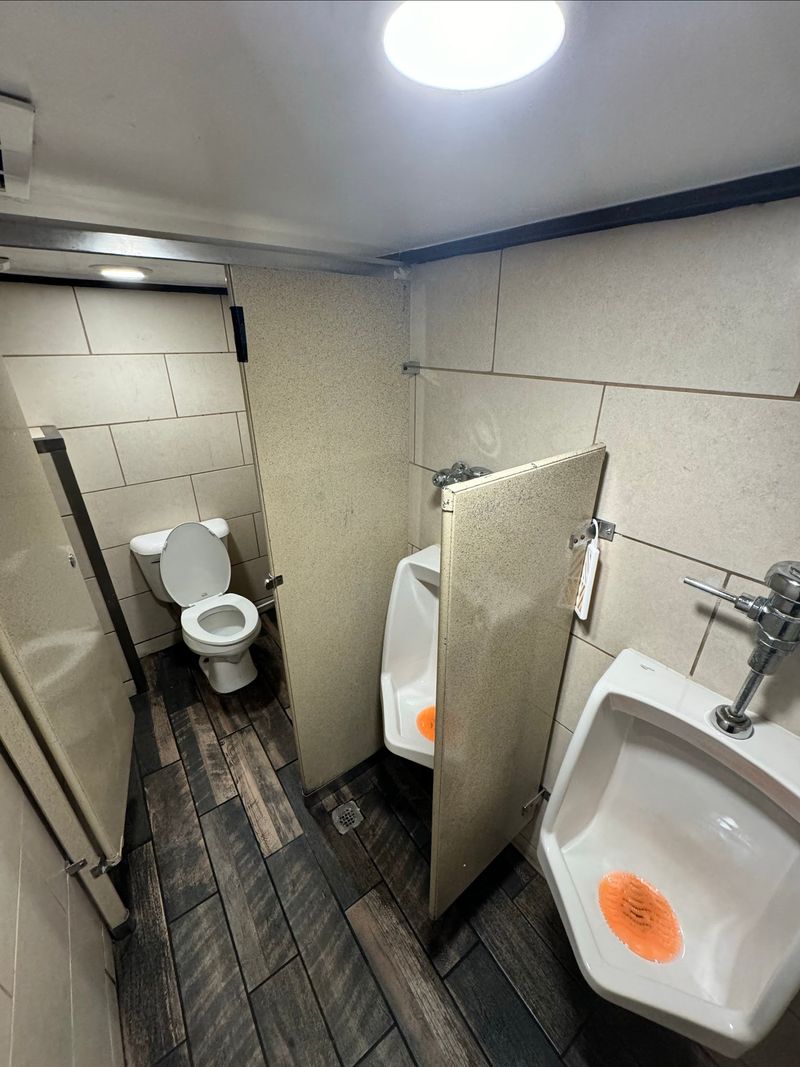
Every old building has a quirk, and this one keeps its restrooms in the basement. Getting there means heading down a set of old steps.
Remember, the structure dates to 1837. Builders back then were not thinking about modern restaurant layouts.
The restroom is small and not especially private. On a packed night, going up and down those narrow stairs can feel like a bit of an adventure.
The owners take it in stride. Their view is simple: the building is nearly two centuries old, and the food and friendly staff are what people come for.
A little planning helps. Guests with mobility concerns may want to keep the stairs in mind before heading over.
Timing a trip downstairs before the dinner rush can also make things easier. The steps are much less crowded during a quiet afternoon.
Honestly, it is part of the experience. Few downtown spots can say their stairways have been in use since before Michigan joined the Union.
Speaking of the people who make this place tick, the staff deserve a section all their own.
Friendly Faces Behind the Counter
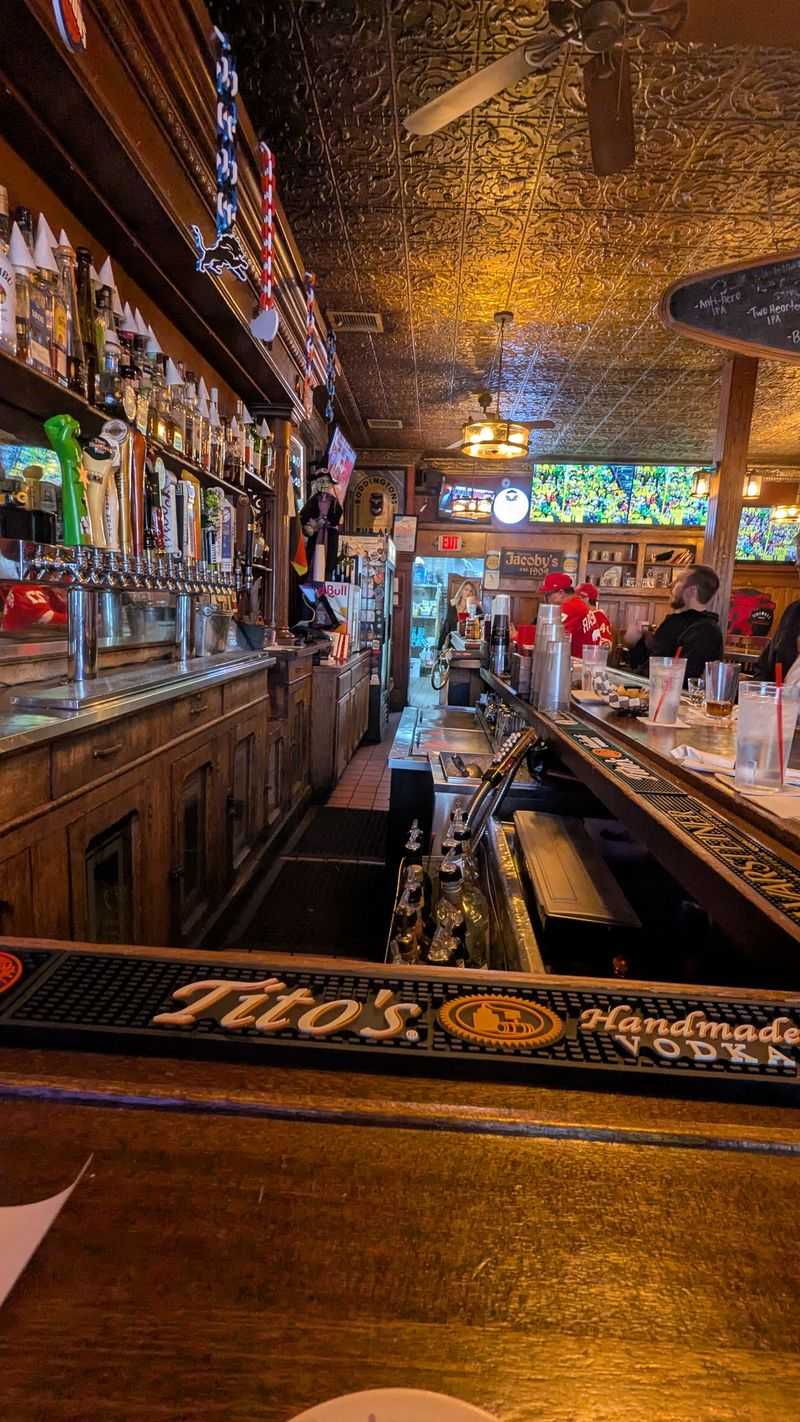
Good food brings people in, but friendly faces bring them back. The team here gets a lot of credit for making newcomers feel at home.
Hosts guide first-timers through the menu, explaining the German dishes and helping them pick. That kind of patience goes a long way for anyone unfamiliar with the cuisine.
The staff behind the counter are often described as attentive, warm, and quick to strike up a conversation. One staff member with a long beard has a reputation for chatting with guests and checking in.
Even people who only stop by a few times a year say they feel like regulars. That is a hard feeling to create, and this crew manages it.
The team is flexible, too. On a chilly, drizzly day, staff have tracked down hot tea for a guest who wanted something warm.
Food comes out quickly, even on crowded nights. The kitchen keeps pace while the front of the house keeps spirits up.
That mix of hospitality and history is hard to fake. And the staff hold one more secret that curious guests should ask about before they leave.
A Secret Waiting Upstairs
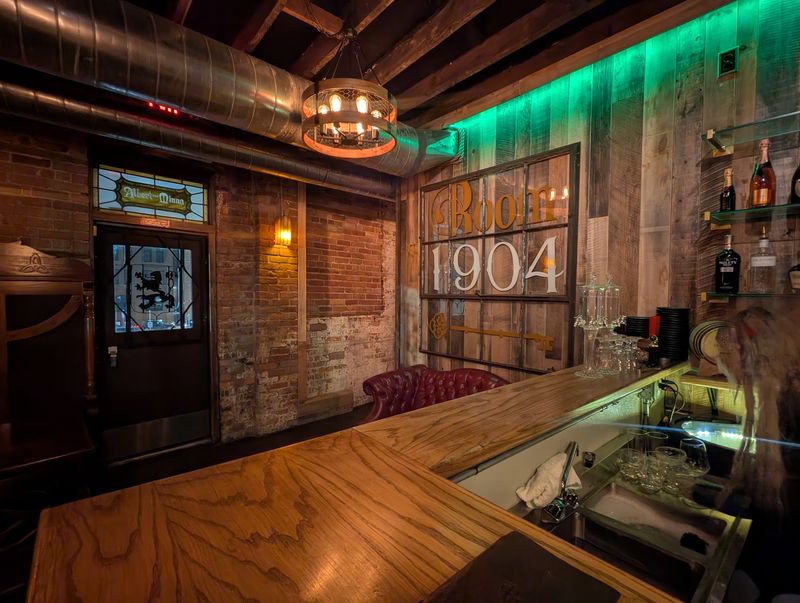
Here is an insider tip that not every first-timer hears. After your meal, ask the staff about going upstairs.
The building has more to it than the main dining room. Regulars quietly pass this suggestion along to friends who are visiting for the first time.
We will not spoil the details here, partly because it is more fun to find out in person. It is the kind of moment that turns a regular lunch into a story you tell later.
This sort of hidden layer is exactly why century-old buildings are so rewarding. There is always one more room, one more stairway, one more piece of the past tucked away.
Be polite and ask at a good time. On busy nights, the crew may have their hands full, so a slower afternoon could be the better moment to bring it up.
Little discoveries like this give Detroiters a sense of ownership over the city’s history. Not every secret needs to be in a guidebook.
Of course, enjoying any of this depends on actually getting a seat. That leads us to the question of crowds.
Small Room, Big Crowds
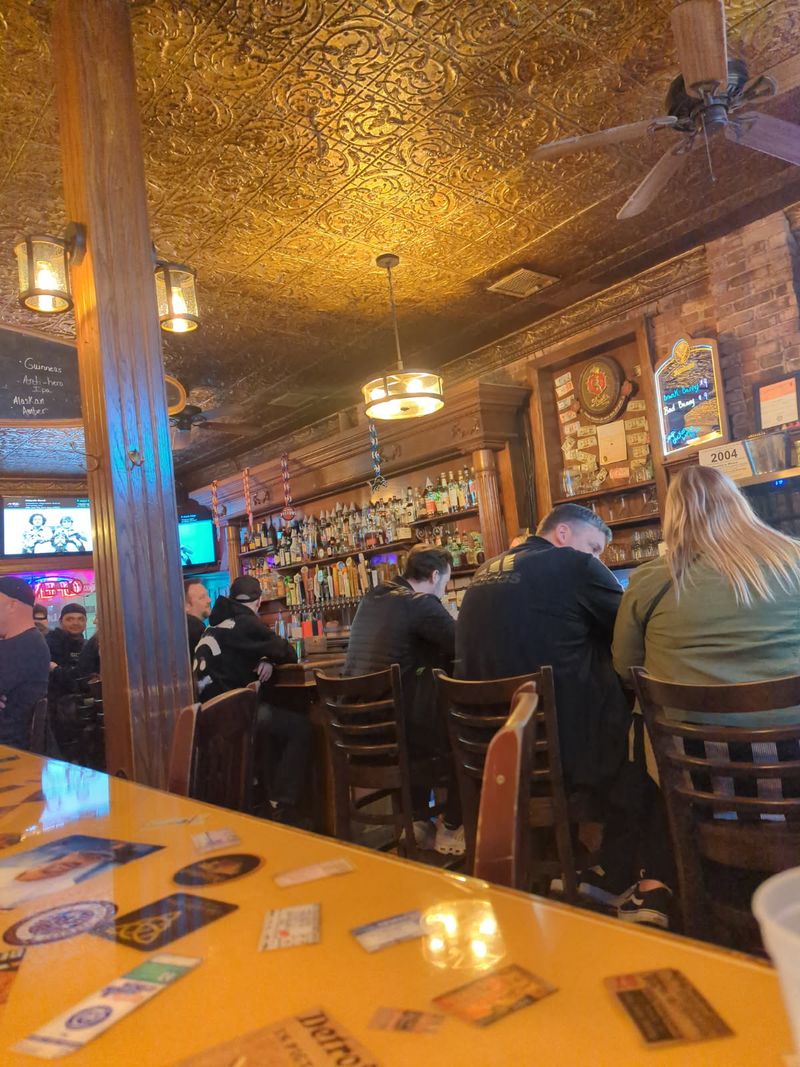
Size matters here, and the room is not big. Seating fills up fast once the crowd starts rolling in.
Saturday nights can get packed. Couples arriving late sometimes end up squeezed in at the end of the counter, and they still leave happy.
Special weekends bring even bigger crowds. During St. Patrick’s Day weekend, the place stays busy, yet the kitchen keeps the food coming.
The tight space has an upside. Sitting close to other diners makes it easy to start conversations, and new friendships tend to form over shared plates.
The crowd is a mix of locals, downtown workers, and out-of-towners in for events. Some describe the energy as lively, almost like a college hangout on busy nights.
Families, couples, and small groups all fit in, as long as everyone is flexible about seating. Large parties may want to arrive early.
Weekday afternoons are generally the calmest time for a relaxed meal. Late nights skew livelier.
Planning around those patterns makes a big difference. So let’s get into the practical details, from hours to finding the front door.
Hours, Timing, and the Walk Over
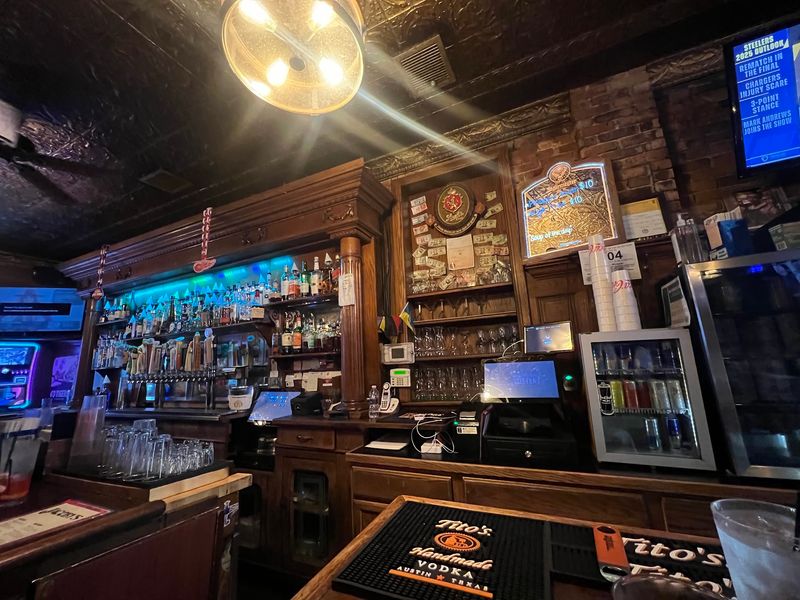
Good news for night owls and lunch-breakers alike. The doors open at 12 PM and stay open until 2 AM, seven days a week.
That schedule makes it easy to fit in a visit. Stop by for a midday plate of schnitzel or wander over after a downtown event for late potato pancakes.
The location is right in the heart of downtown Detroit, just off Jefferson Avenue. It is within walking distance of another long-running Detroit favorite, Sweetwater Tavern, so history buffs can make a little tour of it.
Downtown parking varies by day and event schedule. Walking from nearby attractions is often the simplest option.
Afternoons are your best bet for a quieter table. Weekend evenings are livelier and seats can disappear quickly.
If you are heading in during a cool, rainy stretch, the cozy room makes a nice escape from the weather. The staff will help you settle in.
For more details, the official website is jacobysbar.com. It is worth checking before any special occasion or holiday weekend.
With the logistics covered, there is just one question left. Is it worth the trip?
Why Detroit Should Keep This One Close
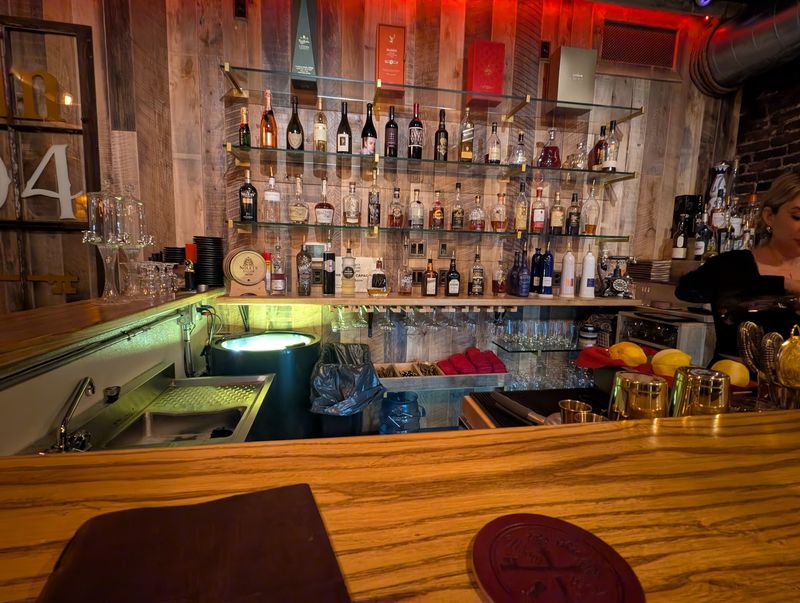
Some places earn loyalty with flash. This one earned it by simply showing up every day since 1904.
Jacoby’s is not trying to be a fancy European restaurant. It is a downtown saloon with German roots, a mixed menu, and a building that has more history than most museums.
The schnitzel and potato pancakes are the reasons many people walk in. The friendly staff, the old ceiling, and the quirky stairs are the reasons they talk about it afterward.
It does have its rough edges. The room is small, the restroom trip is an adventure, and German purists may wish for a stricter menu.
Still, few places in Michigan connect today’s diners so directly with the city’s immigrant past. A German comfort meal in a building from 1837 is a rare thing, and it requires no plane ticket.
That is the real takeaway for Detroiters. You do not have to cross an ocean for a taste of old-world tradition.
It has been right here on Brush Street for more than a century. Grab a friend, practice saying “Jake-O-Bees,” and go see why this saloon keeps outlasting the decades.


