
Affiliate disclosure: As an Amazon Associate I earn from qualifying purchases. Learn more
Some people live twenty minutes from this place their whole lives and never stop in. That is a shame, because it may be one of the most rewarding short hikes in southern Ohio.
Tucked into the hills of Ross County, this preserve hides a deep gorge, a winding creek, towering rock pillars, and caves you can actually crawl into. Admission costs nothing at all, though donations are welcome.
The trails start inside a small museum, the staff knows every turn, and autumn weekends can feel almost empty. Older generations may remember the land by a different name from decades ago.
Keep reading to learn where it is, what makes the gorge so special, which trails fit your family, and the closing-time detail that could leave your car stuck behind a locked gate.
A Free Gorge Near Bainbridge
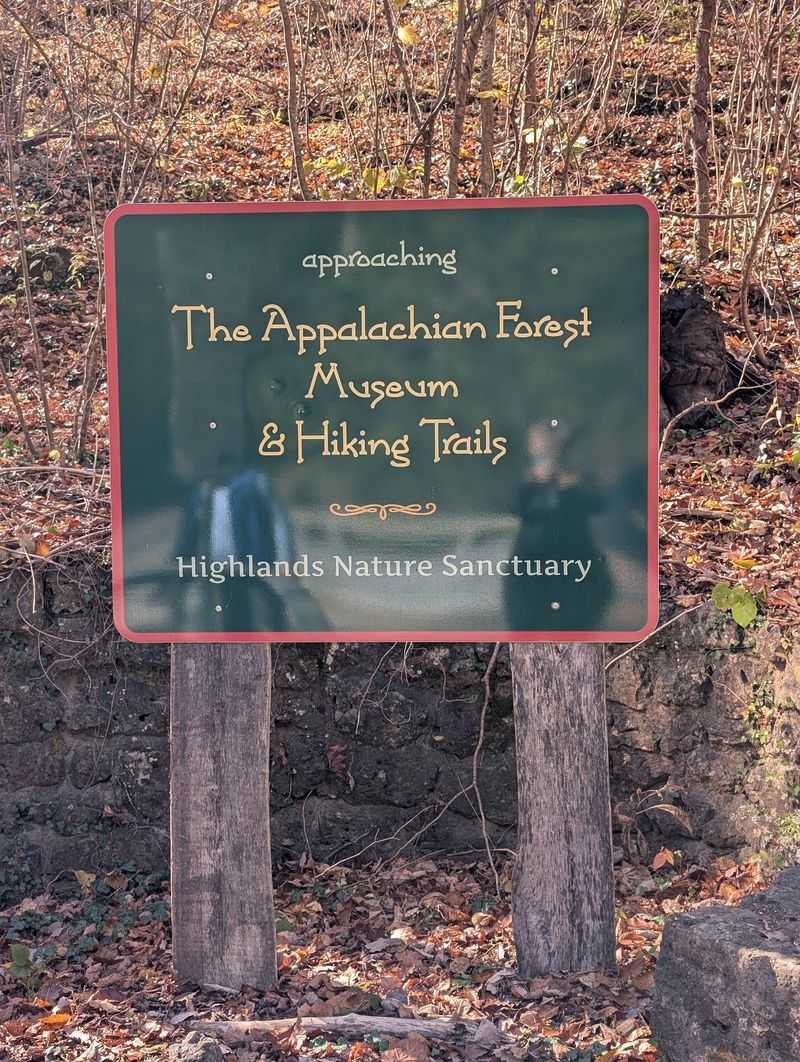
Plenty of Ohio road trips end at crowded parks with packed lots. The Highlands Nature Sanctuary takes a quieter approach, and it sits at 7660 Cave Rd, Bainbridge, OH 45612, in the hills of southern Ohio.
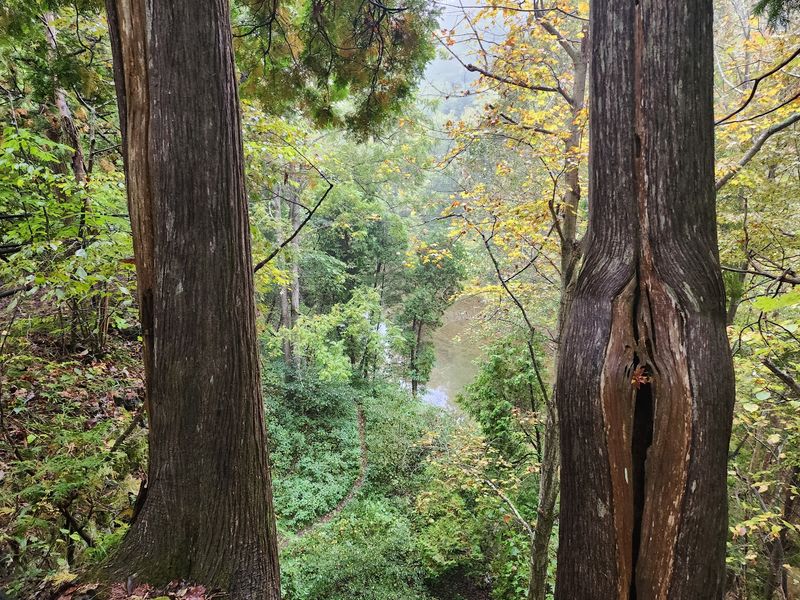
The preserve is cared for by the Arc of Appalachia, a group devoted to protecting wild land in this part of the state. Its trails wind through mature forest before dropping into a gorge cut by Rocky Fork Creek.
Here is the payoff that makes families perk up. Entry is completely free, and donations are accepted for anyone who wants to give back.
That price tag makes it an easy day trip from Columbus, Cincinnati, or Dayton. Bainbridge itself is a small town, so the sanctuary feels like a local secret rather than a tourist stop.
Finding it takes a little attention. The museum building appears first along Cave Road, and the parking lot sits roughly 200 yards farther down on the left.
Miss that turn and you might drive past one of the best short hikes in the region. Keep an eye on the left side of the road, and the adventure starts right there.
Once Known as Seven Caves
Ask an older Ohioan about this spot and you might hear a different name. Decades ago, the land was known as Seven Caves, and many families visited it as kids.
One returning hiker came back more than 50 years after a childhood trip. The name has changed, but the caves and the gorge are still the main attractions.
Today the property operates as a sanctuary under the Arc of Appalachia. The focus now leans toward protection and quiet appreciation rather than roadside thrills.
That shift shows in the woods themselves. Mature beech and maple trees fill the forest, the kind associated with an Eastern climax forest that has had time to grow undisturbed.
History buffs will find more than old memories here. The museum building helps tell the story of southern Ohio and its natural heritage.
Staff members are happy to share background on the land and point out trail directions. Their knowledge turns a simple walk into a lesson about the region.
For grandparents, it can be a chance to revisit a piece of their past. For kids, it is the first chapter of a brand-new family tradition.
The Museum That Doubles as a Doorway
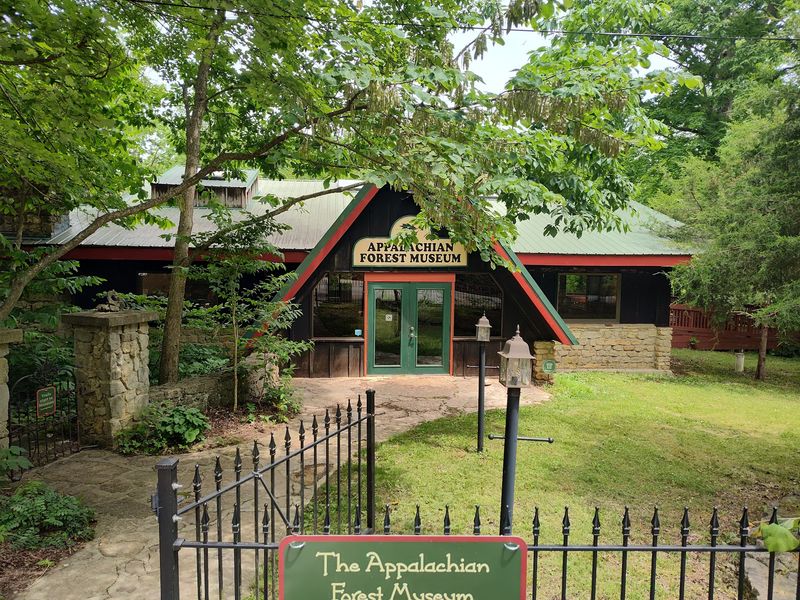
Most trailheads start at a wooden sign in a parking lot. Here, the path begins inside a building, and that is part of the charm.
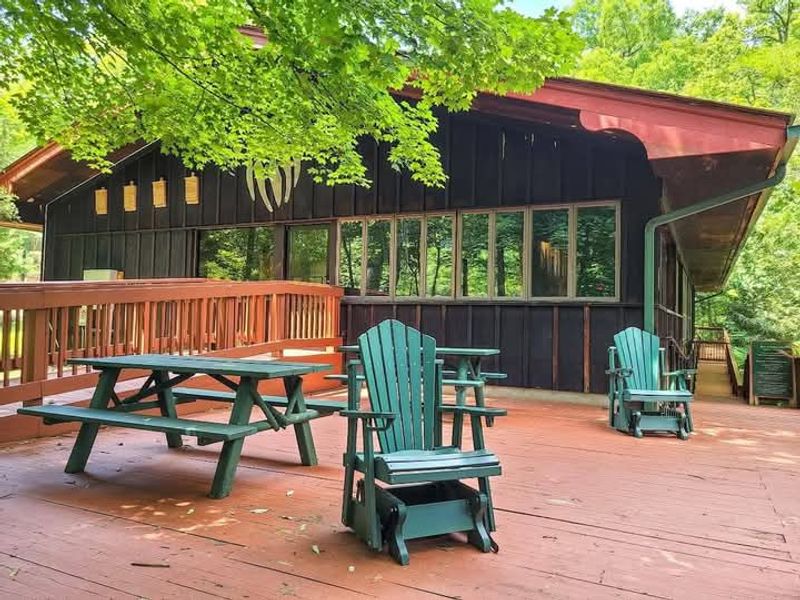
Hikers enter through the Appalachian Forest Museum, which serves as a museum, information desk, and small gift shop all at once. From there, the trails head out the back porch and into the woods.
Restrooms and trail maps are available inside. That is a big plus for families with little ones who need a stop before the hike.
The staff and volunteers earn steady praise for being friendly and helpful. They answer questions about local history and give clear directions to each trail.
The gift shop is modest in size. It still makes a nice stop for a small souvenir or a way to support the sanctuary.
Special events sometimes fill the building too. One end-of-season event, called Nature is Neat, featured artists, poetry writing, spider web crafts, and oil painters working along the trails.
A caterpillar lab group has also appeared on certain days. Checking the Arc of Appalachia website before a trip could line up your visit with something extra.
Into the Rocky Fork Gorge
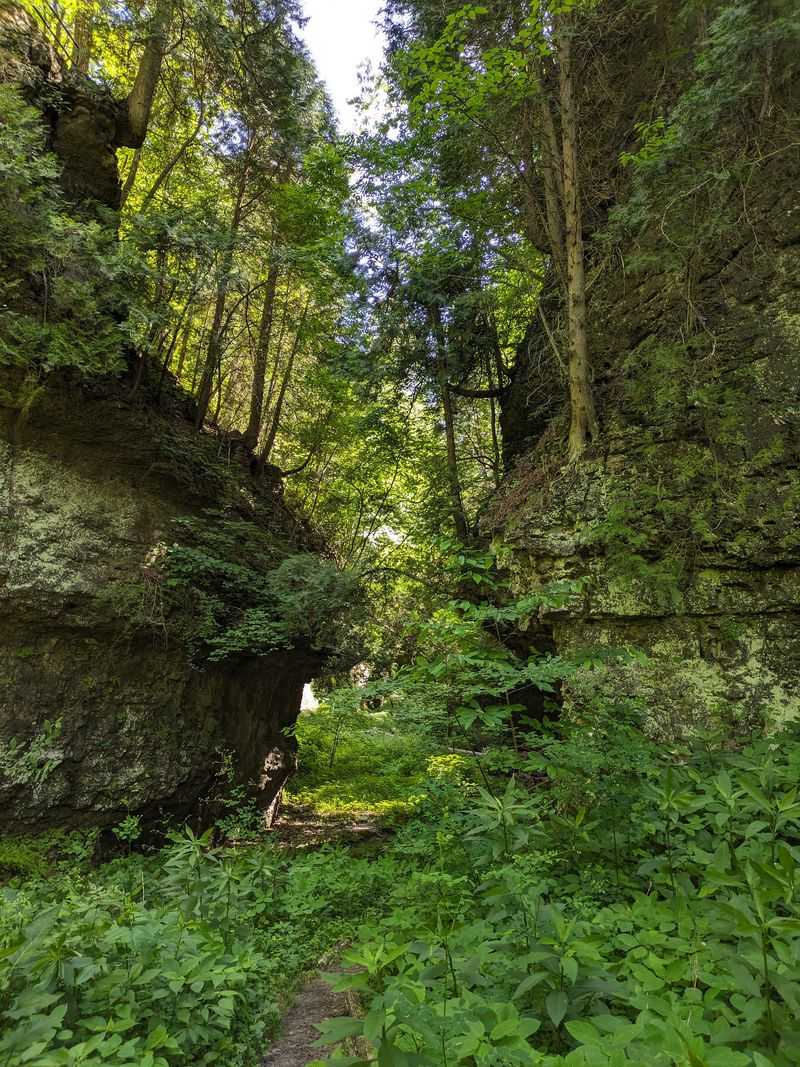
The real showstopper lies about a hundred feet or more below the forest floor. Several trails wander through the woods before descending into a gorge carved by Rocky Fork Creek.
Down at the bottom, huge fallen rocks sit scattered across the stream bed. Some of them have trees growing right out of their tops.
Rock pillars rise from the flowing water, and cliffs line the sides of the gorge. The scene feels far removed from highways and busy towns.
Many hikers call the gorge peaceful and even spiritual. It is a place to slow down, sit by the creek, and let the day stretch out.
The floor of the gorge is relatively level once you reach it. That makes it easy to wander along the water and study the rock formations up close.
A waterfall adds to the drama on at least one route. It rewards those who make the trip down the stairs.
The gorge alone makes the drive worthwhile. Just save some energy, because what goes down must eventually climb back up.
Caves Built for Brave Explorers
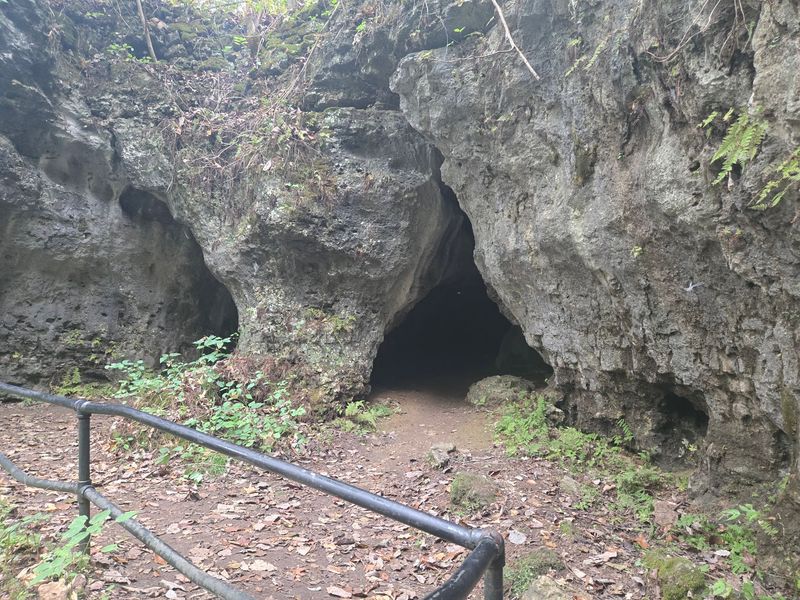
Here is a hike where kids get to do more than just walk. The caves are the feature people talk about most, right after the trails themselves.
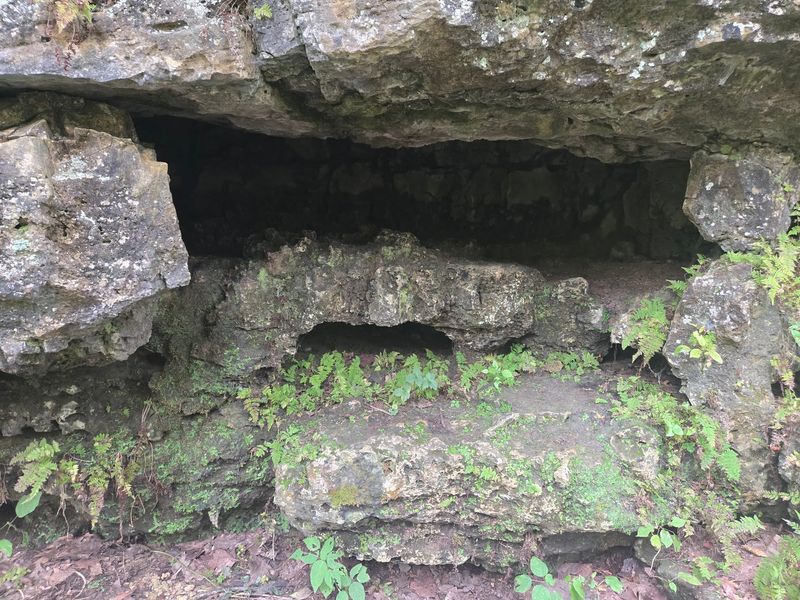
McKimmie’s Cave is a favorite, and it is a tight squeeze. One hiker had to take off a backpack just to fit inside, though the cave runs pretty far back.
Access works a little differently than most places. You check out a key from the museum to reach the trail leading to the cave.
Only one person is allowed in the cave at a time. Plan for a short wait if other groups are ahead of you.
Timing matters here too. The caves are tied to museum hours, so arriving close to the 4 p.m. closing can mean missing out.
This exploration is not for the faint of heart. Anyone who dislikes tight spaces can still enjoy the trails and gorge without crawling in.
For adventurous kids and grown-ups, though, the cave may become the highlight of the whole day. Just be ready to get a little humble on your hands and knees.
Short Trails, Big Rewards
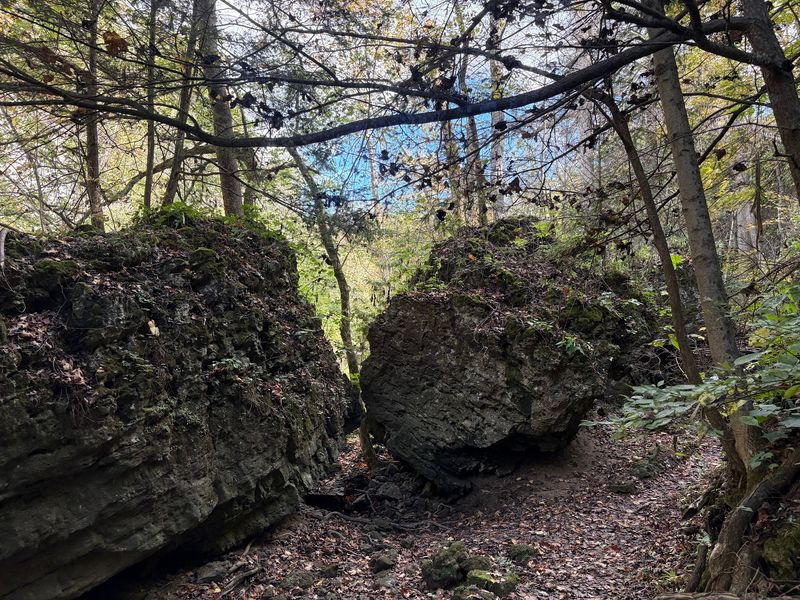
A seasoned hiker with more than a hundred trails under their boots called these the most rewarding short hikes they had ever tried. That is high praise for routes you can finish in an afternoon.
The two trails leaving from the museum are both fairly short and relatively easy. One option is about half a mile and includes the cave.
The Valley of the Ancients trail packs in plenty of rock formations. A steep set of stairs leads down to a waterfall at the bottom.
Hikers also mention the Three Sisters among their favorite sights. The Etawah Woods Trail runs a bit longer than the Valley trail and is equally lovely.
Wildflowers fill parts of the area in season. Some hikers like using a plant identification app to name the bugs and blooms they spot.
The paths themselves are well kept and easy to follow. That makes them friendly for first-time hikers as well as experienced ones.
Short does not mean shallow here. These little loops deliver more scenery per step than many longer trails across the state.
A Tougher Loop Across the Road
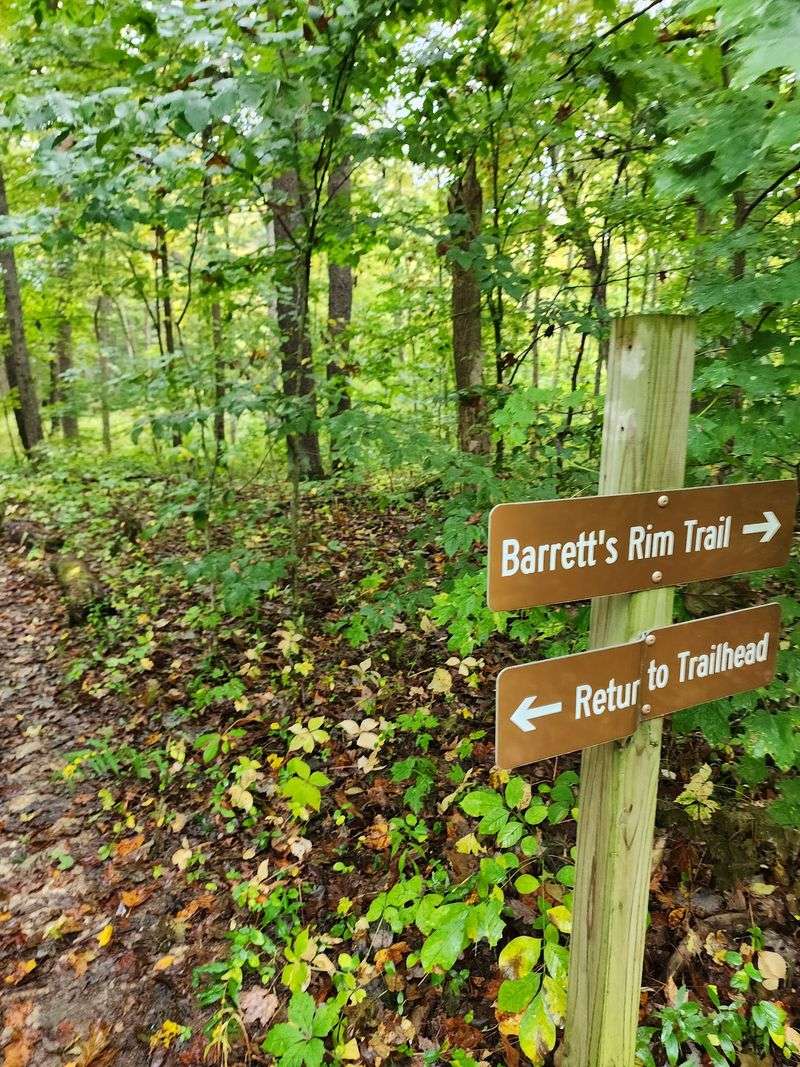
Got hikers in the family who want a real workout? The longer trails across the street offer more challenge than the gorge routes.
The Barrett’s Rim Trail is a loop of roughly 2.75 to 3 miles, and its trailhead sits in the lower parking area. A sign marks the start clearly.
The route begins in an open field, which can be warm in summer. Most of the loop then moves into the woods.
Expect a descent into a valley followed by a climb back out. Parts of the trail are narrow and run along hillsides.
Switchbacks and steps help with the steeper sections. Difficulty lands somewhere between moderate and hard, with plenty of uphill hiking.
The valley is full of wildflowers in season. That includes the uncommon shooting star, a treat for plant lovers.
The Kamelands Trail is another name that pops up among the longer options. Pace yourself, because the parking gates do not wait for slowpokes.
Those Stone Steps Deserve Respect
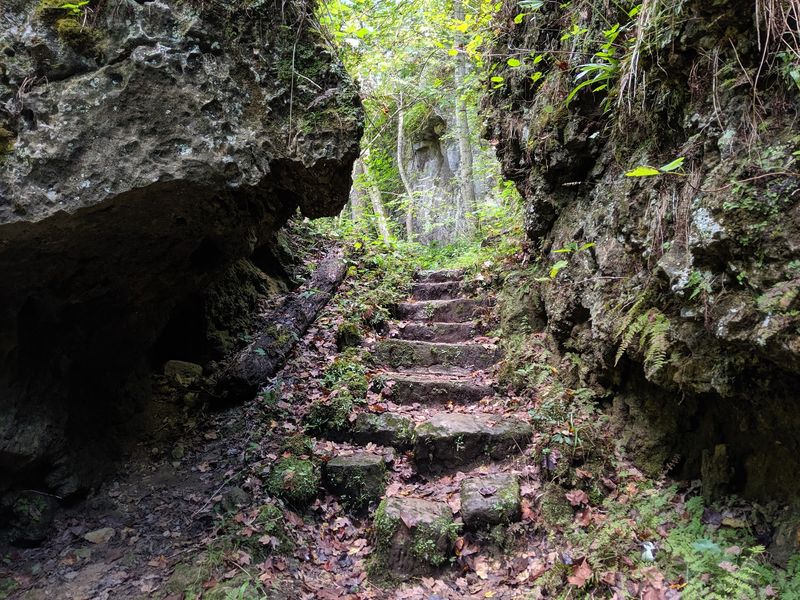
Every great gorge has a catch, and this one comes in the form of stairs. The climb back out is the hardest part of the shorter trails.
After the wooden boardwalk, stone steps begin heading down. Around the fourth or fifth step, the drop is about 15 inches instead of the usual 6 or 7.
That uneven step can catch people off guard. Keep your eyes down and use the handrails on the first part of the descent.
Signs posted along the way note that travel is at your own risk. Good shoes and a slow pace go a long way.
Once you reach the bottom, the ground becomes fairly level. The tricky part really is that short stretch near the top.
The good news is that the trails are still doable for many ages. One hiker with sore knees explored the caves and gorge alongside a mom and two young children.
Take it one step at a time, quite literally. Slow and steady gets everyone to the creek and safely back to the porch.
Cottages, Cabins, and Quiet Nights
One afternoon may not be enough. The sanctuary offers overnight lodging for those who want to linger.
Options include cottages and cabins for nightly rental. There are even full two-story homes available.
Some of these structures are described as truly unique. They are well kept and make a peaceful base for a weekend.
Staying nearby lets you tackle the short gorge trails one day and the longer loops the next. It turns a quick visit into a proper getaway.
Campers have another choice too. Paint Creek campgrounds are not far away.
Plan to unplug, whether you like it or not. There is no cell phone service on the trails.
Download maps ahead of time or grab a paper one at the museum. Let someone know your plans before heading into the woods.
The lack of signal may feel strange at first. By the second day, many people find they do not miss it much at all.
Hours, Gates, and a Worthy Drive
Timing can make or break this trip. The museum has been open from 9:30 a.m. to 4 p.m., including on Saturdays.
Since the trails start through the museum, that closing time matters. The caves especially require arriving early enough.
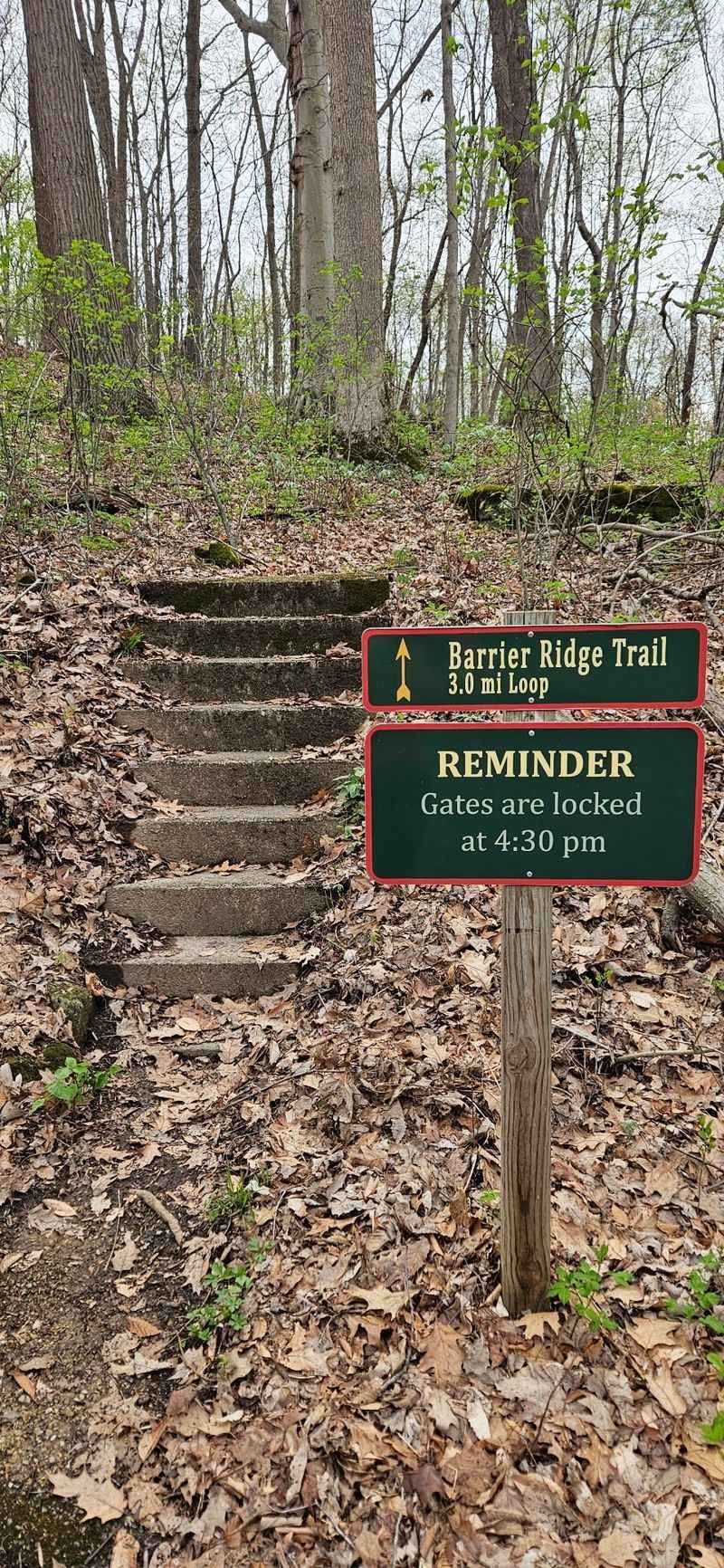
Parking area gates close at 4:30 p.m. Give yourself plenty of time so your car does not end up locked in.
Dogs are not allowed, so leave furry friends at home. Restrooms are available inside the museum.
Autumn may be the sweet spot for a visit. Fall months tend to be uncrowded, which fits the hidden-gem appeal.
Spring brings wildflowers along the longer trails. Either season offers a good reason to go.
Free admission, friendly staff, caves, and a stunning gorge all add up to a strong case. For Ohio families searching for an easy, low-cost outing, this sanctuary is worth the drive.
The secret may not stay quiet forever. Better to see it now, while the trails still feel like your own.


