
Affiliate disclosure: As an Amazon Associate I earn from qualifying purchases. Learn more
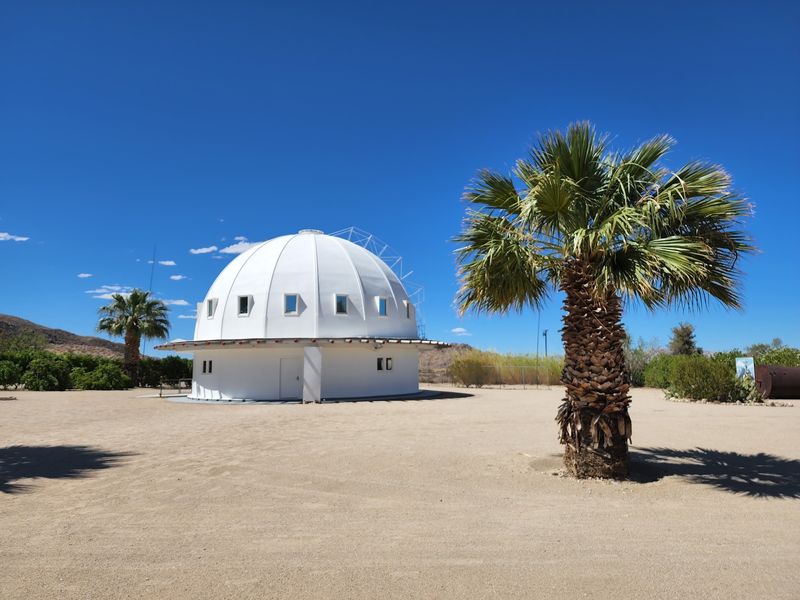
Out past Joshua Tree, where the paved roads thin out and the high desert takes over, a white wooden dome sits in the sand like it took a wrong turn on the way to another planet. People drive for hours to lie down inside it for about 40 minutes.
They come for the sound, for the strange backstory, and for the chance to slow down in a world that rarely lets them. Some leave calling it one of the best experiences of their lives, and a few leave scratching their heads.
Keep reading to learn where this oddball landmark sits, what happens inside, when it opens, what to bring, and whether it deserves a spot on your own California list.
A White Dome on a Desert Back Road
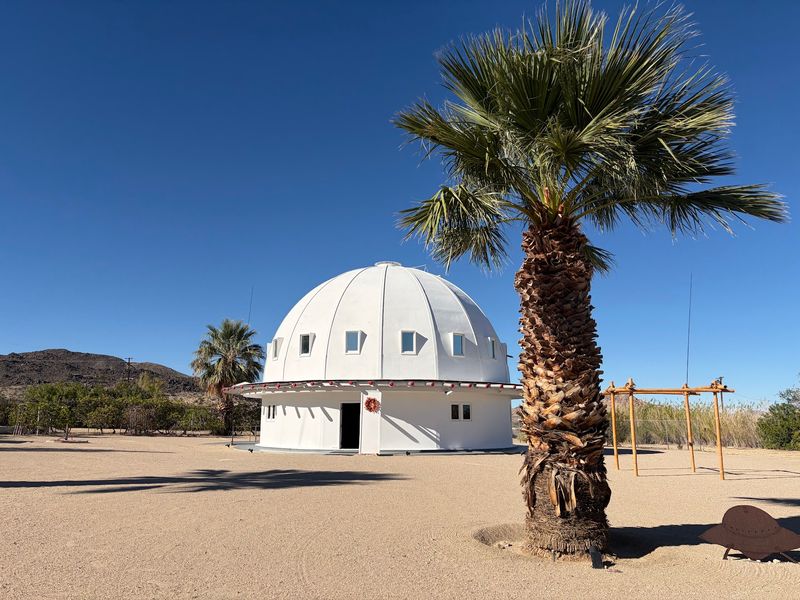
Out where the mailboxes get scarce, a curious structure waits for anyone willing to make the drive. Its name is The Integratron, and it sits at 2477 Belfield Blvd, Landers, CA 92285, in the high desert of Southern California.
Landers is a small, spread-out community north of the town of Joshua Tree. The area feels far from the freeway crowds, and that is a big part of the appeal.
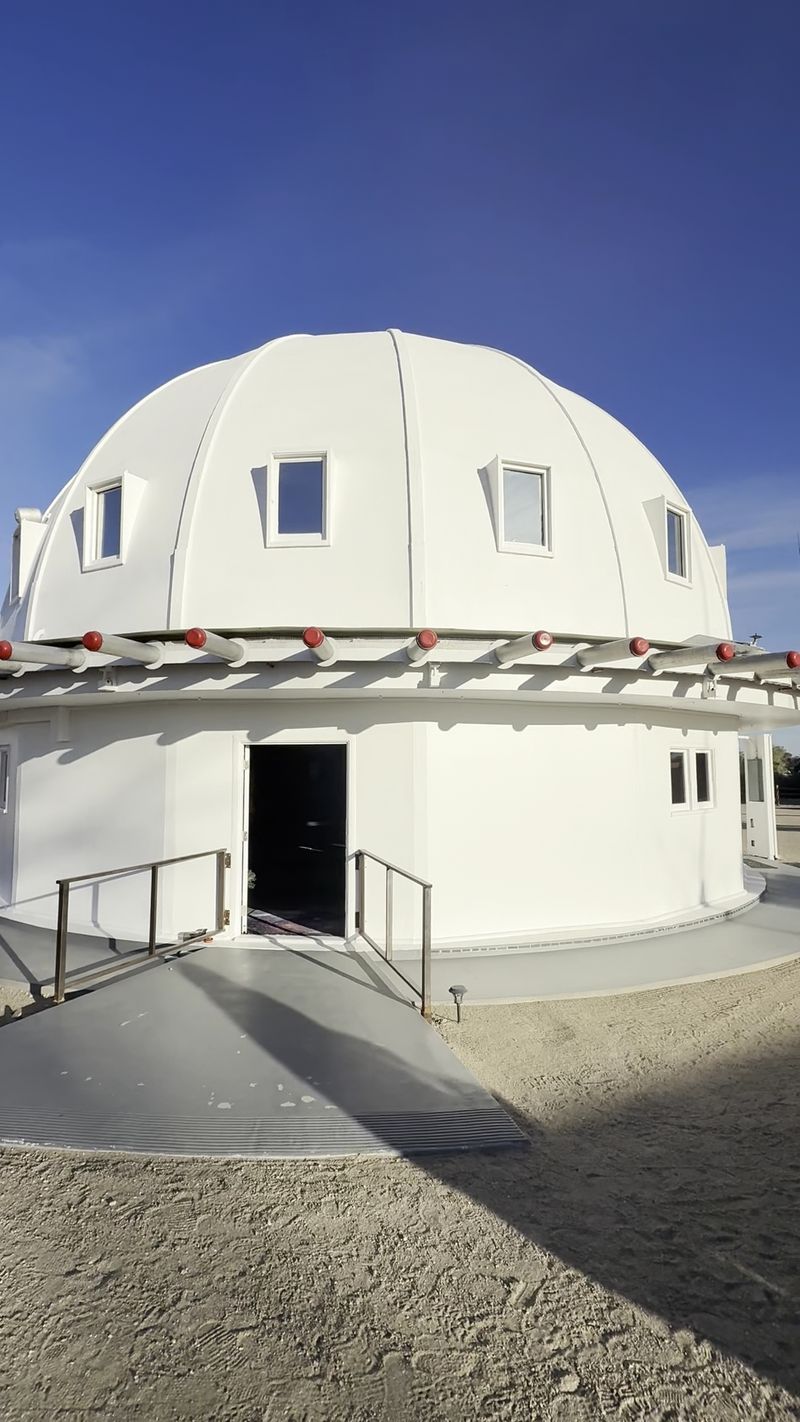
Officially, the place is listed as a historical landmark. In practice, it is a parabolic wooden dome built in 1954 that now hosts tours and sound bath sessions.
That combination of history and experience is rare in California. Few landmarks from the 1950s invite guests to lie down on the floor and listen.
Many people arrive having heard about it for years. Some first spotted it on television, when the late TV host Anthony Bourdain paid a visit, and it stayed on their bucket list ever since.
The property is family-run, which gives it a homegrown feel rather than a polished resort vibe. It holds a strong 4.6-star average across hundreds of opinions, which says plenty about how many people leave happy.
So what exactly happens inside this dome, and why was it built in the first place? The answers start back in the Eisenhower years.
Built in 1954 With a Story Worth Hearing
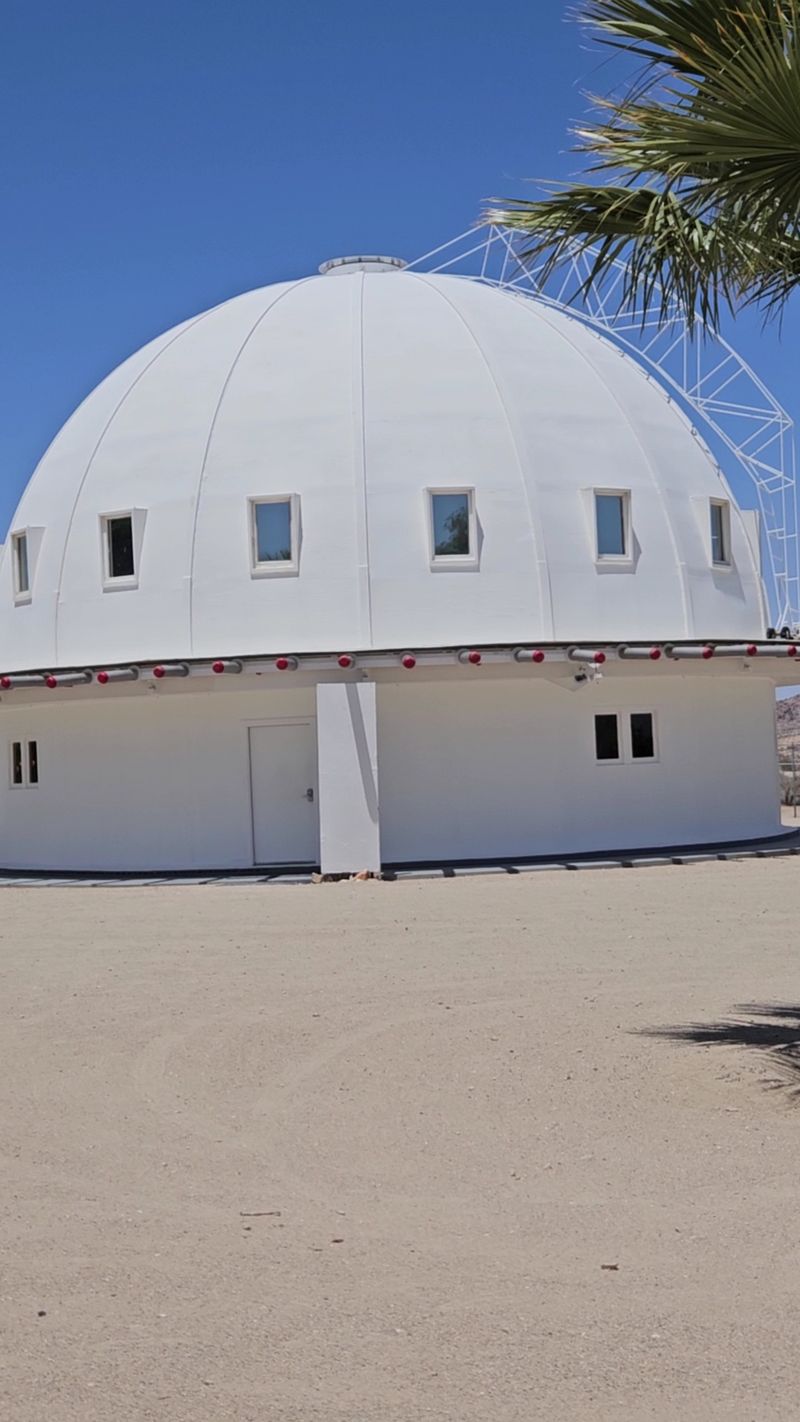
Some buildings have a backstory, and some have a backstory that sounds like a late-night radio show. The Integratron leans hard toward the second kind.
The dome went up in 1954, during an era when Southern California was full of big dreams and big ideas. Its curved wooden shape was unusual then, and it remains unusual now.
The caretakers share the history during visits, and plenty of guests call it one of the highlights. The tale is part science fiction, part desert folklore, and fully California.
Rather than spoil it here, the best move is to hear it on site. Even guests who come only for the sound bath often leave talking about the history just as much.
Sci-fi fans tend to love this part. One family even brought along a husband who was a devoted science fiction lover, and the building alone was the draw.
For readers who grew up on 1950s space-age optimism, the dome is a living piece of that era. It is a reminder of a time when the desert attracted inventors, dreamers, and folks who thought big.
Doing a little reading ahead of time also pays off. The more you know before you arrive, the more the structure makes sense once you stand under it.
Life in the Middle of Nowhere
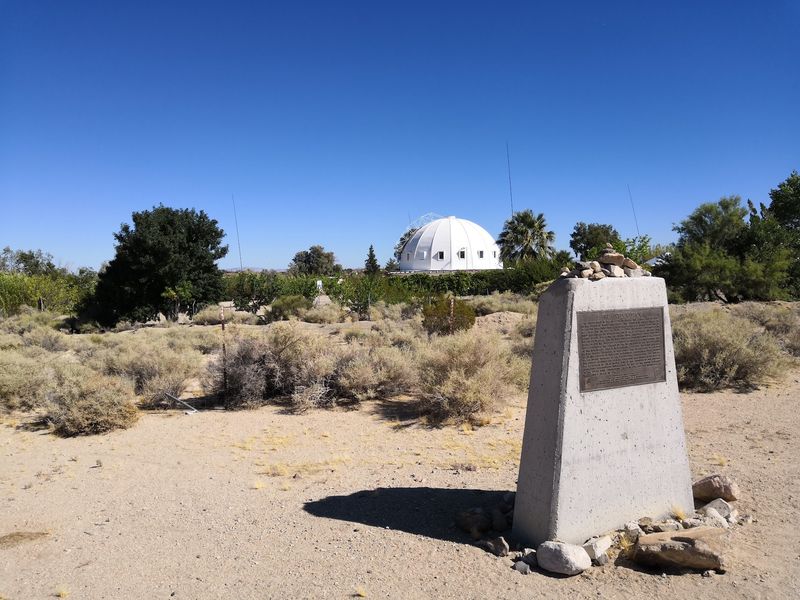
Getting here is half the adventure, and nobody should pretend otherwise. The dome sits in a spot that many describe as pretty much the middle of nowhere.
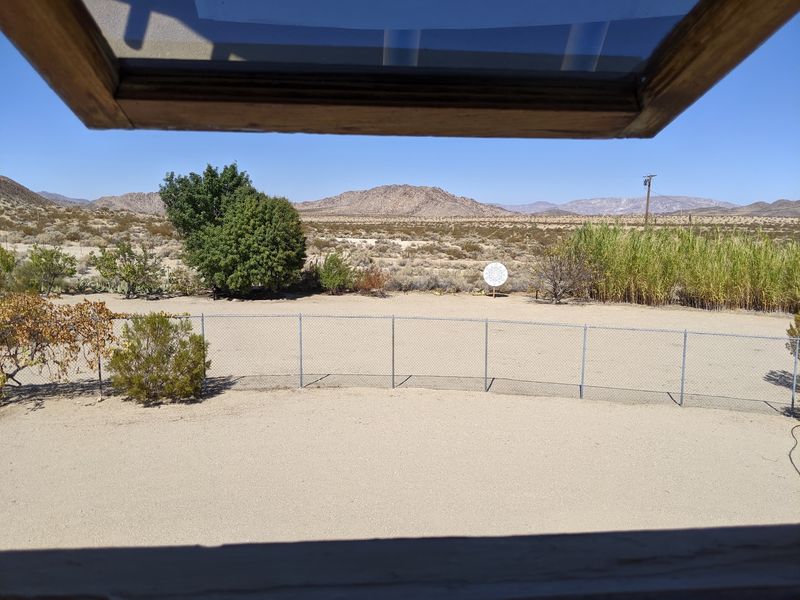
That remoteness is a feature, not a flaw. The property is peaceful and quiet, far removed from the busy stops closer to Joshua Tree National Park.
Plan for a real drive. Some people have made a seven-hour trip just for a session, while others fold it into a weekend around Palm Springs or the park.
Fuel up and grab supplies before heading out. Services in this corner of the high desert are spread thin, so a little planning goes a long way.
The setting also changes how the visit feels. With wide-open land all around, the dome stands out even more, and the calm sets in before you ever step inside.
Guests who expect a quick roadside attraction may be surprised. This is a destination that rewards slowing down, not squeezing in between other errands.
Once the car is parked and the engine is off, the next question becomes simple. What is it actually like inside that wooden shell?
The Sound Bath at the Heart of It All
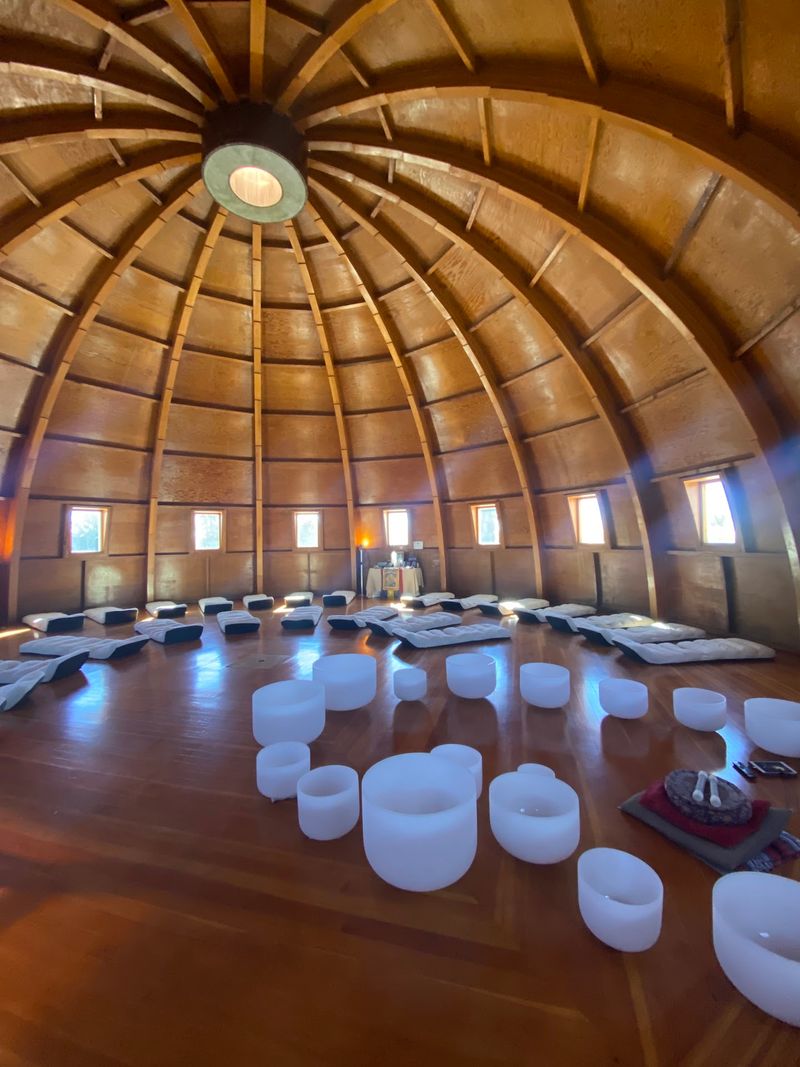
Here is the main event, and the reason most cars make the long trip. The sound bath is by far the most talked-about part of any visit.
Guests lie on mats inside the dome while a sound therapist plays quartz crystal bowls. One recent session featured all 24 bowls played in sequence.
According to the staff, every session runs 40 minutes, no matter who is playing. Some people feel it goes by in a flash, while others feel they have been inside for hours.
Many describe deep relaxation afterward. Words like grounding, refreshing, and energizing come up again and again from those who leave smiling.
One longtime fan who has done sound baths around the world says nothing else compares, and has returned four times. The pairing of crystal bowls with the dome’s architecture seems to be the secret.
Skeptics often come around too. Even people who call themselves not very spiritual tend to find the session worthwhile thanks to the calm setting.
A short orientation comes first, and it is more important than it looks. That talk, and the rules it covers, deserve their own section.
Crystal Bowls and a Very Curious Shape
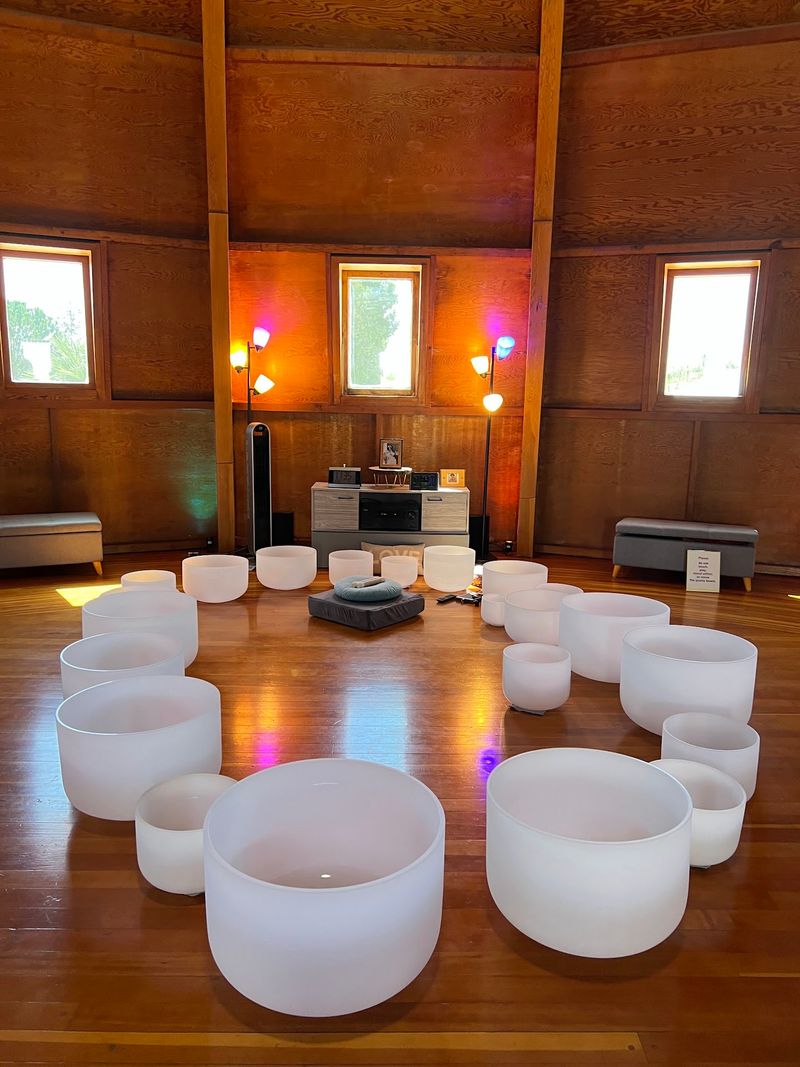
Twenty-four bowls might sound like a kitchen cabinet gone wild, but these are quartz crystal instruments made for one purpose. Each bowl is often described as tuned to a specific energy center in the body.
The magic, regulars say, comes from the combination. The bowls are played inside a parabolic wooden dome, and the shape of the room is a big part of why sessions feel different here.
Many guests come out describing a long-lasting mellowness. Others say they could feel the vibration all over their bodies.
Not every session is identical. The staff point out that each sound bath is unique, shaped by the person playing and by the group in the room that day.
Some sessions close with a transition to recorded music. A few guests found that ending less exciting than the live bowls, so it helps to know it may happen.
The therapists themselves are part of the experience. One leader has been playing the bowls for well over a decade, and that experience shows in how the sequence flows.
Curious how the building got its odd profile? Spend a few minutes on the grounds and you will see it from every angle.
Orientation Rules and the Great Snoring Debate
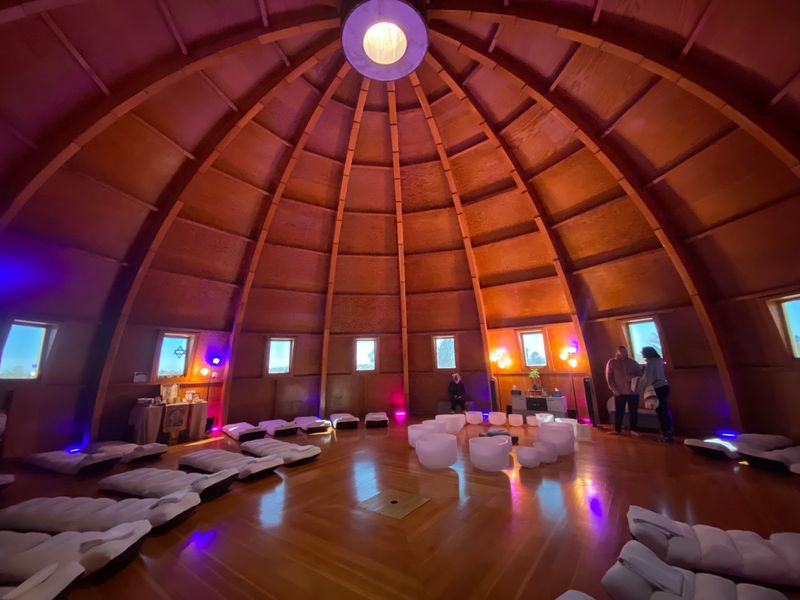
Nobody warns you that the biggest challenge of a sound bath might be the person on the next mat. Snoring is the single most debated topic at this landmark.
Before each session, staff give an orientation that strongly stresses staying still and quiet. Some guests find the talk long compared to the bowl portion itself.
The reason is simple. When a few people drift off and start snoring, it can pull everyone else out of the moment.
The Integratron team has tried several fixes over the years. Walking around to wake people felt too much like policing, and stopping the music disturbed the whole room.
Their current approach asks neighbors to gently nudge one another if snoring starts. Every guest is also offered a nasal breathing strip, though not everyone uses one.
Some first-timers admit the emphasis made them a little anxious. Others say they worried at first, then found it was totally fine.
The takeaway is practical. Arrive rested, use the strip, and accept that a shared room of strangers will never be perfectly silent.
Hammocks, Courtyard, and Room to Linger
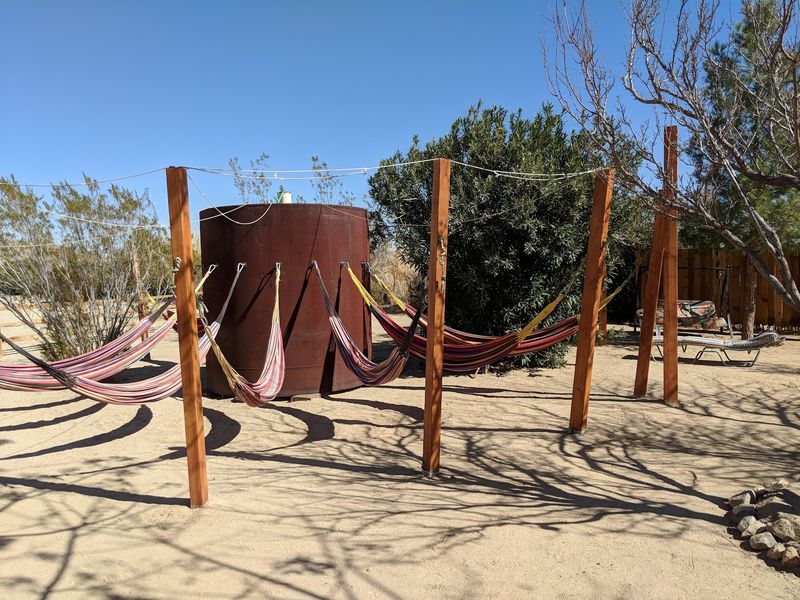
Leave the stopwatch in the car. The grounds around the dome are made for lingering, and many guests wish they had budgeted more time.
Hammocks are a fan favorite, mentioned again and again as a highlight. A small courtyard offers a calm place to sit before or after a session.
Tables are scattered around the property too. One guest later wished they had packed a lunch to enjoy outdoors and spend more time relaxing.
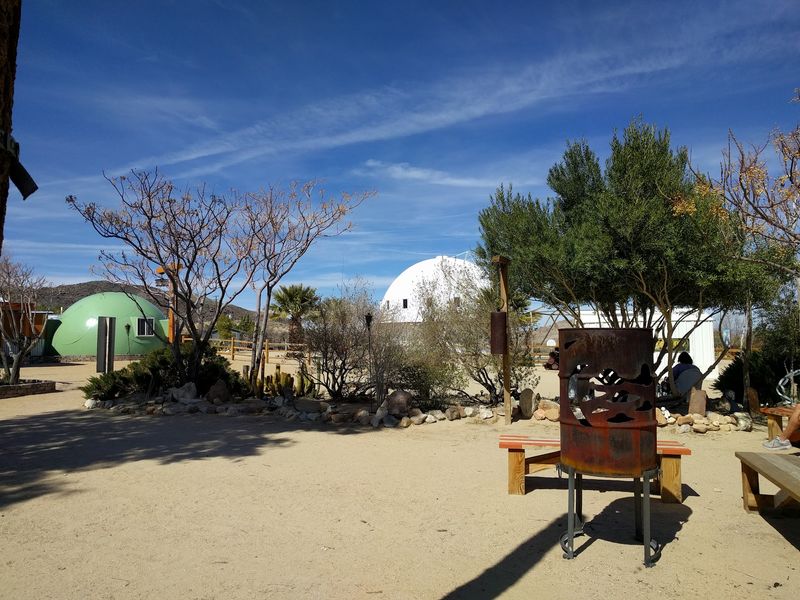
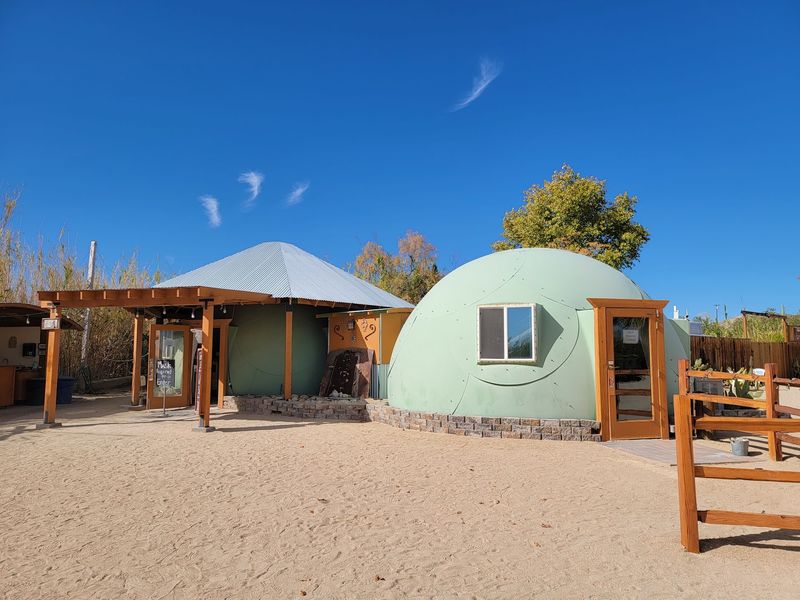
Art and creative decor add personality throughout. The grounds feel quirky and handmade, which matches the family-run spirit of the place.
The atmosphere draws steady praise for being relaxing. It feels a little different from the usual desert stops around Joshua Tree, and that difference is the point.
A short stroll also gives you the best views of the dome itself. The curved silhouette looks different from every corner of the property.
Plan for an extra half hour if you can. Rushing off right after a relaxation session would be a bit like skipping dessert at Grandma’s.
A Family Behind the Front Desk
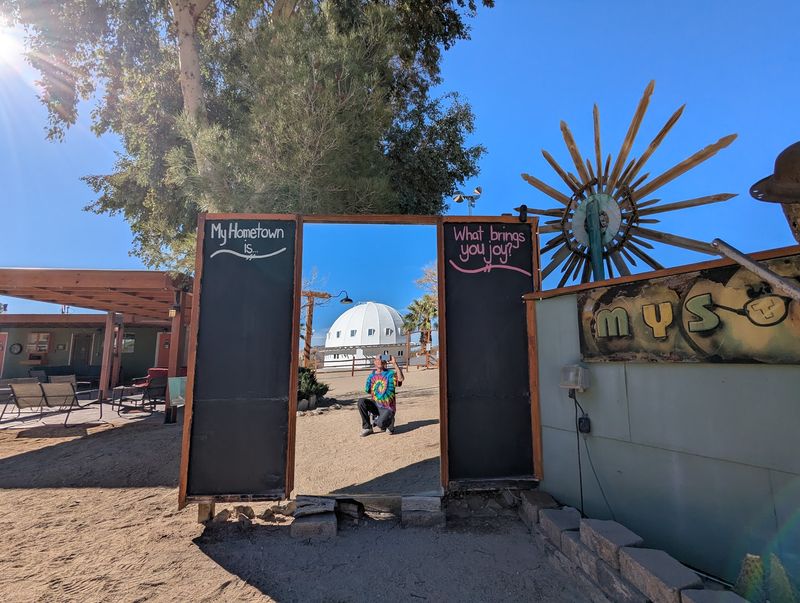
Plenty of landmarks are run by distant corporations. This one is run by a family, and that changes the whole feel of a visit.
Friendly staff earn more praise than almost anything besides the sound bath. Guests describe the team as kind, fun, helpful, and happy to answer questions.
The caretakers are also the storytellers. Their telling of the dome’s history is a highlight for many people, and it adds depth to the experience.
Even guests who walked away disappointed by their session often still praised the people. Cool place, great people is a common summary.
Experiences are not perfect for everyone, and the family seems to know it. When one couple left unhappy, the owners offered them a free return session.
That kind of follow-through matters to Californians tired of faceless service. It feels like an old-fashioned, small-business way of doing things.
Of course, a warm welcome only goes so far if you show up unprepared. A few packing tips can make the session far more comfortable.
What to Pack for a Comfortable Session
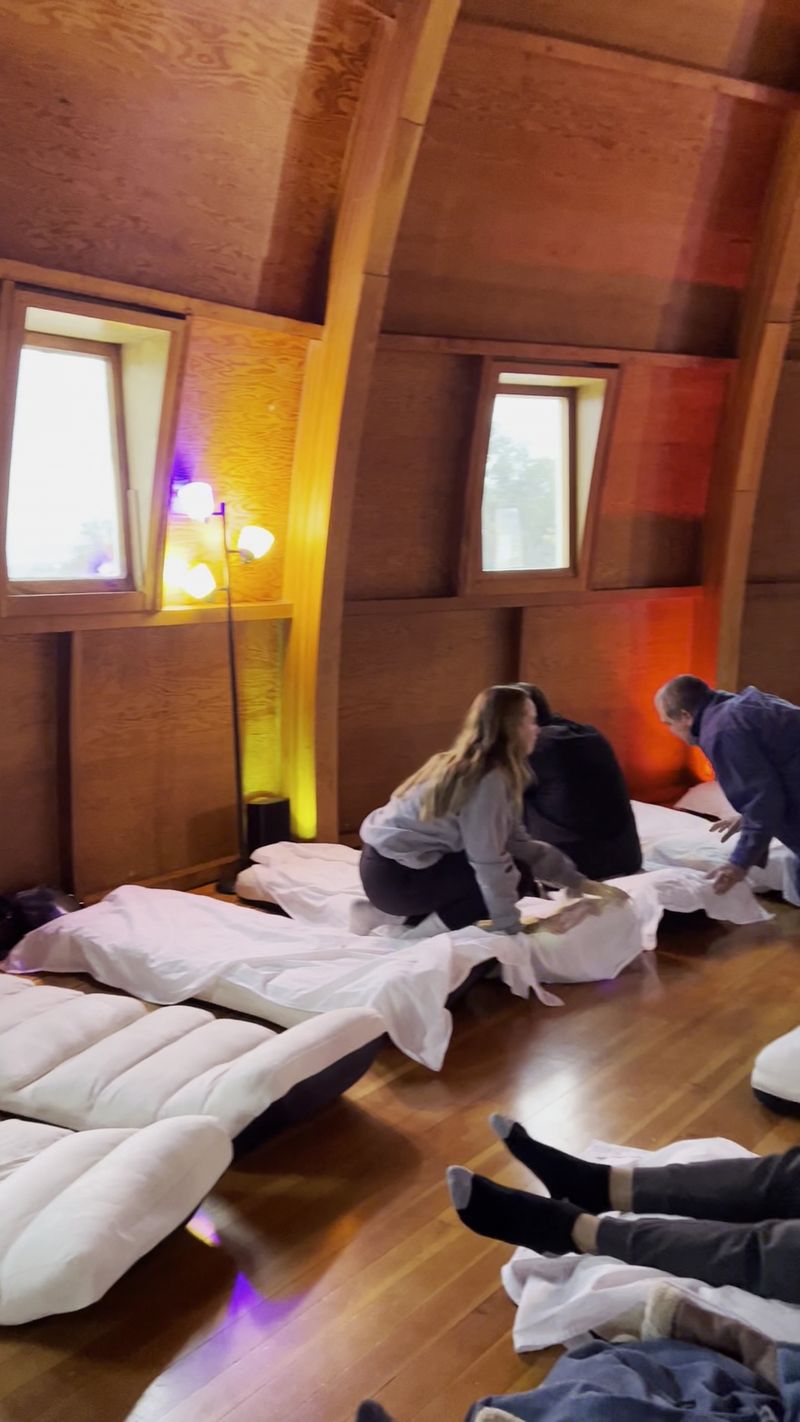
Hotel towels will not cut it. That lesson comes straight from guests who brought them and then watched everyone else unroll big, cozy blankets.
Bring a large blanket of your own. Most people in each session show up with one, and it makes lying on the mat much more comfortable.
Layers are smart too. Some guests found the dome too cool to fully relax, so a sweater or extra wrap can help.
The mats themselves get good marks for comfort. Still, a little extra padding or a small pillow never hurts during a 40-minute lie-down.
Arrive well rested if possible. A sleepy guest is more likely to doze off, and that leads right back to the snoring problem.
Consider packing a lunch to enjoy on the grounds afterward. With tables and hammocks around, it is an easy way to stretch the visit.
Finally, read the booking details carefully before you go. Some of the rules, especially about who can attend, have caught families off guard.
Who Will Love It and Who Might Not
Not every attraction suits every traveler, and honesty helps here. The Integratron draws devoted fans and a smaller group of doubters.
It tends to delight stressed-out folks looking for a reset. People who rarely sit still describe being gently forced to be present and calm.
History and sci-fi buffs often love it too. For them, simply being inside a dome built in 1954 is worth the drive.
Families should check the rules closely. At least one family learned on arrival that children were not allowed in the sound bath, which led to an awkward visit.
Light sleepers and people sensitive to distractions may struggle. A room full of strangers can include fidgeters and snorers, no matter how good the orientation is.
Some guests also hoped for louder or amplified sound, like in other studios. The bowls here are played acoustically, so expectations matter.
Many people call it a one-and-done bucket-list stop. Others come back again and again, which says the right match can become a lasting habit.
Hours and Booking Before You Go
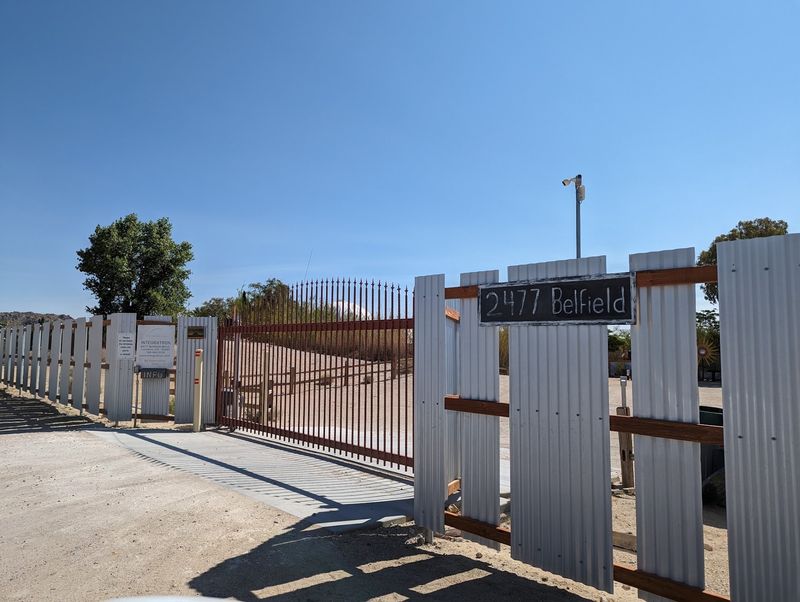
Showing up on a Monday would be a long drive for nothing. The dome keeps a short weekly schedule, so timing matters.
Current hours are Wednesday and Thursday from 9:45 AM to 3 PM. Friday runs from 9:45 AM to 5 PM, and Saturday from 9:45 AM to 5:30 PM.
The property is closed Sunday, Monday, and Tuesday. Hours can change, so check the official website before heading out.
Booking ahead is wise. Some guests tried for years before finally landing a spot, since tickets can need to be bought well in advance.
The official site at integratron.com is the best place to reserve. It also lists the current rules for sessions, including age limits.
An upgrade package is available for an extra fee. One guest called it well worth it, though also not necessary to enjoy the visit.
Once the date is locked in, the next question is the one every Californian asks first. How much is this going to cost?
The Price Question, Answered Honestly
Let’s talk dollars, because nobody in California enjoys a surprise bill. A sound bath here is not a bargain-bin outing.
One couple reported paying over $120 for two people. Prices may have changed since, so check the website for current rates.
For some, that cost feels fair for a bucket-list experience in a historic building. Many happy guests say it was worth every mile and every dollar.
Others felt the value fell short. A few wished the bowl portion felt longer compared to the orientation and travel time.
The best way to stretch the money is to make a day of it. Spend time on the grounds, enjoy the hammocks, and pair the trip with other nearby stops.
A gift shop sits on the property too. Guests mention it fondly, so budget a little extra if souvenirs are your weakness.
And speaking of nearby stops, one of the area’s most famous rocks is just a short drive away. It costs nothing to admire.
Giant Rock and Joshua Tree Pairings
Three miles can feel like nothing in the desert, and that is roughly the distance to Giant Rock. Guests often recommend adding it to the same trip.
The massive boulder sits close to the dome and pairs naturally with the visit. Together, they make a fun high-desert loop for curious travelers.
Joshua Tree National Park is another easy partner. One group spent the morning hiking in the park and then headed to the sound bath in the afternoon.
That combination works well. A morning of activity followed by 40 minutes of lying still is a pretty good trade.
Palm Springs travelers also make the drive. Some guests tried for years to fit the dome into Palm Springs trips before finally pulling it off.
Keep the dome’s early closing times in mind when planning. On Wednesdays and Thursdays, the doors close at 3 PM, so schedule sessions first if needed.
With a full day mapped out, the only thing left is deciding whether this strange little dome belongs on your list.
Worth the Detour Into the High Desert
Some California landmarks hand you a postcard view and send you home. This one asks you to lie down, stay still, and let the room do the work.
The Integratron is part history lesson, part relaxation session, and part pure desert oddity. A dome from 1954 still pulling crowds today is something worth celebrating.
It is not for everyone. The drive is long, the price is real, and a snoring neighbor can test anyone’s patience.
Yet the high marks speak loudly. Most guests leave calmer, curious about the story, and talking about the kind people who run the place.
Go with realistic expectations and a big blanket. Book ahead, arrive rested, and leave time for the hammocks afterward.
For Californians who love the quirky, homegrown side of the state, this dome fits right in. It belongs to the same old-school spirit as roadside diners and family-run motels.
Out in Landers, a little white dome keeps doing what it has done for decades. It waits patiently for the next carload of curious travelers to come find it.


