
Affiliate disclosure: As an Amazon Associate I earn from qualifying purchases. Learn more
A blacksmith hammers out a small hook while a goat wanders past a caboose, and nobody in the scene is in a hurry. Out in rural Volusia County, a quiet patch of land keeps the skills of early Florida alive, one candle and one woven row at a time.
Admission costs about the same as a fast-food lunch, and a self-guided loop covers roughly three quarters of a mile. Fall is the sweet spot to go, when the heat eases and the porches fill with music.
Keep reading for the buildings worth slowing down for, the crafts you can try with your own hands, the festivals worth planning around, and the honest tips that help a visit go smoothly.
A Village Hiding on Lightfoot Lane
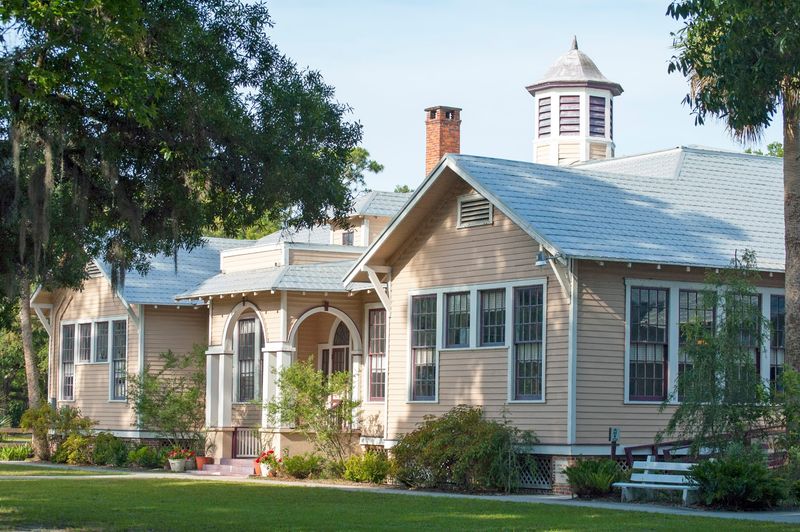
Out where State Road traffic thins and the pine country takes over, a nonprofit has quietly rebuilt a slice of early Florida life.
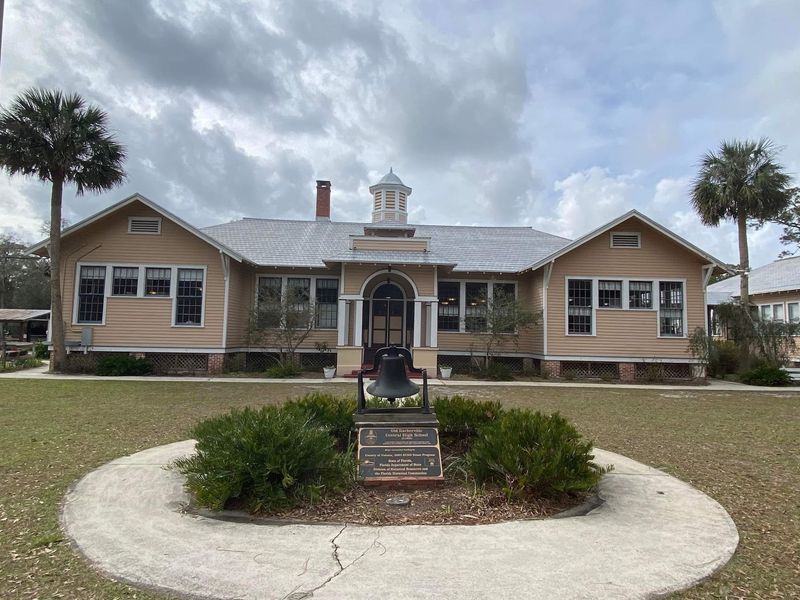
Barberville Pioneer Settlement sits at 1776 Lightfoot Ln, Barberville, FL 32105, in the United States. The town is a small crossroads in western Volusia County, not far from DeLand.
The settlement runs as a non-profit organization. That status shapes much of the experience, from the volunteers who staff it to the modest entry cost.
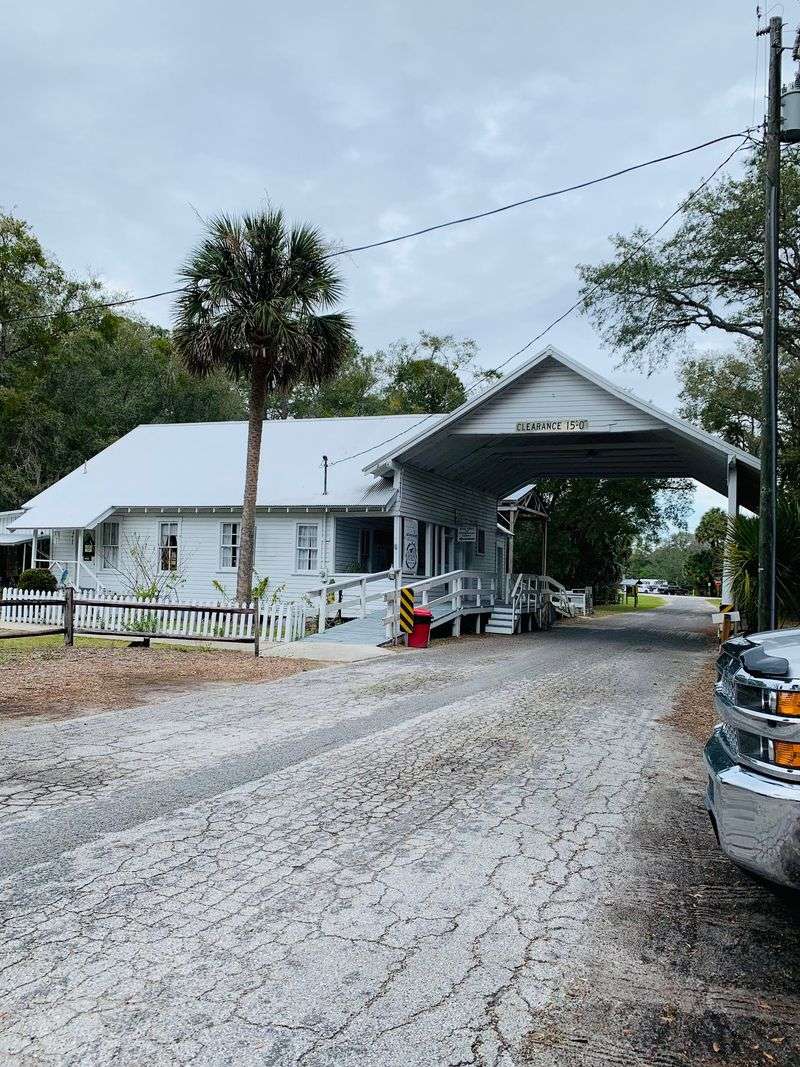
Instead of one big museum hall, the grounds spread out into a cluster of historic buildings. There is a schoolhouse, a church, a post office, cabins, a barn, a store, and more, each one showing a different part of daily pioneer routines.
The place holds a 4.7-star average across more than 700 Google opinions, which is a strong showing for a small rural attraction. History comes up again and again as the main draw, along with its value as a learning stop.
Many people describe it as an off-the-beaten-path find that turns into a road trip highlight. It is also the kind of spot that locals mean to visit for years before finally going.
So the mystery is solved, but the gate is only the first chapter.
Why the Old Ways Still Matter Here
Long before theme parks, Florida families split their days between farm chores, trades, and community gatherings.
The settlement tells that story through preserved structures and everyday objects. Its focus is the era around the late 1800s and early 1900s, when rural Florida ran on handwork.
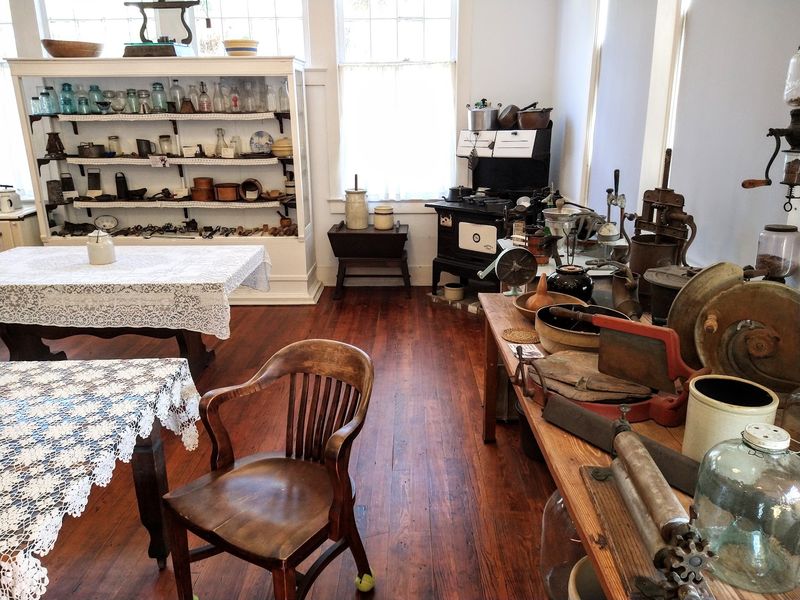
The collection includes plenty of artifacts and old-fashioned antique items. These pieces show how people stored food, cooked, worked, and learned.
Some objects carry signs asking guests not to touch or open them. That protects fragile pieces, though it means an old refrigerator or coal stove stays closed.
The heart of the mission is education. Volunteers are known for being knowledgeable and eager to explain how things worked.
For some guests, the history feels personal. Families with roots in nearby towns like DeLand have used a visit to understand where relatives came from.
That mix of local memory and hands-on learning gives the settlement a purpose beyond sightseeing. It works as a classroom without walls, and the lesson plan is written in timber and iron.
Sparks at the Blacksmith Shop
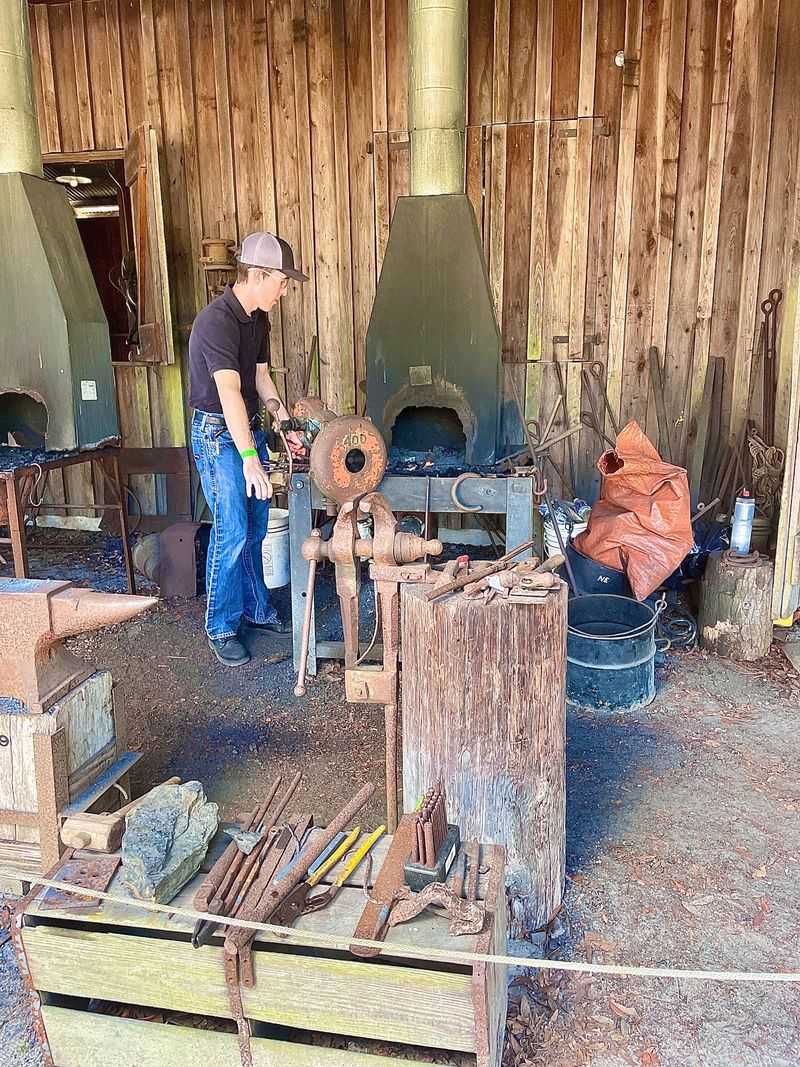
Ask what people talk about most after leaving, and the blacksmith shop tops the list.
The forge is one of the settlement’s signature buildings. On busy days, it becomes the place where history turns into real work.
On Saturdays, the settlement offers blacksmithing classes. Students can head home with small useful treasures they made themselves.
The classes earn praise for being well run and reasonably priced. Instructors are described as knowledgeable and good at turning a lesson into a lasting memory.
For a budget day trip, that is a rare combination. A real trade skill, a take-home item, and a historic setting usually cost far more elsewhere.
Class details can change, so a quick check with the settlement before you go is a smart move. Spots may be limited.
Even without a class, the shop itself is worth a slow look. Tools, anvils, and work areas show how much of pioneer life depended on one skilled smith, and how much iron it took to keep a farm running.
Looms, Wax, and Busy Hands
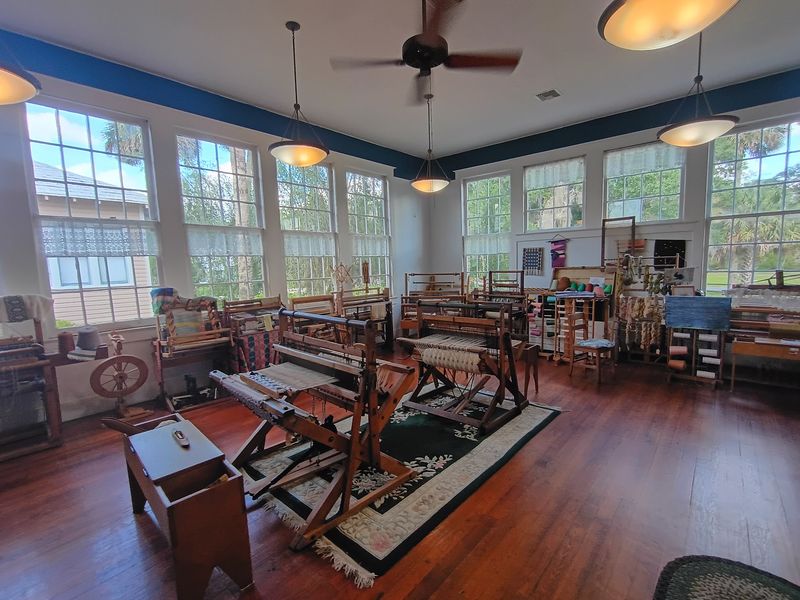
Thread, wax, and patience powered much of pioneer home life, and the settlement keeps all three on display.
Weaving is one of the most mentioned crafts on the property. During events, guests have even tried their hand at the loom.
Candle making has its own display too. On school trips, it is one of the stations where kids learn how settlers lit their homes.
Other buildings expand the craft story. There is a pottery house and a print shop, each showing a trade that a small community once relied on.
On quieter weekdays, craftspeople may not be on hand. Some guests have arrived to find the buildings open but no one demonstrating.
The fix is simple. Plan around Saturdays and special events if live demonstrations matter most to your group.
When the crafters are in, the experience shifts from looking to doing. Spinning a story about pioneer life is one thing, but weaving one row yourself tends to stick much longer.
Caboose, Cars, and a Model Train
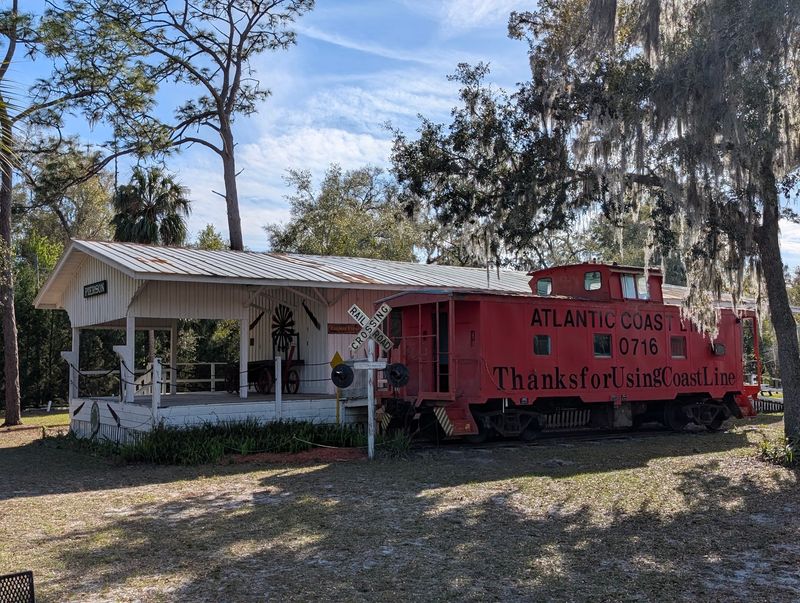
Not every exhibit here involves butter churns and bonnets.
The grounds include a train depot and a caboose, a nod to the railroads that tied rural Florida towns together. A model train display adds a smaller scale version of the story.
Car fans get their own stop. An old car garage and a Ford exhibit show the shift from wagons to engines.
A log house is another favorite. One log cabin sits back in the woods, and people say it holds up as a highlight even on a rainy day.
The buildings are placed close enough together to tour everything without much trouble. Still, the property is large, so expect some walking.
Plan on at least an hour, and more if you like to read every detail. A full loop measures around three quarters of a mile.
For families with kids who grow restless in a traditional museum, the variety helps. One minute it is a schoolhouse, and the next it is a caboose, which keeps little feet moving in the right direction.
Goats, a Donkey, and Feathered Neighbors
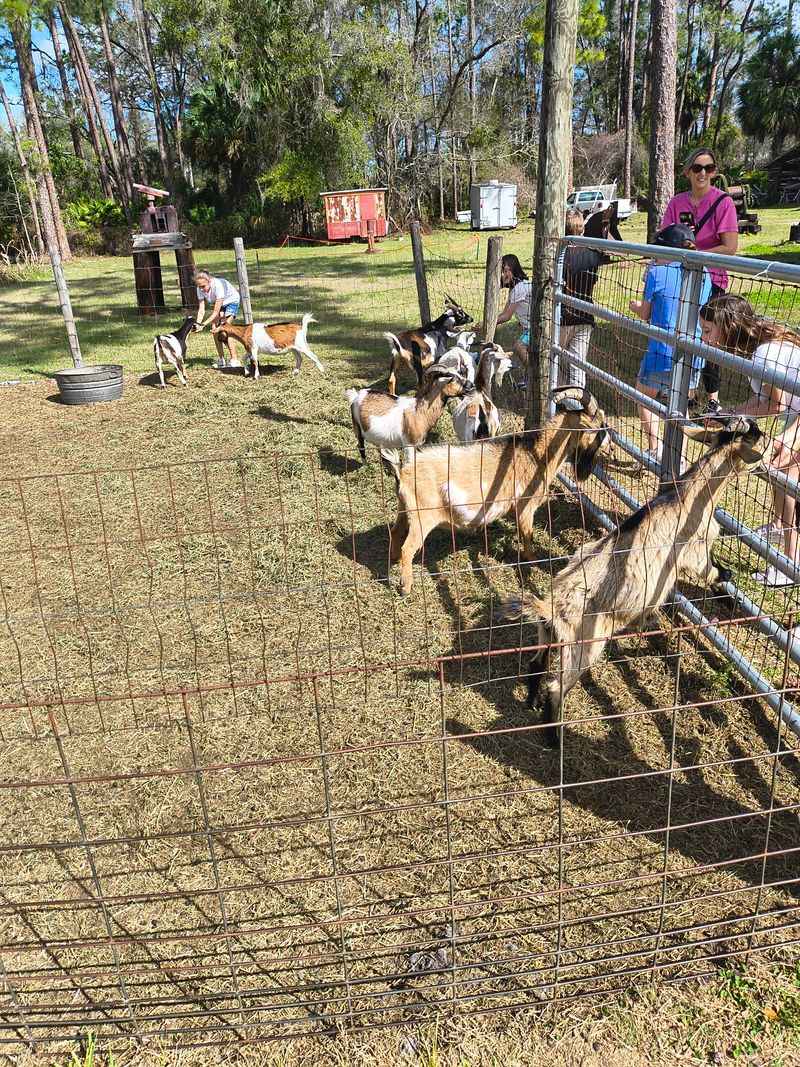
Some of the most popular residents never set foot in a classroom.
A small animal farm sits on the grounds. Over time, the lineup has included Nigerian Dwarf and LaMancha goats, a donkey, a duck, and chickens.
The animals add a lively touch to a day that is mostly about buildings and tools. Many guests say the farm critters make the visit fun, especially for kids.
They also fit the theme. Pioneer families depended on animals for milk, eggs, and work, so the pens help complete the picture.
Farm work is part of the field trip experience too. Students learn how every role, including caring for livestock, kept the settlement running.
Animal residents can change over the years, so the exact cast on your visit may vary. Either way, the barnyard tends to be the stop kids remember first and talk about longest.
Bring patience for photos, since goats rarely hold a pose.
Fall Jamboree and Porch Music Days
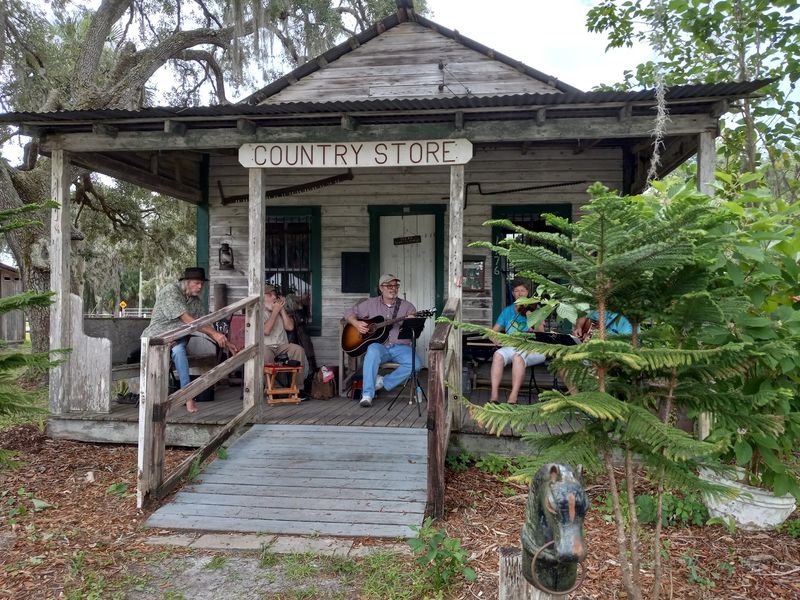
Here is the secret that turns a good visit into a great one: timing.
The settlement hosts special events throughout the year. During these days, people in period clothing bring the buildings to life.
The Fall Jamboree is the standout autumn gathering. A music festival takes over the grounds twice a year, with the fall edition held on the first Saturday in November and a spring edition in April.
Festival days fill the village with music tents, artists, and vendors. Guests can wander between historic buildings and still catch the crafts in action.
Music goes beyond festivals. Porch music has been offered on the first Monday of each month, and square dancing and contra dancing happen on a regular schedule.
Exact dates and nights can shift, so calling the office or checking the website before you go makes sense. Spring Fling is another seasonal event worth watching for.
Quiet weekdays can feel empty, so these events solve that problem. Few things beat a historic porch with a fiddle tune drifting across it.
Field Trips, Families, and RV Campers
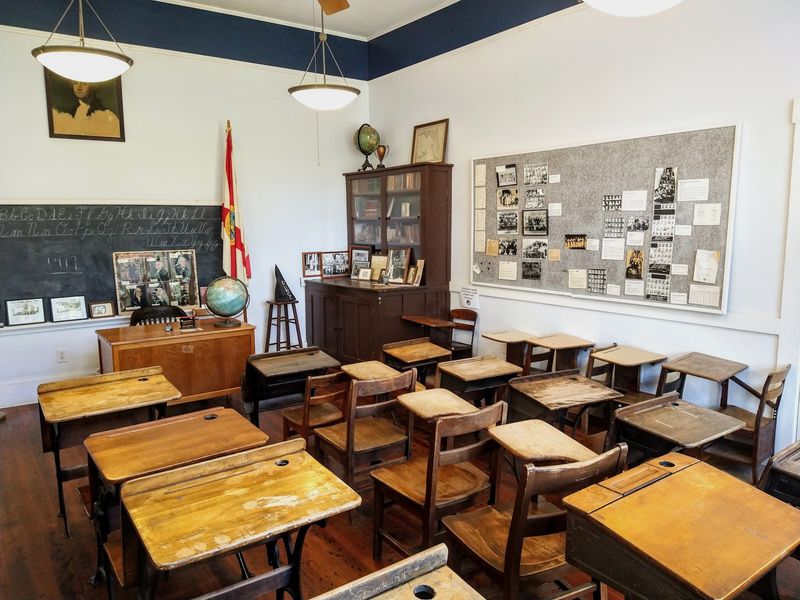
School buses are a common sight here, and for good reason.
Field trips rank among the most mentioned uses of the settlement. Groups line up for instructions, then rotate through stations covering different pioneer jobs.
Candle making and farm work are part of the rotation. Staff are known for engaging well with kids and keeping each group involved.
A typical school visit runs from about 10:00 to 12:30 and ends with lunch. Plenty of parents leave planning to return as a family.
The settlement also offers private tours, group rates, and even weddings. That range shows how flexible the grounds can be.
RV travelers have another option. The settlement participates as a Harvest Host location, and campers have stayed overnight on the grounds.
Adults exploring alone may find staff more focused on kids and groups. Some guests wish for more interaction, so joining an event or class can give grown-ups a richer experience.
History buffs, homeschool families, and road trippers all find a spot here.
Gate Fees, Hours, and Honest Tips
Good news for budget planners: this is one of the cheaper history outings around.
The self-guided tour has been listed at $10 for adults and $4 for children 12 and under. Prices can change, so confirm before you go.
Hours run 9 AM to 4 PM Monday through Saturday. Sunday hours are shorter, from noon to 4 PM.
Some practical notes help. Wheelchair access appears limited, with few ramps on the property, and some common areas could use maintenance.
Signage is sparse in spots, and on quiet days there may be no guide nearby. Visiting on Saturdays or event days fixes much of that.
There is no real food service on site, so pack snacks and water. Summer afternoons get hot, which is why late fall and early winter make the most comfortable choice.
Compared with larger living history villages that charge $30 or more, the value stands out. For a low-cost fall day out near DeLand, this small settlement delivers a big helping of Old Florida, and your wallet will barely notice the trip.


