
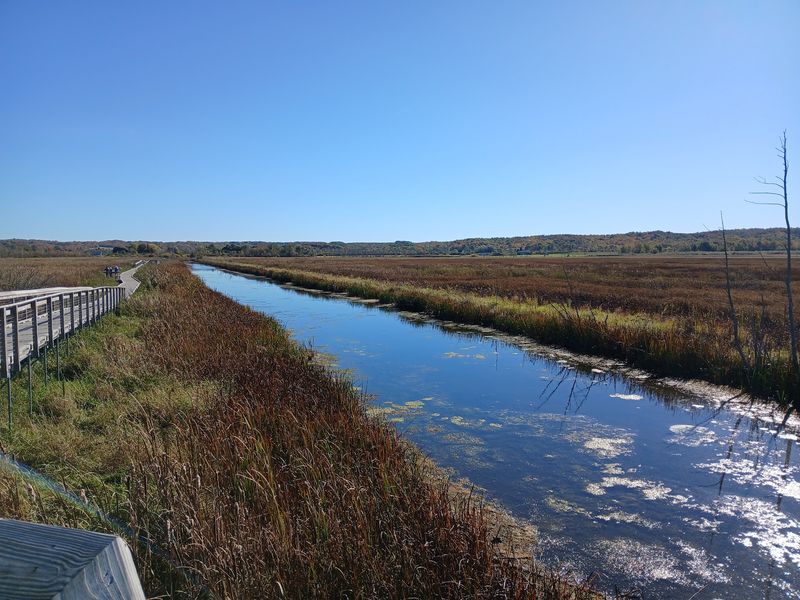
Affiliate disclosure: As an Amazon Associate I earn from qualifying purchases. Learn more
Some of the best things in Michigan still come with a price tag of zero dollars. Tucked along the Lake Michigan shoreline near Arcadia, a long wooden path runs straight out into a wetland that most of the country simply does not have.
Trumpeter swans, turtles, muskrats, and up to 200 bird species have been spotted from its planks. The path is level, wide, and built so strollers and wheelchairs can roll right along with everyone else.
There is no gate fee, no ticket booth, and no reason to book a flight to see a coastal marsh this special. Keep reading to learn where it is, what lives there, when parts of it close, and what to pack so your trip goes smoothly.
A Free Path Off M-22
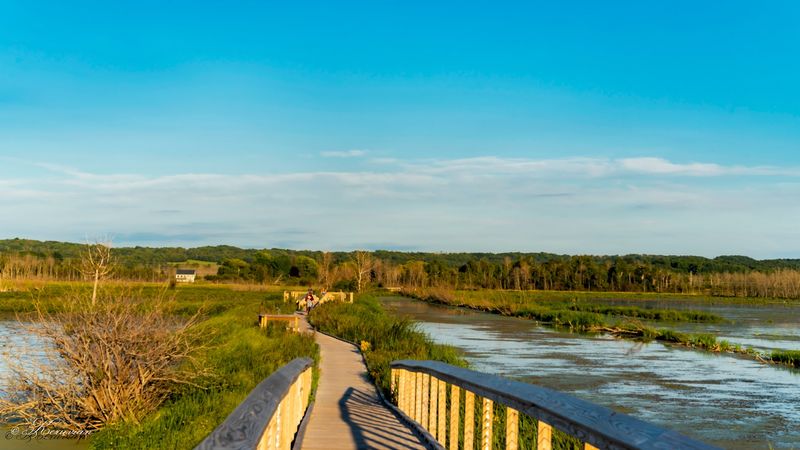
Northern Michigan keeps a lot of its best scenery hidden in plain sight, and this one sits right beside a state highway.
Arcadia Marsh Nature Preserve is found at 16791 Northwood Hwy, Arcadia, MI 49613, in Manistee County along the Lake Michigan shore. The trailhead parking lot is easy to reach from M-22, the scenic route that many Michiganders already drive on summer trips north.
The preserve protects a rare 273-acre coastal marsh. A boardwalk carries people straight into the middle of it, so nobody has to slog through mud to get a close look at the wetland.
Here is the best part for anyone watching a budget. Entry is free, and parking is free too.
There are actually two places to park, one at each end of the boardwalk. That means a group can start from either side and walk the trail out and back.
Plenty of people pass by on their way to Frankfort or other lakeshore towns without ever stopping. Those who finally pull over often wonder why they waited so long.
The preserve keeps posted hours of 7 AM to 8 PM every day of the week. That leaves a generous window for a morning stroll, a lunch break walk, or an evening visit before the sun drops.
Why a Coastal Marsh Is Such a Big Deal
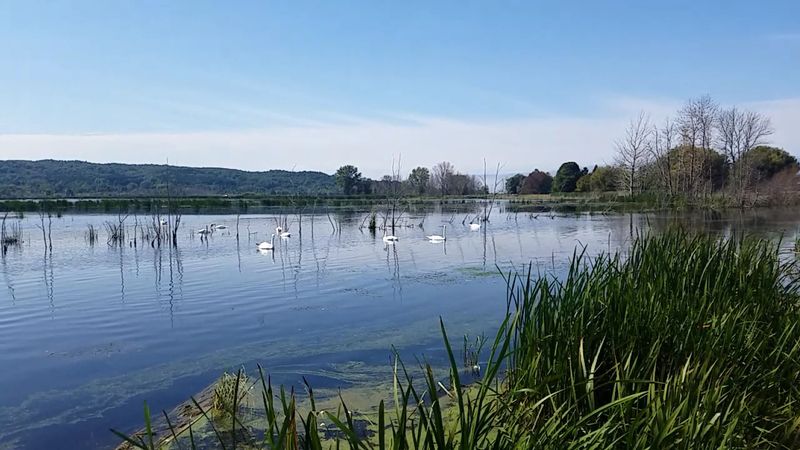
Coastal marshes along the Great Lakes are uncommon, and good ones are even harder to find.
Arcadia Marsh is described as a rare Lake Michigan coastal marsh. Wetlands like this sit where land, river, and big lake all meet, which gives birds, fish, and other animals a place to feed, rest, and raise young.
Protecting that kind of habitat takes real work. The preserve is managed by the Grand Traverse Land Conservancy, a group that saves natural properties so they stay open for future generations.
That mission matters to anyone who grew up in Michigan and wants their grandkids to see the same shoreline. The conservancy relies on donations to keep places like this cared for.
The marsh also connects to a river, and salmon have been spotted moving through the water there. It is a reminder that this wetland is part of a much bigger system.
For Michigan residents, the takeaway is simple. A habitat type that many states lack entirely is sitting right here, a short drive from home.
Few places offer such an easy introduction to how a Great Lakes wetland actually works. Once the boardwalk comes into view, the reason for all that protective effort starts to make sense.
Planks That Lead to the Middle of Everything
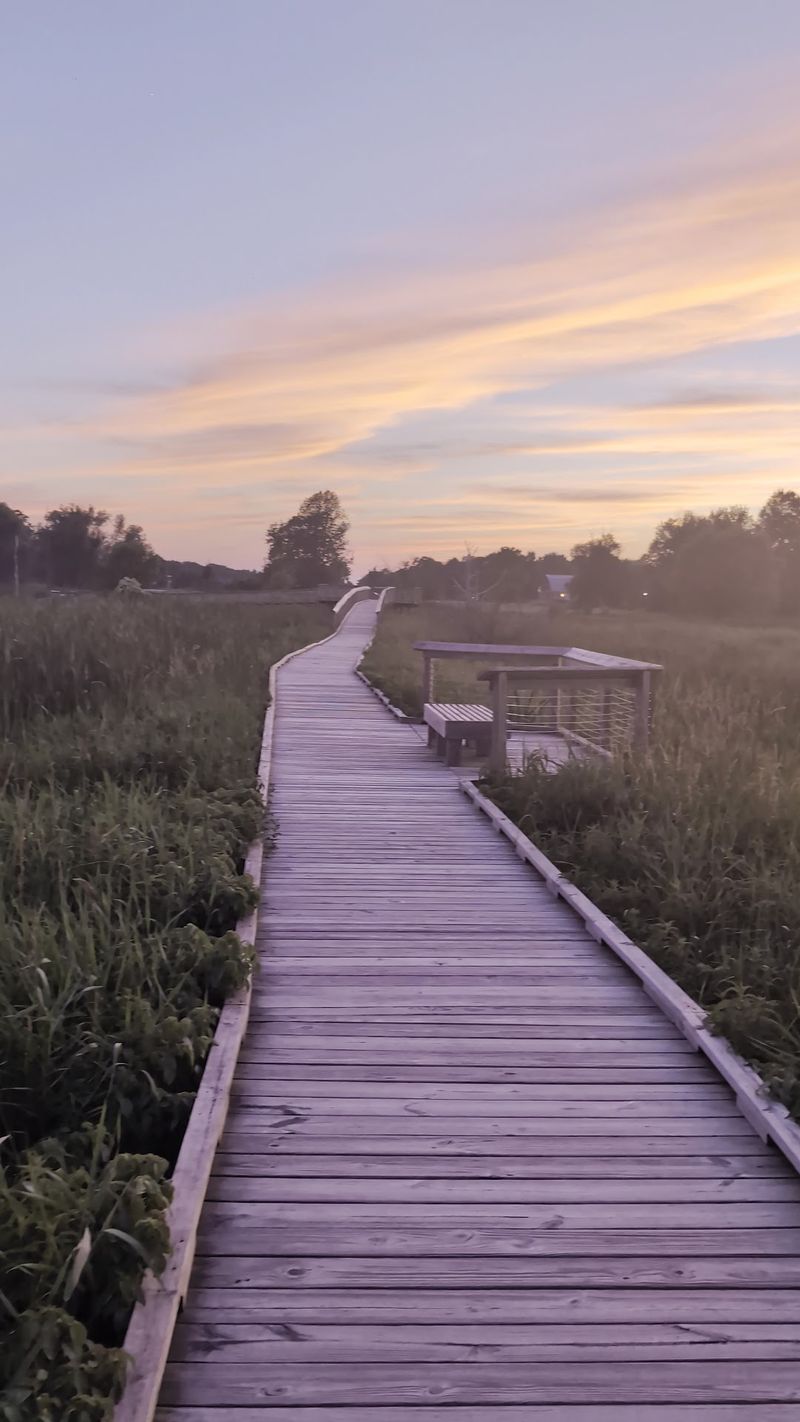
Most trails skirt the edge of a wetland. This one goes right through it.
The raised wooden boardwalk stretches roughly 0.9 miles across the marsh. Walk the full length and back, and the round trip comes to about 1.7 miles.
There is no elevation change at all. The deck stays flat from start to finish, which makes the distance feel very manageable for most people.
The boardwalk is also wide enough for two-way traffic. Groups heading in opposite directions can pass each other without anyone stepping aside into the reeds.
Small pull-outs branch off the main path at several points. They work as viewing spots and as handy places to let others go by.
Benches appear along the route, too. They give tired legs a break and give birders a reason to sit still and wait for something to show up.
The decking was relatively new when it opened and remains well maintained. Loose boards and tripping hazards are not part of the experience here.
Plenty of hikers come for a workout and end up treating the walk like a slow nature lesson. It is hard to rush when every few feet seems to offer something new to look at.
Built So Everyone Gets a Turn
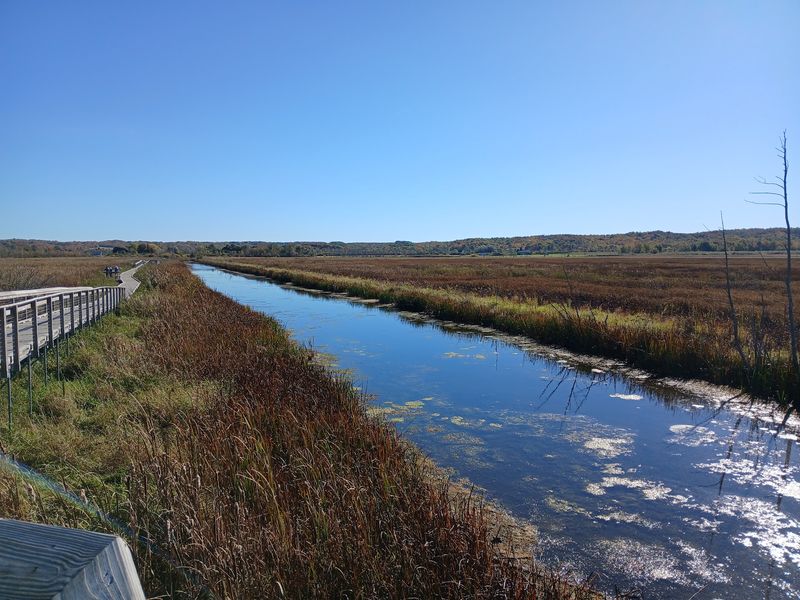
Access to nature should not depend on how far someone can hike, and this boardwalk takes that idea seriously.
The trail is universally accessible and ADA friendly. Handicap parking is available, and accessibility carries along the entire length of the walk.
Not every section has railings. Instead, raised boards run along the edges to keep strollers and wheelchairs from rolling off the sides.
That design also helps people who want to keep their eyes on the marsh instead of their feet. The deck is wide and level enough to walk while scanning for birds without much worry.
Families with older relatives find this especially useful. A grandparent who cannot walk nearly two miles can still ride the full route in a wheelchair and see the same wildlife as everyone else.
People with mobility challenges often describe the marsh as one of the few places where they can reach the middle of a wetland at all. That alone makes the preserve stand out in Michigan.
Parents pushing strollers appreciate it for the same reasons. Toddlers can ride, nap, or hop out and walk without anyone needing to carry gear over roots or rocks.
It is a fine example of a trail that welcomes all ages and abilities without a fuss.
Two Hundred Reasons to Bring Binoculars
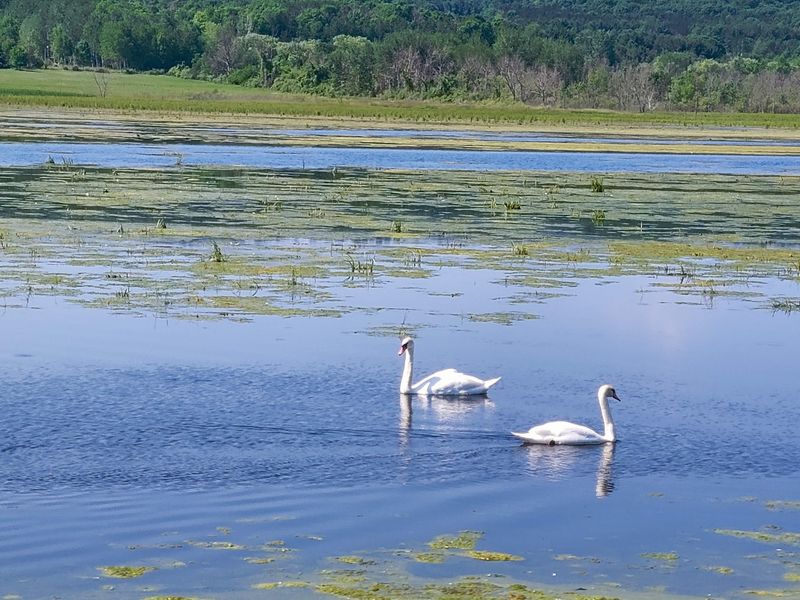
Up to 200 species of birds have been recorded at this marsh. That number alone puts it on the map for Michigan birders.
Waterfowl are the headline act. Native trumpeter swans make regular appearances, and they rank among the most talked about sightings here.
Herons wade in the shallows, and sandhill cranes have been spotted as well. Ravens and many smaller species round out the list.
Spring brings an extra wave of activity. Birders often plan May trips to catch songbirds arriving for the season.
Beginners do not need to be experts to have fun. A birding app on a phone can help identify species, and many people spend the walk testing their skills against the screen.
Kids get in on it too. Young ones often spend the stroll pointing, guessing, and picking up new bird names along the way.
Patience pays off. Groups that move slowly and keep their voices down tend to see more, while noisy crowds can send wildlife hiding.
Binoculars come up again and again as the one item people wish they had remembered. A camera with a good zoom is a close second.
Leave them at home and the swans will still be there, just a little farther away than anyone would like.
Turtles on Logs and Muskrats in the Brush
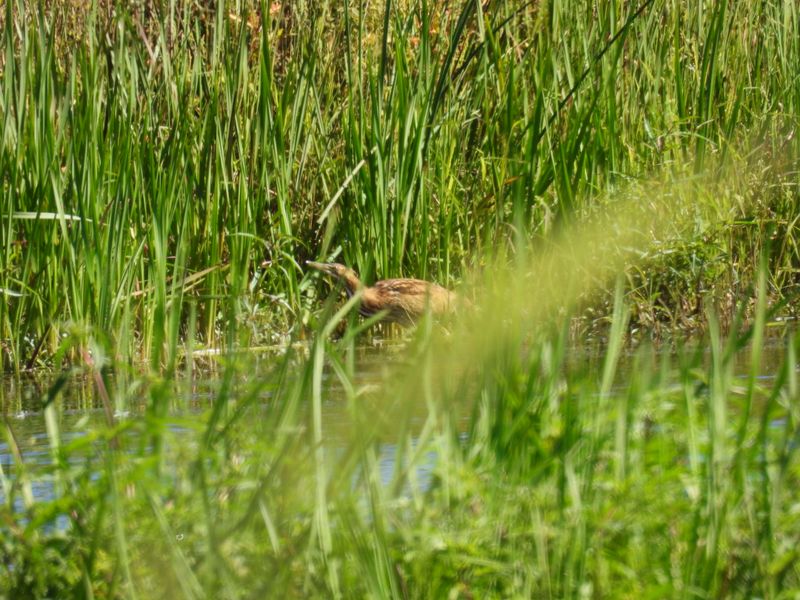
Birds may get top billing, but the supporting cast deserves its own spotlight.
Turtles are a crowd favorite. They often line up on logs in the water, and sharp eyes can count several at once.
Muskrats tend to hang around the brush near the boardwalk. Watch the edges of the vegetation and one may pop into view.
Beavers live here too, along with mink. Both are a treat to spot because they do not always cooperate with schedules.
Frogs add to the list, and the river portion has hosted salmon swimming through. Insects and native plants keep the whole system busy.
One young explorer once claimed to have seen an alligator in the marsh. Michigan has no wild alligators, so that one probably goes down as a creative turtle sighting.
Wildflowers line much of the route as well. Families often turn the walk into a game of finding as many different blooms as possible.
Not every trip produces a big list. Some days are slower, and loud groups may spook animals before anyone gets a look.
Still, the odds are good for at least a few turtles. They seem happy to sit still and pose for anyone with a camera.
A Classroom With No Walls
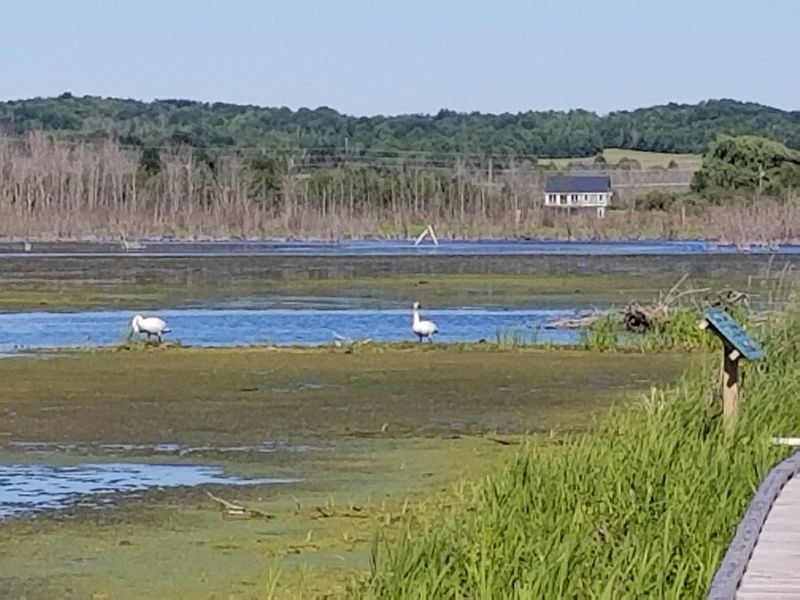
Teachers would have a hard time designing a better field trip.
Information stations appear throughout the boardwalk. Signs explain the area, the ecosystem, and the species that live in the marsh.
They are especially handy for identifying wildlife. Spot an unfamiliar bird or plant, and there is a decent chance a nearby sign can help put a name to it.
Near the start, a printed list shows recent sightings of birds, animals, reptiles, and fish. A quick look gives a sense of what to search for that day.
That small list turns the walk into a scavenger hunt. Kids especially enjoy checking off species as they go.
Parents often describe the preserve as an excellent learning stop for little ones. Questions pile up fast once children start noticing birds, flowers, and turtles.
Even adults who would not call themselves nature lovers come away with new knowledge. The setup makes it easy to care about a place once you understand what lives in it.
None of this costs a cent. The education is part of the free package, which is a rare deal in a world of paid museum tickets.
Budget a little extra time to stop and read along the way.
Gates That Protect the Next Generation of Birds
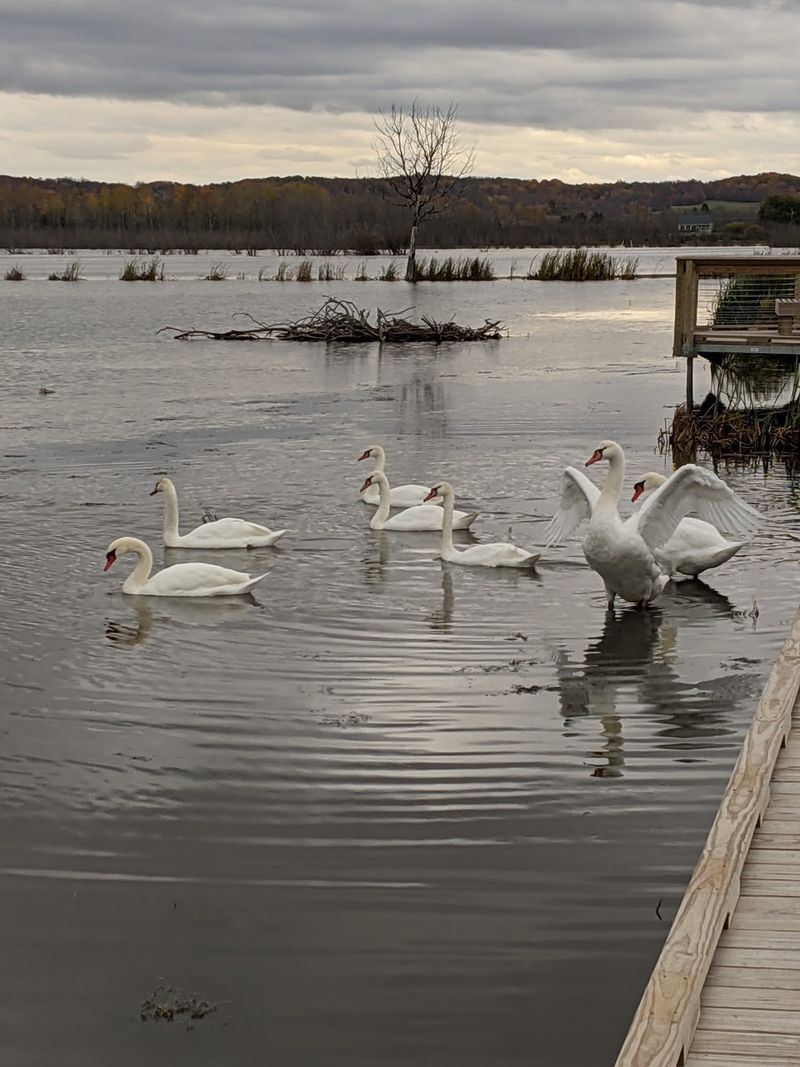
Timing matters here, and a little planning prevents a surprise.
Part of the boardwalk closes during nesting season. Gates block off a section to give birds space while they raise their young.
The closure generally runs from April through July. Some describe it as the middle section, while others note the back half of the boardwalk is shut during that time.
Either way, the open portion is still well worth walking. Plenty of wildlife remains visible, and the marsh views do not disappear just because one stretch is off limits.
This approach fits the conservancy’s goal. The preserve exists to protect habitat first, and people get to enjoy it in ways that do not disrupt the animals.
Anyone determined to cover the full length should aim for late summer or fall. That is when the entire route typically reopens.
Those who visit in spring trade distance for activity. Nesting season means busy birds, and May brings arriving songbirds.
So the closed gate is not bad news. It is a sign the marsh is doing exactly what it is supposed to do.
Check the Grand Traverse Land Conservancy website before heading out for any current notes on closures.
Early Birds and Sunset Chasers
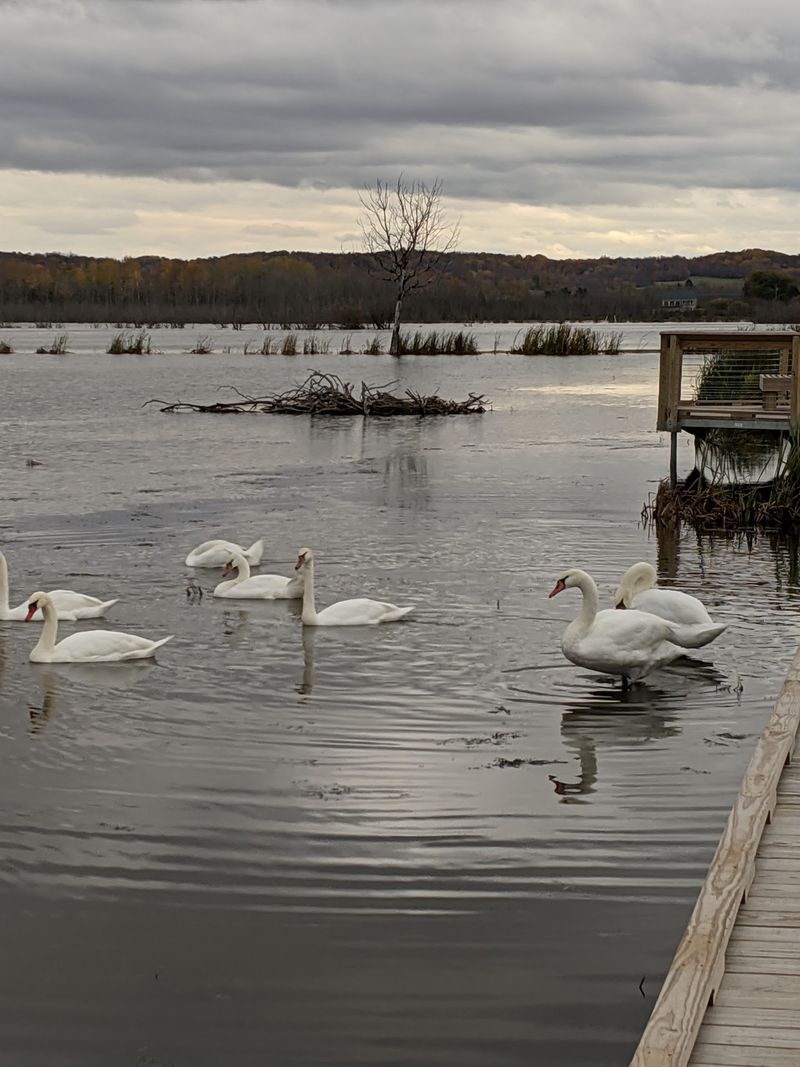
Clock-watching can make or break a marsh walk.
Mornings are a smart pick. Arriving early helps avoid crowds, and it beats the midday sun on a trail that offers very little shade.
Evenings work beautifully too. Families have entered around 6 PM and taken their time strolling until closing at 8 PM.
Sunsets here draw plenty of praise. The open marsh makes a fine setting to watch the day wind down with family.
There is one caution. It is wise not to get caught on the boardwalk after dark, since some areas lack railings and the water sits close by.
A popular move is to finish the walk with time to spare. From there, it is a short drive through town to the beach area to catch the sun dropping over Lake Michigan.
Spring and early summer bring nesting activity and arriving songbirds. Later in summer, the full boardwalk reopens for the longest possible walk.
Wind can pick up out on the open marsh. On cooler days, a jacket makes the trip more comfortable.
Pick a time, pack accordingly, and the marsh will usually hold up its end of the deal.
The Short Packing List That Saves the Day
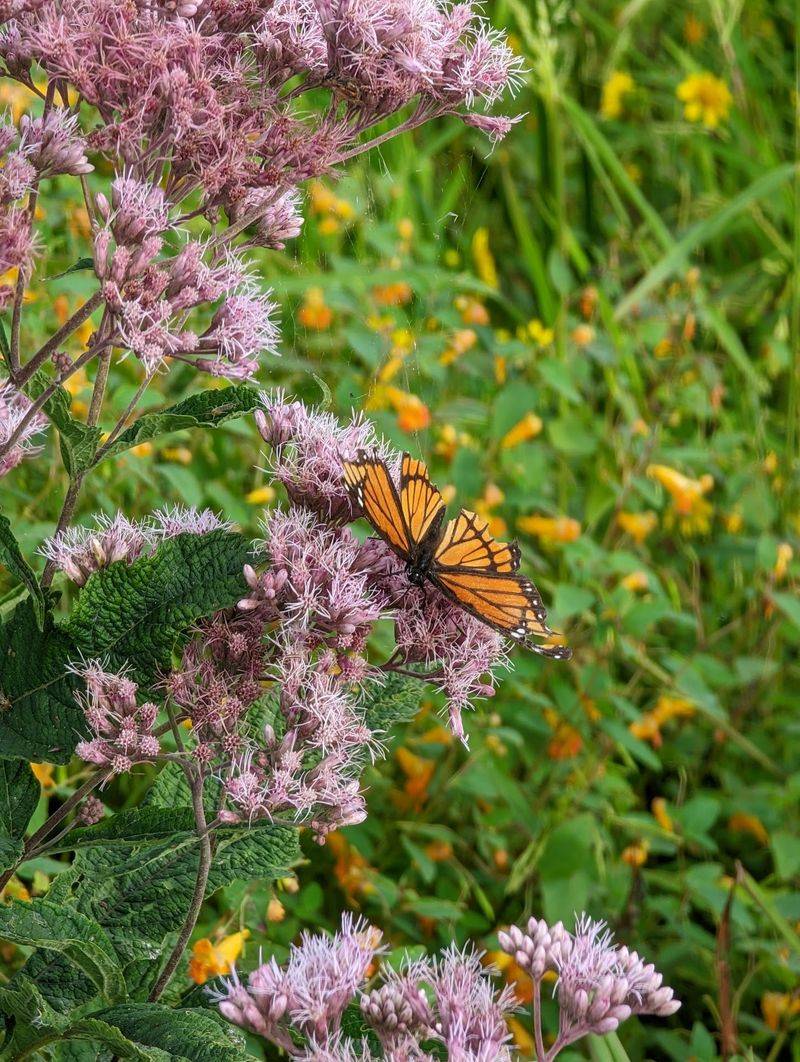
A few small items separate a good marsh walk from a great one.
Binoculars top the list. Wildlife is often just far enough away that a closer look makes all the difference.
Water comes next. The trail sees a lot of sun with little shade, and it can get very hot on summer days.
Sunglasses and sun protection help for the same reason. Some families even bring an umbrella to shade a relative riding in a wheelchair.
A camera is worth carrying too. Swans, turtles, and wildflowers all make good subjects.
Bees are common around the wildflowers along the path. They tend to focus on the blooms and ignore people, but anyone with a serious allergy should carry an EpiPen just in case.
A light jacket can help when wind sweeps across the open marsh. Weather by the big lake can change faster than expected.
A birding app on a phone is a helpful extra. It adds a fun layer of identification for beginners and kids alike.
Pack light, though. The walk is easy, and nobody needs a full hiking kit for a flat boardwalk.
Remember these basics, and the only regret will be not staying longer.
Ground Rules, Hours, and the Restroom Question
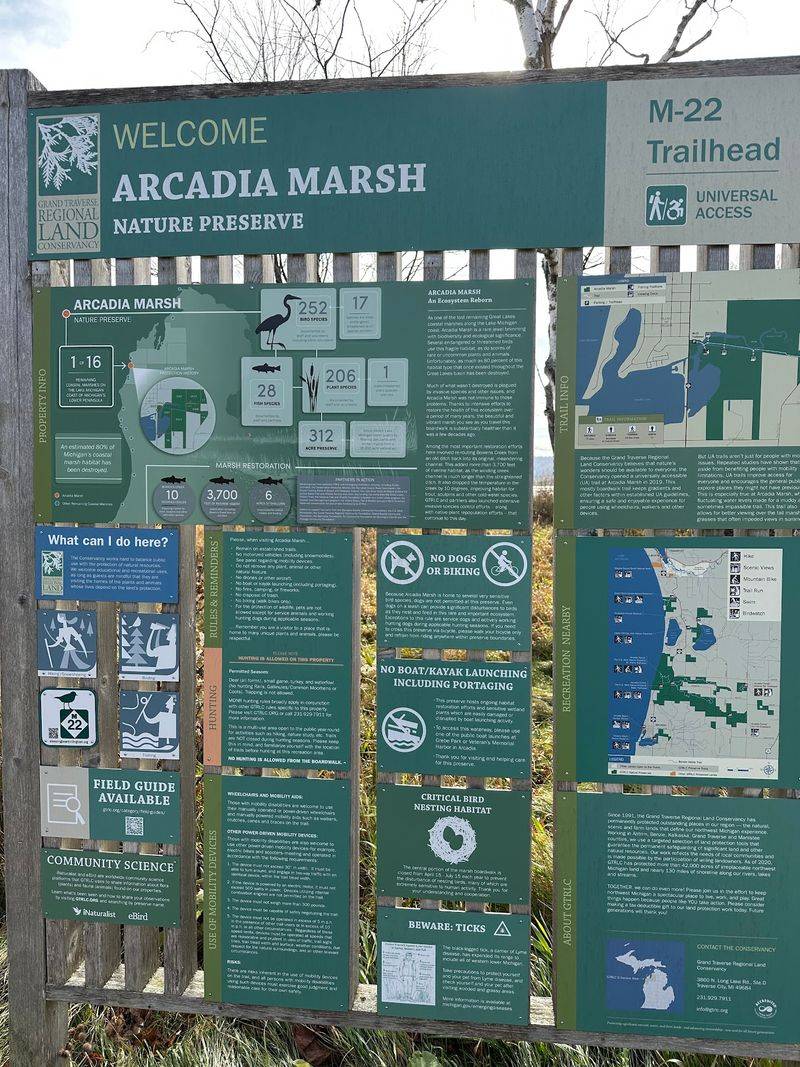
A few practical details are worth knowing before the car leaves the driveway.
The preserve is open daily from 7 AM to 8 PM. Admission costs nothing, and parking is also free with ample space.
Pets are not allowed on the boardwalk. Dog owners will need to leave their four-legged friends at home for this one.
The rule makes sense for a wildlife preserve. Nesting birds and shy animals do best without dogs nearby.
There are no restroom facilities, especially on the M-22 side. Plan a stop beforehand, and the town of Onekama to the south is a handy option.
Gas stations are not easy to find right around the preserve either. Fill up before the drive if the tank is running low.
Parking lots sit at both ends of the boardwalk. The M-22 lot is the easiest to reach for most travelers.
Crowds tend to stay light, and people generally spread out along the path. The side pull-outs help keep things moving smoothly.
Questions about the property can go to the Grand Traverse Land Conservancy through its website. A quick check there is the best way to confirm current conditions.
Michigan’s Free Front Row Seat to a Rare Wetland
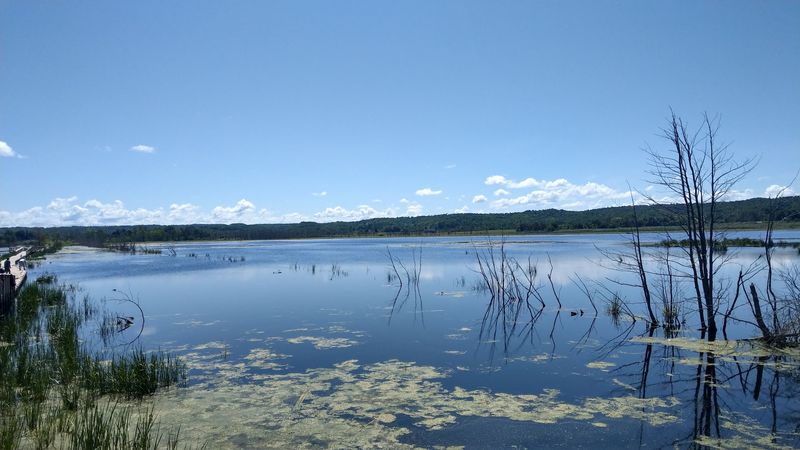
Some places earn a near-perfect score without charging a dime, and this marsh is one of them.
Arcadia Marsh Nature Preserve delivers a rare Lake Michigan coastal wetland on a flat, accessible boardwalk. It welcomes kids, grandparents, birders, and casual walkers all at once.
It holds a 4.9-star average across more than 500 opinions on Google. That kind of consistency is hard to come by.
The appeal is easy to explain. Trumpeter swans, turtles, muskrats, and up to 200 bird species share a habitat that much of the country never gets to see.
Families leave with new bird names and plenty of questions. Hikers leave with an easy mile or two under their belts.
A few trade-offs exist. There are no restrooms, no shade to speak of, and no dogs allowed, and part of the trail closes in nesting season.
None of that dims the value. For Michiganders, this is the kind of discovery that makes the state feel bigger and richer than any brochure suggests.
Pack the binoculars, plan around the gates, and leave time for sunset at the beach afterward.
And if the walk leaves a mark, a donation to the conservancy helps keep the boardwalk free for the next family that pulls off M-22.


