
Affiliate disclosure: As an Amazon Associate I earn from qualifying purchases. Learn more
Boaters in Northern California cruise every summer over the rooftops of a town most of them have never heard of. Deep under one of the state’s biggest lakes sits a place that once had a railroad stop, busy streets, shops, and thousands of residents who lived through the mining boom years.
When a giant dam went up in the late 1930s and early 1940s, the water rose and the old town slowly vanished from view, along with its stories. Keep reading to learn where this sunken town is, how it ended up underwater, and how to plan a trip to the lake that keeps its secret today.
A Lake With a Zip Code and a Secret
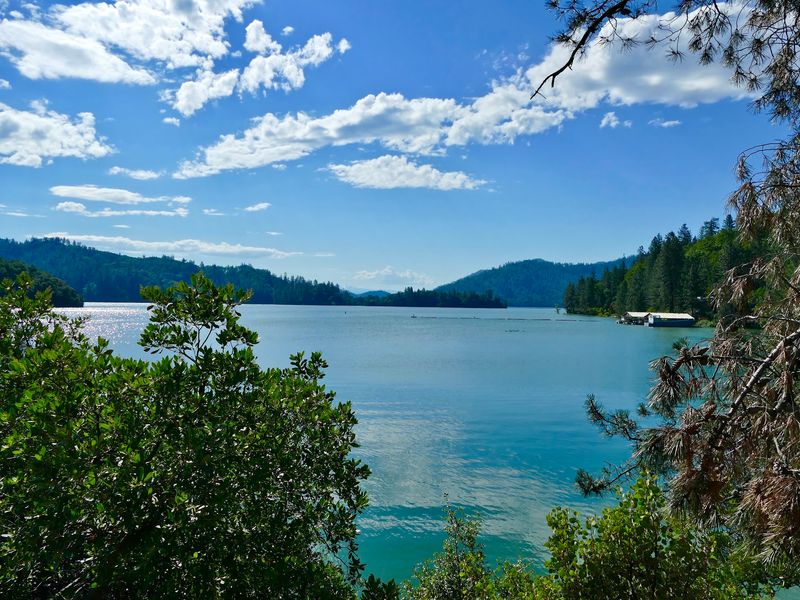
Shasta Lake sits in Shasta County in far Northern California, with the nearby city sharing its name at California 96019, USA. The city of Shasta Lake is the closest settlement to Shasta Dam and the huge reservoir behind it.
Before it became a city, the community was known simply as Central Valley, or CV to locals. Today it serves as a handy home base for anyone heading to the dam or the water.
The reservoir is often called the largest man-made lake in California. It stretches across several long arms that follow old river canyons, and its shoreline is commonly listed at roughly 365 miles when the lake is full.
Those numbers matter for this story. A lake that big had to fill an enormous space, and that space was not empty before the water arrived.
Towns, roads, rail lines, and ranches once filled the canyons where houseboats now drift. The best known of these lost places is a town called Kennett, and its tale is the reason so many people look at this lake a little differently once they know.
Keep that name in mind, because Kennett is about to take center stage.
Kennett, the Town Beneath the Boats
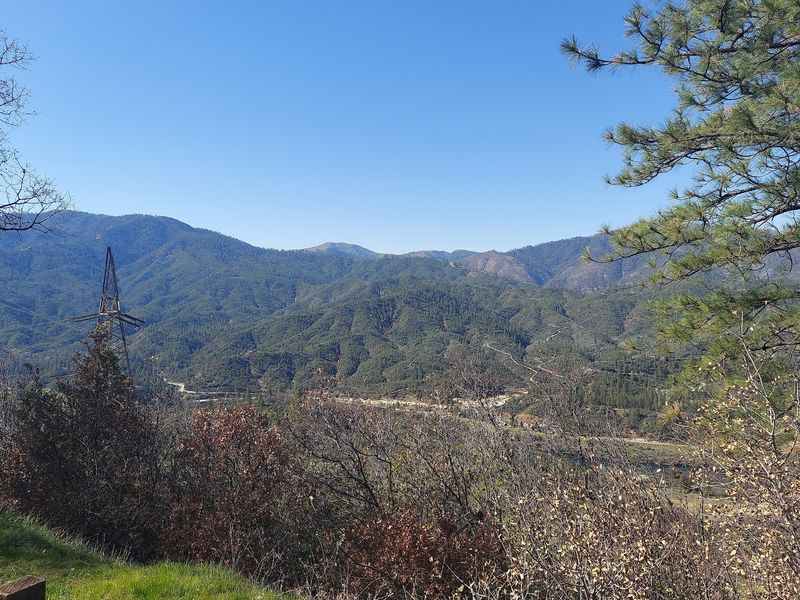
Long before anyone rented a houseboat here, the Sacramento River canyon was mining country. Gold seekers worked these hills during and after the Gold Rush era, and settlements grew up along the river.
Kennett became one of the most important of them. It grew around a railroad stop and later boomed thanks to copper, which turned out to be a bigger prize in this part of Shasta County than gold.
By the early 1900s, Kennett was a real working town. Historical accounts describe hotels, stores, saloons of the frontier type, homes, and a busy smelter that drew workers from far and wide.
Population estimates vary depending on the source, but many histories say several thousand people lived in or around the town at its peak. That is a lot of life packed into one canyon.
Mining towns rarely last forever, though. When copper prices dropped and the smelter closed, Kennett began to shrink well before the dam was ever planned.
By the time engineers arrived, only a small community remained. Its final chapter would be written by rising water rather than by any boom or bust.
How a Dam Swallowed a Town
California needed water and power, and the Central Valley Project was the answer. A massive dam on the Sacramento River was a key piece of that plan.
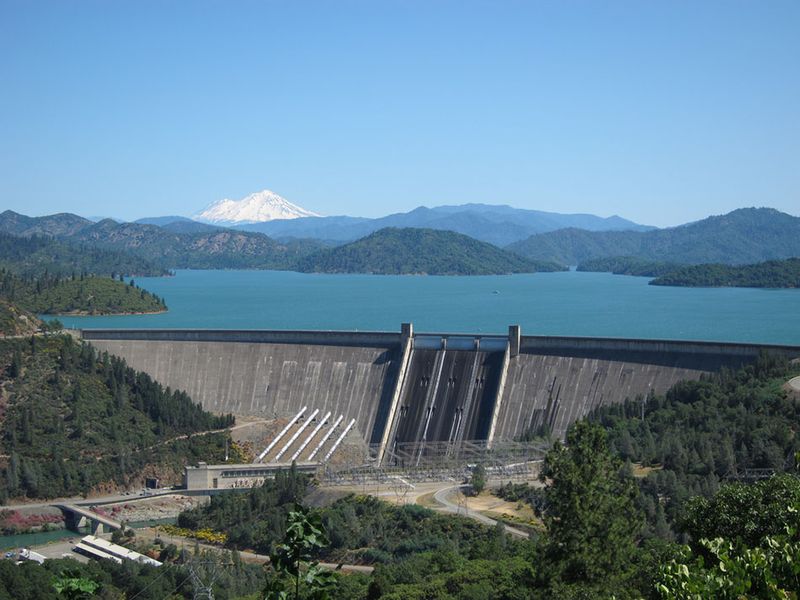
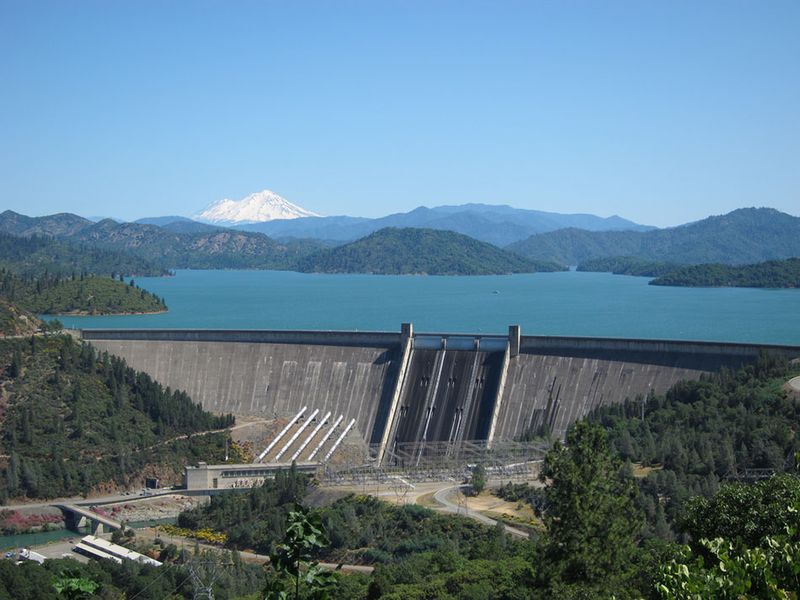
Construction on Shasta Dam began in the late 1930s and wrapped up in the mid-1940s. As the concrete wall rose, it became clear that the canyon behind it, including Kennett, would soon be underwater.
Residents moved out and many structures were taken down or relocated before the flooding. What stayed behind was left to the river.
Once the dam was finished, the reservoir began to fill. Over time, the water climbed higher and higher until the old town site disappeared from sight.
Historical accounts often place the remains of Kennett roughly 400 feet below the surface when the lake is full. That depth is why the town is out of reach for casual swimmers and most divers.
Some foundations and old rail grades in other parts of the lake can appear during low-water years. Kennett itself, however, rests so deep that it tends to stay hidden even in dry seasons, which only adds to its mystery.
Shasta Dam, the Giant That Holds It All
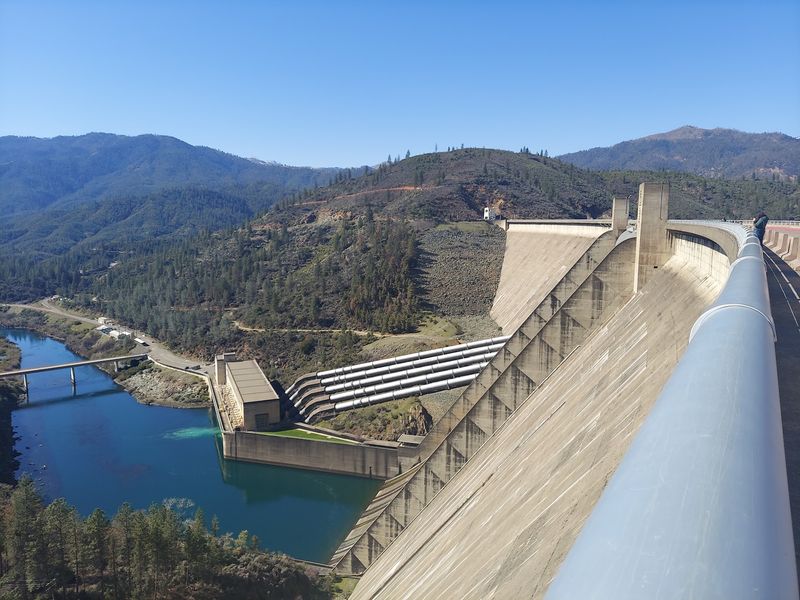
Size is the first thing people notice. Shasta Dam stands about 602 feet tall, making it one of the tallest concrete dams in the United States.
It was built to tame flooding, store water for farms and cities, and generate hydroelectric power. Decades later, it still does all three jobs.
The dam is operated by the U.S. Bureau of Reclamation.
A visitor center near the top shares exhibits about the construction and the region, and guided tours have been offered at various times.
Tour schedules and availability can change, so checking ahead with the Bureau of Reclamation before driving out is a smart move. Access to the top of the dam for walking may also vary.
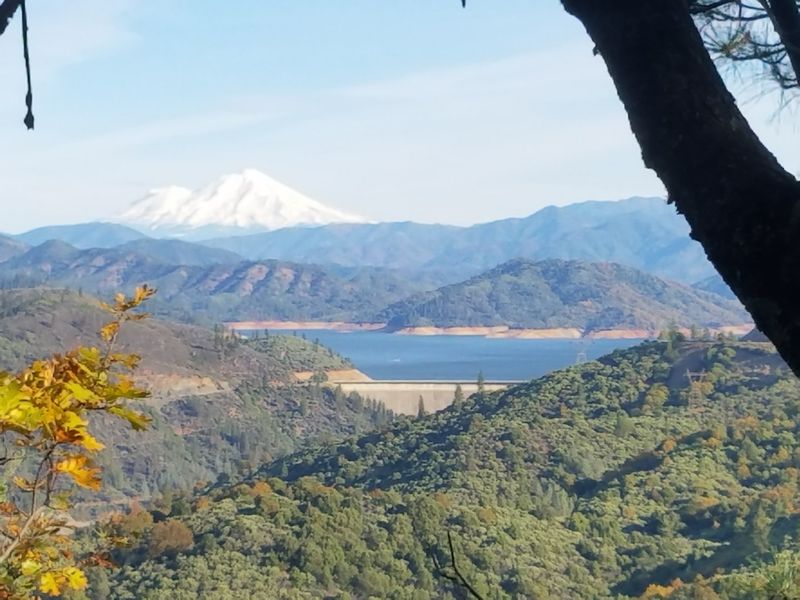
Standing on the crest gives a clear view of the lake on one side and the Sacramento River canyon on the other. It is the easiest way to grasp just how much water sits over the old town of Kennett.
For history fans, the dam is the hinge of the whole story. Kennett’s ending and the lake’s beginning both happened right here.
Four Arms and Hundreds of Miles of Shore
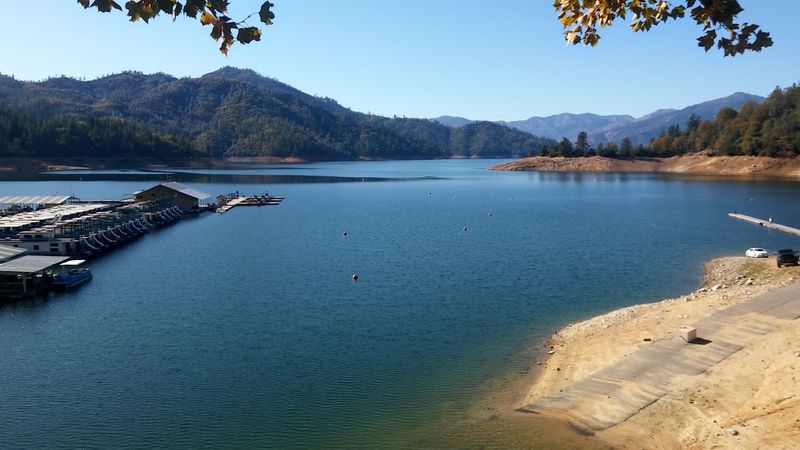
Here is a fun way to read a map of Shasta Lake. Each long finger of water follows an old river or creek that the dam backed up.
The main arms are the Sacramento River Arm, the McCloud River Arm, the Pit River Arm, and the Squaw Creek Arm. Each one has its own coves, marinas, and campgrounds.
That layout is why the shoreline is so long. Instead of one round bowl, the lake twists through canyons, creating hidden inlets that can feel like private bays.
Kennett sat along the Sacramento River, in the area near the dam. So when boats cruise the lower end of the lake, they may be passing over the old town site without knowing it.
The branching shape also helps spread out the crowds. Busy weekends near the main marinas can be balanced by quieter stretches farther up the arms.
For first-timers, grabbing a lake map at a marina is worth the effort. It turns a big blue blob into a set of very different neighborhoods, each worth exploring at its own pace.
The Houseboat Capital of California
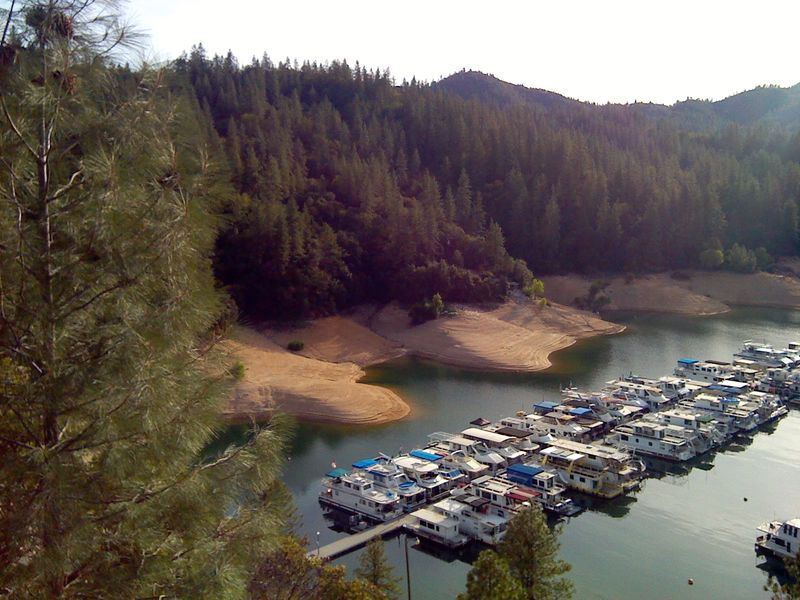
Floating homes are a way of life on this lake. Shasta Lake is widely known as one of the top houseboating spots in the country.
Several marinas around the lake rent houseboats in different sizes. Some are simple and budget friendly, while others come with upper decks and slides for families.
Renting a houseboat lets a group pick a quiet cove, tie up for the night, and wake up right on the water. It is a classic Northern California summer tradition for many families.
Prices vary a lot by season, boat size, and length of stay. Summer weekends tend to cost more and book up early, so planning months ahead is common.
Splitting a large boat among several families can bring the cost per person down. Off-season and midweek rentals may also offer better deals, though prices can change from year to year.
There is a certain charm in knowing the old town of Kennett sits far below the hull. Few vacation rentals anywhere come with a history lesson built right into the floor plan.
Caverns Reached by Boat
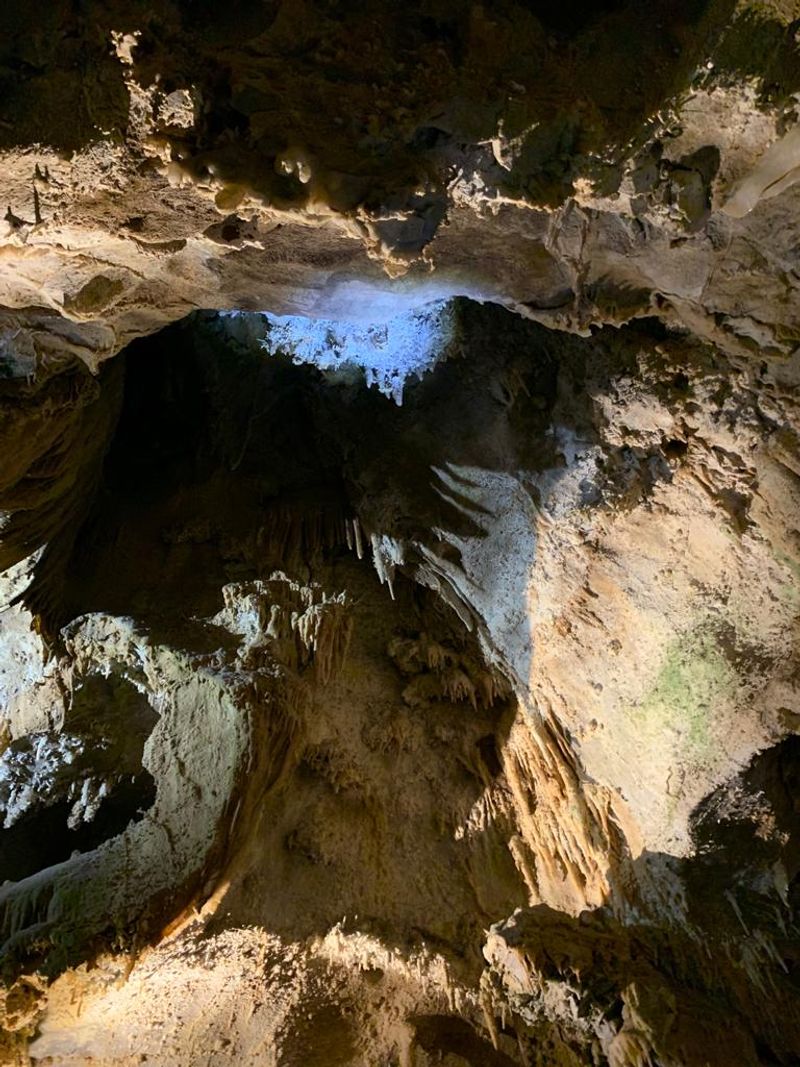
Not every mystery here is underwater. Some are tucked inside the mountains above the lake.
Lake Shasta Caverns sits near the McCloud Arm and is one of the area’s best-known attractions. The tour typically includes a short boat ride across the lake, followed by a bus ride up the hillside to the cave entrance.
Inside, guided walks show off formations like stalactites and stalagmites that formed over a very long stretch of time. Guides share the geology and local history along the way.
The combination of boat, bus, and cave makes it a hit with families. Kids who might get bored at a museum often enjoy the adventure of getting there.
Tour times, ticket prices, and seasonal schedules can shift, so checking the caverns’ official information before arriving is wise. There are stairs inside, which is worth knowing for anyone with mobility concerns.
Pairing the caverns with a stop at the dam makes for a full day. One shows the deep past of the land, and the other shows how people changed it.
Fishing Over Old Streets
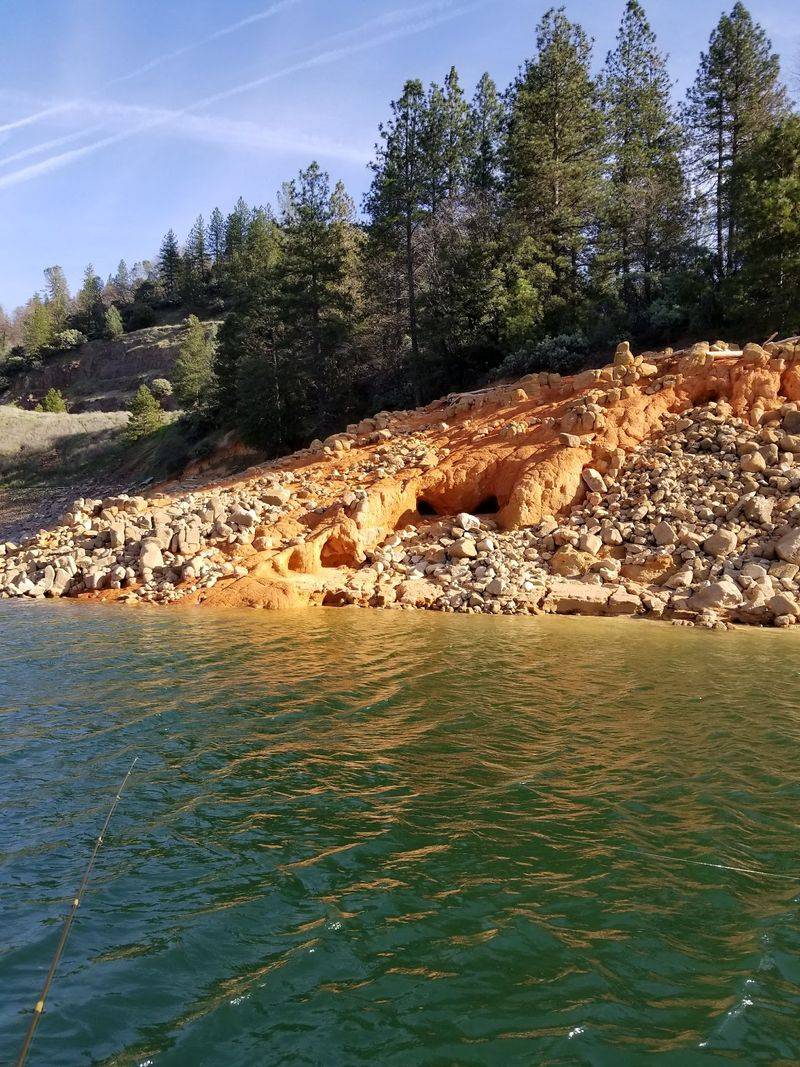
Anglers have long made Shasta Lake a regular stop. The lake supports a mix of species, including bass and trout, which keeps things interesting across the seasons.
The deep water and many coves give fish plenty of places to hide. Local guides and bait shops near the marinas can share what is biting and where.
A valid California fishing license is required for anyone old enough to need one. Rules and limits can change, so reviewing current state regulations before casting a line is the safe bet.
Early mornings tend to be calmer, with fewer ski boats and personal watercraft on the water. Many anglers plan around that quieter window.
There is something fitting about fishing here. Gold seekers once worked these same canyons hoping to strike it rich, and now anglers come chasing a different kind of prize.
Whether the catch is big or small, a day on the water over Kennett tends to stick in the memory. Many families have been coming back to the same favorite spots for generations.
Campgrounds Along the Water
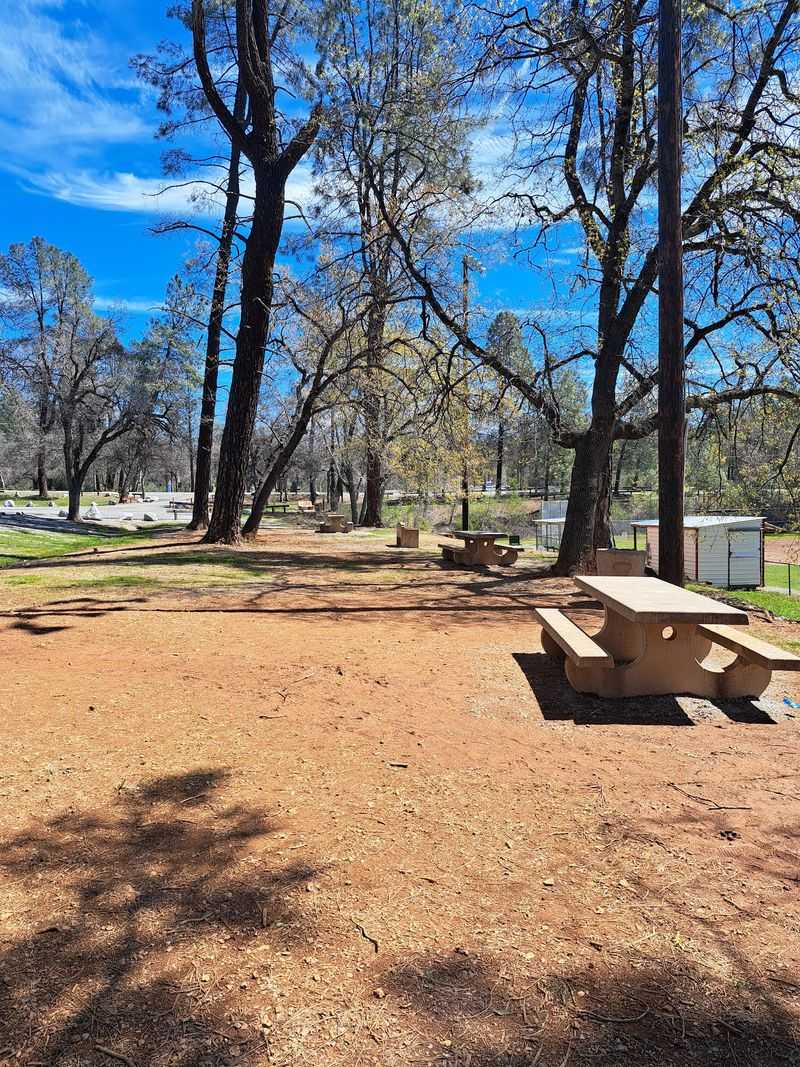
Sleeping under the pines is one of the most affordable ways to enjoy the lake. Much of the shoreline falls within the Whiskeytown-Shasta-Trinity National Recreation Area, managed in part by the U.S.
Forest Service.
Campgrounds are scattered around the different arms. Some are reachable by car, while others are best accessed by boat.
For budget-minded Californians, camping can cost far less than a houseboat or hotel. Fees vary by site and season and can change, so checking current rates ahead of time is a good idea.
Popular campgrounds fill up quickly in summer. Reserving early through the official federal reservation system can save a lot of stress.
Families often return to the same campsite year after year. For many, those summer trips are a core memory tied to old California road trips.
Fire rules can be strict during dry months, and restrictions may change quickly. Following posted guidance keeps the forest safe for the next group of campers.
When the Water Drops, History Peeks Out
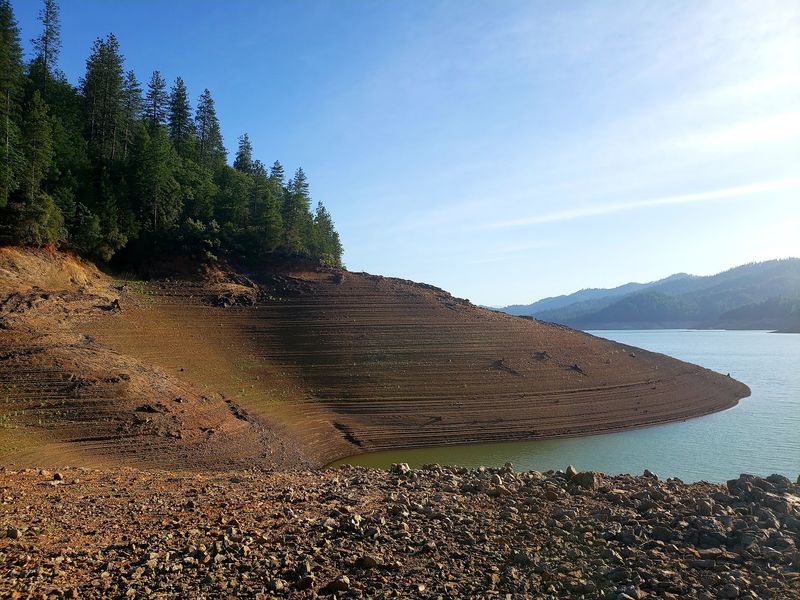
Drought years tell a different story. When the water level falls, wide bands of bare shoreline appear around the lake.
In some low-water seasons, traces of the past have surfaced in shallower areas. Old roadbeds, bridge remnants, and foundations from various communities and work sites have been spotted at times.
Kennett, though, is usually too deep to show itself. Its depth near the dam means even serious droughts tend to leave it well below the surface.
That has not stopped curiosity. News coverage during dry years often revisits the old town, reminding Californians that the lake covers real places with real histories.
Anyone exploring exposed shoreline should respect posted rules and leave any artifacts where they are. Many historic sites are protected, and removing items may be against the law.
Low water can also make boat ramps harder to use. Checking current lake levels and ramp status before a trip saves time and frustration, especially in late summer.
The City That Grew Up Next Door
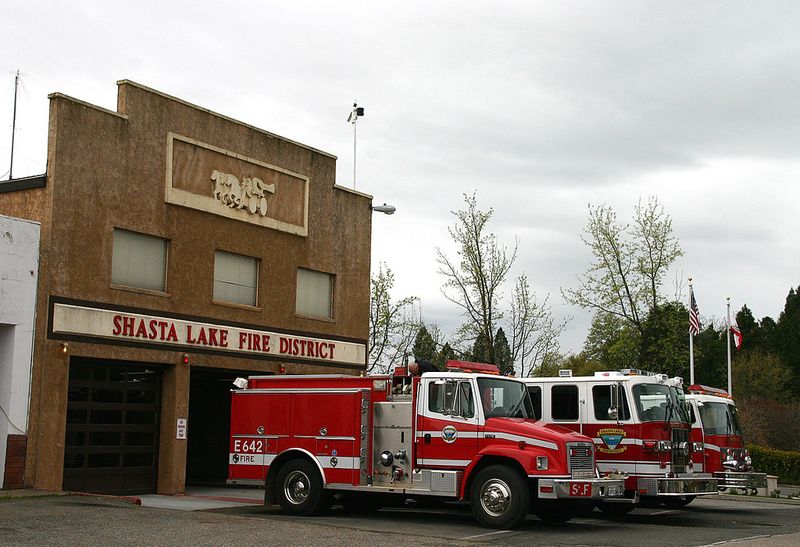
While Kennett went under, a different community kept growing nearby. The area once called Central Valley, or CV, became home to many dam workers and their families.
Over time, several small communities in the area came together and incorporated as the city of Shasta Lake. Today it is the closest town to both the dam and the reservoir.
The city has a relaxed, small-town pace. It offers practical stops for groceries, gas, and supplies before heading out to the water.
For people who remember older Northern California towns, the area can feel familiar. It still carries the working-class roots that came from building one of the state’s largest projects.
The city’s official website is a useful place to find local news, events, and community information. It can help travelers learn about what is happening during their visit.
Spending a little time in town also adds context. The people here have lived alongside the lake’s history for generations, and that connection is part of what makes the area special.
Who Will Love This Trip Most
History buffs top the list. A trip here offers a rare chance to stand above a lost town and learn how a whole community changed course.
Families also find plenty to do. Swimming coves, houseboats, caverns, and campgrounds keep kids busy without much planning.
Anglers and boaters get miles of water and a wide choice of launch points. Paddlers can find calmer arms away from the busiest marinas.
Older travelers who enjoy scenic drives and visitor centers can have a full day at the dam alone. Short walks and viewpoints make it easy to enjoy the area without hard hiking.
Budget travelers have options too. Camping, day use areas, and free sightseeing at the dam overlook can keep costs reasonable compared with many California getaways.
The only people who may want to look elsewhere are those seeking a big-city nightlife scene. This is a place for slow days, family time, and long talks about what lies beneath.
Getting There and Timing Your Visit
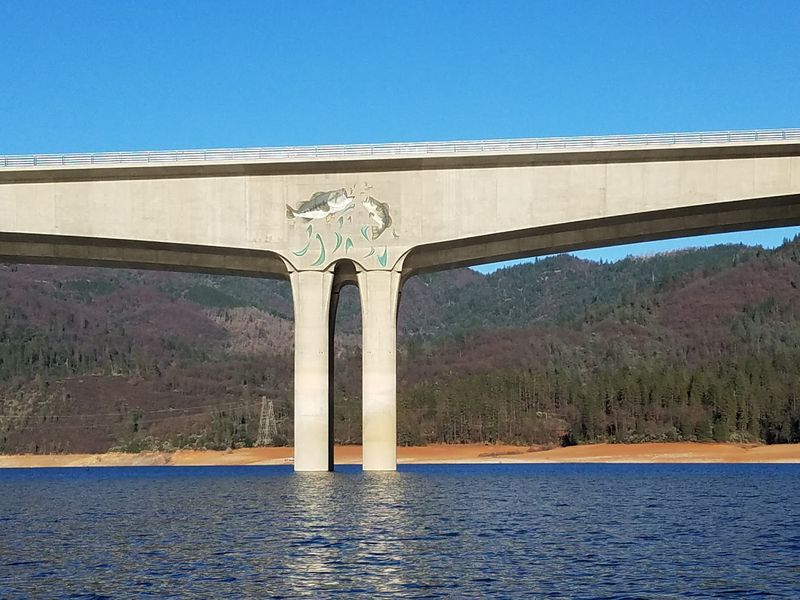
Reaching the lake is refreshingly simple. Interstate 5 runs right through the area north of Redding, and the highway even crosses the lake on a long bridge.
Redding is the nearest larger city and offers more lodging and dining choices. From there, the city of Shasta Lake and the dam are a short drive away.
Summer is peak season, with the warmest water and the busiest marinas. Weekends and holidays can be crowded, so arriving early helps with parking and launch lines.
Late spring is often a sweet spot. Lake levels are frequently higher after winter rains and snowmelt, though conditions vary by year.
Fall can be quieter, with fewer crowds and sometimes lower rental rates. Water levels may be lower by then, which can affect some ramps and beaches.
Before any trip, checking lake levels, dam tour status, and fire restrictions is a smart habit. Hours and prices at attractions and marinas may change, so confirming details directly is always the safest plan.
A Lake Worth Knowing Twice
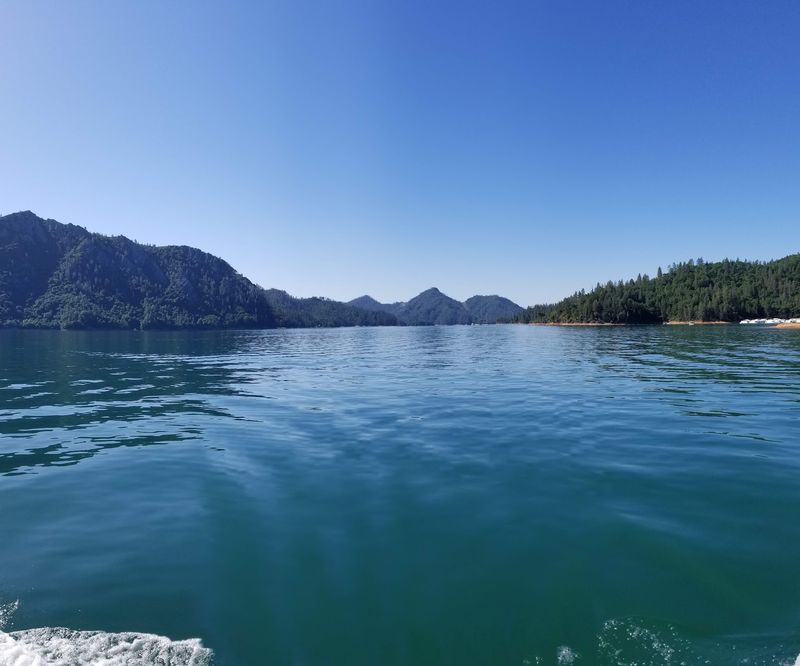
Most lakes are just lakes. Shasta Lake is a lake with a memory.
On the surface, it offers everything a classic Northern California summer needs. Houseboats, fishing, caverns, campgrounds, and a towering dam give every type of traveler a reason to come.
Below the surface, the story of Kennett adds real depth, in every sense. A town born from the mining era now rests roughly 400 feet down, quietly holding a piece of the state’s past.
That pairing is what makes the trip stick. It is fun and relaxing, but it also invites a moment of reflection about how California grew and what it gave up along the way.
For Californians who treasure old places and old stories, this lake is a reminder that history is not always in a museum. Sometimes it is right under the boat.
Pack the cooler, grab a map, and plan a visit. Just remember to tip your cap to Kennett as you cruise past.


