
Affiliate disclosure: As an Amazon Associate I earn from qualifying purchases. Learn more
Some roads exist to get you somewhere fast, and some roads exist to make you forget you were in a hurry. On the Monterey Peninsula, one stretch of pavement has been talking Californians into easing off the gas for generations.
It hugs the Pacific coastline, passes famous golf courses, and winds past cliffs and natural landmarks that show up in family photo albums all over the state. The drive is short on miles but long on reasons to pull over, and the pace feels almost built into the design.
Keep reading for where it sits, what it passes along the way, who will get the most out of it, and a few practical notes so the trip goes smoothly from the first turnout to the last.
A Coastal Ribbon on the Monterey Peninsula
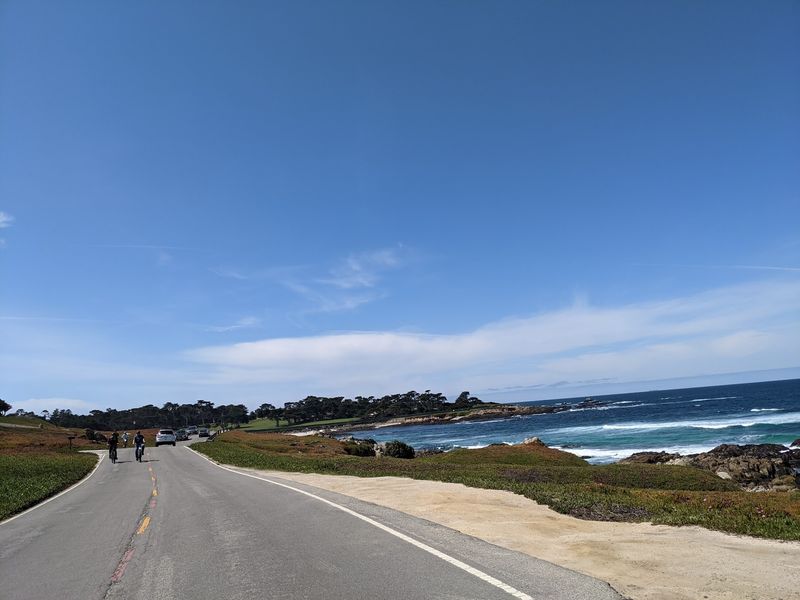
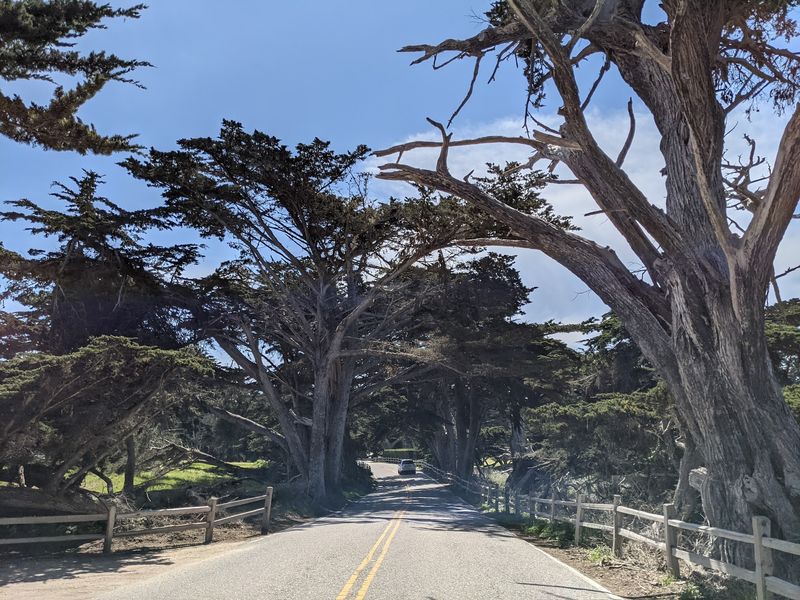
Every great road trip needs a starting point, and this one begins on the Monterey Peninsula along California’s central coast.
The route is called 17 Mile Dr, and it sits in California, USA, on the edge of the Pacific Ocean. It is a scenic road that traces the coastline rather than cutting inland.
The name gives away the basic math. It is roughly seventeen miles of driving, which sounds quick on paper.
In practice, the road is less about distance and more about stopping. Most of the appeal lies in the turnouts, the curves, and the moments when the ocean suddenly fills the windshield.
For Californians who grew up taking Sunday drives, the format will feel familiar. It is the kind of outing where the car is part of the experience, not just the way to get there.
The drive connects coastline, cliffs, and some of the best-known golf scenery in the country. All of that is packed into a single loop that can fill an afternoon without much planning.
Short, simple, and stubbornly scenic, the road makes a strong first impression before the first mile marker is even behind you.
Why Slow Is the Whole Point
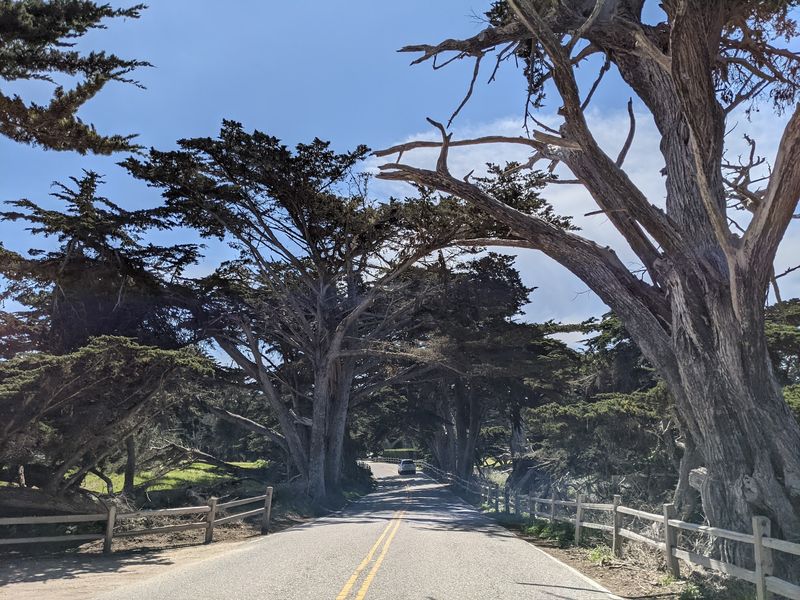
Speed demons, consider yourselves warned. This is not a road that rewards a heavy foot.
The route follows the shape of the coast, and the coast does not do straight lines. Curves, overlooks, and scenic pullouts keep the pace relaxed by design.
That slower rhythm is the real charm. A drive that could technically be finished quickly tends to stretch out once the first ocean view appears.
Plenty of people plan for an hour and end up spending much longer. The pull-offs make stopping easy, and the views make leaving hard.
There is something refreshingly old-fashioned about a road that asks you to take your time. No rush, no billboards shouting for attention, just coastline and the next bend.
It also makes the trip friendlier for families and older drivers. A gentle pace means fewer white knuckles and more time to point things out to the back seat.
Consider the speedometer a suggestion box, and the suggestion is always the same: ease up and look around.
Cliffs That Steal the Show
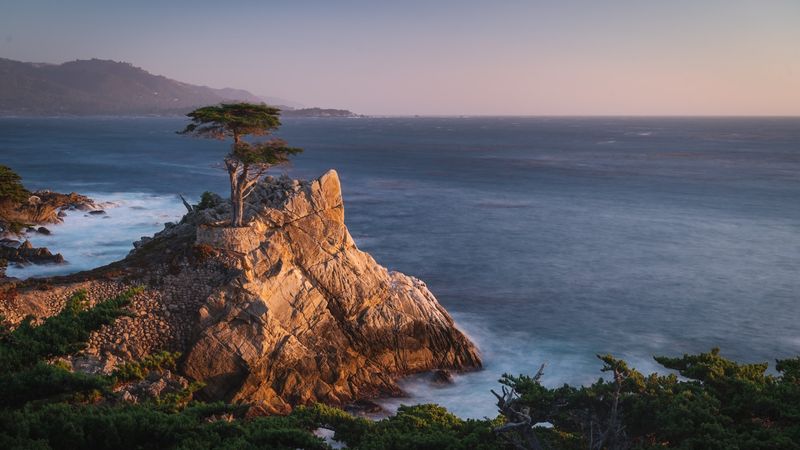
Golf may get the headlines, but the cliffs quietly run the place.
Along much of the route, the land drops off toward the Pacific in rugged rock formations. Waves meet stone, and the shoreline changes character from one turnout to the next.
These cliffs are a big part of why the road is described as one of the iconic scenic routes on the coast. They give the drive its drama without any help from signs or attractions.
Photographers tend to linger here. So do people who simply want a few minutes on a bench or a rock with nothing on the schedule.
A quick reminder for families: cliff edges deserve respect. Staying behind barriers and on marked paths keeps the outing pleasant for everyone.
The coastline here has been shaping memories for decades, and it does not need a gift shop to do it. The ocean and the rock handle the entertainment on their own.
Bring a camera, bring patience, and let the shoreline do the talking.
Fairways Beside the Breakers
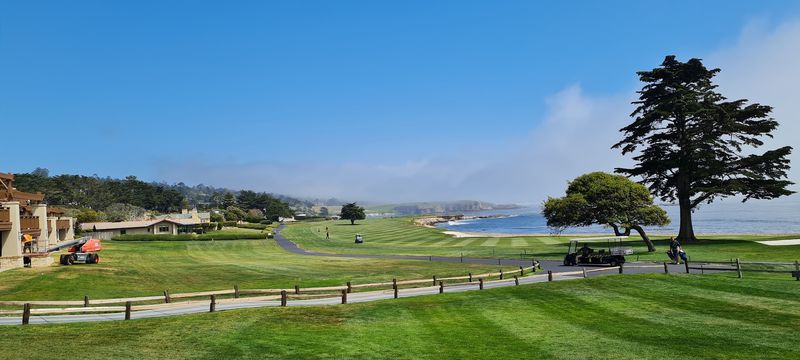
Few roads anywhere can claim golf courses this famous as roadside scenery.
17 Mile Dr passes iconic golf courses that sit right along the Pacific. The greens run close to the water, which makes for an unusual combination of manicured turf and wild coastline.
You do not need to own a single club to appreciate the setup. For many drivers, the courses are simply part of the view, a stretch of green framed by blue water.
Golf fans, of course, tend to treat this section like a pilgrimage. Courses in this area have earned their reputation over many years, and seeing them in person carries real weight for anyone who follows the sport.
Non-golfers may find themselves surprised. A well-placed fairway beside crashing surf is hard to ignore, even for someone who has never watched a tournament.
Tee times and course access are a separate matter, and anyone hoping to play should check details directly. For everyone else, the scenery comes free with the drive.
Par for this course is simple: slow down, look left, and enjoy the green.
Natural Landmarks Worth a Pullover
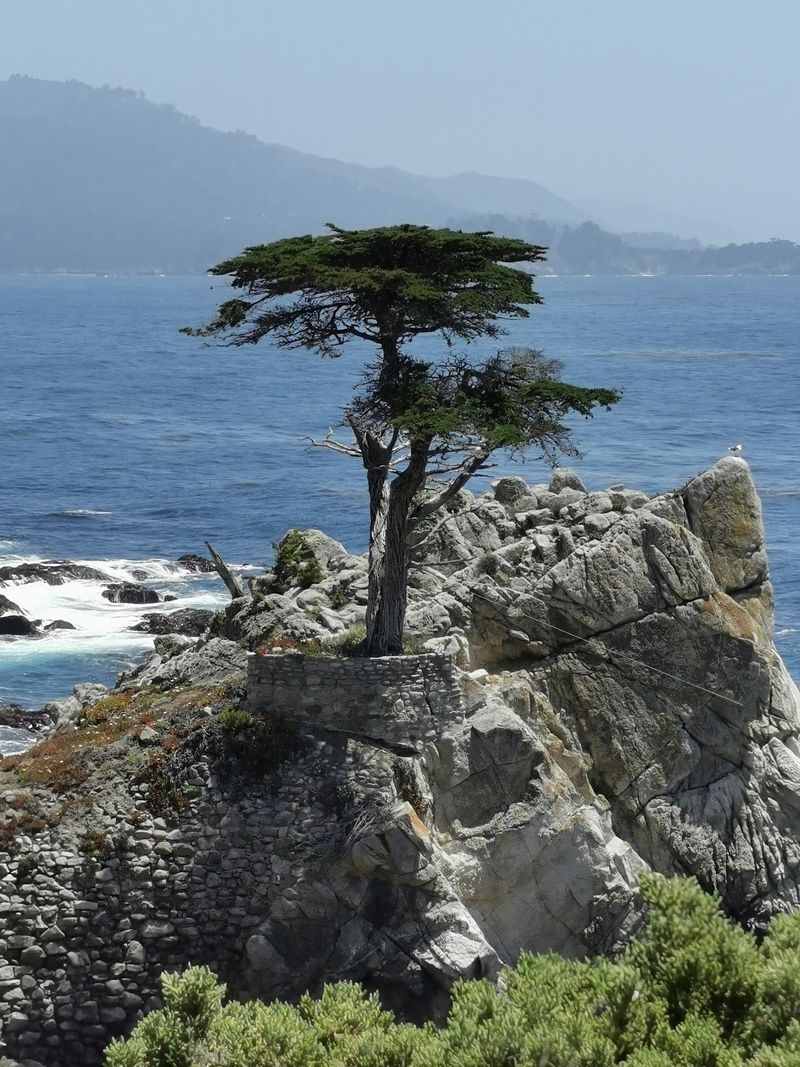
Some stops along a scenic road are just nice. Others earn a spot on the family fridge.
The route passes natural landmarks that have become symbols of this part of the coast. Rock outcroppings, coastal trees, and shoreline features show up at turnouts along the way.
Each landmark offers a reason to park, step out, and take a slower look. That stop-and-go rhythm is what turns a short loop into a half-day outing.
Many Californians remember visiting these spots as kids, then bringing their own children years later. The landmarks have a way of anchoring family traditions.
Signage at pullouts helps drivers know when something worth seeing is coming up. Following those cues is the easiest way to catch the highlights without a map in hand.
It helps to resist the urge to see everything at once. Picking a few favorite stops and enjoying them fully often beats racing between every single one.
The landmarks have stood here a long time, and they are in no rush either.
Who Gets the Most Out of the Loop
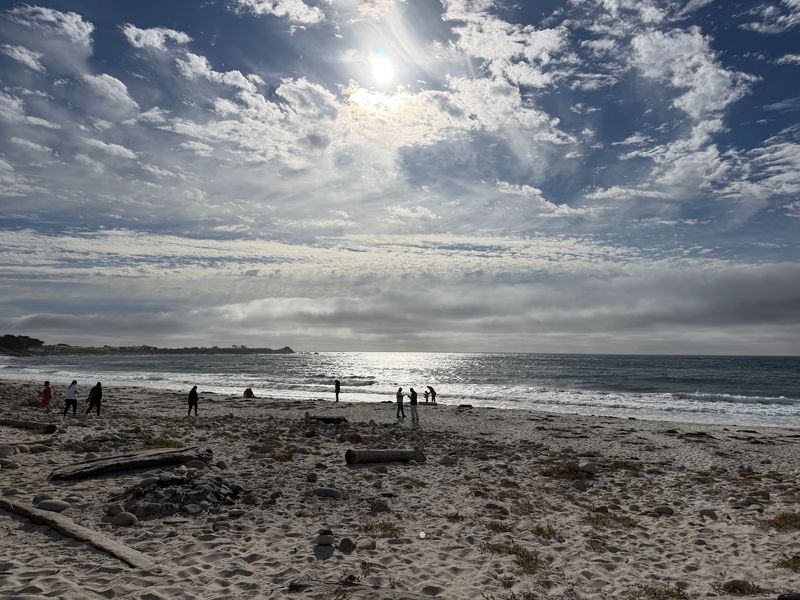
Grandparents, road-trippers, and golf lovers walk into a turnout. No punchline needed, because they all leave happy.
The drive suits people who like their scenery served without a hike. Most of the views are reachable from the car or a short walk from a parking area.
Families with young kids appreciate the frequent stopping points. Breaks come naturally, and nobody has to sit still for too long.
Older travelers often find the pace comfortable. The road invites an unhurried day, which fits anyone who prefers a classic Sunday drive over a packed itinerary.
Photographers and couples looking for a quiet afternoon also fit right in. The coastline offers plenty of room for both.
Thrill seekers may want to look elsewhere. This road is about calm, not adrenaline, and that is exactly how its fans like it.
In short, anyone who has ever said they wanted to just go for a drive has found their road.
Practical Notes Before You Roll
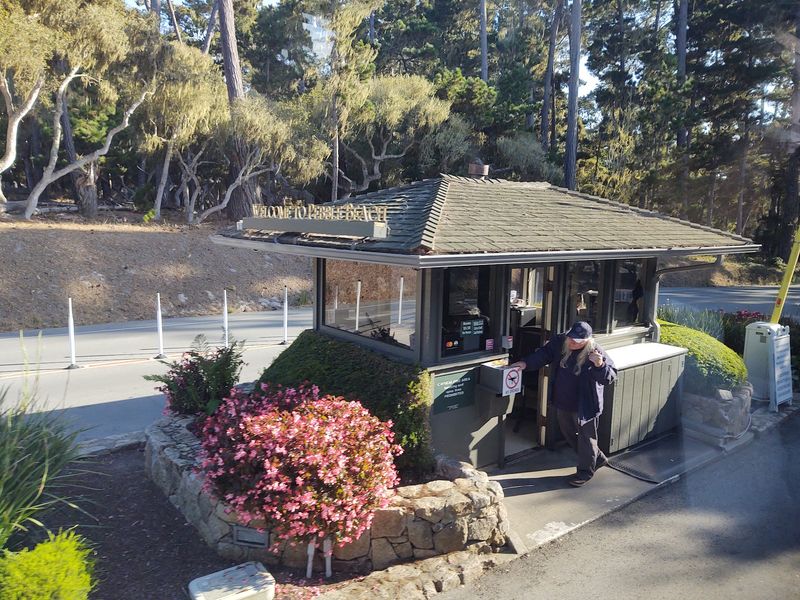
A little planning goes a long way on a road this popular.
The drive sits on the Monterey Peninsula, so most people reach it from nearby coastal towns. Mapping apps can guide you to an entry point, and the route is easy to follow once you are on it.
Hours and entry fees can change, so checking current details before heading out is wise. Any price you remember from an earlier trip may be different today.
Timing matters too. Weekends and holidays tend to bring more cars, while quieter days leave more room at the turnouts.
Pack water, snacks, and layers for the car. Coastal weather can shift during the day, and services are limited at many of the pullouts.
Leave extra time in the schedule. The biggest mistake people make is underestimating how often they will want to stop.
A full tank and a flexible clock are the two best travel companions here.
A Road That Earns Its Reputation
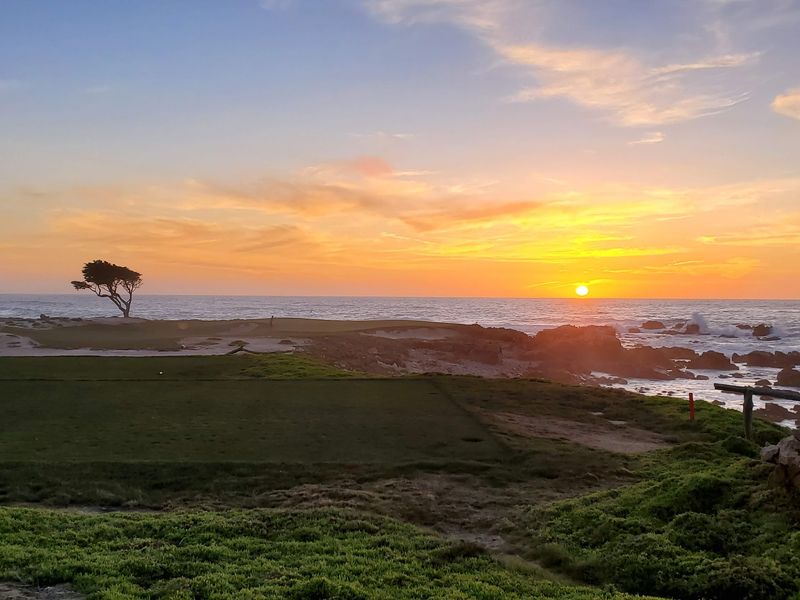
After all the curves and pullovers, the verdict comes easy.
17 Mile Dr delivers exactly what its reputation promises. Coastline, cliffs, famous golf courses, and natural landmarks all share one compact route.
It is not a flashy attraction, and that is part of the appeal. The road lets the Pacific do the heavy lifting.
For Californians, it feels like a piece of the state worth protecting. Many families have made this drive across generations, and it still holds up.
The best advice is the simplest. Go slow, stop often, and do not try to rush the scenery.
Some places reward a checklist. This one rewards patience, and patience is the cheapest souvenir you will ever bring home.
Seventeen miles never felt so worth stretching out.


