
Affiliate disclosure: As an Amazon Associate I earn from qualifying purchases. Learn more
A fancy coffee in Austin can easily cost more than a ticket to one of the calmest spots in the city. Just west of downtown sits a 31-acre garden with a Japanese garden, koi ponds, waterfalls and a dinosaur trail.
It is the kind of place Texans drive in from Houston, Dallas and San Antonio to see, and it still costs only a few dollars to enter. Here is what the low price buys, plus the timing tricks that make a visit easier.
A 31-Acre Retreat Beside Barton Springs Road
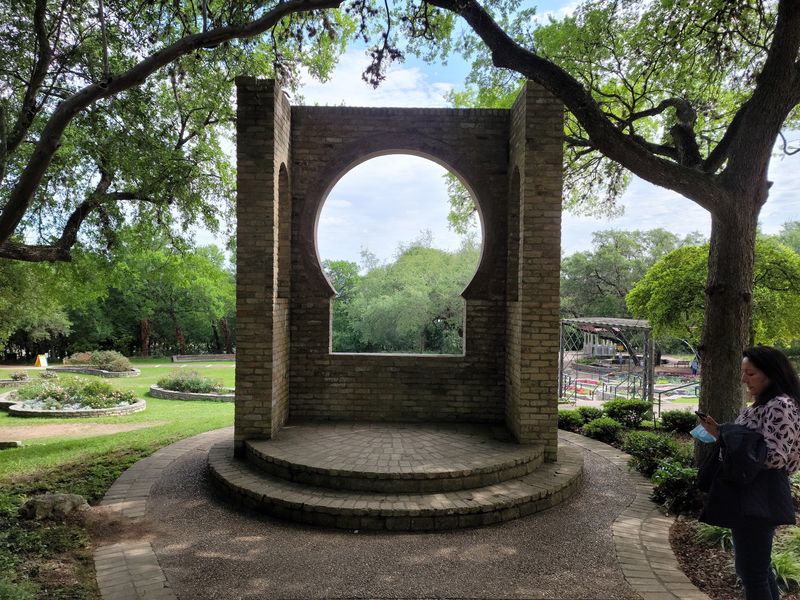
Some of the best bargains in Texas hide in plain sight, right next to a busy road. Zilker Botanical Garden sits at 2220 Barton Springs Rd, Austin, TX 78746, inside the city’s well-known Zilker Park.
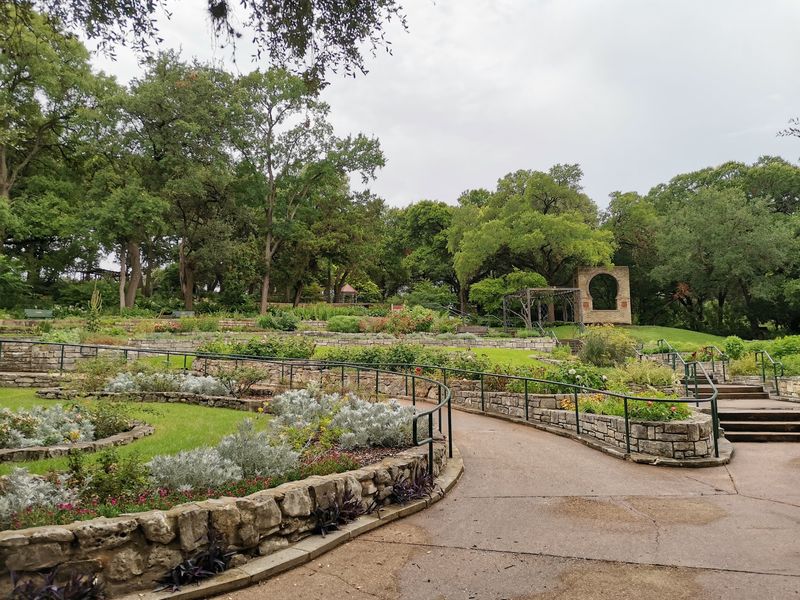
The garden covers 31 acres of native and exotic plants. Ponds, trails and themed sections fill the grounds, and educational programs for kids round out the mix.
For road-trippers, Austin is a reachable target. San Antonio sits roughly an hour and a half away, while Houston and Dallas-Fort Worth are typically about three hours by car, depending on traffic.
The garden is open every day of the week from 9 AM to 5 PM. That steady schedule makes it easy to slot into a weekend in the capital.
It is not the biggest botanical garden in the country, and it does not pretend to be. Most people finish a loop in about an hour, though a slow stroll can stretch to two hours or longer.
Many Austinites treat it as a favorite day-off spot, settling under the trees and wandering from section to section. It holds a 4.6-star standing across more than 6,000 Google ratings, which says plenty about how locals feel.
So what does a few dollars actually unlock once the gate opens? The answer starts with one very patient designer.
Eighteen Months of Japanese Garden Craft
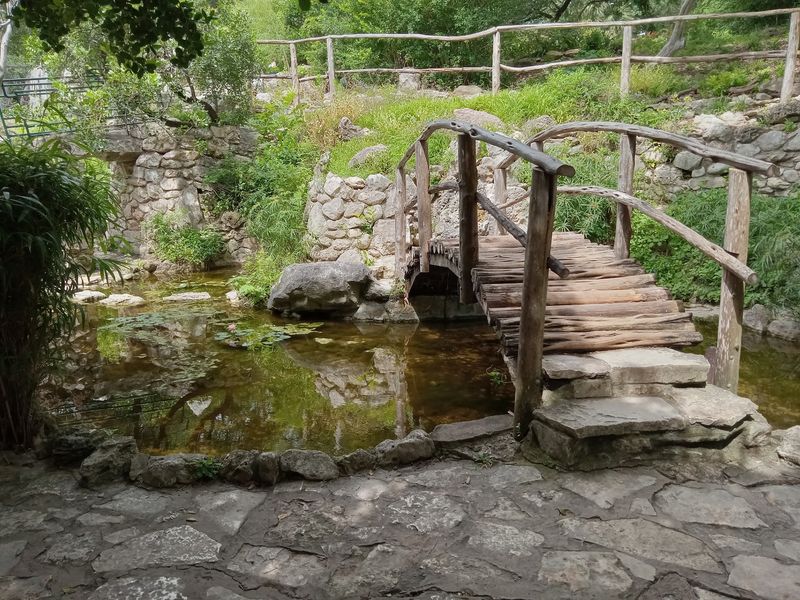
Patience built the most beloved corner of the property. Staff members often share that Taniguchi spent 18 months creating the Japanese Garden, and the result is the section people mention more than any other.
Winding paths lead over little bridges and past small waterfalls. Water lilies float in the ponds, and stepping stones cross shallow streams.
A lotus from Japan grows on site, a small detail that staff like to point out. Asking a team member about their own favorite spot can lead to bits of history like this one.
Benches give the area a slower pace. Some people even bring breakfast and sit with views toward downtown Austin.
Families with children tend to linger here too. Kids often head straight for the bridges and the twisting walkways.
Bonsai trees also appear in the garden, adding a smaller-scale form of Japanese plant art to the visit. They reward a closer look between waterfall stops.
A summer afternoon can be hot, yet the shade and water features here give many guests a welcome break. The Japanese Garden is a reason on its own to make the trip, and it is only the first stop.
Koi, Turtles and a Few Big Squirrels
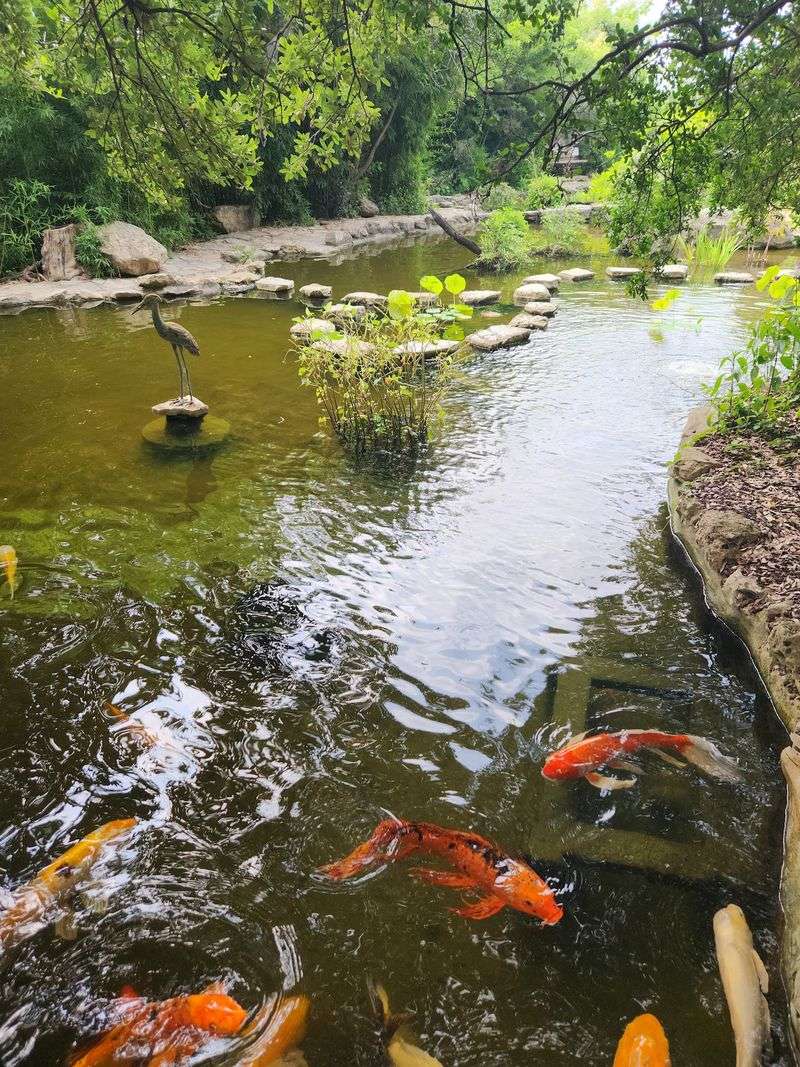
Fish steal the show more often than flowers do. The koi ponds rank among the most talked-about features in the whole garden.
Children crouch at the edges to watch the koi move between lily pads. Adults often do the same, just with a bit less crouching.
A large turtle and assorted reptiles also make appearances. Lizards dart across sunny paths, and the wildlife list keeps growing from there.
Mockingbirds, hummingbirds and butterflies show up regularly. Wild hummingbirds can sometimes be spotted near the flower beds, which is a treat for birders of any age.
Then there are the squirrels. Some of them are notably well fed, and they have earned a small fan club of their own.
Pond conditions do draw occasional criticism, with some noting murky water in spots. Expectations stay realistic that way, since outdoor ponds in Texas heat can vary from week to week.
Still, the koi remain a crowd favorite for every generation. A few quiet minutes by the water may end up as the part of the day people remember most.
Dinosaur Tracks in a Prehistoric Corner
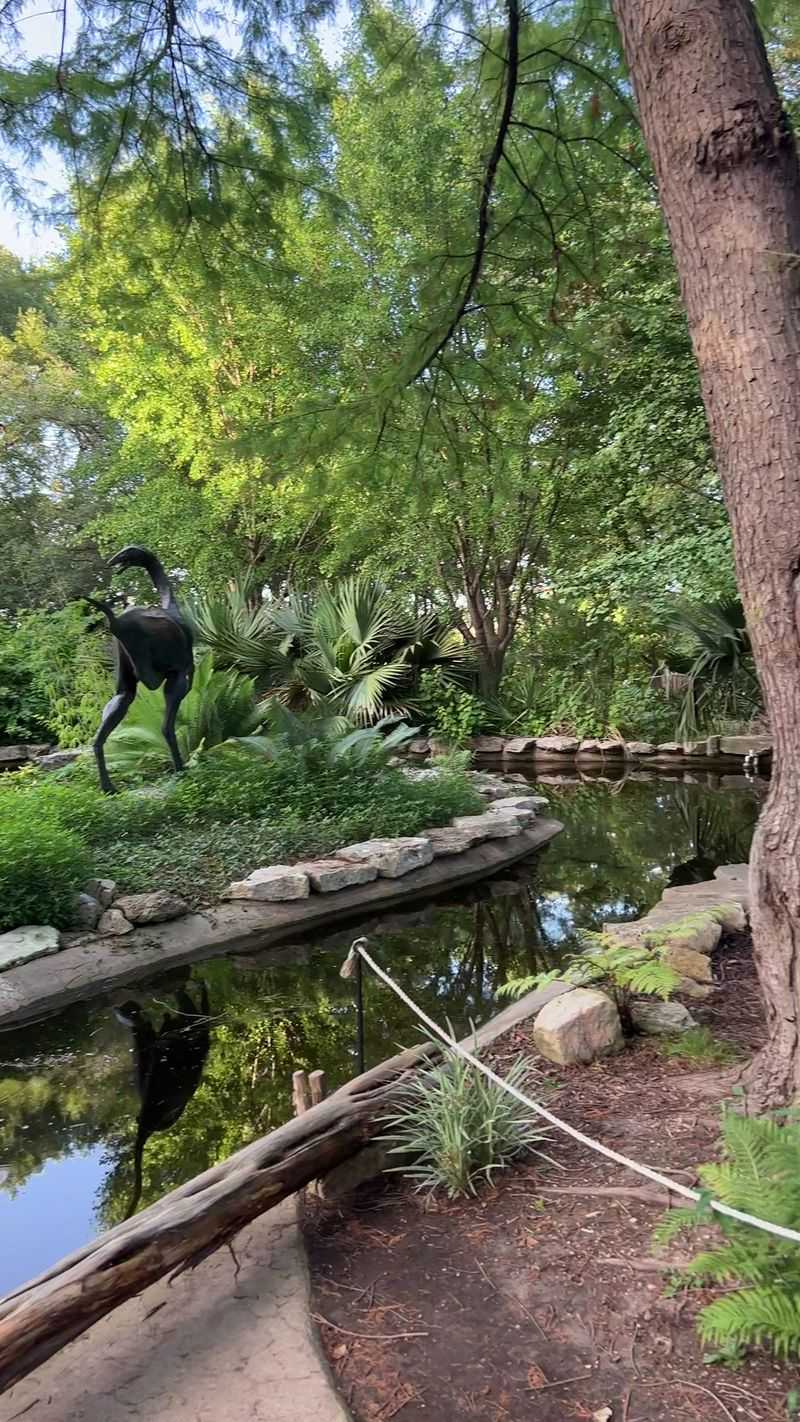
Few city gardens can claim a real link to the age of dinosaurs. Fossils have been found on this ground, and the prehistoric section leans into that story.
The dinosaur area is one of the most popular stops, especially with kids. Prehistoric-style plantings and a waterfall give it a feel quite different from the rest of the garden.
Families with children between about 7 and 10 often list the prehistoric waterfall among their favorite moments. It makes a natural spot for a snack break or a family photo.
Special events keep the theme going. Dino Days appear on the calendar, giving young fossil fans an extra reason to come back.
For parents, the appeal is simple. A single low-cost ticket covers koi, bridges and a dinosaur zone in one afternoon, without a separate admission line for each.
The section also shows how varied the 31 acres really are. One turn leads to Japanese design, and another leads to ferns and ancient history.
Kids who think gardens are boring may change their minds right about here.
Roses, Butterflies and Fairy Houses
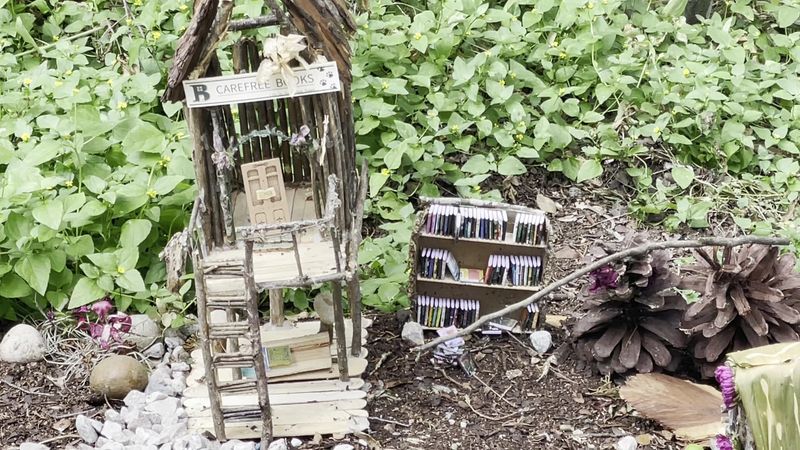
Tiny houses with even tinier doors pop up along one trail when the season is right. The Woodland Faerie Trail features creative fairy homes built by community members, and it ranks as a hit with children.
The trail is not up all year, so timing matters. When it appears, families often plan a visit just to see the new designs.
Flowers fill the rest of the calendar. The rose garden draws regulars back during bloom season, and a succulent show adds another reason to return.
Late spring can be a strong time to go. Around Memorial Day weekend, a great many plants tend to be in bloom at once.
The butterfly garden brings its own color in motion. A wide mix of butterflies can be seen flitting between the plants.
A scavenger hunt is sometimes available too, and it keeps kids focused as they move through each themed area. Pairing it with the printed map helps families see everything in order.
Every return trip seems to turn up something new. That may be the real secret behind why locals keep coming back several times a year.
Calm Paths for Every Generation
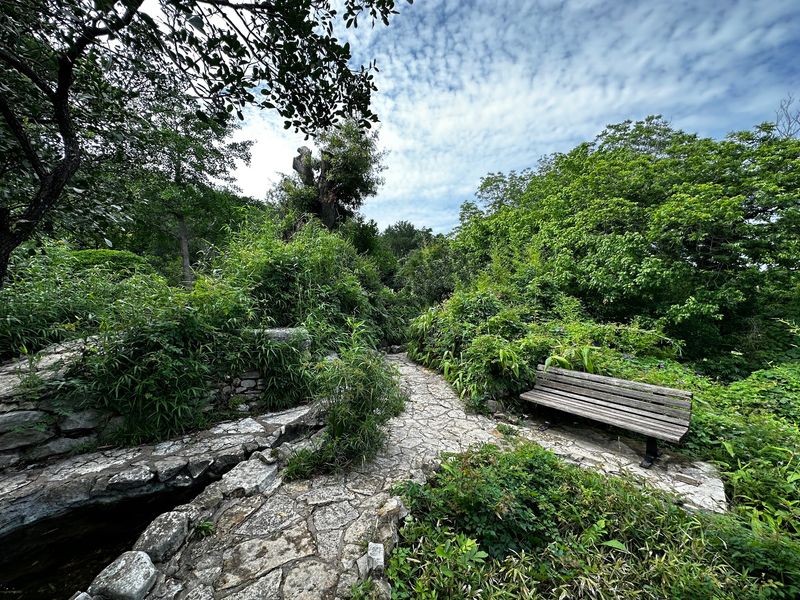
Peace and quiet rarely come this cheap in a growing city. Many people describe the garden as calm and relaxing, even on weekends.
Shaded walkways wind under the trees, and benches appear throughout the grounds. That makes the garden a good fit for older guests who like to rest between sections.
An ADA trail serves strollers and wheelchairs. Grandparents, parents and small children can all share the outing at their own pace.
Dogs are allowed on a leash, and the garden even hosts dog days. A family pet can come along for the walk.
Events add variety. Yoga sessions and garden club meetings are part of the community calendar.
Staff members earn steady praise for being friendly and knowledgeable. Many enjoy sharing facts about their favorite area, which turns a simple walk into a small lesson.
Crowds can still happen, though. Busy days may bring photo shoots, large strollers and the occasional loud group, so early arrivals tend to get the quieter version of the garden.
A book and a free morning may be all it takes to stay for hours.
Tickets, Parking and Smart Timing
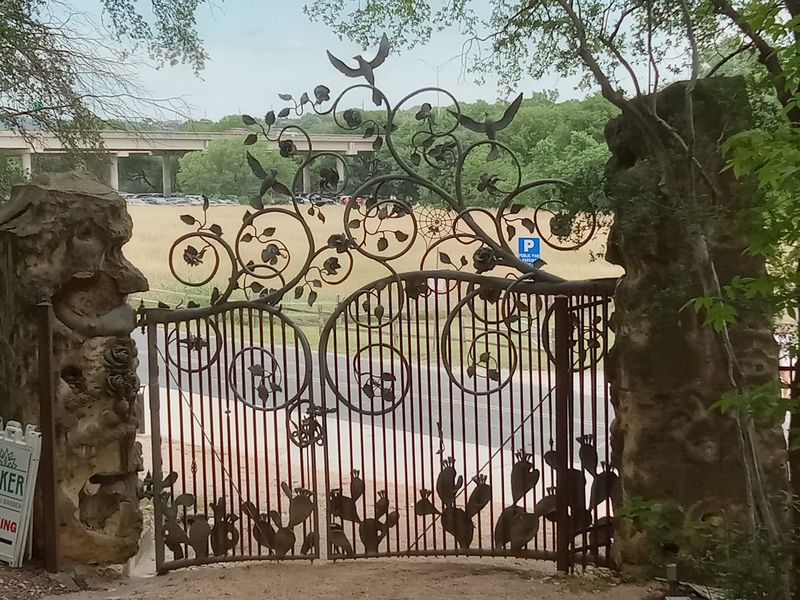
Here is the math that makes the headline work. General admission has been listed at $8, with Austin residents paying $6, and discounts exist for groups such as seniors and veterans.
Museums for All pricing is available with SNAP or EBT cards. Free days also appear on the calendar, and some families plan their trips around them.
Senior rates can change, so a quick check of zilkergarden.org before the drive is wise. Tickets can be bought online or at the gate.
Reciprocal admission through the American Horticultural Society network is accepted. Members of other participating gardens may get in free.
Parking is free but limited. The main lot can fill within an hour of opening, and an overflow lot sits on the opposite side of the garden.
Texas heat is the bigger planning factor. Midday in summer can feel punishing, so arriving at the 9 AM opening is a smart move.
Pack water, sunscreen and insect repellent. A water station, restrooms and a gift shop with shirts and souvenirs are on site.
Phone photos are free, while professional shoots may require a photo pass.
A Small-Price Payoff Worth the Drive
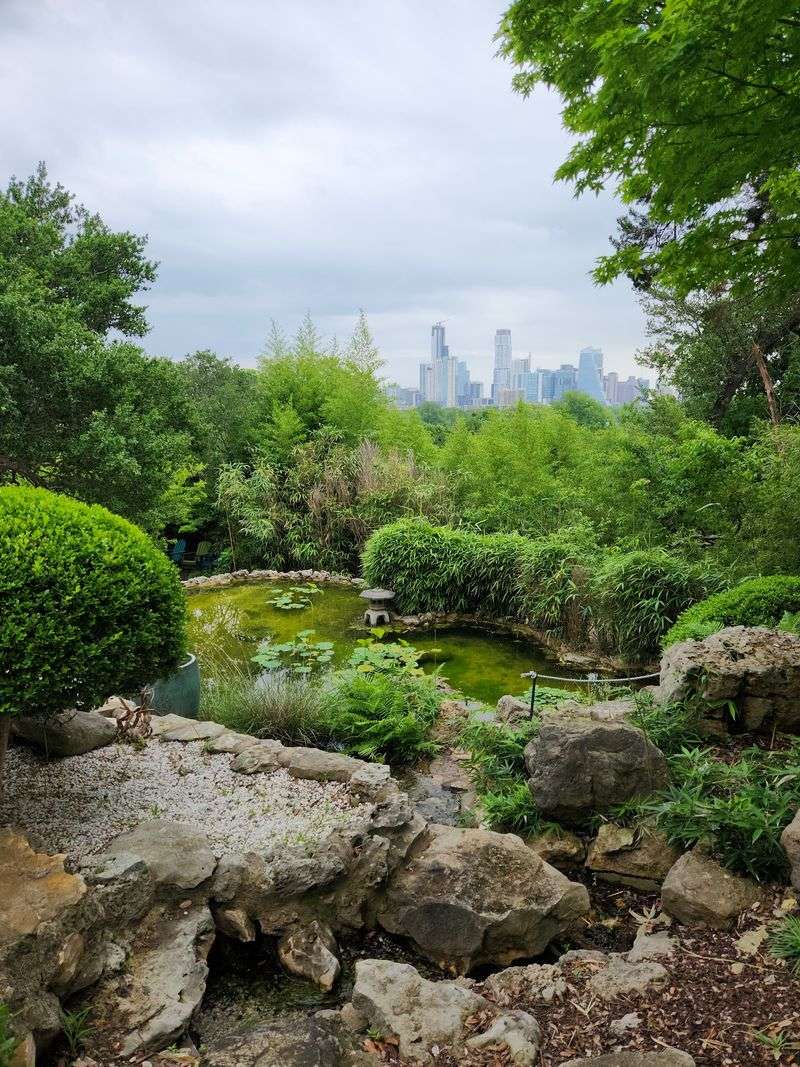
Value is easy to measure here. A few dollars covers a Japanese garden, koi ponds, a prehistoric waterfall, roses, butterflies and a fairy trail in one stop.
Texans do not need to fly to a famous garden in another country to find this kind of variety. Austin offers it at a price lower than many coffee shop orders.
The garden is compact, which works in its favor. Most groups see the highlights in one to two hours, leaving time for the rest of Zilker Park or downtown.
Season choice can shape the experience. Spring blooms, fall cooler weather and the rose season each give a different reason to return.
Crowds and limited parking are the main trade-offs. An early start and a flexible attitude usually solve both.
For seniors, families and anyone needing a slower afternoon, the case is strong. Shaded paths, benches, an accessible trail and friendly staff make the outing easy on everyone.
The best part may be the bragging rights. Telling friends about a waterfall-filled garden that costs less than a latte tends to land well at the next family gathering.


