
Affiliate disclosure: As an Amazon Associate I earn from qualifying purchases. Learn more
Most kielbasa in Michigan starts its life in a factory far from anyone you will ever meet. In the small Leelanau County town of Cedar, one family has decided to do things the old way, starting with the pigs themselves.
They raise the animals on their own farm, make the sausage by hand, and serve it from a humble truck parked behind a shop full of Polish treasures. Keep reading to find out where it hides, when it opens, and why so many Michiganders plan whole road trips around a weekend lunch.
A Truck Behind the Polish Art Center
Some of the best finds in Michigan are tucked around the back, and this one takes that idea literally.
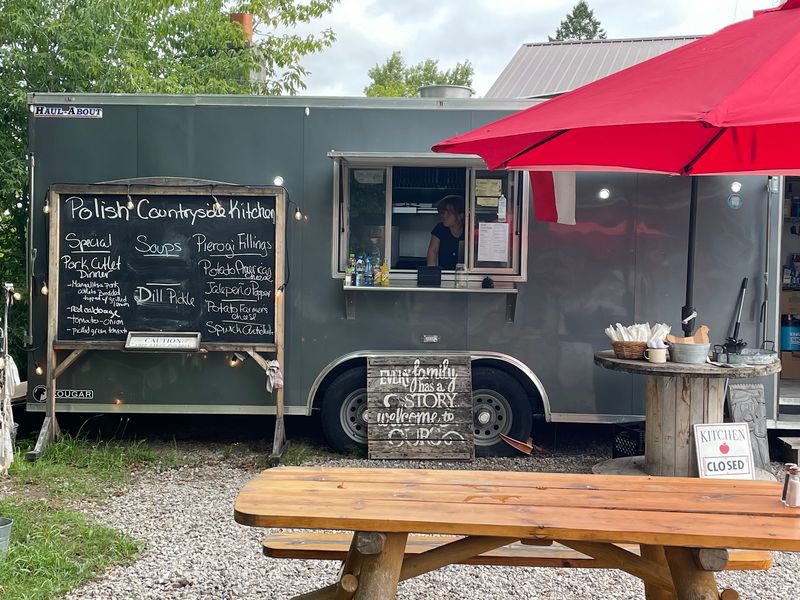
Polish Countryside Kitchen sits behind the Polish Art Center on S Kasson St in Cedar, MI 49621. Cedar is a small town in Leelanau County, a short drive from Traverse City in northern Michigan.
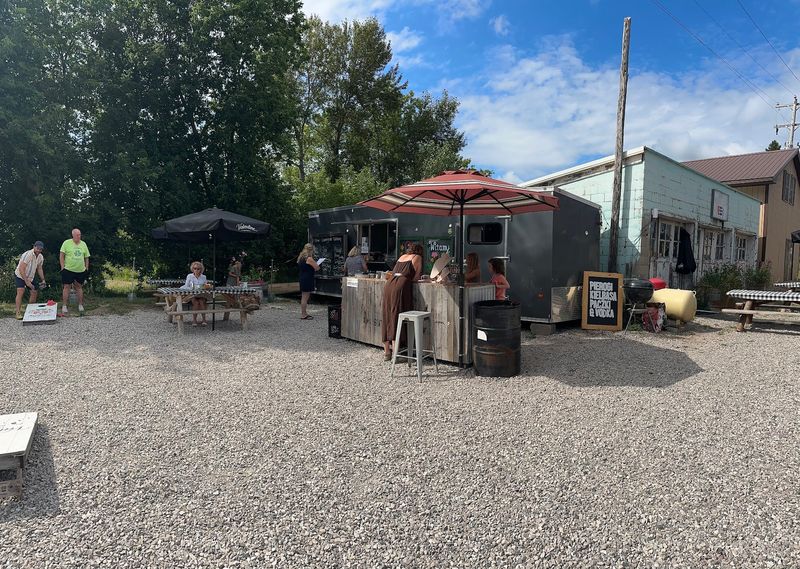
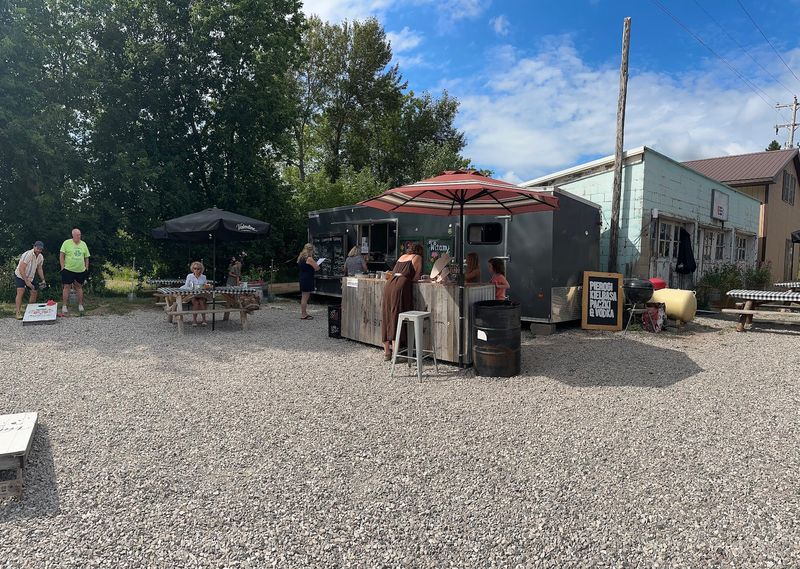
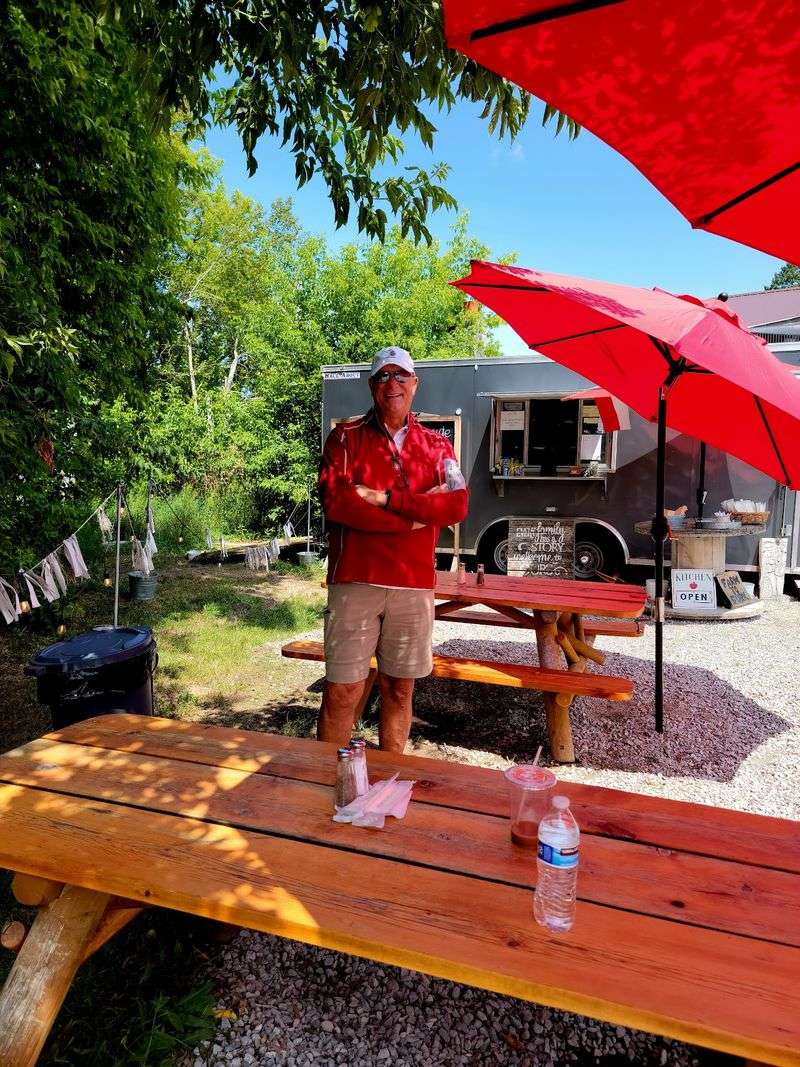
There is no grand dining room here. The whole operation runs out of a single food truck with outdoor seating, so the first-time guest may wonder if the directions are right.
They are. Head around the art store, and the truck appears with its picnic tables and a steady line of hungry people.
Officially, it is listed as a Polish restaurant, and it carries a near-perfect 4.9-star standing from 55 public ratings. That is a remarkable number for a spot with no walls and no waiter station.
What earns that loyalty is simple to describe and hard to copy. The family behind the truck raises its own pork and goat, then turns that meat into classic Polish dishes on site.
Many people stumble across it on the way to Leland, Northport, or Empire, and they leave with a new reason to route through Cedar. A detour has rarely paid off so well.
Cedar, Michigan’s Little Polish Town
Cedar does not look like a heritage capital at first glance. Yet this little Leelanau County community carries a proud Polish identity that many Michiganders never hear about.
The town hosts its own Polish Fest, and some guests at the truck admit they are already planning a return trip for the celebration. A few of them are not even Polish, which says plenty about the welcome.
The Polish Art Center out front adds to the feeling. Its shelves hold what one happy guest described as a zillion Polish trinkets, along with hand-painted pottery that many people end up taking home.
Put the shop and the truck together, and the block becomes a small slice of Poland without a passport. That is the kind of discovery Michigan residents love to brag about.
Detroit and Hamtramck usually get the spotlight for Polish-American culture. Up north, though, Cedar quietly keeps the same traditions going in a rural setting surrounded by farmland.
For travelers heading toward the Leelanau Peninsula’s better-known towns, this stop offers something different. It is less about scenery and more about roots, family recipes, and conversation about where people came from.
Plenty of folks arrive curious and leave feeling like honorary members of the community.
Mangalitsa Pigs and a Farm Down the Road
Here is the detail that changes everything: the pork on your plate came from a farm not far from the truck.
The owners raise Mangalitsa pigs, a heritage breed known for its curly, woolly coat. Every bit of pork used in the kitchen comes from their own animals.
They also raise goats, which is how a goat burger ended up on the menu at a Polish food truck. It is not a gimmick, just a farm family using what the farm produces.
Tom, the owner and farmer, handles the cooking. He enjoys talking with guests about ethically farmed meat and why the family chose to raise animals this way.
That farm-to-fork approach shapes the whole experience. Some guests of Polish heritage say they have never eaten Polish dishes made from start to finish like this, not even in Poland.
The family even cooks everything in pork lard, a choice that ties the kitchen right back to the pigs out on the farm.
Few restaurants of any size can trace their main ingredient this closely. A truck in a small Michigan town doing it every weekend is the sort of thing worth telling friends about.
The Kielbasa That Started the Buzz
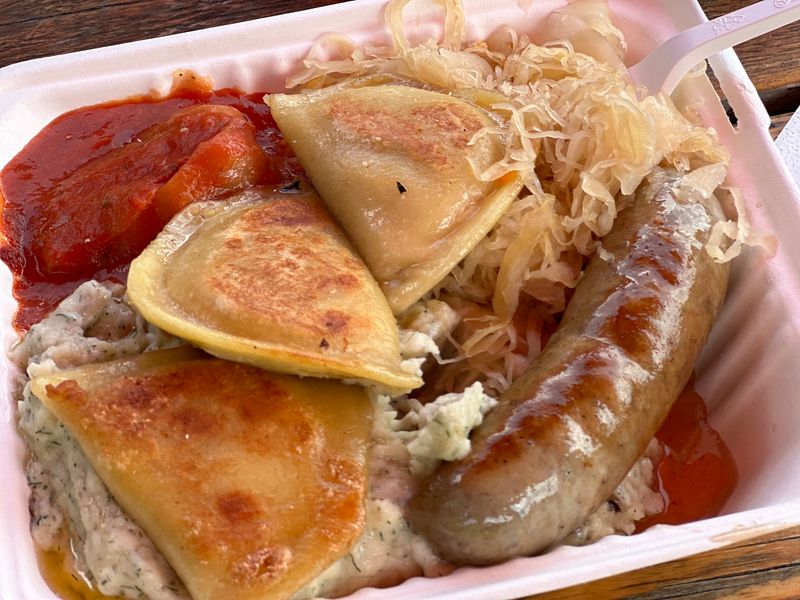
Ask lifelong kielbasa eaters what they think, and the answer tends to be blunt. Many call it the best they have ever had, and some say it is not even close.
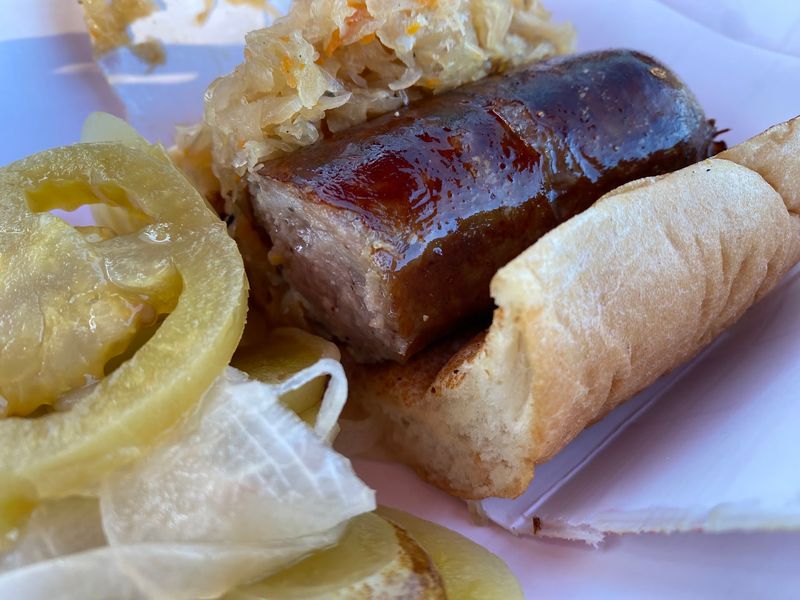
The sausage is homemade, crafted from the family’s own Mangalitsa pork. That means every link begins as a pig raised on their land, not a box from a distributor.
It shows up in a few ways. There is a kielbasa sandwich that one guest called the best of his life, and a chunk of fresh kielbasa anchors the popular Polish platter.
Kielbasa is the most talked-about item at the truck by a wide margin. Sauerkraut, a classic partner, earns nearly as much praise, even from people who normally skip it.
The family sometimes shares little extras too. Guests have been surprised with samples of house-smoked Canadian bacon, and one lucky dog even received a small taste of sausage.
Making sausage this way takes time, skill, and a steady supply of animals. That is exactly why it stands out in a world of mass-produced links.
Michigan has a long love affair with kielbasa, from Hamtramck bakeries to church festivals. This little truck has quietly earned a seat at that table.
Platters, Seasons, and a Changing Menu
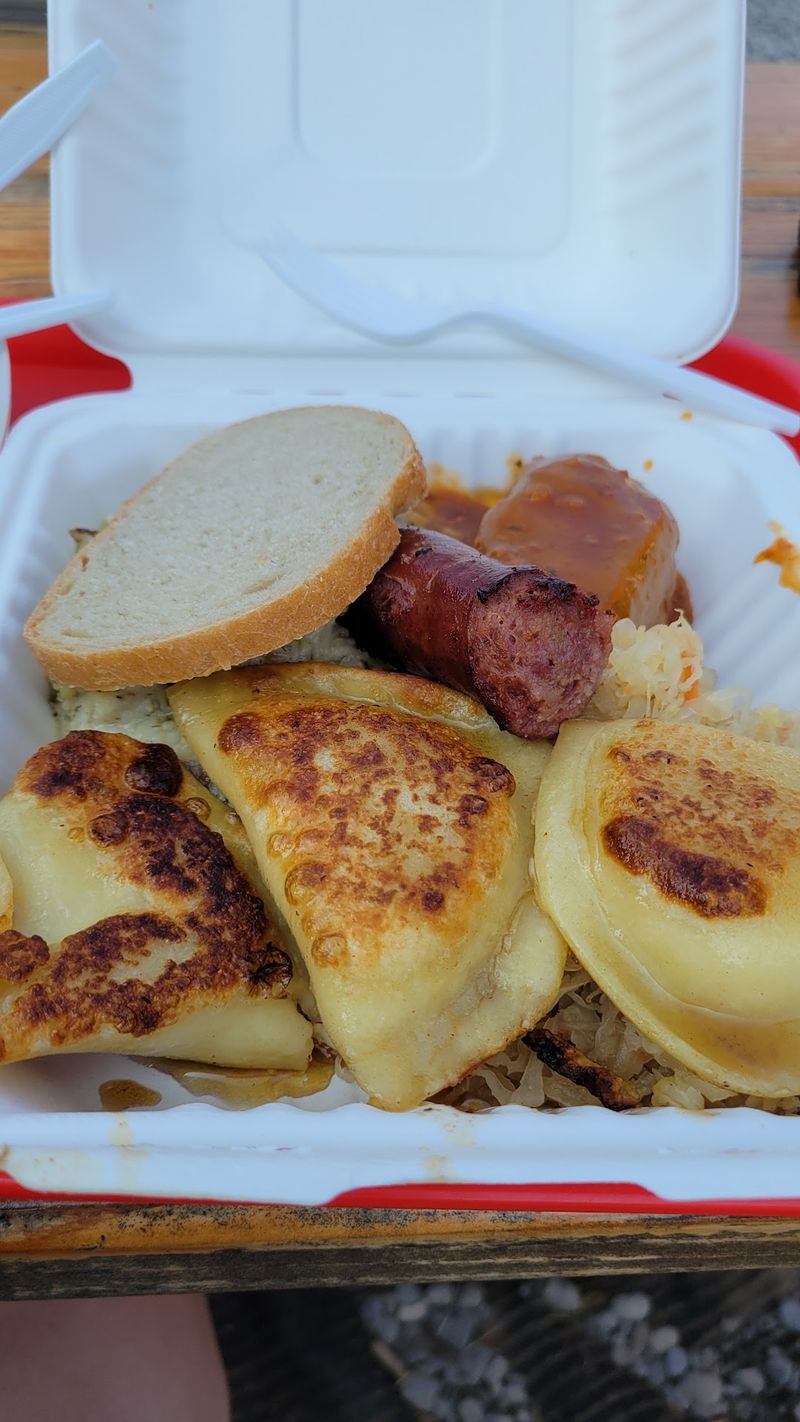
Hungry for a little of everything? The Polish platter is the answer most people land on.
It comes with city chicken, three pierogi of your choice, and a chunk of fresh kielbasa. Mashed potatoes with gravy, two slices of bread, and sauerkraut round it out.
Couples often split one and still head home with leftovers. Portions here lean generous, so ordering round two is a decision best made after round one.
One thing to know before you go: the menu is not fixed. The truck runs as a seasonal, farm-to-fork kitchen, and offerings shift with what the farm has ready.
Many secondary items are Polish imports, so availability depends on supply as well. What appears online may not match what is on the board that day.
Some guests have arrived expecting a certain dish and found something else instead. The owners openly explain this is part of cooking from their own farm, and they welcome a second chance.
The pickled sides deserve a mention too, since they come up often among regulars. Dessert can include a bread pudding that Kathleen, the co-owner, has spent years perfecting.
Flexibility is the best thing to bring along, right after an appetite.
Red Umbrellas, Polish Music, and Fresh Flowers
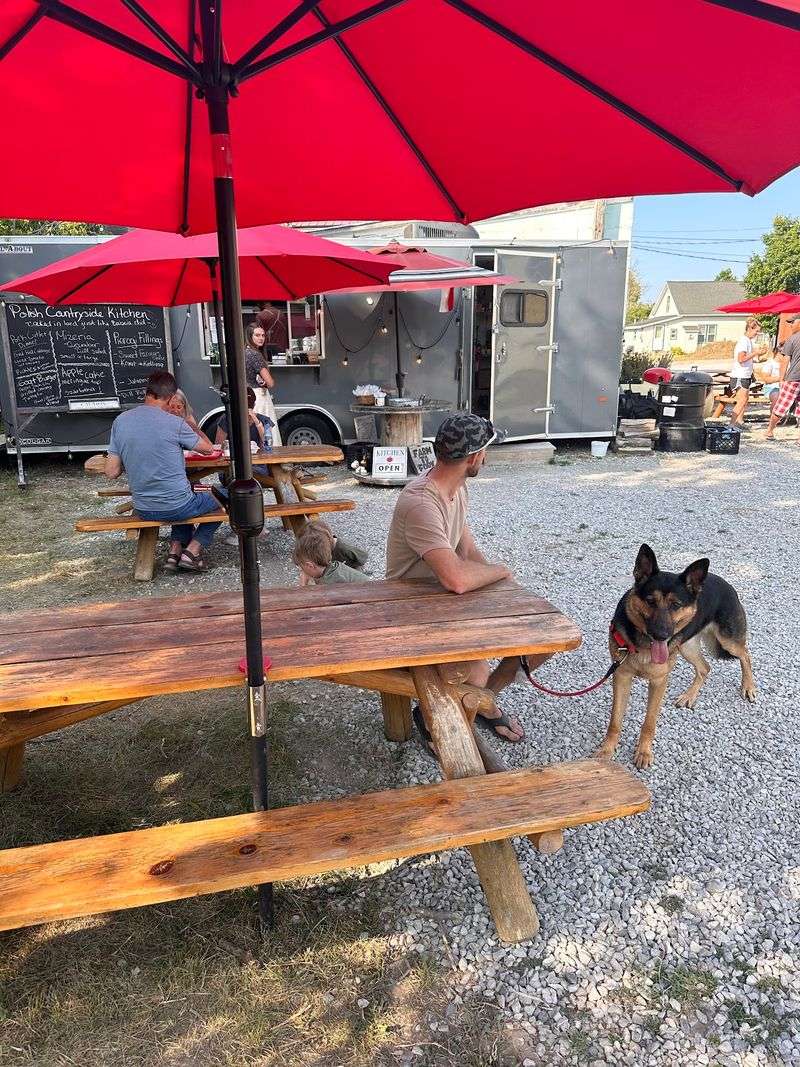
Plenty of food trucks offer a curb and a napkin. This one sets a scene.
Picnic tables sit under red umbrellas, and Polish music plays in the background. Small flowers often decorate the tables, adding a homey touch to an outdoor lunch.
Guests have called the setting something out of a storybook. It is casual, but clearly arranged with care.
Dogs are welcome, and the hosts have been known to set out a big bowl of water for four-legged guests. That makes the spot easy for road-trippers traveling with pets.
The mood fits families, couples, curious travelers, and anyone with Polish roots looking to reconnect. Some guests end up swapping family stories with Tom and the crew about heritage and the journeys their relatives made.
The owners say they aim for the kind of care you would get from your babcia, time permitting. On busy days, the pace may be quicker, but the friendliness stays.
Since the seating is entirely outdoors, weather plays a role. A sunny weekend afternoon is the ideal window to linger, browse the art shop afterward, and soak in a slower rhythm.
It may not be fancy, as the owners themselves admit. It is personal, and that counts for more.
Weekend-Only Hours and Planning Tips
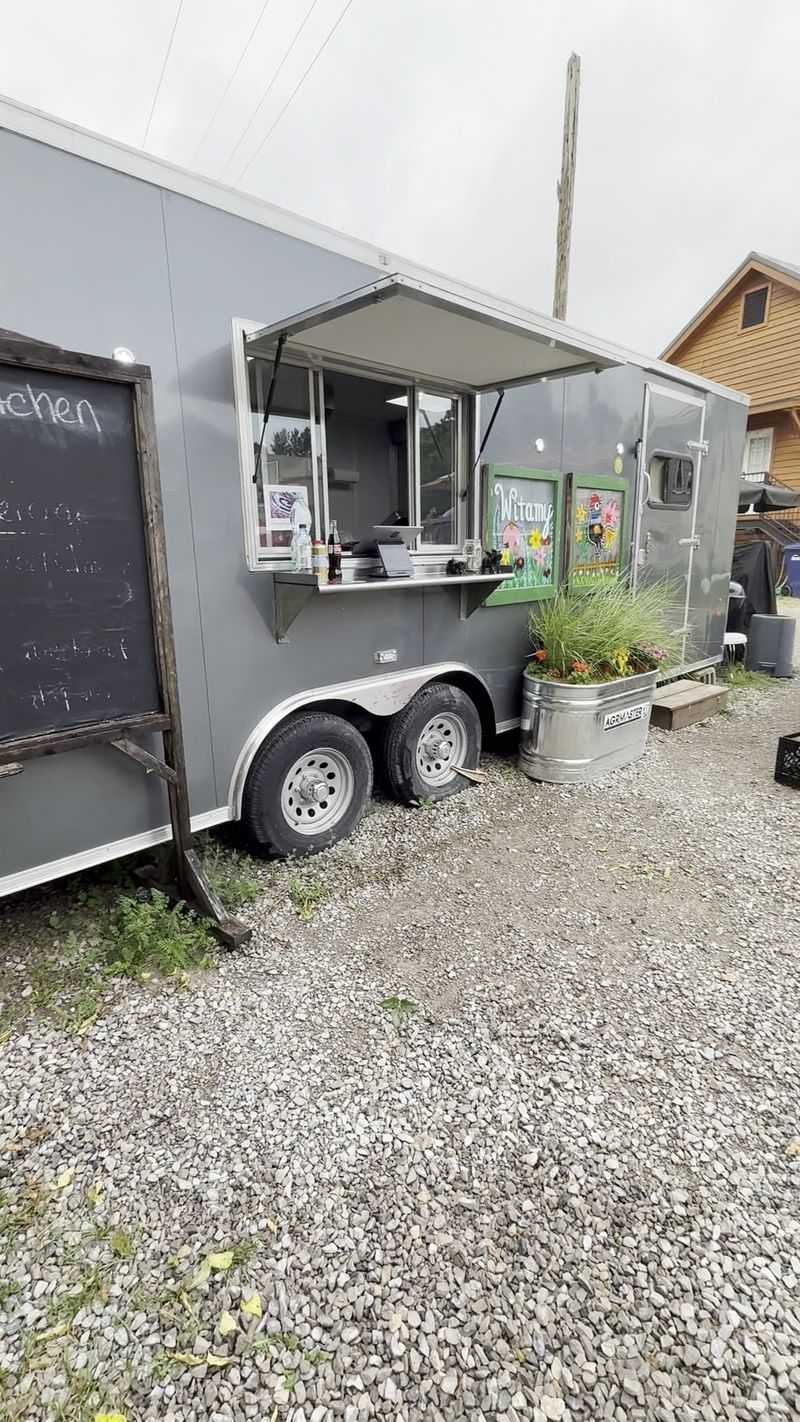
Timing matters here more than almost anywhere else. The truck opens only two days a week.
Saturday and Sunday hours run from 12 to 7 PM. Monday through Friday, the kitchen is closed.
That short schedule makes sense for a family that also runs a working farm. It also means a Wednesday drive to Cedar will end with nothing but a peek at the art shop.
Because the operation is seasonal, it is smart to check ahead before making a long trip. Some regulars say they wait all year for their visit, which hints that the truck is not running every month.
Finding it is the easy part once you are in town. Look for the Polish Art Center on S Kasson St and walk around back.
Like many food trucks, it is not the cheapest lunch in the region. Still, the platter can feed two, and the quality of farm-raised meat helps explain the cost.
Cedar sits within easy reach of Traverse City, Leland, Northport, and Empire. That makes it a natural midday stop during a Leelanau Peninsula weekend.
Arrive with patience, plan for the weekend, and the rest falls into place.
Worth the Back-Lot Detour
So, is a weekend lunch behind a gift shop really worth planning a drive around? For a lot of Michiganders, the answer has become a firm yes.
Polish Countryside Kitchen packs a farm, a family, and generations of tradition into one small truck. The kielbasa begins as pigs raised just down the road, which is something very few kitchens anywhere can claim.
The hosts remember to share samples, chat about heritage, and treat dogs like guests. Those small gestures turn a quick meal into a story people repeat later.
It does come with a few quirks. The menu shifts with the seasons, the hours are limited to weekends, and seating is entirely outdoors.
Go in with flexible expectations, and those details start to feel like part of the charm rather than obstacles.
There is real pride in a place like this. Michigan has Polish roots that stretch well beyond Detroit, and Cedar keeps them going in its own quiet way.
Pair the meal with a browse through the Polish Art Center, and the afternoon feels complete. No passport, no plane ticket, just a short road trip up north.
Some of the best kielbasa in the state is waiting around back. Save a weekend for it.


