

Affiliate disclosure: As an Amazon Associate I earn from qualifying purchases. Learn more
Most neighbors in the Bay Area expect raccoons, deer, and the occasional skunk, but a big cat with a long tail is a different story. One quiet bayside city is now asking people to keep their eyes open after mountain lion sightings were reported.
The news is not a reason to panic, yet it is a good reason to learn a few simple habits that keep families and pets safer. Here is what to know about the place, the cats, and the smart steps locals are taking.
A Bayside City in Western Contra Costa County

The city at the center of this story is Hercules, California, USA. It sits in western Contra Costa County along the coast of San Pablo Bay.
Hercules belongs to the eastern side of the San Francisco Bay Area. It is roughly 10 miles north of Berkeley, which puts it within easy reach of larger East Bay cities.
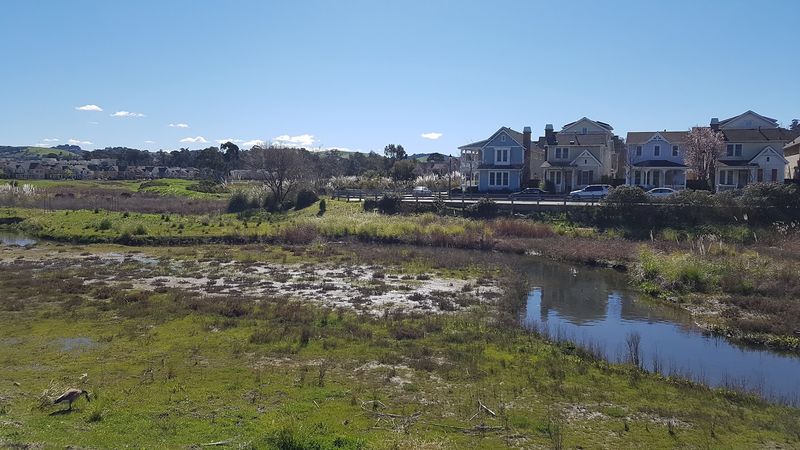
That position matters for wildlife news. The city has a bay on one side and open, hilly land in the wider region, so homes and natural spaces are never far apart.
Plenty of longtime Californians know this kind of place well. It is a commuter town with family neighborhoods, school runs, and weekend errands, not a remote mountain village.
So when word spreads that a mountain lion may be wandering nearby, it gets attention fast. People here are not used to thinking of themselves as living in big cat country.
The city keeps an official website at ci.hercules.ca.us. It is a good first stop for local updates and contact details for city departments.
Understanding where Hercules sits on the map is the first step. The next is understanding why a wild cat might wander into a suburban setting in the first place.
Why Big Cats Turn Up Near Suburbs

Mountain lions roam huge territories. A single adult can cover many miles while searching for food, water, or a place of its own.
Young cats in particular tend to move around as they leave their mothers. Their travels can lead them right up to the edge of neighborhoods.
Suburbs like Hercules often border hills, creeks, and open space. Those green pockets act like hallways for wildlife moving between larger natural areas.
Deer are a favorite meal for mountain lions. Where deer wander into yards and parks, a cat may follow at a distance.
Most of the time, these animals stay out of sight. They are shy, they prefer dawn, dusk, and nighttime, and they usually avoid people.
A sighting does not automatically mean a cat has moved in for good. Many simply pass through and keep going.
Still, any report close to homes deserves respect. Knowing the reasons behind a visit helps residents respond with calm common sense instead of fear, and that mindset shapes everything that follows.
What the Recent Sightings Mean for Neighbors

Word of a mountain lion sighting tends to travel quickly. It moves through neighbor chats, community groups, and local alerts in a matter of hours.
The message for Hercules residents is simple: stay aware. Officials and wildlife experts generally do not ask people to hide indoors, just to pay a little more attention.
Details of individual sightings can vary, and some reports may turn out to be bobcats, coyotes, or large house cats. Confirmed or not, the advice stays the same.
Neighbors are often encouraged to share what they see responsibly. A clear photo, a time, and a general location are far more useful than rumors.
It also helps to keep perspective. Encounters where a mountain lion actually approaches a person are very rare in California.
Most people who live near wild areas go their whole lives without seeing one. Those who do usually catch only a quick glimpse before the cat slips away.
That rarity is good news. It means a few easy precautions can go a long way, especially around the times of day when these cats are most active.
Dawn, Dusk, and the Hours to Watch

Timing is everything with mountain lions. These cats are most active around dawn, dusk, and through the night.
That lines up neatly with morning jogs and evening dog walks. Many Hercules residents head out right when a cat might also be on the move.
Nobody needs to give up their routine. A few small changes can make those outings feel more secure.
Walking with a friend or in a small group is one easy step. Groups tend to look less inviting to wildlife than a single person.
Carrying a flashlight during low light helps too. It lets walkers see trail edges and spot movement sooner.
Earbuds turned up loud can block out useful sounds of nearby activity. Keeping one ear free, or the volume low, helps people stay alert to their surroundings.
Families with kids should keep little ones close during these hours. Children who run ahead on paths or play near brushy edges are better off within arm’s reach.
None of this needs to feel like a big deal. Think of it as the same habit of paying attention that sensible Californians already use on any trail at the end of the day.
Keeping Pets and Backyards Safer

Pets are often the most vulnerable members of a household when a wild cat is nearby. Small dogs and outdoor cats can look like easy prey.
The best rule is to bring pets inside at night. If that is not possible, a secure, covered enclosure gives far better protection than an open yard.
Feeding pets indoors is another smart move. Bowls of food left outside can attract raccoons and other animals, which may in turn draw a predator.
Backyard chickens, rabbits, and goats also need sturdy, fully enclosed shelters after dark. Many people underestimate how easily wildlife can get over a basic fence.
Trimming thick shrubs near the house removes hiding spots. Clear sight lines make a yard less appealing to any animal looking for cover.
Motion-activated lights are a popular tool as well. They can startle wildlife and give homeowners a better view of what is moving outside.
Discouraging deer from munching in the garden helps too. Fewer deer around the property means less reason for a hungry cat to linger, and that small step pays off for the whole block.
The Right Moves During an Encounter

Seeing a mountain lion up close is unlikely, but knowing what to do brings real peace of mind. The guidance from California wildlife experts is clear and easy to remember.
First, do not run. Running can trigger a cat’s instinct to chase.
Stay calm and face the animal. Make yourself look as large as possible by raising your arms or opening a jacket.
Speak firmly in a loud voice. The goal is to show that you are not prey.
Pick up small children right away without bending low or turning your back. Keep them close while you stay upright.
Back away slowly if you can do so safely. Give the cat a clear escape route, since most simply want to leave.
If a cat acts aggressively, throwing objects such as stones or branches is recommended. Fighting back is the advice in the very rare event of contact.
Practicing these steps as a family, even just talking them through at dinner, makes them feel natural. Kids remember a quick lesson like this far better than a long lecture.
Where to Report a Sighting

A good report can help the whole neighborhood. Clear information gives officials a better picture of what is actually happening.
For a mountain lion that poses an immediate threat to people, calling 911 is the right move. Emergency responders can act quickly.
For non-emergency sightings, the California Department of Fish and Wildlife handles wildlife reports across the state. Local police can also take information and pass it along.
The City of Hercules website, ci.hercules.ca.us, is a useful place to check for local notices and department contacts. Updates may be posted there when there is news to share.
When reporting, note the time, the location, and what the animal was doing. A photo from a safe distance can help confirm whether it was really a mountain lion.
Doorbell and security cameras have become handy tools for this. Footage often settles the question of bobcat versus big cat in seconds.
Sharing accurate details online also keeps neighbors informed without fueling rumors. A calm, factual post helps far more than a scary one, and it keeps the community focused on practical steps.
Sharing the Hills With California Wildlife
Mountain lions have been part of California long before any suburb took shape. They are a native species and an important part of a healthy ecosystem.
In California, mountain lions are a specially protected mammal. Hunting them is not allowed, which reflects how much the state values these animals.
They help keep deer numbers in balance. That role benefits plants, landscapes, and other wildlife across the region.
For older Californians, stories of big cats in the hills may bring back memories of a wilder state. Many remember when much of the East Bay had far fewer homes and far more open land.
Today, people and wildlife share space more closely than ever. Places like Hercules show how both can coexist with a little care.
Respect goes both ways. Giving wildlife room, keeping food sources away from homes, and staying aware all help prevent conflicts.
Seeing a mountain lion, even from a distance, can be a rare reminder of what makes California special. Treated wisely, it is a story to tell the grandkids rather than a cause for worry.
A Calm Outlook for a Bayside Community

Hercules remains the same friendly bayside city it has always been. A few reported sightings simply add one more thing to keep in mind.
The takeaways are short and easy. Stay alert at dawn and dusk, keep pets inside at night, and know how to act if a cat appears.
Parks, shoreline paths, and neighborhood streets are still there to enjoy. Residents do not need to change their lives, just sharpen their awareness a little.
Families can turn this into a teaching moment. Kids who learn about local wildlife often grow up with more respect for the outdoors.
Neighbors looking out for each other is perhaps the strongest tool of all. Sharing accurate updates and checking on older residents keeps everyone in the loop.
For the latest local information, the city website and the California Department of Fish and Wildlife are reliable sources. Guidance may change as new details come in.
Living near nature is part of the deal in so much of California. In Hercules, a sensible outlook lets the community enjoy its bay views and green edges while keeping a respectful eye on the hills.


