
Affiliate disclosure: As an Amazon Associate I earn from qualifying purchases. Learn more
A museum where a mummy, Roman statues, and old string instruments share one roof sounds like a big-city ticket. This one sits on a college campus in Urbana, and the price to walk in is zero dollars.
Families can travel from ancient Egypt to the Americas in one afternoon, with no plane ticket and no turnstile. Read on to learn what waits inside, when to go, and how to make the most of a free family day trip.
A Free World Tour on the University of Illinois Campus
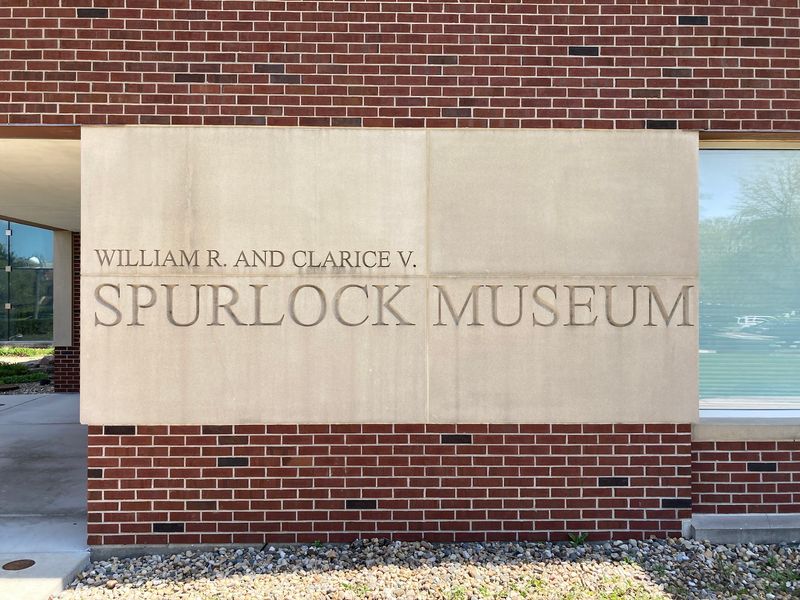
Free admission and a passport-free tour of human history make for a rare combination in central Illinois. The Spurlock Museum delivers both at 600 S Gregory St, Urbana, IL 61801, on the campus of the University of Illinois Urbana-Champaign.
The museum focuses on world cultures and the regions they come from. Its collections reach from ancient Egypt and Mesopotamia to East Asia, Africa, Europe, Oceania, and the Americas.
Many people call it an anthropology museum at heart. That means the spotlight lands on how people lived, worked, dressed, and created, rather than on paintings alone.
Admission costs nothing for anyone who walks through the door. A suggested donation box sits inside, and supporters often encourage leaving what you can so the work continues.
For a budget-minded family, that changes the math of a day out. A full afternoon of exploring can cost less than a single movie ticket, especially if the only spending is gas and a small donation.
The building is part of a busy campus, yet it stays easy to reach for anyone driving in from elsewhere in Illinois. Some locals living less than an hour away admit they had never stopped in before their first trip.
That surprise tends to fade quickly once the galleries open up, and a return visit often lands on the calendar soon after.
Nine Galleries Arranged by Geography
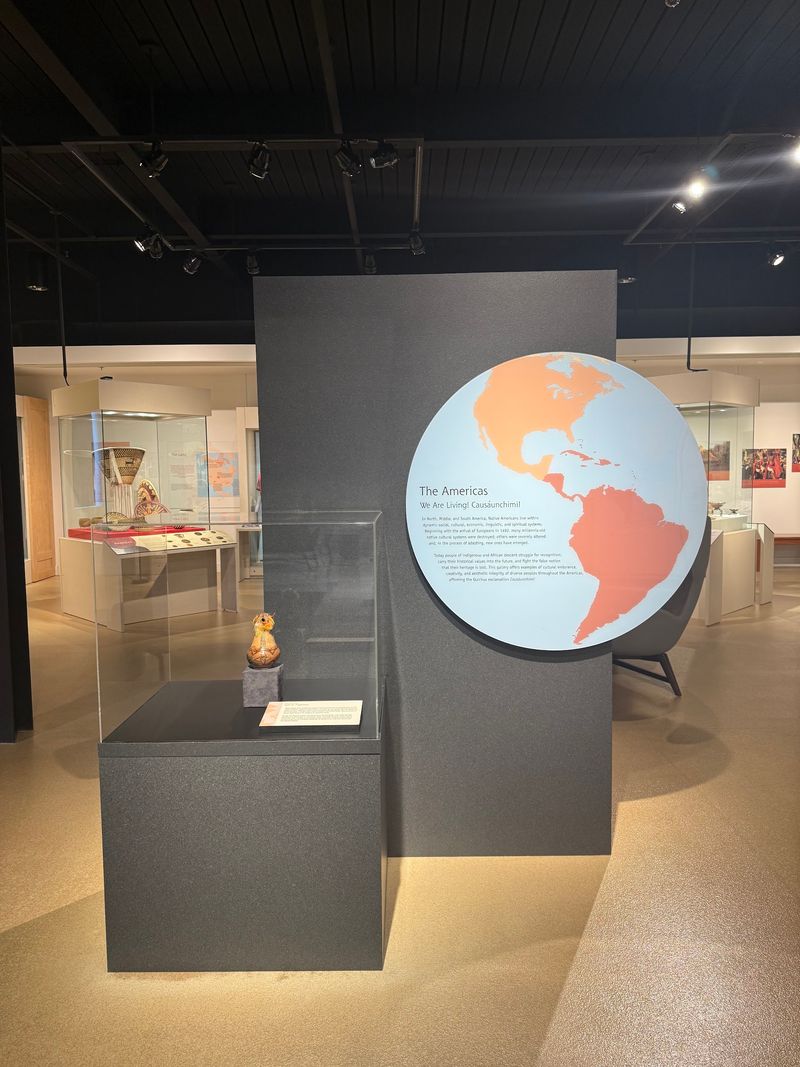
Two floors, nine permanent exhibits, and thousands of years of history fit inside a building many people expect to be tiny. The layout follows geography, so each gallery represents a region of the world.
The first floor covers North, Central, and South America along with the Ancient Mediterranean. Climb to the second floor, and the map shifts to East Asia, Southeast Asia, Oceania, Europe, Africa, Ancient Mesopotamia, and Ancient Egypt.
Traditional ethnic garments appear throughout, alongside sculptures, tools, and everyday objects. Special exhibits rotate in as well, adding fresh reasons to come back.
The flow is relaxed and fairly free-form. Nobody is pushed along a single path, so kids can steer the route toward whatever catches their curiosity first.
Here is a fun fact worth sharing in the car ride home. Only about 5 percent of the full collection is on display at any one time because of limited space.
That means the cases hold a carefully chosen slice of a much larger treasure chest. One gap gets pointed out now and then, since the Asia galleries do not include a section focused on India.
Still, the range is wide enough that a quick visit easily stretches into a long one, and the second floor is a must.
The Mummy and the Ancient Egypt Gallery
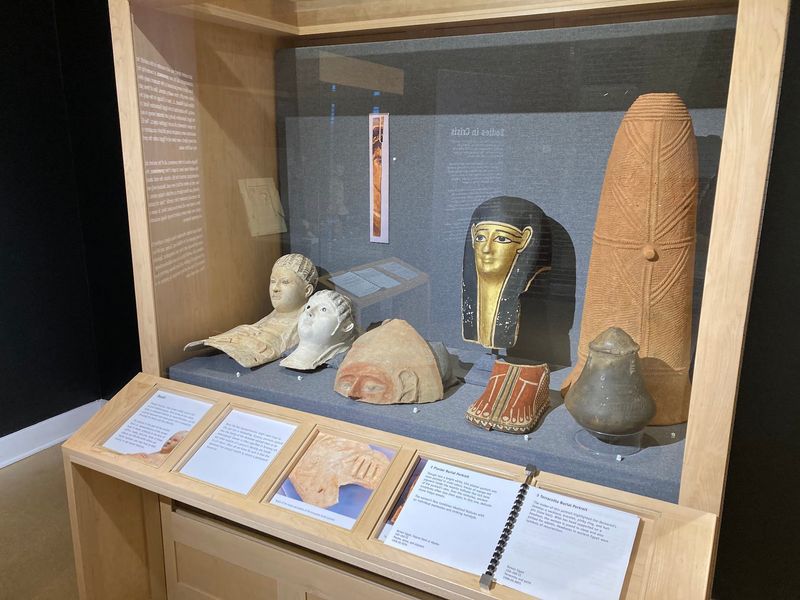
Kids who have only seen mummies in cartoons tend to stop in their tracks upstairs. The Ancient Egypt gallery on the second floor is home to a real mummy, and it often becomes the highlight for young explorers.
The display goes further than a case and a label. Images show what experts think the person may have looked like in life, which turns an ancient figure into a relatable human story.
That approach fits the museum’s people-first focus. The mummy becomes a doorway into questions about daily life, beliefs, and customs along the Nile.
Parents may find the Egypt section a natural starting point for curious kids. Older children who have studied ancient civilizations in school can connect classroom lessons to something right in front of them.
Travelers who have actually been to Egypt also enjoy the gallery. It offers a surprising amount to see for a campus museum in the middle of Illinois.
Next door, Ancient Mesopotamia picks up another chapter of early history. Pairing the two rooms makes a neat mini lesson on how some of the earliest cities and kingdoms took shape.
For many families, this corner of the second floor is the reason a quick stop turns into a story the kids repeat at dinner.
Marble Heroes and Plaster Casts
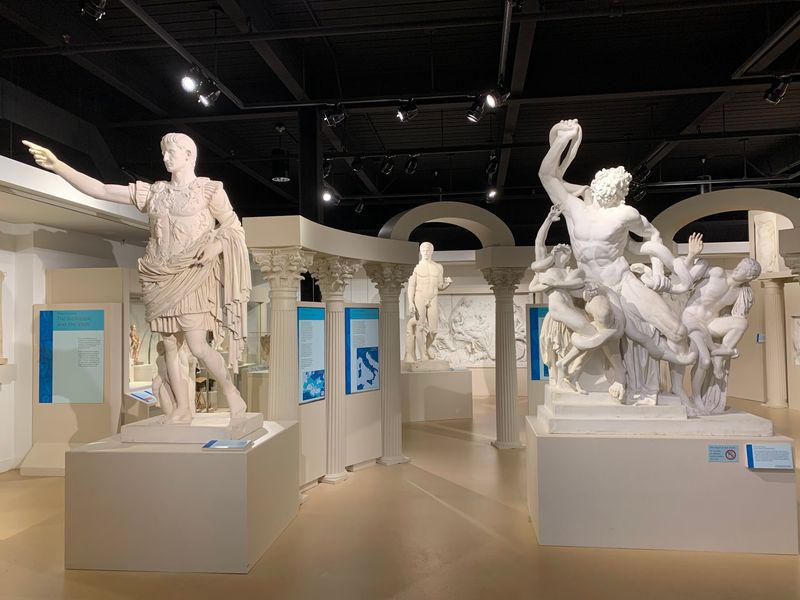
Statues earn more attention here than almost anything else in the building. The Ancient Mediterranean gallery, with its Greek and Roman figures, is often named a personal favorite.
Ancient Greece in particular feels like one of the larger and more developed sections. Roman Empire statues draw fans of their own, especially among history buffs.
Some of the sculptures are plaster casts made from original works. Many objects across the museum are replicas, and the museum is open about that.
For a free museum, most people find the trade-off perfectly fair. Replicas still teach the shapes, styles, and stories of ancient art, and kids rarely mind whether a statue is a copy.
In fact, casts give students and families a chance to study famous works that would otherwise require a trip overseas. That is a lot of Mediterranean history for the cost of a tank of gas.
Interpretive signs sit near the pieces and explain where each one comes from and why it matters. Families who slow down to read can turn the gallery into a lively quiz session.
Bring a question or two for the kids, such as which god or hero they would pick as their favorite. The answers might be the most entertaining part of the afternoon.
Screens, Strings and Gallery Bingo
Not every exhibit stays behind glass. Interactive screens scattered through the galleries offer detailed looks at rare objects that would be hard to explore otherwise.
One standout is a fragment of the letter of James from the New Testament. The screens let guests learn about it in far more depth than a small label could manage.
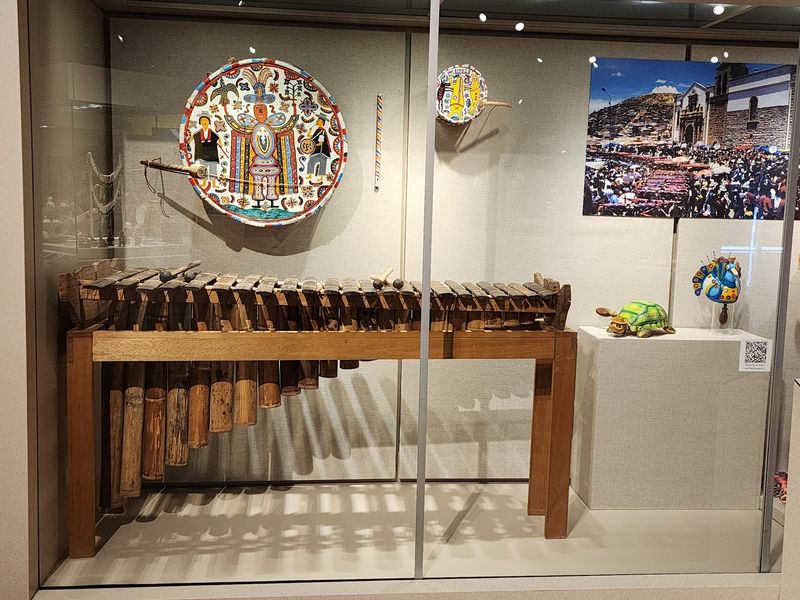
Music lovers get a treat as well. Recordings let you listen to music created with ancient versions of violins and other string instruments.
The Latin American galleries add their own surprise, including pieces from Bolivia with a hands-on element. Native American art displays sit nearby and showcase deep, long-standing traditions.
For families, the secret weapon waits near the entrance. Bingo sheets on clipboards turn the visit into a scavenger hunt that keeps kids searching every gallery.
Some exhibits also invite written responses to prompts, which adds another small way to take part. Overall, though, the museum leans more toward looking and reading than pushing buttons.
Very young children may lose interest faster than older kids. An engaged adult and that bingo clipboard can make all the difference, often stretching a visit to two hours or more.
Programs Beyond the Display Cases
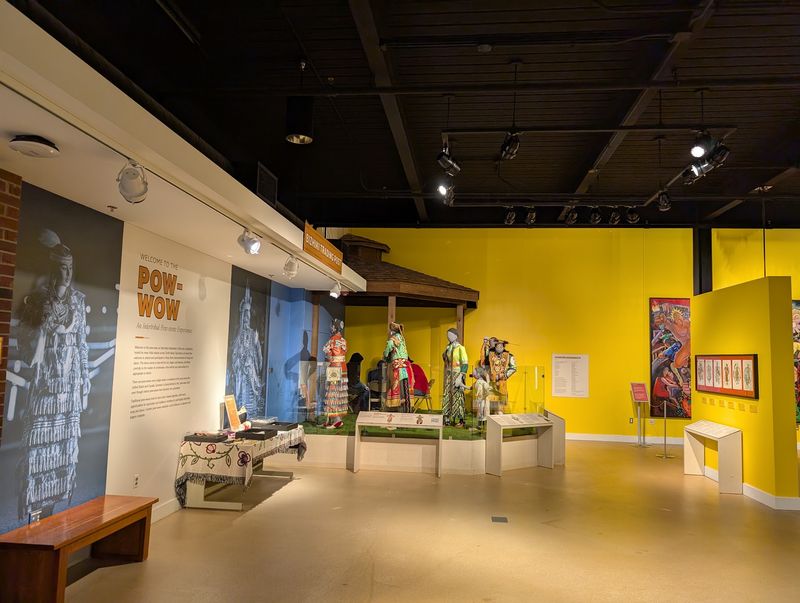
Some of the best moments happen when the museum turns into a stage. Special programs bring cultures to life in ways a display case cannot.
A Pow-wow 101 presentation is one memorable example. Audience members learned about the tradition and were even invited on stage at the end to dance alongside experienced performers.
Calm minds have a place here too. Mindful Meditation has been offered on select Fridays from 11:30 a.m. to noon, and the Southeast Asian and European galleries are favorite spots for a peaceful pause.
Program schedules can change, so checking the museum website before a trip is a smart move. That way, a regular visit might line up with a free event.
Temporary exhibits add depth as well. A past exhibit shared the stories of Japanese alumni and featured art about prejudices faced by the AAPI community.
The museum also makes an effort to be transparent about where its artifacts were acquired. That openness gives older kids and adults a chance to talk about how museums build their collections.
These extras help explain why so many locals keep coming back. Each return trip can bring something new to discover.
Quiet Halls Ready for Strollers and Wheelchairs
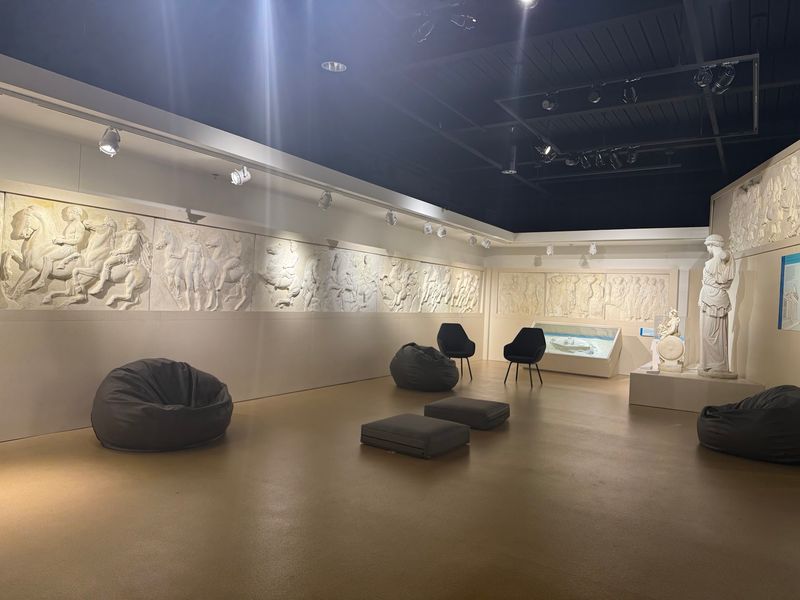
Grandparents, toddlers in strollers, and everyone in between can move around with ease. Accessibility is clearly a priority throughout the building.
The entrance has no steps, and the galleries have smooth, level floors. Elevators are easy to find and reach every level.
Rest stops are built right in. Seating areas, poufs, and cushions sit throughout the galleries, so tired legs can take a break without missing anything.
The restrooms are modern, accessible, and kept spotless. Sanitary pads have even been available, a thoughtful detail many guests appreciate.
The overall mood is calm and tranquil. A Saturday afternoon near closing time can feel almost completely empty, which suits families who prefer fewer crowds.
Staff members tend to be kind and helpful, especially with accommodation questions. At the same time, the space is easy to explore independently.
One practical note concerns the lighting, which some people with light sensitivity find bright. Bringing sunglasses or a hat can help anyone who needs it.
Put it all together, and the museum works well for a multigenerational outing where nobody gets left behind.
Hours, Parking and the Donation Box
A little planning goes a long way, starting with the calendar. The museum is closed on Mondays.
On Tuesday, doors open from noon to 5 p.m. Wednesday through Friday, hours run from 9 a.m. to 5 p.m.
Saturday hours are 10 a.m. to 4 p.m., and Sunday runs from noon to 4 p.m. Hours may shift around holidays or campus events, so a quick look at the website before leaving home is wise.
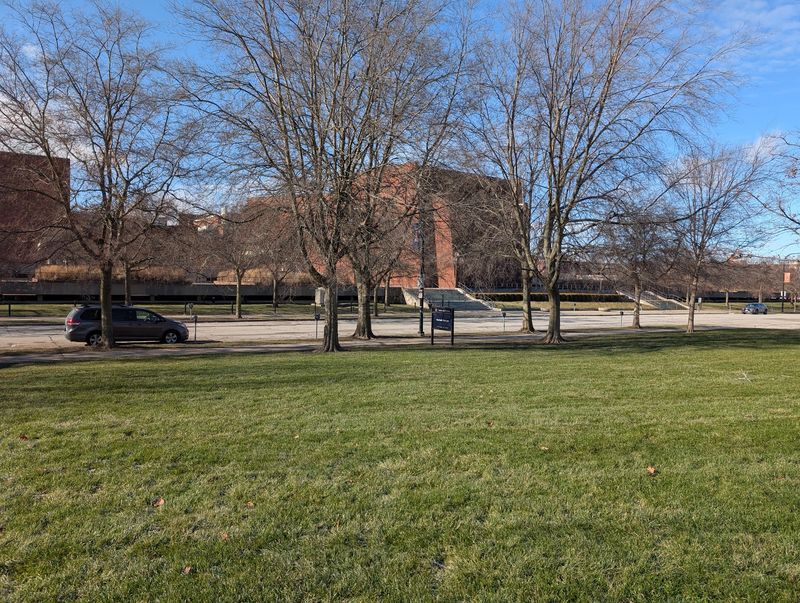
Parking is part of the good news. Street parking is available nearby, and the walk to the entrance is short and simple.
On weekends, parking has been free in permit areas, with both lot and street options. That can make a Saturday or Sunday visit almost entirely free.
Plan on at least an hour inside. Many groups find one to two hours feels right, while families who read every sign and finish the bingo sheet can easily stay longer.
Admission stays free for everyone. The donation box near the entrance helps keep the galleries running, and even a few dollars from each family adds up.
A winter day trip fits especially well, since everything worth seeing is indoors.
A Free Day Trip Worth Bragging About
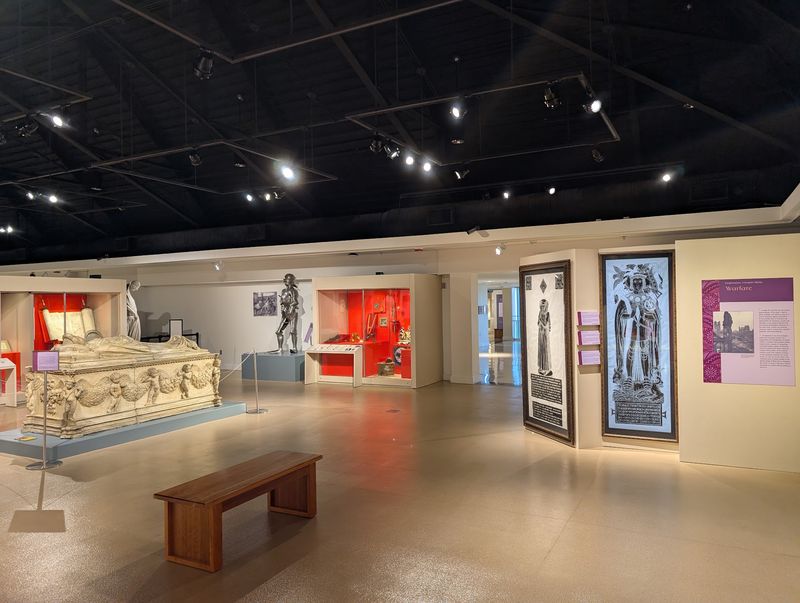
Few Illinois outings cover so much ground for so little money. In one afternoon, a family can meet a mummy, study Roman statues, hear ancient instruments, and wander through galleries representing much of the world.
The museum is easy to get around, calm, and welcoming to every age. Strollers, walkers, and wheelchairs all move smoothly through the halls.
It works best for curious kids and the grown-ups who love answering their questions. Very young children may need a bingo clipboard and some encouragement to stay engaged.
History fans, college students, and grandparents looking for a peaceful outing tend to leave impressed. Many say the museum offers much more than they expected.
Free admission means a repeat trip never feels like a splurge. Rotating exhibits and special programs give everyone a reason to come back again.
Before heading out, check the hours and plan around the Monday closure. A weekend visit with free parking keeps the budget nearly untouched.
Leave something in the donation box if you can, and tell a friend about it on the way home. Good secrets in Urbana are meant to be shared.


