
Affiliate disclosure: As an Amazon Associate I earn from qualifying purchases. Learn more
Moving trucks keep rolling into one corner of Texas, and they are not slowing down. People pack up their lives in other states and point the map toward a sprawling city near the Gulf Coast.
Some come for jobs, some come for space, and plenty come simply because friends who moved first keep telling them to. Ask a newcomer why they stayed, and the answer usually includes a rocket, a stage, an old brick street, and a bay that sits just down the road.
This city is big, busy, and surprisingly easy to fall for once the boxes are unpacked. The sections ahead walk through where it sits, what makes it tick, who tends to love it, and the practical details that help a first visit or a first month go smoothly.
There is a lot of ground to cover, so grab a seat.
A Metropolis on the Road to Galveston Bay
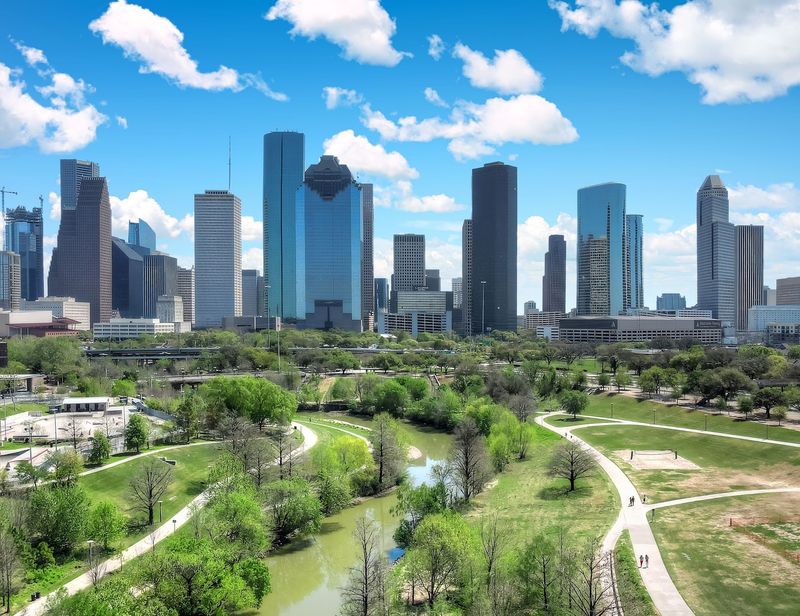
Some cities stop at their borders, but this one seems to keep going until it nearly reaches the water. Houston, Texas, USA, is a large metropolis that stretches all the way out toward Galveston Bay.
That size matters to anyone thinking about a move. A city this large can typically offer room for very different lifestyles, from compact urban living to quieter spots farther out.
Geography plays a starring role here. The city sits in southeast Texas, close to the Gulf Coast, which gives it a coastal connection that inland Texas cities simply do not have.
For Texans already living in the state, the trip is a familiar one. Drivers coming from Austin or San Antonio can often reach the area in roughly three hours, while Dallas-Fort Worth residents usually plan on a longer haul of around four hours, depending on traffic.
The official city website, houstontx.gov, is a handy starting point for anyone sorting out city services, neighborhoods, or local updates before arriving.
Big, coastal, and connected, the city sets a strong first impression before a single moving box is opened. The next question is what actually keeps people here once they land.
Why the Moving Trucks Keep Coming
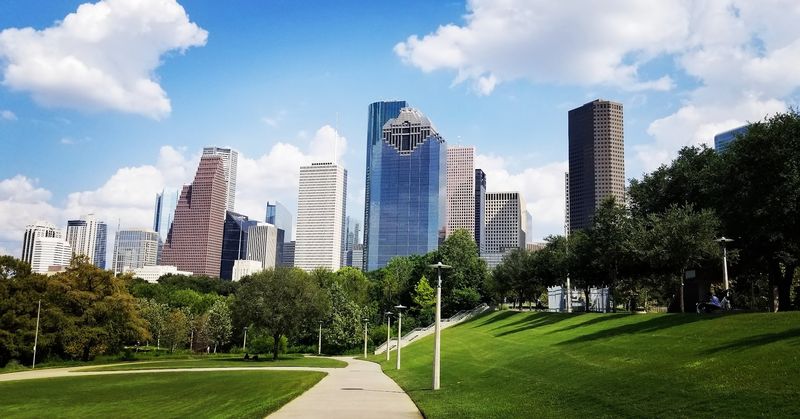
Year after year, the same city keeps showing up near the top of moving conversations. That kind of staying power rarely happens by accident.
Part of the pull is sheer scale. A large metropolis tends to offer a wide mix of neighborhoods, workplaces, and attractions, so newcomers can often find a version of the city that fits them.
Another part is variety in a single address. Within one metro area, residents can reach a space center, a theater district, a historic district with 19th-century architecture, and a bay on the coast.
That mix tends to appeal to very different people at once. Families may lean toward the science and hands-on outings, while others gravitate toward the stage or the older streets downtown.
There is also something distinctly Texan about the whole package. The state has plenty of famous cities, but few combine a coastal setting with a direct link to the country’s space program.
Word of mouth does the rest. People who settle here often pass the idea along to friends and relatives, and the trucks keep rolling in.
So what exactly do they find once they arrive? The answer starts with a place that reaches for the stars.
Rockets, Astronauts and Mission Control
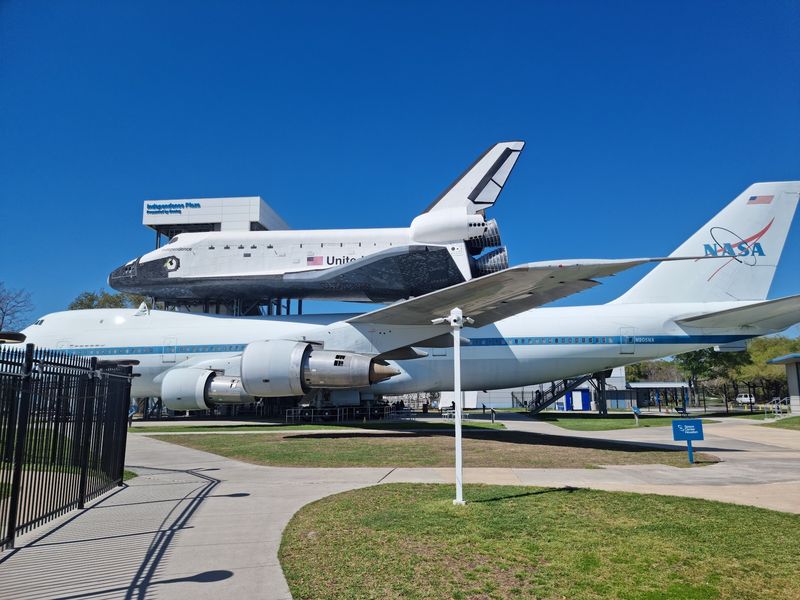
Houston, we have a reason to visit. Few cities are tied to space exploration quite like this one.
The city is closely linked with Space Center Houston, the visitor center at NASA’s astronaut training and flight control complex. It sits toward the coast, which fits the city’s long reach toward the bay.
For families, this is often the headline attraction. Kids and grandparents alike can explore a place connected to real astronaut training and real flight control work, which makes the visit feel more meaningful than a typical museum day.
It is also a strong point of Texas pride. Plenty of places talk about space, but this one has a working connection to it.
Planning ahead is wise. Admission prices and hours can change, so checking the official Space Center Houston website before the trip is the smartest move.
Many families typically set aside most of a day for this stop. It pairs well with a relaxed evening back in the city.
Newcomers often say this landmark is the first place they take out-of-town guests. After that, the conversation tends to shift from rockets to something closer to the ground: the heart of downtown.
A Downtown That Fits in Your Pocket
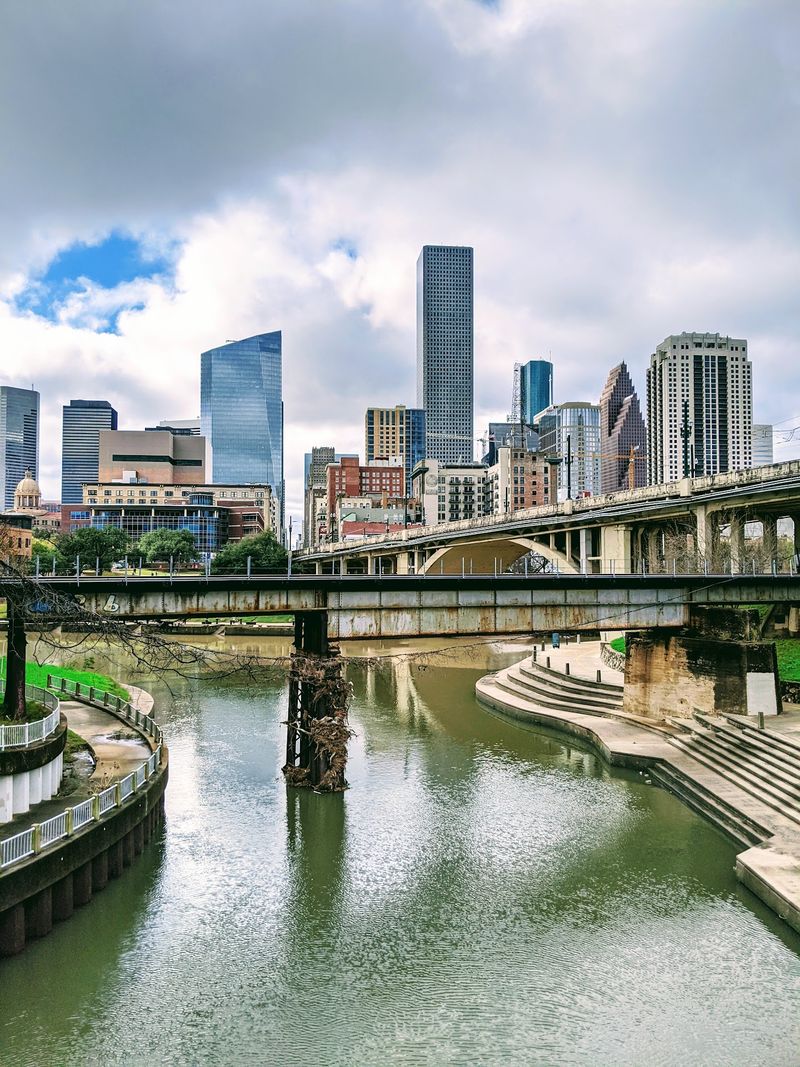
Surprise number one for many new arrivals: the core of this huge city is relatively compact. For a metropolis of this size, that is a welcome twist.
Downtown packs several key areas close together. The Theater District and the Historic District both sit within it, so a single outing can cover a lot of ground.
That layout can make weekends easier. Instead of driving across town for each stop, residents and guests may be able to group plans in one area.
It also helps first-time visitors get their bearings. A compact center gives the city a clear anchor, even when the wider metro feels endless.
Parking and transit options vary, so it is worth checking city resources on houstontx.gov before heading in. Busy event nights can typically bring more traffic downtown.
The compact core is where much of the city’s culture comes alive. Two districts in particular tend to grab attention, and each has a very different personality.
One is all about the spotlight. The other leans on its past.
Curtain Calls in the Theater District
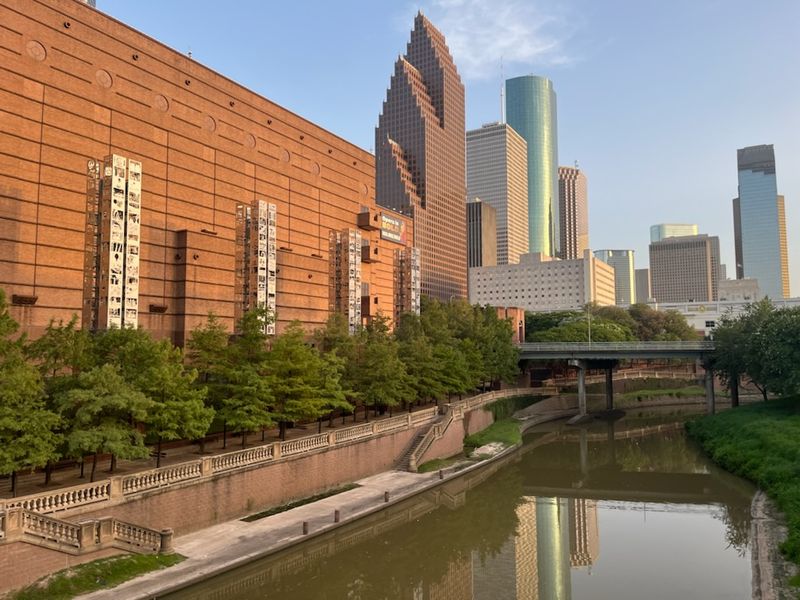
Stage lovers, take note. Downtown Houston holds a Theater District that gives the city serious cultural credentials.
The district is home to the renowned Houston Grand Opera. For a city often associated with space and industry, that may come as a pleasant surprise to newcomers.
Opera might sound formal, but a night in the district does not have to feel stuffy. Many people treat it as a special-occasion outing, while others make it part of a regular routine once they settle in.
Show schedules and ticket prices vary by performance. Checking the Houston Grand Opera website ahead of time is the best way to find current dates and costs.
The district’s place in the compact downtown helps too. A performance can be paired with a stroll through nearby streets before or after the curtain rises.
For new residents, this area often becomes a way to show friends that the city has a creative side. It adds depth to a place that might otherwise be defined only by its size.
Once the applause fades, history is waiting just around the corner.
Old Brick and 19th-Century Bones
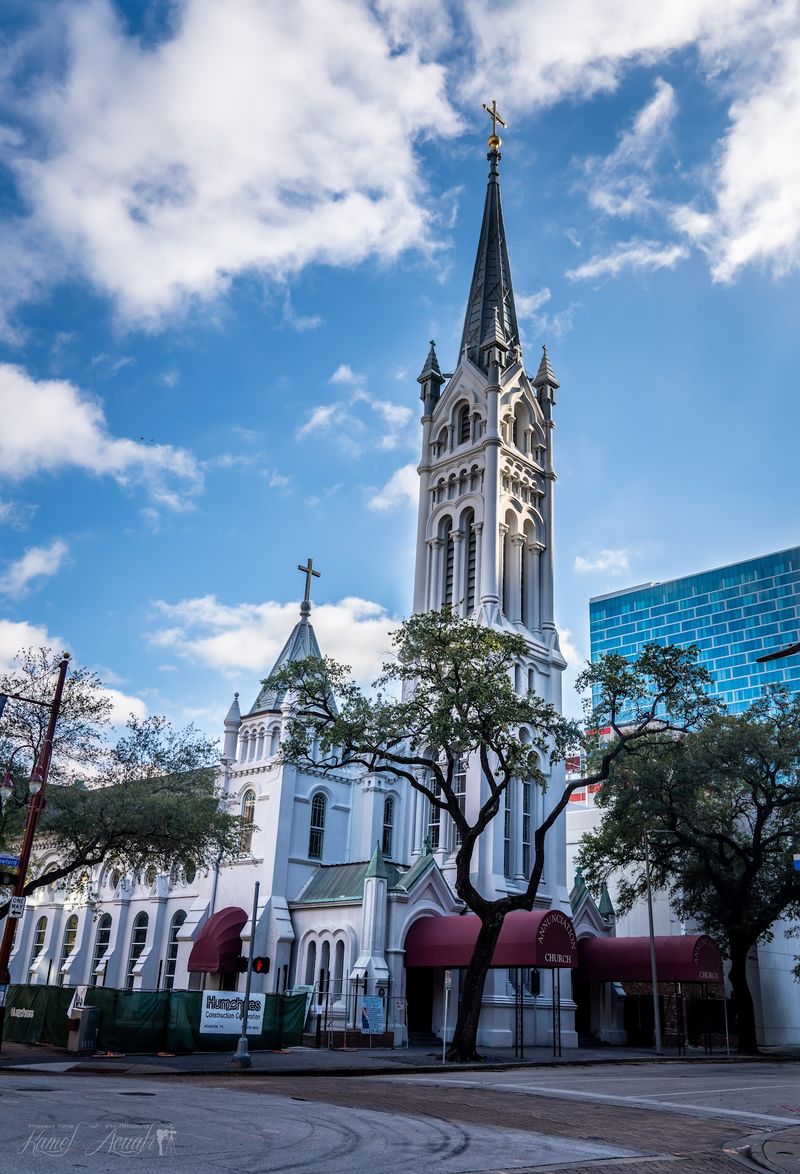
Not everything here is new and shiny. Tucked into downtown, the Historic District holds onto the city’s earlier chapters.
The area features 19th-century architecture. Those older buildings give a sense of how the city looked long before its skyline grew.
History fans tend to appreciate the contrast. Modern towers rise nearby, while the older structures remind everyone that the city has deep roots.
The district is also known for upscale restaurants. That makes it a popular choice for date nights, celebrations, or a special meal with visiting family.
Budget-minded explorers have options too. Walking the streets and admiring the architecture typically costs nothing, which is a nice bonus for families who want a free outing.
Bringing comfortable shoes is a good idea. A self-guided walk can easily turn into a longer wander than planned.
For newcomers, this corner of downtown often becomes a favorite spot to slow down. Then again, the city also has a much wider backyard waiting beyond the buildings.
The Pull of the Bay
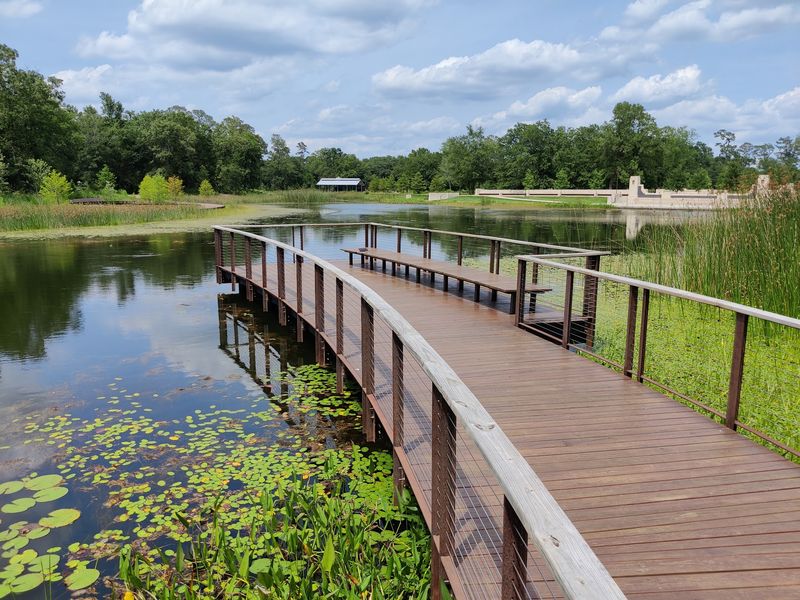
Here is a perk that many Texas cities cannot claim. The metro area extends out to Galveston Bay.
That coastal connection changes the rhythm of life. Residents may be able to plan a day near the water without committing to a long road trip.
For families, the bay offers an easy change of pace from city streets. A simple outing to the shoreline can be a low-cost way to spend a Saturday.
It also ties nicely into the space theme. Space Center Houston sits in the coastal part of the area, so some families combine the two into one long day.
Weather plays a big role in coastal plans. Checking the forecast before heading toward the water is always wise along the Gulf Coast.
Newcomers from landlocked states often mention the bay as an unexpected bonus. It adds a breezy chapter to city life that is hard to find elsewhere in Texas.
Of course, a city is about more than places. The people and the overall vibe matter just as much.
Who Tends to Feel at Home Here
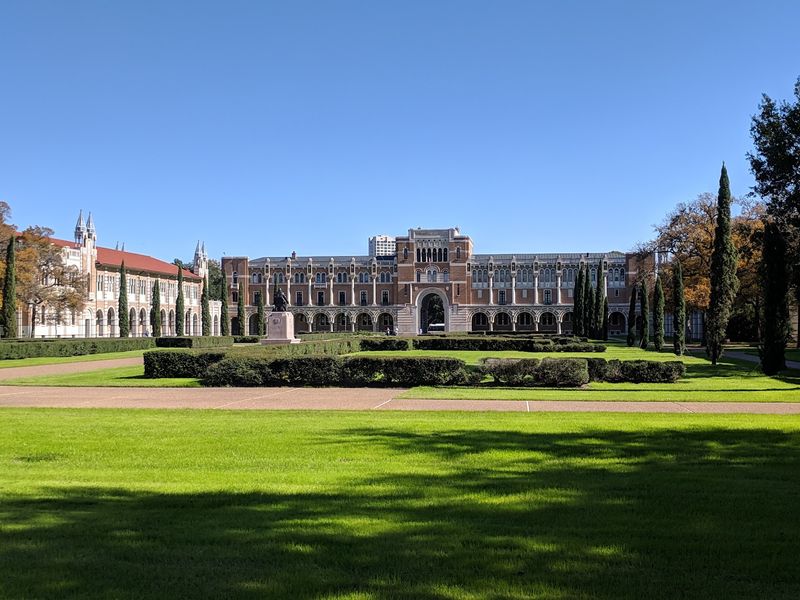
Big cities can feel intimidating, but this one has a way of making room for different kinds of people. That flexibility is a big part of its appeal.
Families with curious kids often find plenty to do. The link to Space Center Houston alone can keep young science fans busy.
Arts lovers tend to gravitate toward the Theater District and the Houston Grand Opera. For them, the city offers a cultural calendar that rivals far more famous destinations.
History buffs and architecture fans have the Historic District. Its older buildings and upscale dining make it a go-to for slower, more thoughtful outings.
People who love the water may lean toward the bay side of the metro. The coastal access offers a lifestyle option many Texans cannot get in their hometowns.
Size is part of the charm and part of the challenge. Some newcomers may need time to learn their way around, but many find the variety worth the effort.
Planning a first visit helps smooth that learning curve, and a few practical notes go a long way.
Practical Notes Before You Go
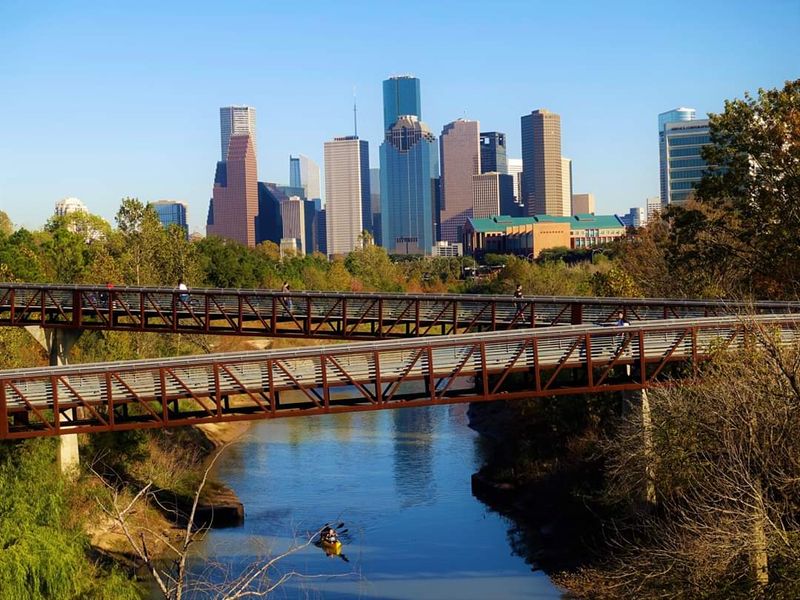
A little planning saves a lot of time in a city this large. Start with the basics.
Getting there is usually a drive for in-state travelers. Austin and San Antonio residents can often make it in about three hours, while Dallas-Fort Worth drivers typically need closer to four.
Prices and hours depend on the attraction. Space Center Houston and the Houston Grand Opera set their own schedules and ticket costs, so checking their official websites is the safest bet.
Free options do exist. Strolling the Historic District and admiring its 19th-century buildings typically costs nothing.
Grouping plans helps. Downtown’s compact layout makes it easier to pair the Theater District and Historic District in one outing, while the space center and bay fit naturally together on another day.
Pack for changing weather, especially for coastal plans. Comfortable shoes, water, and a flexible schedule tend to make any visit smoother.
For city services and general information, houstontx.gov is the official resource. With the logistics handled, all that is left is deciding whether the city fits.
A City Worth the Move, or at Least the Drive
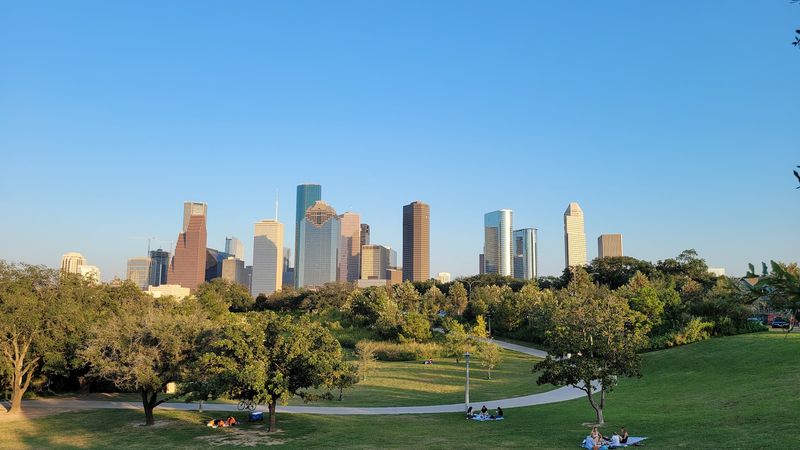
Some cities win people over slowly, and this one does it with sheer variety. Rockets, opera, old brick, and a bay all share the same metro map.
That combination explains a lot about its steady spot on moving lists. Newcomers can find culture, history, science, and coastal access without leaving the area.
It also holds real Texas pride. The connection to NASA’s astronaut training and flight control complex is something few places anywhere can claim.
Not everyone will want a city this big, and that is fair. Still, the compact downtown helps make it feel more manageable than its size suggests.
For Texans who have never spent real time here, a weekend trip may be the best way to test the waters. One visit to the space center and an evening downtown can say plenty.
Plenty of people came for a short look and ended up calling a moving company. Whether this city becomes home or simply a favorite road trip, it tends to leave newcomers with a clear sense of why so many keep arriving.


